Ghumoopedia — Explore, Discover, Experience
Sign in
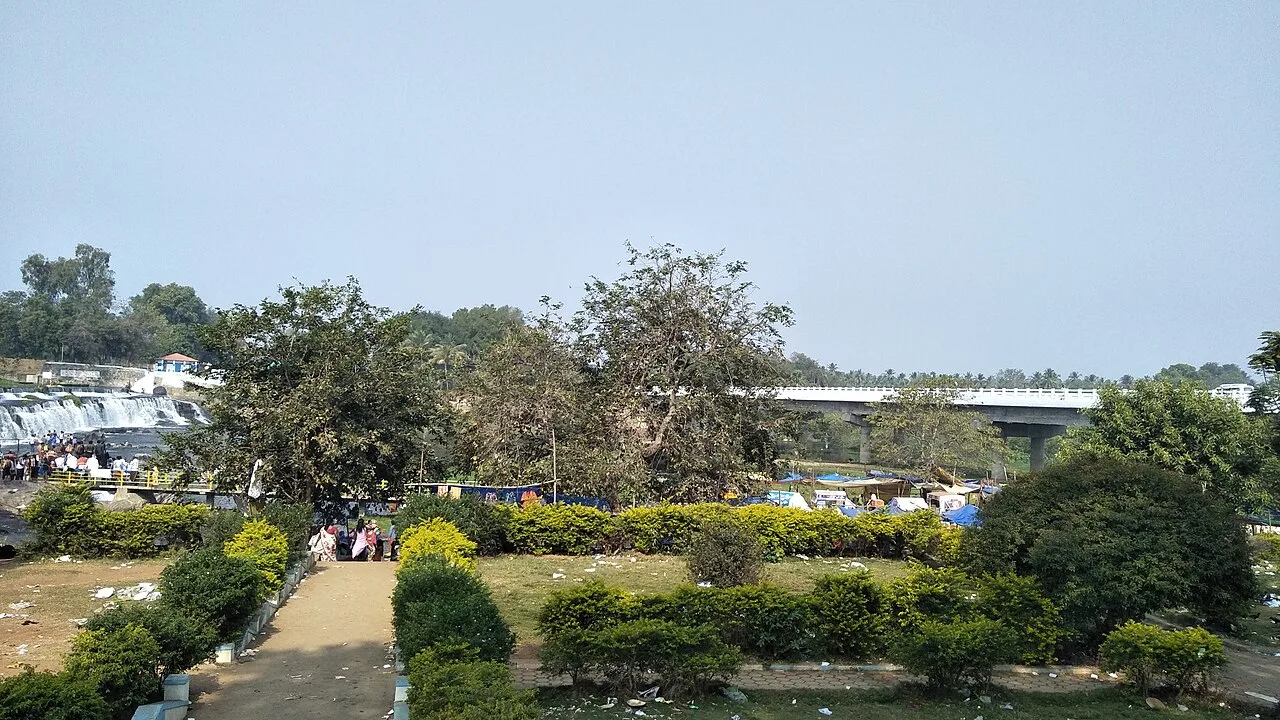
Kodiveri Dam, near Tiruppur

City guide · Tamil Nadu

Tiruppur

Tiruppur is a major industrial city in western Tamil Nadu and the administrative headquarters of Tiruppur district. Set beside the Noyyal River, it is best known for its knitwear and garment industry, whose network of spinning, knitting, dyeing and finishing businesses has made the city an important centre for textile production and trade.

Famous for

  • Cotton knitwear
  • Garment exports
  • Textile manufacturing
  • Noyyal River
  • Kongu Nadu cuisine

Why Tiruppur matters

Tiruppur is a major industrial city in western Tamil Nadu and the administrative headquarters of Tiruppur district. Set beside the Noyyal River, it is best known for its knitwear and garment industry, whose network of spinning, knitting, dyeing and finishing businesses has made the city an important centre for textile production and trade. In 2021–22, the Tiruppur textile sector contributed nearly 54.2 percent of India’s textile exports.

The city’s appeal is closely tied to this working industrial landscape: business travellers come to meet manufacturers and explore garment showrooms, while visitors can experience a busy commercial centre shaped by textile enterprise. Tiruppur also offers a glimpse of Kongu Nadu’s history and everyday Tamil life, with local temples, markets and food traditions. The Noyyal River and the wider region’s agricultural past provide a contrast to its modern factories. Tiruppur is a practical base for exploring western Tamil Nadu, although its strongest draw is commerce rather than conventional sightseeing.
Famous for: crafts, trade & products

Tiruppur is chiefly associated with cotton knitwear, T-shirts, underwear, sportswear and other ready-made garments. Its textile economy links spinning mills and knitting, dyeing, printing and garment-making units, serving both domestic buyers and export markets. The city’s identity is more closely tied to modern factory production than to handloom sarees or a distinctive handicraft tradition. It is not especially known for a city-specific GI-tagged product.

Garments and textile goods can be found in the city’s retail and commercial districts, including around Kumaran Road and Avinashi Road, where shops and showrooms cater to residents and visiting buyers. Wholesale and manufacturing trade is spread across industrial areas, and many production sites are workplaces rather than visitor attractions. Shoppers looking for finished clothing can compare local stores and branded outlets; those seeking a particular product or bulk order should check with businesses directly. Tiruppur’s strength lies in the scale and range of its knitwear supply chain, rather than in a single craft market or traditional textile form.

History

Tiruppur lies in the historic Kongu Nadu region, which was ruled by the Cheras during the Sangam period. The area formed part of trade routes linking India’s eastern and western coasts. Chola rule expanded into Kongu Nadu in the tenth century, and inscriptions refer to the Noyyal River, known historically as Kanchi Maanadhi. By the fifteenth century the region was under the Vijayanagara Empire, followed by Nayak-era chieftains and the Palayakkarar system.

In the late eighteenth century, the area came under the Kingdom of Mysore. After Tipu Sultan’s defeat in the Anglo-Mysore Wars, it was annexed by the British East India Company in 1799 and became part of the Madras Presidency. Tiruppur remained an agricultural town for much of its history. From the 1970s, farmers and small businesses helped build a growing textile industry. The city became a municipal corporation in 2008, and in 2009 it became the headquarters of a newly formed district carved from parts of Coimbatore and Erode districts.

Food, festivals & culture

Tamil is the principal language of daily life, and the city’s food reflects the broader Kongu Nadu and Tamil traditions. Meals commonly feature rice, lentils, vegetables and familiar accompaniments; idli, dosa, pongal and parotta are easy to find, alongside tea-shop snacks. Sweet shops sell Tamil favourites such as adhirasam and Mysore pak. Tiruppur’s large workforce and business connections also bring food influences from elsewhere in India.

Pongal, the harvest festival celebrated in January, is an important seasonal occasion, while Tamil New Year in April and Deepavali in October or November are widely observed. Temple festivals add processions, music and community gatherings to the calendar, with dates varying by temple. Hindu temples serve as neighbourhood centres of worship; churches and mosques also reflect the city’s diverse communities. Classical Carnatic music and Bharatanatyam belong to the wider Tamil cultural scene, while folk music and dance are especially associated with festivals and local celebrations.

Visiting the city

The cooler months from November to February are generally the most comfortable for visiting. Tiruppur is hot for much of the year, and the north-east monsoon can bring rain in October and November. The nearest airport is Coimbatore International Airport. Tiruppur railway station is the city’s main rail station, with onward connections by bus, taxi or auto-rickshaw.

City buses, autos and app-based or local taxis are useful for getting around. The central commercial area around Kumaran Road is convenient for shops and everyday street life, while Avinashi Road and P.N. Road have busy retail and business stretches. The older central neighbourhoods are worth a walk for a sense of the city’s markets and temples. Tiruppur is also a useful base for short trips to nearby towns and temples in the district.

Trips from the city

Nearest places to visit from Tiruppur

Our closest destination guides, by straight-line distance.

Kodiveri Dam

40 km away · Erode district

Kodiveri Dam

On the Bhavani River in Tamil Nadu, Kodiveri Dam is a masonry structure that visitors come to see in the Erode district, near Gobichettipalayam.

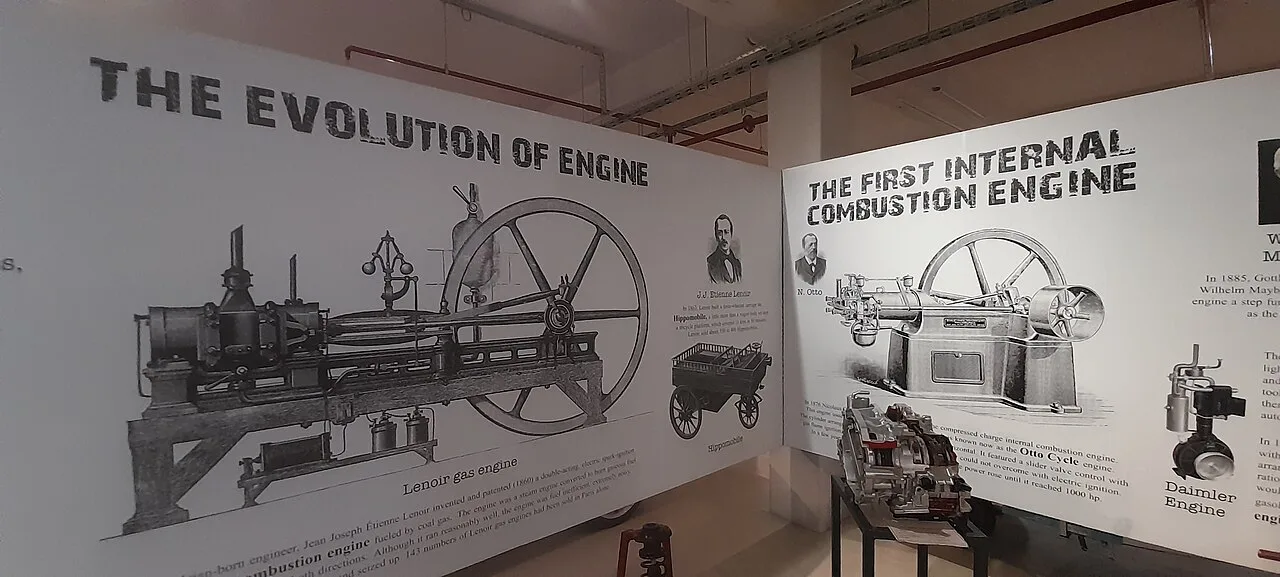
Gedee Car Museum

43 km away · Coimbatore district

Gedee Car Museum

In Coimbatore, Tamil Nadu, Gedee Car Museum is a privately run museum devoted to vintage cars. Visitors come to view its automobiles and find it within the wider GD Museums complex.

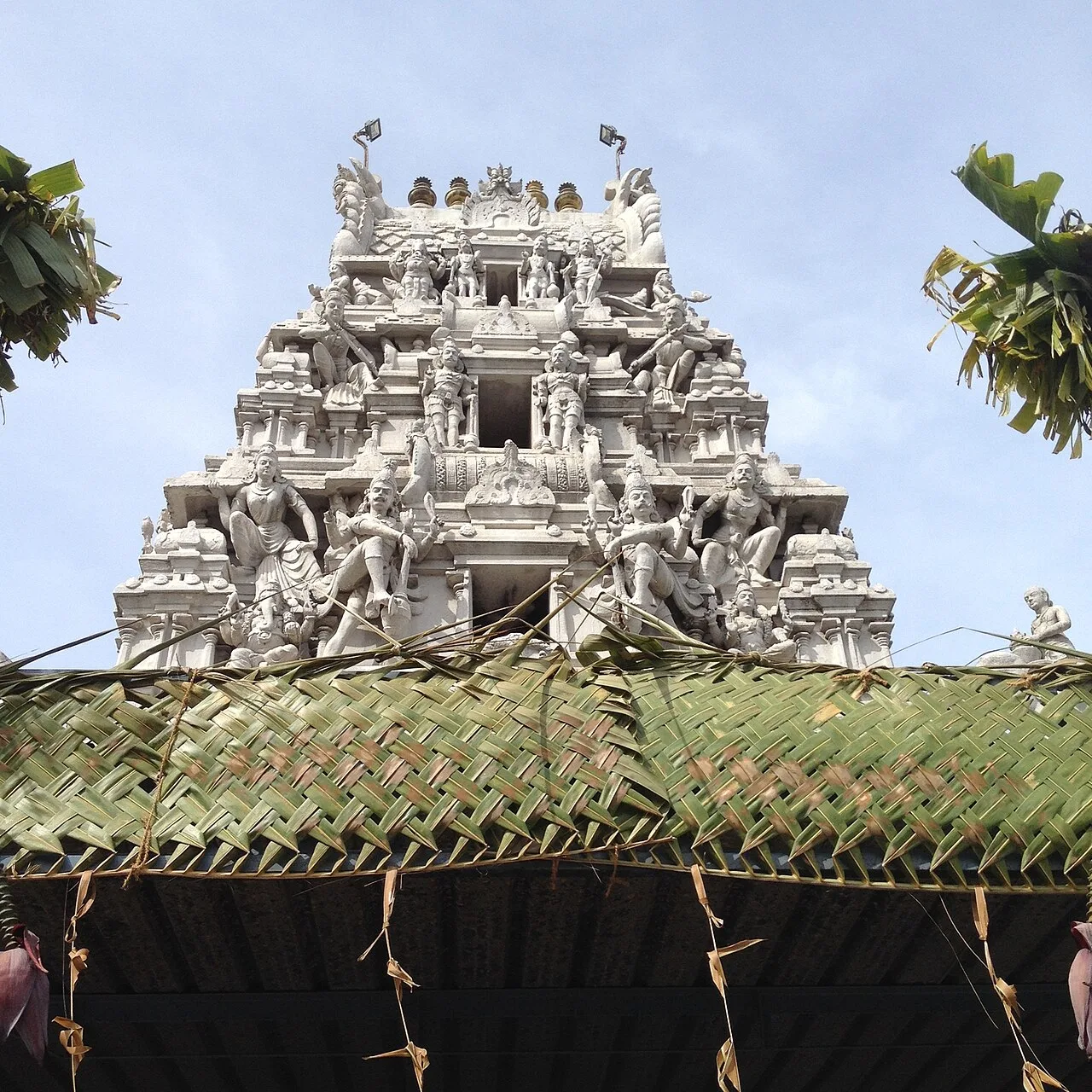
Eachanari Vinayagar Temple

46 km away · Coimbatore district

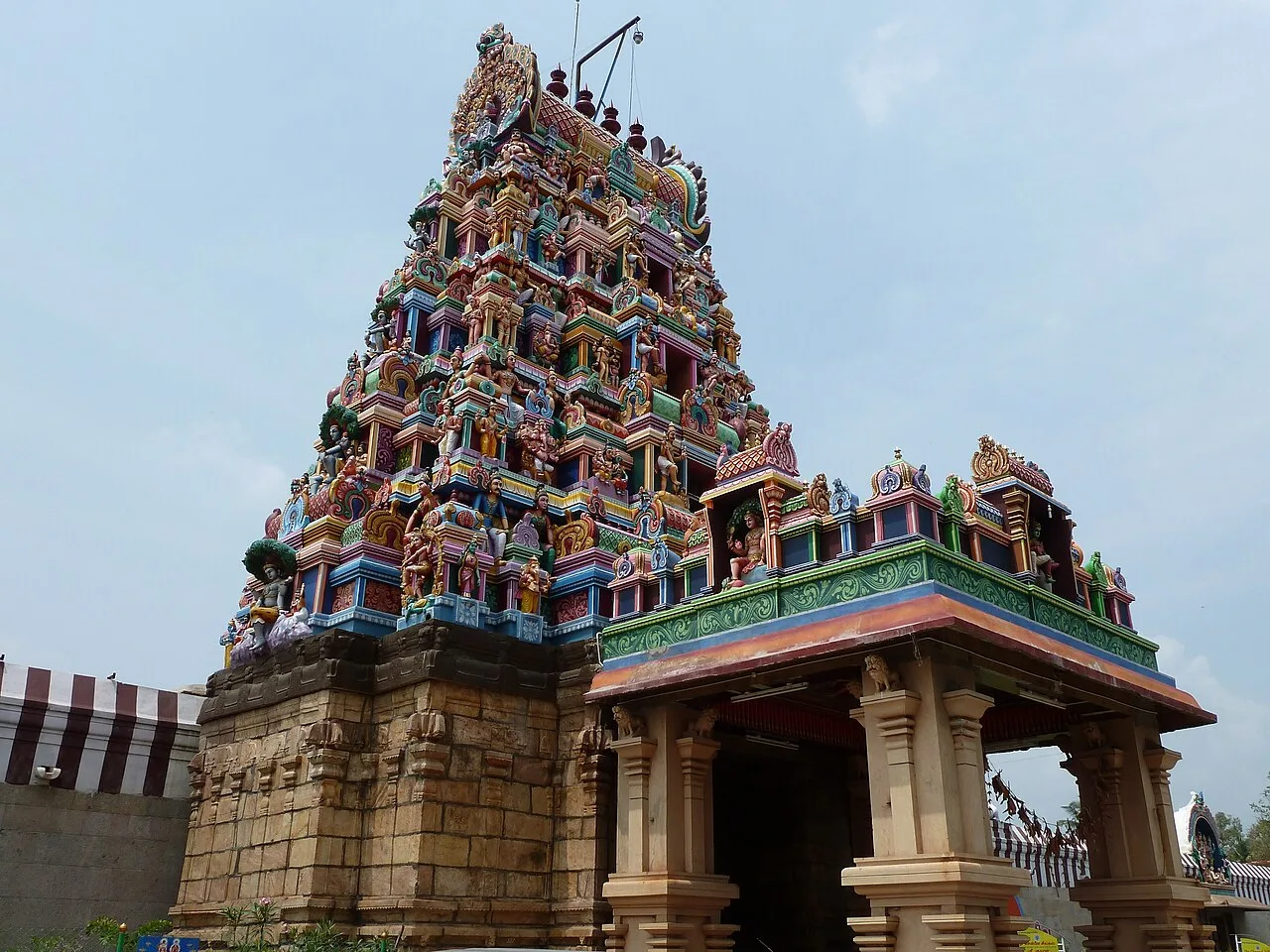
Eachanari Vinayagar Temple

Located in Eachanari near Coimbatore, this Tamil Nadu temple honours Vinayagar. Visitors come to worship the Hindu deity at a shrine around 12 km from Coimbatore city.

Bhavani Sangameswarar Temple

50 km away · Erode district

Bhavani Sangameswarar Temple

Bhavani Sangameswarar Temple is a Shiva shrine in Bhavani, Tamil Nadu, at the meeting of the Kaveri, Bhavani and mystical Amutha rivers. Visitors worship here and perform rites for their ancestors.

Perur Pateeswarar Temple

50 km away · Coimbatore district

Perur Pateeswarar Temple

This Shaivite temple in Perur, Coimbatore, is visited for its Patteeswarar shrine and Swayambu Lingam, as well as its association with Pachainayaki and noted Tamil poets.

Marudamalai Murugan Temple

55 km away · Coimbatore district

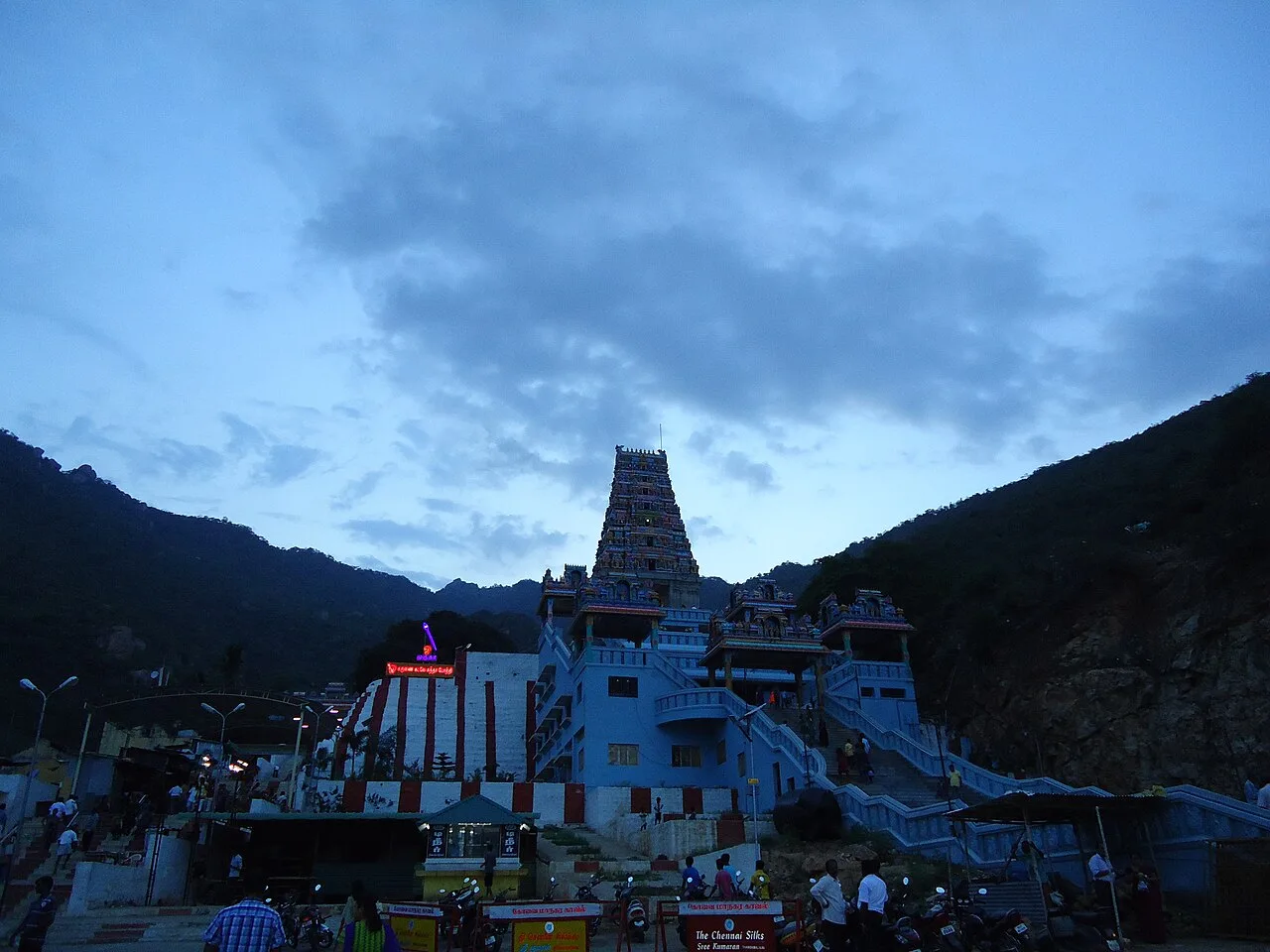
Marudamalai Murugan Temple

Marudamalai Murugan Temple is a hilltop shrine in Tamil Nadu’s Coimbatore district, drawing pilgrims and visitors to the Marudhamalai area.

Dolphin's Nose, Coonoor

61 km away · Nilgiris district

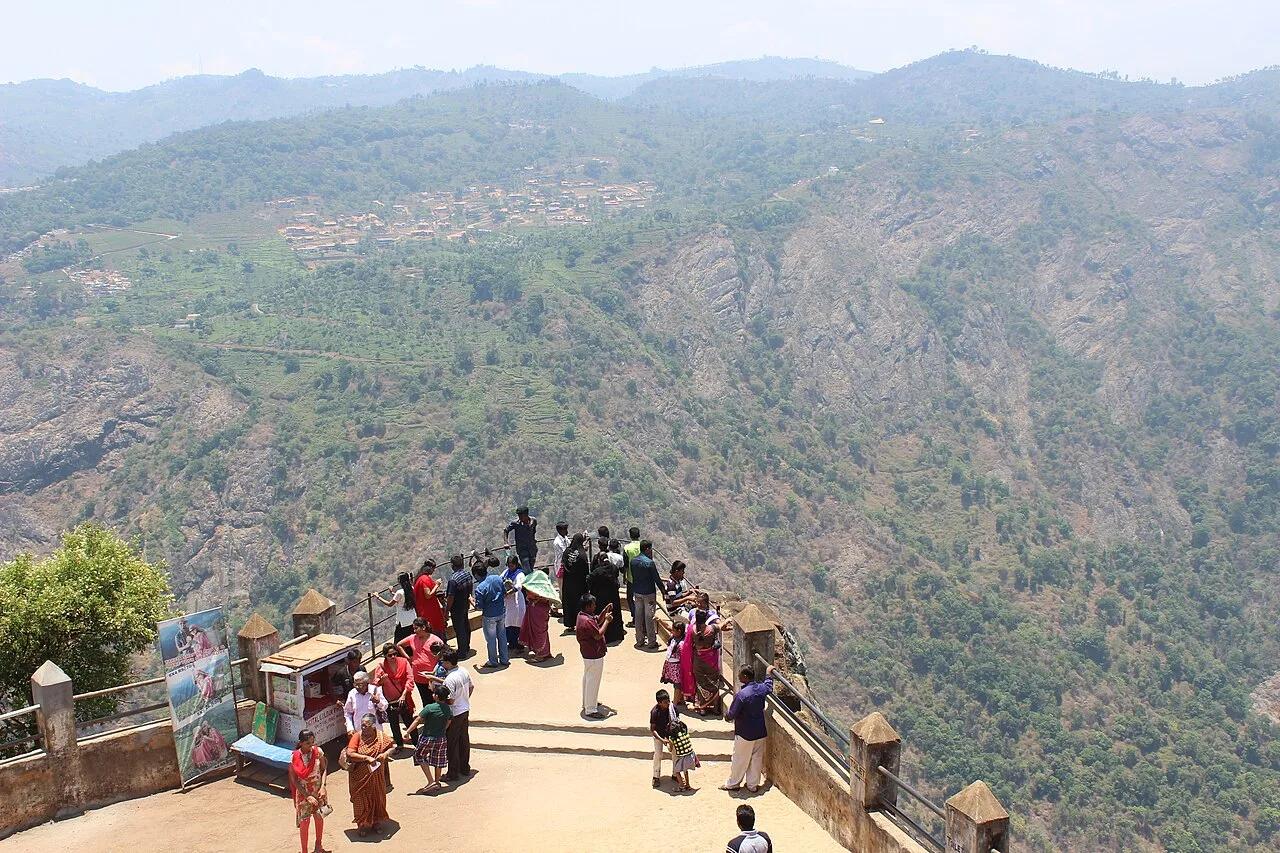
Dolphin's Nose, Coonoor

Dolphin's Nose is a viewpoint and visitor attraction at Coonoor in Tamil Nadu’s Nilgiris District, visited as a place of interest in the area.

Catherine Falls

62 km away · Nilgiris district

Catherine Falls

Catherine Falls is a two-tier waterfall near Kotagiri in Tamil Nadu’s Nilgiris district. Visitors come to see its cascades, which can be viewed from Dolphin’s Nose.

Map

Tiruppur on the map

  1. 1Kodiveri Dam
  2. 2Gedee Car Museum
  3. 3Eachanari Vinayagar Temple
  4. 4Bhavani Sangameswarar Temple
  5. 5Perur Pateeswarar Temple
  6. 6Marudamalai Murugan Temple
  7. 7Dolphin's Nose, Coonoor
  8. 8Catherine Falls

Tamil Nadu

Other cities to explore