
Ghumoopedia — Explore, Discover, Experience
Sign in
Valparai, near Valparai

City guide · Tamil Nadu

Valparai

Valparai is a hill town in Tamil Nadu’s Coimbatore district, set among tea estates and forest in the Anaimalai Hills and reached by a winding road from the foothills.

Famous for

  • Tea plantations
  • Western Ghats scenery
  • Forty hairpin bends
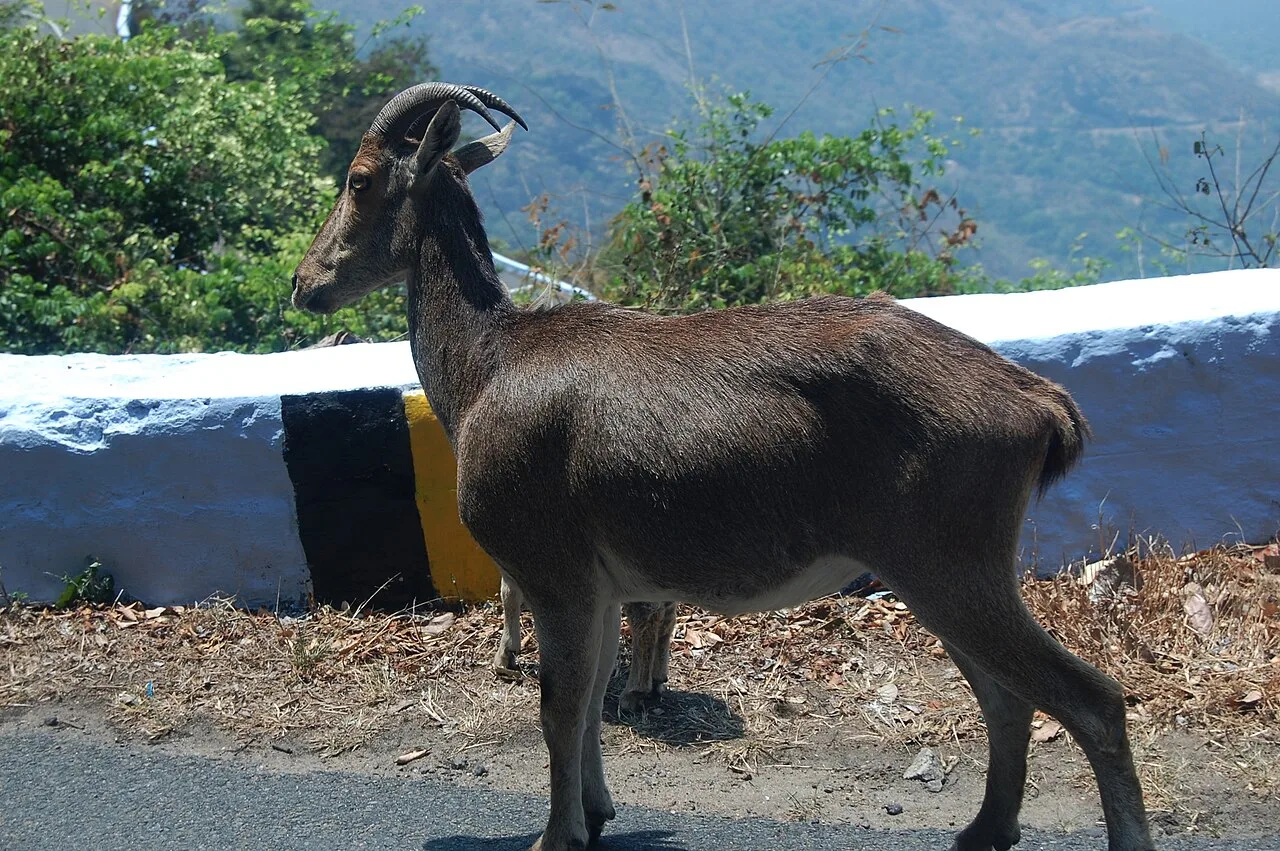
  • Anamalai wildlife
  • Coffee-growing history
In the city
1
District
Coimbatore

Why Valparai matters

Valparai is a hill town in Tamil Nadu’s Coimbatore district, set high in the Anaimalai Hills of the Western Ghats. At about 1,000 metres above sea level, it is surrounded by tea estates, forested slopes and streams, with views that change dramatically in the mist and rain. The winding climb from the foothills, with 40 hairpin bends, is part of the journey’s appeal.

Tea plantations shape the town’s economy and landscape, while nearby forests form part of Anamalai Tiger Reserve. Visitors come for the cool highland setting, estate scenery and opportunities to experience the region’s biodiversity. Wildlife sightings are never guaranteed, and many forest areas are restricted, so visitors should follow local rules and avoid disturbing animals. Valparai also sits near the Kerala border, with Malakkappara beyond the tea country. Its importance today lies in this combination of plantation life, regional connections and access to a protected Western Ghats landscape. The town is a practical base for exploring viewpoints, dams and forest-edge destinations, rather than a large urban centre with extensive shopping or nightlife.

Famous for: crafts, trade & products

Valparai is best known commercially for tea. Plantations cover much of the surrounding hills, and tea estates remain central to local employment and the town’s identity. Visitors can look for locally produced tea at shops in town or estate outlets where available; selection and access vary, so it is sensible to check locally. Coffee has a place in Valparai’s plantation history, though tea is the more visible product today.

The town is not especially known for a distinctive textile tradition, craft market or GI-tagged product. Its everyday trade serves residents, plantation workers and travellers, with general stores, small eateries and shops clustered around the town centre. Rather than arriving for a specialist bazaar, visitors are more likely to find plantation produce and provisions for the hill journey. Estate land is largely privately owned, and visitors should not enter plantations or adjoining forest areas without permission. For a closer look at the area’s working landscape, seek authorised viewpoints or estate experiences and respect restrictions, property boundaries and wildlife guidance.

History

Valparai’s recorded plantation history begins in the mid-19th century. In 1846, K. Ramasamy Mudaliyar started a coffee plantation in the area. The Karnatic Coffee Company began planting coffee in 1864, but found the venture unprofitable and sold part of its land. In 1875, roads and guest houses were prepared for a planned visit by the Prince of Wales, later Edward VII; the visit was cancelled.

In 1890, planters W. Wintil and Nordan acquired a large tract from the colonial Madras government. Wintil cleared forest for tea and coffee cultivation, working with experienced planter G. A. Carver Marsh. Plantation development transformed the hills and drew workers to the estates, establishing the settlement’s enduring connection with tea. Valparai later developed as a town serving the estates and as a road-linked hill destination. Today, plantation land and protected forest sit side by side, with Anamalai Tiger Reserve preserving a substantial natural landscape around the town.

Food, festivals & culture

Valparai’s food reflects Tamil home cooking and the diverse communities connected with its plantations. Rice, sambar, rasam, vegetable curries and idli or dosa are everyday staples, while tea is part of the town’s daily rhythm. Small local eateries serve filling meals and snacks; visitors should not expect a single signature dish or a widely recognised local sweet. Tamil is widely spoken, and Malayalam is also heard because the town lies close to Kerala and has links across the border. English may be useful in visitor-facing settings.

Pongal in January, Tamil New Year in April and Deepavali in autumn are important occasions for Tamil households. Onam, usually celebrated in August or September, is also observed by some residents with Kerala connections; Christmas brings church services and community celebrations. Hindu temples, Christian churches and Muslim places of worship serve local communities. Devotional music, film songs and Tamil folk traditions form part of everyday cultural life, though Valparai is not particularly known as a major classical dance or performance centre. Celebrations are generally community-oriented and modest in scale.

Visiting the city

The drier months, roughly December to May, are generally more convenient for exploring, though showers can occur at any time. The monsoon brings dramatic greenery and mist but also heavy rain and potentially difficult road conditions. Coimbatore International Airport is the nearest major airport. Pollachi Junction is a useful railway station for the approach; Coimbatore Junction offers broader rail connections. From Pollachi, road travel climbs past Aliyar and Monkey Falls through 40 hairpin bends. Buses and taxis connect the town with the foothills, while local taxis are useful for reaching scattered viewpoints and attractions. Explore the town centre and surrounding tea-country roads, and consider Nallamudi viewpoint or the Sholayar area where access is permitted. Check local conditions before setting out, and observe forest restrictions and estate boundaries.

Attractions

Places to visit in Valparai

Sights within about 12 km of each other, even when they fall in different districts.

Map

Valparai on the map

  1. 1Valparai

Tamil Nadu

Other cities to explore