
Ghumoopedia — Explore, Discover, Experience
Sign in
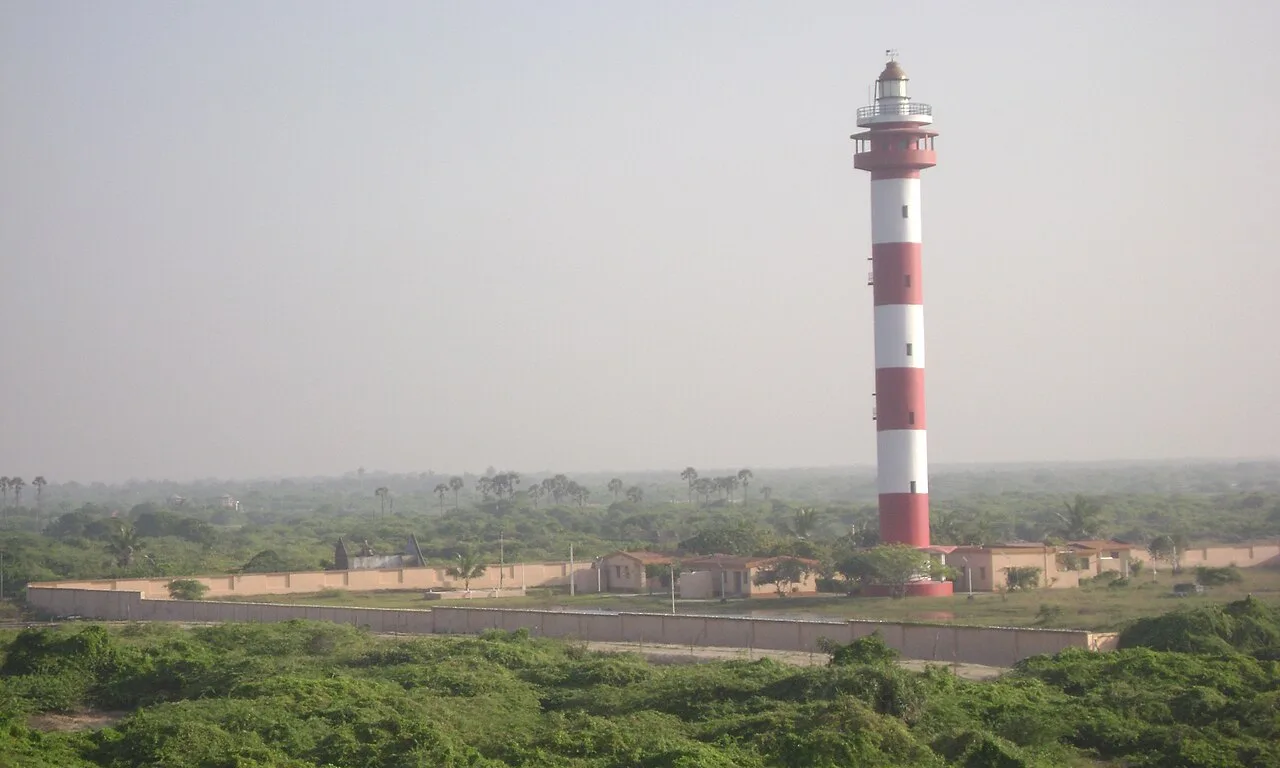
Point Calimere Wildlife and Bird Sanctuary, near Vedaranyam

City guide · Tamil Nadu

Vedaranyam

Vedaranyam is a coastal town in Tamil Nadu’s Cauvery delta, known for its Shiva temple, salt-making heritage and place in India’s independence movement. Its Vedaranyeswarar Temple draws worshippers to a site also known by the older name Tirumaraikadu and celebrated in Tamil Shaiva devotional tradition.

Famous for

  • Vedaranyeswarar Temple
  • Historic Salt Satyagraha
  • Coastal salt production
  • Prawn aquaculture and fishing
  • Kodiyakarai bird sanctuary
In the city
1
District
Nagapattinam

Why Vedaranyam matters

Vedaranyam is a coastal town in Tamil Nadu’s Cauvery delta, known for its Shiva temple, salt-making heritage and place in India’s independence movement. Its Vedaranyeswarar Temple draws worshippers to a site also known by the older name Tirumaraikadu and celebrated in Tamil Shaiva devotional tradition. In 1930, C. Rajagopalachari led a salt march here in parallel with Gandhi’s Dandi March, making the town an important landmark in the history of civil disobedience.

Today, salt pans, fishing and prawn cultivation shape the local economy, alongside agriculture in the surrounding delta. Visitors can combine a temple visit with an introduction to the coastal landscape and, farther east, the wetlands and birdlife around Kodiyakarai, part of Point Calimere Wildlife and Bird Sanctuary. Vedaranyam is a working regional town rather than a large resort destination; its appeal lies in the meeting of religious history, the salt coast and wetland habitats.

Famous for: crafts, trade & products

Salt is Vedaranyam’s best-known local product. Coastal salt pans are a major part of the landscape and economy, and salt-making has a long association with the town. Fishing and saltwater prawn cultivation are also important livelihoods, while agriculture contributes to the wider delta economy. Seafood and other local produce can be found through town shops and markets; visitors should treat salt pans as working sites and ask locally before approaching them.

Vedaranyam is not especially known as a textile, handicraft or GI-product centre, so visitors looking for those specialities may find a wider selection in larger cities in the region. There is no single established craft bazaar or signature shopping district to seek out. Instead, explore the town’s everyday commercial streets for groceries, produce and seafood, and visit the Vedaranyeswarar Temple for its religious and architectural significance. The coastal salt industry and marine-based trades are the products and livelihoods most closely associated with Vedaranyam.

History

Vedaranyam’s recorded history reaches back to the medieval Chola period. Inscriptions at Vedaranyeswarar Temple refer to grants during the reigns of Chola rulers including Aditya I, Rajaraja I, Rajendra I and Kulothunga I. The town was earlier called Tirumaraikadu, a name preserved in the devotional hymns of the Shaiva saints Appar and Tirugnanasambandar. Later, the region came under the Pandyas and Vijayanagara rulers, with temple patronage continuing under the Nayaks.

European powers contested parts of the wider Thanjavur region before it came under British control. Under colonial rule, salt was an important local industry. In 1930, C. Rajagopalachari led a protest march from Tiruchirappalli to Vedaranyam, where participants made salt in defiance of British restrictions and were arrested. After independence, Vedaranyam remained in Thanjavur district until Nagapattinam district was formed in 1991. Salt production, fishing and prawn cultivation continue to influence the town’s economy.

Food, festivals & culture

Tamil is the principal language of daily life. The town’s religious identity is closely linked to Vedaranyeswarar Temple and the Tamil Shaiva tradition: Tirumaraikadu is praised in Tevaram hymns, and devotional singing remains part of the region’s temple culture. Hindu observances include Pongal, the January harvest festival, and Maha Shivaratri, usually observed in late winter or early spring. Temple celebrations follow the Tamil religious calendar; dates vary from year to year.

Local eating reflects the delta and coast. Rice-based meals, idli and dosa are common, while fish and other seafood feature in coastal cooking. There is no single sweet or dish that defines Vedaranyam nationally, so visitors can look for everyday Tamil meals and locally prepared seafood rather than a designated food trail. The town’s cultural landscape is also shaped by its places of worship and by the salt-making and fishing communities whose work connects everyday life to the coast.

Visiting the city

The cooler months from November to February are generally comfortable for exploring, and the period can also be rewarding for birdlife around Kodiyakarai. The northeast monsoon brings rain and can disrupt coastal travel, so check local conditions before setting out. Tiruchirappalli International Airport is the nearest major airport, about 135 km away. Vedaranyam has a railway station; Thiruthuraipoondi Junction is another useful rail connection for the area. Confirm current services before planning a rail journey.

Road travel is the main way to reach and move around Vedaranyam. Local buses, taxis and auto-rickshaws can help with trips within town and to nearby sites. Explore the temple and central streets, then travel towards the salt-producing coast or Kodiyakarai and Point Calimere Wildlife and Bird Sanctuary. The latter is outside the town, so allow time for the road journey and follow local guidance in protected areas.

Attractions

Places to visit in Vedaranyam

Sights within about 12 km of each other, even when they fall in different districts.

Map

Vedaranyam on the map

  1. 1Point Calimere Wildlife and Bird Sanctuary

Tamil Nadu

Other cities to explore