Ghumoopedia — Explore, Discover, Experience
Sign in
Bhavani Sangameswarar Temple, near Vellakkovil

City guide · Tamil Nadu

Vellakkovil

Vellakovil is a town in Tiruppur district, in the Kongu region of western Tamil Nadu. Its importance comes less from major tourist attractions than from its role as a local centre for trade, services and small-scale industry.

Famous for

  • Vellakoil Kandasamy Temple
  • Kongu-region powerlooms
  • Cotton ginning and oil mills
  • Agricultural trade
  • Tamil temple festivals

Why Vellakkovil matters

Vellakovil is a town in Tiruppur district, in the Kongu region of western Tamil Nadu. Its importance comes less from major tourist attractions than from its role as a local centre for trade, services and small-scale industry. Roads link it with nearby towns including Kangeyam, Dharapuram and Erode, and its shops and markets serve surrounding agricultural communities.

The town is associated with cotton processing, powerloom activity and oil mills, alongside farming and everyday commerce. Vellakoil Kandasamy Temple is a focus of local worship and festival life, and draws devotees from the area. Visitors passing through can get a sense of the Kongu region’s working-town character: temple streets, market activity and a landscape shaped by agriculture and industry. Vellakovil is best approached as a regional town rather than a destination with a large cluster of visitor facilities. It can also serve as a convenient stop when travelling between towns in western Tamil Nadu.
Famous for: crafts, trade & products

Vellakovil’s local economy includes powerloom work, cotton handling and ginning, and oil mills. These activities reflect the wider commercial and textile traditions of western Tamil Nadu, though the town is not as widely known for a signature fabric or retail textile district as larger textile centres. Small businesses and workshops are part of the town’s everyday economy, alongside shops supplying local households and farms.

For a sense of local trade, explore the town’s central market streets and commercial areas, where everyday goods and regional produce are sold. Textile and household purchases are generally made through local shops rather than a dedicated visitor market. Vellakovil is not especially identified with a distinct GI-tagged product, and visitors should not expect a major craft-shopping quarter. The Kandasamy temple and its surroundings are the most recognisable local point of interest; the town’s wider appeal lies in seeing how trade, small industry and agriculture support a Kongu-region community.

History

Vellakovil’s history is part of that of Kongu Nadu, the western Tamil region shaped by farming, inland trade and successive South Indian powers. The wider Kongu area came under different authorities over the centuries, including the Cholas, Pandyas and Vijayanagara-era rulers. Such regional histories provide context for the town, but surviving accounts do not make Vellakovil a major royal capital or a prominent colonial centre.

During British rule, the area became part of the Madras Presidency and was administered within changing district boundaries. Its growth was closely connected to agriculture and the roads and markets serving nearby settlements. In more recent times, cotton-related work, powerlooms, oil mills and local commerce have broadened its economy. Vellakovil is now part of Tiruppur district, formed from the surrounding region’s changing administrative divisions. Its development has been gradual: from a rural market centre into a town serving both agricultural communities and small industries.

Food, festivals & culture

Tamil is the principal language of daily life; English is used to some extent in business and education. Local culture reflects the Kongu region, with family and community gatherings often centred on temples and seasonal celebrations. Pongal, the harvest festival in January, is widely observed, while Deepavali is another major occasion. Devotional events connected with Murugan, including Thai Poosam in January or February and Panguni Uthiram in March or April, may bring special activity to temples such as Vellakoil Kandasamy Temple; dates follow the Tamil calendar.

Meals commonly draw on Tamil staples such as rice, idli and dosa, with regional preparations and vegetarian dishes available at local eateries. Kongu-style cooking often features rice, lentils, millets and locally familiar spices; menus vary by restaurant. Sweets and savoury snacks are generally found in ordinary bakeries and sweet shops rather than as a single town speciality. Temple worship and Tamil devotional music are part of public religious life, while classical dance and music are more commonly encountered during organised cultural or festival programmes.

Visiting the city

The cooler months from November to February are generally the most comfortable for a visit. Summers can be hot, while rain is more likely during the northeast monsoon season. Coimbatore International Airport is the nearest major airport. Vellakovil has no major railway junction; Kodumudi railway station is a nearby railhead, while Erode Junction and Tiruppur railway station offer larger connections. Check current routes before planning onward travel.

Buses and road connections link the town with nearby centres, and local travel is usually by taxi, auto-rickshaw or bus. Begin around the central market streets to see everyday commerce, then visit Vellakoil Kandasamy Temple and its surrounding neighbourhood. The town’s outskirts offer a glimpse of the agricultural setting and small industrial activity, though these are working areas rather than formal visitor attractions. Allow time for a short stop rather than expecting a large sightseeing circuit.

Trips from the city

Nearest places to visit from Vellakkovil

Our closest destination guides, by straight-line distance.

Bhavani Sangameswarar Temple

54 km away · Erode district

Bhavani Sangameswarar Temple

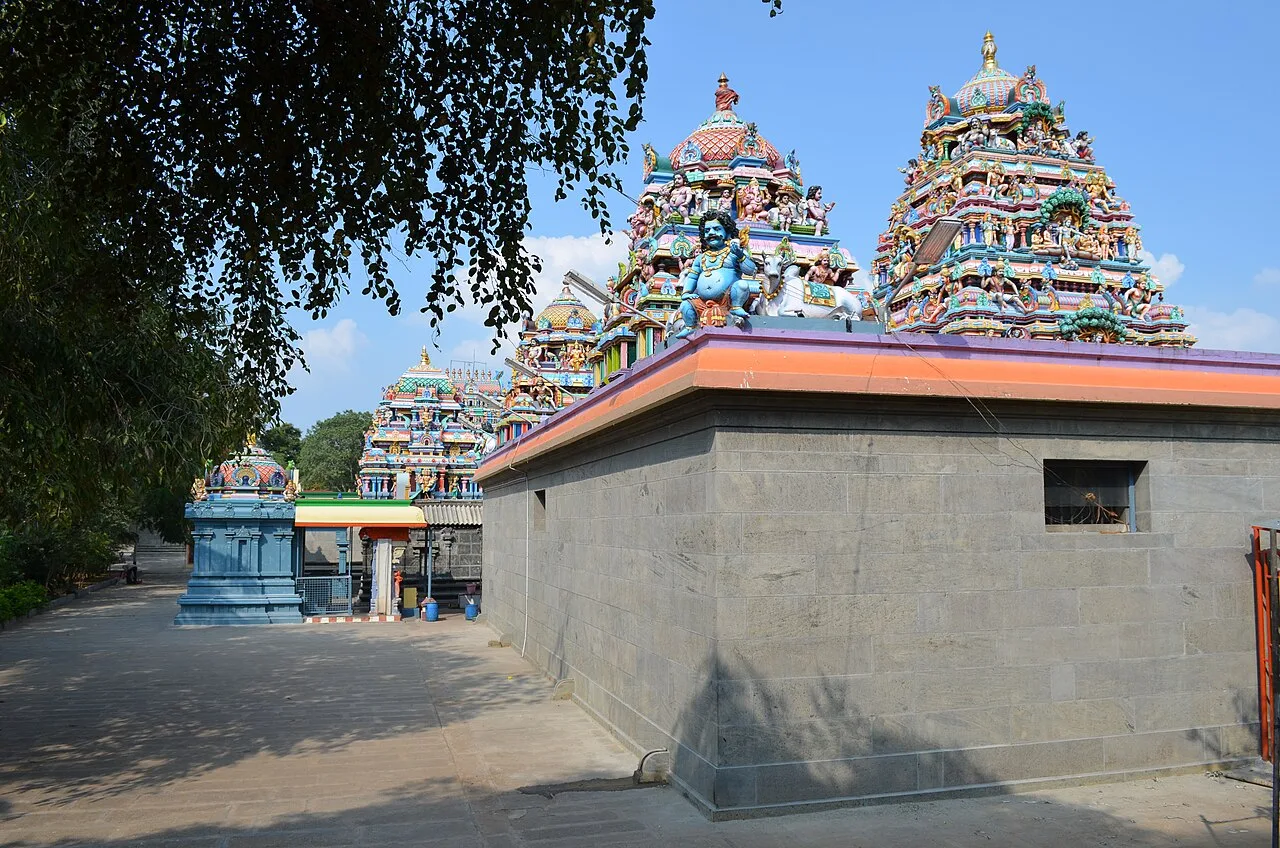
Bhavani Sangameswarar Temple is a Shiva shrine in Bhavani, Tamil Nadu, at the meeting of the Kaveri, Bhavani and mystical Amutha rivers. Visitors worship here and perform rites for their ancestors.

Namakkal Fort

59 km away · Namakkal district

Namakkal Fort

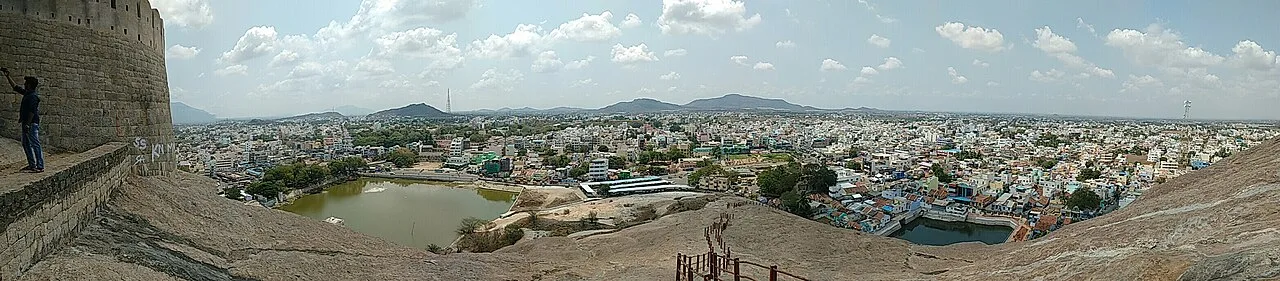
Rising above Namakkal, this seventeenth-century fort occupies a hillock of solid rock and contains a temple and mosque. Visitors come to see these sites and explore its history.

Palani Murugan Temple

60 km away · Dindigul district

Palani Murugan Temple

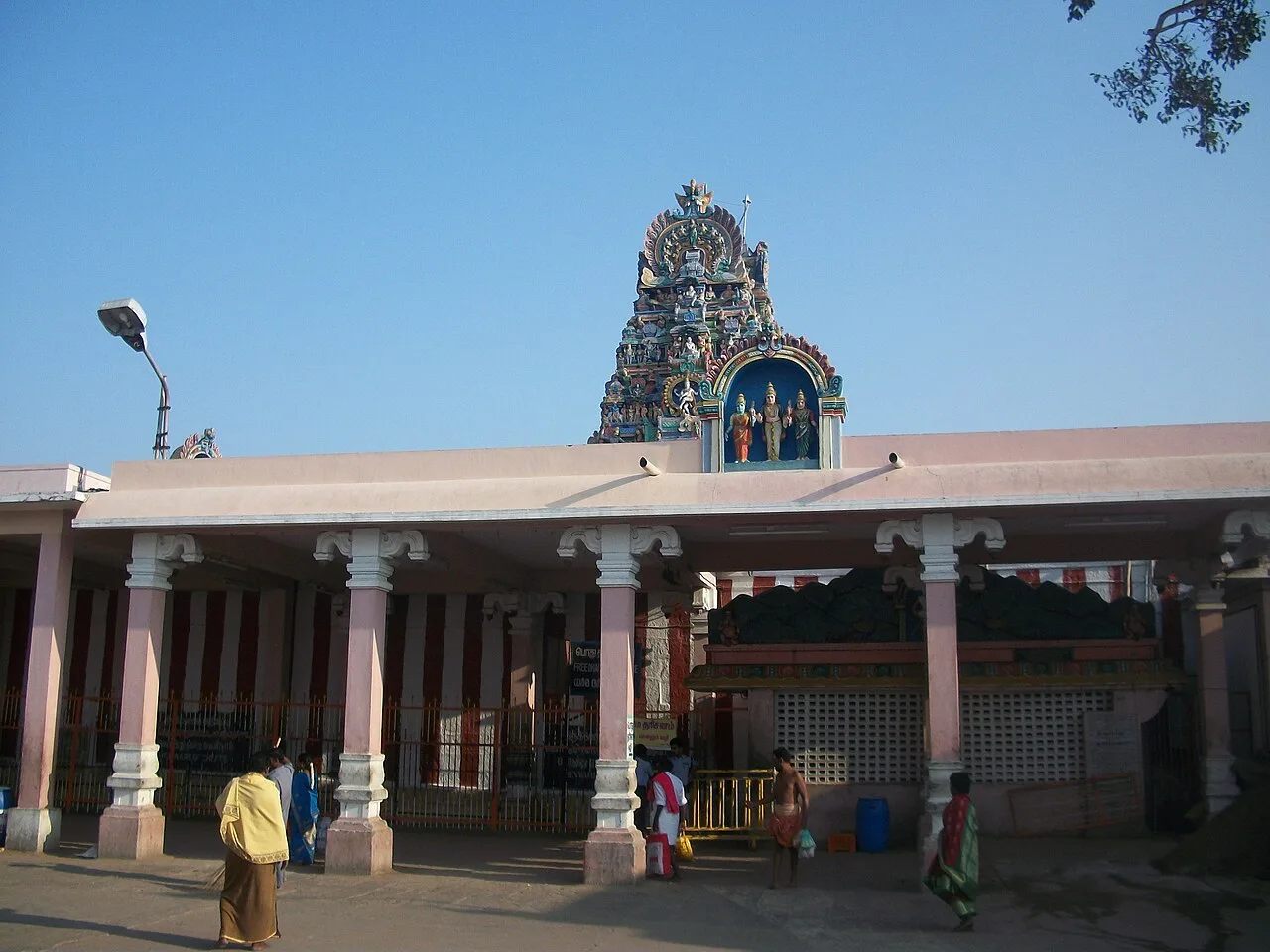
Palani Murugan Temple is a Murugan shrine on a hill at Palani in Tamil Nadu. Pilgrims come to worship, observe temple festivals and take part in customs including tonsuring and carrying kavadi.

Dindigul Fort

71 km away · Dindigul district

Dindigul Fort

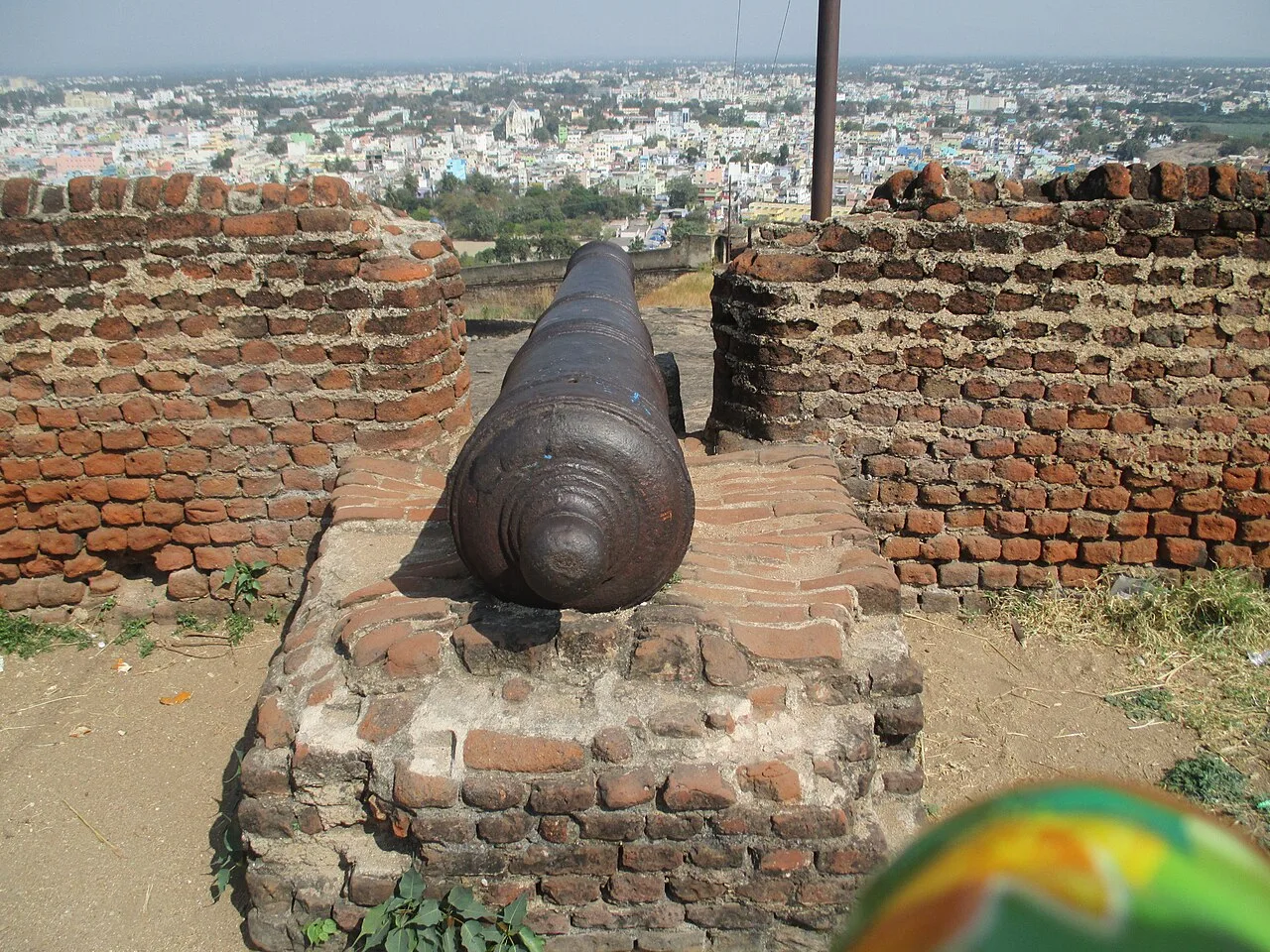
Dindigul Fort, also known as Dindigul Malai Kottai, is a historic stronghold in Tamil Nadu, visited for its military past, summit temple and surviving cannons.

Kodiveri Dam

74 km away · Erode district

Kodiveri Dam

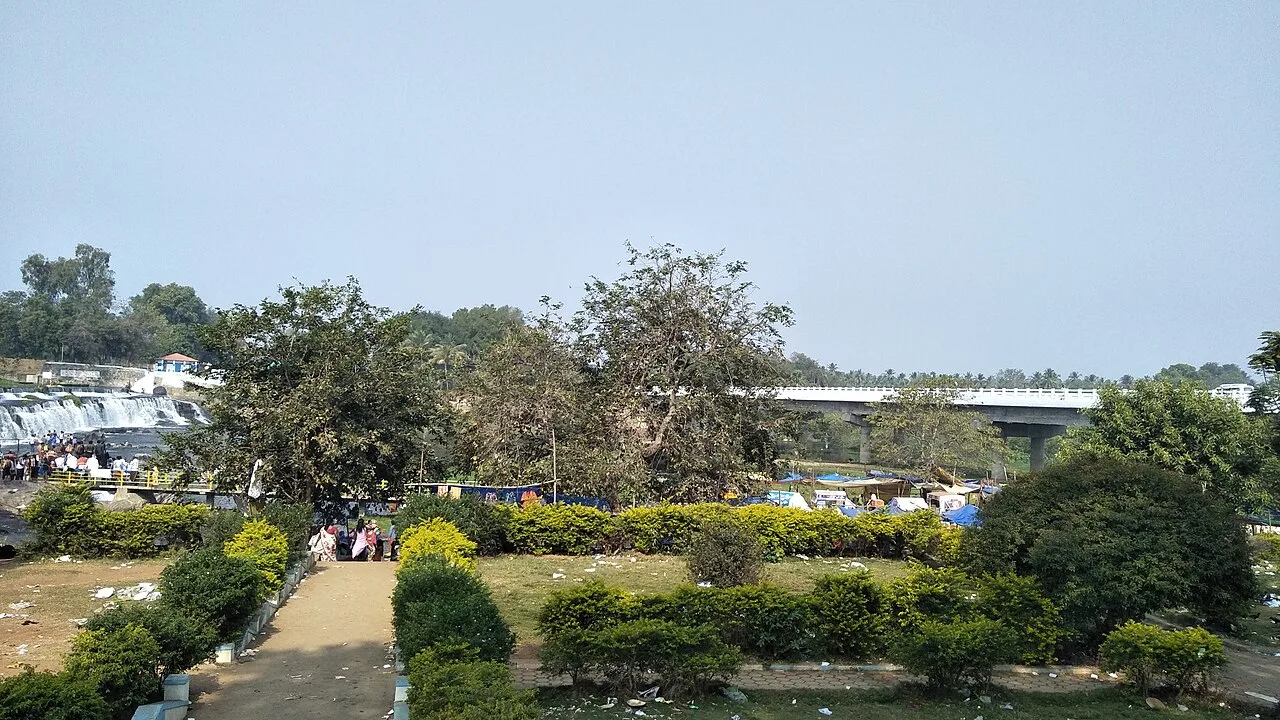
On the Bhavani River in Tamil Nadu, Kodiveri Dam is a masonry structure that visitors come to see in the Erode district, near Gobichettipalayam.

Eachanari Vinayagar Temple

80 km away · Coimbatore district

Eachanari Vinayagar Temple

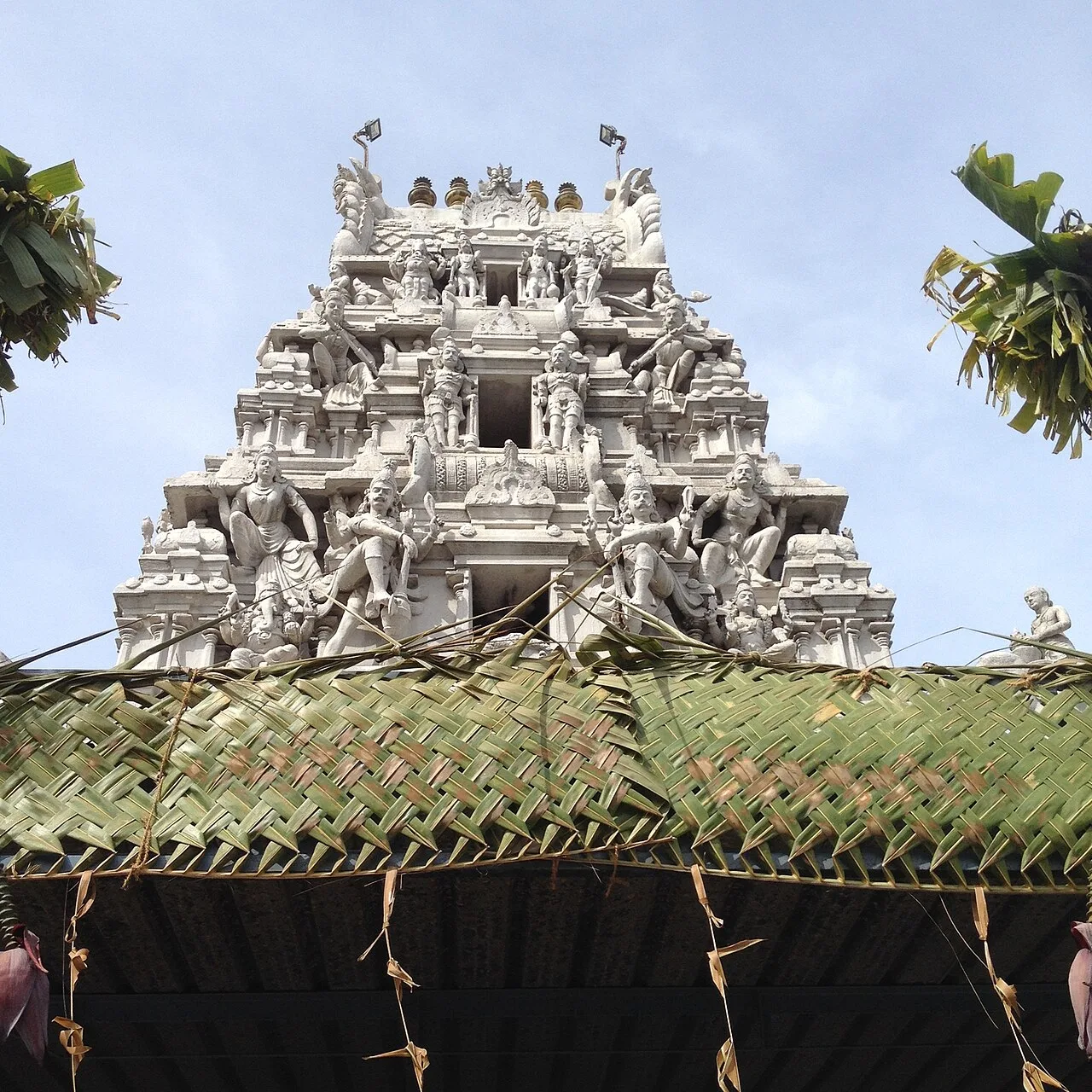
Located in Eachanari near Coimbatore, this Tamil Nadu temple honours Vinayagar. Visitors come to worship the Hindu deity at a shrine around 12 km from Coimbatore city.

Gedee Car Museum

80 km away · Coimbatore district

Gedee Car Museum

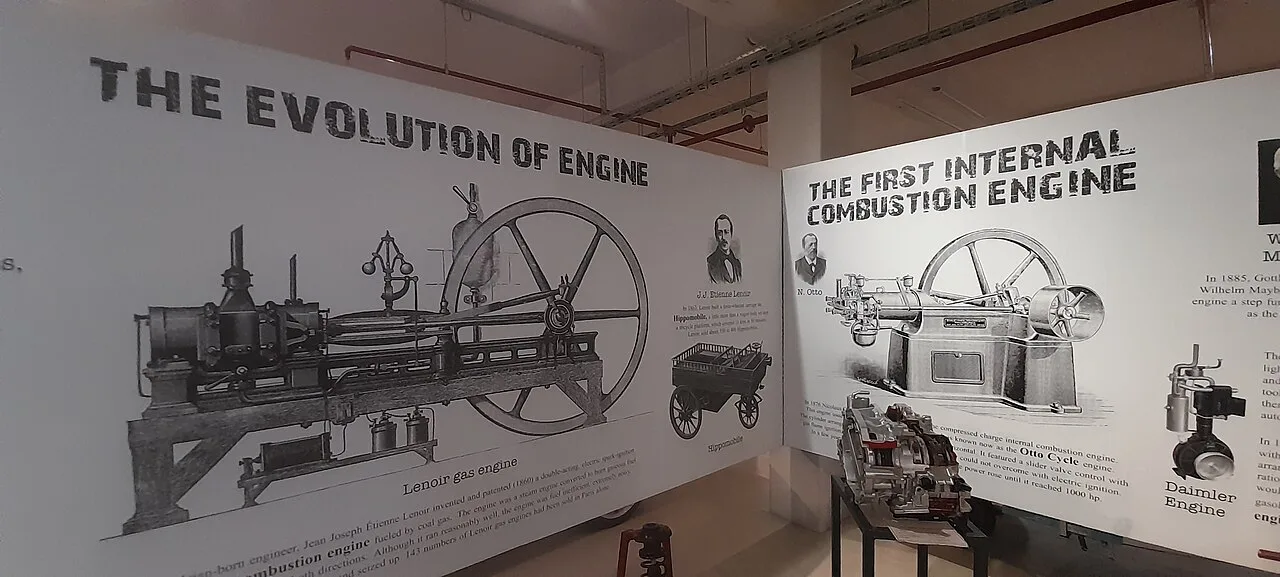
In Coimbatore, Tamil Nadu, Gedee Car Museum is a privately run museum devoted to vintage cars. Visitors come to view its automobiles and find it within the wider GD Museums complex.

Bryant Park

83 km away · Dindigul district

Bryant Park

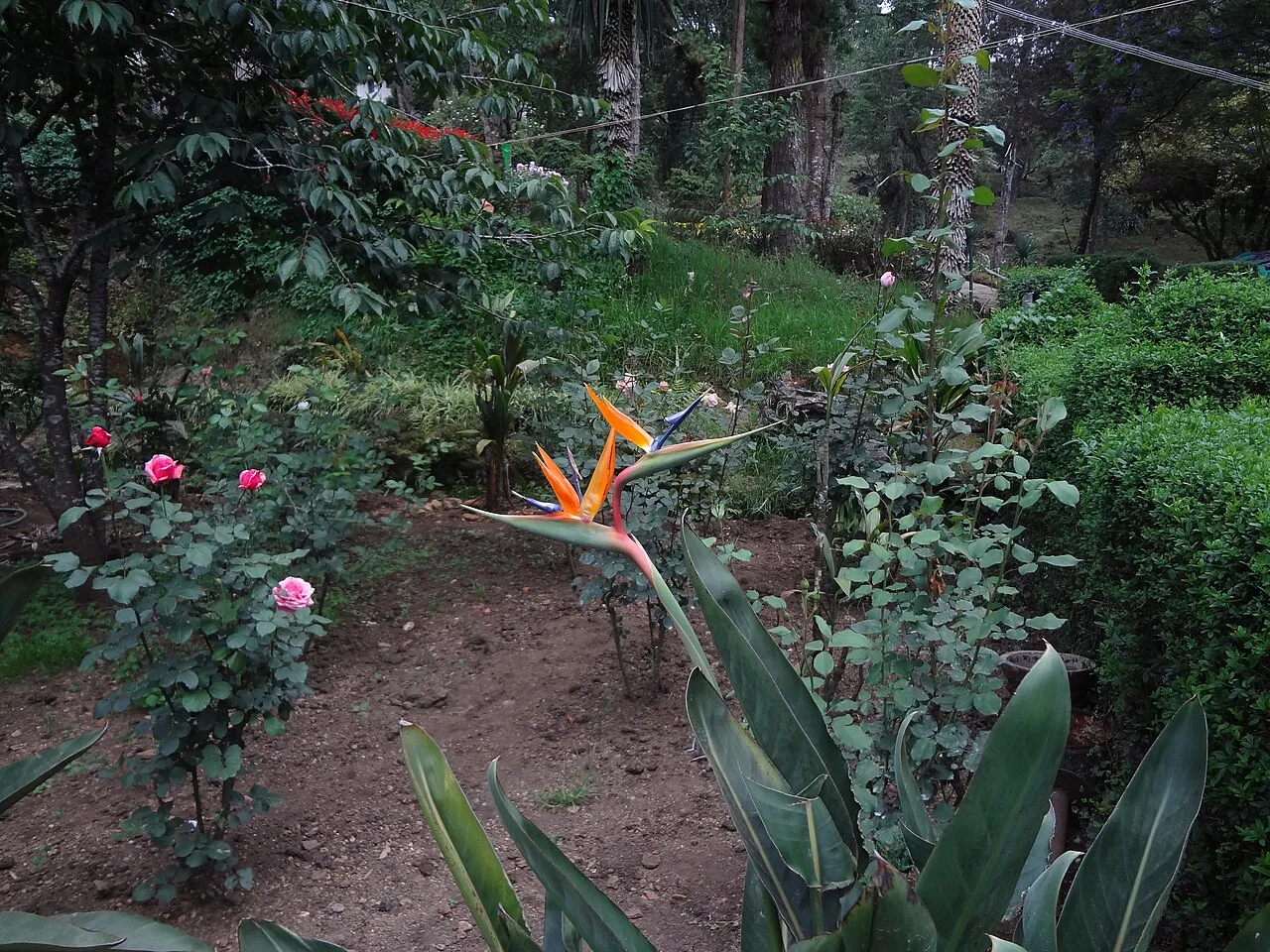
Bryant Park is beside Kodaikanal Lake in Tamil Nadu. Visitors to the area come for boating on the lake and its summer boat pageants and flower shows.

Map

Vellakkovil on the map

  1. 1Bhavani Sangameswarar Temple
  2. 2Namakkal Fort
  3. 3Palani Murugan Temple
  4. 4Dindigul Fort
  5. 5Kodiveri Dam
  6. 6Eachanari Vinayagar Temple
  7. 7Gedee Car Museum
  8. 8Bryant Park

Tamil Nadu

Other cities to explore