Ghumoopedia — Explore, Discover, Experience
Sign in
Bhavani Sangameswarar Temple, near Chennimalai

City guide · Tamil Nadu

Chennimalai

Chennimalai is a town in Erode district, in Tamil Nadu’s Kongu region. It is best known today as a handloom centre and as the gateway to the hill shrine of Chennimalai Murugan.

Famous for

  • Chennimalai handloom textiles
  • Chennimalai Murugan Temple
  • Kodumanal archaeological heritage
  • Chennimalai Hill

Why Chennimalai matters

Chennimalai is a town in Erode district, in Tamil Nadu’s Kongu region. It is best known today as a handloom centre and as the gateway to the hill shrine of Chennimalai Murugan. Its location roughly 24 km from Erode connects it with the district’s larger markets and transport links, while its weaving tradition gives the town a distinct place in the regional textile economy.

Visitors come to worship at the hill temple, browse locally woven goods and experience the landscape around the hill. A road leads up to the shrine, while a long flight of steps offers a more strenuous climb. The area also has deep archaeological associations: nearby Kodumanal was an important ancient settlement and craft centre, with evidence of metalworking, bead-making and long-distance exchange. Together, the handloom trade, Murugan worship and nearby heritage sites make Chennimalai a worthwhile stop for travellers exploring the Erode region.
Famous for: crafts, trade & products

Chennimalai’s strongest contemporary association is handloom weaving. Local looms produce cotton cloth and household textiles; bedspreads, towels and furnishing fabrics are among the kinds of goods associated with the town’s weaving trade. Small weaving units and textile shops are the most direct places to look for locally made items. Visitors can ask in the town centre about handloom outlets and cooperative sales points, and check that a product is handwoven if that distinction matters to them.

The town’s textile reputation is built on its weaving community and trade rather than on a widely established, named GI-tagged product. Its position within Erode district also places it in a wider network of yarn, fabric and textile commerce. Beyond textiles, Kodumanal’s archaeological record points to ancient expertise in ironworking and bead-making, with finds including beads, pottery, metal objects and Roman-linked materials. These are heritage finds, not everyday market products; for context, look to archaeological interpretation and ask locally about access to the site.

History

Chennimalai’s recorded past is closely connected with the older settlement of Kodumanal, near the town. Known in Sangam-era literature as Kodumanam, it was an important craft and trading centre associated with the Chera period. Its location between the Malabar Coast and the Coromandel Coast supported long-distance exchange. Archaeological remains point to skilled production, including ironworking and bead-making, as well as connections with Roman trade. Megalithic burials and objects such as pottery, beads and metal artefacts offer evidence of life in the area from the early historic period.

The political history of Chennimalai itself is less clearly documented than that of nearby Kodumanal, so a detailed sequence of local rulers or colonial-era events is difficult to establish. In more recent times, the town’s identity has grown around handloom weaving, textile sales and its Murugan hill shrine. Roads and regional trade links have connected it more closely with Erode and other Kongu towns, while the archaeological remains at Kodumanal have brought renewed attention to the area’s ancient past.

Food, festivals & culture

Tamil is the main language of daily life, and the town’s culture reflects the wider Kongu region. Rice meals, idli, dosa and pongal are common choices; millet and ragi dishes are also found in the region. Tea shops and small eateries serve simple local meals and snacks. Sweets such as payasam and adhirasam are familiar at festive times, though Chennimalai is not especially known for one signature sweet.

The hill temple dedicated to Murugan is the town’s principal place of worship and a focus of devotional life. Murugan festivals such as Thaipusam, usually in January or February, Panguni Uthiram in March or April, and Kanda Sashti in October or November bring worshippers and processions. Dates follow the Tamil calendar and vary each year. Devotional singing and practices such as carrying kavadi are part of the wider Murugan tradition. Local Amman shrines and other temples add to the town’s religious life, while everyday culture is shaped by weaving households, markets and festivals.

Visiting the city

The cooler months, roughly October to February, are generally the most comfortable for visiting; afternoons can be hot in the warmer season. The nearest major airport is Coimbatore International Airport, and Erode Junction is the main railway station for reaching Chennimalai. From Erode, continue by road using local buses, taxis or other hired transport.

In town, explore the central market and handloom shops, then make time for the Murugan shrine on Chennimalai Hill. The hill can be reached by road or by climbing its steps; wear suitable footwear if walking. Nearby Kodumanal offers archaeological interest, but check locally about site access before making a special trip. Chennimalai works well as a short visit or as part of a wider Erode-region itinerary.

Trips from the city

Nearest places to visit from Chennimalai

Our closest destination guides, by straight-line distance.

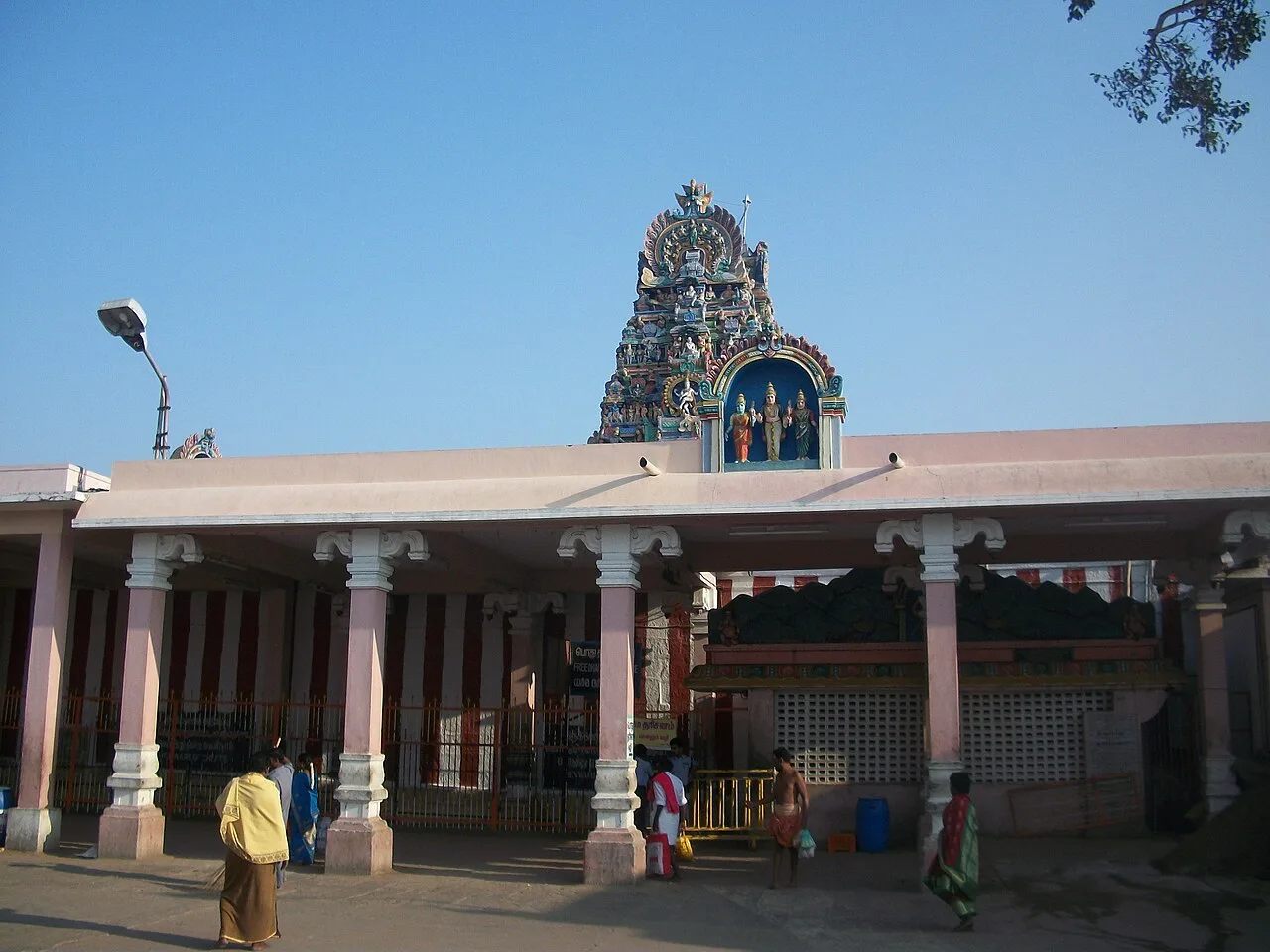
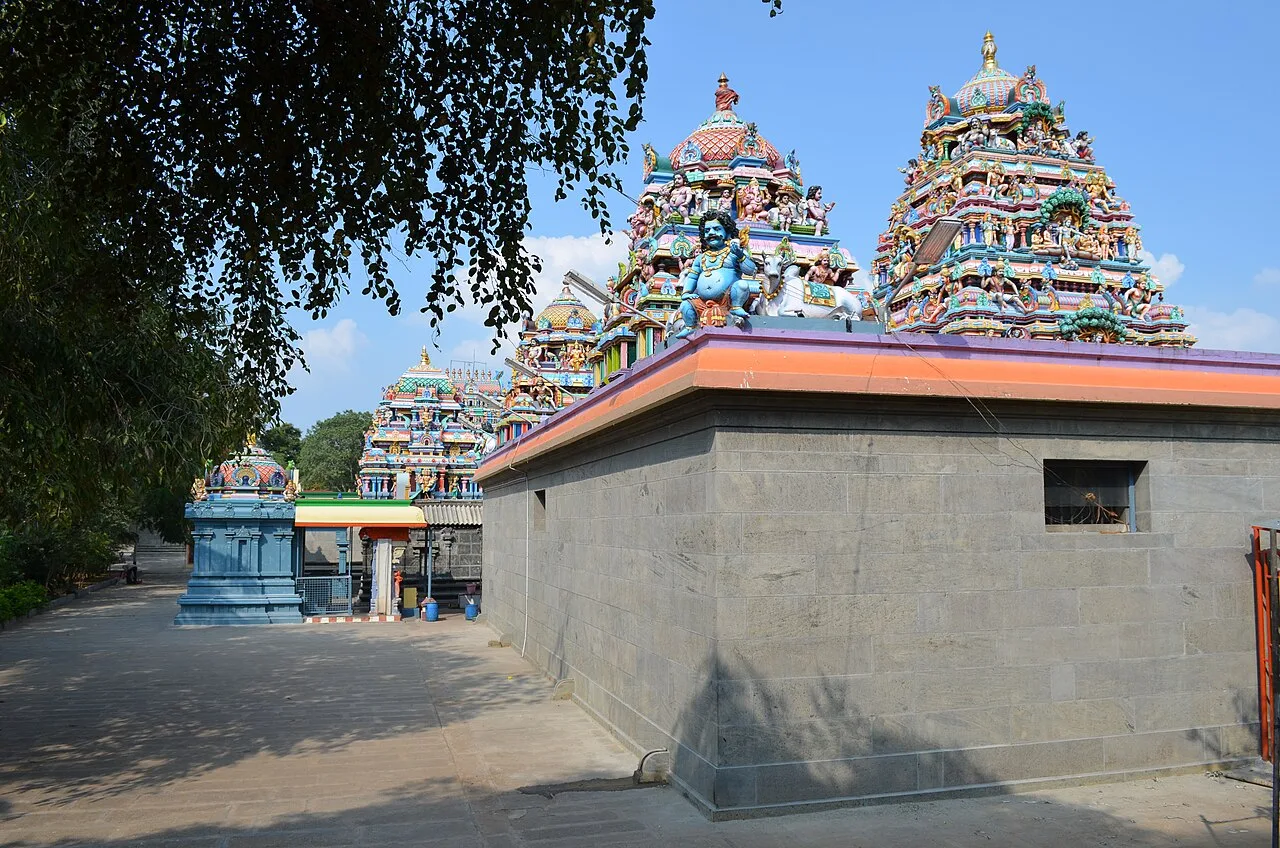
Bhavani Sangameswarar Temple

31 km away · Erode district

Bhavani Sangameswarar Temple

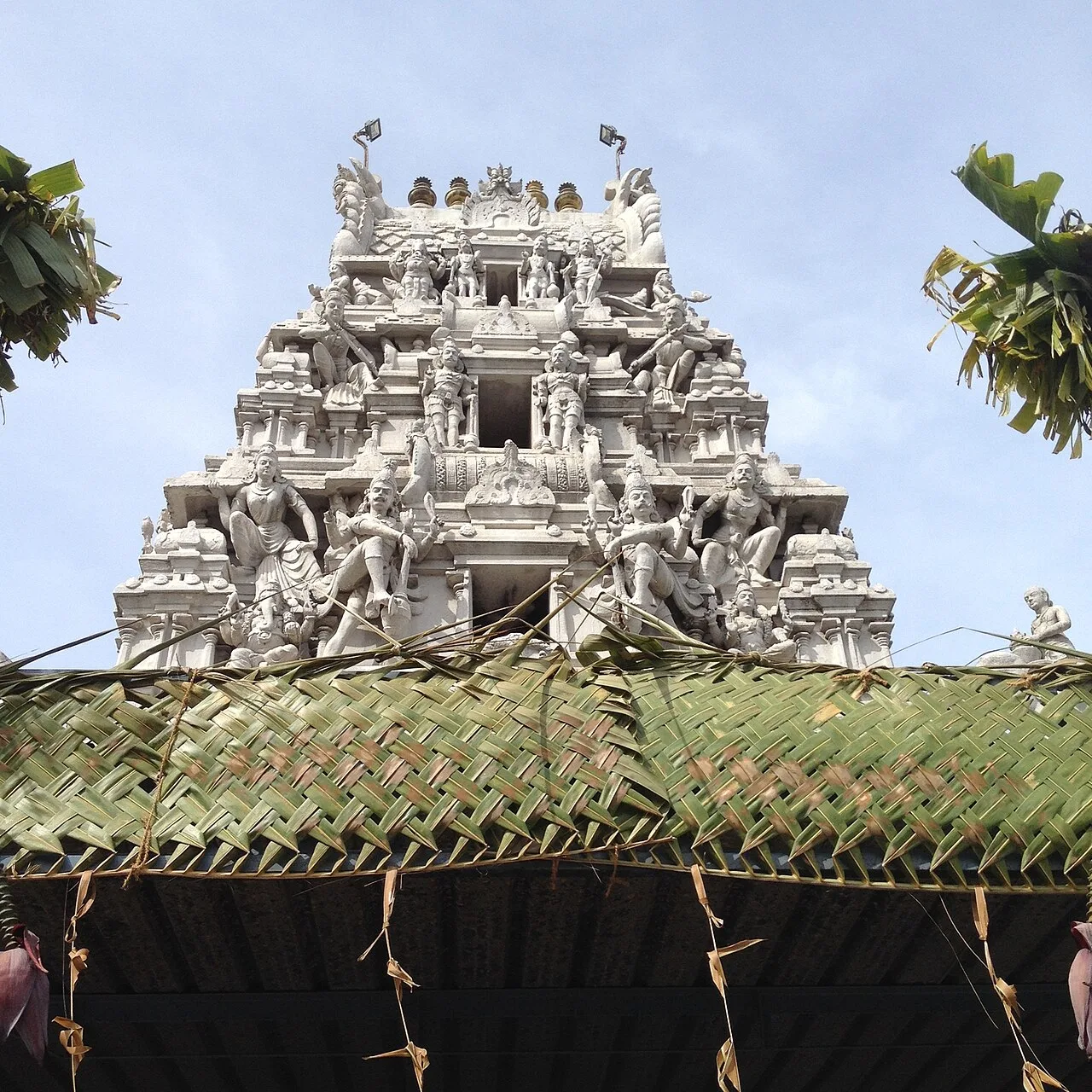
Bhavani Sangameswarar Temple is a Shiva shrine in Bhavani, Tamil Nadu, at the meeting of the Kaveri, Bhavani and mystical Amutha rivers. Visitors worship here and perform rites for their ancestors.

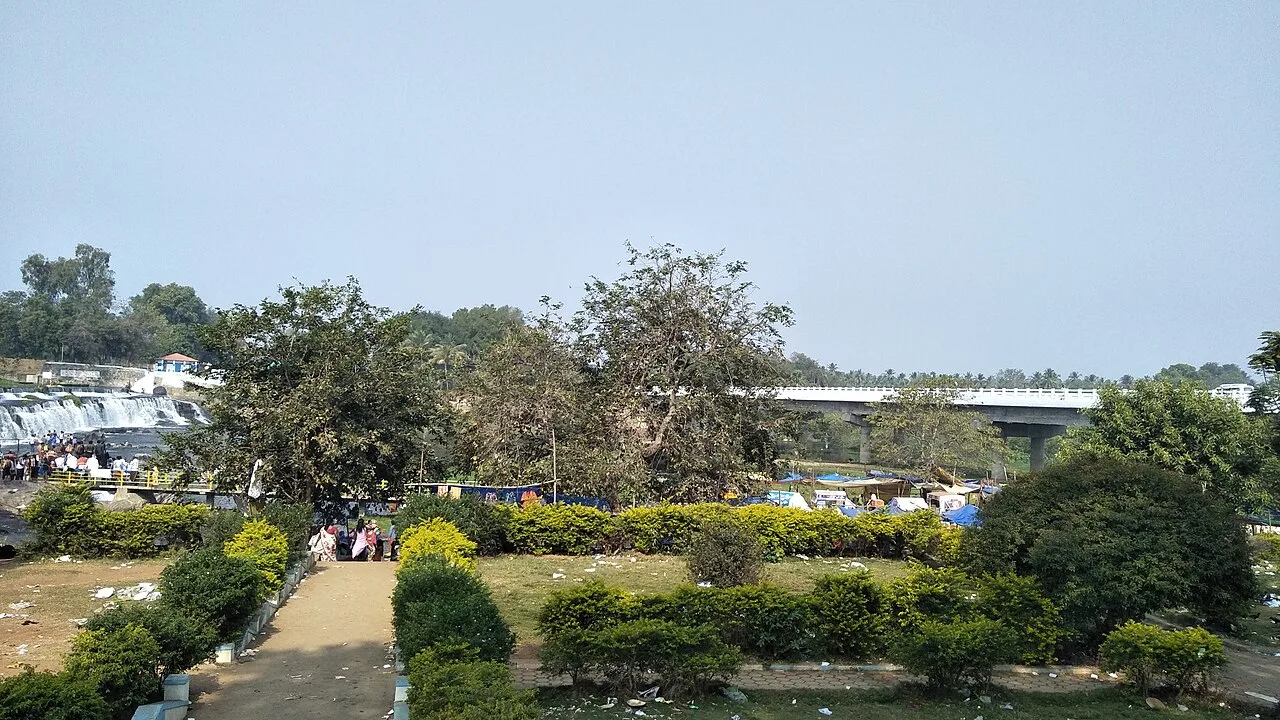
Kodiveri Dam

48 km away · Erode district

Kodiveri Dam

On the Bhavani River in Tamil Nadu, Kodiveri Dam is a masonry structure that visitors come to see in the Erode district, near Gobichettipalayam.

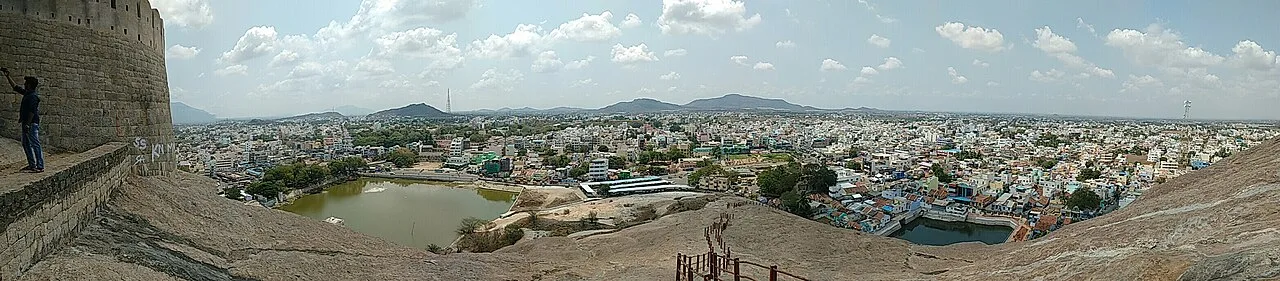
Namakkal Fort

62 km away · Namakkal district

Namakkal Fort

Rising above Namakkal, this seventeenth-century fort occupies a hillock of solid rock and contains a temple and mosque. Visitors come to see these sites and explore its history.

Gedee Car Museum

70 km away · Coimbatore district

Gedee Car Museum

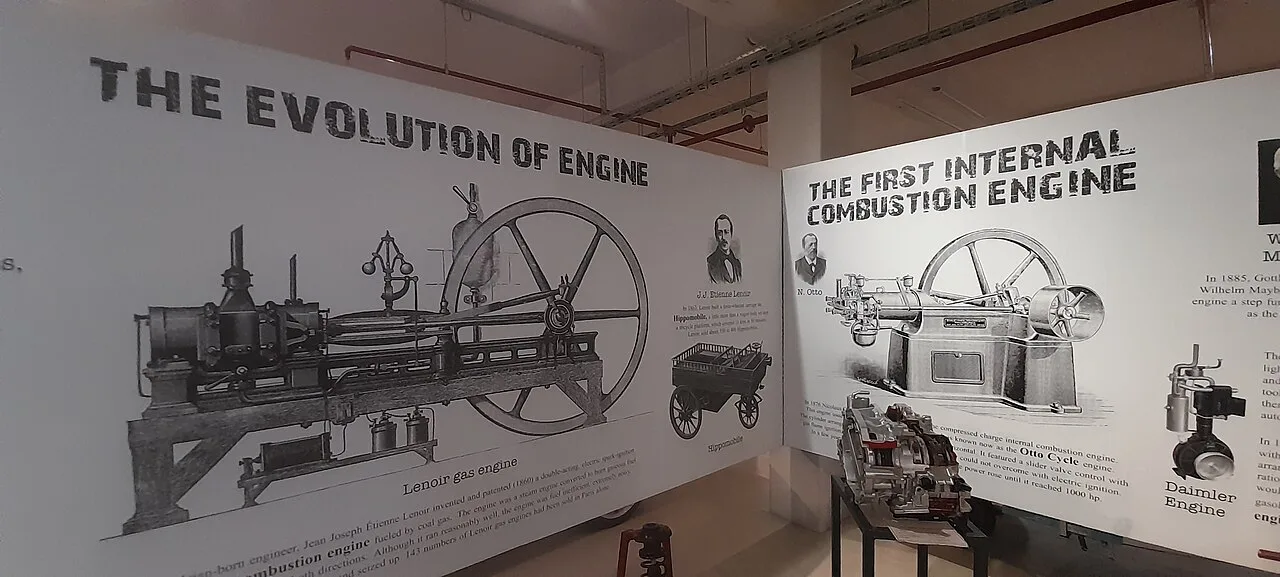
In Coimbatore, Tamil Nadu, Gedee Car Museum is a privately run museum devoted to vintage cars. Visitors come to view its automobiles and find it within the wider GD Museums complex.

Eachanari Vinayagar Temple

73 km away · Coimbatore district

Eachanari Vinayagar Temple

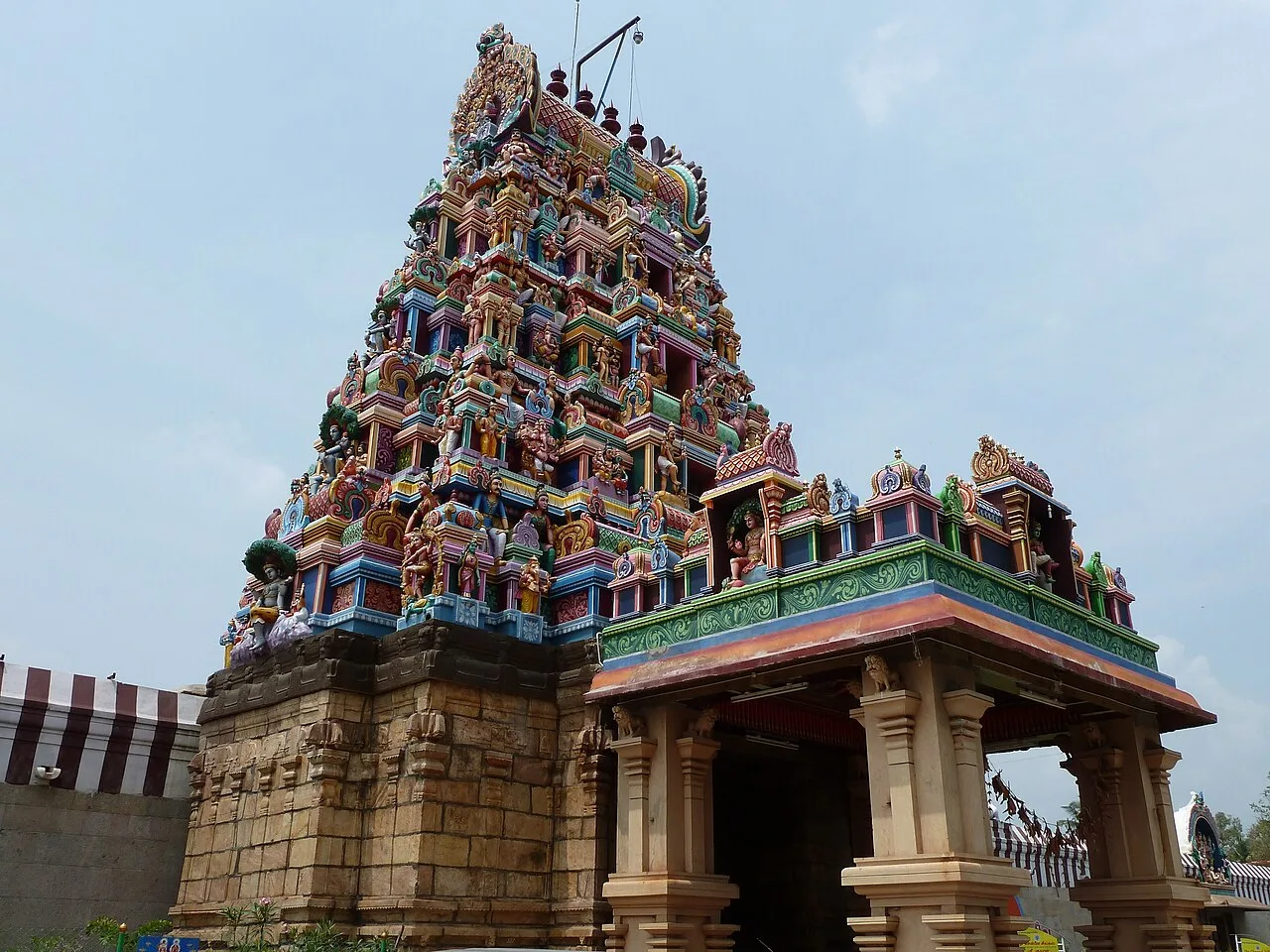
Located in Eachanari near Coimbatore, this Tamil Nadu temple honours Vinayagar. Visitors come to worship the Hindu deity at a shrine around 12 km from Coimbatore city.

Mettur Dam

74 km away · Salem district

Mettur Dam

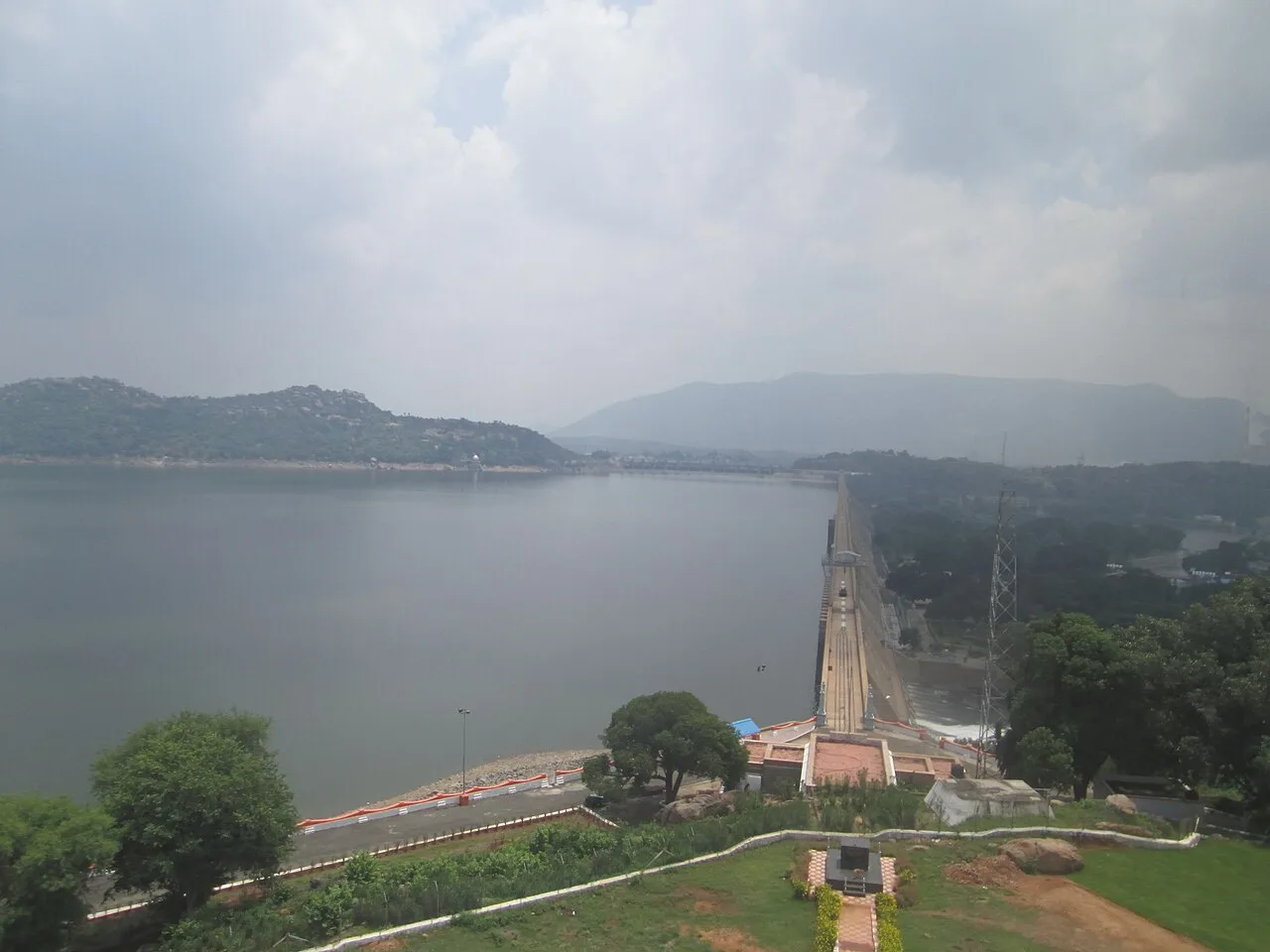
Mettur Dam, in Salem district, is among India’s largest dams and Tamil Nadu’s largest; visitors come to view the structure and the park at its base.

Perur Pateeswarar Temple

78 km away · Coimbatore district

Perur Pateeswarar Temple

This Shaivite temple in Perur, Coimbatore, is visited for its Patteeswarar shrine and Swayambu Lingam, as well as its association with Pachainayaki and noted Tamil poets.

Palani Murugan Temple

81 km away · Dindigul district

Palani Murugan Temple

Palani Murugan Temple is a Murugan shrine on a hill at Palani in Tamil Nadu. Pilgrims come to worship, observe temple festivals and take part in customs including tonsuring and carrying kavadi.

Map

Chennimalai on the map

  1. 1Bhavani Sangameswarar Temple
  2. 2Kodiveri Dam
  3. 3Namakkal Fort
  4. 4Gedee Car Museum
  5. 5Eachanari Vinayagar Temple
  6. 6Mettur Dam
  7. 7Perur Pateeswarar Temple
  8. 8Palani Murugan Temple

Tamil Nadu

Other cities to explore