Ghumoopedia — Explore, Discover, Experience
Sign in
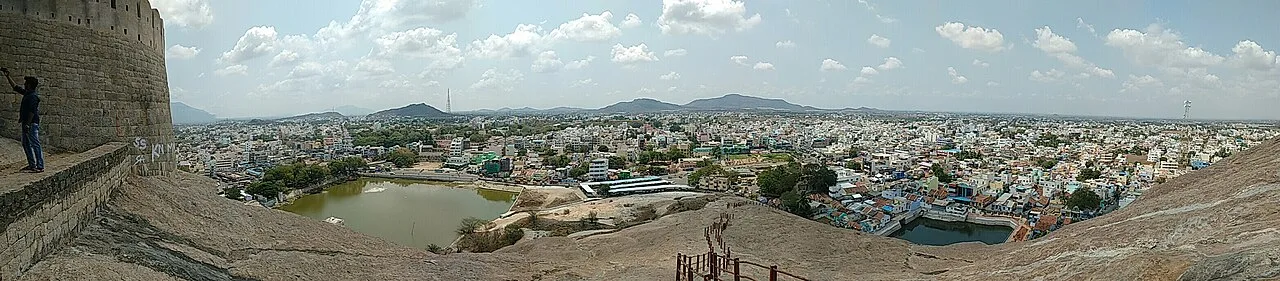
Namakkal Fort, near Kodumudi

City guide · Tamil Nadu

Kodumudi

Kodumudi is a panchayat town in Erode district and the administrative headquarters of Kodumudi taluk. Its position beside the Kaveri River and the presence of Magudeswarar Temple give it importance beyond its role as a local service centre.

Famous for

  • Kaveri River
  • Magudeswarar Temple
  • Shiva pilgrimage
  • Riverbank worship
  • Kodumudi taluk headquarters

Why Kodumudi matters

Kodumudi is a panchayat town in Erode district and the administrative headquarters of Kodumudi taluk. Its position beside the Kaveri River and the presence of Magudeswarar Temple give it importance beyond its role as a local service centre. Pilgrims come to worship at the temple, while the riverbank draws visitors for its religious associations and a quieter look at life along one of Tamil Nadu’s major rivers.

The town’s identity is closely linked to these two landmarks: the temple anchors daily worship and seasonal observances, and the Kaveri shapes the setting of the settlement. Kodumudi also serves nearby communities through local administration, shops and transport connections. It is a compact destination rather than a large urban attraction, making it suitable for a short temple visit or a stop on a wider journey through the Erode region. Visitors interested in sacred sites, Tamil temple traditions and river landscapes will find its appeal in this combination of pilgrimage and everyday town life.
Famous for: crafts, trade & products

Kodumudi is best known for its temple and river setting, not for a widely recognised textile, handicraft or GI-tagged product of its own. The town’s shops and small markets mainly serve residents, pilgrims and visitors, with everyday provisions, household goods and items for worship. Around the temple, visitors can look for flowers, fruit, lamps and other customary offerings, though the range varies with the day and season.

Erode district has broader associations with textiles and turmeric, but these should not be mistaken for products made specifically in Kodumudi. Travellers seeking a wider choice of fabric, garments or regional shopping are more likely to find it in larger district centres such as Erode. Kodumudi’s local trade is modest and practical; it is not generally promoted as a craft-shopping destination. Its most distinctive visitor experience remains the temple precinct and the nearby riverfront, where local commerce is closely tied to worship and daily needs. For a meaningful visit, allow time to explore the town’s religious setting rather than expecting a specialised market or a signature souvenir.

History

Kodumudi’s long-standing importance is rooted in its Kaveri-side setting and Magudeswarar Temple. The temple preserves the town’s religious identity and reflects the wider tradition of temple-centred settlement in Tamil Nadu. The history of the surrounding Kongu region includes changing political influence under South Indian powers, but Kodumudi’s story is most visibly encountered through its sacred landscape and continuing patterns of worship rather than a single founding account.

During British rule, the region formed part of the Madras Presidency’s administrative landscape. In modern times, Kodumudi developed as a local civic and service centre, and it now functions as the headquarters of its namesake taluk within Erode district. Roads and rail connections link the town with larger centres in the region, while its temple continues to draw visitors. The balance between administrative functions, local commerce and pilgrimage has shaped present-day Kodumudi: a small town whose regional significance rests more on faith and place than on large-scale industry.

Food, festivals & culture

Tamil is the principal language of everyday life, and the town’s religious culture is strongly shaped by Magudeswarar Temple and the Kaveri. Worship of Shiva is central at the temple, while the riverbank is associated with prayer and ritual observance. Aadi Perukku, usually observed during the Tamil month of Aadi in July or August, is widely connected with reverence for rivers in Tamil Nadu. Maha Shivaratri, generally falling in February or March, is an important occasion for Shiva devotees. Temple celebrations and observances can vary from year to year.

Food is characteristic of the wider Tamil region: rice-based meals, idli, dosa, sambar and pongal are common choices, with tea or filter coffee available at local eateries. Kodumudi is not especially known for a distinct signature sweet or a separate local cuisine. Devotional singing and customary temple music are part of worship, while classical and folk performance traditions belong to the broader cultural life of Tamil Nadu. The temple precinct and riverfront are the most immediate places to experience the town’s living religious culture.

Visiting the city

The cooler months, roughly November to February, are generally the most comfortable for exploring Kodumudi. Summer can be hot; during the monsoon, river conditions may change, so take care near the water. Coimbatore International Airport is a principal air gateway for the region. Kodumudi has its own railway station for local access, while Erode Junction is the larger rail hub. Buses and road connections link the town with nearby centres; within Kodumudi, walking, local buses and auto-rickshaws are practical options.

Start with Magudeswarar Temple, then explore the adjoining streets and Kaveri riverbank respectfully, following local guidance around worship and water access. The temple area is the main focus for visitors, while the town centre offers a glimpse of everyday local commerce. Check current travel and river conditions before setting out.

Trips from the city

Nearest places to visit from Kodumudi

Our closest destination guides, by straight-line distance.

Namakkal Fort

35 km away · Namakkal district

Namakkal Fort

Rising above Namakkal, this seventeenth-century fort occupies a hillock of solid rock and contains a temple and mosque. Visitors come to see these sites and explore its history.

Bhavani Sangameswarar Temple

45 km away · Erode district

Bhavani Sangameswarar Temple

Bhavani Sangameswarar Temple is a Shiva shrine in Bhavani, Tamil Nadu, at the meeting of the Kaveri, Bhavani and mystical Amutha rivers. Visitors worship here and perform rites for their ancestors.

Kolli Hills

62 km away · Namakkal district

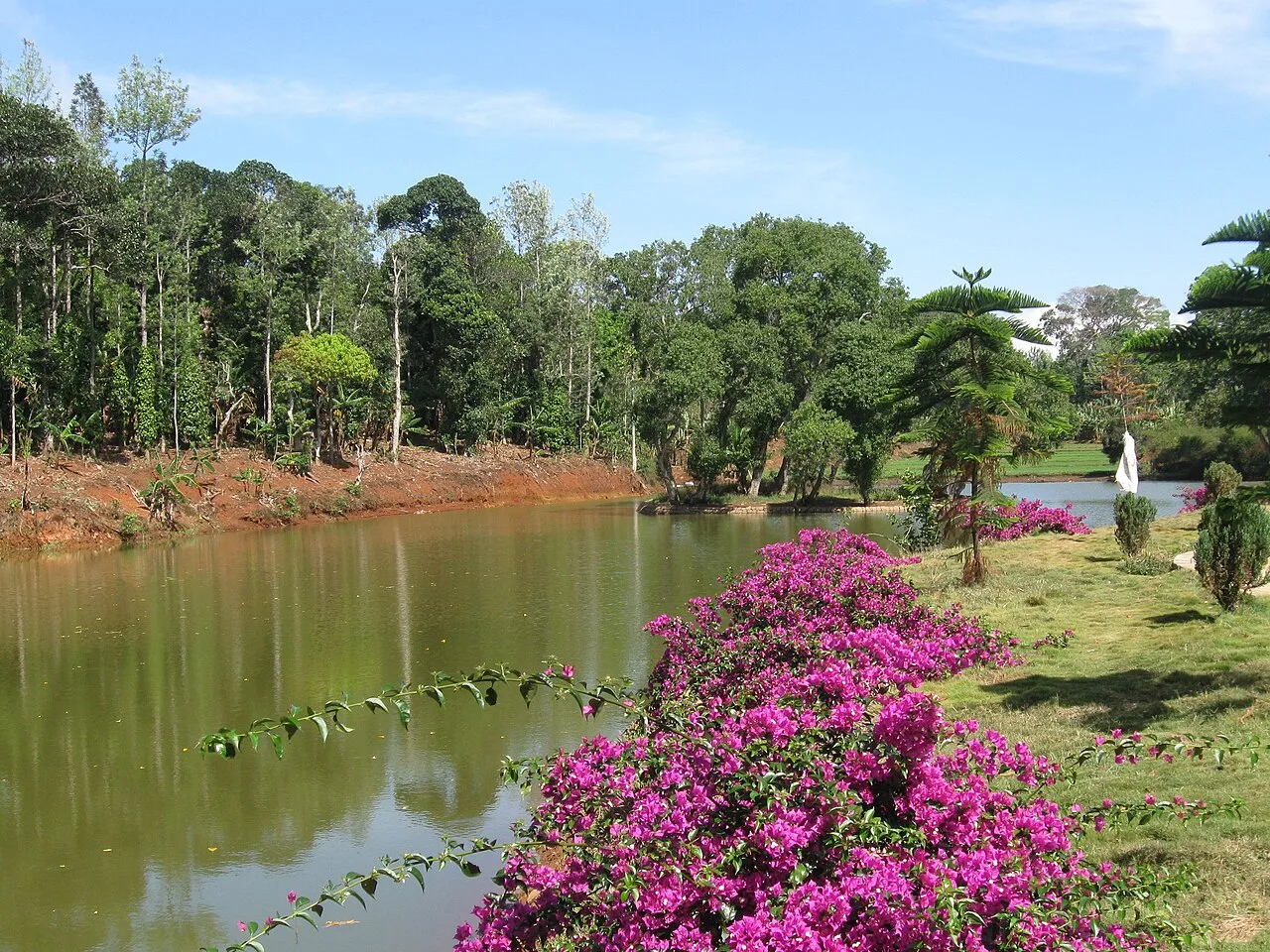
Kolli Hills

Kolli Malai, also called Kolli Hills, is a hill station and taluk within Tamil Nadu’s Namakkal district. Visitors come to the area in its capacity as a hill-station destination.

Kodiveri Dam

78 km away · Erode district

Kodiveri Dam

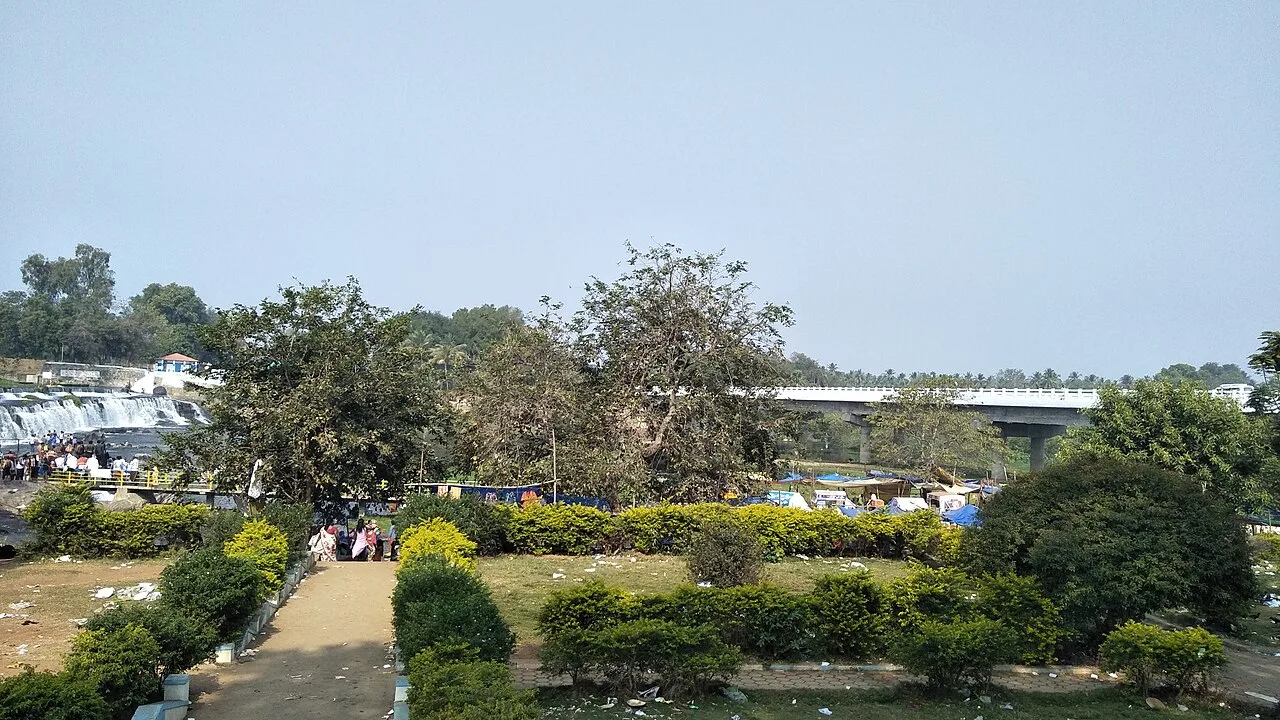
On the Bhavani River in Tamil Nadu, Kodiveri Dam is a masonry structure that visitors come to see in the Erode district, near Gobichettipalayam.

Dindigul Fort

80 km away · Dindigul district

Dindigul Fort

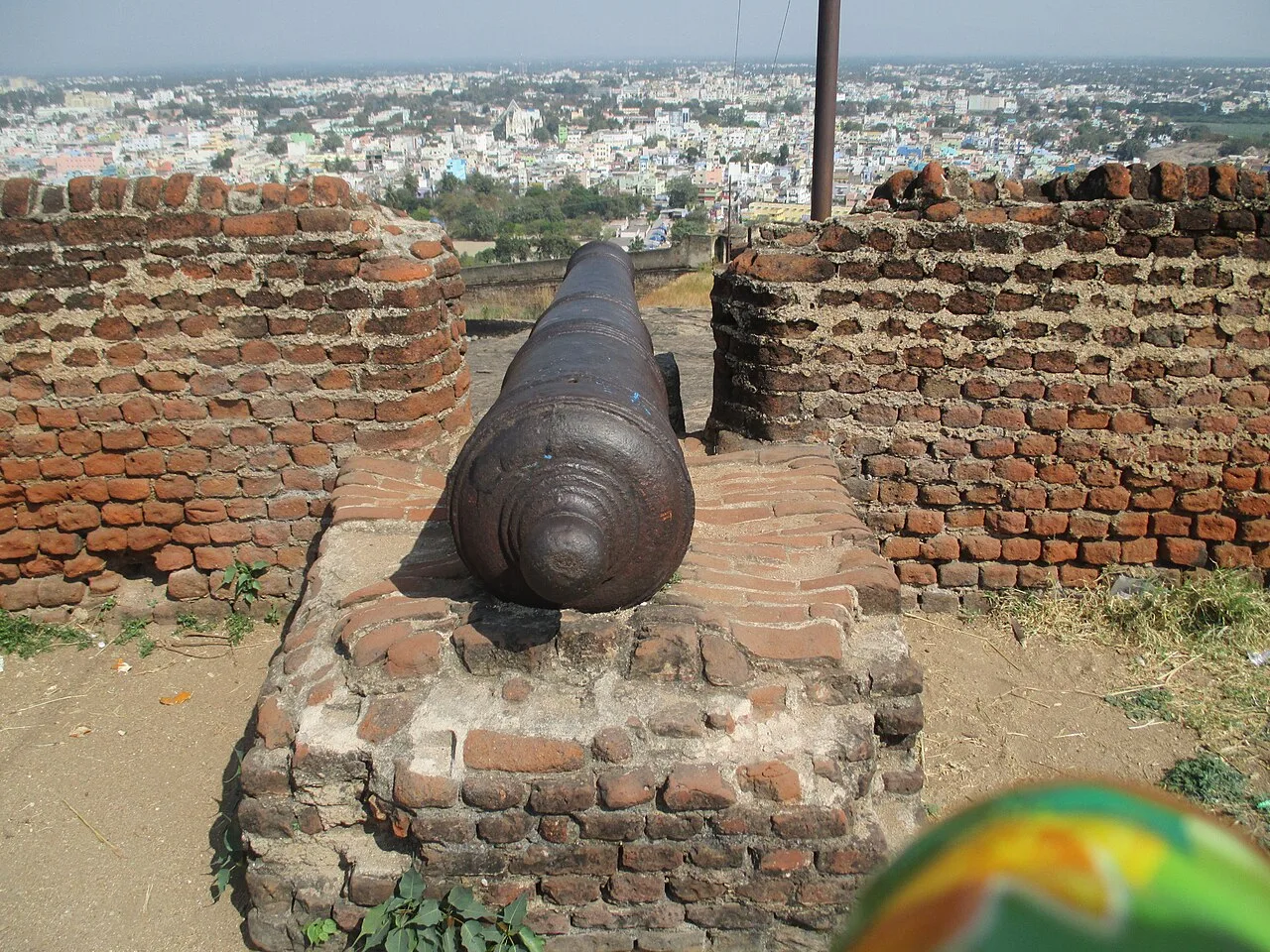
Dindigul Fort, also known as Dindigul Malai Kottai, is a historic stronghold in Tamil Nadu, visited for its military past, summit temple and surviving cannons.

Mettur Dam

81 km away · Salem district

Mettur Dam

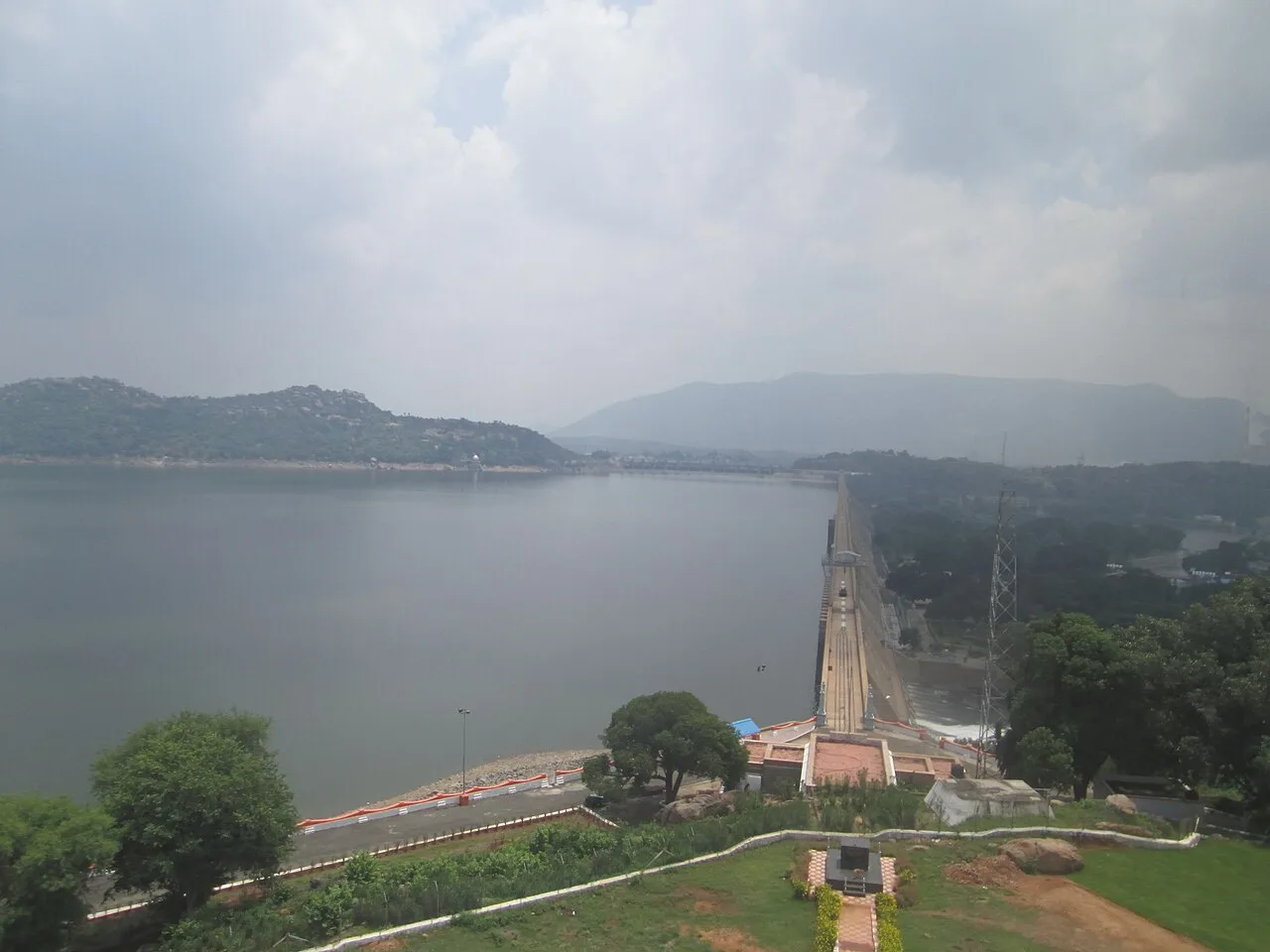
Mettur Dam, in Salem district, is among India’s largest dams and Tamil Nadu’s largest; visitors come to view the structure and the park at its base.

Palani Murugan Temple

81 km away · Dindigul district

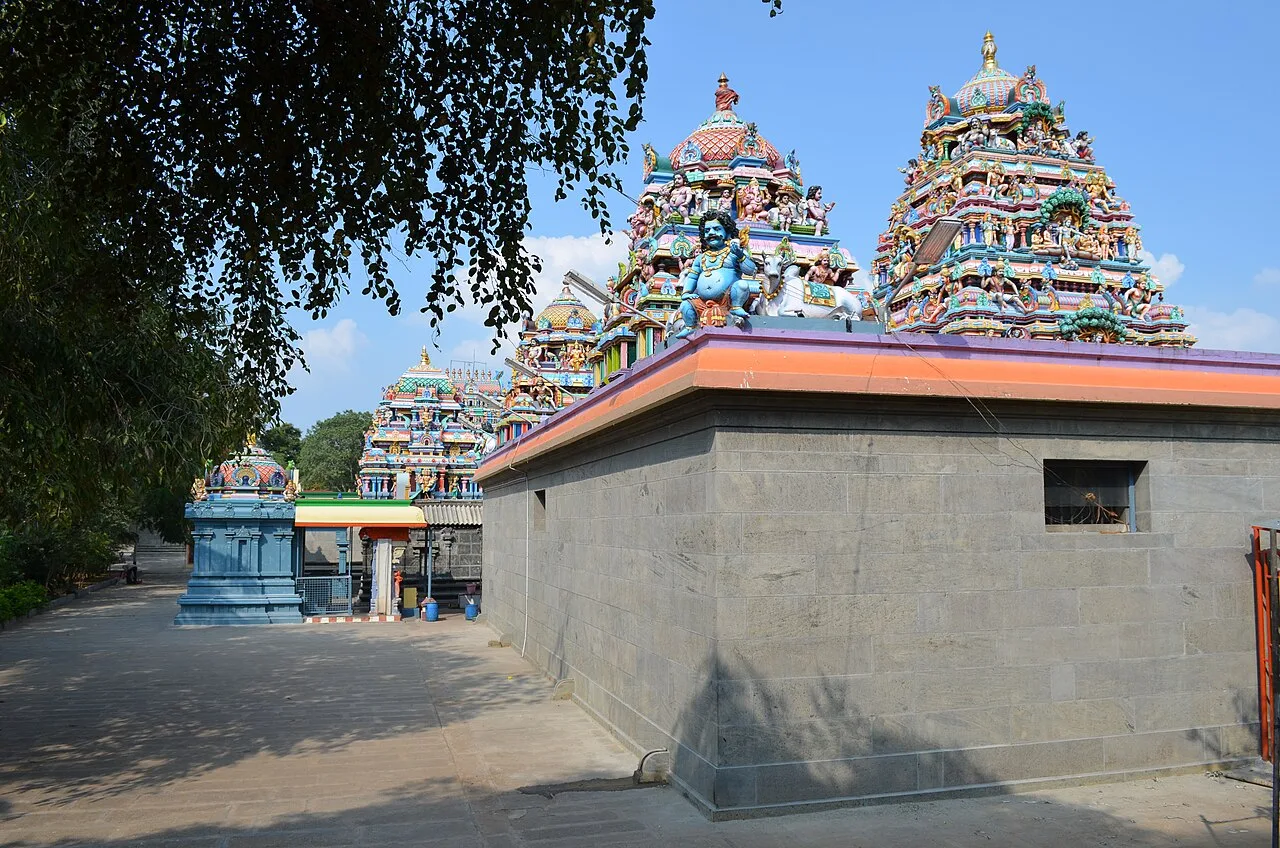
Palani Murugan Temple

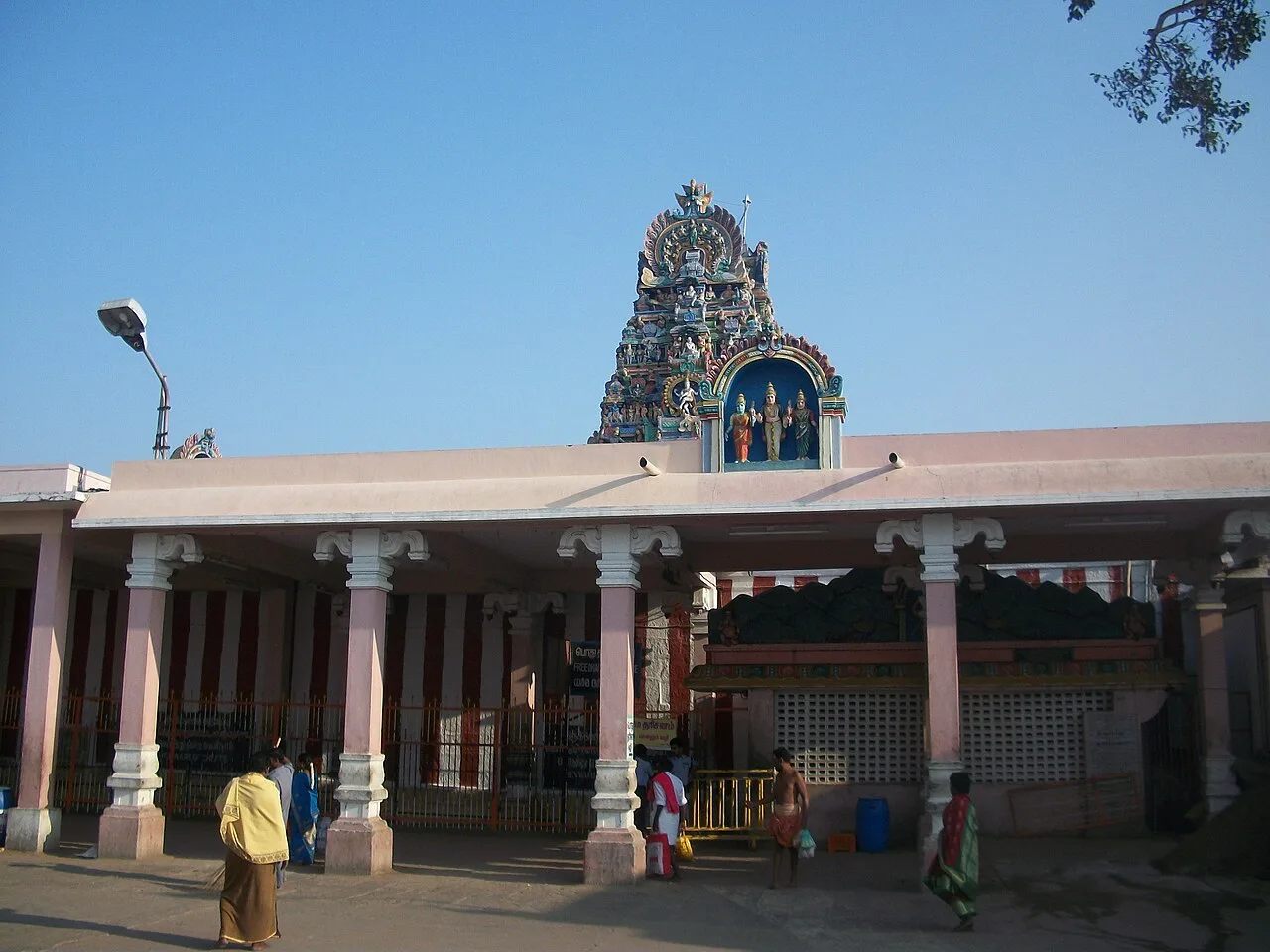
Palani Murugan Temple is a Murugan shrine on a hill at Palani in Tamil Nadu. Pilgrims come to worship, observe temple festivals and take part in customs including tonsuring and carrying kavadi.

Yercaud Hill Station

85 km away · Salem district

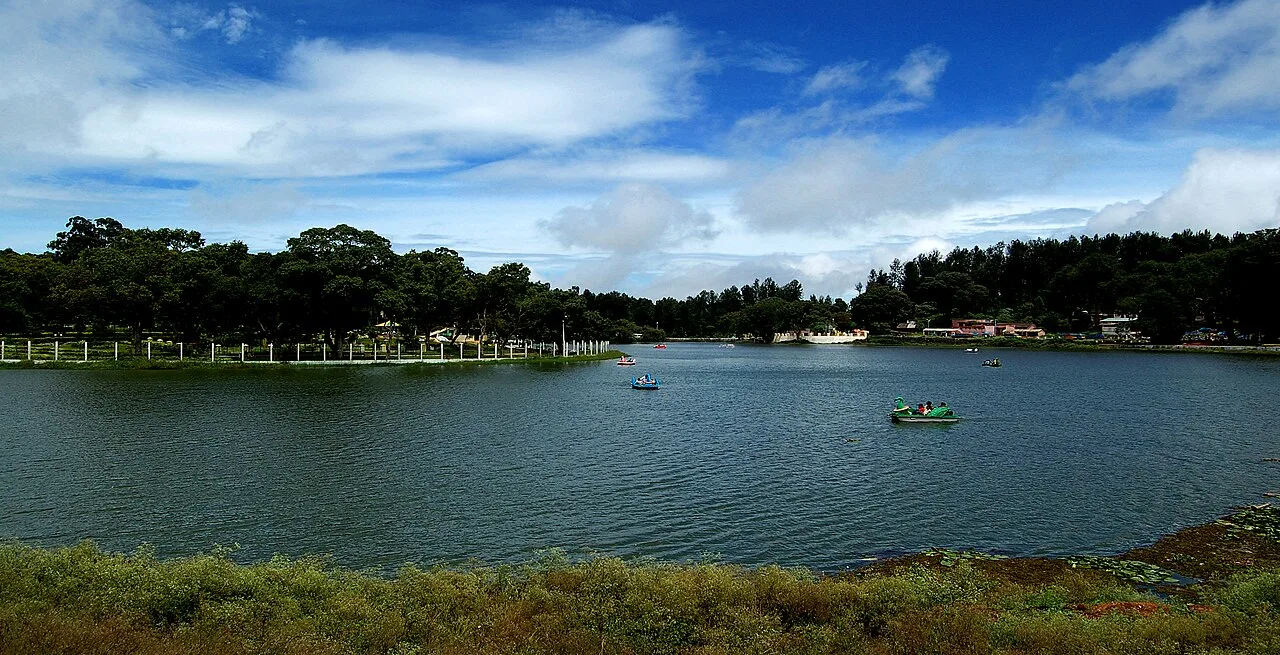
Yercaud Hill Station

Yercaud, also known as Erkadu, is a hill town in Salem district, Tamil Nadu. Visitors come for its location in the Servarayan Hills, part of the Eastern Ghats.

Map

Kodumudi on the map

  1. 1Namakkal Fort
  2. 2Bhavani Sangameswarar Temple
  3. 3Kolli Hills
  4. 4Kodiveri Dam
  5. 5Dindigul Fort
  6. 6Mettur Dam
  7. 7Palani Murugan Temple
  8. 8Yercaud Hill Station

Tamil Nadu

Other cities to explore