Ghumoopedia — Explore, Discover, Experience
Sign in
Kodiveri Dam, near Kovilpalaiyampudur

City guide · Tamil Nadu

Kovilpalaiyampudur

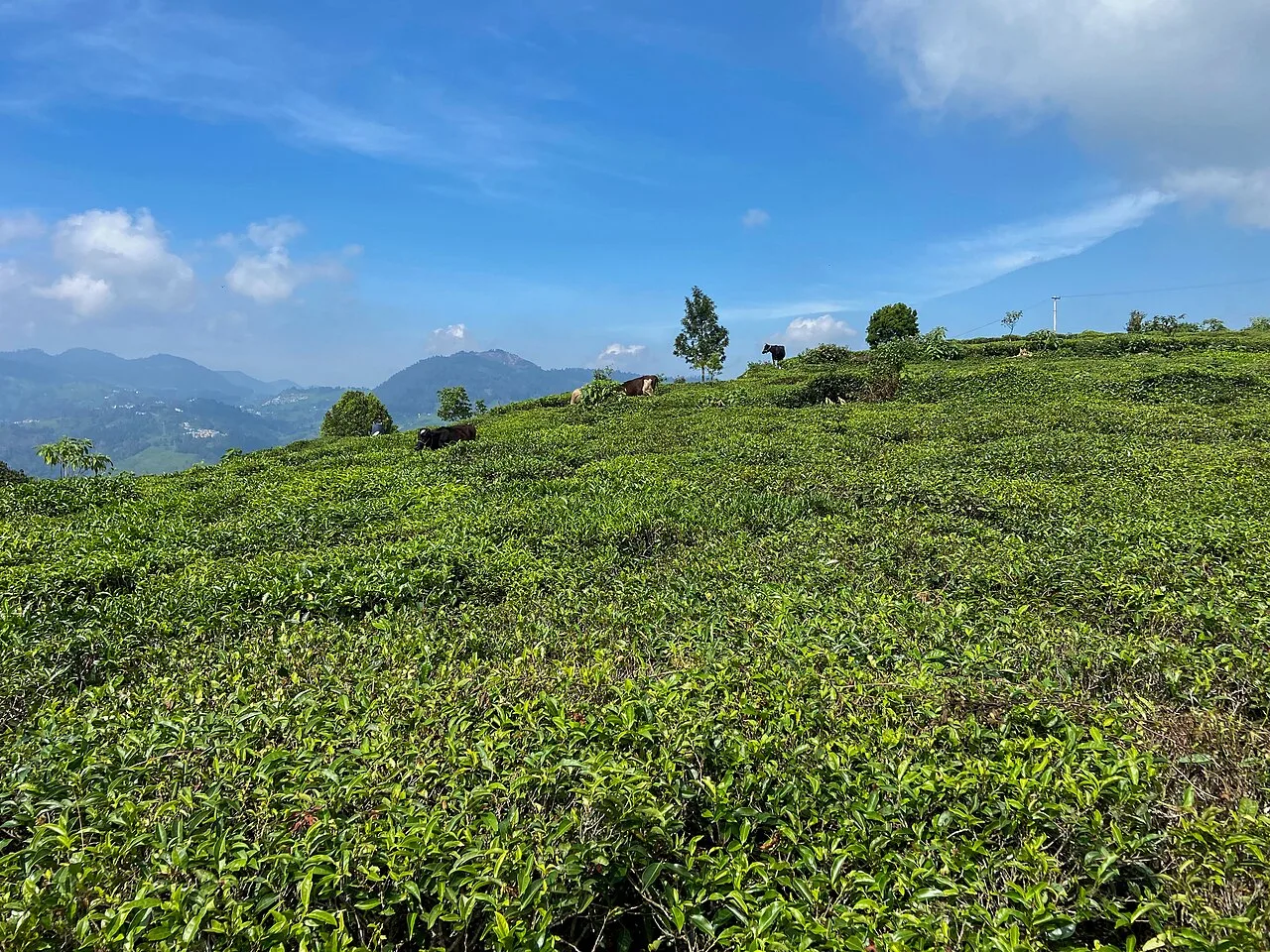
Kovilpalaiyampudur is a small settlement in Tamil Nadu, and its importance is primarily local rather than that of a major destination. It offers a quieter view of everyday life in the Kongu region, where homes, small businesses, places of worship and agricultural surroundings shape the character of the area.

Famous for

  • Kongu-region village setting
  • Tamil temple traditions
  • Local agricultural life

Why Kovilpalaiyampudur matters

Kovilpalaiyampudur is a small settlement in Tamil Nadu, and its importance is primarily local rather than that of a major destination. It offers a quieter view of everyday life in the Kongu region, where homes, small businesses, places of worship and agricultural surroundings shape the character of the area. Visitors are more likely to come for family or community connections, nearby temples and errands than for a large collection of formal tourist attractions.

The settlement can also serve as a starting point for exploring the wider region, whose towns are associated with farming, trade and, in larger centres, industry and textiles. Local Tamil customs and temple observances are part of its appeal, while nearby town markets provide a busier contrast to its residential character. Kovilpalaiyampudur is best approached as a lived-in community: take time to notice its streets and local routines, and check locally for access to any places of worship or community events. It is not widely known for a nationally recognised craft, product or landmark.
Famous for: crafts, trade & products

Its shops are principally useful for everyday goods and local needs; visitors looking for a broader range of clothing, household items or regional produce will generally find more choice in the larger towns nearby. There is no established tourist craft market or dedicated shopping district to single out.

The wider Kongu region has varied agricultural and commercial activity, but products associated with larger regional centres should not automatically be attributed to this settlement. For locally made goods or produce, ask at neighbourhood shops or a nearby town market about what is available in season. Visitors interested in textiles, crafts or foods from across Tamil Nadu can look in larger urban markets, where selection and sourcing are easier to establish. Kovilpalaiyampudur’s character lies more in its local community and everyday commerce than in a recognised manufacturing industry or visitor-oriented shopping scene.

History

This part of western Tamil Nadu has long been shaped by settled agriculture, local trade and networks of villages and market towns. Over different periods, the wider region came under the influence of powers including the Cheras, Cholas, Vijayanagara rulers and Nayaks; their histories should not be taken as evidence of specific events in the settlement itself.

During British rule, administration and transport links developed across the region, while nearby towns grew as centres for commerce and services. In modern times, road connections, expanded regional towns and access to education and employment have linked small settlements more closely to the surrounding economy. Kovilpalaiyampudur remains primarily a local community rather than a place known for a major historical monument or a separately chronicled political role. For site-specific history, local residents and temple or village records may offer details not widely published.

Food, festivals & culture

Tamil is the main language of daily life, with local speech reflecting the Kongu region. Pongal, celebrated in January, is an important harvest festival across Tamil Nadu; Deepavali and Tamil New Year are also widely observed. Local temple festivals may bring processions, devotional music and gatherings, though schedules and customs vary by community and place of worship. Ask locally about events during a visit, since there is no single major annual festival widely associated with Kovilpalaiyampudur.

Everyday food is likely to draw on familiar Tamil meals such as rice, lentils, vegetables, idli and dosa, with the exact dishes varying between homes and eateries. Music and dance at community or religious occasions may include devotional singing and forms popular across Tamil Nadu; classical and folk performances are more readily found at larger regional events. Temples and smaller neighbourhood shrines are important places of worship and community life.

Visiting the city

The cooler, drier months, broadly from November to February, are generally more comfortable for exploring Tamil Nadu. Coimbatore International Airport is a principal air gateway for the wider region. Coimbatore Junction is a major rail hub; the most convenient station for Kovilpalaiyampudur depends on the precise route and local connections, so check before travelling. Buses and taxis from a nearby town can help with the final leg.

Within the settlement, walking is suitable for short distances, while local buses, auto-rickshaws or taxis may be useful for reaching surrounding areas. Explore the central streets, local shops and nearby places of worship respectfully, and ask residents about access where needed. Kovilpalaiyampudur is a small community rather than a resort district, so plan meals and onward transport around services in the nearest larger town.

Trips from the city

Nearest places to visit from Kovilpalaiyampudur

Our closest destination guides, by straight-line distance.

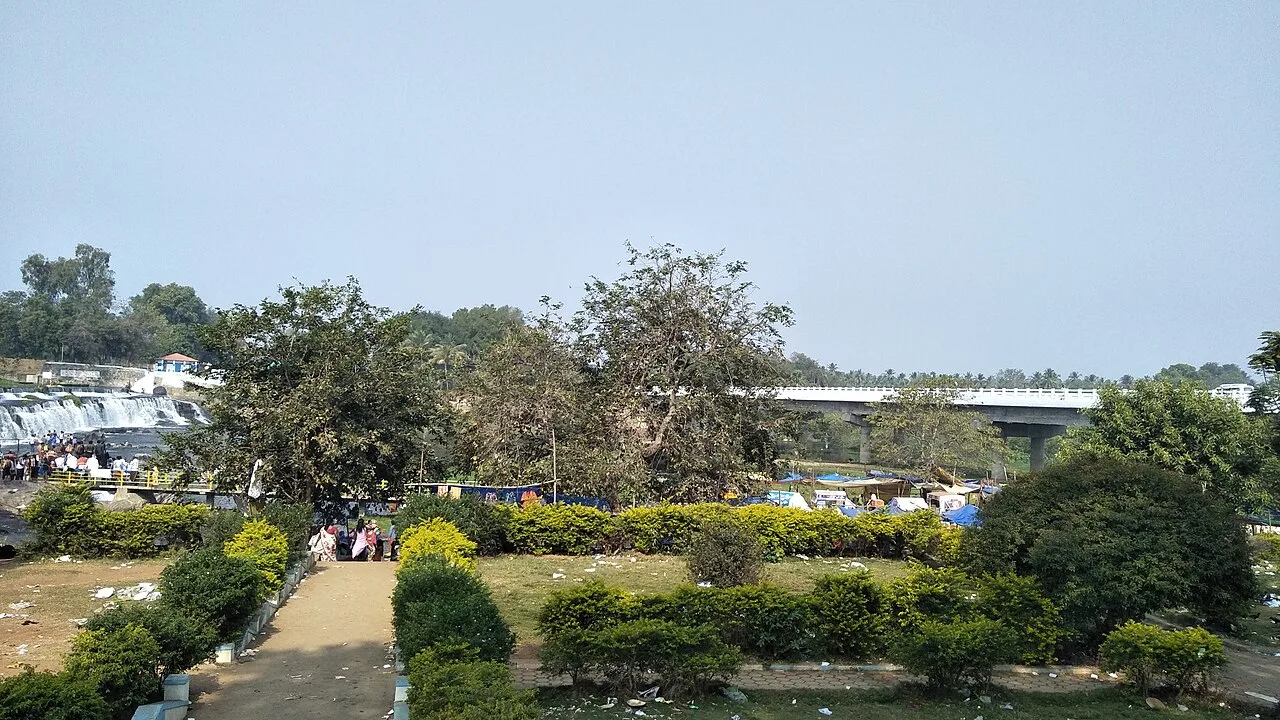
Kodiveri Dam

8 km away · Erode district

Kodiveri Dam

On the Bhavani River in Tamil Nadu, Kodiveri Dam is a masonry structure that visitors come to see in the Erode district, near Gobichettipalayam.

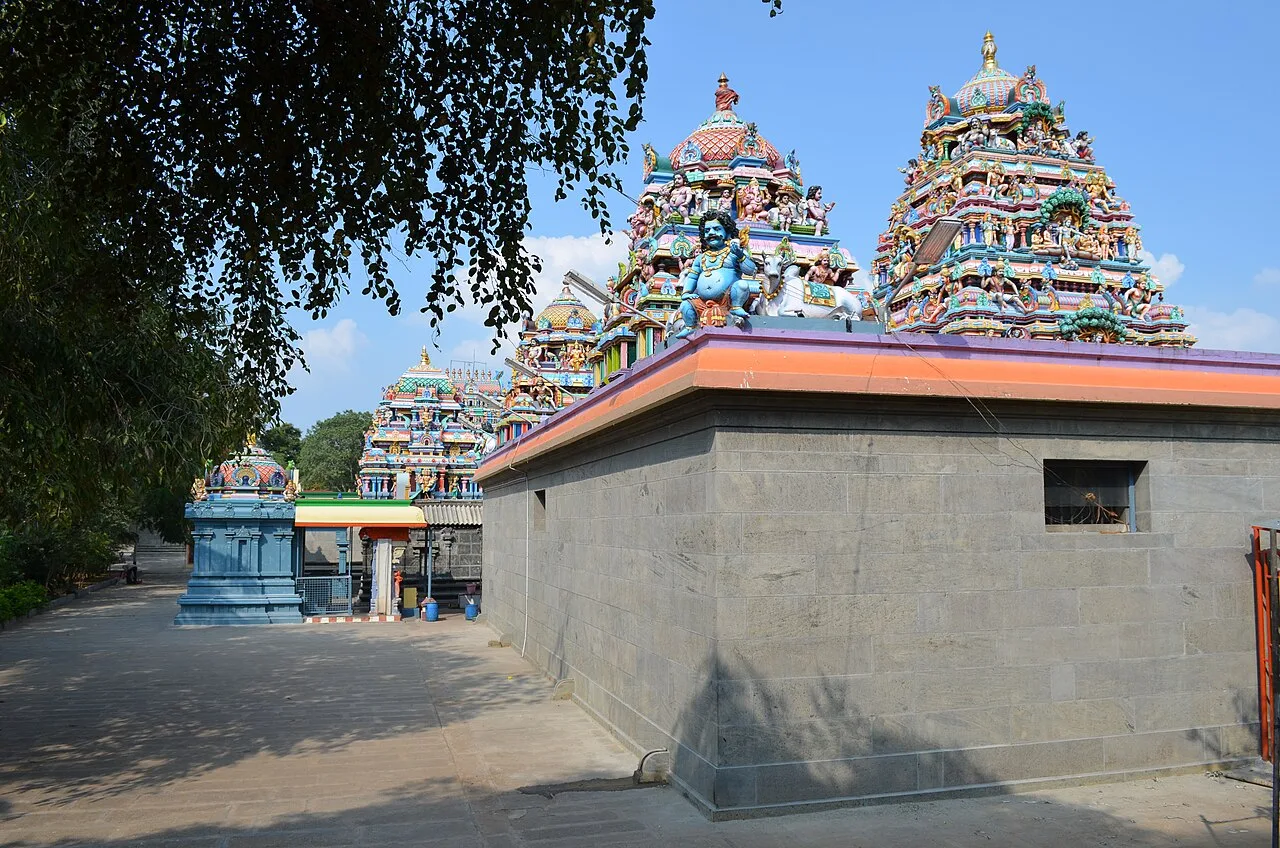
Bhavani Sangameswarar Temple

36 km away · Erode district

Bhavani Sangameswarar Temple

Bhavani Sangameswarar Temple is a Shiva shrine in Bhavani, Tamil Nadu, at the meeting of the Kaveri, Bhavani and mystical Amutha rivers. Visitors worship here and perform rites for their ancestors.

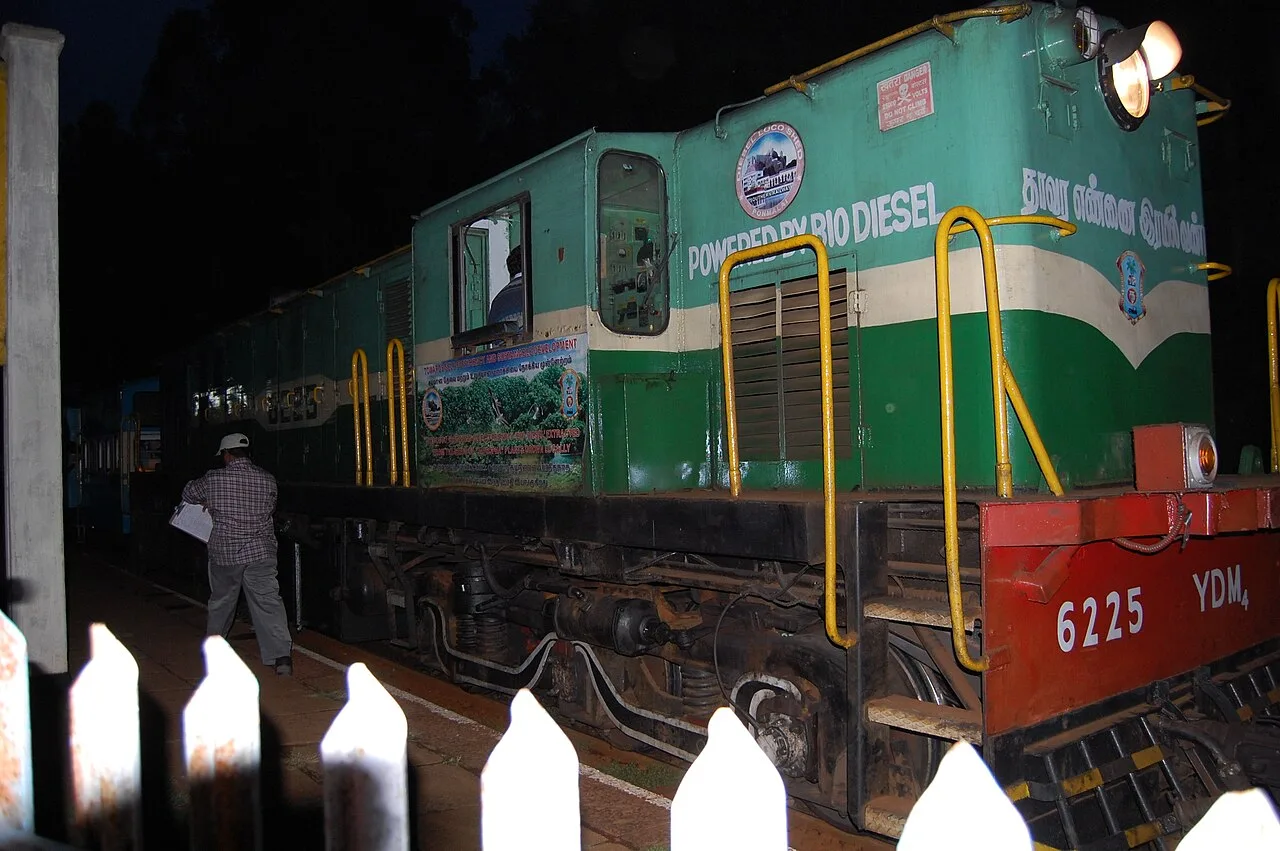
Nilgiri Mountain Railway

47 km away · Nilgiris district

Nilgiri Mountain Railway

The Nilgiri Mountain Railway is a metre-gauge rack line in Tamil Nadu’s Nilgiris district. Visitors ride it for its historic railway character and steam locomotives.

Kotagiri

53 km away · Nilgiris district

Kotagiri

Kotagiri is a hill station and municipality in Tamil Nadu’s Nilgiris district, with an elevated setting and a history as a summer destination during the Madras Presidency.

Catherine Falls

57 km away · Nilgiris district

Catherine Falls

Catherine Falls is a two-tier waterfall near Kotagiri in Tamil Nadu’s Nilgiris district. Visitors come to see its cascades, which can be viewed from Dolphin’s Nose.

Dolphin's Nose, Coonoor

57 km away · Nilgiris district

Dolphin's Nose, Coonoor

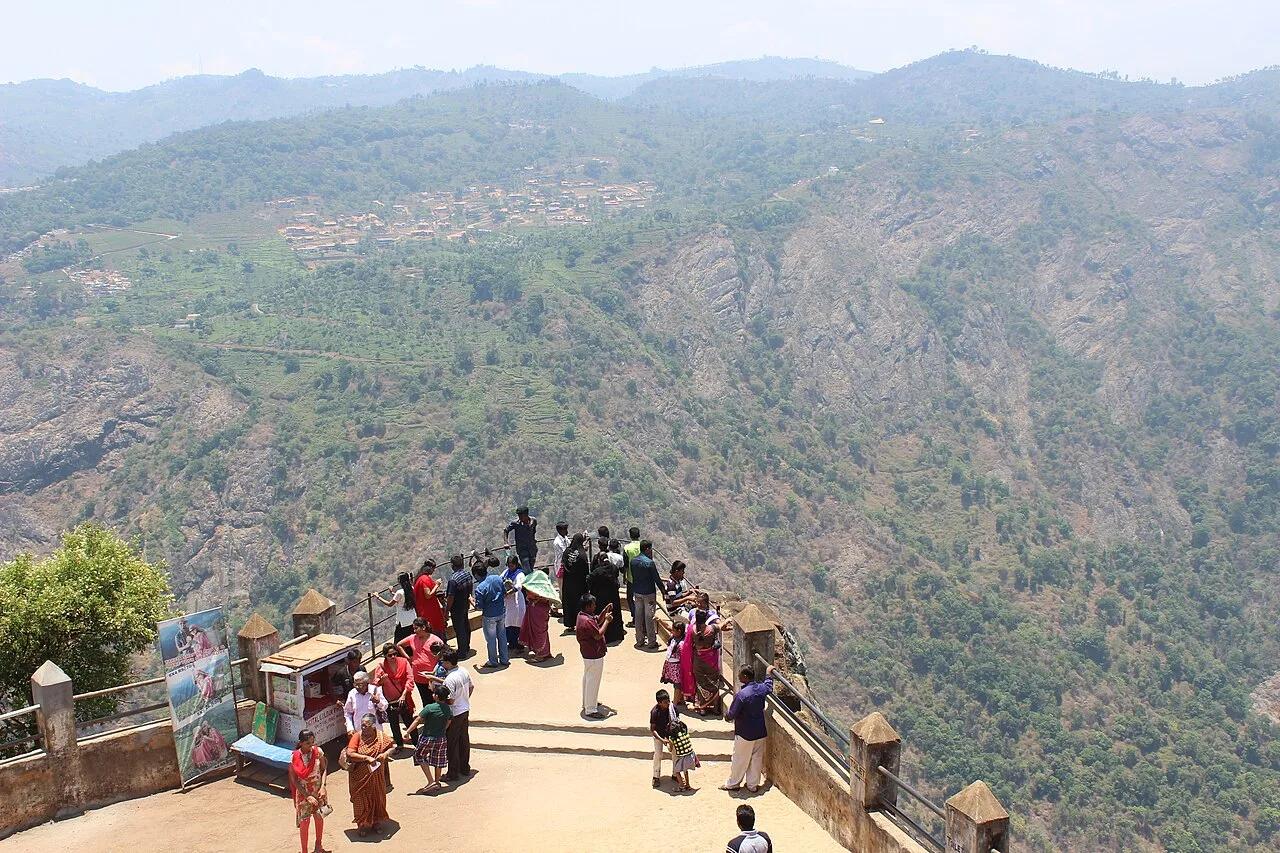
Dolphin's Nose is a viewpoint and visitor attraction at Coonoor in Tamil Nadu’s Nilgiris District, visited as a place of interest in the area.

Mettur Dam

58 km away · Salem district

Mettur Dam

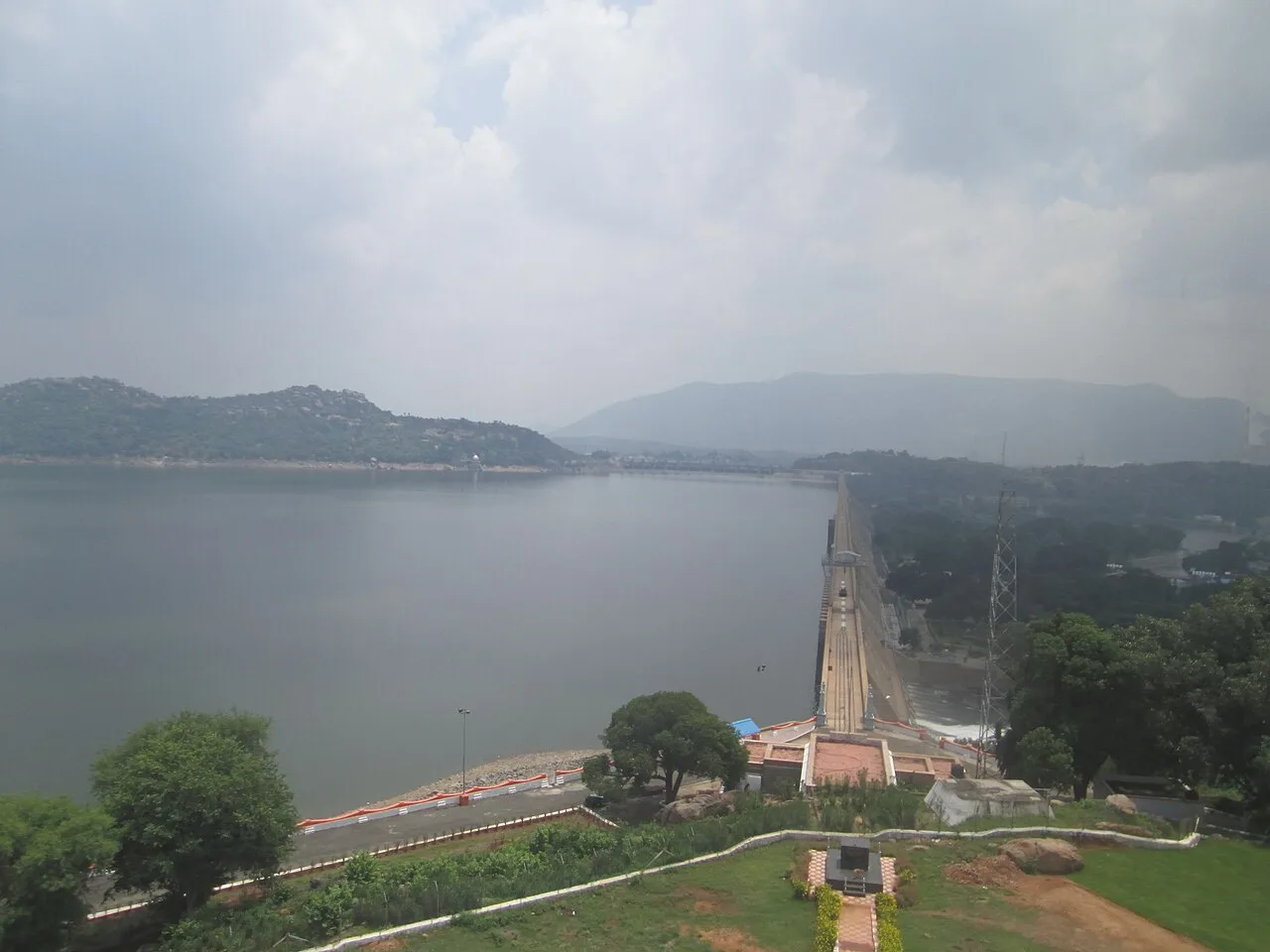
Mettur Dam, in Salem district, is among India’s largest dams and Tamil Nadu’s largest; visitors come to view the structure and the park at its base.

Lamb's Rock

60 km away · Nilgiris district

Lamb's Rock

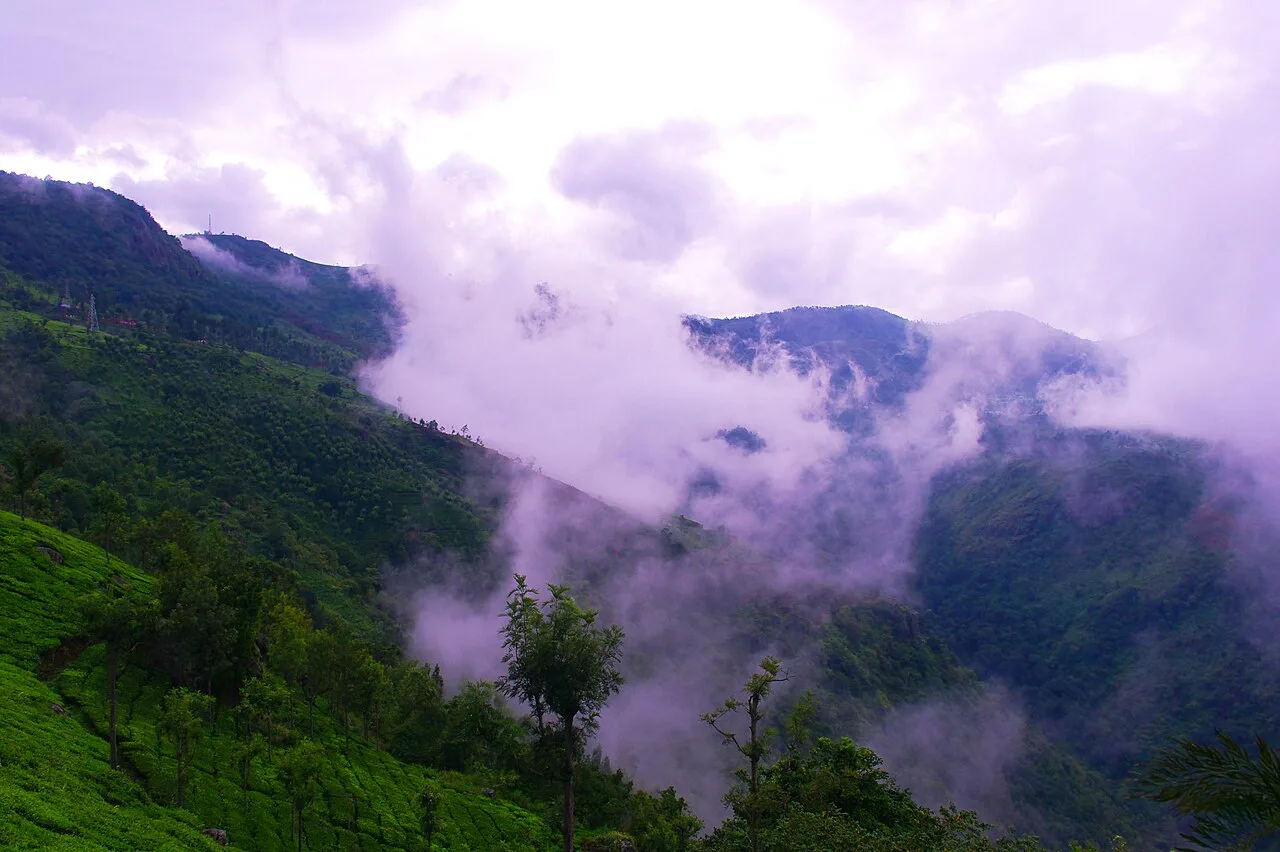
Set in Tamil Nadu’s Nilgiris district, Lamb’s Rock is a Coonoor attraction in the Nilgiri Hills. Visitors come for views extending across the Coimbatore plains and tea and coffee estates.

Map

Kovilpalaiyampudur on the map

  1. 1Kodiveri Dam
  2. 2Bhavani Sangameswarar Temple
  3. 3Nilgiri Mountain Railway
  4. 4Kotagiri
  5. 5Catherine Falls
  6. 6Dolphin's Nose, Coonoor
  7. 7Mettur Dam
  8. 8Lamb's Rock

Tamil Nadu

Other cities to explore