Ghumoopedia — Explore, Discover, Experience
Sign in
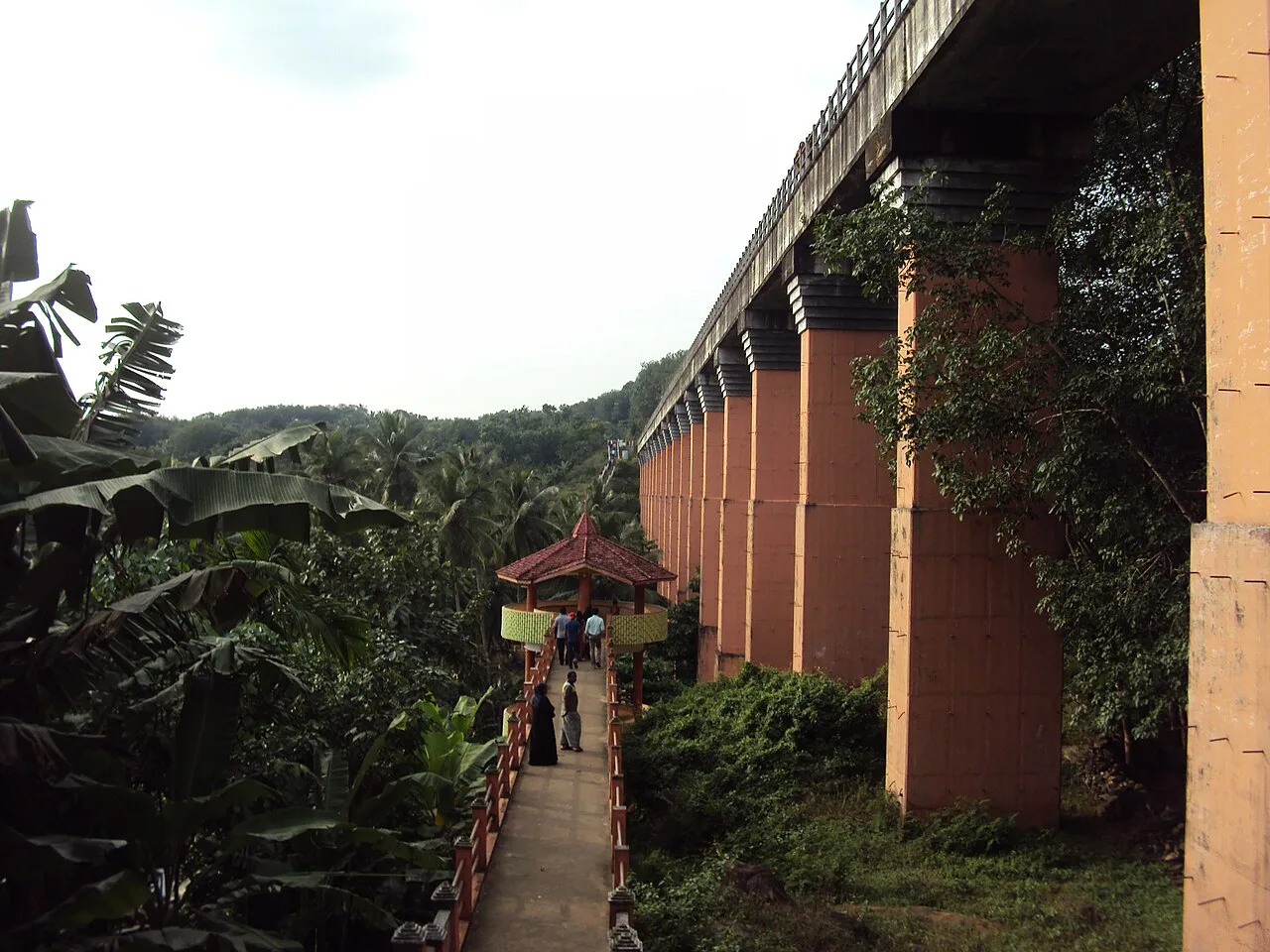
Mathur Aqueduct, near Kulasegaram

City guide · Tamil Nadu

Kulasegaram

Kulasegaram, also commonly spelled Kulasekaram, is a small town in Kanyakumari district, Tamil Nadu, near the state’s western border. Set among the district’s green foothills, it serves as a local centre for nearby villages, plantations and farms.

Famous for

  • Rubber plantations
  • Western Ghats foothills
  • Nearby Thirparappu Falls
  • Pechiparai Dam

Why Kulasegaram matters

Kulasegaram, also commonly spelled Kulasekaram, is a small town in Kanyakumari district, Tamil Nadu, near the state’s western border. Set among the district’s green foothills, it serves as a local centre for nearby villages, plantations and farms. Shops, services and road connections make it a useful stop for people travelling through the inland part of the district.

The surrounding countryside is the main draw for visitors. Rubber-growing areas, wooded slopes and waterways shape the landscape, while Thirparappu Falls and Pechiparai Dam are among the regional sights accessible from town. Kulasegaram is not a major resort or a destination known for a single landmark; its appeal lies in everyday town life and its position within a scenic, rural region. Visitors can use it as a base for exploring nearby natural attractions, temples and settlements, or as a pause on a wider journey through Kanyakumari district. Its close links with Kerala also give the area a mix of Tamil and Malayalam influences.
Famous for: crafts, trade & products

Kulasegaram is best known locally for its connection to rubber cultivation. Plantations are a prominent feature of the surrounding countryside, and rubber and other agricultural produce support trade in the town and nearby settlements. Coconut, tapioca and other crops are also grown in the wider district, though the town is not especially associated with a nationally recognised textile, craft or GI-tagged product.

For everyday shopping, visitors will find general stores, small food shops and produce sellers along the town’s main roads and in its local market areas. These are practical places to look for seasonal fruit and regional provisions, rather than specialist craft galleries or large destination markets. Local traders and agricultural businesses serve residents and plantation communities from the surrounding villages. Kulasegaram’s commercial character is therefore more closely tied to daily needs and farm trade than to a particular manufactured product. Visitors seeking a wider choice of branded goods, textiles or regional specialties can explore larger nearby towns such as Marthandam or Nagercoil.

History

Kulasegaram’s history is connected to that of Kanyakumari district, a region shaped by its position between the Tamil country and the former princely state of Travancore. Before Independence, the area was administered under Travancore. Following the reorganisation of states in 1956, Kanyakumari district became part of Madras State; the state was renamed Tamil Nadu in 1969.

The town developed as a service and trading centre for the surrounding rural settlements. Roads linking the foothills with larger market towns encouraged travel and commerce, while plantation agriculture—particularly rubber cultivation—became important to the local economy. As nearby villages grew, shops, schools, religious institutions and other services strengthened Kulasegaram’s role as a local hub. Its development has been gradual rather than centred on a large historic royal capital or colonial port. Today, its identity reflects the wider district’s agricultural economy, its links with neighbouring Kerala and the everyday movement of people between rural communities and regional towns.

Food, festivals & culture

Life in Kulasegaram reflects its place in a district where Tamil and Malayalam influences meet. Tamil is widely used, and Malayalam is also familiar in the border region. Meals commonly draw on southern Tamil and Kerala styles, with rice, coconut-based curries, fish, tapioca, appam and puttu found across the wider area. Food choices vary by household and season; the town is not especially known for a single signature sweet or dish.

Pongal, usually celebrated in January, is an important harvest festival. Tamil New Year in April, Navaratri in September or October, and Deepavali are also observed. Onam, generally falling in August or September, and Christmas in December reflect the region’s varied communities. Hindu temples, Christian churches and mosques serve local neighbourhoods and villages. Worship, community gatherings and family celebrations form a central part of the cultural calendar. Traditional music and dance are encountered mainly through religious events and seasonal celebrations rather than through a major year-round performance venue.

Visiting the city

The cooler, drier months from about November to February are generally comfortable for exploring the area. The southwest monsoon brings heavy rain, especially from June to September, and showers can also occur at other times. Thiruvananthapuram International Airport is the nearest major airport. Kulitturai (Kuzhithurai) railway station is a convenient nearby railhead, while Nagercoil Junction offers connections through a larger rail hub.

Local buses, taxis and auto-rickshaws are useful for getting around; a hired vehicle can make visits to waterfalls, dams and rural viewpoints easier. Explore the town’s market streets for everyday local life, then venture toward the plantation-covered outskirts and nearby villages. Thirparappu Falls and Pechiparai Dam are popular regional outings, but check local conditions after heavy rain before travelling to outdoor sites.

Trips from the city

Nearest places to visit from Kulasegaram

Our closest destination guides, by straight-line distance.

Mathur Aqueduct

3 km away · Kanniyakumari district

Mathur Aqueduct

Mathur Aqueduct is an aqueduct in Tamil Nadu’s Kanniyakumari district, built across the Pahrali River in 1966. Visitors come to see the structure and its setting near Mathoor hamlet.

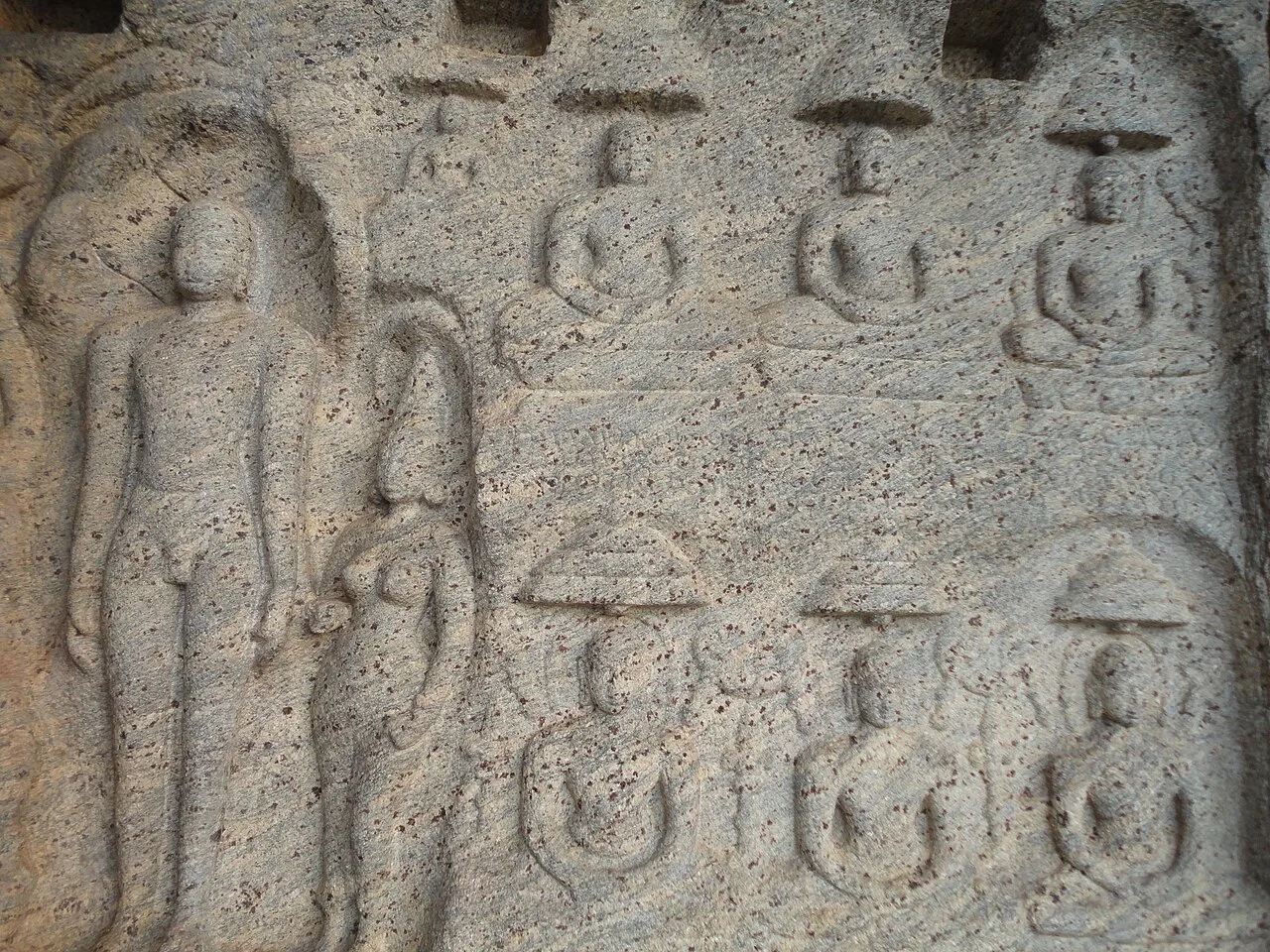
Chitharal Jain Monuments

7 km away · Kanniyakumari district

Chitharal Jain Monuments

This group of ninth-century religious remains near Chitharal village includes a Jain shrine, a Bhagavati temple and inscribed stone beds, drawing interest for its rock-cut architecture and reliefs.

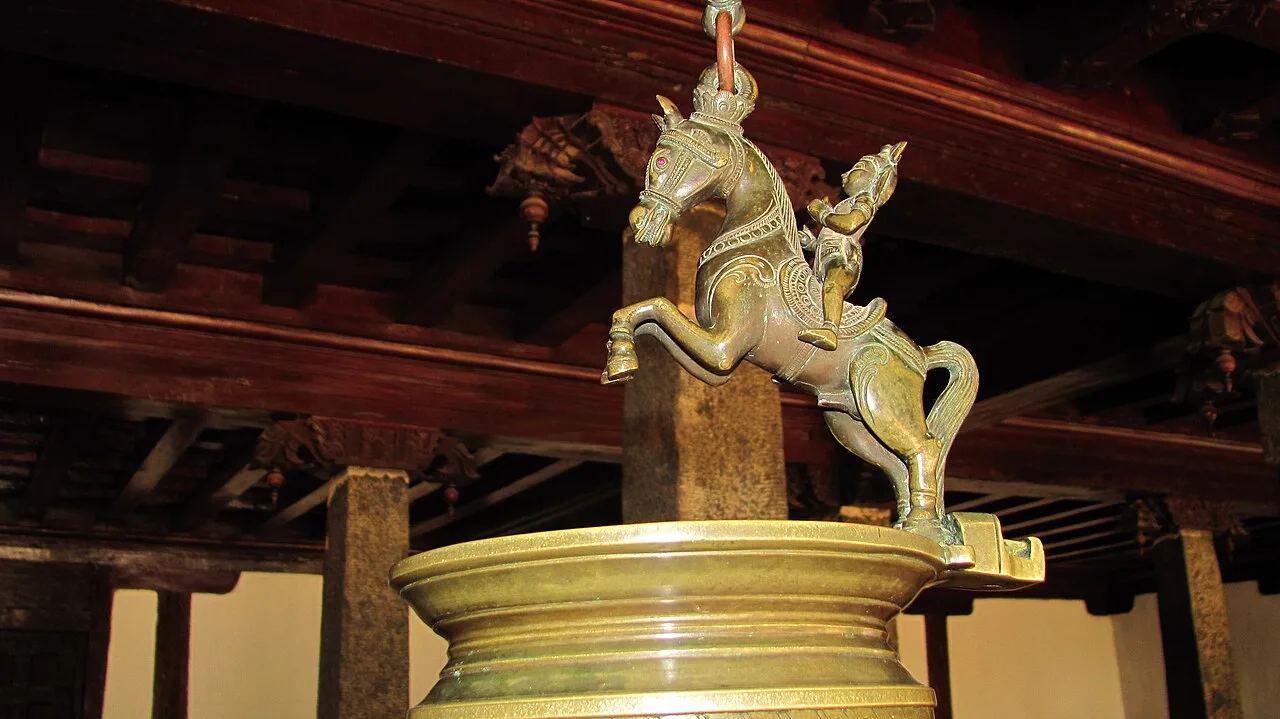
Padmanabhapuram Palace

13 km away · Kanniyakumari district

Padmanabhapuram Palace

Once a royal centre of Travancore, Padmanabhapuram Palace is a historic complex in Tamil Nadu that visitors explore for its connection to the former kingdom.

Thanumalayan Temple, Suchindram

30 km away · Kanniyakumari district

Thanumalayan Temple, Suchindram

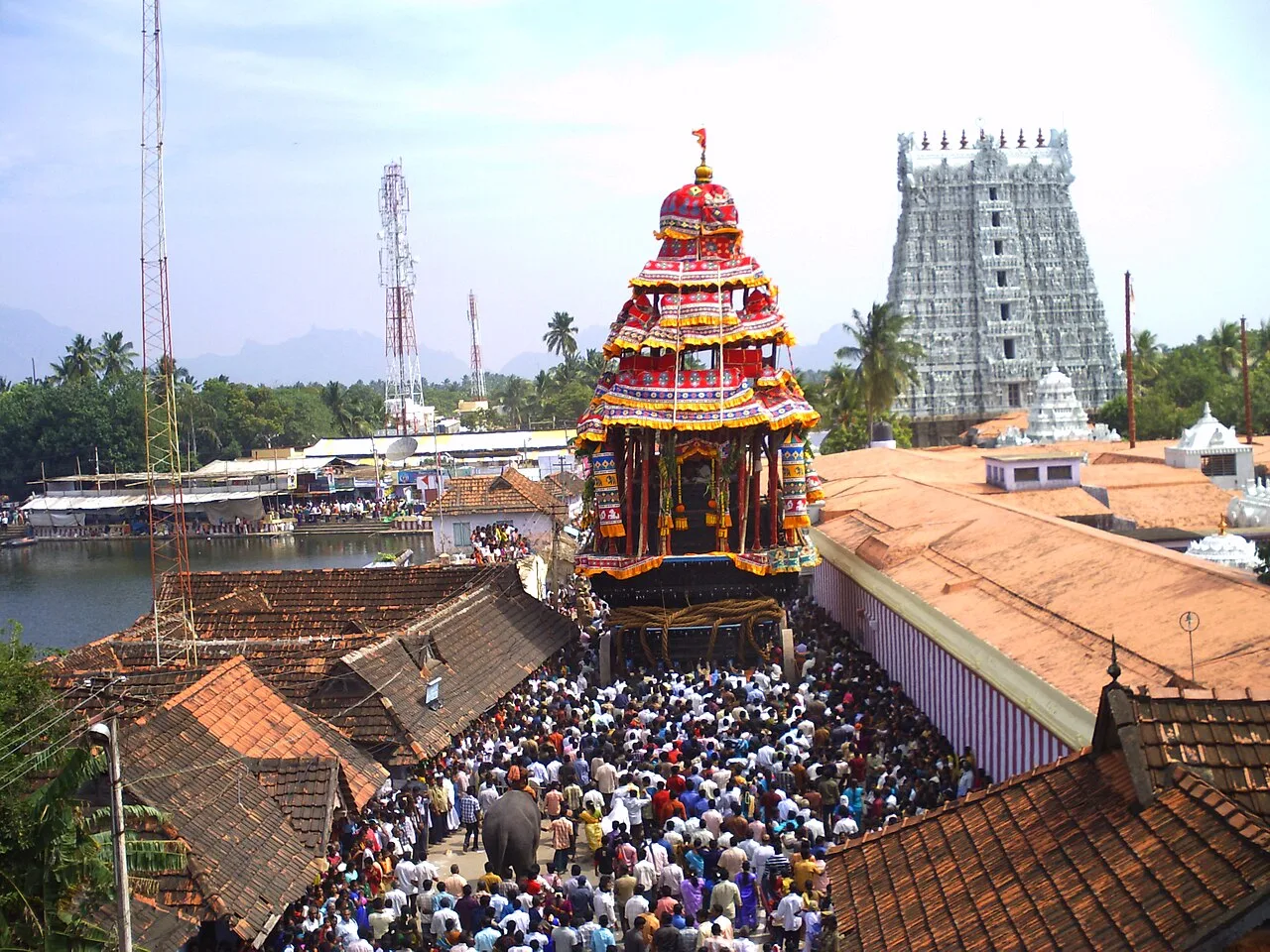
Thanumalayan Temple, also known as Sthanumalayan Temple, is a major Hindu shrine in Suchindram. Visitors come for its significance to Shaiva and Vaishnava traditions, distinctive architecture and annual observances.

Kalakkad Mundanthurai Tiger Reserve

36 km away · Tirunelveli district

Kalakkad Mundanthurai Tiger Reserve

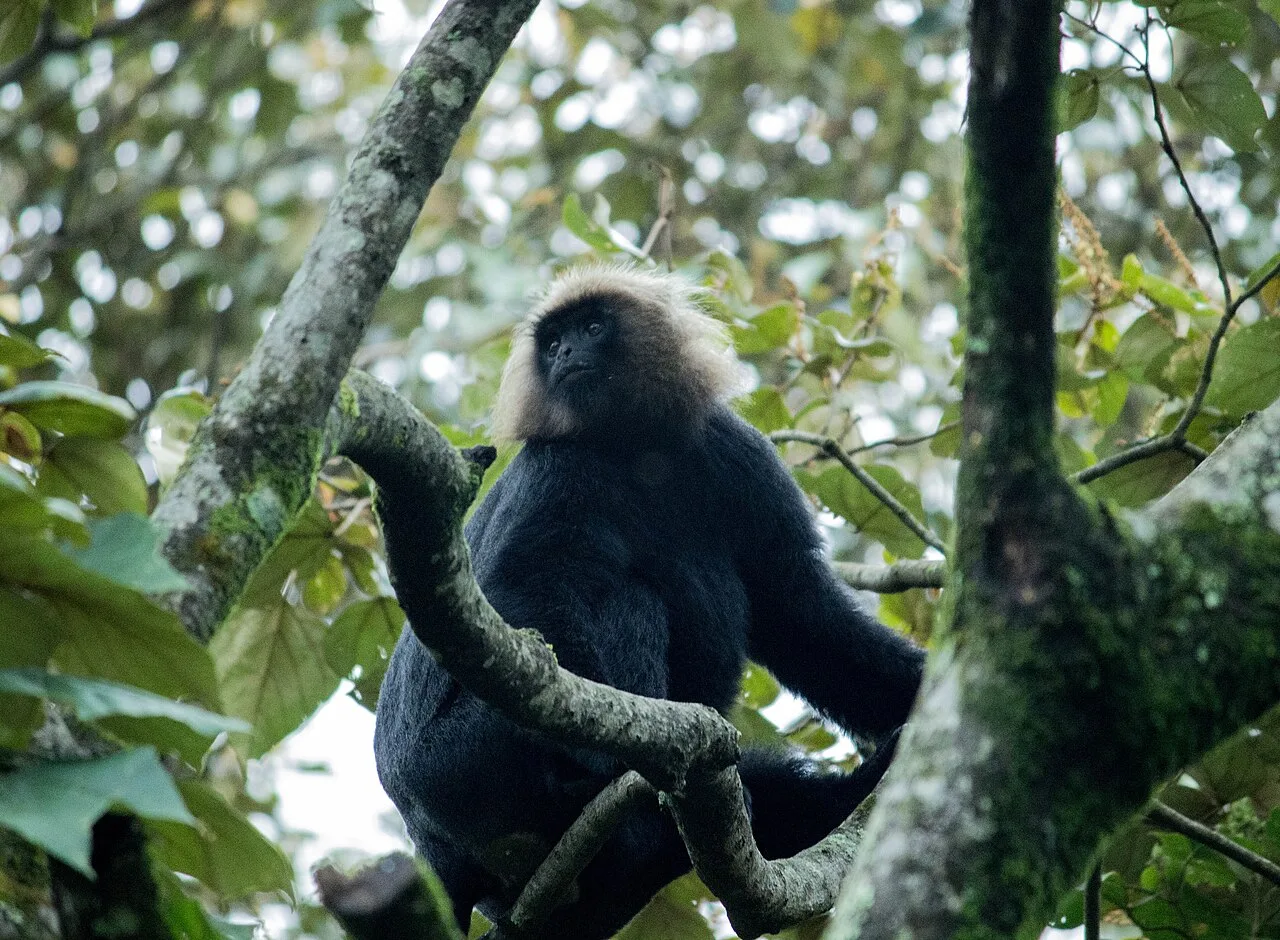
Kalakkad Mundanthurai Tiger Reserve is a protected area in Tamil Nadu’s South Western Ghats. Visitors come to experience its montane rainforest landscape, and it is part of the Agasthyamala Biosphere Reserve.

Agasthiyar Falls

39 km away · Tenkasi district

Agasthiyar Falls

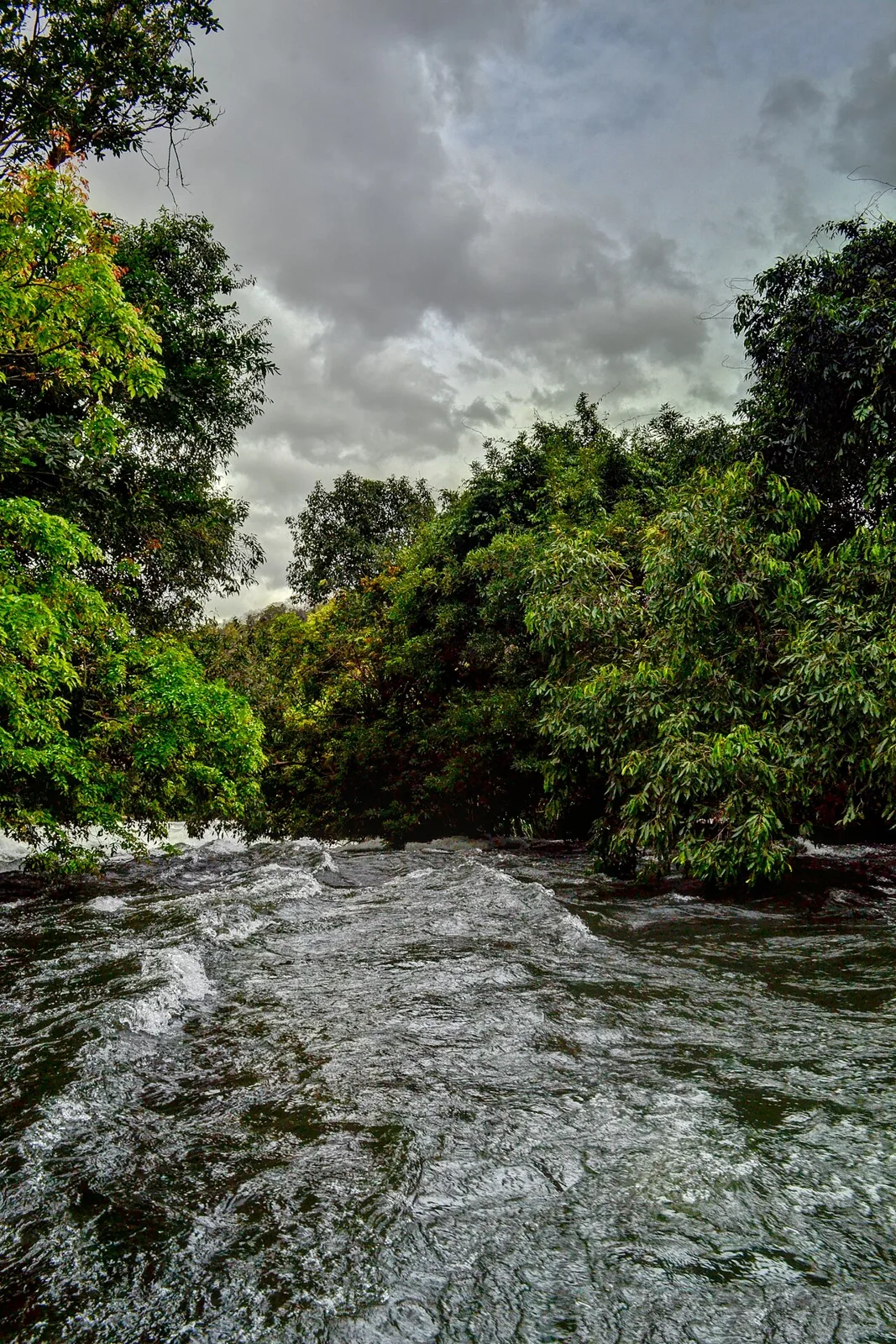
Agasthiyar Falls, also known as Papanasam Falls, is a waterfall in Tamil Nadu near Papanasam. Visitors include devotees of Papanasanathar Temple and Sabarimala, drawn by the falls’ religious associations.

Vattakottai Fort

40 km away · Kanniyakumari district

Vattakottai Fort

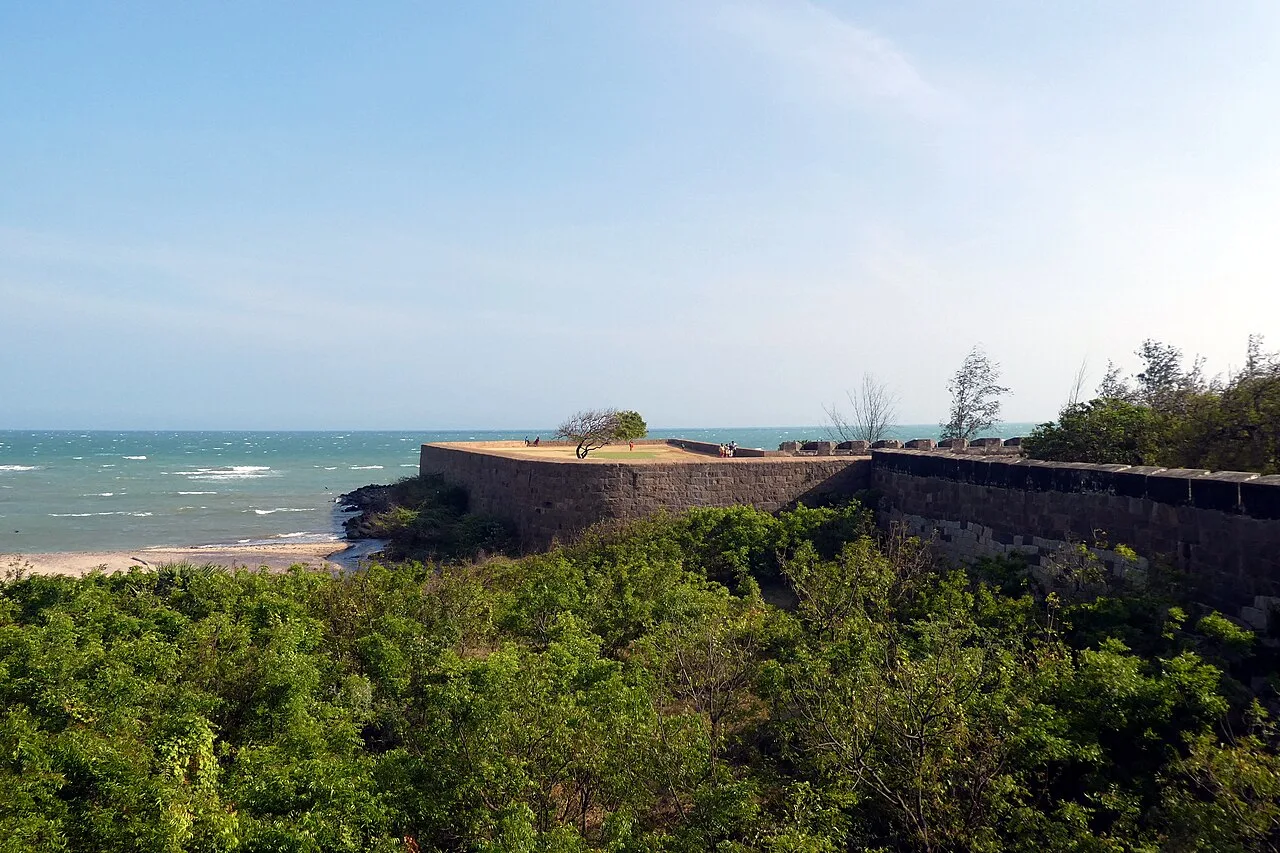
Vattakottai Fort is an eighteenth-century granite coastal stronghold in Kanniyakumari district, near Kanyakumari. Visitors come to explore its military history and enjoy views of the sea and Western Ghats.

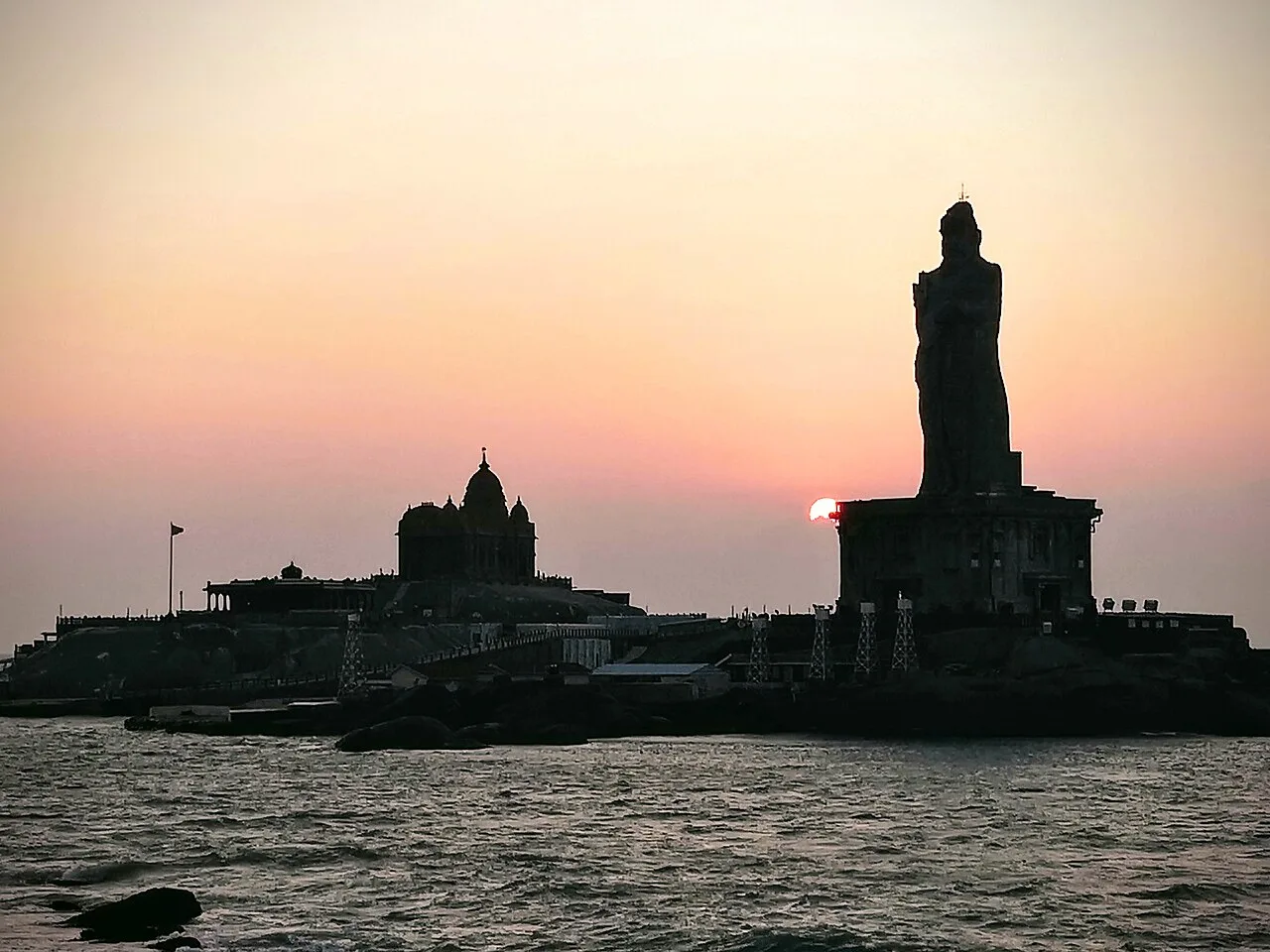
Thiruvalluvar Statue

42 km away · Kanniyakumari district

Thiruvalluvar Statue

The Thiruvalluvar Statue is a large stone likeness of the Tamil poet and philosopher who wrote the Thirukkural. Visitors come to see the monument near Kanniyakumari, where three seas meet.

Map

Kulasegaram on the map

  1. 1Mathur Aqueduct
  2. 2Chitharal Jain Monuments
  3. 3Padmanabhapuram Palace
  4. 4Thanumalayan Temple, Suchindram
  5. 5Kalakkad Mundanthurai Tiger Reserve
  6. 6Agasthiyar Falls
  7. 7Vattakottai Fort
  8. 8Thiruvalluvar Statue

Tamil Nadu

Other cities to explore