Ghumoopedia — Explore, Discover, Experience
Sign in
Padmanabhapuram Palace, near Padmanabhapuram

City guide · Tamil Nadu

Padmanabhapuram

Padmanabhapuram is a small town in Kanyakumari district whose importance rests chiefly on its history and architecture. Its landmark, Padmanabhapuram Palace, was the seat of the Travancore rulers and is one of the region’s most compelling heritage sites.

Famous for

  • Padmanabhapuram Palace
  • Former Travancore capital
  • Traditional wooden architecture
  • Palace murals and carvings

Why Padmanabhapuram matters

Padmanabhapuram is a small town in Kanyakumari district whose importance rests chiefly on its history and architecture. Its landmark, Padmanabhapuram Palace, was the seat of the Travancore rulers and is one of the region’s most compelling heritage sites. The extensive complex is known for timber construction, carved details, painted interiors and courtyards, offering a vivid sense of royal life in the former kingdom.

The palace draws visitors travelling between Nagercoil, Kanyakumari and the southern Kerala coast. The town also offers a useful perspective on the region’s layered identity: it is in Tamil Nadu today, but its history is closely tied to Travancore and Kerala. Nearby Thuckalay provides everyday services and connections to surrounding towns, while temples and other heritage sites make the area a worthwhile stop for visitors interested in architecture, local history and religious traditions. Padmanabhapuram is best approached as a heritage destination rather than a large commercial or resort centre.
Famous for: crafts, trade & products

Padmanabhapuram is not especially known for a signature saree, textile, handicraft industry or GI-tagged product. Its best-known heritage asset is the palace complex, where visitors can see skilled traditional woodwork, carved ornament, murals and other elements of historic building craft. These are part of the site’s architecture rather than goods produced for sale, so the town is not a major destination for craft shopping.

For everyday shopping, Thuckalay has local shops and markets, while Nagercoil offers a broader choice of retail and regional goods. Visitors may find locally made household items, snacks and produce in these centres, but availability varies and no single product defines Padmanabhapuram’s trade. The palace and its associated heritage are the main reasons to visit; travellers looking specifically for textiles, specialist handicrafts or a wide range of souvenirs may find more options in larger regional towns. Ask locally about current shops rather than assuming a particular craft is made in the town.

History

Padmanabhapuram served as the capital of the Kingdom of Travancore, and its palace complex preserves the setting of that royal period. The site developed over time, with significant additions and improvements made under Travancore rulers, including Marthanda Varma. The palace’s timber buildings and decorated interiors reflect the region’s architectural traditions and the court’s former presence.

In 1795, Rama Varma, remembered as Dharma Raja, moved the Travancore capital to Thiruvananthapuram. Padmanabhapuram remained within Travancore and later became part of the Travancore-Cochin state, formed after Indian independence. In 1956, during the reorganisation of states along linguistic lines, the Tamil-majority areas of the former state, including the area around Padmanabhapuram, were transferred to Madras State. That state was later renamed Tamil Nadu. The town’s present-day character is therefore shaped by both its Travancore past and its place in Kanyakumari district.

Food, festivals & culture

Daily life reflects the Tamil–Malayalam borderland: Tamil is widely spoken, and Malayalam is also familiar because of the area’s close historical and social ties with Kerala. Food draws on both culinary traditions, with rice meals, coconut-rich curries, appam, puttu and idiappam found in the wider region. Fish and tapioca are also common in local cooking. These are regional favourites rather than dishes unique to Padmanabhapuram.

Pongal, usually celebrated in January, is an important Tamil harvest festival, while Onam, generally falling in August or September, is observed by many Malayali families. Temple festivals and church feasts add to the local calendar. The palace is the area’s principal heritage landmark; nearby places of worship, including Kumarakoil Murugan Temple, are also part of the wider visitor circuit. Music and dance are encountered through religious events and regional celebrations, with Tamil and Kerala traditions both influencing local cultural life.

Visiting the city

The cooler, relatively dry months from November to February are comfortable for exploring the palace and nearby sites. Thiruvananthapuram International Airport is the nearest major airport. Eraniel is a nearby railway station; Nagercoil Junction is the principal rail gateway for the wider area. From either rail hub, visitors can continue by road to Padmanabhapuram.

Local buses, auto-rickshaws and hired cars connect the town with Thuckalay and other nearby centres. The palace complex is the main place to explore, while Thuckalay is convenient for shops and services. Kumarakoil and other sites around Kanyakumari district can be added as road excursions. Carry sun protection and water, particularly when visiting outdoor sections in warmer weather.

Trips from the city

Nearest places to visit from Padmanabhapuram

Our closest destination guides, by straight-line distance.

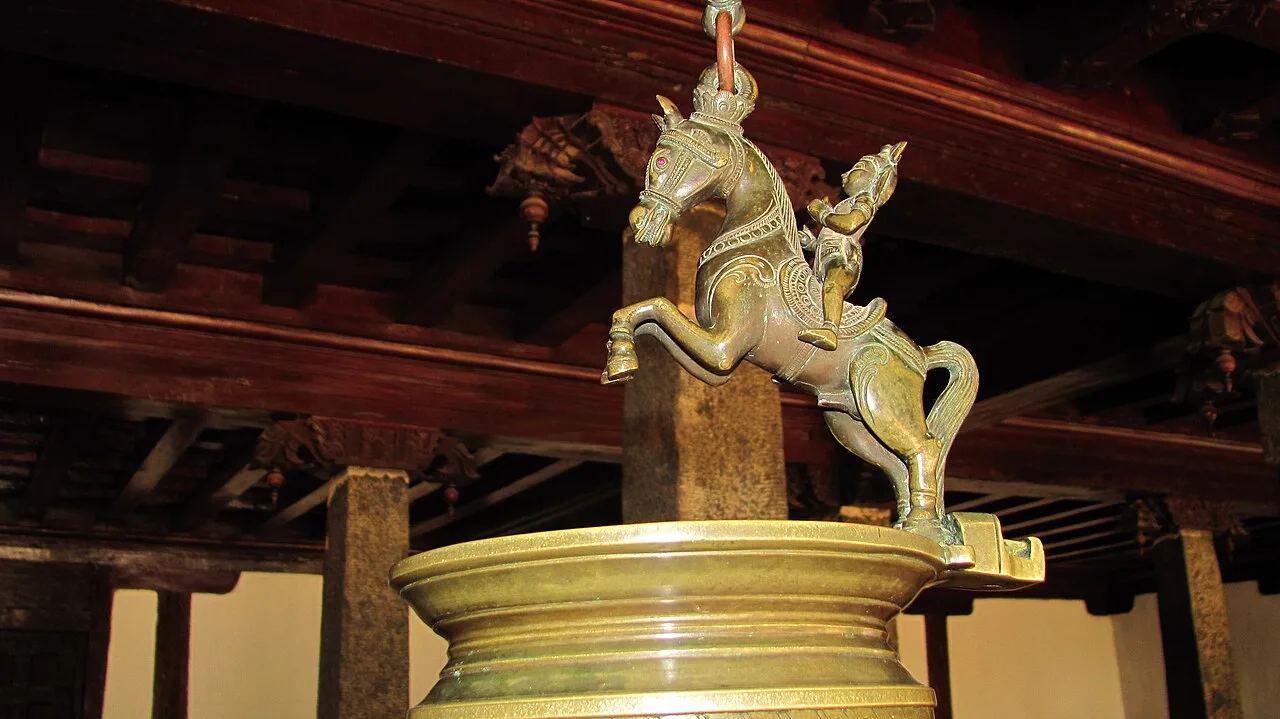
Padmanabhapuram Palace

1 km away · Kanniyakumari district

Padmanabhapuram Palace

Once a royal centre of Travancore, Padmanabhapuram Palace is a historic complex in Tamil Nadu that visitors explore for its connection to the former kingdom.

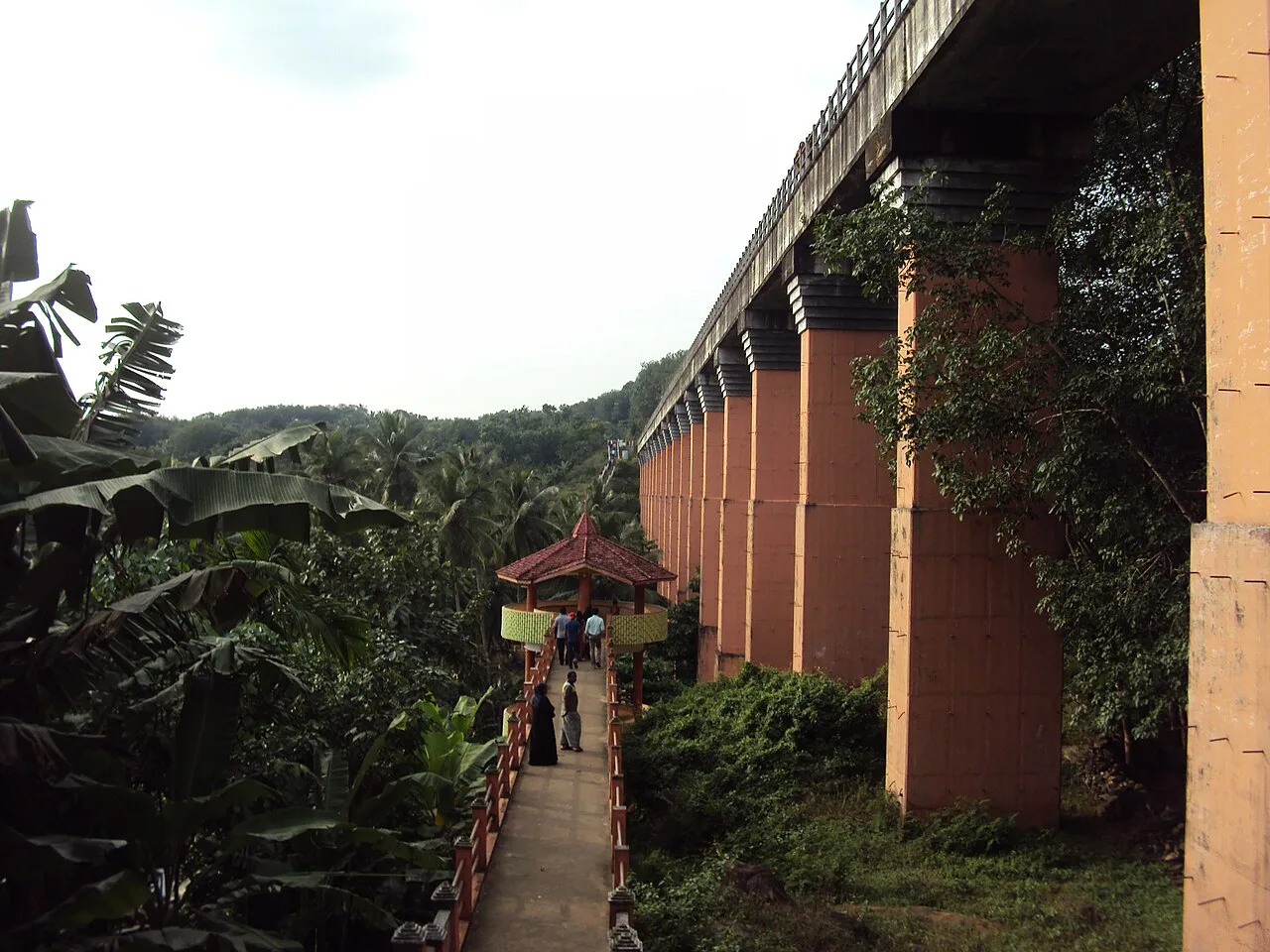
Mathur Aqueduct

11 km away · Kanniyakumari district

Mathur Aqueduct

Mathur Aqueduct is an aqueduct in Tamil Nadu’s Kanniyakumari district, built across the Pahrali River in 1966. Visitors come to see the structure and its setting near Mathoor hamlet.

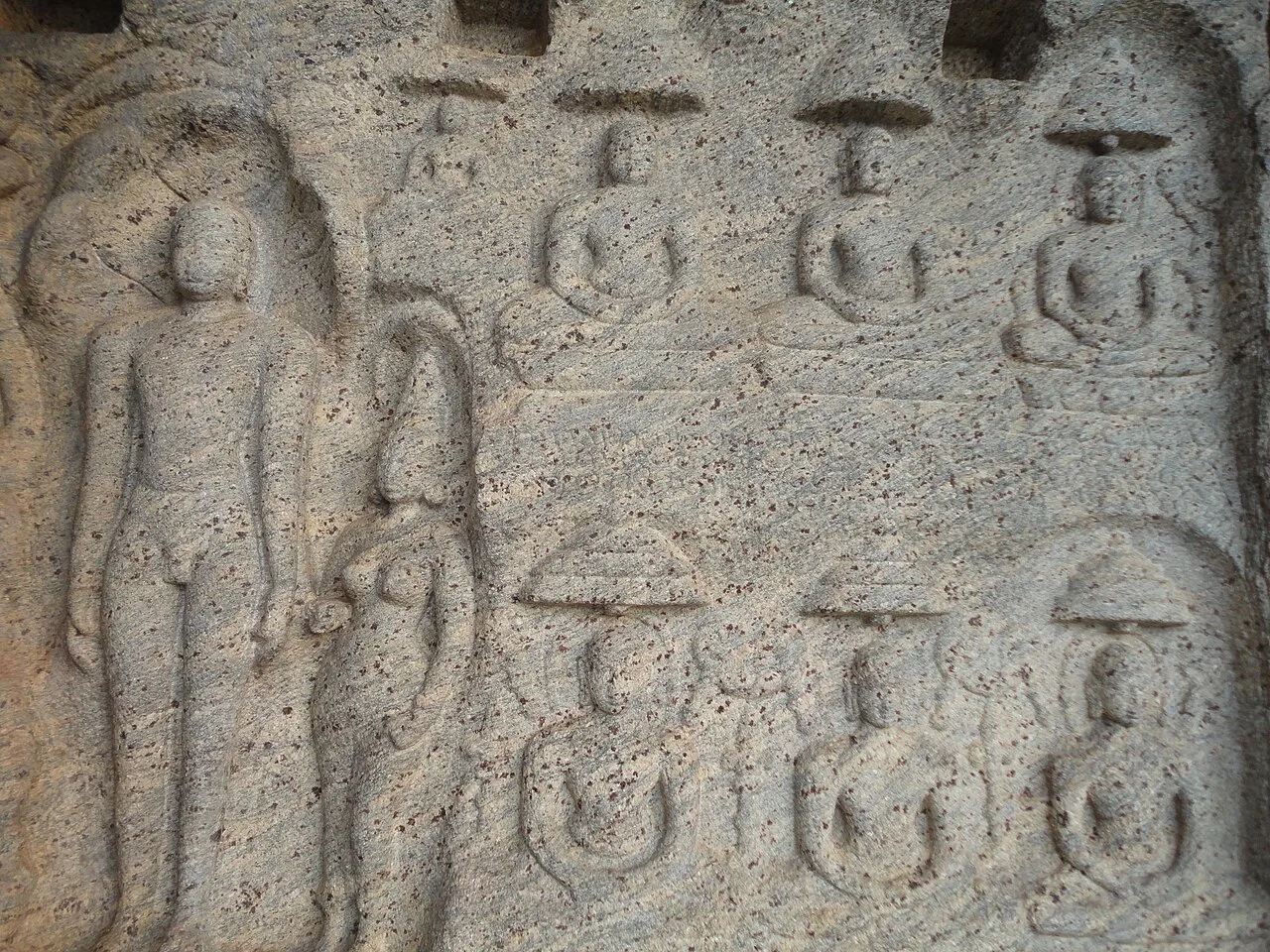
Chitharal Jain Monuments

14 km away · Kanniyakumari district

Chitharal Jain Monuments

This group of ninth-century religious remains near Chitharal village includes a Jain shrine, a Bhagavati temple and inscribed stone beds, drawing interest for its rock-cut architecture and reliefs.

Thanumalayan Temple, Suchindram

18 km away · Kanniyakumari district

Thanumalayan Temple, Suchindram

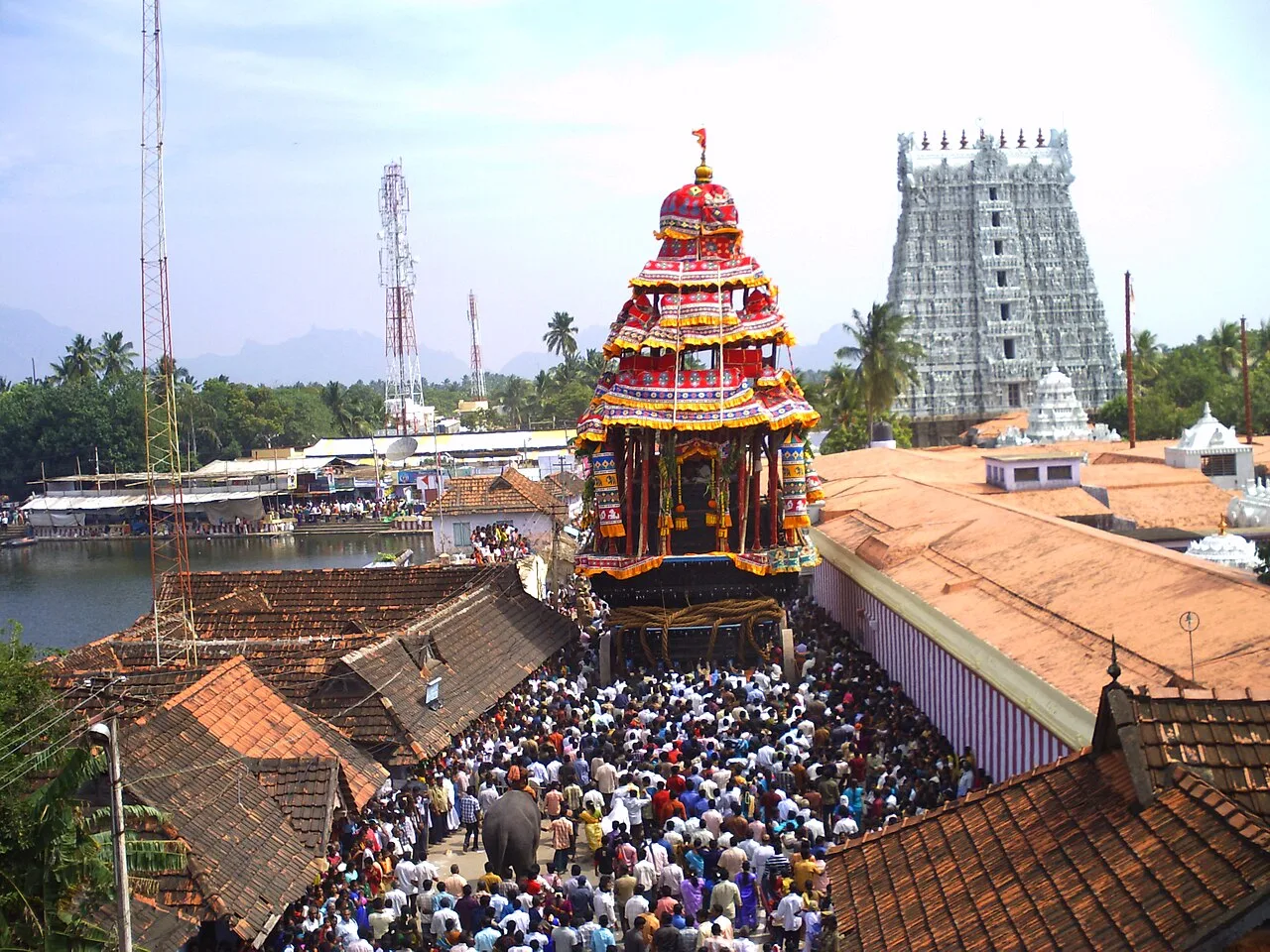
Thanumalayan Temple, also known as Sthanumalayan Temple, is a major Hindu shrine in Suchindram. Visitors come for its significance to Shaiva and Vaishnava traditions, distinctive architecture and annual observances.

Vattakottai Fort

29 km away · Kanniyakumari district

Vattakottai Fort

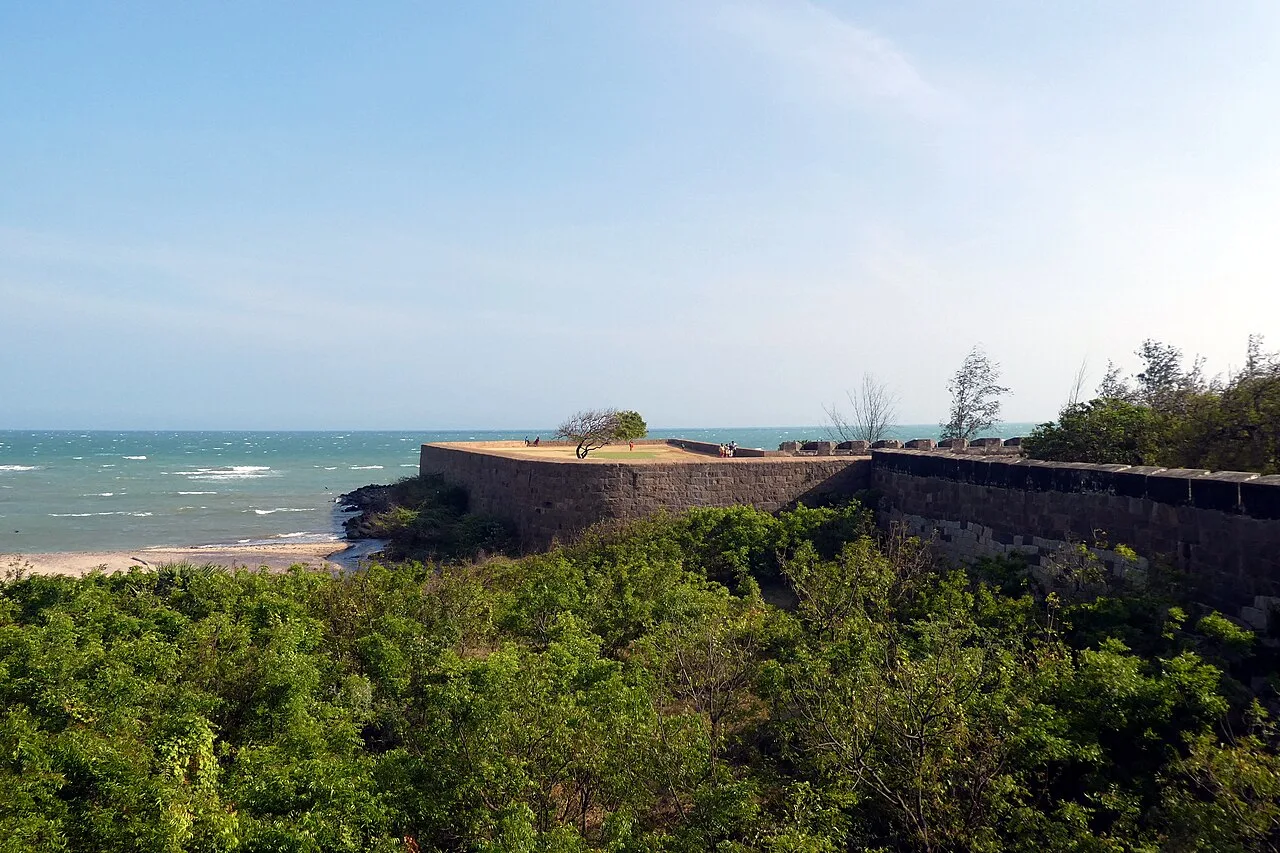
Vattakottai Fort is an eighteenth-century granite coastal stronghold in Kanniyakumari district, near Kanyakumari. Visitors come to explore its military history and enjoy views of the sea and Western Ghats.

Thiruvalluvar Statue

31 km away · Kanniyakumari district

Thiruvalluvar Statue

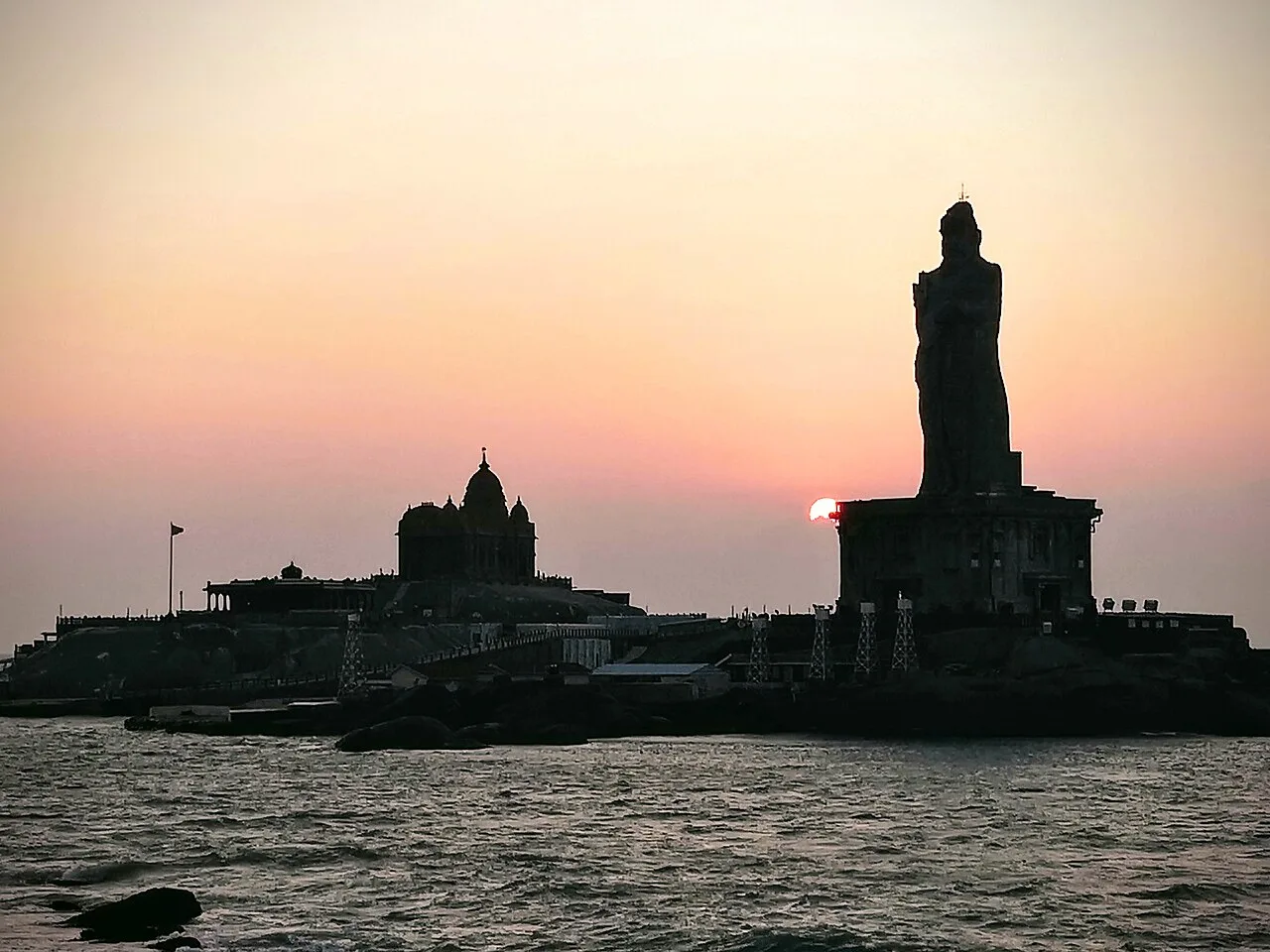
The Thiruvalluvar Statue is a large stone likeness of the Tamil poet and philosopher who wrote the Thirukkural. Visitors come to see the monument near Kanniyakumari, where three seas meet.

Vivekananda Rock Memorial

31 km away · Kanniyakumari district

Vivekananda Rock Memorial

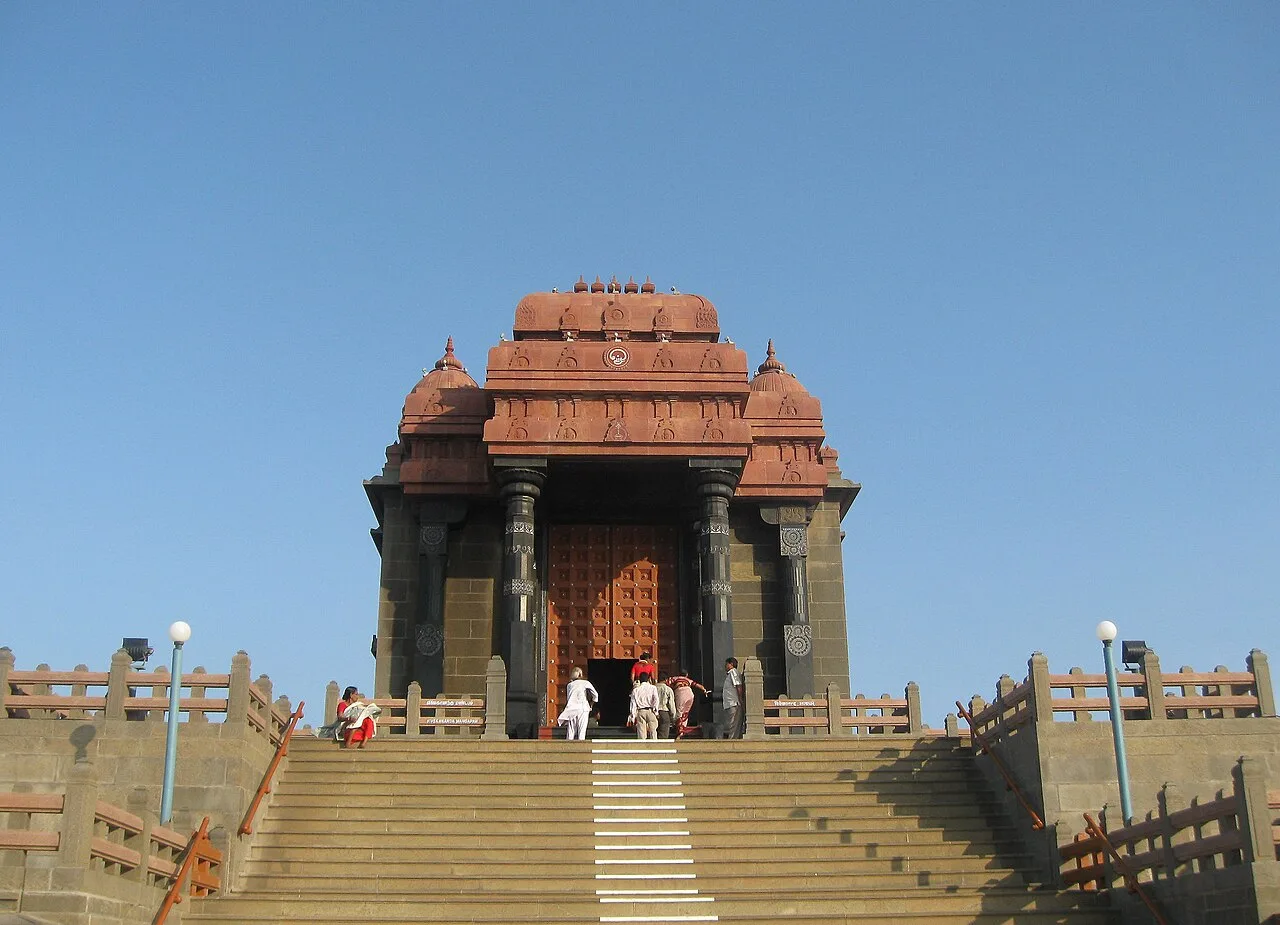
A memorial on a rocky outcrop off Kanyakumari, it honours Swami Vivekananda and draws visitors to its meditation hall and the site’s religious and historical associations.

Kalakkad Mundanthurai Tiger Reserve

49 km away · Tirunelveli district

Kalakkad Mundanthurai Tiger Reserve

Kalakkad Mundanthurai Tiger Reserve is a protected area in Tamil Nadu’s South Western Ghats. Visitors come to experience its montane rainforest landscape, and it is part of the Agasthyamala Biosphere Reserve.

Map

Padmanabhapuram on the map

  1. 1Padmanabhapuram Palace
  2. 2Mathur Aqueduct
  3. 3Chitharal Jain Monuments
  4. 4Thanumalayan Temple, Suchindram
  5. 5Vattakottai Fort
  6. 6Thiruvalluvar Statue
  7. 7Vivekananda Rock Memorial
  8. 8Kalakkad Mundanthurai Tiger Reserve

Tamil Nadu

Other cities to explore