
Ghumoopedia — Explore, Discover, Experience
Sign in
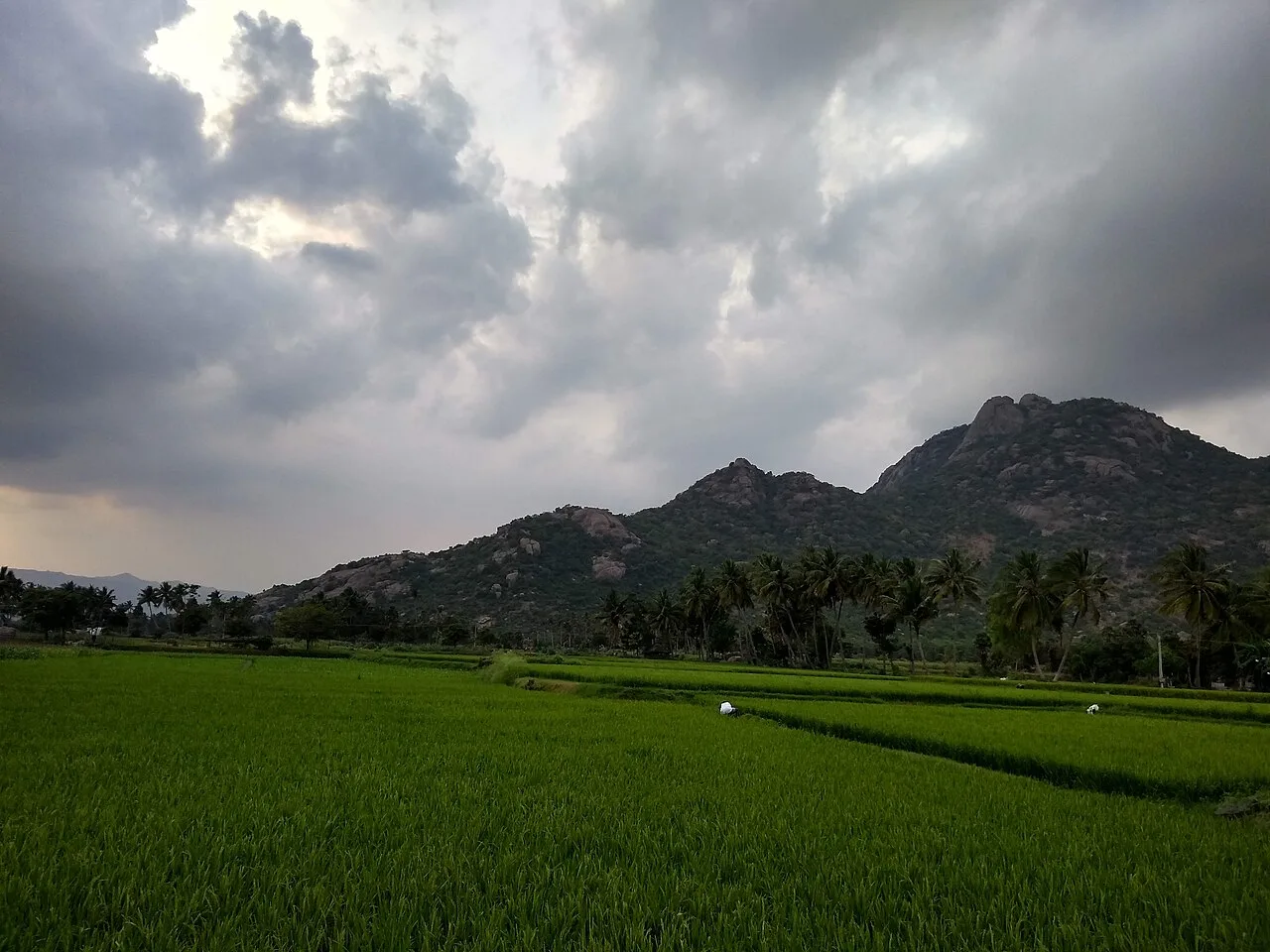
Kalrayan Hills, near Peddanayakkanpalaiyam

City guide · Tamil Nadu

Peddanayakkanpalaiyam

Peddanayakkanpalaiyam, also rendered as Pethanaickenpalayam, is a small town in Salem district in northern Tamil Nadu. Its importance is primarily regional: it serves residents of nearby villages with everyday services, local commerce and connections to larger centres such as Attur and Salem.

Famous for

  • Rural Salem district setting
  • Agricultural surroundings
  • Local temples and festivals
  • Road and rail connections
In the city
0
Nearby
1
District
Kallakurichi
Plan a trip

Why Peddanayakkanpalaiyam matters

Peddanayakkanpalaiyam, also rendered as Pethanaickenpalayam, is a small town in Salem district in northern Tamil Nadu. Its importance is primarily regional: it serves residents of nearby villages with everyday services, local commerce and connections to larger centres such as Attur and Salem. The surrounding countryside gives the town a largely rural character, while road and rail links make it part of the wider movement of people and goods across the district.

This is not a major destination for landmark monuments, large museums or a widely recognised specialist craft. Visitors are more likely to encounter ordinary town life, local places of worship and the landscape of inland Tamil Nadu than a concentrated tourist quarter. Peddanayakkanpalaiyam can also be a practical stop for travellers moving between Salem and Attur, or a starting point for visiting other parts of the district. Its appeal lies in this everyday role and in experiencing a smaller Tamil town beyond the region’s better-known urban centres.

Famous for: crafts, trade & products

Peddanayakkanpalaiyam is not widely known as a centre for a particular textile, handicraft, GI-tagged product or large-scale industry. Its local economy is more characteristic of a small district town, with shops and markets serving nearby residents and villages. Everyday trade can include household necessities and produce from the surrounding agricultural area, though particular products and market specialities should not be assumed without local confirmation.

For visitors, the most useful places to look for local goods are the town’s ordinary shops and market areas, where availability varies by day and season. Salem and Attur offer broader choices if you are seeking a wider range of retail goods, textiles or regional products. Peddanayakkanpalaiyam’s identity is therefore less about a signature souvenir and more about its role as a local service and trading centre. Travellers hoping to find a specific craft or food product may want to ask locally or explore the larger nearby towns rather than expect a dedicated shopping district.

History

The town’s broader setting has been part of the changing history of the Salem region. This area experienced the influence of successive South Indian powers and later came under British administration. As transport and administration developed, small settlements across the region increasingly connected surrounding villages with larger market and district centres. In modern times, Peddanayakkanpalaiyam has continued as a local town serving its nearby rural area, with road links and railway access supporting travel and trade. Its growth is best understood as gradual regional development rather than as the result of a widely recorded royal capital, colonial landmark or major industrial project.

Food, festivals & culture

Tamil is the principal language of daily life in Peddanayakkanpalaiyam, and Tamil customs shape family occasions, worship and community celebrations. Pongal, the harvest festival in January, is an important seasonal celebration across the region. Tamil New Year is observed in April, while Deepavali usually falls in October or November. Temple festivals and observances during the Tamil month of Aadi may also bring local communities together; their timing and scale vary from place to place.

Everyday food follows familiar Tamil patterns, with rice, lentil dishes, vegetables, idli and dosa commonly found in the wider region. Sweets and savouries are often associated with festivals and family gatherings, though the town is not especially known for a signature dish. Local temples are central to many public celebrations, alongside homes and community spaces. Carnatic and devotional music are part of the broader Tamil cultural tradition, while forms such as karagattam may appear at regional events. Specific performances and festival customs depend on the occasion and local organisers.

Visiting the city

The cooler, generally drier months from about November to February are usually more comfortable for exploring the area. Summer can be hot, and monsoon rainfall may affect road travel. Salem Airport is the nearest named airport, though travellers should check current flight availability before planning around it. Peddanayakkanpalaiyam has local railway access; Salem Junction is the principal rail hub for connections across the region, while Attur is another nearby town with rail links.

Local travel is best arranged by road, using buses, taxis or other locally available transport for nearby villages and town-to-town journeys. Explore the central commercial streets and local places of worship for a sense of everyday town life. For broader shopping, dining and transport connections, Salem and Attur are more practical bases. There is no large, established tourist neighbourhood within Peddanayakkanpalaiyam itself.

Short trips

Around Peddanayakkanpalaiyam

Within about 40 km — easy half-day or day trips from the city.

Map

Peddanayakkanpalaiyam on the map

  1. 1Kalrayan Hills

Tamil Nadu

Other cities to explore