Ghumoopedia — Explore, Discover, Experience
Sign in
Bhavani Sangameswarar Temple, near Perundurai

City guide · Tamil Nadu

Perundurai

Perundurai is a municipality in Erode district, positioned on National Highway 544 between Salem and Coimbatore. Its location makes it a useful western approach to Erode and a practical stop for travellers moving through the Kongu region.

Famous for

  • SIPCOT Industrial Estate
  • Erode-region industries
  • National Highway 544
  • Kongu Nadu culture

Why Perundurai matters

Perundurai is a municipality in Erode district, positioned on National Highway 544 between Salem and Coimbatore. Its location makes it a useful western approach to Erode and a practical stop for travellers moving through the Kongu region. Erode, the district’s principal commercial centre, is about 18 kilometres away by road; Perundurai has also grown as one of its important neighbouring urban areas.

The town’s modern identity is closely tied to industry. The SIPCOT Industrial Estate and associated special economic zone have made it a significant employment and manufacturing centre, while the highway supports connections with Erode, Tiruppur, Coimbatore and Salem. The proposed satellite-town role in Erode’s 1996 master plan reflects this close relationship with the larger city. Visitors are more likely to use Perundurai as a base for regional travel or business than as a conventional sightseeing destination. Its appeal lies in seeing an active industrial town alongside the everyday markets, food and temple-going traditions of western Tamil Nadu.
Famous for: crafts, trade & products

Perundurai is best known for its industrial activity, especially the SIPCOT Industrial Estate and its associated special economic zone. These facilities form an important part of the town’s economy and connect it with wider manufacturing and logistics networks. They are working industrial areas rather than visitor attractions, so travellers should not expect a conventional shopping or sightseeing experience inside them.

The town sits within a district better known for textiles, turmeric and other agricultural trade. Those products are more readily explored in Erode’s commercial markets than in Perundurai itself. Perundurai’s local shops and markets serve residents with everyday goods, clothing and food, while the highway corridor has businesses catering to passing traffic. There is no single craft or GI-tagged product that defines Perundurai as a town. Visitors looking for handloom goods, textiles or regional produce can include Erode in their plans, where a broader range of district trading activity is concentrated. For industrial visits, arrangements should be made directly with the relevant business, as access to operational premises may be restricted.

History

Perundurai’s growth is closely connected to its position in the Kongu region and its road links with Erode and other western Tamil Nadu towns. The wider region has experienced successive periods of Kongu, Mysore and British administration, though the town’s modern prominence is more clearly associated with transport, commerce and urban expansion than with a single well-documented royal centre.

As Erode developed as a district commercial hub, Perundurai became an important neighbouring settlement and western approach to the city. The highway strengthened its role as a stopping point and connected it to nearby industrial and agricultural centres. In the late twentieth century, the development of the SIPCOT Industrial Estate and special economic zone marked a major shift towards manufacturing and employment-led growth. Erode’s 1996 master plan proposed Perundurai as a satellite town, reflecting expectations of closer urban integration. Today, its identity combines this industrial expansion with its place in the wider Erode region.

Food, festivals & culture

Tamil is the principal language of daily life, and Kongu Tamil—spoken across western Tamil Nadu—is commonly heard. Food reflects the broader Kongu region: rice-based meals, lentil dishes, millets and familiar Tamil tiffin such as idli and dosa are widely available. Visitors may also encounter regional preparations such as arisi paruppu sadam, a rice-and-lentil dish. Erode’s markets offer a wider selection of district produce and local foods.

Pongal, celebrated in January, is an important harvest festival, while Deepavali and Tamil New Year are observed with family gatherings, special meals and visits to places of worship. Temple festivals, often held according to local calendars, bring neighbourhood communities together with processions, music and devotional observances. Carnatic and Tamil film music are part of everyday cultural life; folk forms and traditional performance are more likely to feature during festivals and community events than in regular tourist programmes. Perundurai’s religious life is centred on local Hindu temples, alongside the diverse places of worship found across the district.

Visiting the city

The cooler, drier months from roughly November to February are generally the most comfortable for visiting; summer can be hot. Coimbatore International Airport is the nearest major airport, about 80 kilometres away by road. Erode Junction is the main railway station for the area, with onward travel to Perundurai by road. Buses and taxis connect the town with Erode and other nearby centres, and local autos are useful for shorter journeys.

The central market area offers a look at everyday town life, while the National Highway 544 corridor shows Perundurai’s role as a regional transport and business link. The SIPCOT area is primarily industrial, not a general visitor zone. For a broader selection of markets and urban attractions, travellers can make a day trip to Erode; Tiruppur is another nearby commercial centre.

Trips from the city

Nearest places to visit from Perundurai

Our closest destination guides, by straight-line distance.

Bhavani Sangameswarar Temple

21 km away · Erode district

Bhavani Sangameswarar Temple

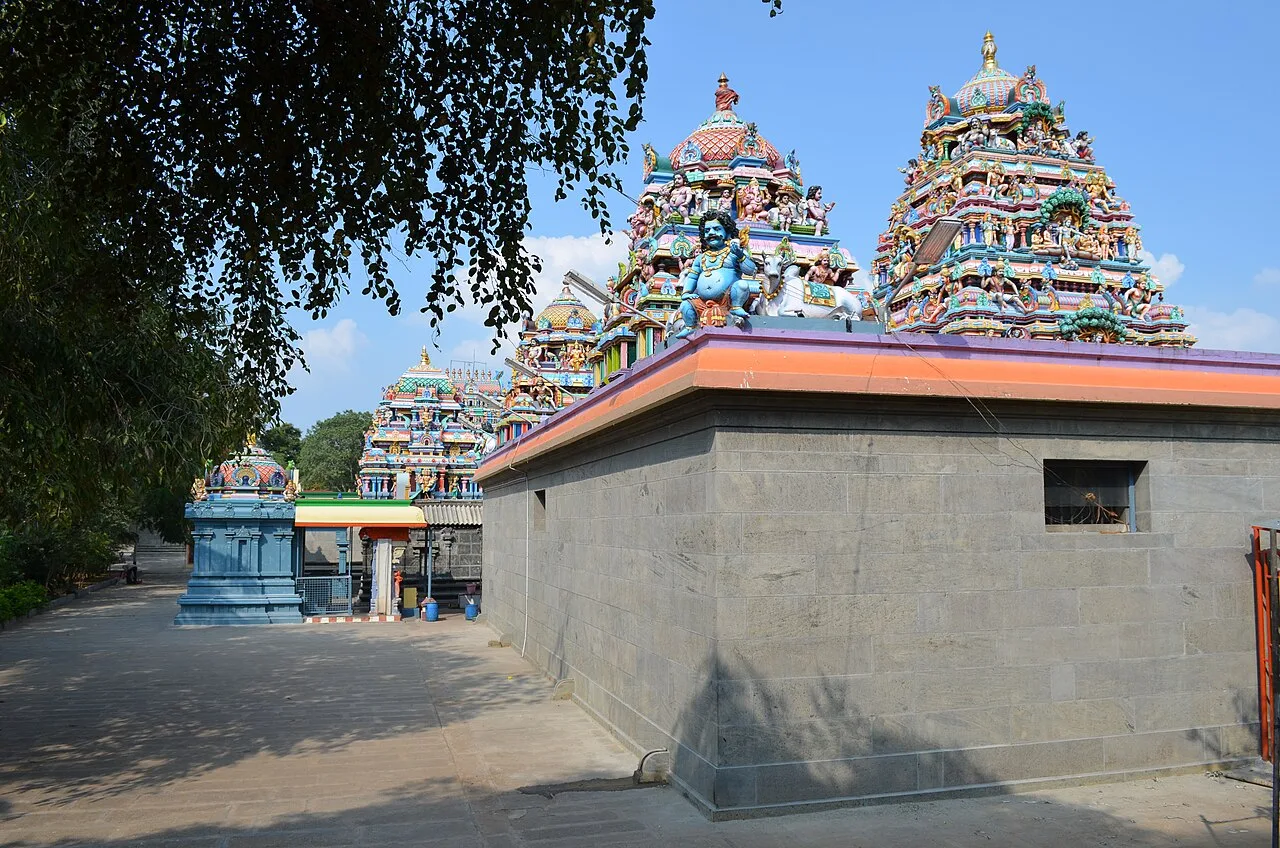
Bhavani Sangameswarar Temple is a Shiva shrine in Bhavani, Tamil Nadu, at the meeting of the Kaveri, Bhavani and mystical Amutha rivers. Visitors worship here and perform rites for their ancestors.

Kodiveri Dam

39 km away · Erode district

Kodiveri Dam

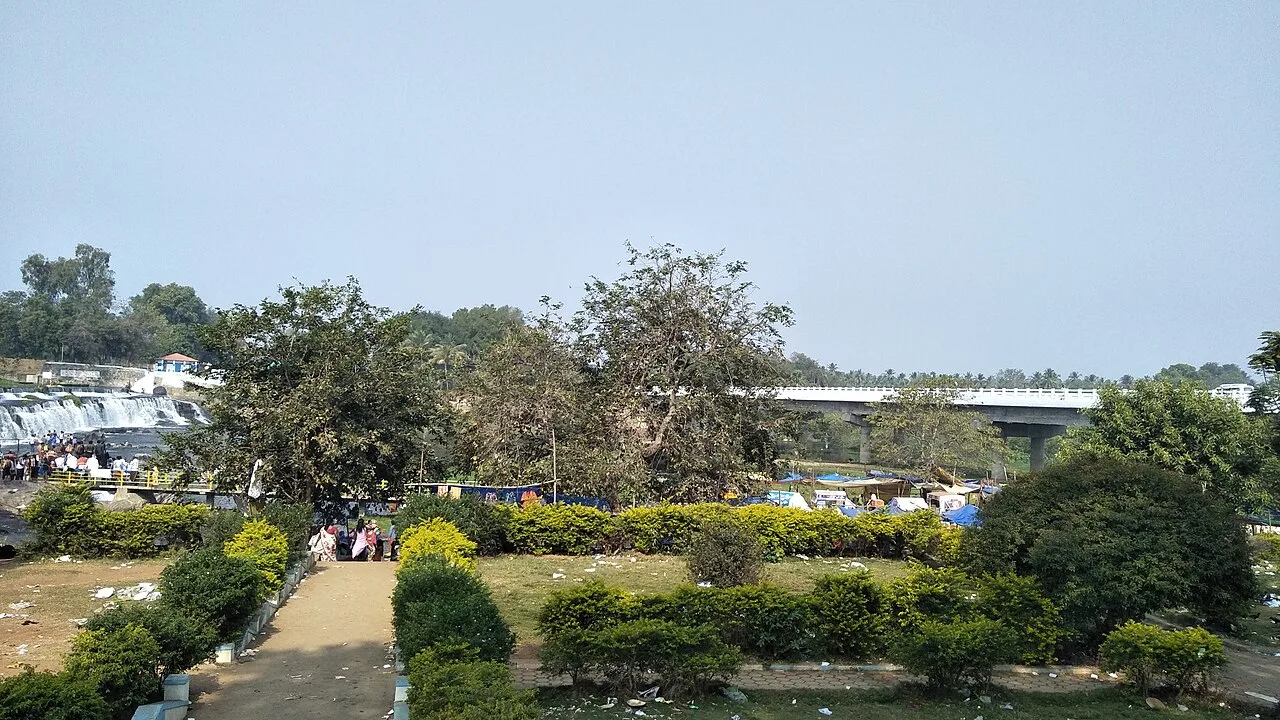
On the Bhavani River in Tamil Nadu, Kodiveri Dam is a masonry structure that visitors come to see in the Erode district, near Gobichettipalayam.

Mettur Dam

63 km away · Salem district

Mettur Dam

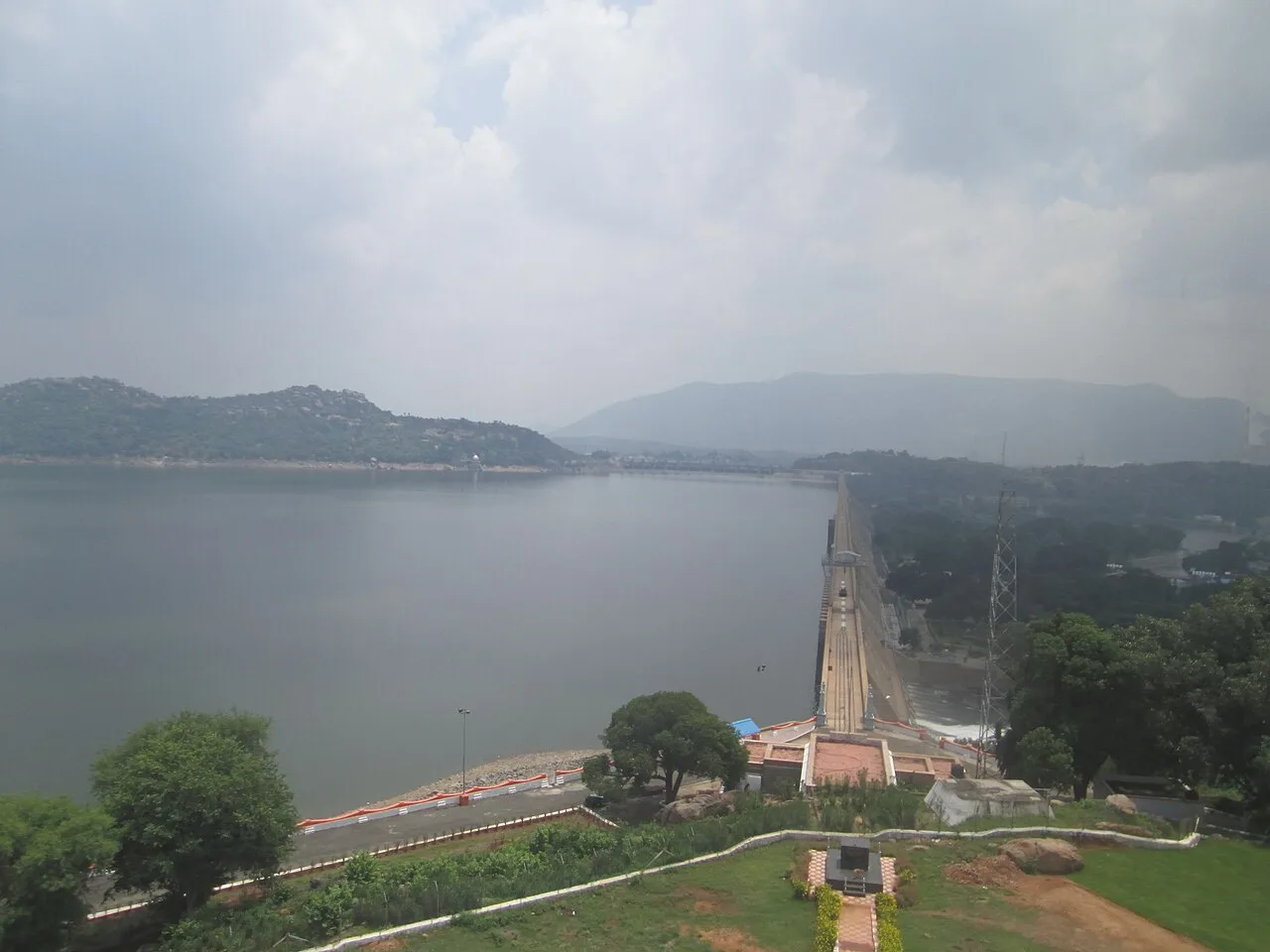
Mettur Dam, in Salem district, is among India’s largest dams and Tamil Nadu’s largest; visitors come to view the structure and the park at its base.

Namakkal Fort

63 km away · Namakkal district

Namakkal Fort

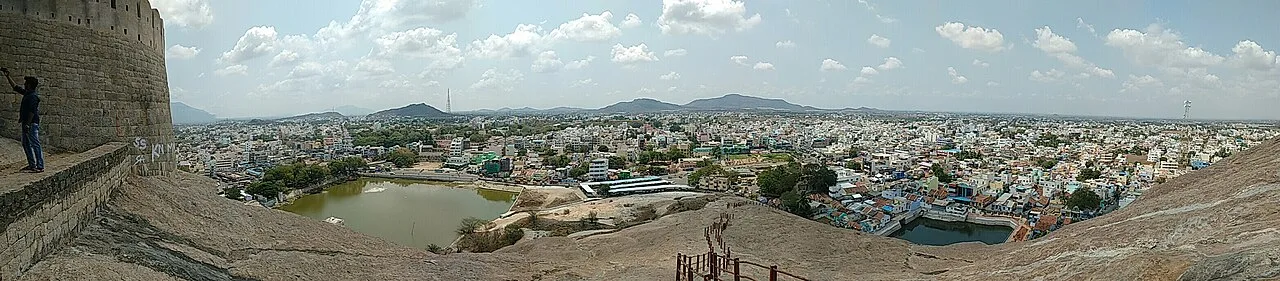
Rising above Namakkal, this seventeenth-century fort occupies a hillock of solid rock and contains a temple and mosque. Visitors come to see these sites and explore its history.

Gedee Car Museum

73 km away · Coimbatore district

Gedee Car Museum

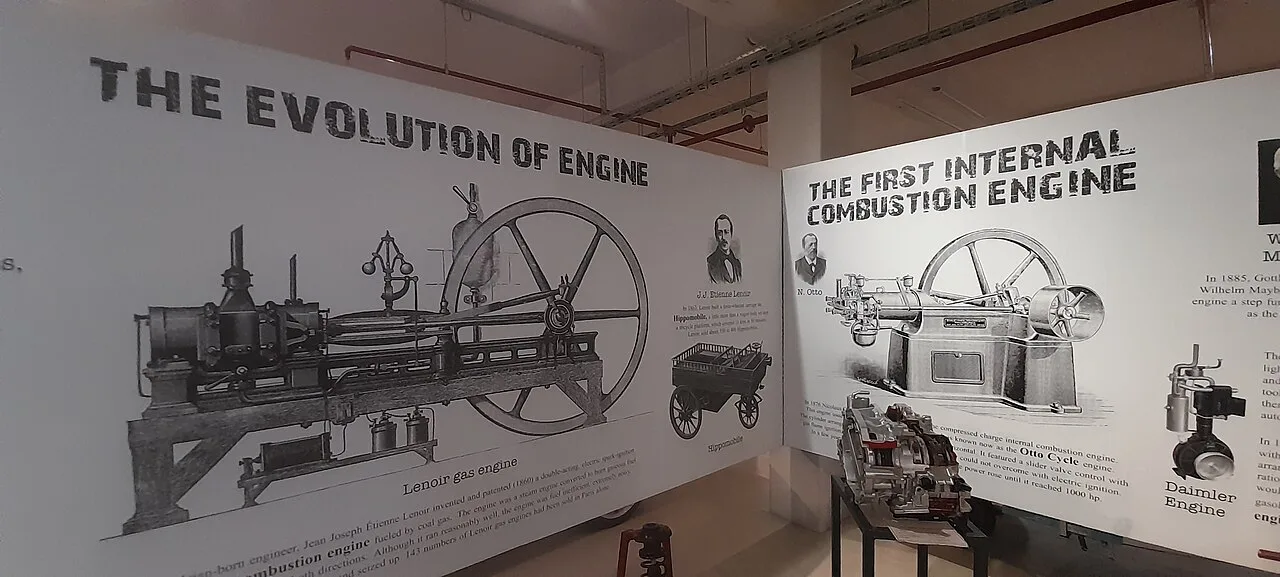
In Coimbatore, Tamil Nadu, Gedee Car Museum is a privately run museum devoted to vintage cars. Visitors come to view its automobiles and find it within the wider GD Museums complex.

Nilgiri Mountain Railway

76 km away · Nilgiris district

Nilgiri Mountain Railway

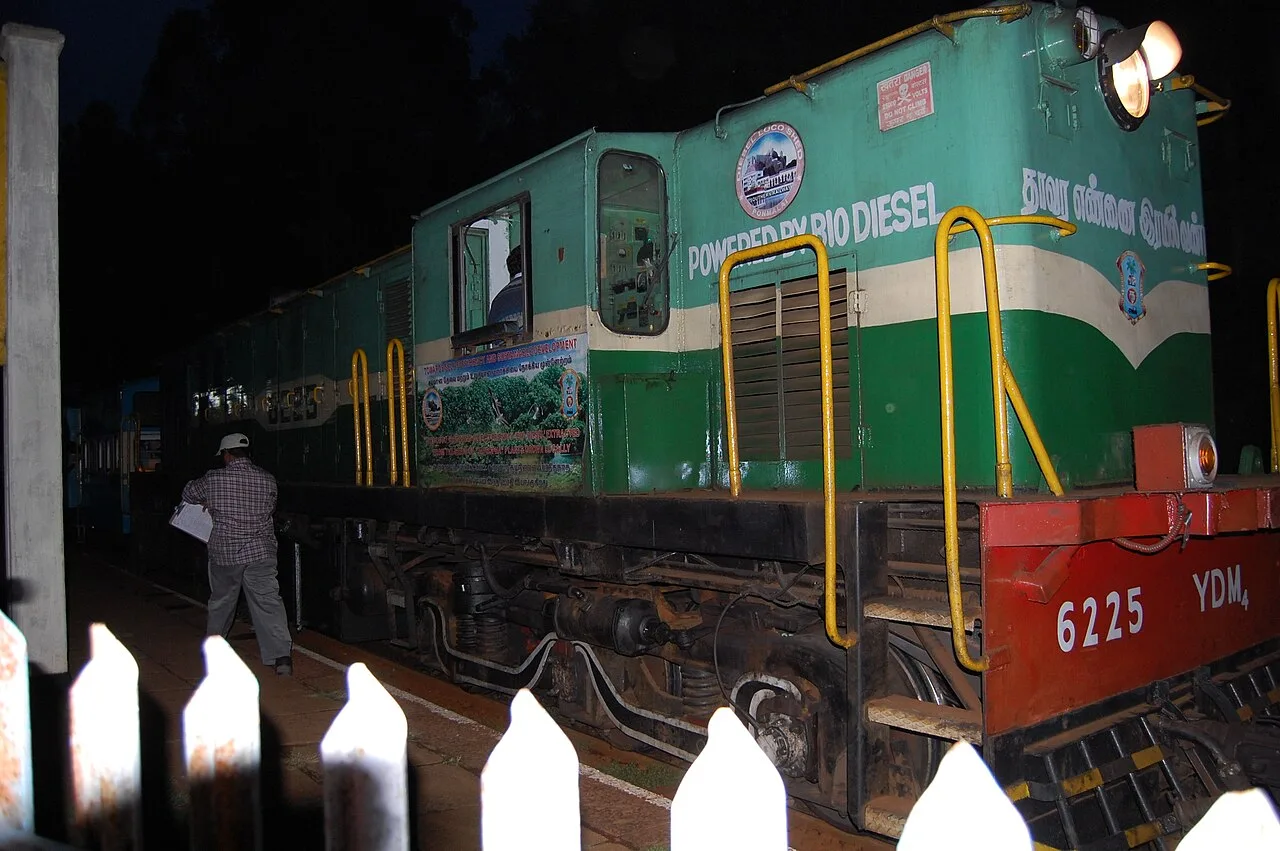
The Nilgiri Mountain Railway is a metre-gauge rack line in Tamil Nadu’s Nilgiris district. Visitors ride it for its historic railway character and steam locomotives.

Eachanari Vinayagar Temple

77 km away · Coimbatore district

Eachanari Vinayagar Temple

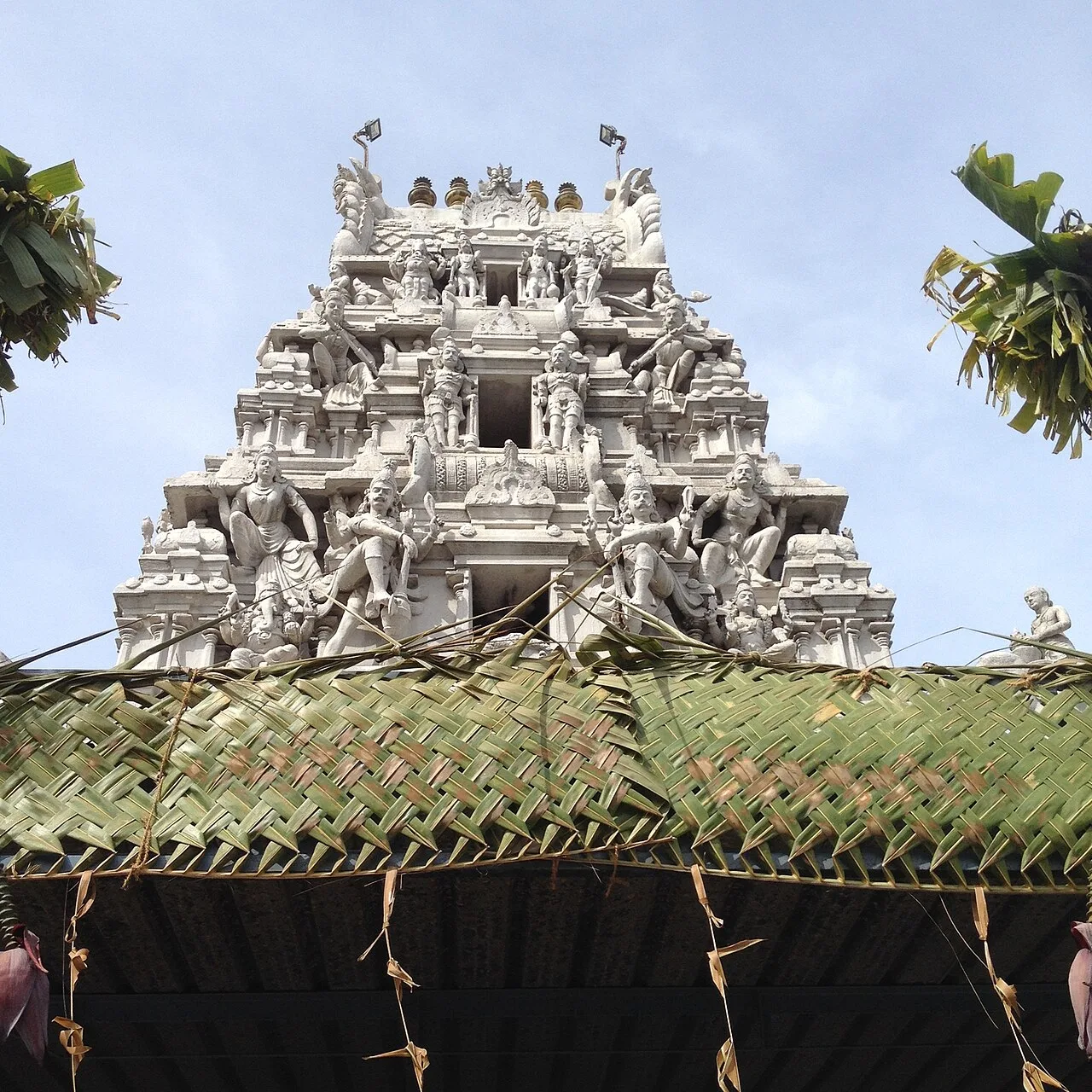
Located in Eachanari near Coimbatore, this Tamil Nadu temple honours Vinayagar. Visitors come to worship the Hindu deity at a shrine around 12 km from Coimbatore city.

Kotagiri

79 km away · Nilgiris district

Kotagiri

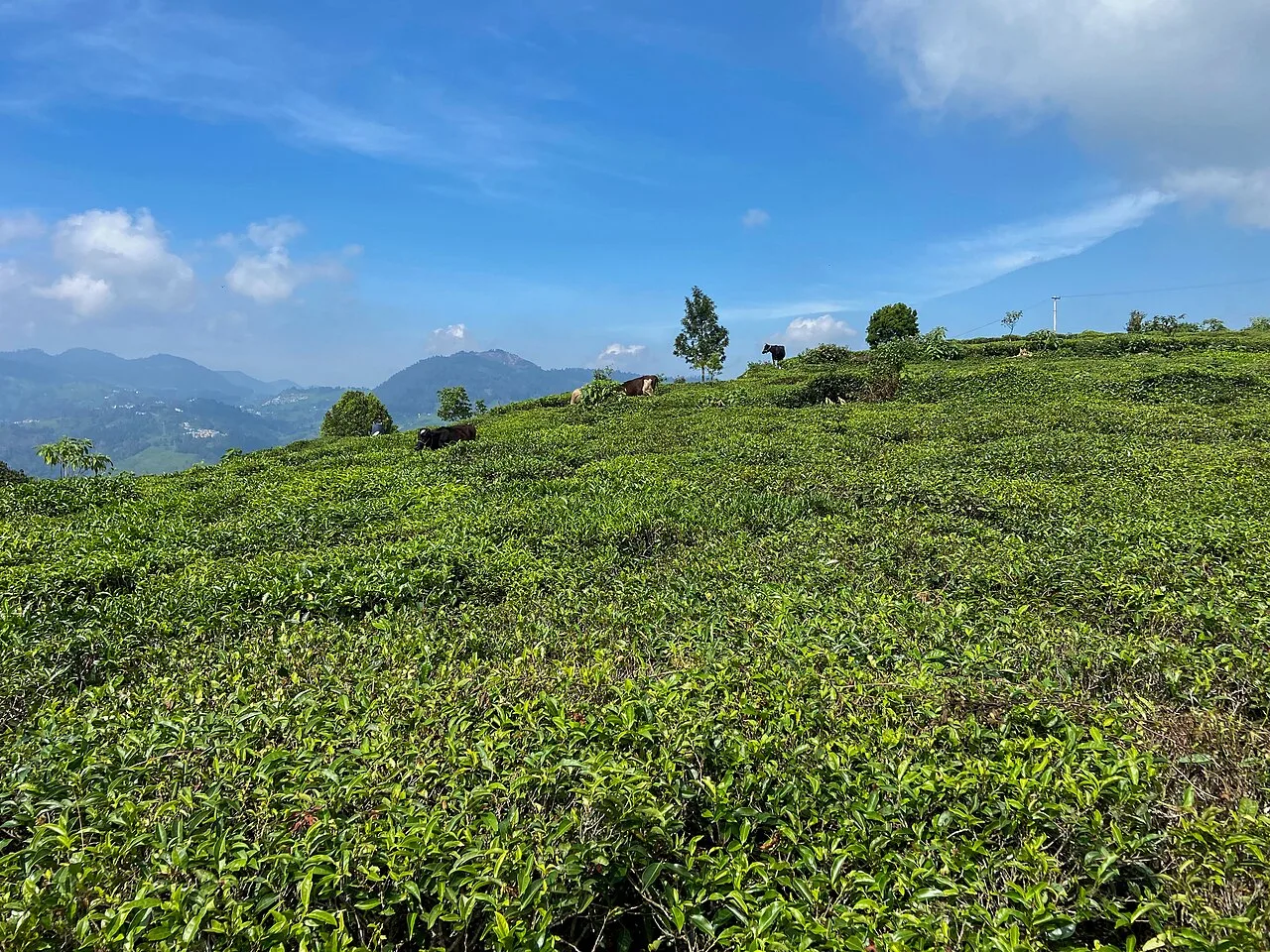
Kotagiri is a hill station and municipality in Tamil Nadu’s Nilgiris district, with an elevated setting and a history as a summer destination during the Madras Presidency.

Map

Perundurai on the map

  1. 1Bhavani Sangameswarar Temple
  2. 2Kodiveri Dam
  3. 3Mettur Dam
  4. 4Namakkal Fort
  5. 5Gedee Car Museum
  6. 6Nilgiri Mountain Railway
  7. 7Eachanari Vinayagar Temple
  8. 8Kotagiri

Tamil Nadu

Other cities to explore