Ghumoopedia — Explore, Discover, Experience
Sign in
Bhavani Sangameswarar Temple, near Salangaippalaiyam

City guide · Tamil Nadu

Salangaippalaiyam

Salangaippalaiyam is a small settlement in the Erode region of western Tamil Nadu, part of the cultural landscape known as Kongu Nadu. Its importance lies chiefly in its place among the villages and market towns that connect rural communities with Erode and nearby centres.

Famous for

  • Kongu-region countryside
  • Agricultural surroundings
  • Rural Tamil Nadu character

Why Salangaippalaiyam matters

Salangaippalaiyam is a small settlement in the Erode region of western Tamil Nadu, part of the cultural landscape known as Kongu Nadu. Its importance lies chiefly in its place among the villages and market towns that connect rural communities with Erode and nearby centres.

Visitors are more likely to come for family or local connections, or to explore the wider region, than for a dedicated sightseeing itinerary. Erode is known for trade, textiles and turmeric, while Bhavani and other nearby towns offer regional temples, river scenery and everyday market life. Salangaippalaiyam provides a quieter view of the countryside between these larger destinations. Travellers should treat it as a base or stop within a regional journey rather than expect the visitor services and attractions of a large city.
Famous for: crafts, trade & products

The surrounding Erode district, however, has a strong trading and manufacturing economy. Erode is associated with cotton textiles, garments and turmeric; Erode manjal (turmeric) has a Geographical Indication tag. These are regional products, not products that can confidently be attributed specifically to Salangaippalaiyam.

For a broader selection of goods, visitors can explore shops and markets in Erode, where textiles and agricultural produce are traded. Turmeric is best sought through established local traders, while clothing and household fabrics are available from town retailers. The settlement itself is more likely to serve everyday local needs than to offer a dedicated craft street or visitor-oriented shopping district. There is no well-known local institution or market that can be singled out as a destination attraction, so travellers interested in the district’s trade should plan to visit Erode rather than rely on finding specialist outlets in the village.

History

Salangaippalaiyam’s local history is not widely recorded in commonly available accounts, so a detailed chronology specific to the settlement is difficult to establish. Its past is best placed within the wider history of Kongu Nadu, the western Tamil region shaped by farming communities, local chieftains and changing regional powers. The area came under the influence of dynasties including the Cheras and Kongu Cholas, followed over time by Hoysala, Vijayanagara and Mysore authority. These broader political changes should not be read as a documented sequence of rule over the village itself.

Under British administration, Erode and its surrounding countryside became part of a more formal district and transport network. In the modern period, improved roads and the growth of Erode as a commercial centre linked smaller settlements to wider markets, education and employment. Agriculture remains an important part of the rural setting, alongside livelihoods connected to nearby towns. Salangaippalaiyam’s development has therefore been largely local and regional rather than that of a major historic or industrial city.

Food, festivals & culture

Tamil is the principal language of daily life, and the settlement shares the customs of the wider Kongu region. Pongal, the harvest festival celebrated in January, is an important seasonal occasion across Tamil Nadu. Deepavali, usually in October or November, and Tamil New Year in April are also widely observed. Local temple festivals may bring communities together at different times of year, though dates and practices vary by temple and locality.

Meals in the region commonly draw on rice, lentils, vegetables and familiar Tamil accompaniments. Kongu-style cooking is part of the broader food culture, but no particular dish or sweet is uniquely associated with Salangaippalaiyam. Visitors can expect everyday Tamil meals rather than a dedicated food-tourism scene. Religious life centres on local places of worship and the temples of nearby towns; Bhavani is a regional destination for temple visits. Music and performance traditions across the region include devotional singing and folk forms, often featured at festivals, but there is no widely known performance institution specific to the settlement.

Visiting the city

The cooler, drier months from roughly November to February are generally more comfortable for travel in this part of Tamil Nadu. Summers can be hot, while the monsoon months may bring rain. Salangaippalaiyam is a small settlement rather than a conventional sightseeing destination, so visitors should arrange local transport and confirm onward connections in Erode or another nearby town.

Coimbatore International Airport is a principal air gateway for the region. Erode Junction is the main railway station for reaching the area; from there, road transport is needed for the onward journey. Buses, taxis and other local vehicles connect settlements across the district, though service patterns vary. Within Salangaippalaiyam, walking or a local vehicle is practical. For a fuller outing, explore Erode’s commercial areas or visit Bhavani and its riverfront and temples; these nearby centres offer more visitor facilities than the settlement itself.

Trips from the city

Nearest places to visit from Salangaippalaiyam

Our closest destination guides, by straight-line distance.

Bhavani Sangameswarar Temple

12 km away · Erode district

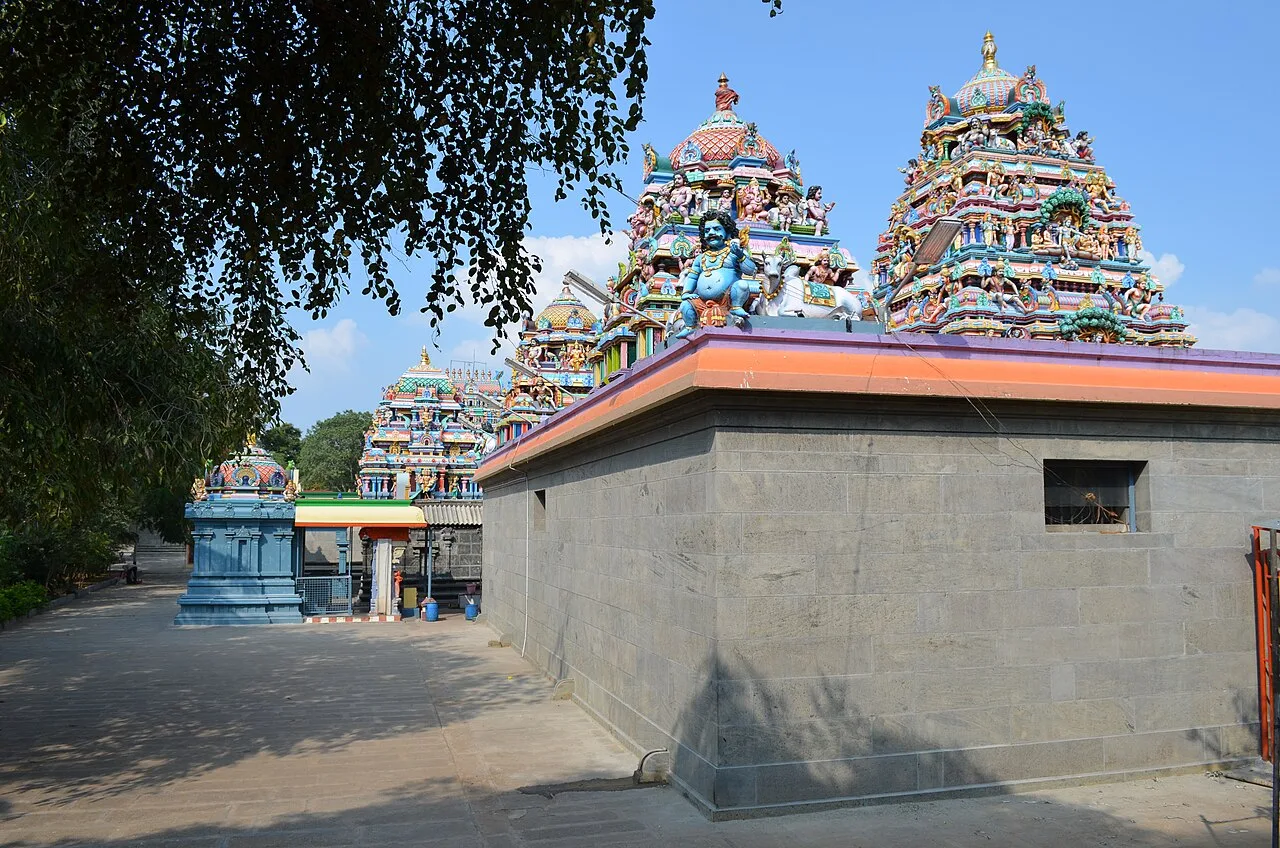
Bhavani Sangameswarar Temple

Bhavani Sangameswarar Temple is a Shiva shrine in Bhavani, Tamil Nadu, at the meeting of the Kaveri, Bhavani and mystical Amutha rivers. Visitors worship here and perform rites for their ancestors.

Kodiveri Dam

30 km away · Erode district

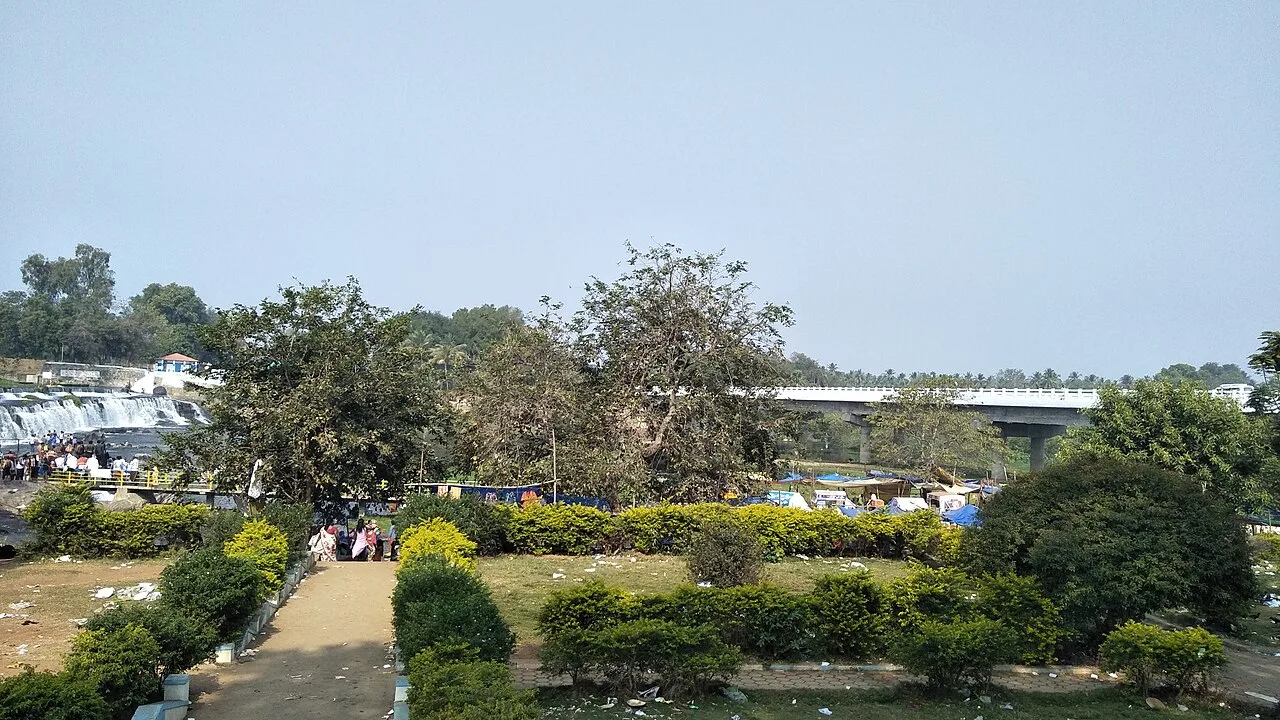
Kodiveri Dam

On the Bhavani River in Tamil Nadu, Kodiveri Dam is a masonry structure that visitors come to see in the Erode district, near Gobichettipalayam.

Mettur Dam

49 km away · Salem district

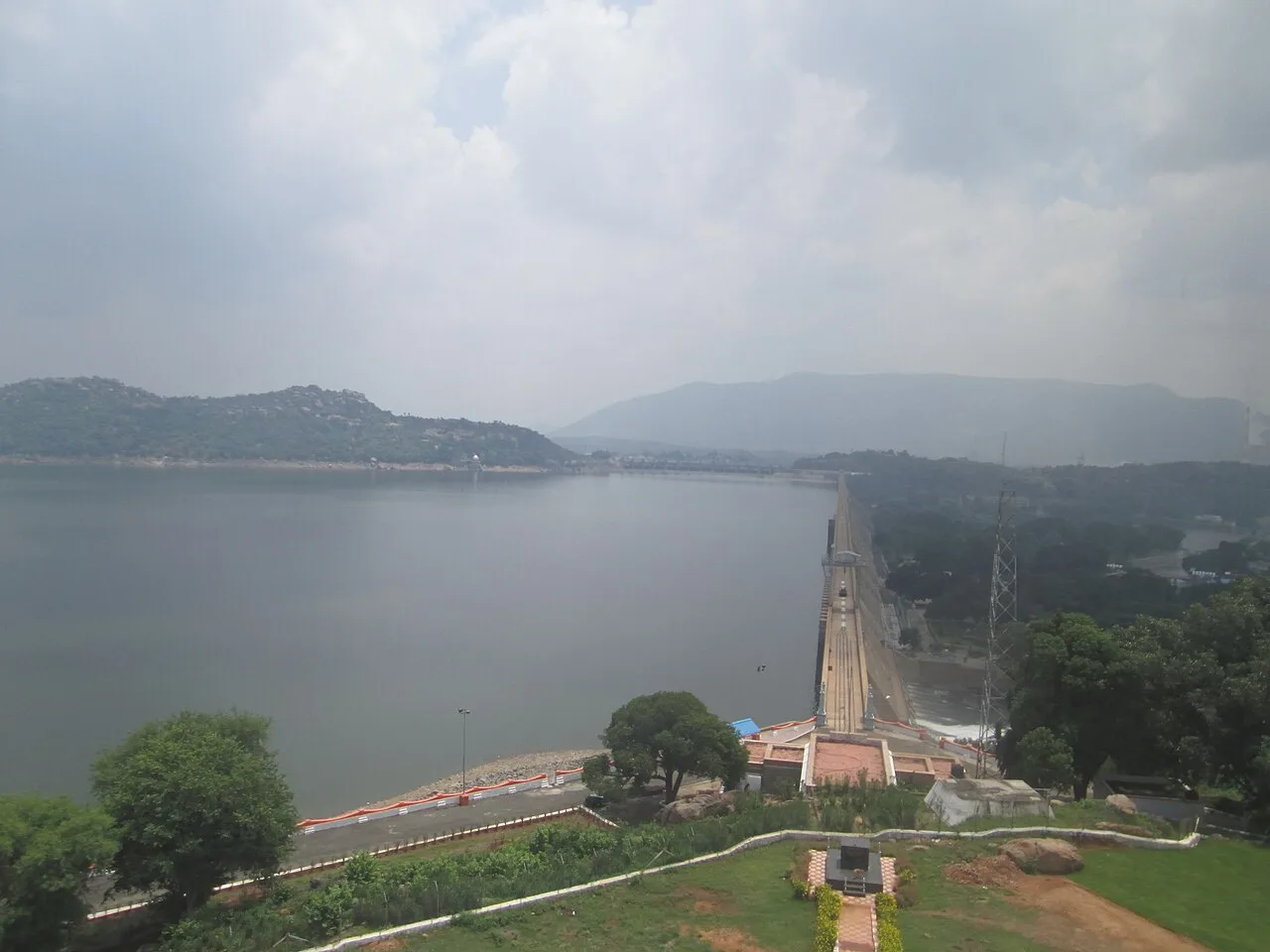
Mettur Dam

Mettur Dam, in Salem district, is among India’s largest dams and Tamil Nadu’s largest; visitors come to view the structure and the park at its base.

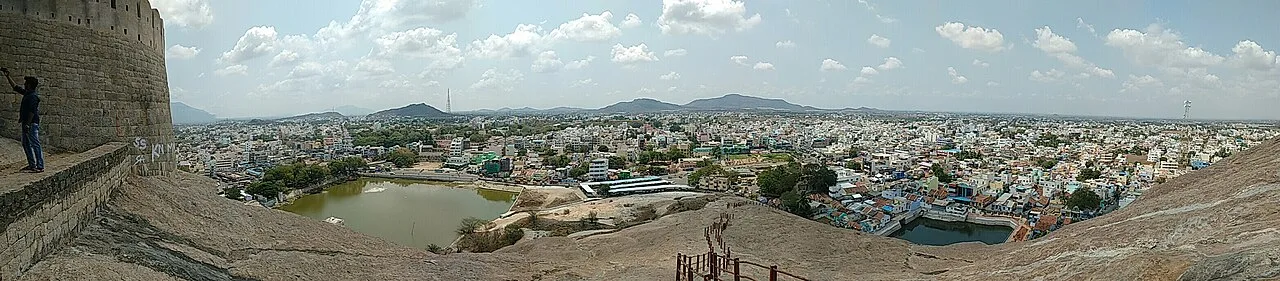
Namakkal Fort

68 km away · Namakkal district

Namakkal Fort

Rising above Namakkal, this seventeenth-century fort occupies a hillock of solid rock and contains a temple and mosque. Visitors come to see these sites and explore its history.

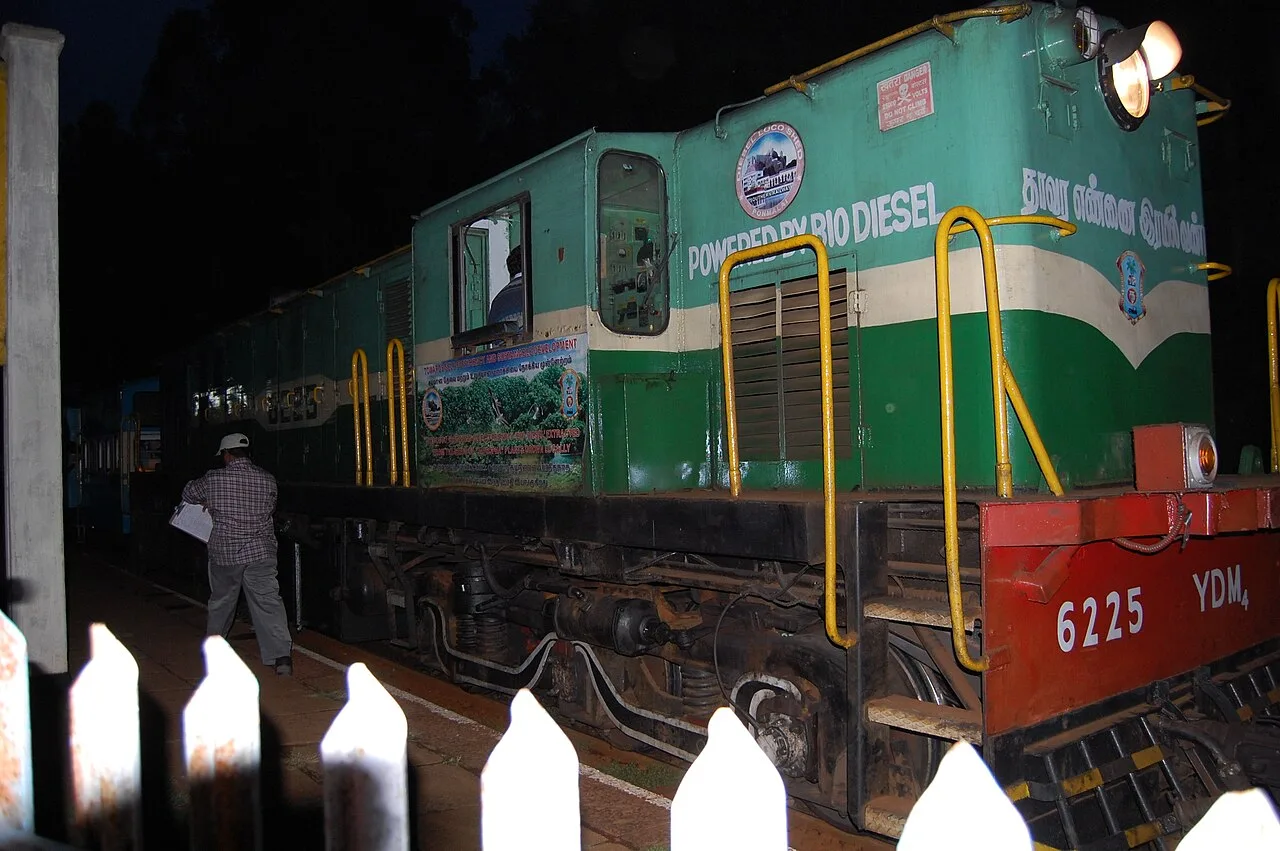
Nilgiri Mountain Railway

70 km away · Nilgiris district

Nilgiri Mountain Railway

The Nilgiri Mountain Railway is a metre-gauge rack line in Tamil Nadu’s Nilgiris district. Visitors ride it for its historic railway character and steam locomotives.

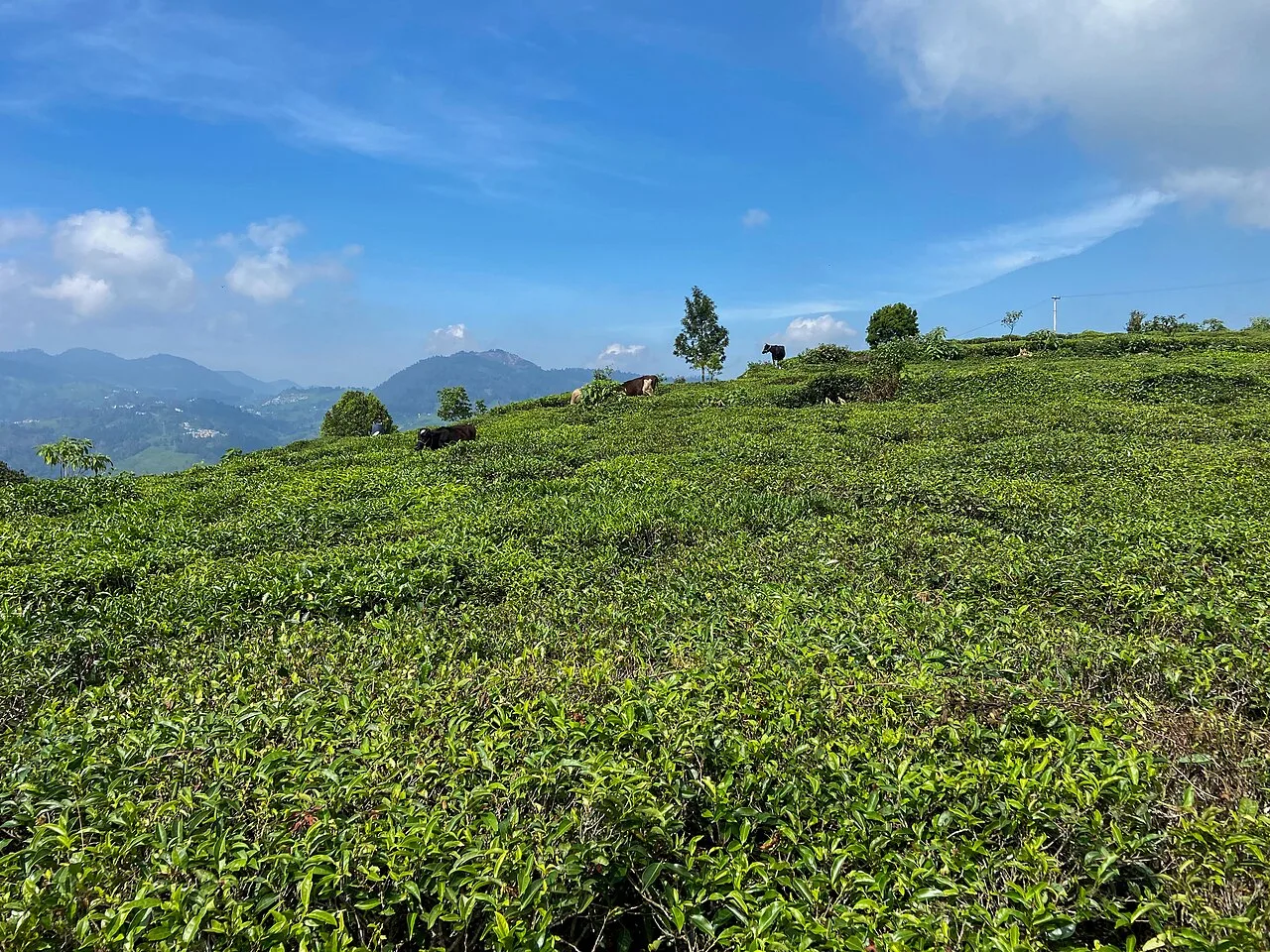
Kotagiri

75 km away · Nilgiris district

Kotagiri

Kotagiri is a hill station and municipality in Tamil Nadu’s Nilgiris district, with an elevated setting and a history as a summer destination during the Madras Presidency.

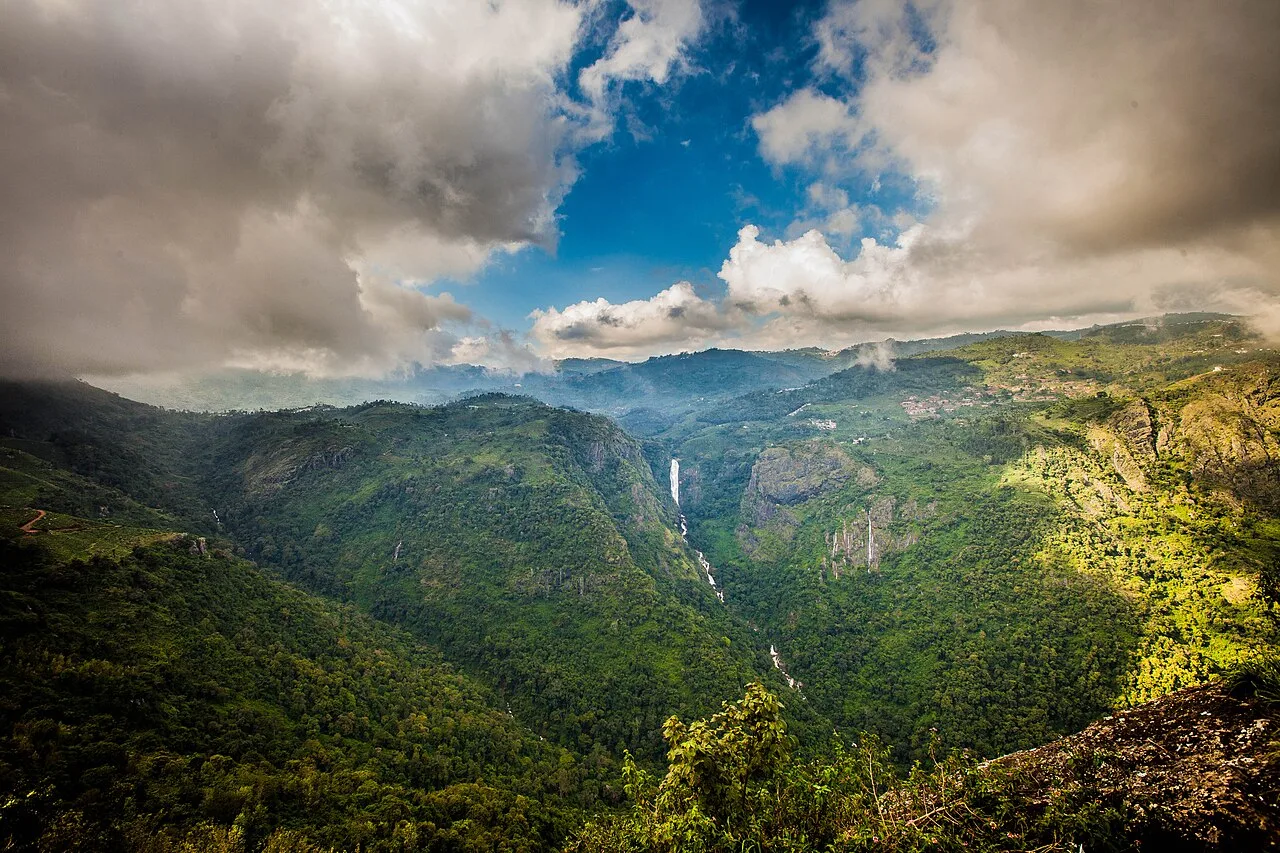
Catherine Falls

78 km away · Nilgiris district

Catherine Falls

Catherine Falls is a two-tier waterfall near Kotagiri in Tamil Nadu’s Nilgiris district. Visitors come to see its cascades, which can be viewed from Dolphin’s Nose.

Dolphin's Nose, Coonoor

78 km away · Nilgiris district

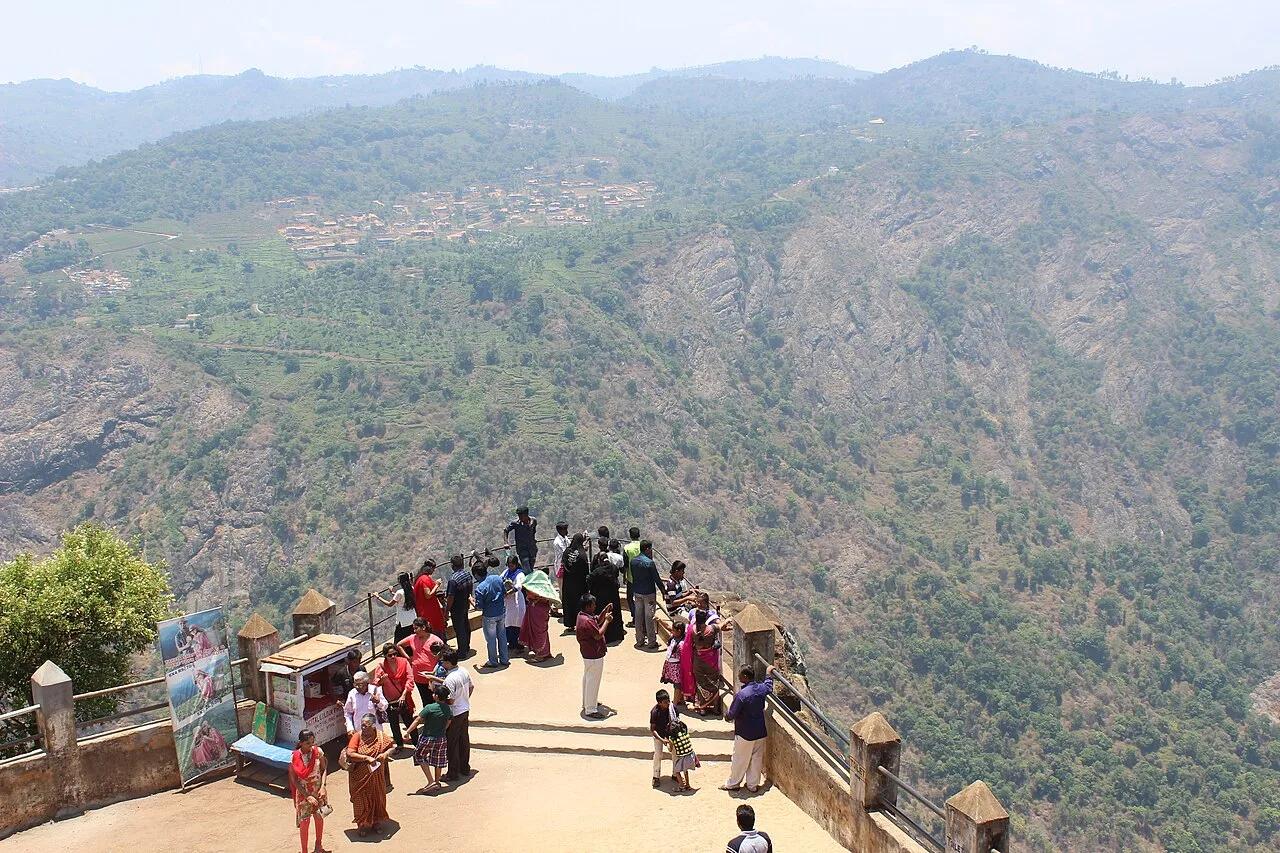
Dolphin's Nose, Coonoor

Dolphin's Nose is a viewpoint and visitor attraction at Coonoor in Tamil Nadu’s Nilgiris District, visited as a place of interest in the area.

Map

Salangaippalaiyam on the map

  1. 1Bhavani Sangameswarar Temple
  2. 2Kodiveri Dam
  3. 3Mettur Dam
  4. 4Namakkal Fort
  5. 5Nilgiri Mountain Railway
  6. 6Kotagiri
  7. 7Catherine Falls
  8. 8Dolphin's Nose, Coonoor

Tamil Nadu

Other cities to explore