Ghumoopedia — Explore, Discover, Experience
Sign in
Pillayarpatti Karpaga Vinayagar Temple, near Sivaganga

City guide · Tamil Nadu

Sivaganga

Sivaganga is the headquarters of Sivaganga district in southern Tamil Nadu and an administrative and service centre for the surrounding towns and villages. Its central landmark is Sivagangai Fort, associated with the region’s former rulers; within it, Rajarajeshwari Amman Temple is noted for its sculpted decoration.

Famous for

  • Sivagangai Fort
  • Rajarajeshwari Amman Temple
  • Chettinad-influenced cuisine
  • Metalworking and weaving

Why Sivaganga matters

Sivaganga is the headquarters of Sivaganga district in southern Tamil Nadu and an administrative and service centre for the surrounding towns and villages. Its central landmark is Sivagangai Fort, associated with the region’s former rulers; within it, Rajarajeshwari Amman Temple is noted for its sculpted decoration. A nearby government museum adds prehistoric artefacts and natural-history displays to the town’s heritage attractions.

Visitors come for these historic sites and for a glimpse of a district shaped by agriculture, local trade and the wider Chettinad region. Chettinad traditions have influenced the town’s food and cultural life, while weaving and metalworking remain part of its local economic identity. Sivaganga is also a practical base for exploring the district and nearby parts of southern Tamil Nadu. It lies about 48 km from Madurai, whose airport provides the closest air connection, and is served by road and rail. Its blend of regional history, religious heritage and everyday market-town life gives it a distinct place in the area.
Famous for: crafts, trade & products

Sivaganga’s local economy has links to agriculture, metalworking and weaving. These activities are part of the town’s working identity, though it is not widely known for a single signature textile, craft or GI-tagged product. Visitors interested in everyday commerce can browse the town-centre markets and shops for household goods, locally traded produce and textiles; for specialised craft purchases, it is sensible to ask locally about current makers and availability.

The town’s proximity to Chettinad is reflected in its food businesses and shopping culture. Chettinad is especially associated with richly spiced cooking, and restaurants in and around Sivaganga may serve regional dishes, although menus vary. The wider district’s agricultural trade supports local markets, while small workshops and retailers provide a window onto practical metalwork and textile activity. Sivaganga is better approached as a regional trading and service centre than as a destination for a dedicated craft bazaar or a recognised GI product. Visitors seeking more extensive Chettinad food and heritage experiences can also explore settlements elsewhere in the surrounding region.

History

Sivaganga’s history is closely tied to the former Ramnad kingdom, whose territory included parts of today’s Sivaganga, Pudukkottai and Ramanathapuram districts. In the early 18th century, conflict over succession and alliances with the ruler of Tanjore led to the division of the kingdom. Sasivarna Periya Oodaya Thevar became the first ruler of Sivaganga. Local tradition associates him with building the fort and a tank around the spring known as Sivaganga.

His son Muthuvaduganatha Periya Udaya Thevar was killed in 1780 during an attack by forces of the Nawab of Carnatic. His widow, Velu Nachiyar, and their daughter were supported in exile by the Maruthu brothers, figures remembered in the region’s resistance history. Later, disputes over succession continued under colonial rule; Kathama Nachiar secured recognition of her claim through a Privy Council decision in 1863. After Indian independence, Sivaganga remained within Ramnad district until the creation of Sivaganga district in 1984, after which the town became its headquarters.

Food, festivals & culture

Tamil is the main language of daily life, and the town’s customs reflect both wider Tamil traditions and the influence of nearby Chettinad. Food is an important part of that regional identity: visitors may find Chettinad-style curries and other boldly seasoned dishes alongside familiar Tamil meals, rice preparations and sweets. Recipes and menus vary between homes and eateries, so the town is best explored through local restaurants and market-side food shops.

Pongal, the harvest festival in January, is widely observed, as are Deepavali and Tamil New Year in spring. Navaratri brings devotional observances in the autumn, while temple festivals are held according to local calendars and may include processions and music. Rajarajeshwari Amman Temple, within Sivagangai Fort, is a notable place of worship; neighbourhood shrines and other temples are also part of everyday religious life. Tamil devotional singing and popular forms of music are heard at celebrations, while classical and folk performance traditions belong to the broader cultural setting of the region.

Visiting the city

The cooler months, roughly November to February, are generally comfortable for walking around town; the north-east monsoon can bring rain in the later part of the year. Madurai International Airport is the nearest airport, about 53 km away. Sivaganga Railway Station serves the town, while road connections link it with Madurai and other district centres.

Auto-rickshaws and local vehicles are useful for short journeys; confirm arrangements locally, as services vary. Begin around Sivagangai Fort, Rajarajeshwari Amman Temple and the nearby government museum, then explore the town centre and its markets. The central area is convenient for food and everyday shopping. Sivaganga can also work as a base for visiting places across the surrounding district and the wider Chettinad region. Allow for monsoon showers if travelling between October and December.

Trips from the city

Nearest places to visit from Sivaganga

Our closest destination guides, by straight-line distance.

Pillayarpatti Karpaga Vinayagar Temple

36 km away · Sivaganga district

Pillayarpatti Karpaga Vinayagar Temple

Pillayarpatti Karpaga Vinayagar Temple is a cave shrine dedicated to Ganesha, enlarged over many centuries. Visitors come to see its distinctive rock carvings, historic inscriptions and later temple buildings.

Vandiyur Mariamman Temple

37 km away · Madurai district

Vandiyur Mariamman Temple

A shrine to Mariamman in Madurai, Tamil Nadu, Vandiyur Mariamman Temple draws visitors for worship and for its tank, which is used during temple festivities.

Alagar Koyil (Kallalagar Temple)

39 km away · Madurai district

Alagar Koyil (Kallalagar Temple)

Alagar Koyil is a Vishnu temple in Madurai district, Tamil Nadu, visited for its place in the Divya Desams tradition, its festivals and its local religious customs.

Gandhi Memorial Museum

39 km away · Madurai district

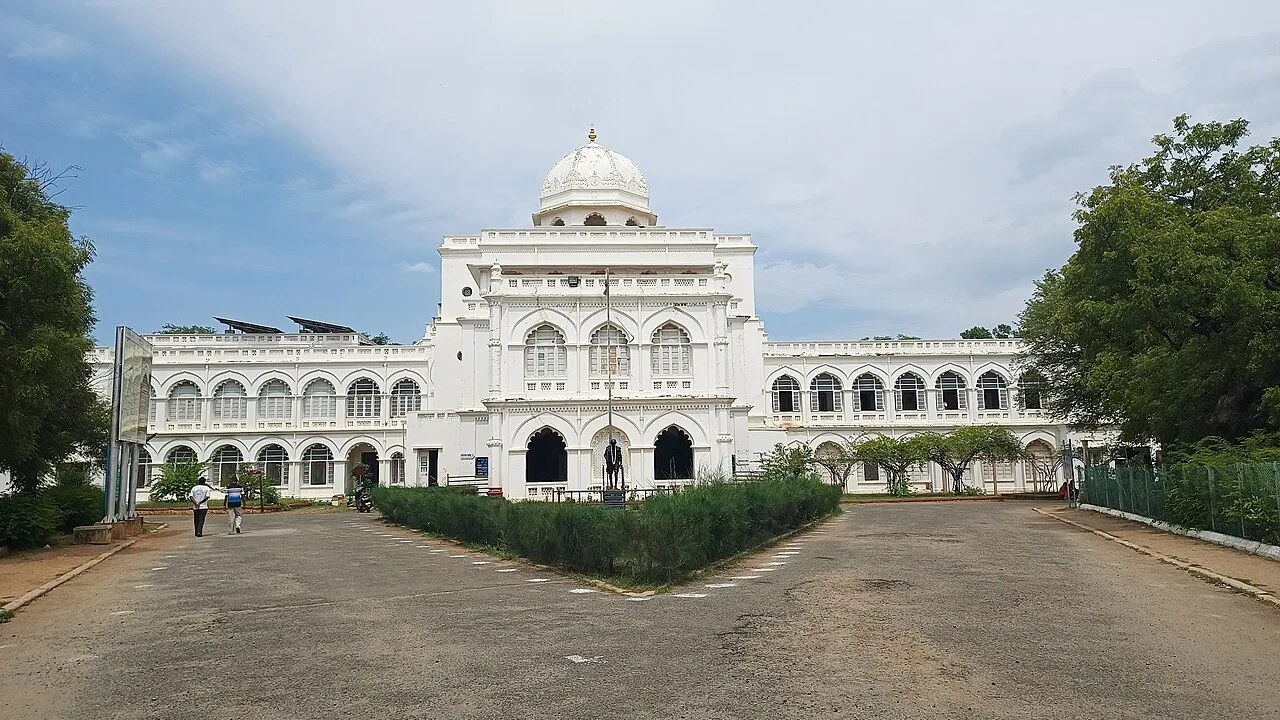
Gandhi Memorial Museum

Located in Madurai, Tamil Nadu, Gandhi Memorial Museum commemorates Mahatma Gandhi. Visitors can see part of the blood-stained garment he wore when Nathuram Godse assassinated him.

Chettinad Heritage Villages

40 km away · Sivaganga district

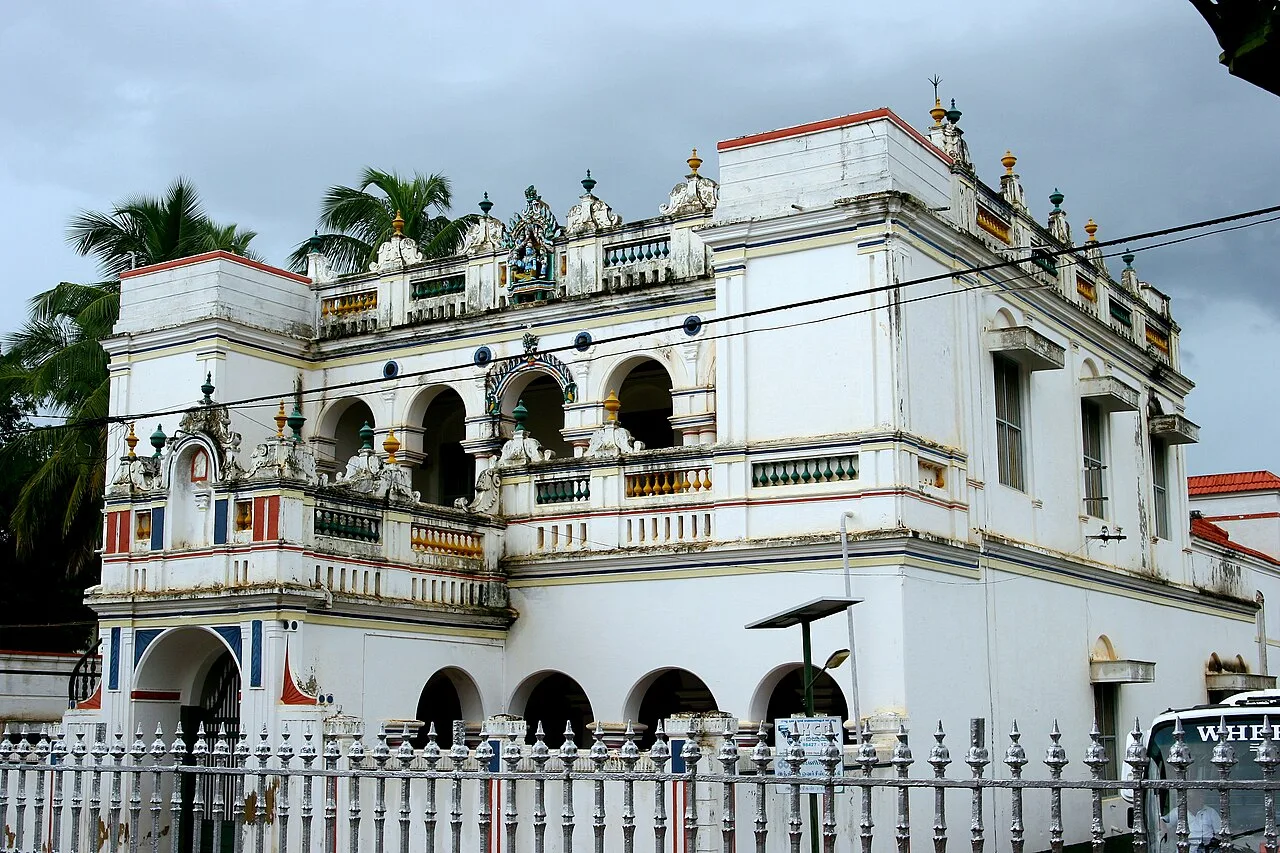
Chettinad Heritage Villages

Chettinad Heritage Villages are settlements within the Chettinad region of Tamil Nadu. Visitors come to explore the villages and learn about the area’s historical connection with the Ramnad kingdom.

Thirumalai Nayakkar Mahal

40 km away · Madurai district

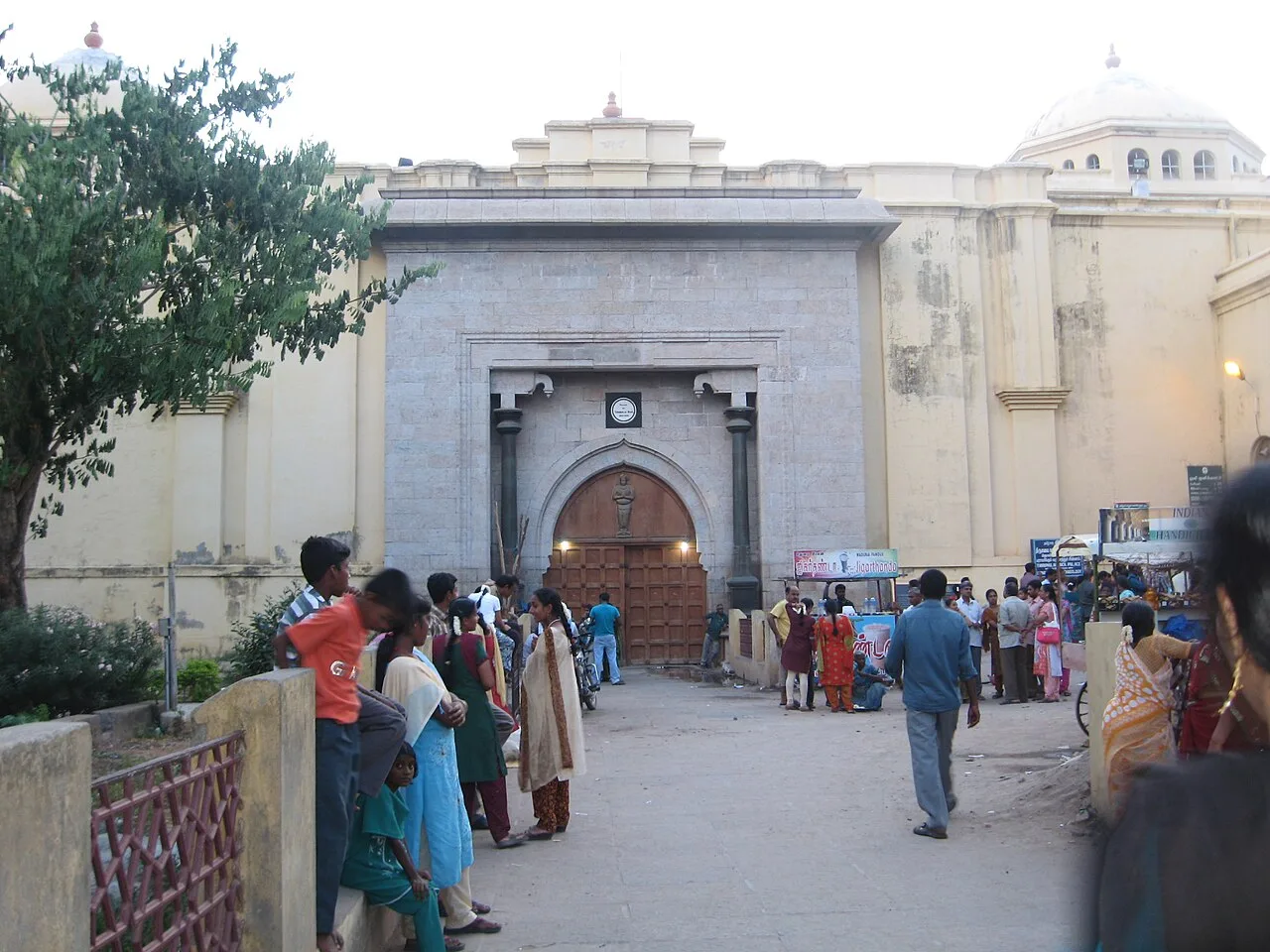
Thirumalai Nayakkar Mahal

This Madurai palace is the surviving part of a larger Nayak royal complex, visited for its historic residence and connection to Tirumala Nayaka.

Koodal Azhagar Temple

41 km away · Madurai district

Koodal Azhagar Temple

Koodal Azhagar is a Vaishnava temple in Madurai, revered as one of Vishnu’s 108 Divya Desams. Visitors come to worship Vishnu and Lakshmi and see its Dravidian architecture and shrines.

Meenakshi Temple, Madurai

41 km away · Madurai district

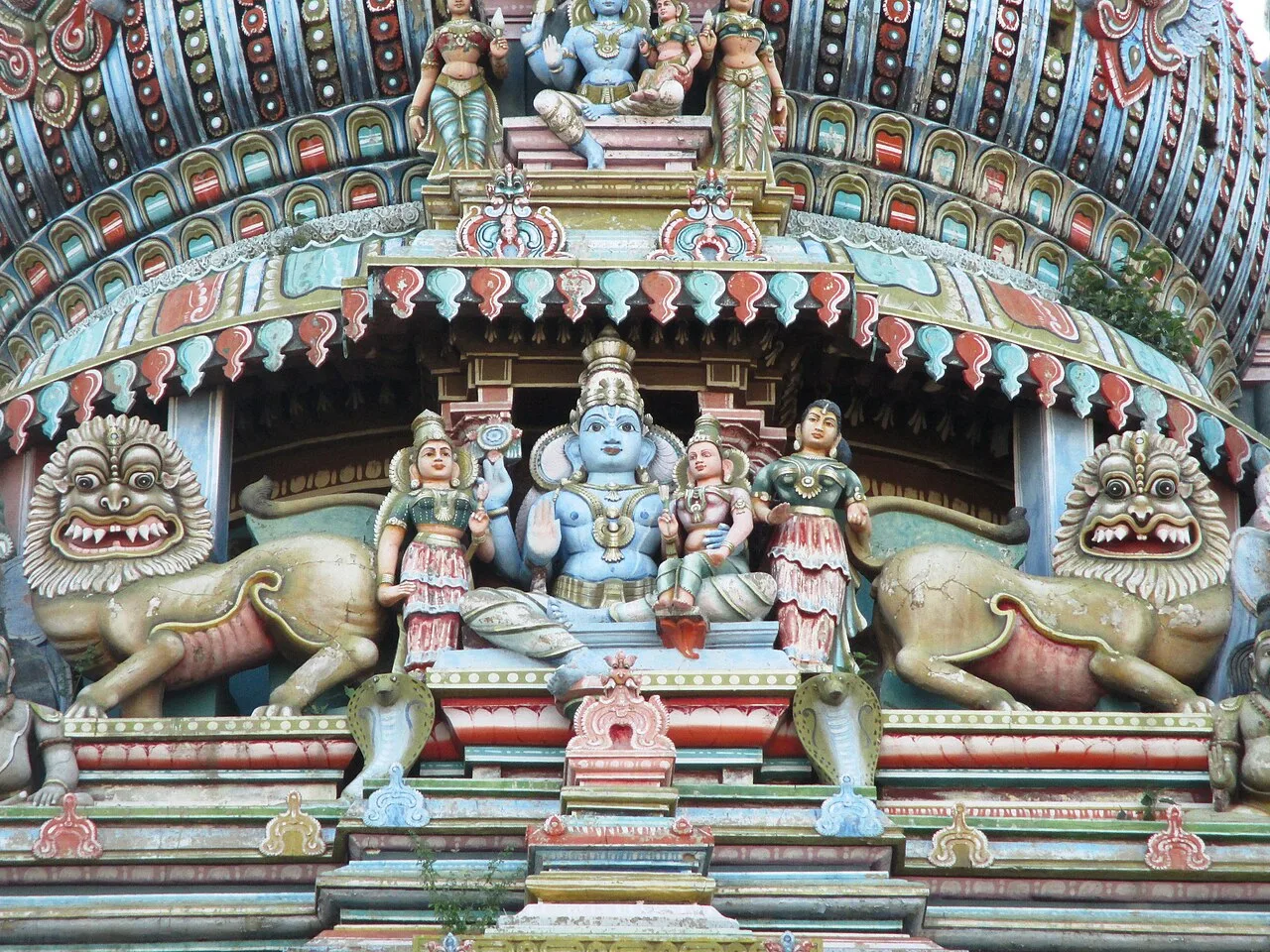
Meenakshi Temple, Madurai

Meenakshi Temple is a major Hindu shrine in Madurai, Tamil Nadu, honouring Meenakshi and Sundareswarar. Visitors come to see its layered history, extensive complex and distinctive gopurams.

Map

Sivaganga on the map

  1. 1Pillayarpatti Karpaga Vinayagar Temple
  2. 2Vandiyur Mariamman Temple
  3. 3Alagar Koyil (Kallalagar Temple)
  4. 4Gandhi Memorial Museum
  5. 5Chettinad Heritage Villages
  6. 6Thirumalai Nayakkar Mahal
  7. 7Koodal Azhagar Temple
  8. 8Meenakshi Temple, Madurai

Tamil Nadu

Other cities to explore