Ghumoopedia — Explore, Discover, Experience
Sign in
Sripuram Golden Temple, near Aliyabad

City guide · Tamil Nadu

Aliyabad

Aliyabad is the former name of Kalambur, a town in Polur taluk of Tiruvannamalai district, Tamil Nadu. Its present-day identity is closely tied to agriculture: rice production is a notable part of the local economy, and the town serves residents and farming communities across its surroundings.

Famous for

  • Rice cultivation
  • Agricultural trade
  • Former name Aliyabad
  • Por Kalam tradition

Why Aliyabad matters

Aliyabad is the former name of Kalambur, a town in Polur taluk of Tiruvannamalai district, Tamil Nadu. Its present-day identity is closely tied to agriculture: rice production is a notable part of the local economy, and the town serves residents and farming communities across its surroundings. As a selection-grade town panchayat, Kalambur is also a local centre for everyday services and commerce.

The town is best understood as a working agricultural settlement rather than a destination built around major visitor attractions. Its appeal for travellers lies in seeing a smaller Tamil Nadu town and its rural setting, or including it in journeys through the Polur and Tiruvannamalai region. The former name Aliyabad remains part of its local history, while the name Kalambur is associated with a traditional account of an old battlefield.
Famous for: crafts, trade & products

Kalambur is principally associated with rice production. Paddy cultivation in the surrounding area gives agriculture a visible place in local life and supports trade serving nearby communities. The town is not widely identified with a particular textile, handicraft, GI-tagged product or specialist food, so visitors should not assume there is a dedicated craft bazaar or a signature product market. Rice and other everyday goods are more likely to be encountered through ordinary local commerce than through a tourism-focused shopping district.

For a sense of the town’s trade, explore its central commercial streets and ask locally about current produce markets and rice sellers; specific market locations and operating days can change. Kalambur also functions as a service centre for its agricultural hinterland, where shops cater to residents and cultivators. Those looking for a broader selection of regional goods can consider larger nearby towns, while treating Kalambur itself as a place to observe the connection between farming, food and small-town commerce. No particular institution or visitor-oriented market is established as a signature attraction.

History

Kalambur was formerly known as Aliyabad. A local account connects the present name to the phrase Por Kalam, described as a battlefield: over time, the words are said to have shifted through Kalam Por before becoming Kalambur. This explanation is part of the town’s remembered etymology; a detailed, independently established chronology of the settlement is not readily available.

The town’s broader setting in northern Tamil Nadu has been shaped by the region’s long history of South Indian kingdoms and changing administrations, but specific rulers or monuments should not be attributed to Kalambur without firmer local evidence. In more recent times, its development has centred on agriculture, local trade and civic services. Its status as a selection-grade town panchayat reflects its role as an organised local authority serving the town and nearby communities. The older name Aliyabad and the Por Kalam tradition remain useful links to how residents understand the town’s past, even as present-day Kalambur is chiefly known for its agricultural character.

Food, festivals & culture

Tamil is the main language of everyday life in Kalambur. Pongal, the harvest festival celebrated in January, is especially relevant to an agricultural community; Deepavali, usually in October or November, and Tamil New Year in April are also observed across Tamil Nadu. Dates vary with the calendar and local practice.

Everyday food is likely to reflect familiar Tamil home cooking, including rice-based meals, idli and dosa, accompanied by lentils, vegetables and chutneys. These are regional staples rather than foods unique to Kalambur, and visitors should not expect a recognised local sweet or signature dish without asking residents. Worship and community life follow the wider Tamil Nadu pattern, with Hindu observances prominent alongside other faith traditions. Ask locally about temple services and neighbourhood celebrations, since events and schedules can vary. Respectful dress and conduct are advisable at places of worship.

Visiting the city

The cooler, drier months from roughly October to February are generally more comfortable for exploring Kalambur and its rural surroundings; summer can be hot, while monsoon conditions vary. Puducherry Airport is the nearer airport geographically, but its flight options may be limited. Chennai International Airport is a larger gateway with broader connections. Kalambur railway station serves the town; check current services before setting out.

Local travel is typically by road, with buses and hired vehicles connecting the town to Polur and other centres in the district. Within Kalambur, the central streets and everyday market area offer a feel for local commerce, while the outskirts show the agricultural landscape. There are no widely established tourist neighbourhoods, so use the town centre as a practical starting point and seek local advice before visiting rural areas.

Trips from the city

Nearest places to visit from Aliyabad

Our closest destination guides, by straight-line distance.

Sripuram Golden Temple

30 km away · Vellore district

Sripuram Golden Temple

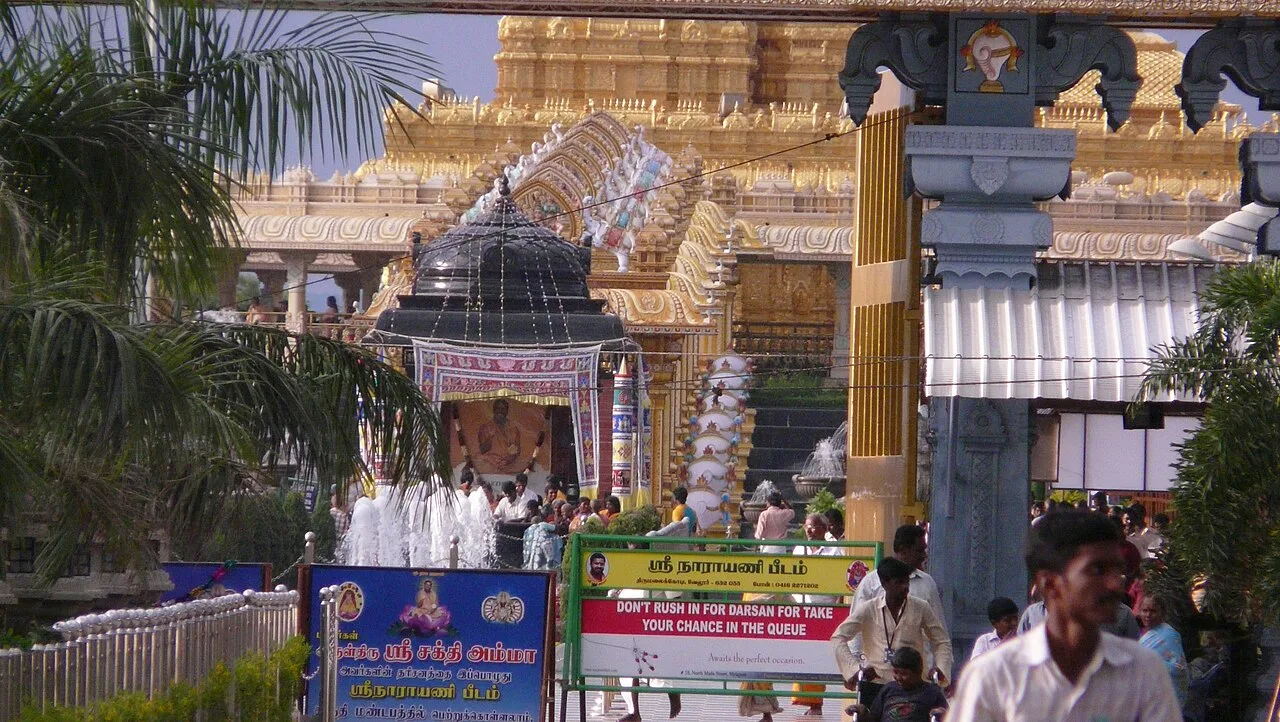
Located at Thirumalaikodi in Vellore district, the Sripuram Golden Temple is dedicated to Lakshmi. Visitors come to worship, and people of every faith are welcome.

Jalakandeswarar Temple

34 km away · Vellore district

Jalakandeswarar Temple

Jalakandeswarar Temple is a Shiva shrine within Vellore Fort, in Vellore city, Tamil Nadu. Visitors come to worship Shiva at the temple in the heart of the city.

Vellore Fort

34 km away · Vellore district

Vellore Fort

A sixteenth-century fort in Vellore, Tamil Nadu, it draws visitors for its defensive design, political history, religious buildings and connection with the 1806 Vellore Mutiny.

Annamalaiyar Temple, Tiruvannamalai

47 km away · Tiruvannamalai district

Annamalaiyar Temple, Tiruvannamalai

Annamalaiyar Temple is a major Shiva and Parvati shrine in Tiruvannamalai, known for its association with fire, its place in Tamil Shaivite worship and its extensive temple complex.

Gingee Fort

47 km away · Villupuram district

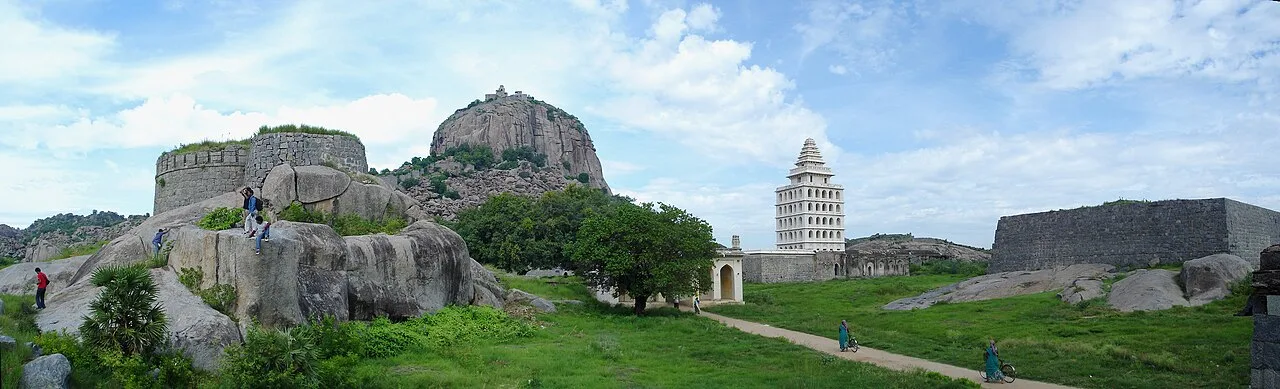
Gingee Fort

Gingee Fort, also called Senji Fort, is a historic hilltop complex in Tamil Nadu. Visitors come to see its citadels, defences and buildings, and learn about its changing rulers.

Sri Ramanasramam

49 km away · Tiruvannamalai district

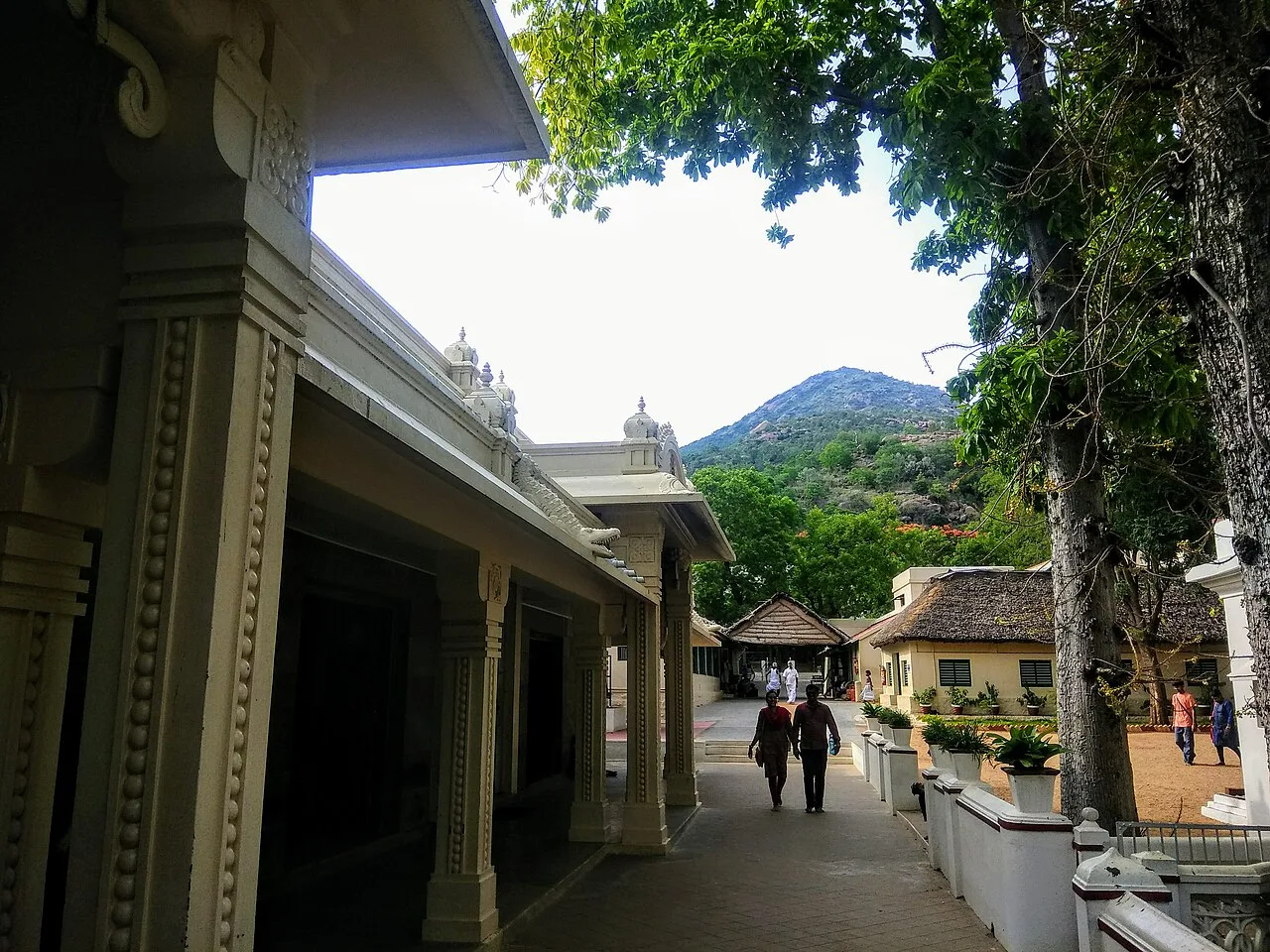
Sri Ramanasramam

Sri Ramanasramam is a spiritual community and international non-profit organisation in Tiruvannamalai, associated with Ramana Maharshi. People visit to meditate, study his teachings and seek spiritual understanding.

Kailasanathar Temple, Kanchipuram

56 km away · Kancheepuram district

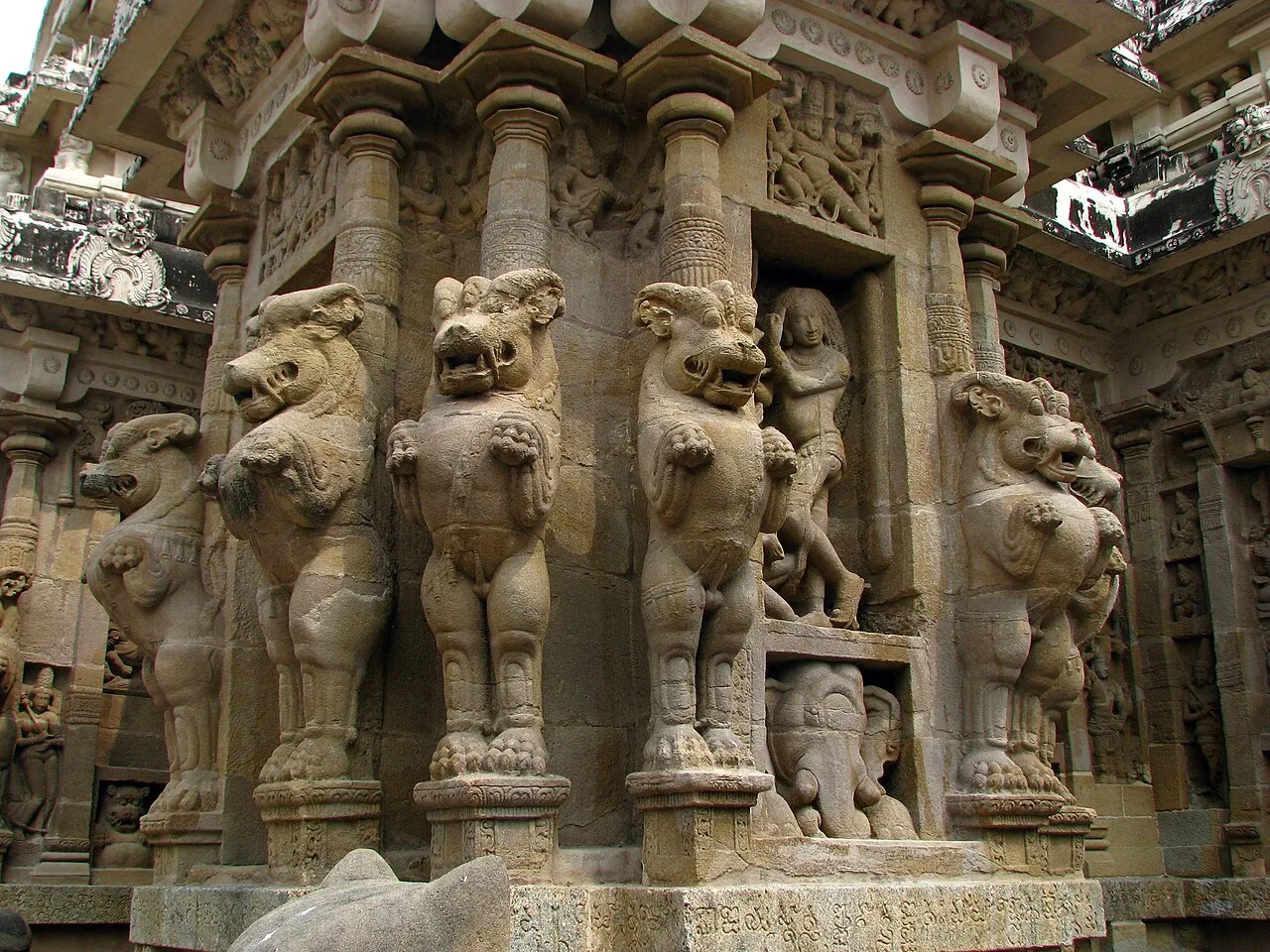
Kailasanathar Temple, Kanchipuram

A Pallava-period Shiva temple in Kanchipuram, Kailasanathar is among the city’s oldest surviving monuments. Visitors come to see its early Dravidian design, carved shrines, murals and inscriptions.

Ekambareswarar Temple, Kanchipuram

58 km away · Kancheepuram district

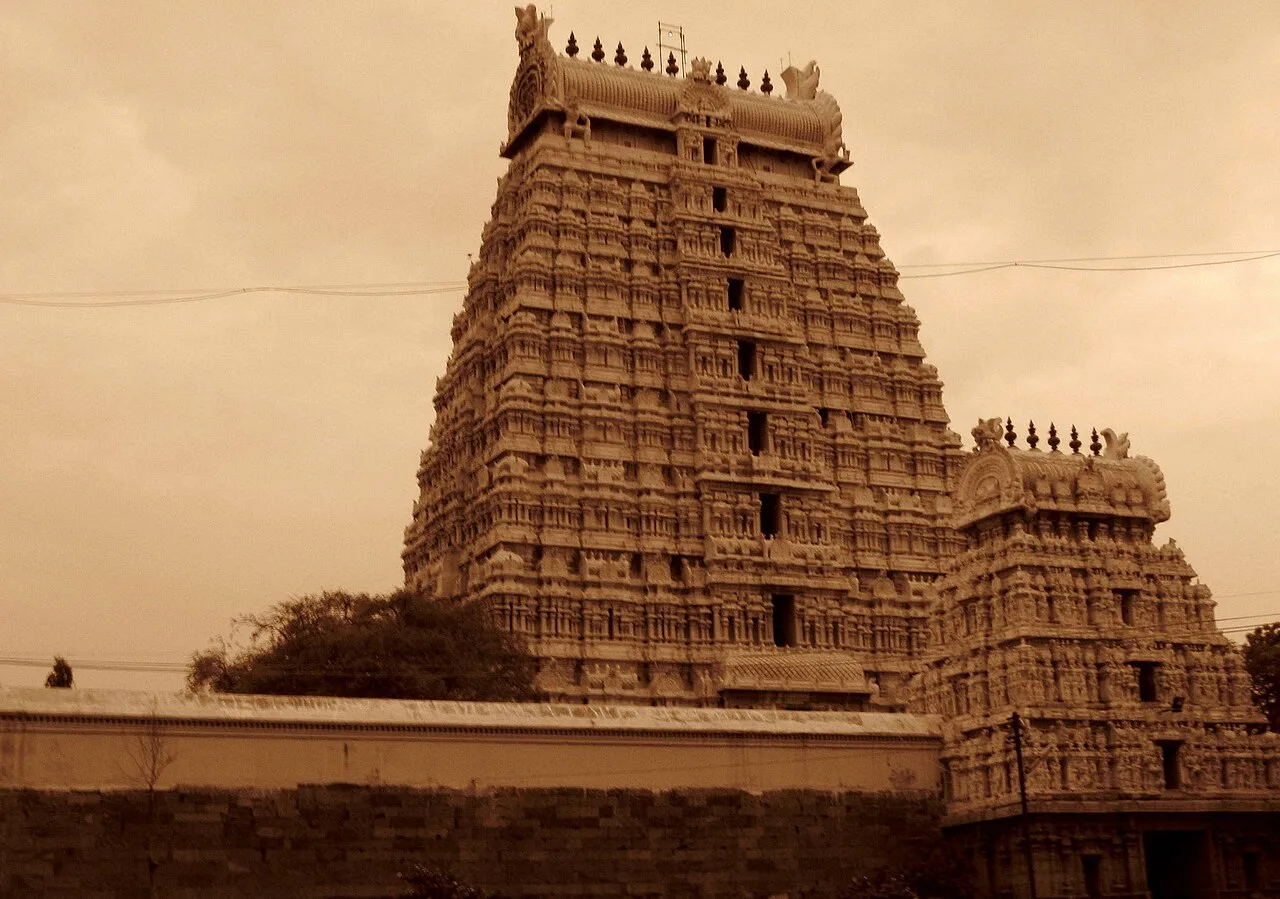
Ekambareswarar Temple, Kanchipuram

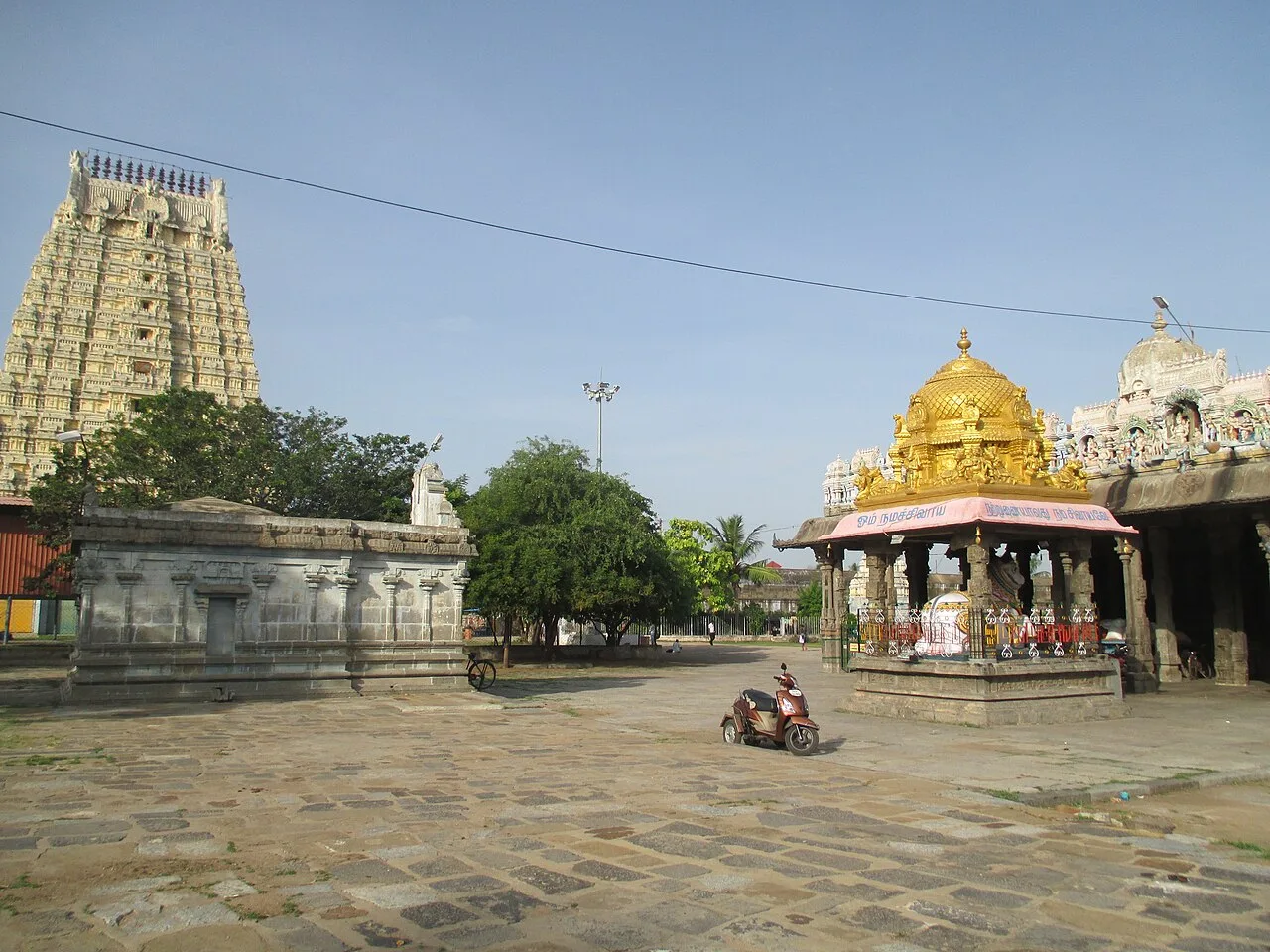
Ekambareswarar Temple is a major Shaiva shrine in Kanchipuram, associated with Shiva and the element of earth. Visitors come to see its shrines, monumental gateways and halls, and to take part in its festivals.

Map

Aliyabad on the map

  1. 1Sripuram Golden Temple
  2. 2Jalakandeswarar Temple
  3. 3Vellore Fort
  4. 4Annamalaiyar Temple, Tiruvannamalai
  5. 5Gingee Fort
  6. 6Sri Ramanasramam
  7. 7Kailasanathar Temple, Kanchipuram
  8. 8Ekambareswarar Temple, Kanchipuram

Tamil Nadu

Other cities to explore