Ghumoopedia — Explore, Discover, Experience
Sign in
Kanadukathan Palace, near Aranthangi

City guide · Tamil Nadu

Aranthangi

Aranthangi is a market town in Pudukkottai district, serving nearby agricultural villages and linking the district with places such as Karaikudi, Pattukottai and Thanjavur. Its everyday life is shaped by farming, local trade and road connections, while its historic fort and temple give visitors points of interest beyond the town’s commercial centre.

Famous for

  • Aranthangi fort
  • Rajendra Chola Varma Temple
  • Aranthangi fish curry
  • Tuesday weekly market
  • Paddy and groundnut farming
  • Sugar industry

Why Aranthangi matters

Aranthangi is a market town in Pudukkottai district, serving nearby agricultural villages and linking the district with places such as Karaikudi, Pattukottai and Thanjavur. Its everyday life is shaped by farming, local trade and road connections, while its historic fort and temple give visitors points of interest beyond the town’s commercial centre.

The most distinctive landmark is the remains of Aranthangi fort, whose unusual walls are built with mud-filled gaps rather than conventional brick or stone. The town’s Rajendra Chola Varma Temple is another reason to explore its past; it is believed to date from the eleventh century. Aranthangi is also known locally for fish curry and seafood, reflecting connections with coastal settlements, and for its busy markets, including a Tuesday weekly market. Paddy, groundnut and sugarcane cultivation remain important in the surrounding area, alongside a sugar factory and a chemical factory on the outskirts. Aranthangi is best approached as a working regional town with a modest but distinctive heritage, rather than as a large resort destination.
Famous for: crafts, trade & products

Aranthangi’s local trade centres on everyday produce and food rather than a widely recognised textile, handicraft or GI-tagged speciality. The town has a daily market, a farmers’ market known as the Uzhavar Sandai, and a weekly santhai held on Tuesdays. These are the places to look for seasonal agricultural produce and to experience the town’s role as a service centre for nearby villages. A fish market also serves local demand, and seafood is a familiar part of the area’s food trade.

Paddy, groundnut and sugarcane are important crops in the surrounding countryside. The town’s sugar factory reflects the role of agricultural processing in the local economy, while a chemical factory is located on its outskirts. Aranthangi fish curry is locally celebrated, and seafood dishes are commonly associated with the town because of its links to coastal areas. Visitors can look for local produce and prepared food around the central markets, but should not expect a specialised craft bazaar or a recognised destination for silk, sarees or other signature textiles. The markets are primarily practical places for residents, not curated tourist shopping centres.

History

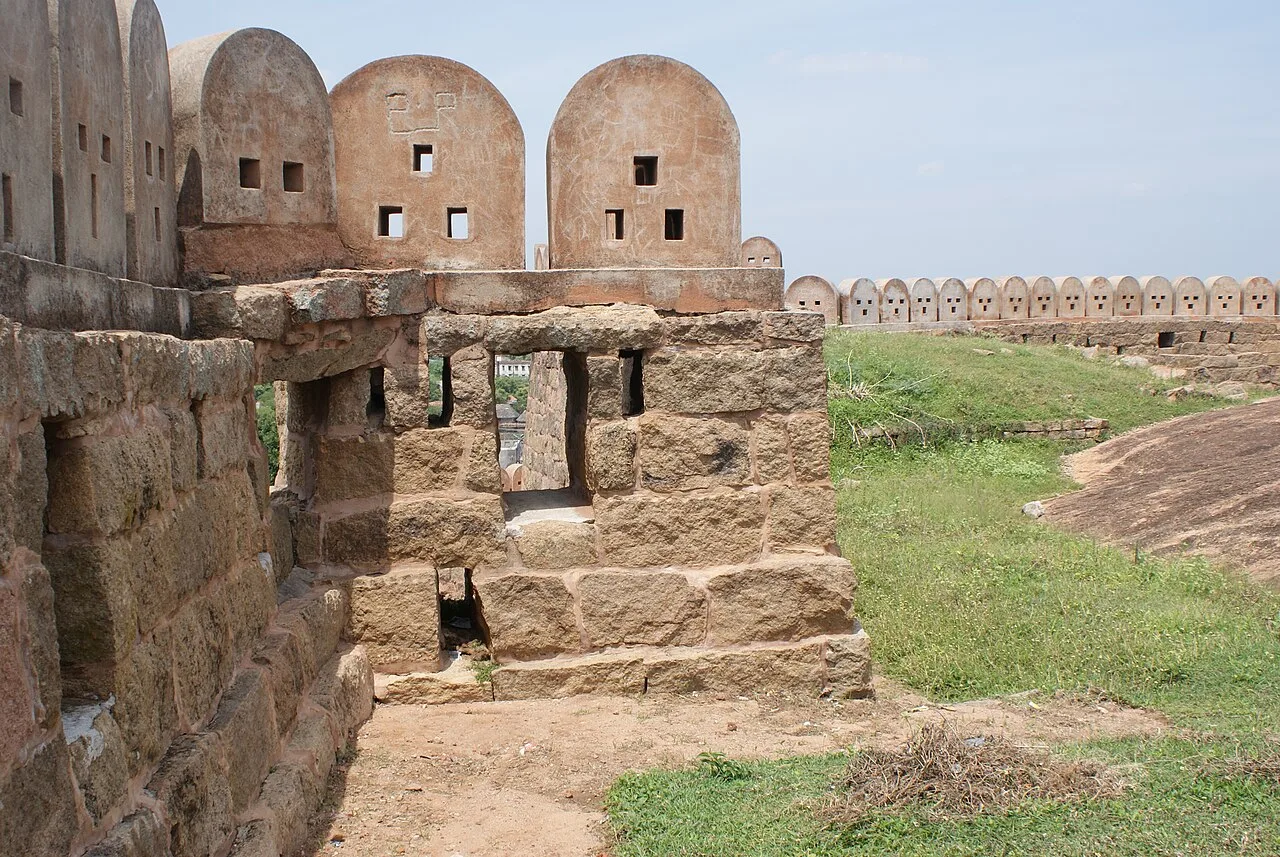
Aranthangi’s past is associated with a line of Thondaimans who ruled locally and were distinct from the Thondaimans of Pudukkottai. Their period of power is not precisely established, though the local fort is commonly attributed to them and is thought to have been built during the fifteenth or sixteenth centuries. The fort’s exact date remains uncertain, and no palace or major building survives within its ruined enclosure. Its earthen construction, with large gaps packed with mud, sets it apart from more conventional masonry forts.

The Rajendra Chola Varma Temple appears to be older, with a date around the eleventh century generally associated with it. The record of colonial-era administration and change in Aranthangi is less clear than the town’s earlier local history, so firm claims about particular colonial developments are best avoided. In more recent times, Aranthangi has grown as an agricultural market and transport centre for surrounding villages. Road links, rail access, local markets and food-processing activity continue to support its regional role.

Food, festivals & culture

Tamil is the main language of daily life in Aranthangi. Food reflects both the agricultural hinterland and the town’s connections with coastal settlements: rice is central to meals, while fish curry and other seafood dishes are well known locally. The fish market and weekly santhai offer a glimpse of everyday food commerce. There is no single widely documented sweet or craft-food speciality that defines the town.

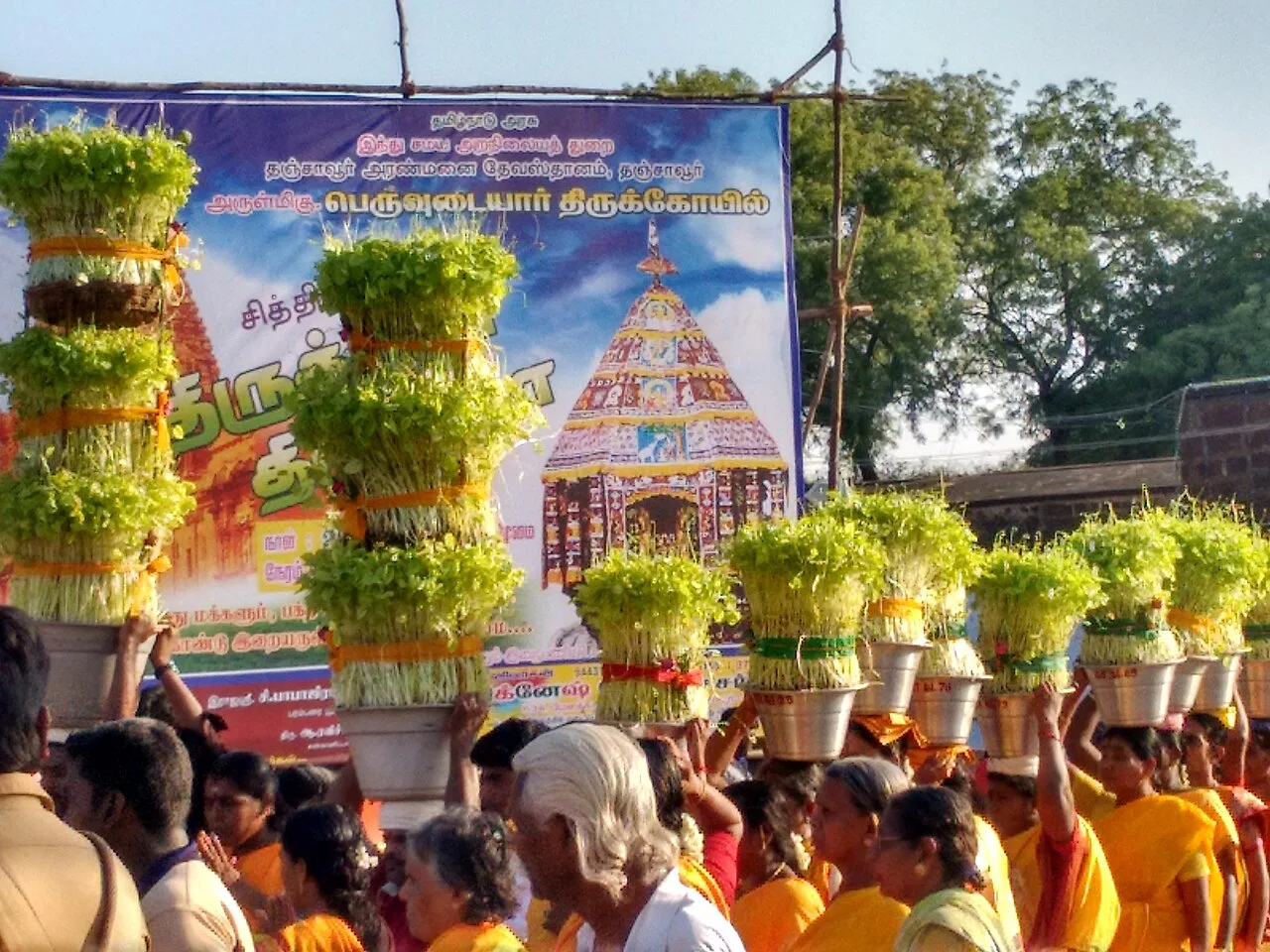
Pongal, celebrated in January, is an important harvest festival in this farming region. Tamil New Year in April and Deepavali, usually in October or November, are also observed, alongside worship and festivals at local temples. The Rajendra Chola Varma Temple is a notable place of worship and a point of interest for visitors exploring the town’s heritage. Tamil devotional music and familiar folk forms are part of the wider cultural setting of the region; specific performance traditions unique to Aranthangi are not especially well documented. Market days and temple gatherings offer a grounded view of local community life.

Visiting the city

The cooler, drier months from about November to February are generally the most comfortable time to visit; summer can be hot, and monsoon weather may affect travel. The nearest major airport is Tiruchirappalli International Airport. Aranthangi has its own railway station, Aranthangi railway station, and the town is also served by buses and road connections to Pudukkottai, Karaikudi, Thanjavur and nearby towns.

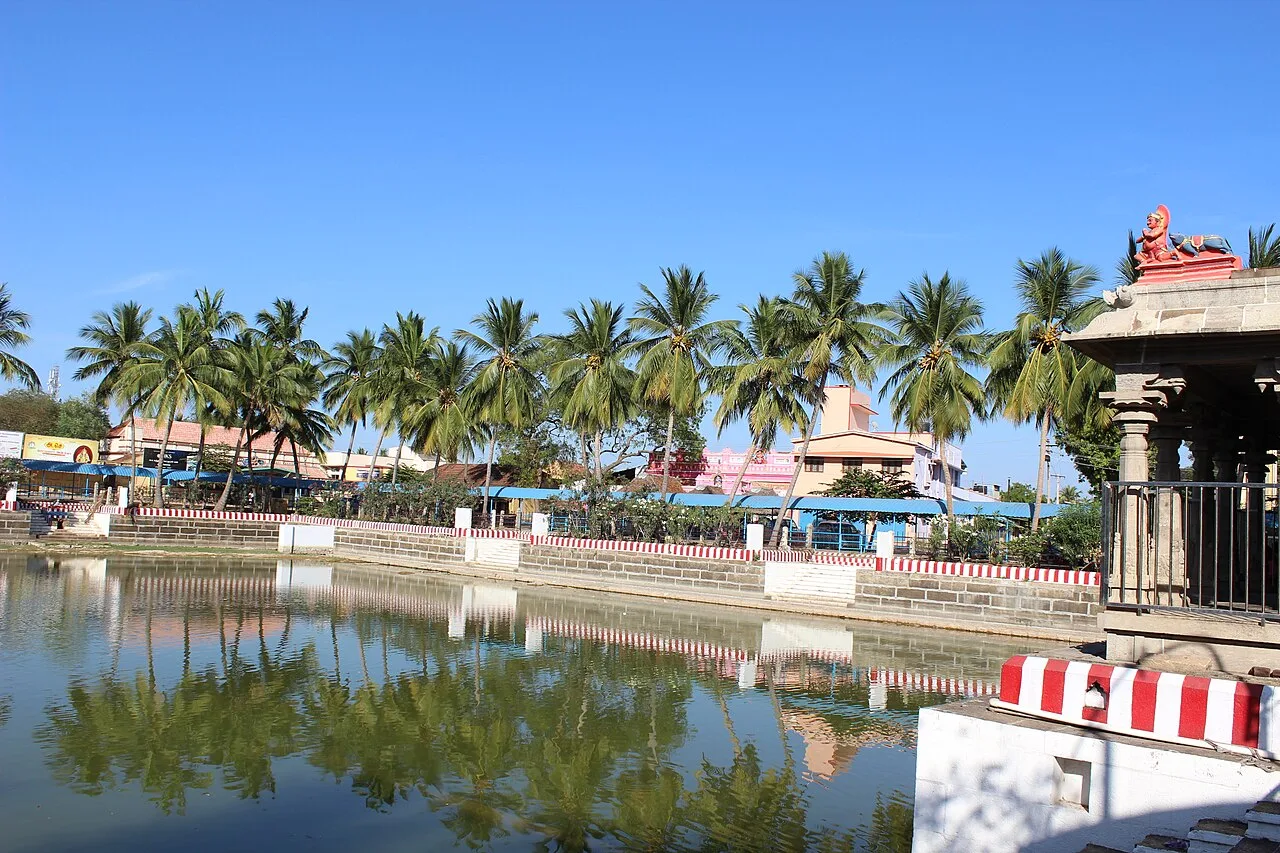
For a short visit, explore the ruined fort and Rajendra Chola Varma Temple, then walk through the central market area. The fish market and the Tuesday santhai are useful places to see local trade, while the Uzhavar Sandai focuses on farm produce. Local buses, auto-rickshaws and taxis can help with journeys around town. The outskirts and nearby villages are mainly agricultural, so allow extra time if exploring beyond the centre.

Trips from the city

Nearest places to visit from Aranthangi

Our closest destination guides, by straight-line distance.

Kanadukathan Palace

22 km away · Sivaganga district

Kanadukathan Palace

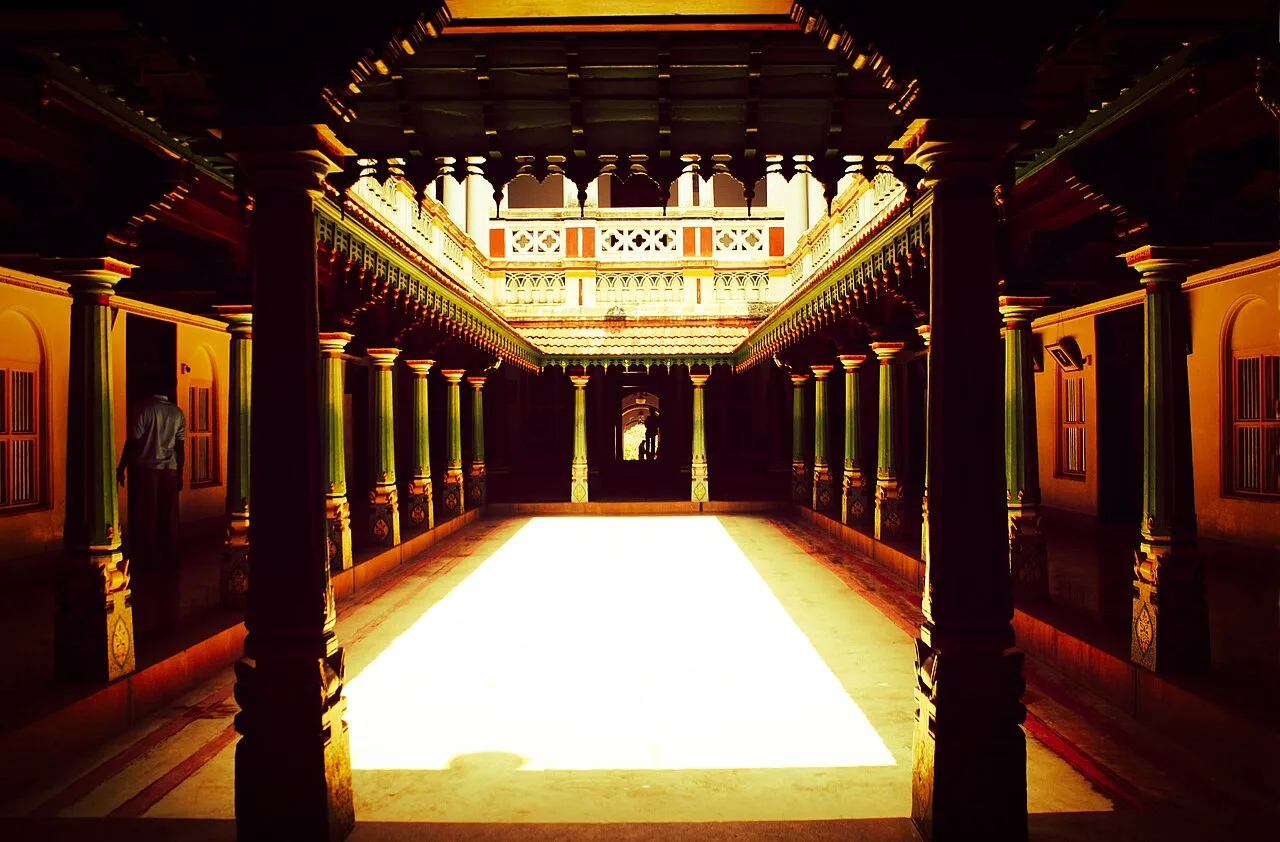
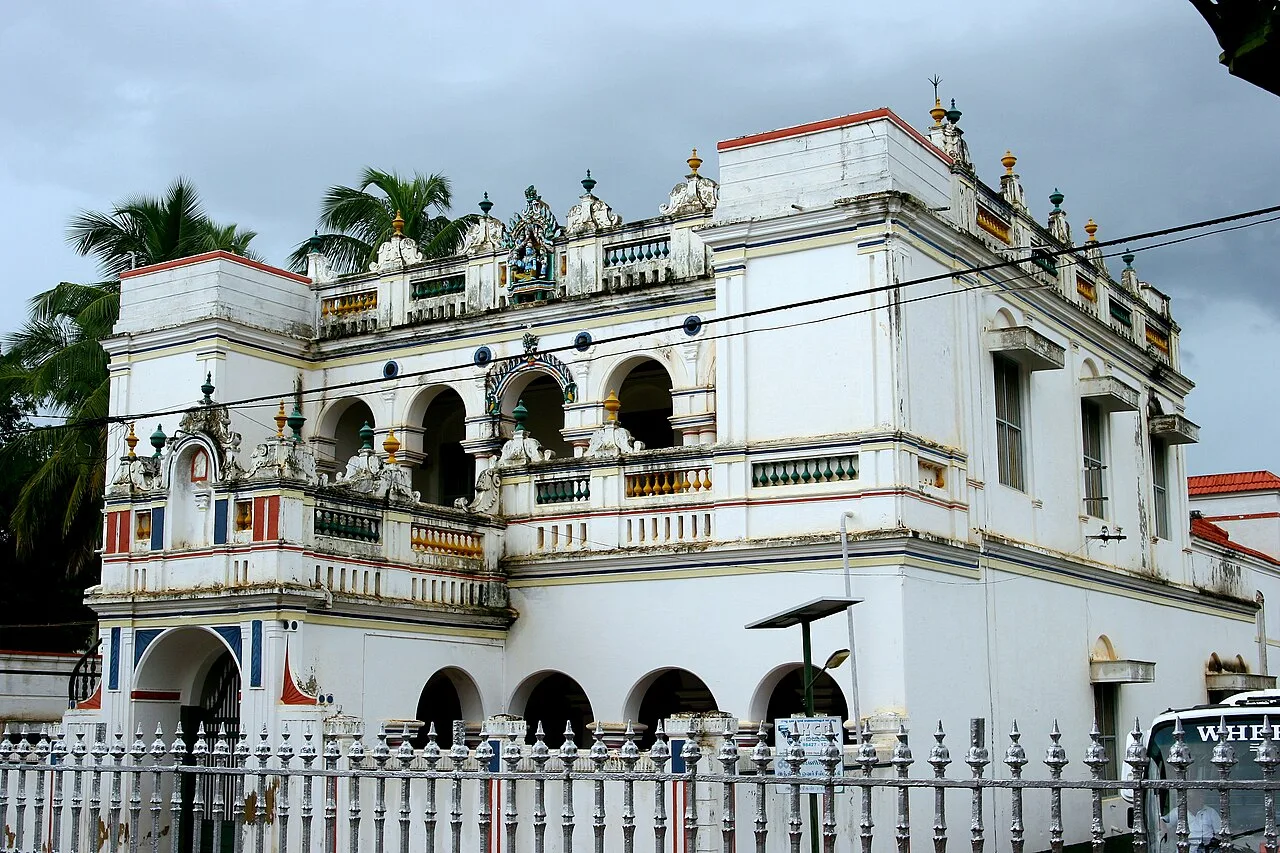
Kanadukathan Palace is located in Sivaganga district, Tamil Nadu. Visitors come to see the palace in Kanadukathan, a town within Karaikudi taluk.

Chettinad Heritage Villages

26 km away · Sivaganga district

Chettinad Heritage Villages

Chettinad Heritage Villages are settlements within the Chettinad region of Tamil Nadu. Visitors come to explore the villages and learn about the area’s historical connection with the Ramnad kingdom.

Thirumayam Fort

28 km away · Pudukkottai district

Thirumayam Fort

Thirumayam Fort is a 40-acre stronghold in Tamil Nadu, built in 1687. Visitors come to see the fort and learn about its history, including its transfer between local rulers and later renovation.

Pillayarpatti Karpaga Vinayagar Temple

36 km away · Sivaganga district

Pillayarpatti Karpaga Vinayagar Temple

Pillayarpatti Karpaga Vinayagar Temple is a cave shrine dedicated to Ganesha, enlarged over many centuries. Visitors come to see its distinctive rock carvings, historic inscriptions and later temple buildings.

Sittanavasal Caves

43 km away · Pudukkottai district

Sittanavasal Caves

Sittanavasal is a small hamlet in Tamil Nadu’s Pudukkottai district. Visitors come to see its Jain cave complex, dated to the second century, and learn of its later role as a Jain centre.

Thirubuvanam

55 km away · Thanjavur district

Thirubuvanam

Thirubuvanam is a panchayat town in Tamil Nadu’s Thanjavur district. Visitors chiefly associate it with the Kampaheswarar Temple.

Brihadisvara Temple

70 km away · Thanjavur district

Brihadisvara Temple

This major Shaivite temple in Thanjavur is a celebrated Chola-era monument, noted for its granite vimana, sculpture and place within the Great Living Chola Temples.

Saraswathi Mahal Library

71 km away · Thanjavur district

Saraswathi Mahal Library

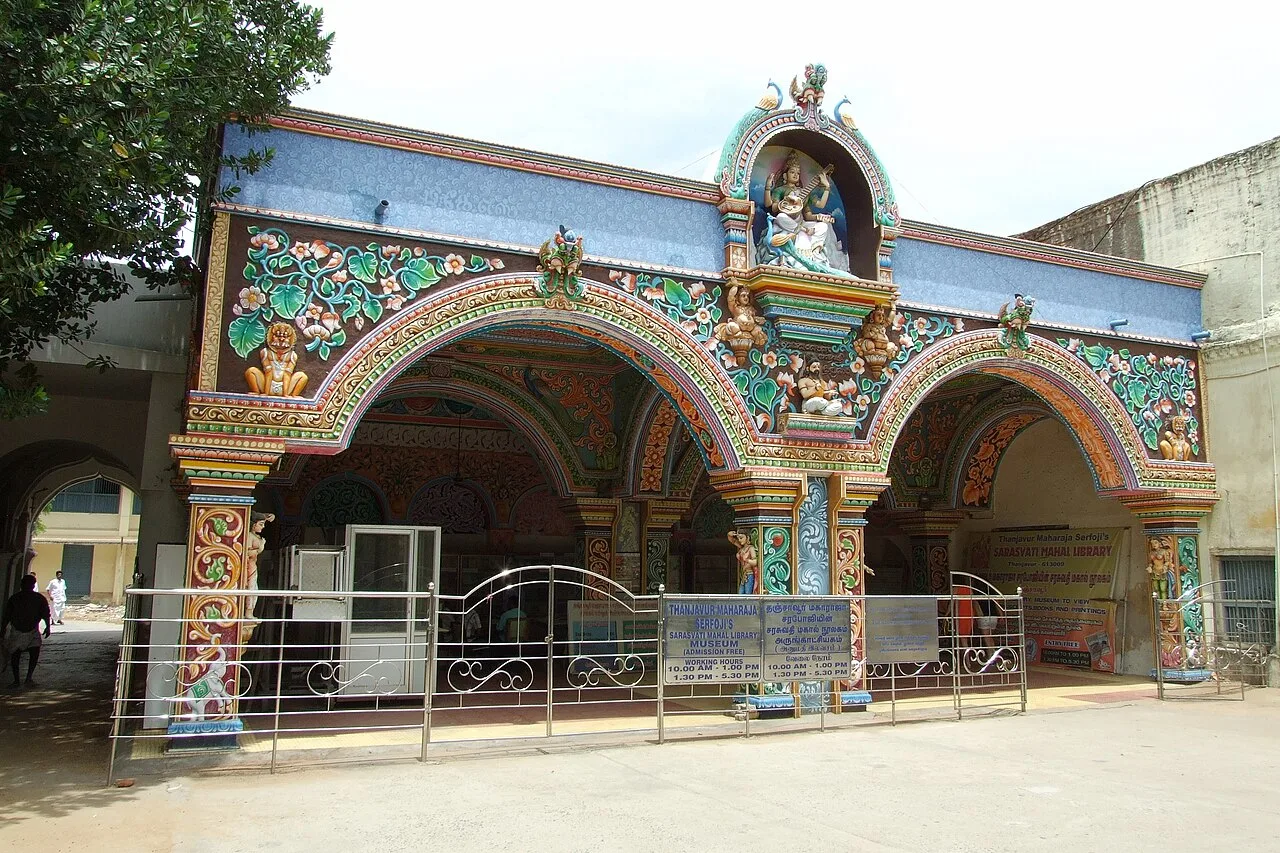
Saraswathi Mahal Library is a historic collection in Thanjavur, Tamil Nadu, known for its extensive manuscripts and printed works in Tamil, Sanskrit and other Indian languages.

Map

Aranthangi on the map

  1. 1Kanadukathan Palace
  2. 2Chettinad Heritage Villages
  3. 3Thirumayam Fort
  4. 4Pillayarpatti Karpaga Vinayagar Temple
  5. 5Sittanavasal Caves
  6. 6Thirubuvanam
  7. 7Brihadisvara Temple
  8. 8Saraswathi Mahal Library

Tamil Nadu

Other cities to explore