Ghumoopedia — Explore, Discover, Experience
Sign in
Airavatesvara Temple, Darasuram, near Ariyalur

City guide · Tamil Nadu

Ariyalur

Ariyalur is the administrative centre of its district and a practical base for exploring a less-visited stretch of central Tamil Nadu. Its identity is shaped by two very different landscapes: fertile delta-side farmland and extensive limestone deposits.

Famous for

  • Limestone and cement
  • Cretaceous fossil beds
  • Cauvery Delta agriculture
  • Kothandaramar Temple
  • Nearby Chola heritage

Why Ariyalur matters

Ariyalur is the administrative centre of its district and a practical base for exploring a less-visited stretch of central Tamil Nadu. Its identity is shaped by two very different landscapes: fertile delta-side farmland and extensive limestone deposits. Cement works around the town make it an important industrial centre, while agriculture remains part of everyday life in the surrounding villages.

Visitors come for the area’s geological story as much as its temples. Cretaceous-era rocks and fossil-bearing formations have made Ariyalur significant to paleontology, though quarry and fossil sites are not automatically open to visitors. Nearby, the monumental Chola temple at Gangaikonda Cholapuram offers a striking glimpse of medieval Tamil architecture. In town, Kothandaramar Temple and the everyday bustle around the central streets provide a quieter introduction to local life. Ariyalur is not a resort destination; it suits travellers interested in history, geology and rural Tamil Nadu, especially as a stop between Tiruchirappalli, Thanjavur and the coast.
Famous for: crafts, trade & products

Ariyalur is best known commercially for limestone and cement. Deposits across the district support cement manufacturing, including public-sector production, and the industry is a prominent part of the local economy. These are working industrial sites rather than visitor attractions, so travellers should not assume that quarries or plants permit entry. The wider area also has sugar production and farming, with sugarcane and cashew among its crops.

The town is not especially known for a distinctive textile, handicraft tradition or GI-tagged product. For everyday goods and locally used provisions, browse the central town’s shops and market streets; these serve residents rather than functioning as specialist craft bazaars. Regional food products and agricultural produce may be available through ordinary shops, depending on season. The area’s most unusual “local product” is geological: Cretaceous fossils occur in the region, and specimens are important for scientific study. Do not remove fossils from sites or quarries; access and collecting may be restricted. For heritage rather than shopping, explore Kothandaramar Temple in town and the Chola-era temple complex at nearby Gangaikonda Cholapuram.

History

Ariyalur’s history is closely connected with the Chola realm. During the early medieval period, the Paluvettaraiyar chiefs governed this part of the region as Chola feudatories, with their centre at Melapaluvur. Ariyalur also lay near Gangaikonda Cholapuram, the imperial city founded by Rajendra Chola I. Later, the area passed through Vijayanagara and Nayak influence; temples such as Kothandaramar reflect the region’s later religious and architectural traditions.

In the eighteenth century, local poligars held authority in Ariyalur and neighbouring Udayarpalayam. Conflict over tribute and control of the Carnatic brought British-backed forces into the area, and Ariyalur was captured in 1765, ending the poligars’ local autonomy. Administration subsequently passed from the Nawab of Arcot to the East India Company, and the town became part of the colonial Trichinopoly district. Limestone extraction grew in importance under British rule and later supported cement manufacturing. Today Ariyalur serves as the district headquarters and combines administrative, industrial and educational roles.

Food, festivals & culture

Tamil is the main language of daily life; English is also used in some official, educational and travel settings. Food is characteristic of inland Tamil Nadu, with rice-based meals, idli, dosa, sambar and South Indian tiffin served in local eateries. Menus and seasonal produce vary, and Ariyalur is not especially known for a signature sweet or a nationally recognised regional dish.

Pongal, the harvest festival in January, is an important time for families and farming communities, with thanksgiving rituals and festive meals. Tamil New Year in April and other Hindu observances are marked at temples; dates for many festivals follow the Tamil calendar and vary from year to year. Kothandaramar Temple is a local place of worship, while the nearby temples of Gangaikonda Cholapuram draw visitors for their Chola heritage. Carnatic music and Bharatanatyam belong to the wider Tamil cultural tradition and may feature at religious or community events, rather than being a daily visitor spectacle. For a considerate visit, dress modestly at places of worship and follow local guidance on access.

Visiting the city

The cooler months from about November to February are generally more comfortable for exploring; summers can be intensely hot, and rain is most likely during the northeast monsoon season. Tiruchirappalli International Airport, roughly 76 km away, is the nearest airport named for the town. Ariyalur railway station is the main station, on the Chennai–Tiruchirappalli rail corridor. Buses and road connections serve the town and nearby settlements; within Ariyalur, use local buses, auto-rickshaws or taxis for short trips.

The central streets and market area are useful for seeing everyday town life, while Kothandaramar Temple is an easy heritage stop within town. Set aside a separate trip for Gangaikonda Cholapuram and, if arranging access in advance, nearby geological points of interest. Keelapalur and Melapaluvur are useful regional names for travellers tracing the area’s industrial and historical landscape. Confirm site access locally, particularly around quarries and fossil-bearing land.

Trips from the city

Nearest places to visit from Ariyalur

Our closest destination guides, by straight-line distance.

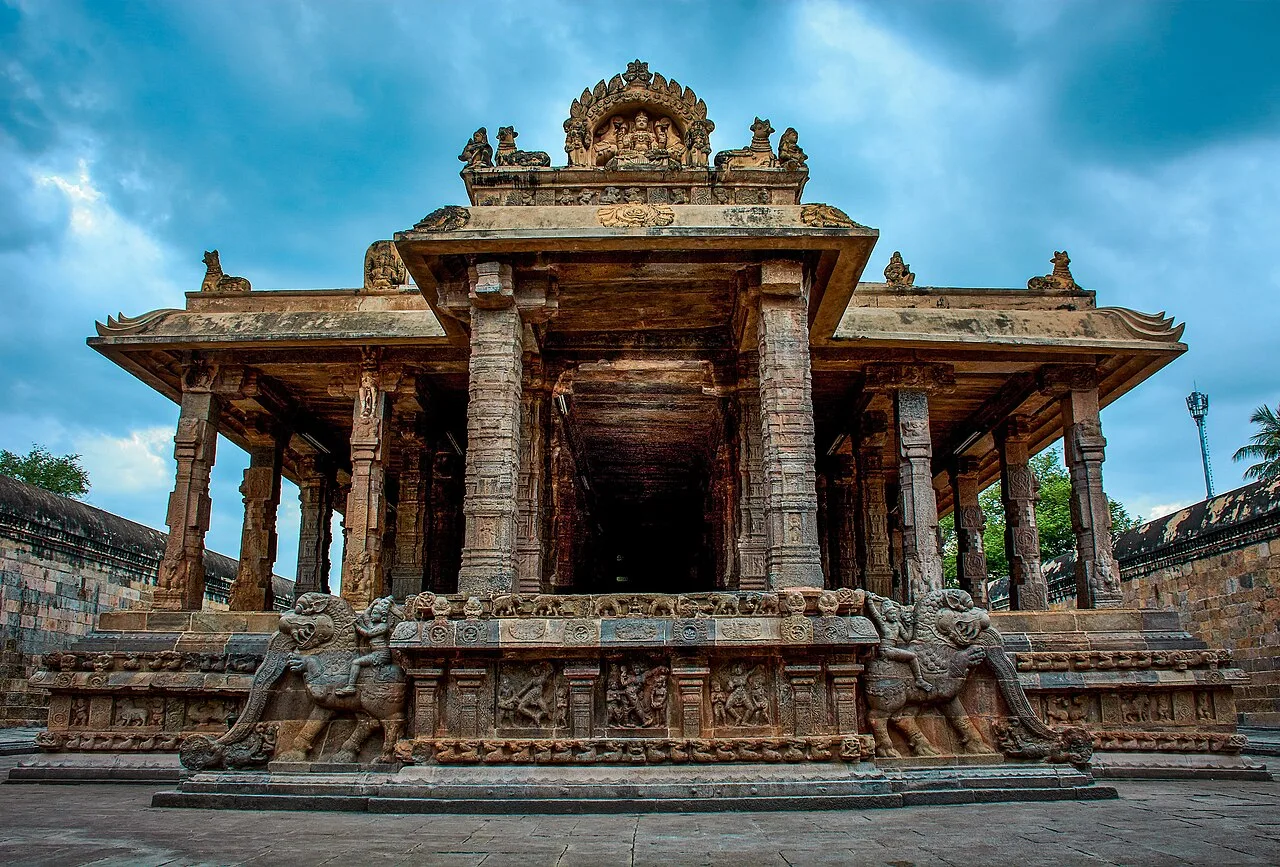
Airavatesvara Temple, Darasuram

37 km away · Thanjavur district

Airavatesvara Temple, Darasuram

A Chola-era Shiva temple in Darasuram, near Kumbakonam, Airavatesvara draws visitors for its architecture, sacred imagery and annual Magha observances.

Adi Kumbeswarar Temple

38 km away · Thanjavur district

Adi Kumbeswarar Temple

Visitors come to worship Shiva and Parvati and view a complex recognised for its Tevaram association, its four gopurams and a sculpted Vijayanagara-period hall.

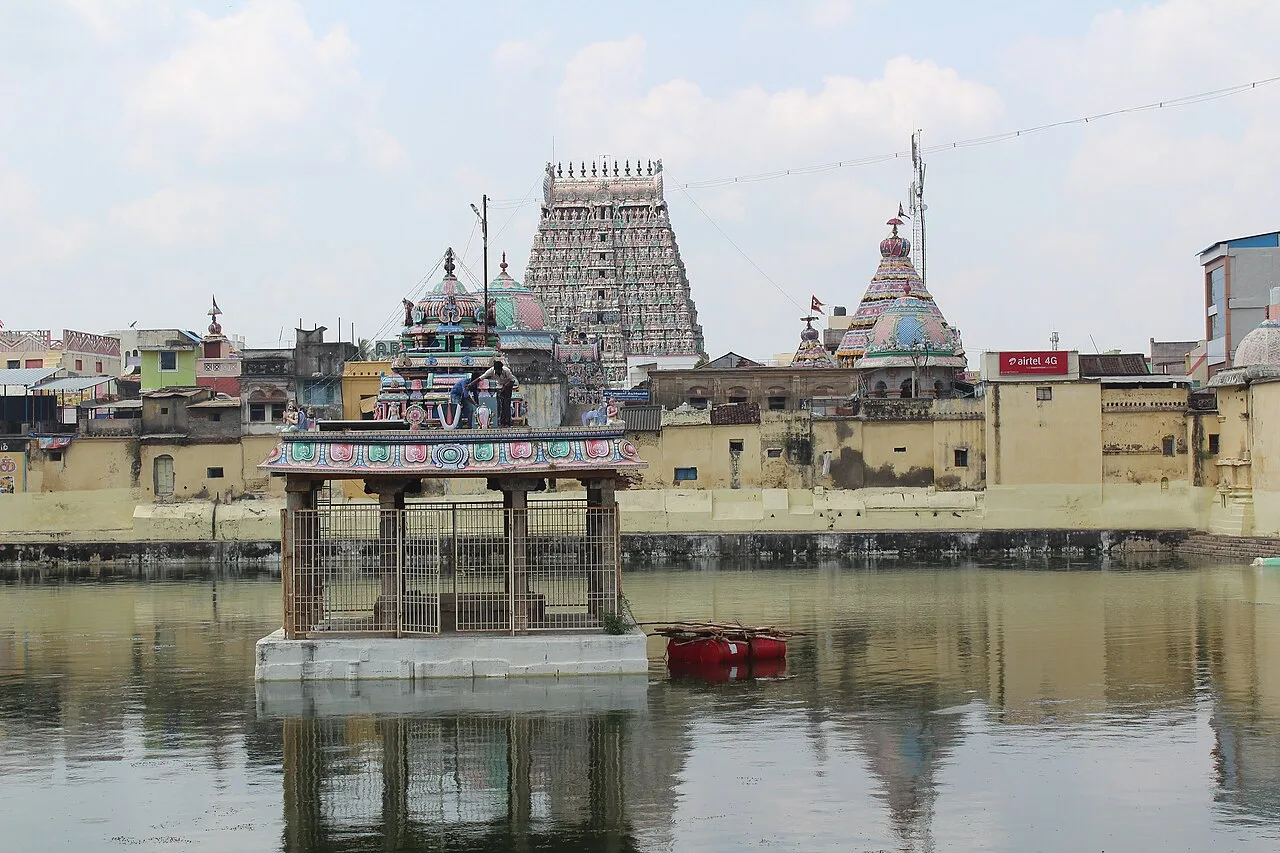
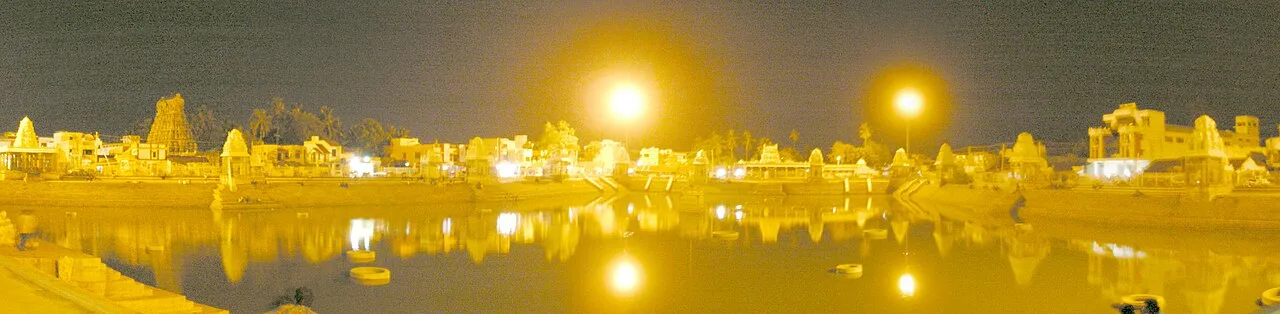
Mahamaham Tank, Kumbakonam

39 km away · Thanjavur district

Mahamaham Tank, Kumbakonam

Mahamaham Tank is a large temple reservoir in Kumbakonam, Tamil Nadu, visited for the Masimaham celebration and the Mahamaham festival, which occurs every twelve years.

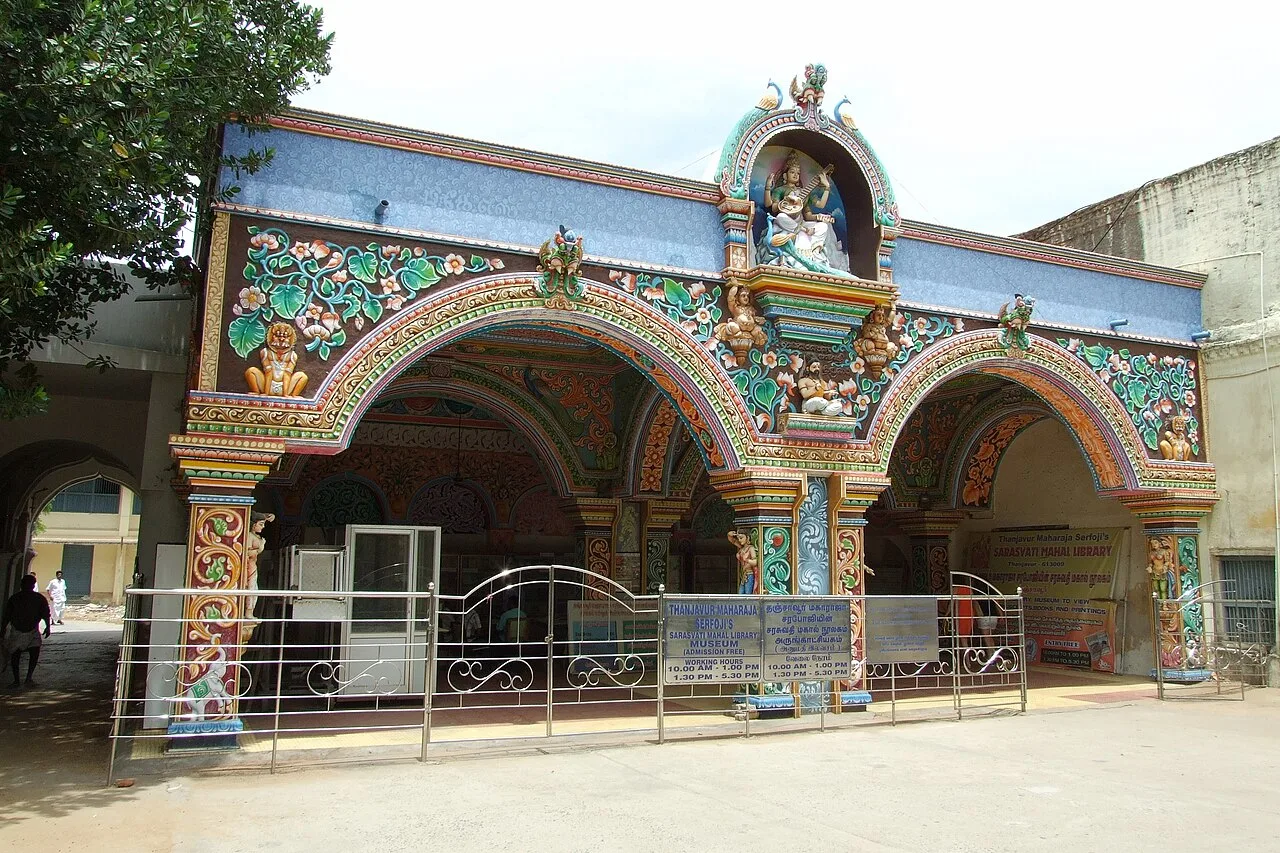
Saraswathi Mahal Library

39 km away · Thanjavur district

Saraswathi Mahal Library

Saraswathi Mahal Library is a historic collection in Thanjavur, Tamil Nadu, known for its extensive manuscripts and printed works in Tamil, Sanskrit and other Indian languages.

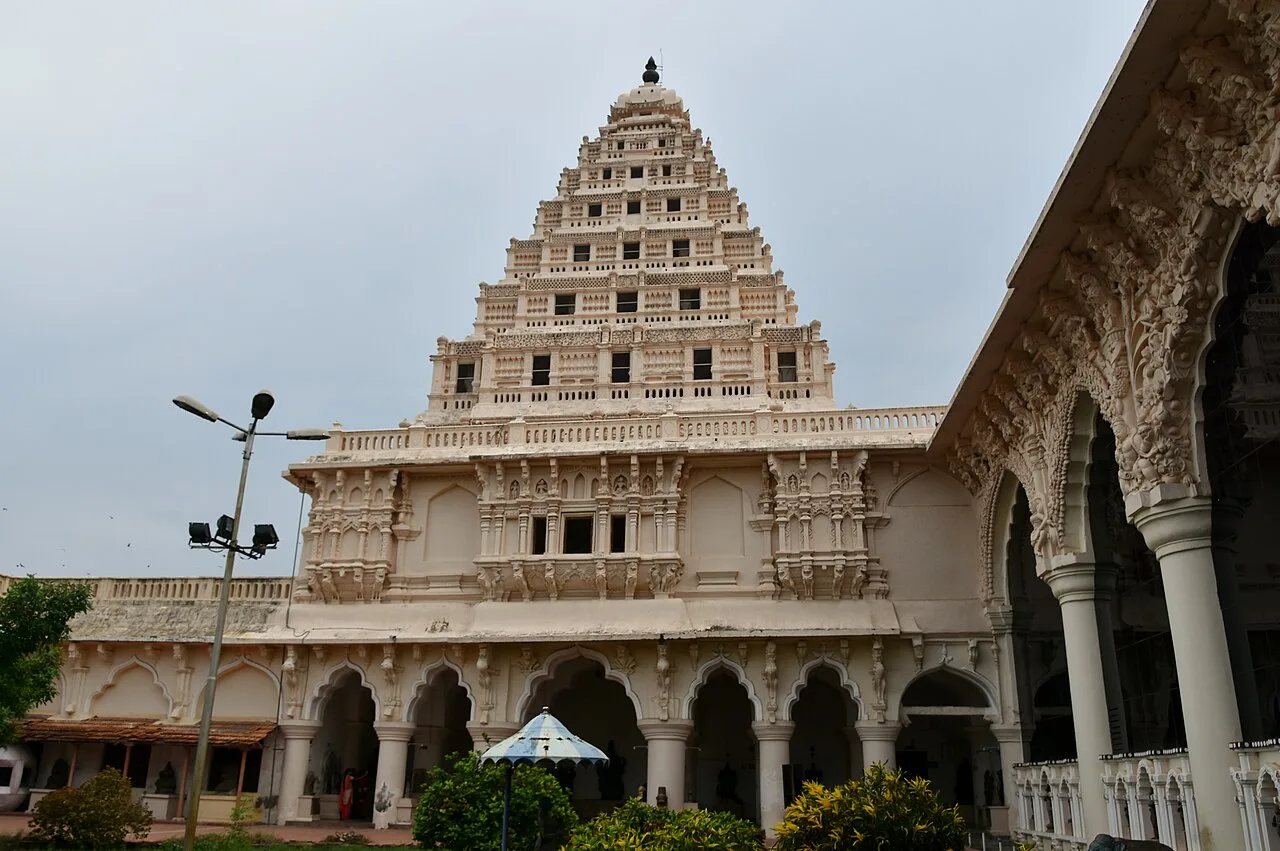
Thanjavur Palace

39 km away · Thanjavur district

Thanjavur Palace

Thanjavur Palace is a royal residence in Tamil Nadu, associated with the Bhonsle family and the kingdom’s earlier rulers. Visitors come to learn about its place in Thanjavur’s royal history.

Brihadisvara Temple

40 km away · Thanjavur district

Brihadisvara Temple

This major Shaivite temple in Thanjavur is a celebrated Chola-era monument, noted for its granite vimana, sculpture and place within the Great Living Chola Temples.

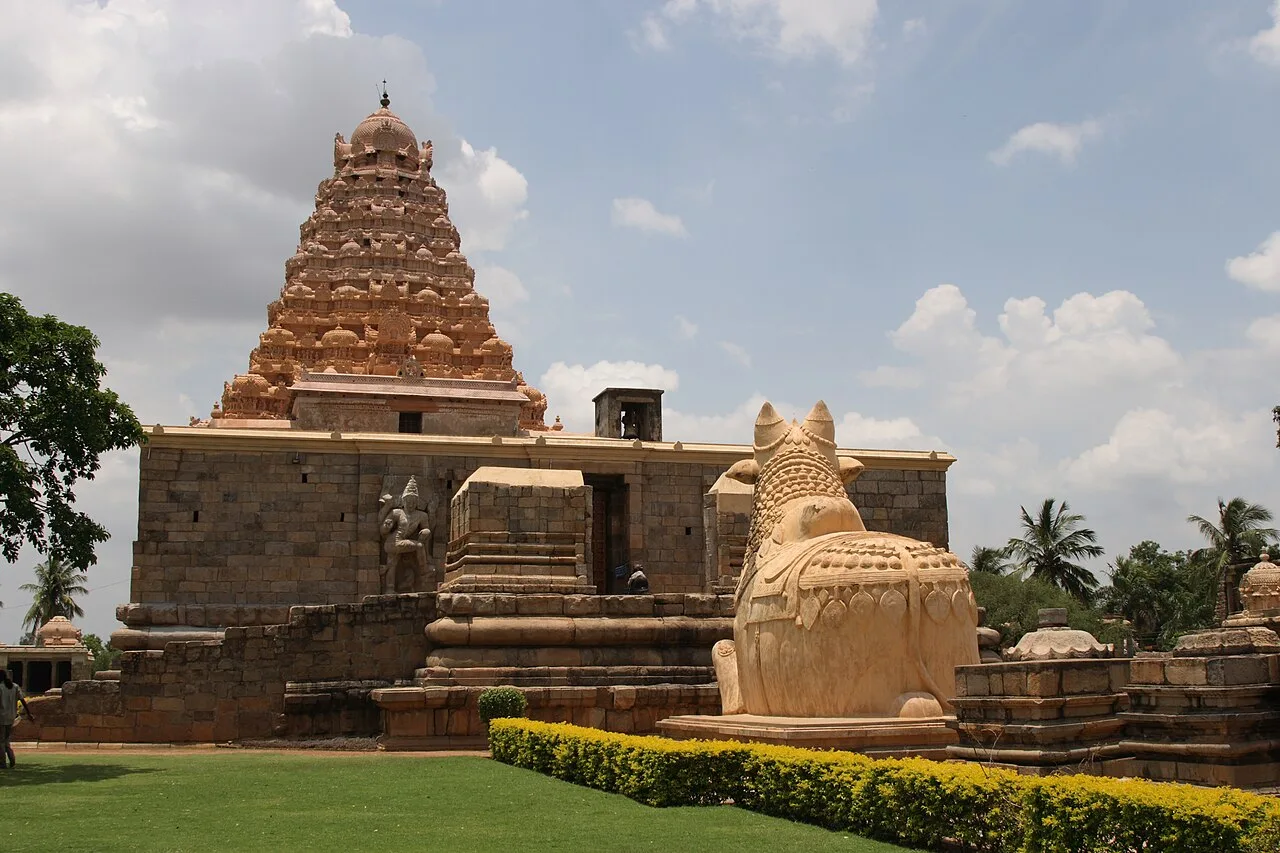
Gangaikonda Cholapuram Temple

41 km away · Ariyalur district

Gangaikonda Cholapuram Temple

Set in Ariyalur district, Gangaikonda Cholapuram is a former Chola capital known for its Brihadisvara Temple, whose scale, architecture and sculpture distinguish it and whose site has UNESCO World Heritage status.

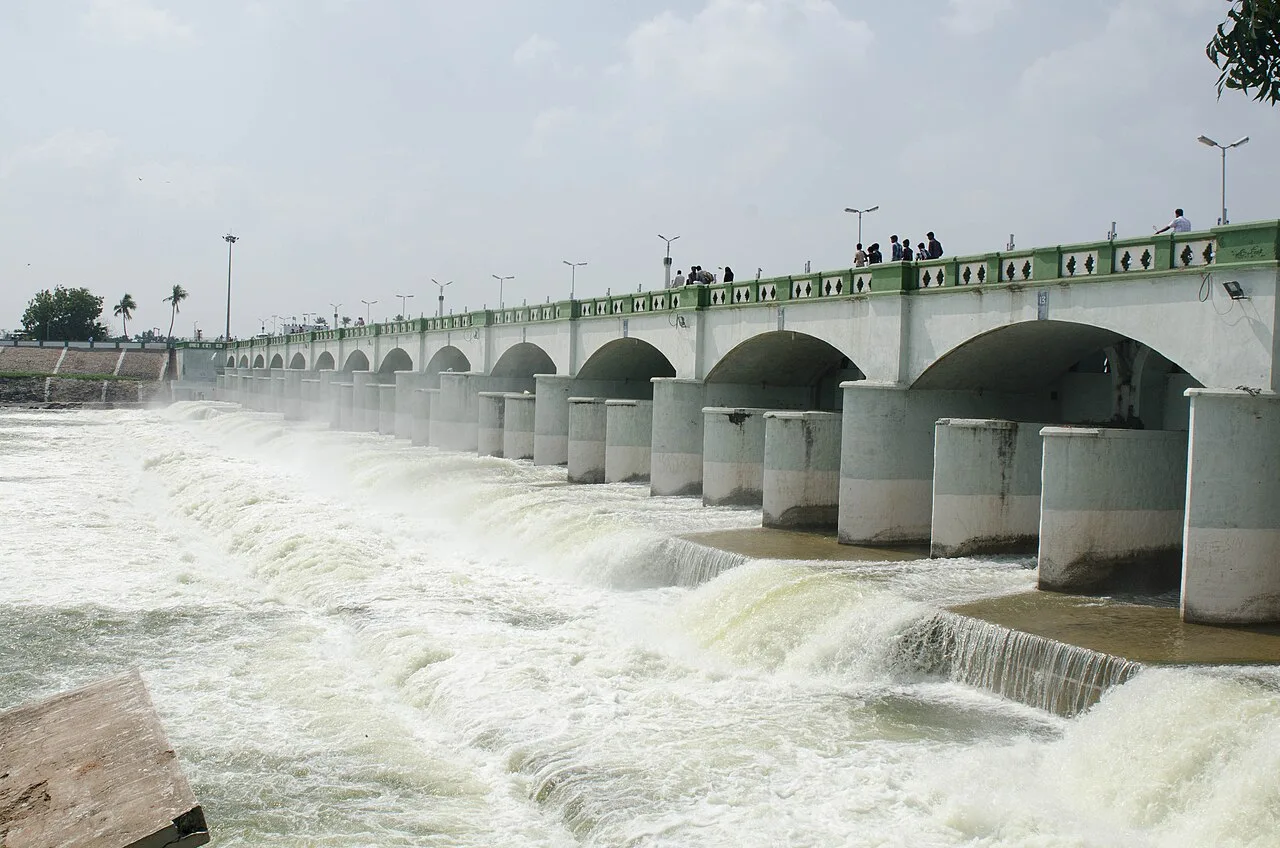
Kallanai (Grand Anicut)

44 km away · Tiruchirappalli district

Kallanai (Grand Anicut)

Kallanai, or the Grand Anicut, is a Chola-period dam across the Kaveri in Tamil Nadu. Visitors are drawn to its ancient water-management role and its distinction as a historic structure that remains operational.

Map

Ariyalur on the map

  1. 1Airavatesvara Temple, Darasuram
  2. 2Adi Kumbeswarar Temple
  3. 3Mahamaham Tank, Kumbakonam
  4. 4Saraswathi Mahal Library
  5. 5Thanjavur Palace
  6. 6Brihadisvara Temple
  7. 7Gangaikonda Cholapuram Temple
  8. 8Kallanai (Grand Anicut)

Tamil Nadu

Other cities to explore