Ghumoopedia — Explore, Discover, Experience
Sign in
Gingee Fort, near Auroville

City guide · Tamil Nadu

Auroville

Auroville is an experimental township near Puducherry, spread across parts of Tamil Nadu and the Union Territory of Puducherry. Conceived as a place where people of different nationalities could live and work together, it is known for its international community, environmental projects and distinctive approach to education and sustainable living.

Famous for

  • Matrimandir
  • International township
  • Handmade paper
  • Incense and natural products
  • Green Belt restoration

Why Auroville matters

Auroville is an experimental township near Puducherry, spread across parts of Tamil Nadu and the Union Territory of Puducherry. Conceived as a place where people of different nationalities could live and work together, it is known for its international community, environmental projects and distinctive approach to education and sustainable living. Its central landmark, the golden-domed Matrimandir, is a space for quiet concentration rather than a conventional place of worship.

Visitors come to see the Matrimandir from its designated viewing areas, explore the Visitors Centre, and learn about the township’s farms, workshops and reforestation work. Small enterprises make crafts and everyday goods, while cafés and cultural spaces reflect the community’s international character. Auroville also draws people interested in architecture, meditation, ecological practices and community life. It is not a typical historic city or resort: much of its appeal lies in encountering an ongoing experiment, set among villages and a landscape that has been gradually restored through tree planting and water conservation.
Famous for: crafts, trade & products

Auroville is better known for small-scale workshops and community enterprises than for a large traditional trade or textile market. Its products include handmade paper, incense, ceramics, clothing, natural personal-care goods and foods made by local units. These crafts and products reflect the township’s interest in sustainable materials and production; no single GI-tagged product defines Auroville. Visitors can browse a selection of local goods at the Visitors Centre boutiques, while individual workshops and outlets may offer particular products directly.

Auroville’s farms and food enterprises produce items such as organic ingredients, baked goods and preserves, which appear in local cafés and shops. The Visitors Centre is the most convenient starting point for finding locally made souvenirs and learning about producers. Some units welcome visitors or sell directly, but access varies, so check locally before making a special trip. Nearby Puducherry offers a wider range of retail shopping, including regional handicrafts and textiles, but these should not be confused with goods made within Auroville. The township’s identity rests more on its network of workshops and ecological initiatives than on wholesale markets or heavy industry.

History

Auroville was planned in the 1960s as a township inspired by the ideas of Sri Aurobindo and his spiritual collaborator, Mirra Alfassa, widely known as the Mother. The Sri Aurobindo Society in Puducherry endorsed the proposal in 1964. Architect Roger Anger developed the town plan, and Auroville was inaugurated in 1968, with delegates from many countries taking part. Its name combines the French words for dawn and town, and also recalls Sri Aurobindo.

Auroville grew on a dry plateau near Puducherry, amid Tamil villages and agricultural land. It has no history as a royal capital or colonial port; the nearby region, however, includes Puducherry’s French colonial heritage. After disputes over management, the Government of India intervened in 1980. The Auroville Foundation Act of 1988 established the Foundation and its governing structure. Since then, the township has continued to develop its residential areas, workshops and Green Belt, alongside efforts to acquire land and restore the local environment.

Food, festivals & culture

Auroville’s daily life brings together Tamil regional traditions and influences from its international community. Tamil and English are widely used, with French also heard; other languages reflect residents’ varied backgrounds. Food ranges from familiar South Indian fare—such as idli, dosa, rice and sambar—to vegetarian and international café cooking. Local cafés and food enterprises may serve produce grown on township farms, though menus and availability vary.

Pongal, the Tamil harvest festival, is celebrated in January, while Tamil New Year usually falls in April and Deepavali in October or November. Cultural events may include music, dance, talks and performances, but programmes change through the year. The Matrimandir is central to Auroville’s contemplative life, but it is not a temple and is intended for quiet concentration. In nearby Tamil villages, Hindu temples remain important places of worship and community gatherings. Auroville’s cultural life is consequently a mix of local customs, community initiatives and international exchange rather than a single formal tradition.

Visiting the city

The cooler months, roughly November to February, are generally the most comfortable for exploring; October to December can bring rain, and summers are hot. Puducherry Airport is the nearest airport, while Chennai International Airport offers a broader range of connections. Puducherry railway station is the main nearby station; Villupuram Junction is another useful rail gateway.

Auroville lies north of Puducherry and is easiest to explore by taxi, auto-rickshaw, rented scooter or bicycle, depending on distance and road conditions. Begin at the Visitors Centre for orientation and local information, then visit the Matrimandir viewing area according to current access arrangements. Kuilapalayam and the surrounding village roads offer a sense of everyday township life; farms, workshops and residential communities have differing visitor access. Puducherry makes a convenient base for combining Auroville with the coast and the city’s historic quarters.

Trips from the city

Nearest places to visit from Auroville

Our closest destination guides, by straight-line distance.

Gingee Fort

52 km away · Villupuram district

Gingee Fort

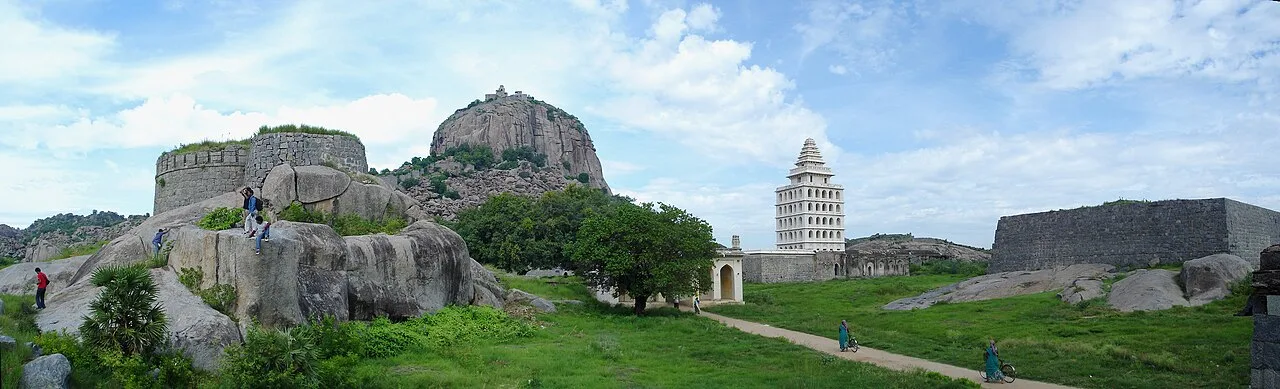
Gingee Fort, also called Senji Fort, is a historic hilltop complex in Tamil Nadu. Visitors come to see its citadels, defences and buildings, and learn about its changing rulers.

Vedanthangal Bird Sanctuary

61 km away · Chengalpattu district

Vedanthangal Bird Sanctuary

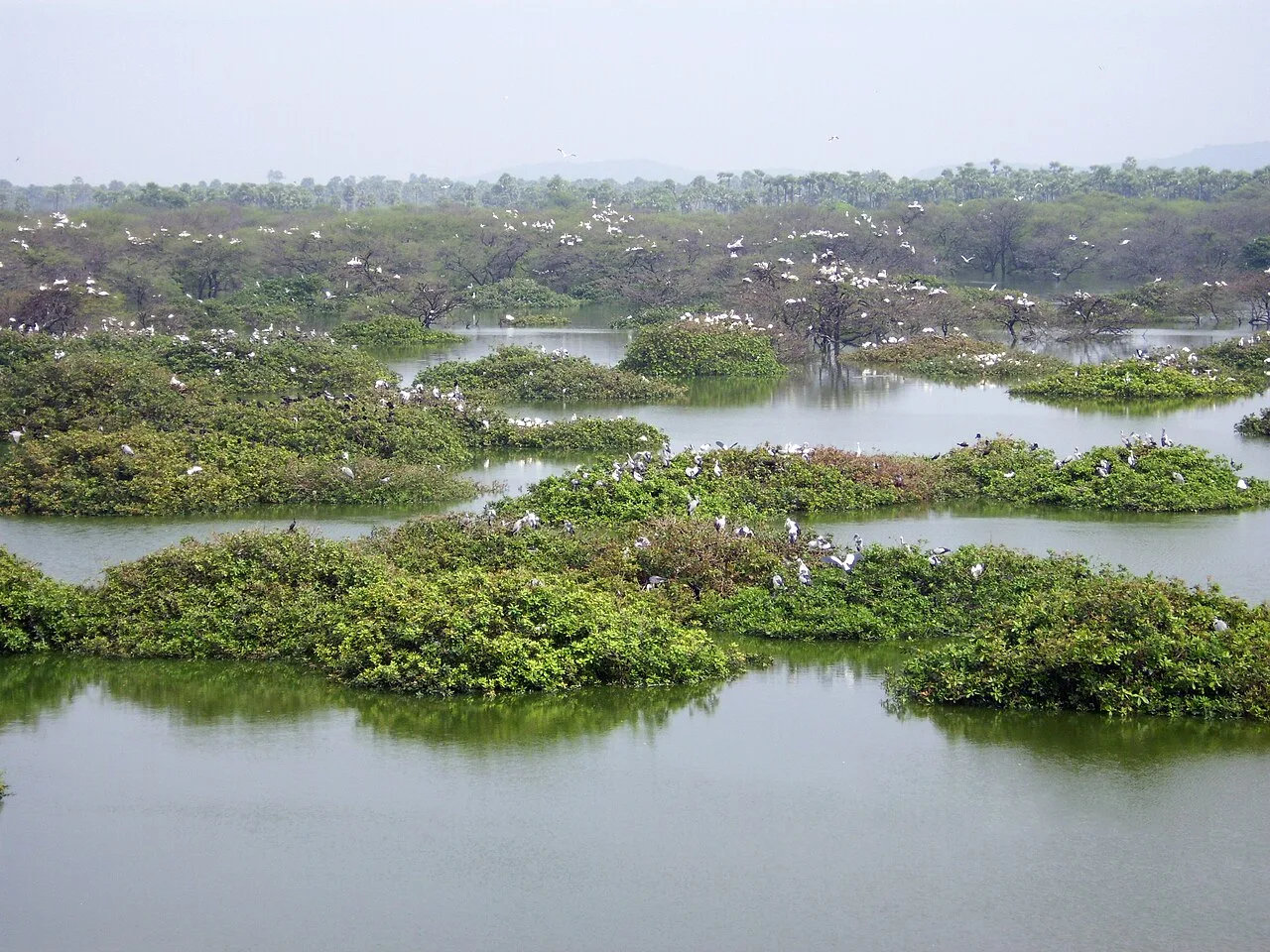
Vedanthangal Bird Sanctuary in Tamil Nadu is a long-established wildlife sanctuary and protected Ramsar site. Visitors come to see the many birds recorded there during the migratory season.

Pichavaram Mangrove Forest

63 km away · Cuddalore district

Pichavaram Mangrove Forest

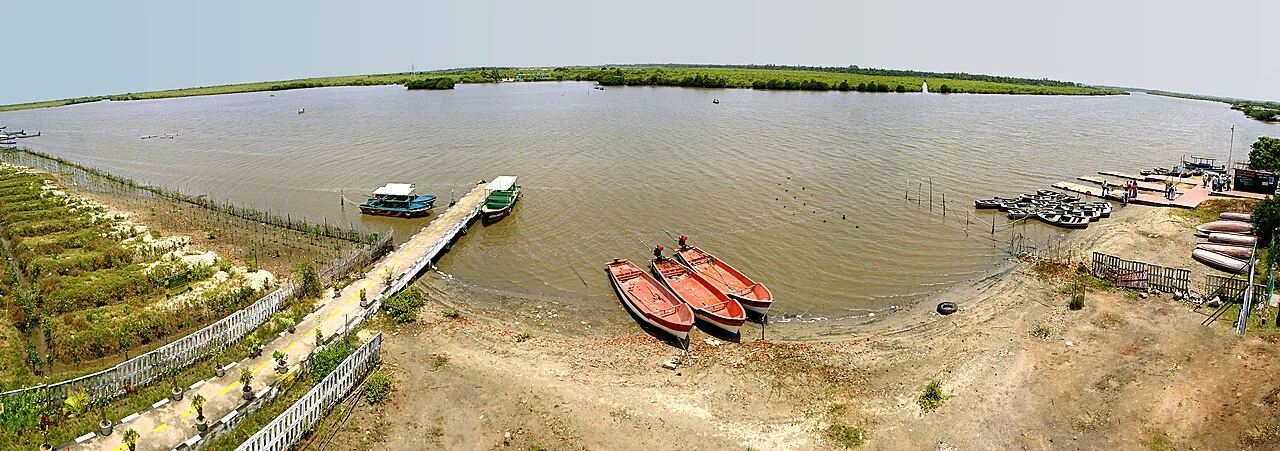
Pichavaram Mangrove Forest is a mangrove wetland in Cuddalore district, Tamil Nadu. Visitors come to see the forest and its setting among the Vellar and Coleroon estuaries.

Chidambaram Nataraja Temple

68 km away · Cuddalore district

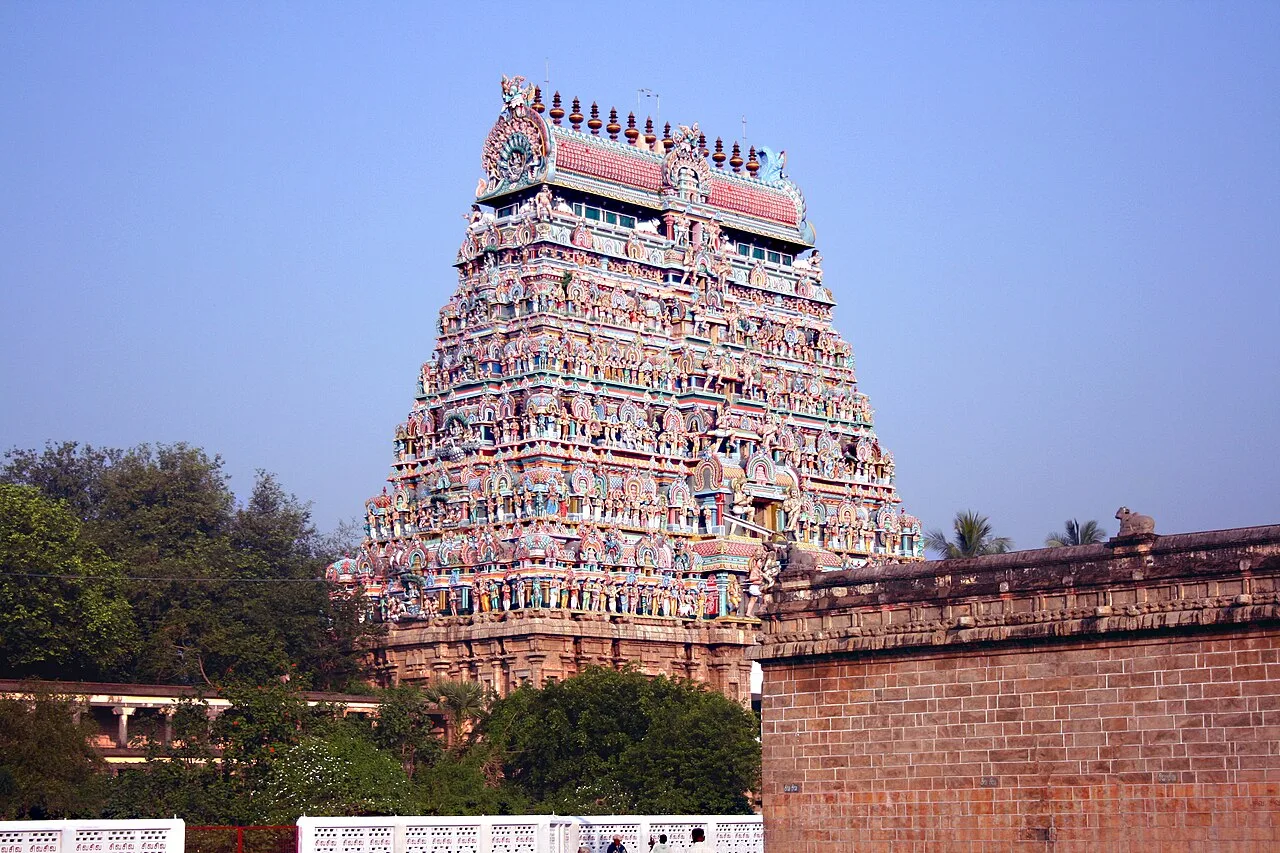
Chidambaram Nataraja Temple

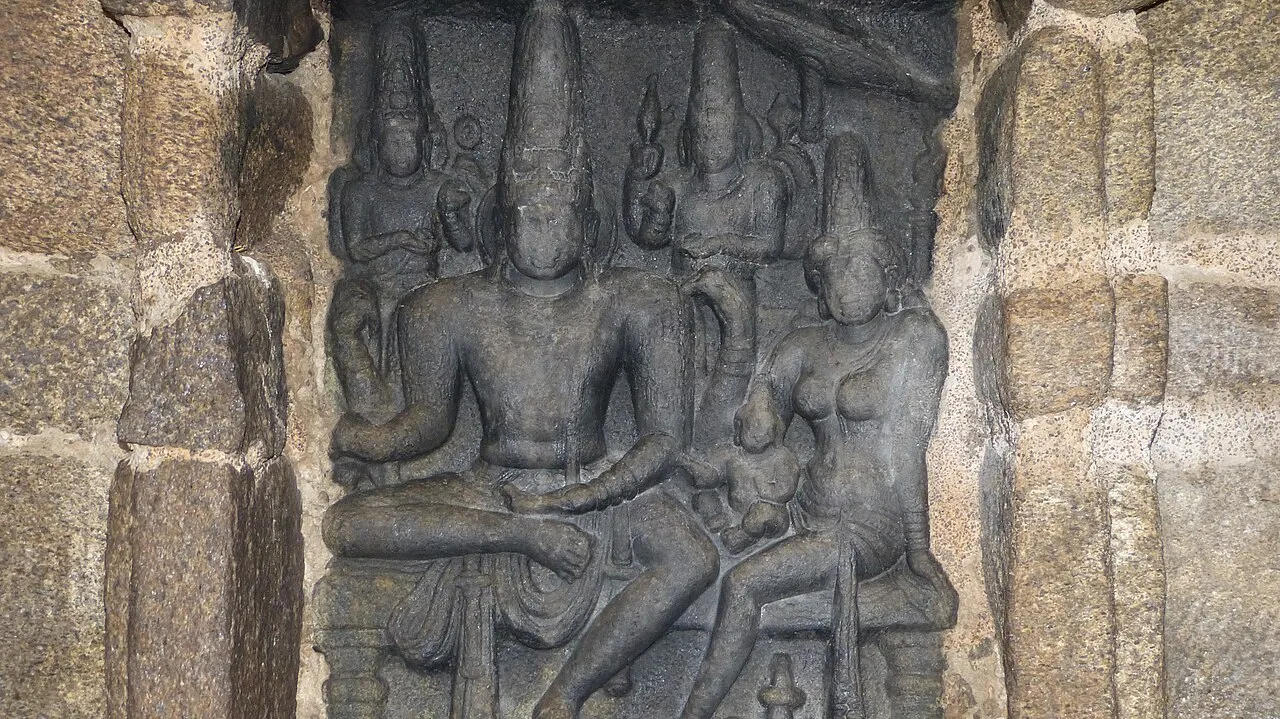
Chidambaram Nataraja Temple is a historic Shaivite shrine in Tamil Nadu, dedicated to Shiva as the cosmic dancer. Visitors come for its worship, dance imagery and distinctive architectural traditions.

Pancha Rathas

80 km away · Chengalpattu district

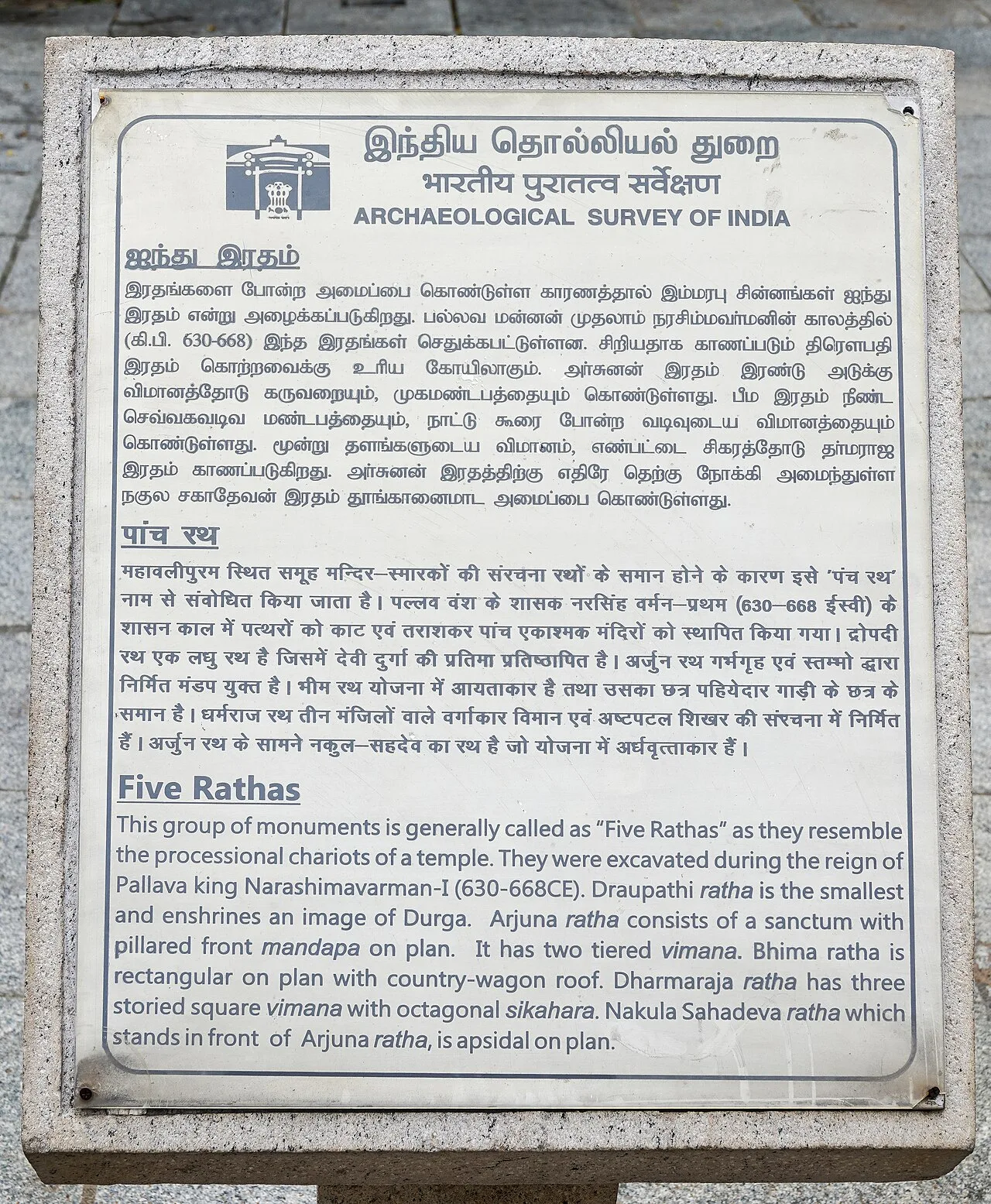
Pancha Rathas

Pancha Rathas is a group of five granite monuments at Mahabalipuram, valued for its rock-cut forms and links to the Mahabharata. Visitors come to see its distinctive architecture and named structures.

Arjuna's Penance (Descent of the Ganges)

81 km away · Chengalpattu district

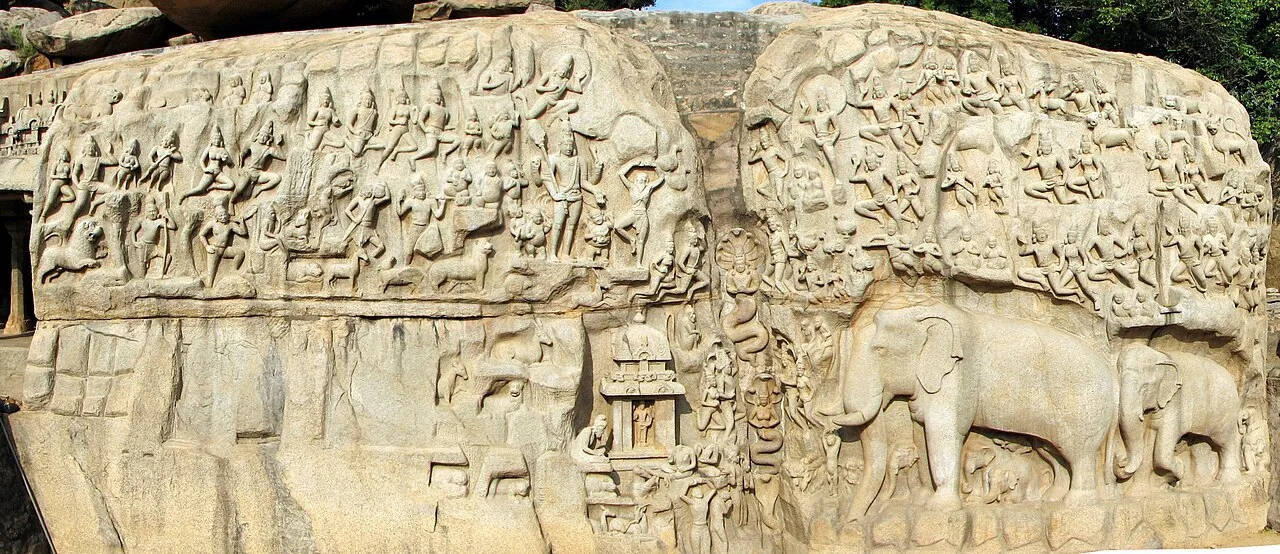
Arjuna's Penance (Descent of the Ganges)

Arjuna’s Penance at Mamallapuram is a large stone carving depicting the Ganges’ arrival on earth and Arjuna’s penance. Visitors come to view its mythological scenes and Pallava artistry.

Krishna's Butterball

81 km away · Chengalpattu district

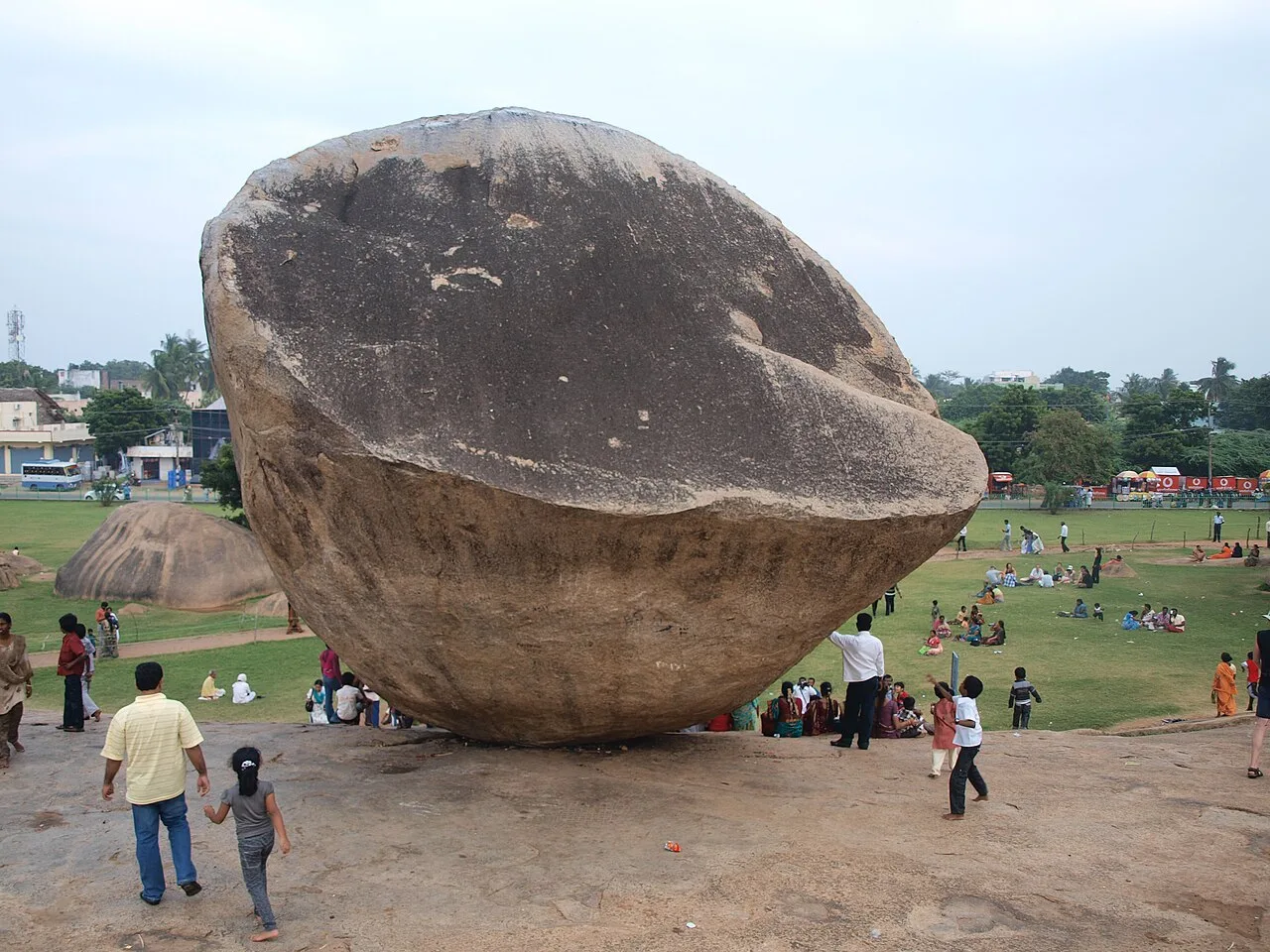
Krishna's Butterball

Krishna's Butterball is a huge granite balancing rock in Mamallapuram. Visitors come to see its striking position and its setting among the town’s Pallava-era monuments.

Shore Temple

81 km away · Chengalpattu district

Shore Temple

The Shore Temple is a granite temple complex on the Bay of Bengal at Mahabalipuram. Visitors come to see its shrines and its place within the town’s UNESCO World Heritage monument group.

Map

Auroville on the map

  1. 1Gingee Fort
  2. 2Vedanthangal Bird Sanctuary
  3. 3Pichavaram Mangrove Forest
  4. 4Chidambaram Nataraja Temple
  5. 5Pancha Rathas
  6. 6Arjuna's Penance (Descent of the Ganges)
  7. 7Krishna's Butterball
  8. 8Shore Temple

Tamil Nadu

Other cities to explore