Ghumoopedia — Explore, Discover, Experience
Sign in
Vedanthangal Bird Sanctuary, near Chengalpattu

City guide · Tamil Nadu

Chengalpattu

Chengalpattu is a district headquarters and an important commercial town in Tamil Nadu, about 56 kilometres southwest of Chennai. It lies on the busy corridor linking the state capital with southern Tamil Nadu, and its rail and road connections make it a practical stop and a gateway to the southern Chennai region.

Famous for

  • Kolavai Lake
  • Vijayanagara-era fort
  • Chengalpattu Medical College
  • Gateway to Chennai
  • Rice trade

Why Chengalpattu matters

Chengalpattu is a district headquarters and an important commercial town in Tamil Nadu, about 56 kilometres southwest of Chennai. It lies on the busy corridor linking the state capital with southern Tamil Nadu, and its rail and road connections make it a practical stop and a gateway to the southern Chennai region. The town is also part of the wider Chennai metropolitan area, close to expanding industrial and IT districts.

Visitors come for its historic fort, the waterside setting of Kolavai Lake and its role as a base for exploring the region. Chengalpattu’s strategic past is visible in its association with Vijayanagara rule and later colonial campaigns. Today, education and healthcare are prominent parts of local life, including Chengalpattu Medical College and other colleges. Its markets serve residents from the town and surrounding settlements, while nearby destinations such as the coast and historic sites around Mahabalipuram can be reached on regional excursions. The town’s name is traditionally linked to the red water lily, or chengazhuneer flower, associated with the area.
Famous for: crafts, trade & products

Chengalpattu has long served as a local trading centre, historically associated with rice, pottery and commerce for nearby settlements. Today, shops and markets in the town cater mainly to everyday needs, while the wider corridor has attracted industrial, logistics and IT activity. The town is also known regionally for its educational and healthcare institutions, including Chengalpattu Medical College. These institutions, along with the district administration, bring people here from surrounding areas.

Chengalpattu is not itself a major centre for a distinctive GI-tagged craft or textile. Kanchipuram silk sarees, a well-known GI-tagged product of Tamil Nadu, are associated with nearby Kanchipuram rather than Chengalpattu; visitors seeking them can shop in Kanchipuram’s specialist saree stores. Textile shops in Chengalpattu offer everyday clothing and fabrics, but buyers looking for a particular weave should check its origin with the seller. Pottery is part of the town’s recorded commercial history, though it should not be assumed that a dedicated traditional pottery market operates today. For locally made goods, browse the town’s general markets and ask traders about the maker and place of production.

History

Chengalpattu’s history reaches back to the early Chola period. Its name is commonly associated with the chengazhuneer flower, and its position near the Palar River and a large lake helped shape its settlement. In the sixteenth century, Vijayanagara rulers built a strategically placed fort, protected in part by marshy ground and the lake. After the Battle of Talikota in 1565, Chengalpattu became a capital for Vijayanagara rulers.

In 1639, a local governor granted coastal land to the English East India Company, where Fort St George and the city of Madras later developed. Chengalpattu itself changed hands during the eighteenth-century conflict between European powers and regional rulers. The French seized it in 1751; British forces retook it the following year. Its fort also served as a refuge during later campaigns, including the Mysore wars. By the nineteenth and early twentieth centuries, the town was a market centre linked to rice and pottery, with weaving and other trades in the surrounding district. Modern growth has followed improved transport links and Chennai’s outward expansion; Chengalpattu is now a district headquarters.

Food, festivals & culture

Tamil is the main language of daily life, and English is used in education, administration and many businesses. The food is typical of northern Tamil Nadu: rice meals, idli, dosa and other tiffin dishes are widely available, often accompanied by sambar, chutneys and filter coffee. There is no single signature dish for which Chengalpattu is especially known, so visitors can sample local cooking at ordinary eateries and bakeries rather than seek a designated food quarter.

Pongal, the January harvest festival, is widely celebrated, with kolam designs, family gatherings and seasonal foods. Tamil New Year in April, Deepavali in October or November, and Navaratri in September or October are also observed. Temple festivals take place at different times of year and may feature processions, devotional music and nadaswaram with thavil; dates vary by temple calendar. Temples, churches and mosques serve the town’s diverse communities. Classical and folk performance traditions are part of the broader Tamil cultural scene, though major concerts and dance programmes are more readily found in Chennai and other larger centres.

Visiting the city

The cooler, drier months from roughly November to February are generally the most comfortable for exploring; summers can be hot, and the northeast monsoon brings rain. Chennai International Airport is the nearest major airport. Chengalpattu Junction is the town’s main railway station, with connections along the Chennai–southern Tamil Nadu corridor.

Auto-rickshaws, taxis and local buses are useful for getting around; confirm the destination before setting out, particularly for places beyond the town centre. Explore the older town and the fort’s surroundings for a sense of Chengalpattu’s history, and visit Kolavai Lake for its open waterside landscape. The central commercial streets and areas along the main road are convenient for food and everyday shopping. Chengalpattu also works as a base for day trips toward Mahabalipuram and other destinations in the district, though travel times depend on traffic.

Trips from the city

Nearest places to visit from Chengalpattu

Our closest destination guides, by straight-line distance.

Vedanthangal Bird Sanctuary

21 km away · Chengalpattu district

Vedanthangal Bird Sanctuary

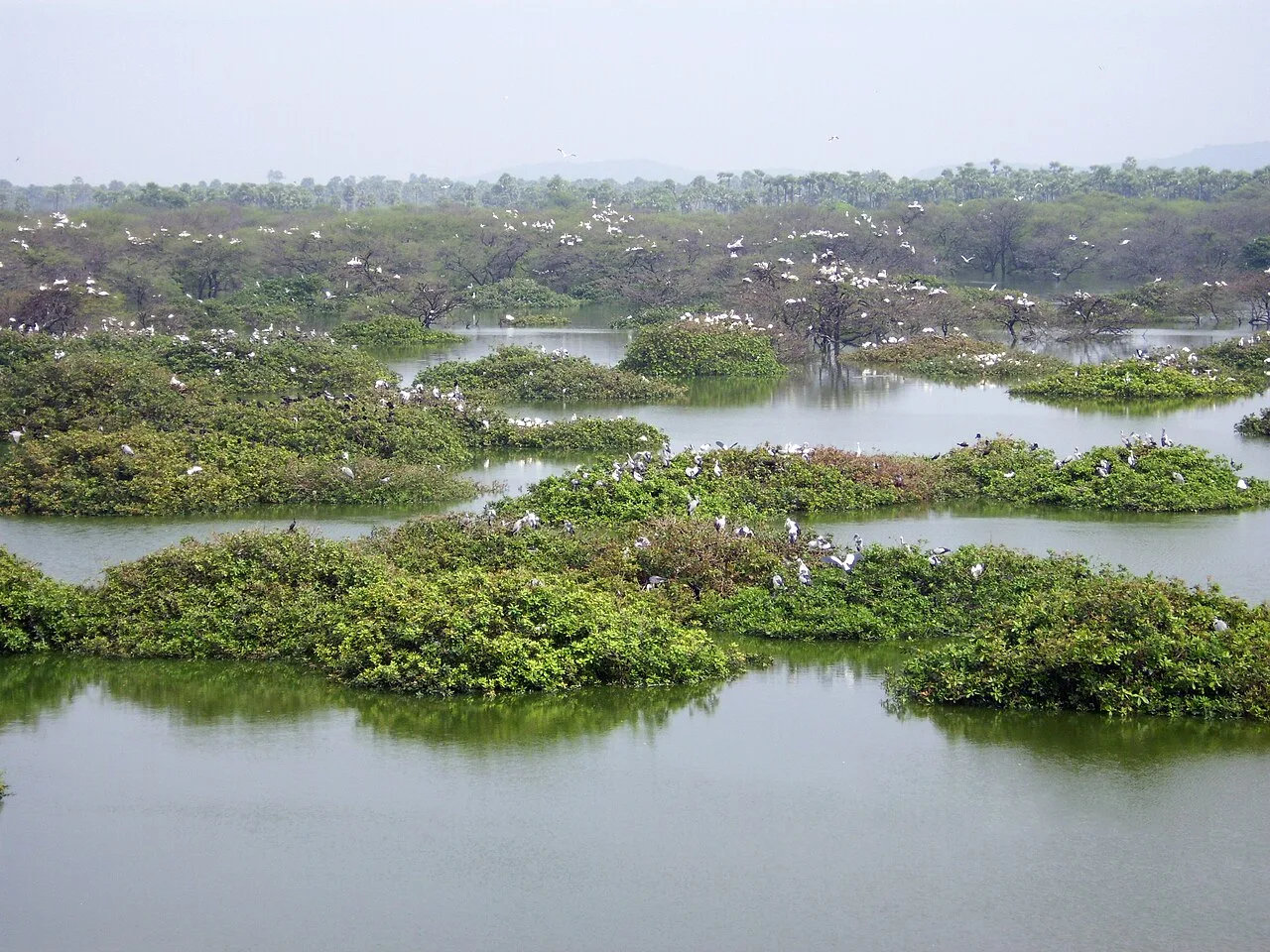
Vedanthangal Bird Sanctuary in Tamil Nadu is a long-established wildlife sanctuary and protected Ramsar site. Visitors come to see the many birds recorded there during the migratory season.

Vandalur Zoo (Arignar Anna Zoological Park)

24 km away · Chennai district

Vandalur Zoo (Arignar Anna Zoological Park)

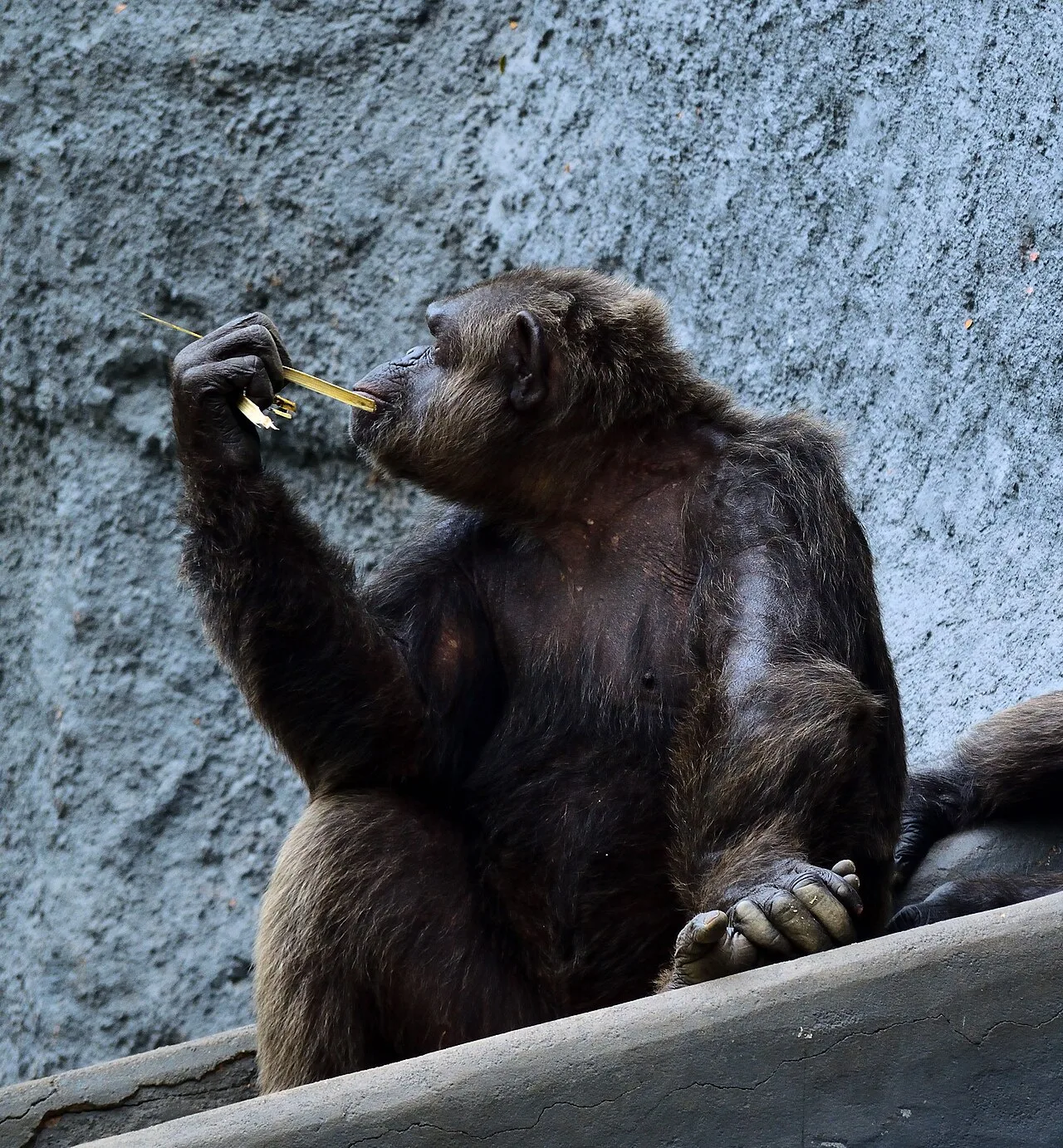
Arignar Anna Zoological Park, commonly called Vandalur Zoo, is a large zoological park in Chennai. Visitors come to see its varied animal exhibits, specialist habitats and wildlife safari.

Arjuna's Penance (Descent of the Ganges)

25 km away · Chengalpattu district

Arjuna's Penance (Descent of the Ganges)

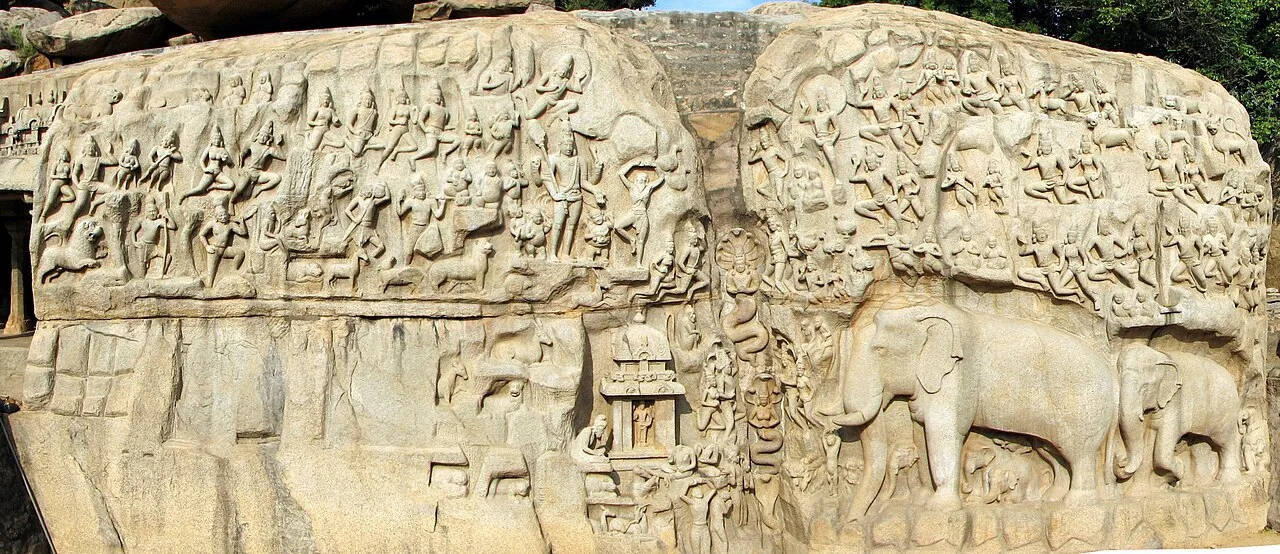
Arjuna’s Penance at Mamallapuram is a large stone carving depicting the Ganges’ arrival on earth and Arjuna’s penance. Visitors come to view its mythological scenes and Pallava artistry.

Krishna's Butterball

25 km away · Chengalpattu district

Krishna's Butterball

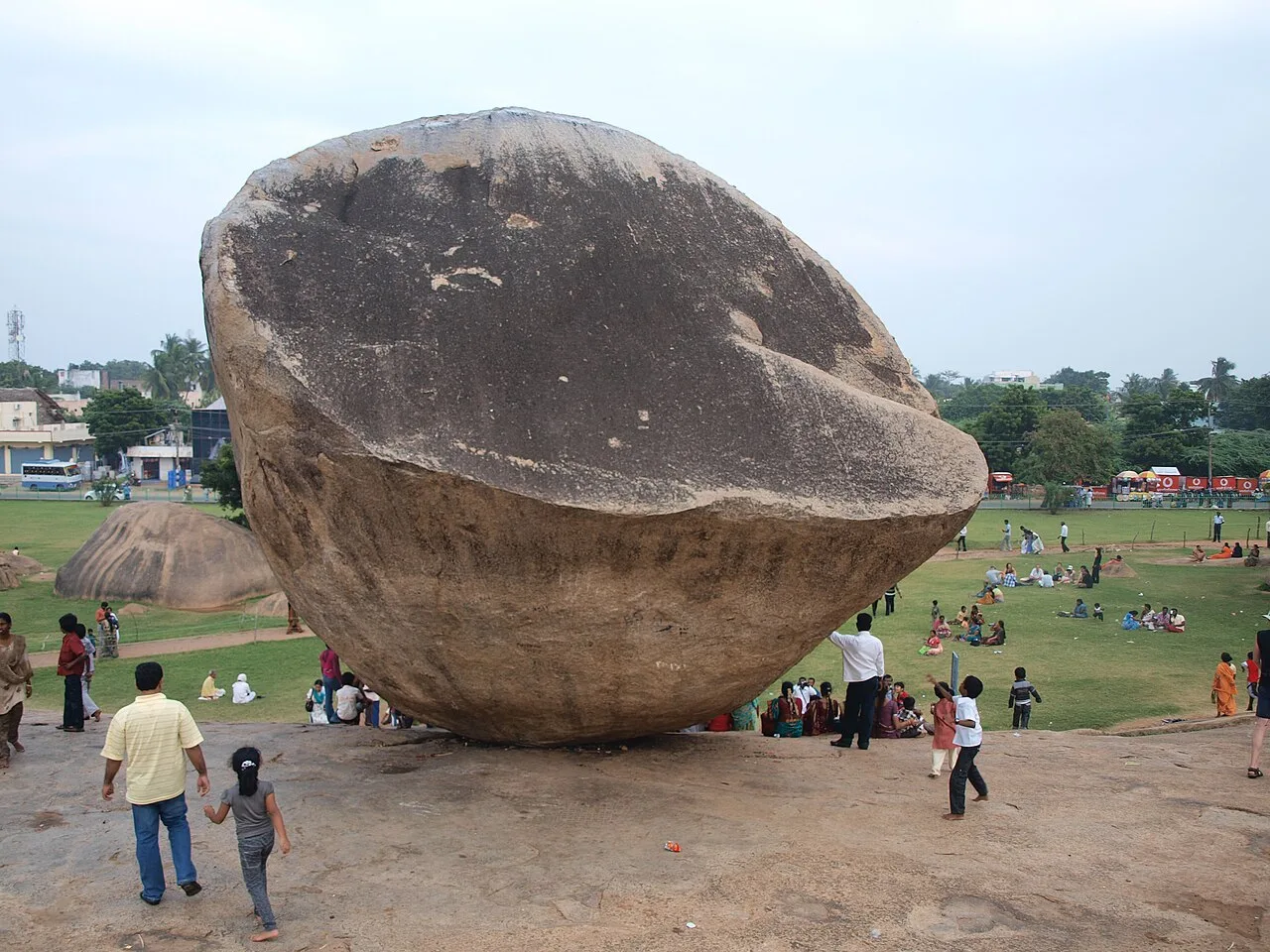
Krishna's Butterball is a huge granite balancing rock in Mamallapuram. Visitors come to see its striking position and its setting among the town’s Pallava-era monuments.

Pancha Rathas

25 km away · Chengalpattu district

Pancha Rathas

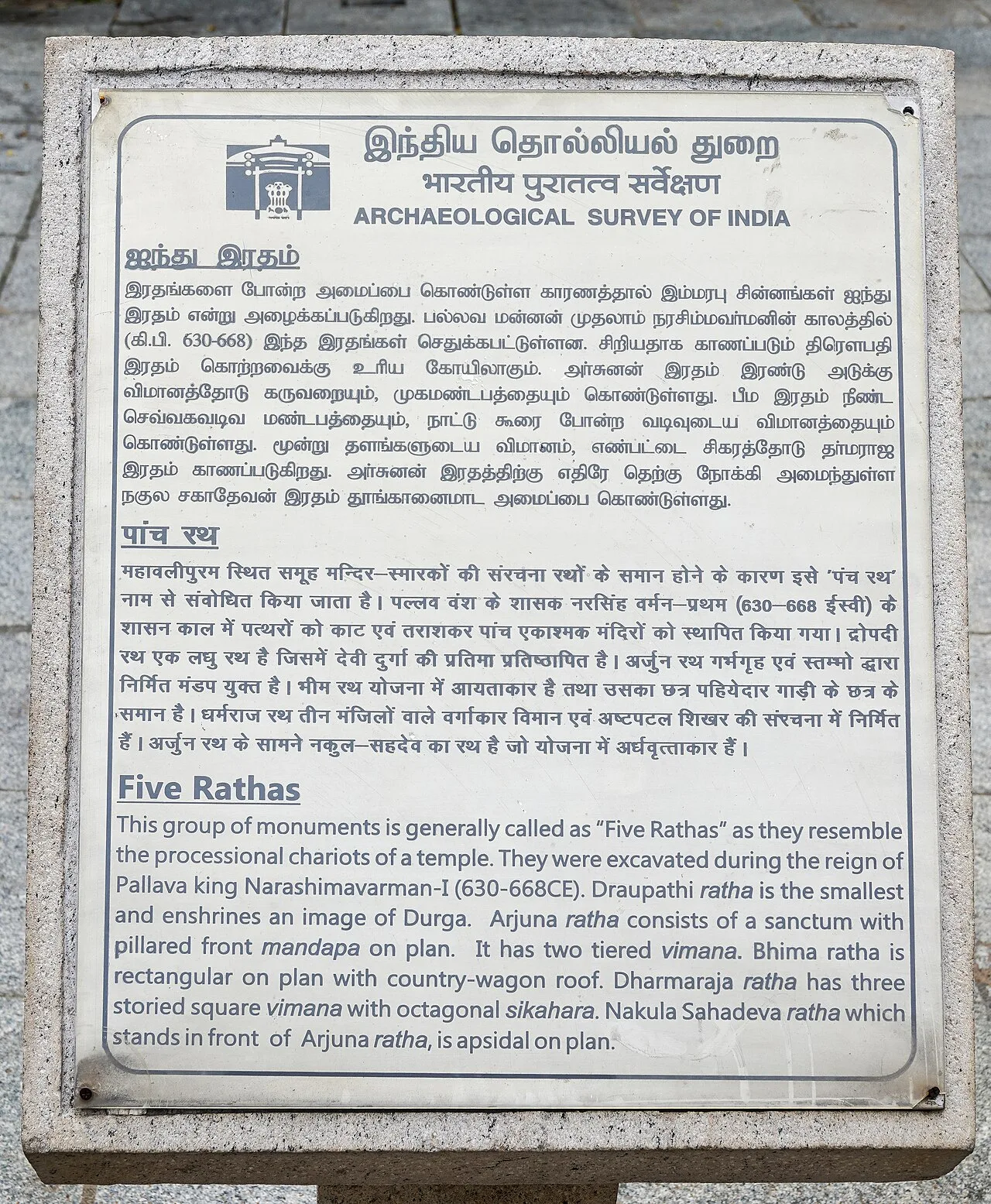
Pancha Rathas is a group of five granite monuments at Mahabalipuram, valued for its rock-cut forms and links to the Mahabharata. Visitors come to see its distinctive architecture and named structures.

Tiger Cave

25 km away · Chengalpattu district

Tiger Cave

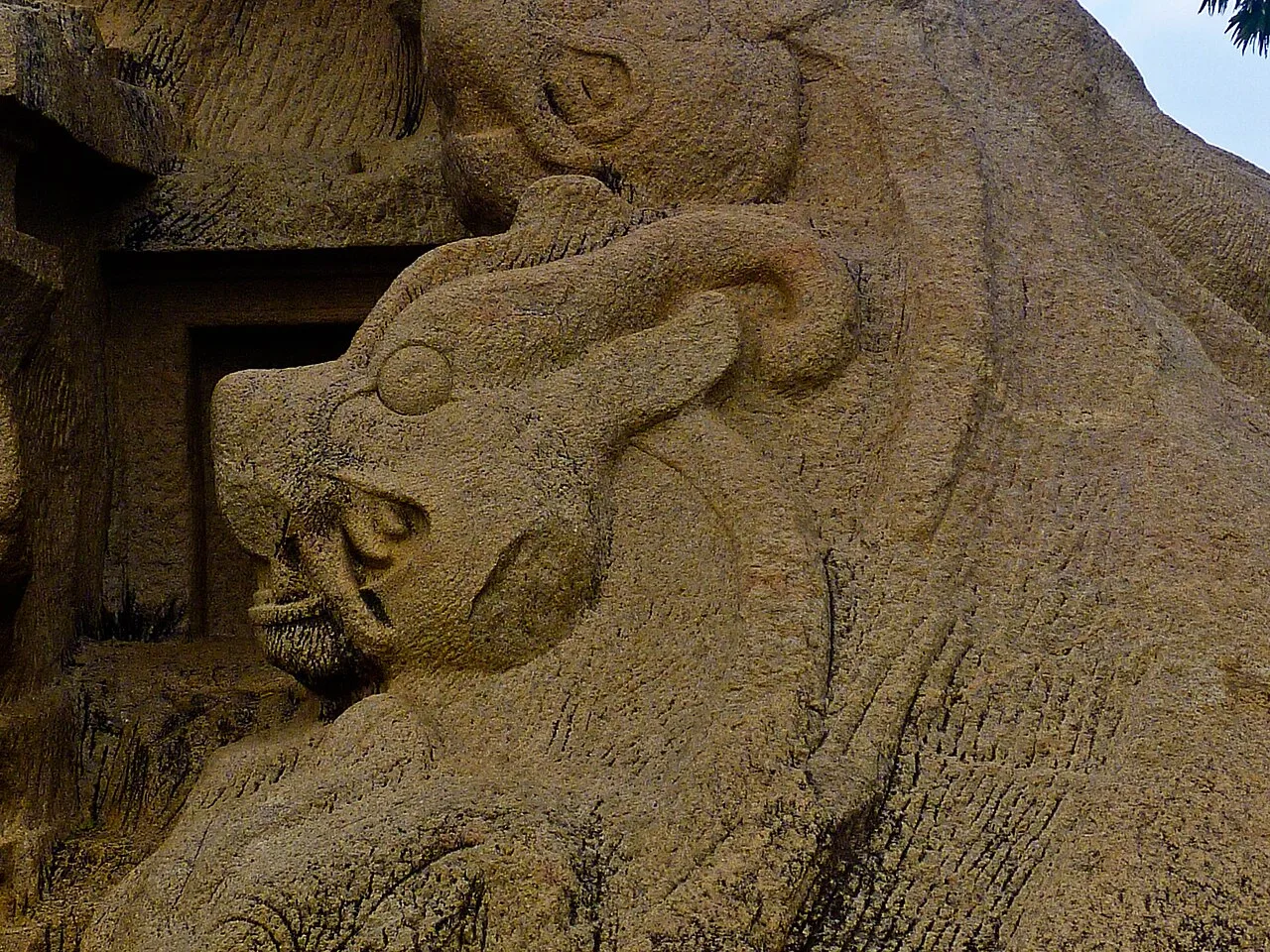
Yali Mandabam, also known as Tiger Cave, is a Pallava-period temple complex near Mahabalipuram in Tamil Nadu. Visitors come to see its carved tiger heads and its position on the Bay of Bengal coast.

Shore Temple

26 km away · Chengalpattu district

Shore Temple

The Shore Temple is a granite temple complex on the Bay of Bengal at Mahabalipuram. Visitors come to see its shrines and its place within the town’s UNESCO World Heritage monument group.

Madras Crocodile Bank

29 km away · Chengalpattu district

Madras Crocodile Bank

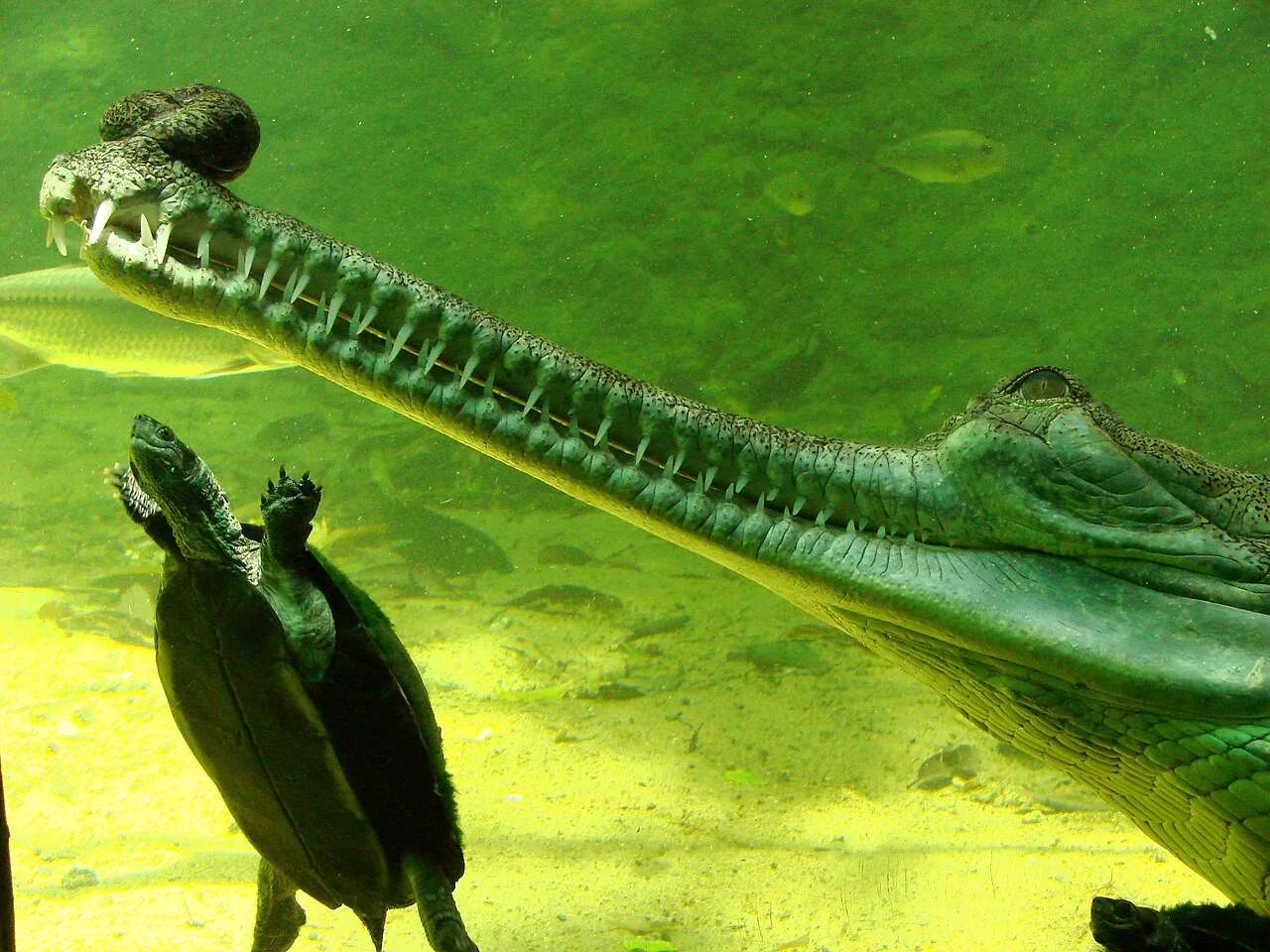
The Madras Crocodile Bank is a reptile zoo and herpetology research centre near Chennai. Visitors come to see crocodiles and other reptiles, while the institution supports breeding, research and conservation.

Map

Chengalpattu on the map

  1. 1Vedanthangal Bird Sanctuary
  2. 2Vandalur Zoo (Arignar Anna Zoological Park)
  3. 3Arjuna's Penance (Descent of the Ganges)
  4. 4Krishna's Butterball
  5. 5Pancha Rathas
  6. 6Tiger Cave
  7. 7Shore Temple
  8. 8Madras Crocodile Bank

Tamil Nadu

Other cities to explore