Ghumoopedia — Explore, Discover, Experience
Sign in
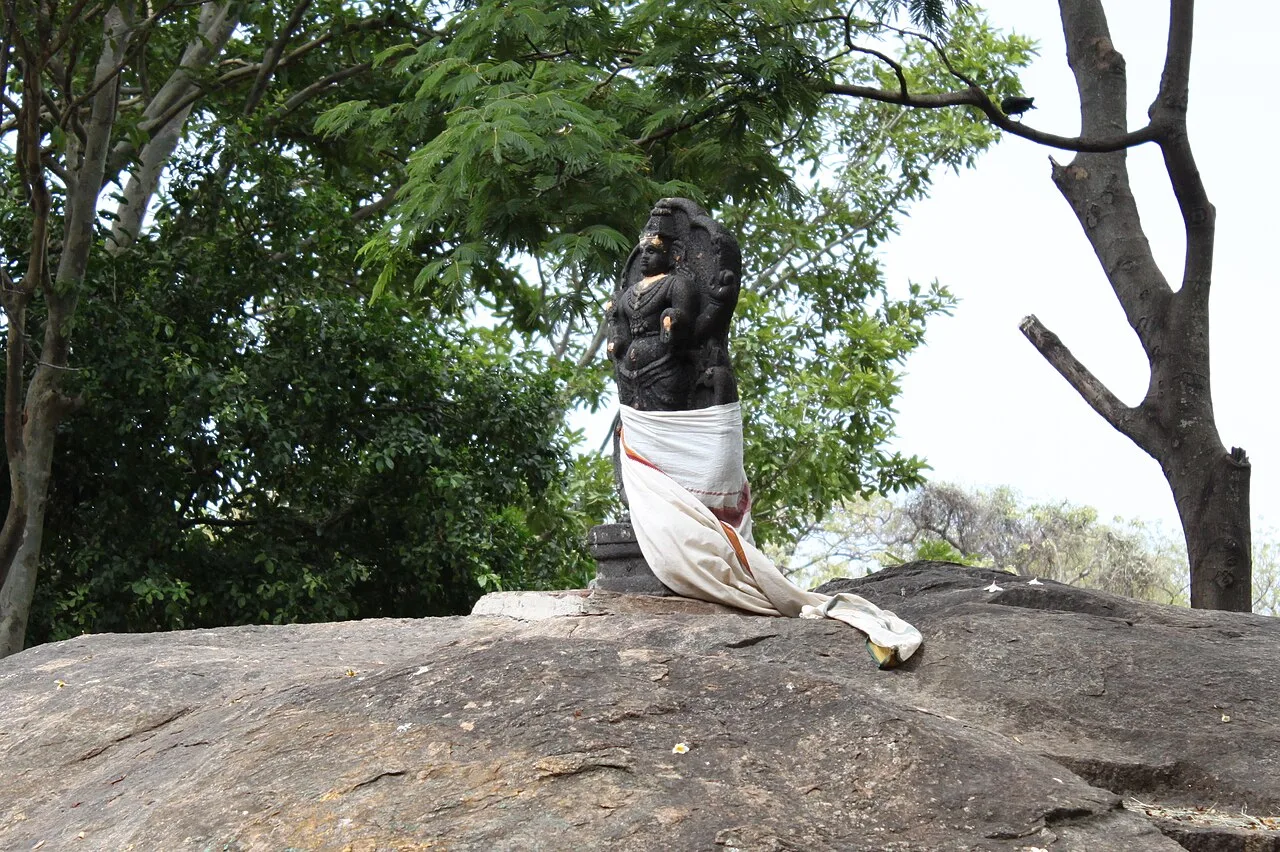
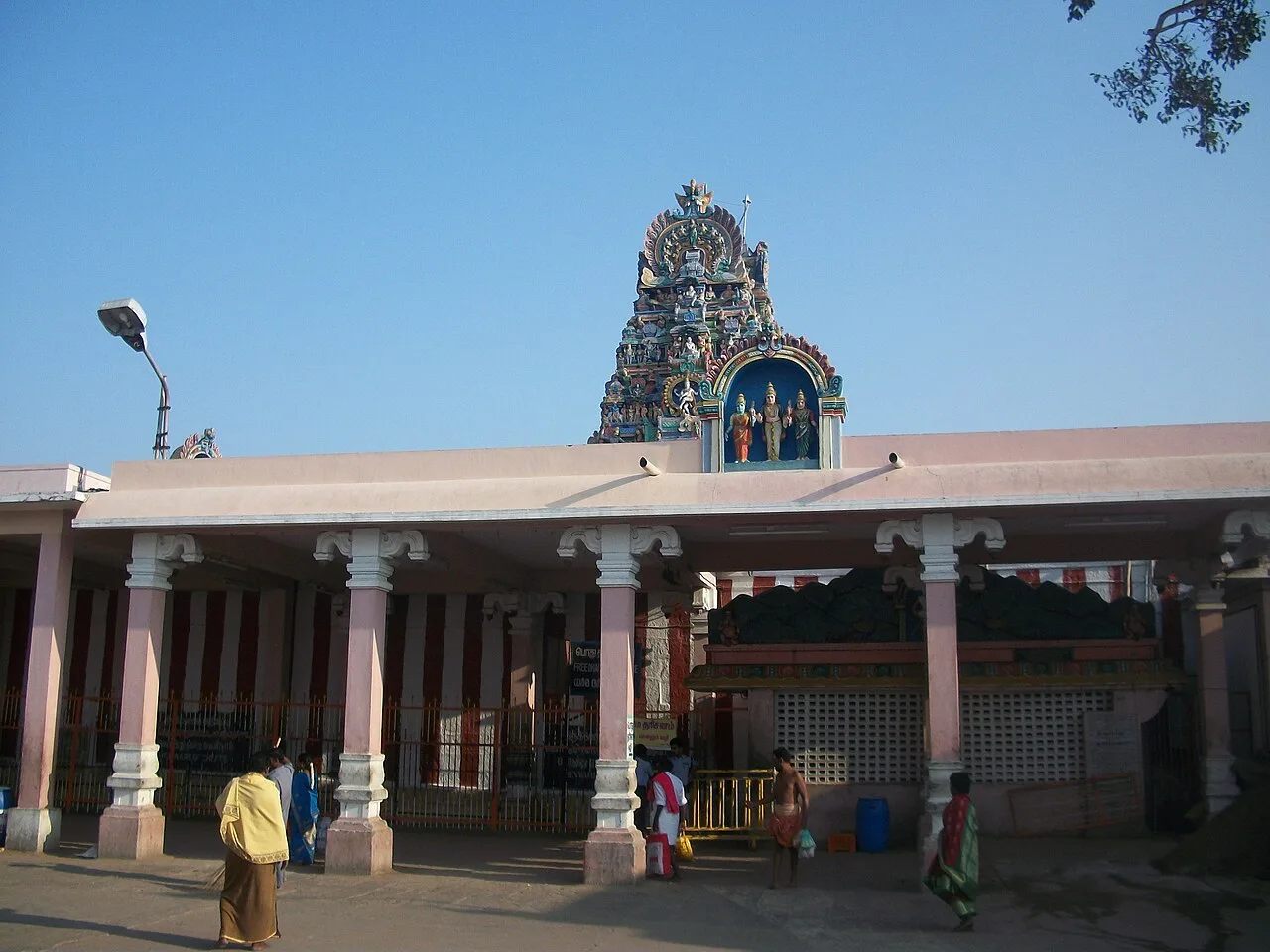
Palani Murugan Temple, near Chinnakkampalaiyam

City guide · Tamil Nadu

Chinnakkampalaiyam

Chinnakkampalaiyam is a small settlement in Tamil Nadu’s Kongu region, where everyday life is closely connected to nearby market towns and the surrounding countryside. It is not a major urban or visitor centre, and it is best understood as part of the rural landscape of western Tamil Nadu rather than as a destination with a large roster of formal attractions.

Famous for

  • Kongu-region village life
  • Agricultural surroundings
  • Tamil village festivals
  • Dharapuram-area countryside

Why Chinnakkampalaiyam matters

Chinnakkampalaiyam is a small settlement in Tamil Nadu’s Kongu region, where everyday life is closely connected to nearby market towns and the surrounding countryside. It is not a major urban or visitor centre, and it is best understood as part of the rural landscape of western Tamil Nadu rather than as a destination with a large roster of formal attractions.

Visitors may find interest in the area’s local temples, village streets and working agricultural landscape. The settlement also offers a quieter contrast to the busier towns of the region. Dharapuram and other nearby centres provide access to shops, services and regional transport, while larger towns connect travellers to the Kongu region’s textile and trading centres. Chinnakkampalaiyam’s importance is primarily local: it serves its residents and nearby villages, and reflects the language, customs and rhythms of rural Tamil Nadu. Travellers planning a visit should treat it as a place to experience local life, not as a destination with extensive tourist facilities.

Famous for: crafts, trade & products

Chinnakkampalaiyam is not widely known as a centre for a particular textile, handicraft, GI-tagged product or large industry. Its economy is more closely associated with the needs of a rural settlement and its surrounding area. Farming and local commerce shape daily activity, while residents commonly rely on nearby towns for a wider choice of goods and services. The exact mix of crops and livelihoods can vary between villages and seasons.

For textiles, established shops and larger markets, visitors can look to regional centres such as Tiruppur and Erode rather than expect a specialist shopping district in Chinnakkampalaiyam itself. Those towns are associated with textile production and trade, while Erode is also known for turmeric commerce. These are regional connections, not products that should be assumed to originate in the settlement. Everyday provisions and locally traded farm goods are best sought through shops and markets in Chinnakkampalaiyam and nearby town centres.

History

Chinnakkampalaiyam’s history is best viewed within the broader story of the Kongu region, rather than through a separately documented royal or colonial centre. The area has long been shaped by farming settlements, local temples and links between villages and market towns. Across different periods, Kongu Nadu came under the influence of South Indian powers, including the Cholas and Pandyas, as well as later regional rulers. These wider changes affected the region, but a detailed political chronology for Chinnakkampalaiyam itself is not widely recorded.

During British rule, administration, roads and commercial links were reorganised across the western Tamil countryside. In the modern period, improved road transport and access to nearby towns have connected rural settlements with education, healthcare, markets and employment across the region. The growth of textile and manufacturing centres elsewhere in the Kongu belt has also broadened work and trade connections. Chinnakkampalaiyam has retained a mainly local character, developing as part of this network rather than as a major industrial or administrative city.

Food, festivals & culture

Tamil is the principal language of daily life, and local customs reflect the wider Kongu region. Pongal, usually celebrated in January, is an important harvest festival, with household observances and community gatherings. Deepavali and Tamil New Year are also widely observed. Village temple festivals, often centred on local guardian or Mariamman worship, may bring processions, music and shared meals; their timing and form differ from one community to another.

Food is broadly characteristic of Tamil Nadu, with rice, lentils, vegetables and familiar tiffin dishes such as idli and dosa. Kongu-style meals and snacks are found across the region, though recipes vary between households. Tea shops and small eateries in nearby towns are more likely than the settlement itself to offer a broad choice of prepared food. Religious life is expressed through local Hindu temples and family observances; worship practices are part of community life rather than a large-scale visitor programme. Tamil devotional singing and film music are common parts of celebrations, while performances and folk arts may feature at festival gatherings.

Visiting the city

The cooler months from roughly November to February are generally more comfortable for exploring western Tamil Nadu. Summers can be hot, so outdoor visits are easier early or late in the day. Coimbatore International Airport is the main air gateway commonly used for the region. For rail travel, Tiruppur Junction and Erode Junction are useful regional stations; the best choice depends on the road route to the settlement.

Local travel is usually by road, using buses, taxis or auto-rickshaws where available. Chinnakkampalaiyam is a modest settlement rather than a sightseeing hub, so visitors should arrange onward transport and accommodation through a larger nearby town. Explore the village centre and local temple surroundings respectfully, and use nearby market towns for dining, shopping and services. Carrying a map and confirming local transport arrangements before setting out can make a rural visit easier.

Trips from the city

Nearest places to visit from Chinnakkampalaiyam

Our closest destination guides, by straight-line distance.

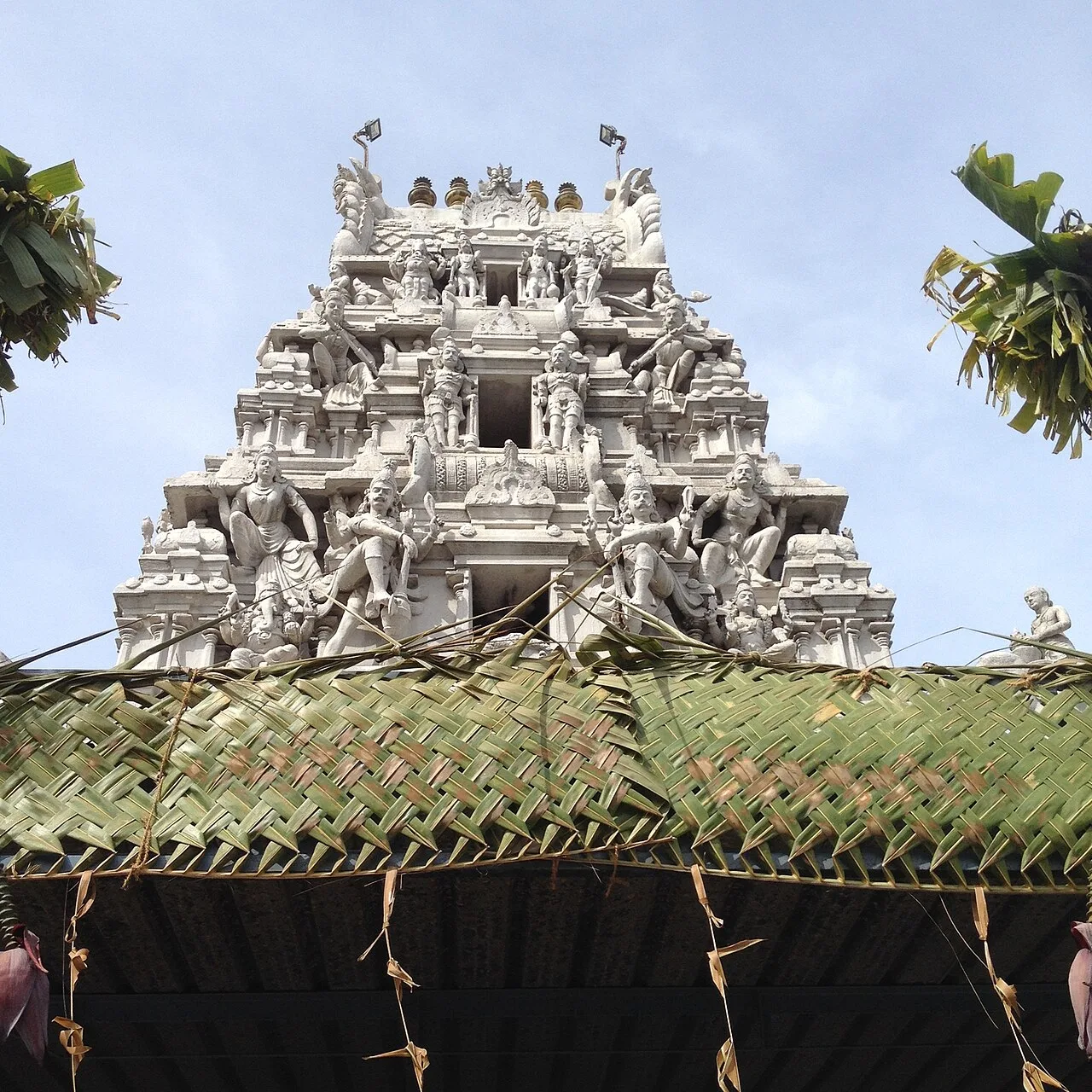
Palani Murugan Temple

31 km away · Dindigul district

Palani Murugan Temple

Palani Murugan Temple is a Murugan shrine on a hill at Palani in Tamil Nadu. Pilgrims come to worship, observe temple festivals and take part in customs including tonsuring and carrying kavadi.

Bryant Park

53 km away · Dindigul district

Bryant Park

Bryant Park is beside Kodaikanal Lake in Tamil Nadu. Visitors to the area come for boating on the lake and its summer boat pageants and flower shows.

Kodaikanal Lake

53 km away · Dindigul district

Kodaikanal Lake

Set within Kodaikanal in Tamil Nadu’s Dindigul district, this artificial lake is a central feature of the hill town. Visitors come for boating and seasonal events beside the water.

Guna Caves (Devil's Kitchen)

55 km away · Dindigul district

Guna Caves (Devil's Kitchen)

Guna Caves, or Devil’s Kitchen, is a network of deep shafts and narrow underground passages in Kodaikanal. Visitors know it for its film connections and hazardous, unmapped terrain.

Eachanari Vinayagar Temple

57 km away · Coimbatore district

Eachanari Vinayagar Temple

Located in Eachanari near Coimbatore, this Tamil Nadu temple honours Vinayagar. Visitors come to worship the Hindu deity at a shrine around 12 km from Coimbatore city.

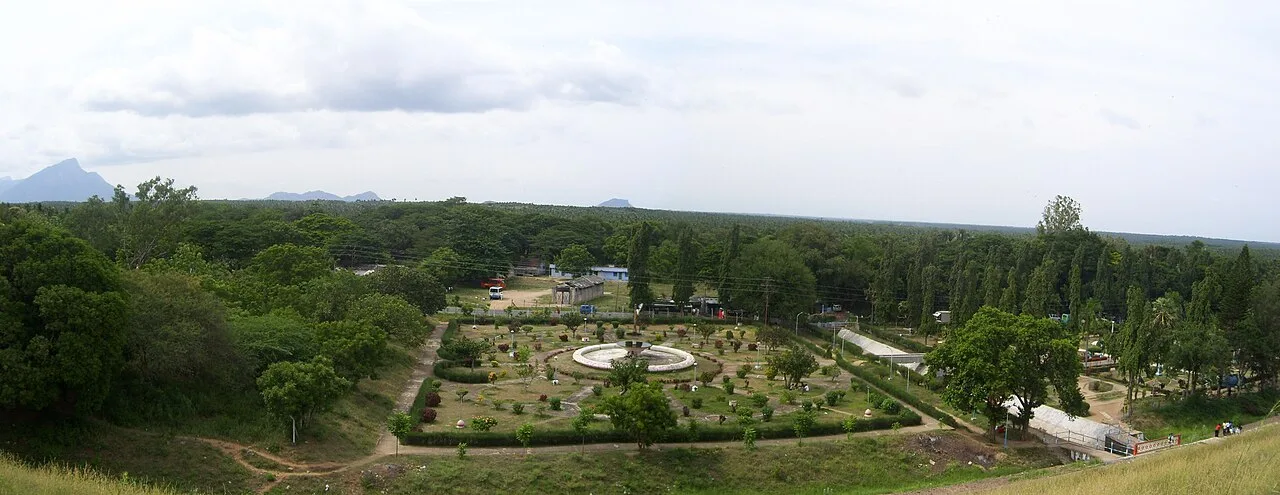
Aliyar Dam and Reservoir

59 km away · Coimbatore district

Aliyar Dam and Reservoir

Aliyar Dam and Reservoir is a water-storage site in Tamil Nadu’s Anaimalai Hills. Visitors come for boating, mountain views and facilities including a park, aquarium and play area.

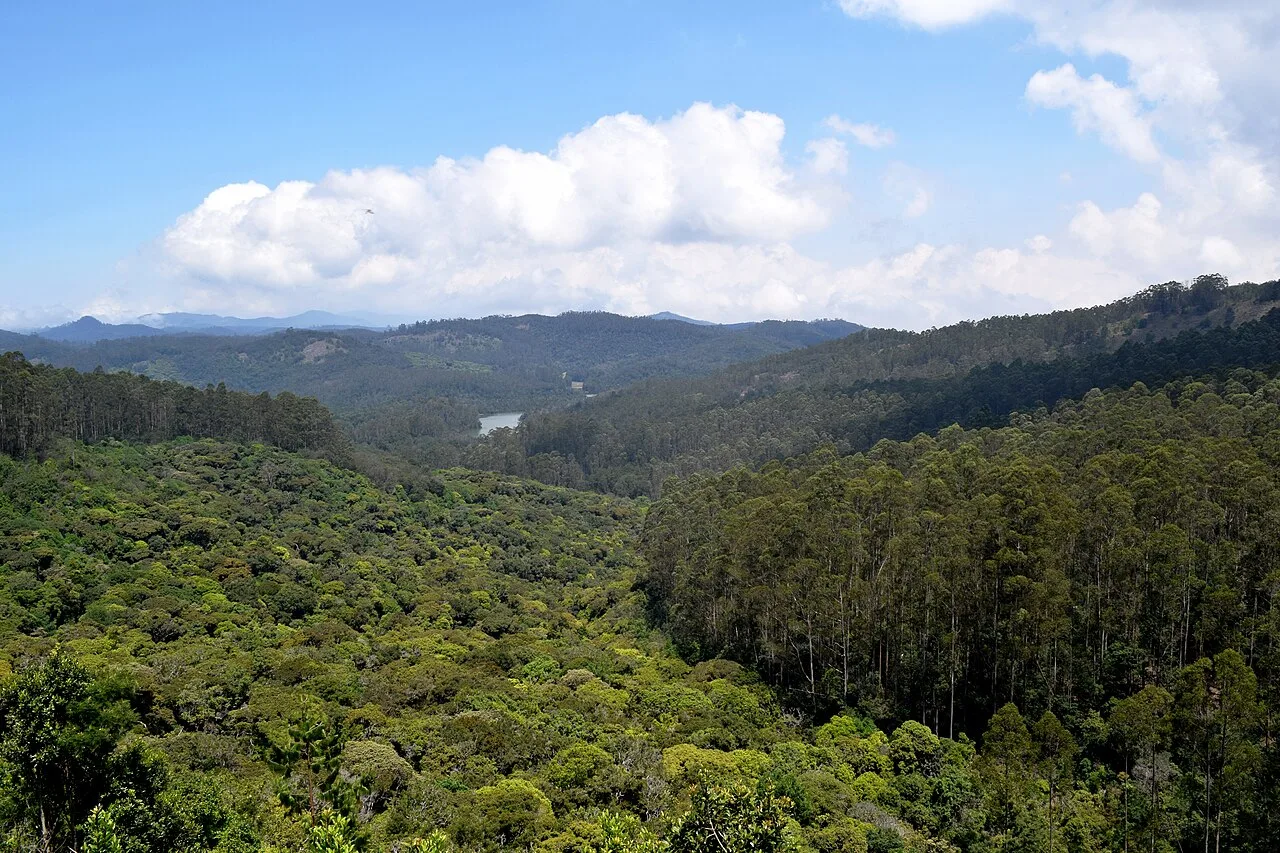
Berijam Lake

59 km away · Dindigul district

Berijam Lake

Berijam Lake is a reservoir in the upper Palani hills near Kodaikanal, Tamil Nadu. Visitors come to see the lake and its setting at the former Fort Hamilton site.

Kumbakkarai Falls

59 km away · Theni district

Kumbakkarai Falls

Kumbakkarai Falls is a two-stage waterfall in Theni district, below the Kodaikanal Hills. Visitors come to bathe in its pools and flowing water, travelling from nearby Periyakulam.

Map

Chinnakkampalaiyam on the map

  1. 1Palani Murugan Temple
  2. 2Bryant Park
  3. 3Kodaikanal Lake
  4. 4Guna Caves (Devil's Kitchen)
  5. 5Eachanari Vinayagar Temple
  6. 6Aliyar Dam and Reservoir
  7. 7Berijam Lake
  8. 8Kumbakkarai Falls

Tamil Nadu

Other cities to explore