Ghumoopedia — Explore, Discover, Experience
Sign in
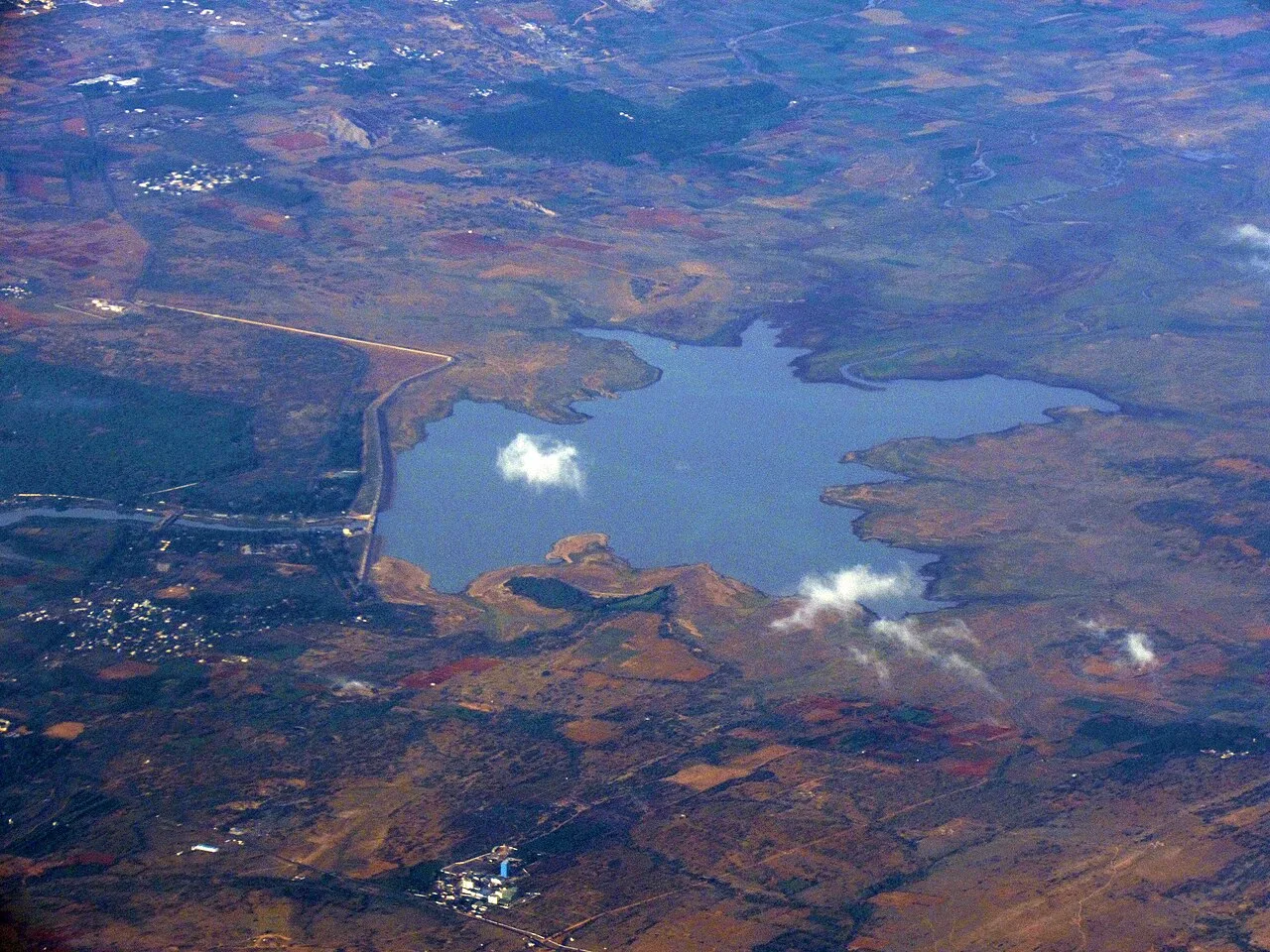
Vaigai Dam, near Devadanapatti

City guide · Tamil Nadu

Devadanapatti

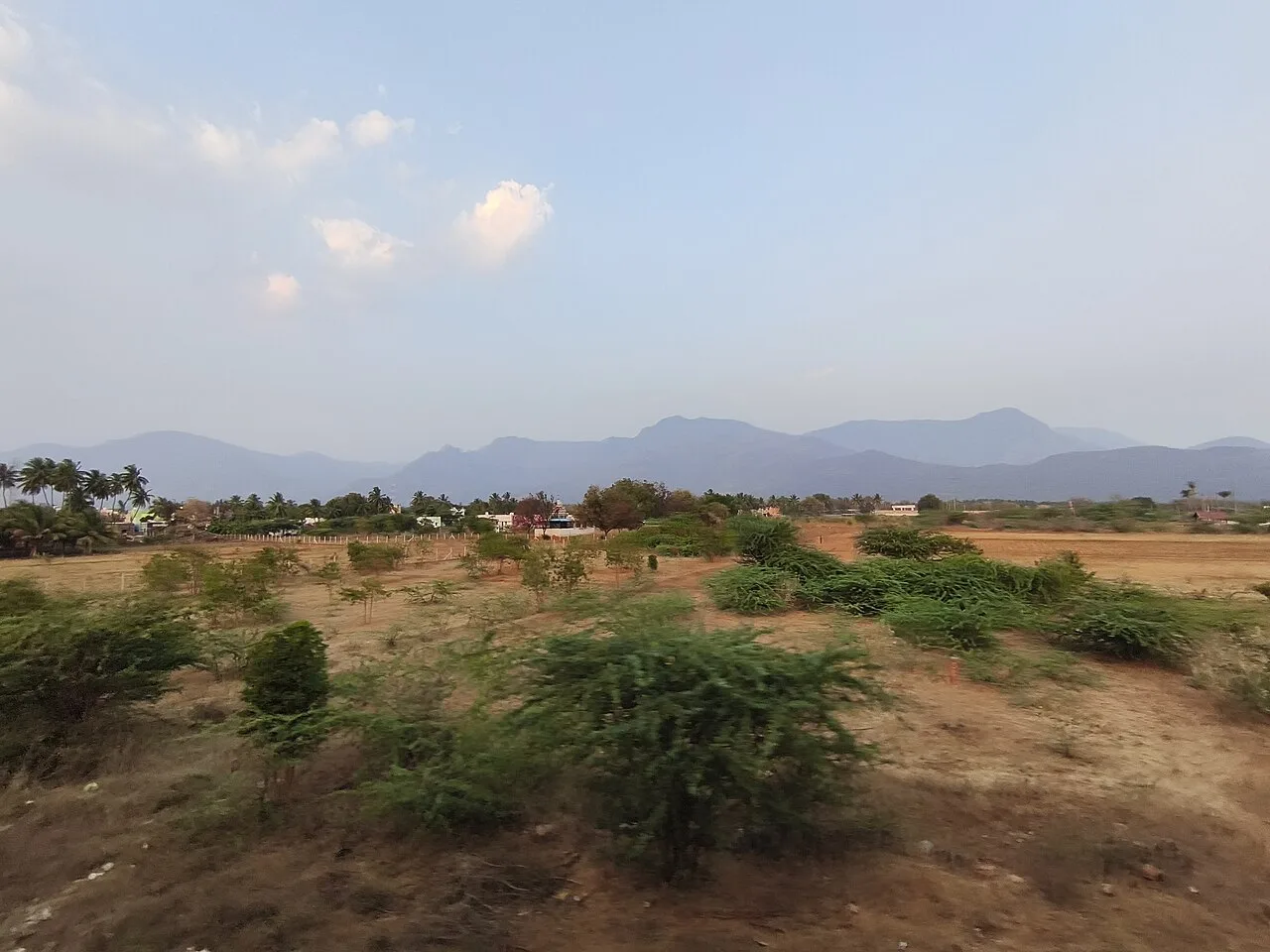
Devadanapatti is a panchayat town in Periyakulam taluk, Theni district, at the foot of the Kodaikanal Hills. Its importance today is chiefly regional: it is a settled agricultural centre where village life, local trade and the irrigation landscape meet.

Famous for

  • Kodaikanal foothill setting
  • Manjalar Dam irrigation
  • Paddy-field landscape
  • Sugarcane cultivation
  • Banana and coconut groves

Why Devadanapatti matters

Devadanapatti is a panchayat town in Periyakulam taluk, Theni district, at the foot of the Kodaikanal Hills. Its importance today is chiefly regional: it is a settled agricultural centre where village life, local trade and the irrigation landscape meet. The town’s name is commonly interpreted from Tamil words meaning “gifted by the gods” and “village.”

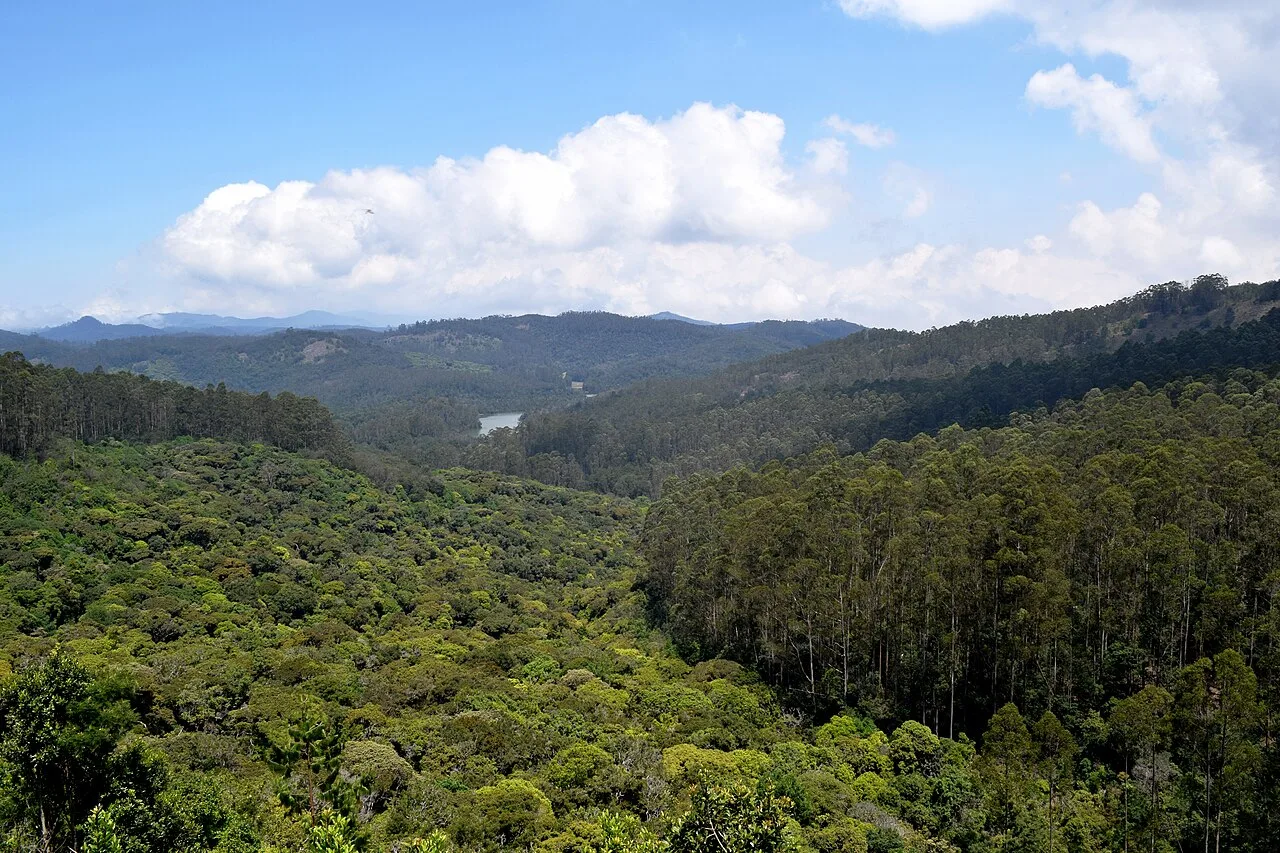
The countryside to its north and east is a major part of its appeal. Paddy fields, sugarcane, banana plants and coconut groves form a green patchwork, with the hills providing a striking backdrop. Agriculture depends on water conveyed through canals and check dams linked to the Manjalar system; the dam is fed by the Varattaru, Thalaiyar and Iruttaaru rivers. Devadanapatti is not a large sightseeing destination in its own right, but it offers a quieter view of the foothill region and can be a useful stop for travellers exploring the surrounding Theni countryside or heading towards the Kodaikanal uplands.
Famous for: crafts, trade & products

Devadanapatti is best known locally for farming rather than for a signature textile, handicraft or manufacturing industry. Paddy, sugarcane, bananas and coconuts are prominent in the surrounding cultivated landscape. Irrigation from the Manjalar Dam system, canals and check dams helps sustain this mix of crops. Produce and everyday goods are traded through local shops and markets, while larger commercial needs are served by nearby towns in the Theni region.

There is no widely established local reputation for a named craft, saree tradition or GI-tagged product, so visitors should not expect a specialist craft quarter or dedicated shopping district. For a sense of the town’s economy, look for seasonal produce and agricultural activity in and around its market streets and villages; availability changes with harvests. Small retailers are the practical places to buy daily provisions and locally grown goods when in season. Devadanapatti’s defining “product” is therefore its cultivated landscape and the water-management network that supports it, rather than a branded souvenir or export industry.

History

Devadanapatti’s history is most readily understood through its agricultural setting and foothill location. Its name is often explained as a combination of devadhanam, associated with a divine gift, and patti, meaning village.

The settlement developed in a region where farming depended on streams, river water and managed irrigation. The Manjalar Dam and the channels and check dams serving fields around the town have helped shape its modern agricultural character. The available account of the town does not clearly identify a specific ruling dynasty, colonial-era event or major political episode, so detailed claims about those periods should be treated cautiously. In contemporary administration, Devadanapatti is a panchayat town within Periyakulam taluk of Theni district, in Tamil Nadu’s Madurai Region. Its growth remains closely connected to local services, farming and links with neighbouring settlements rather than to a major industrial or metropolitan expansion.

Food, festivals & culture

Tamil is the principal language of everyday life. The local food tradition is part of the wider southern Tamil Nadu kitchen, with rice meals and familiar dishes such as idli, dosa, sambar and vegetable preparations. Seasonal farm produce may feature in home cooking, though Devadanapatti is not especially known for a signature dish or sweet. Visitors can look to ordinary eateries and shops for simple regional meals rather than expecting a distinct culinary trail.

Pongal, the harvest festival usually celebrated in January, is especially relevant to an agricultural community. Deepavali and Tamil New Year are also widely observed across Tamil Nadu, while local temple festivals take place according to individual temple calendars and may vary from year to year. Worship at local shrines and family observances form part of community life; no single festival or performance is established as a defining city attraction. Tamil devotional music and regional folk forms may be heard during celebrations, but visitors should check locally for events during their stay.

Visiting the city

The cooler months from about October to February are generally the most comfortable for exploring the area. Summer can be hot, while rain and field conditions vary with the monsoon seasons. Madurai Airport is the nearest major airport. Andipatti is a closer railway station on the Madurai–Bodinayakanur line; Dindigul Junction is a larger rail hub for onward connections.

Local travel is most practical by taxi or auto-rickshaw, with buses connecting settlements in the region. Explore the town’s market streets for everyday activity, then take in the cultivated countryside to the north and east, where canals, fields and coconut groves meet the foothills. The Manjalar Dam area and routes towards the Kodaikanal Hills are possible regional excursions; check local access and conditions before setting out.

Trips from the city

Nearest places to visit from Devadanapatti

Our closest destination guides, by straight-line distance.

Vaigai Dam

12 km away · Theni district

Vaigai Dam

Vaigai Dam spans the Vaigai River near Andipatti in Theni district, Tamil Nadu. Visitors may be interested in the dam and the nearby government station researching the cultivation of several crops.

Kumbakkarai Falls

13 km away · Theni district

Kumbakkarai Falls

Kumbakkarai Falls is a two-stage waterfall in Theni district, below the Kodaikanal Hills. Visitors come to bathe in its pools and flowing water, travelling from nearby Periyakulam.

Bryant Park

20 km away · Dindigul district

Bryant Park

Bryant Park is beside Kodaikanal Lake in Tamil Nadu. Visitors to the area come for boating on the lake and its summer boat pageants and flower shows.

Kodaikanal Lake

20 km away · Dindigul district

Kodaikanal Lake

Set within Kodaikanal in Tamil Nadu’s Dindigul district, this artificial lake is a central feature of the hill town. Visitors come for boating and seasonal events beside the water.

Guna Caves (Devil's Kitchen)

21 km away · Dindigul district

Guna Caves (Devil's Kitchen)

Guna Caves, or Devil’s Kitchen, is a network of deep shafts and narrow underground passages in Kodaikanal. Visitors know it for its film connections and hazardous, unmapped terrain.

Berijam Lake

27 km away · Dindigul district

Berijam Lake

Berijam Lake is a reservoir in the upper Palani hills near Kodaikanal, Tamil Nadu. Visitors come to see the lake and its setting at the former Fort Hamilton site.

Palani Murugan Temple

35 km away · Dindigul district

Palani Murugan Temple

Palani Murugan Temple is a Murugan shrine on a hill at Palani in Tamil Nadu. Pilgrims come to worship, observe temple festivals and take part in customs including tonsuring and carrying kavadi.

Sirumalai Hills

39 km away · Dindigul district

Sirumalai Hills

Sirumalai is a forested mountain region in Tamil Nadu, known for its varied wildlife, hill roads and views. Nearby Azhagar Kovil Hills draw worshippers and offer permitted trekking.

Map

Devadanapatti on the map

  1. 1Vaigai Dam
  2. 2Kumbakkarai Falls
  3. 3Bryant Park
  4. 4Kodaikanal Lake
  5. 5Guna Caves (Devil's Kitchen)
  6. 6Berijam Lake
  7. 7Palani Murugan Temple
  8. 8Sirumalai Hills

Tamil Nadu

Other cities to explore