Ghumoopedia — Explore, Discover, Experience
Sign in
Tiger Cave, near Karumbakkam

City guide · Tamil Nadu

Karumbakkam

Karumbakkam is a small village in the Chengalpattu region of Tamil Nadu. Its importance today is chiefly local: it is a place to experience the quieter, village-scale side of a region better known to travellers for its larger towns and established heritage destinations.

Famous for

  • Village life near Chengalpattu
  • Rural Tamil Nadu setting
  • Quiet countryside surroundings

Why Karumbakkam matters

Karumbakkam is a small village in the Chengalpattu region of Tamil Nadu. Its importance today is chiefly local: it is a place to experience the quieter, village-scale side of a region better known to travellers for its larger towns and established heritage destinations. Rather than a major urban centre, Karumbakkam offers a rural setting and a glimpse of everyday life away from busy commercial streets.

The village is not widely identified with a signature monument, craft or visitor attraction, so it is best approached as a brief stop or part of a wider trip around Chengalpattu. Visitors may find interest in its local lanes, community life and surrounding countryside, while nearby towns provide more extensive services and sightseeing. Karumbakkam’s value for travellers lies in its modest scale and regional setting, not in a developed tourist circuit. Anyone planning a visit should confirm local access and facilities in advance, since these may be limited compared with those in larger centres.
Famous for: crafts, trade & products

Karumbakkam does not have a widely recognised textile, handicraft, GI-tagged product or specialised market associated specifically with the village. Its public identity is primarily that of a small settlement in the Chengalpattu region, rather than a production or shopping destination. Visitors should not expect a dedicated craft bazaar or a cluster of visitor-facing workshops.

For a broader selection of Tamil Nadu textiles and handicrafts, travellers can look to larger regional towns. Kanchipuram, for example, is renowned for its silk sarees, while Chengalpattu serves as a more practical nearby centre for everyday shopping and services. These are regional options, not products or institutions unique to Karumbakkam. In the village, any purchases are more likely to be routine local goods from small shops than specialist souvenirs. Travellers interested in local makers or produce can ask residents about current availability, as small-scale activity may not be formally advertised. It is sensible to plan major shopping elsewhere and treat Karumbakkam as a rural visit rather than a retail stop.

History

Karumbakkam’s documented public profile is that of a village in the Chengalpattu area. Its local history is not widely represented through prominent monuments or a well-known, separately recorded account of rulers, battles or royal patronage. The village’s story is more likely to be reflected in community memories, land use and local places of worship than in major visitor landmarks.

The wider region has a long history of settlement and changing political and administrative boundaries. Kanchipuram and the surrounding area have been associated with successive South Indian powers, including the Pallavas, but that regional history should not be mistaken for a specific historical episode in Karumbakkam itself. Under British rule, the area formed part of the broader administrative landscape of the Madras Presidency; later, state and district boundaries were reorganised. Today Karumbakkam is connected to the growing Chengalpattu region, while retaining a village character. For detailed local history, residents and local records are likely to offer more than the limited heritage signage available to visitors.

Food, festivals & culture

Everyday life in Karumbakkam reflects the Tamil-speaking culture of the Chengalpattu region. Tamil is the principal language visitors are likely to encounter; English may be understood by some people, particularly in travel or business settings. Regional meals commonly include rice, sambar, rasam, vegetable dishes and tiffin such as idli or dosa, though availability varies among local eateries and homes.

Pongal, usually celebrated in January, is an important harvest-season festival across Tamil Nadu. Deepavali, Tamil New Year in April and local temple festivals may also be observed, with dates and customs varying by community. Worship and social gatherings are often centred on neighbourhood temples, but visitors should ask locally about particular shrines and festival schedules rather than assume a major public event. Carnatic music and classical dance are part of the wider Tamil cultural landscape, although Karumbakkam is not known as a performance centre. A respectful, unhurried approach is appropriate when visiting places of worship or community celebrations.

Visiting the city

The cooler period from roughly October to February is generally more comfortable for exploring Tamil Nadu; summer can be hot, and monsoon showers may affect road travel. Chennai International Airport is the nearest major airport, while Chengalpattu Junction is the most practical main railway station for reaching the area. From either, continue by road toward Karumbakkam; local buses, taxis and auto-rickshaws may be available, but services and onward connections should be checked before setting out.

Within the village, walking or arranging local transport is the simplest way to explore. The village centre and nearby rural lanes are the most natural areas to see, rather than a defined tourist neighbourhood. Chengalpattu is a useful base for accommodation, meals and transport connections. Allow extra time for the final road leg, and confirm directions locally, since smaller village approaches may not be as clearly signposted as routes to larger towns.

Trips from the city

Nearest places to visit from Karumbakkam

Our closest destination guides, by straight-line distance.

Tiger Cave

13 km away · Chengalpattu district

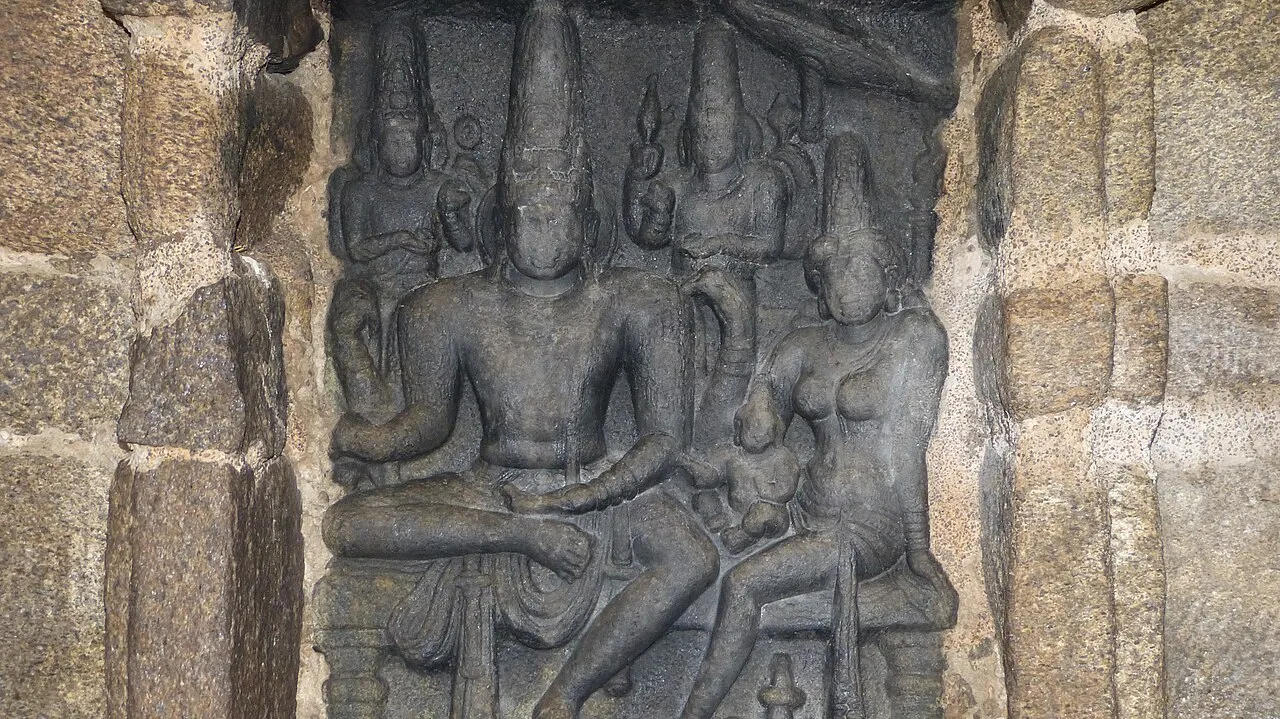
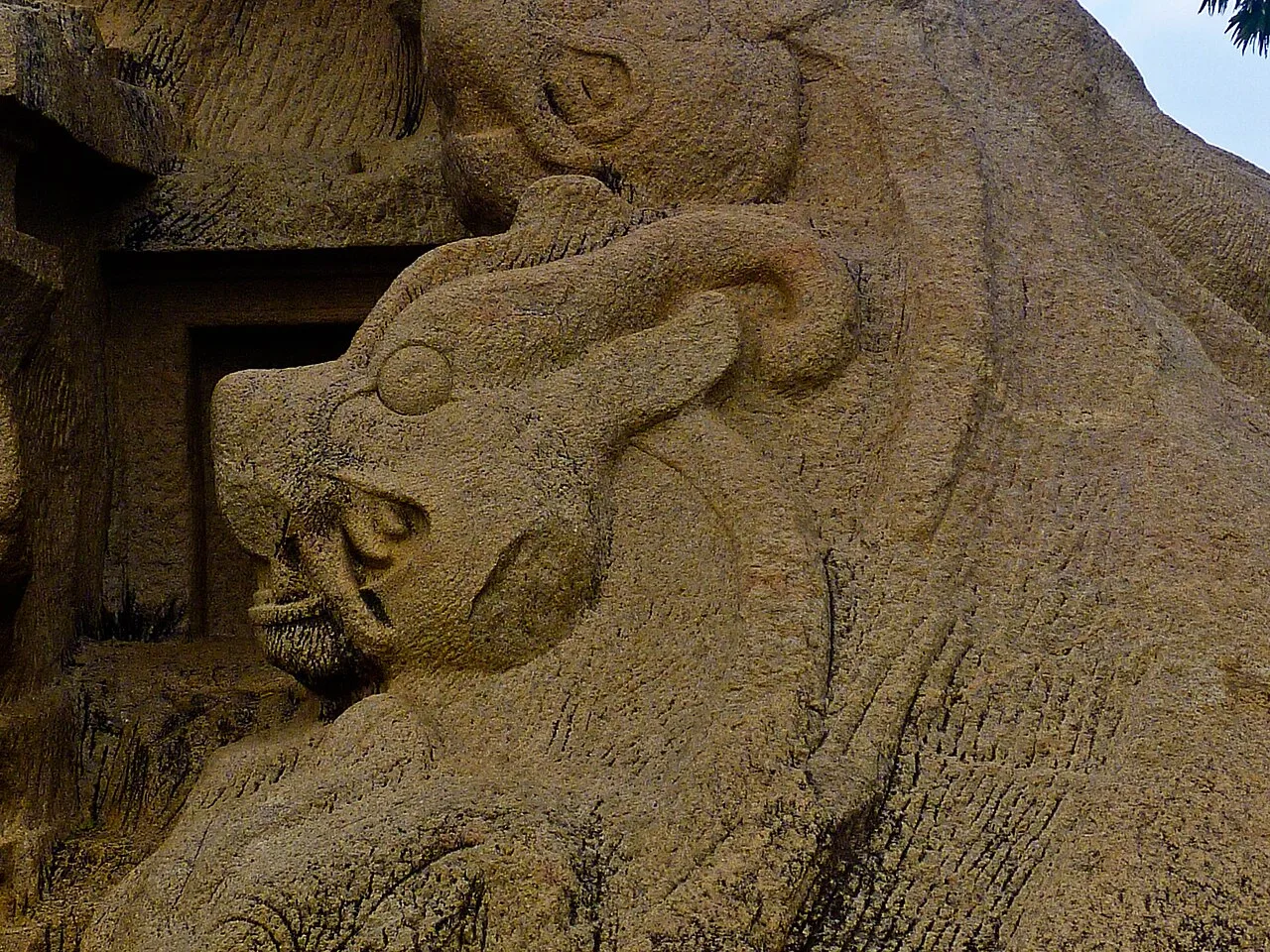
Tiger Cave

Yali Mandabam, also known as Tiger Cave, is a Pallava-period temple complex near Mahabalipuram in Tamil Nadu. Visitors come to see its carved tiger heads and its position on the Bay of Bengal coast.

Krishna's Butterball

14 km away · Chengalpattu district

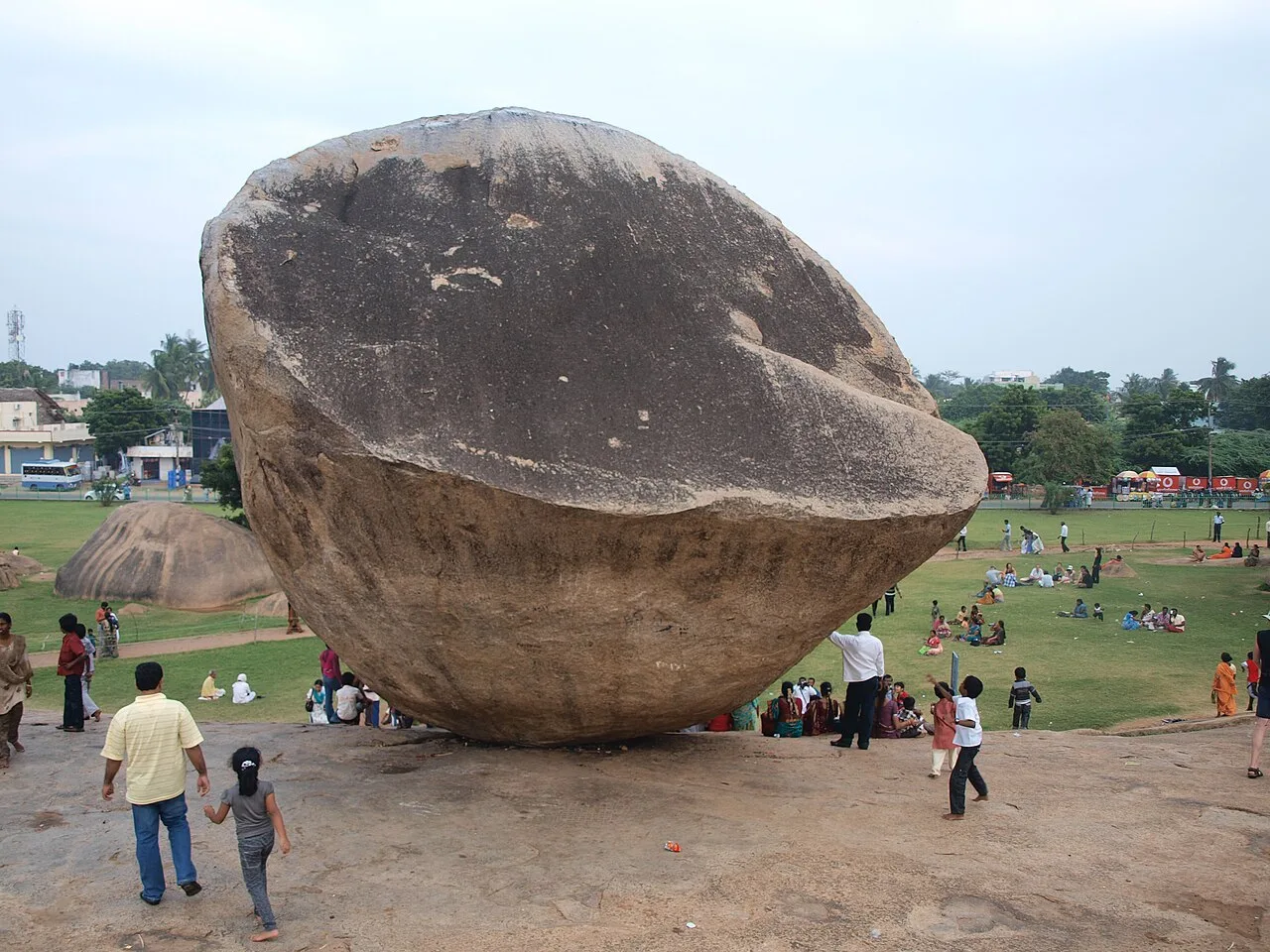
Krishna's Butterball

Krishna's Butterball is a huge granite balancing rock in Mamallapuram. Visitors come to see its striking position and its setting among the town’s Pallava-era monuments.

Arjuna's Penance (Descent of the Ganges)

15 km away · Chengalpattu district

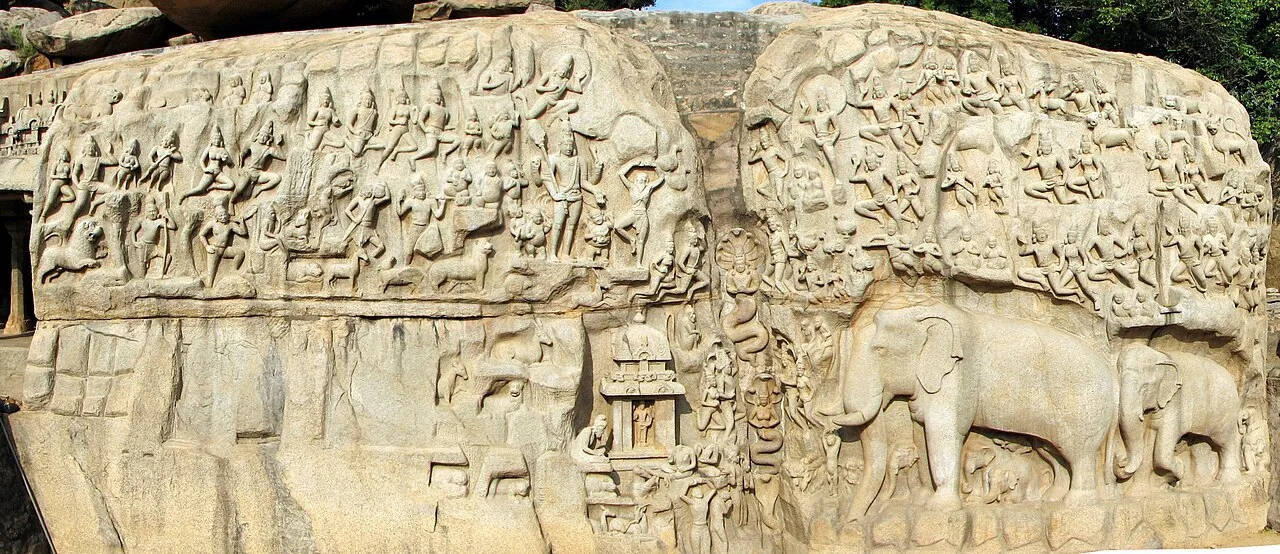
Arjuna's Penance (Descent of the Ganges)

Arjuna’s Penance at Mamallapuram is a large stone carving depicting the Ganges’ arrival on earth and Arjuna’s penance. Visitors come to view its mythological scenes and Pallava artistry.

Pancha Rathas

15 km away · Chengalpattu district

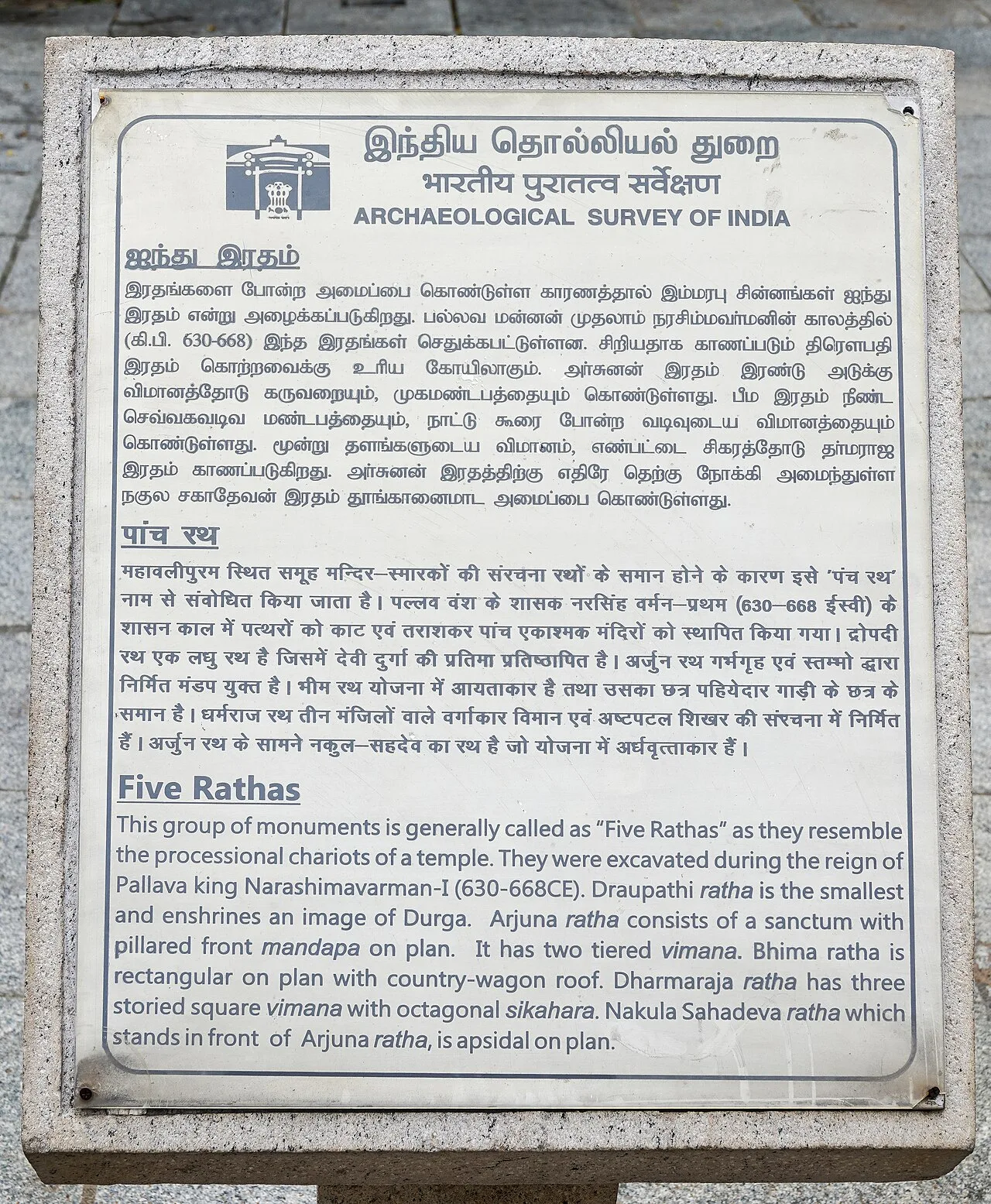
Pancha Rathas

Pancha Rathas is a group of five granite monuments at Mahabalipuram, valued for its rock-cut forms and links to the Mahabharata. Visitors come to see its distinctive architecture and named structures.

Shore Temple

15 km away · Chengalpattu district

Shore Temple

The Shore Temple is a granite temple complex on the Bay of Bengal at Mahabalipuram. Visitors come to see its shrines and its place within the town’s UNESCO World Heritage monument group.

Madras Crocodile Bank

17 km away · Chengalpattu district

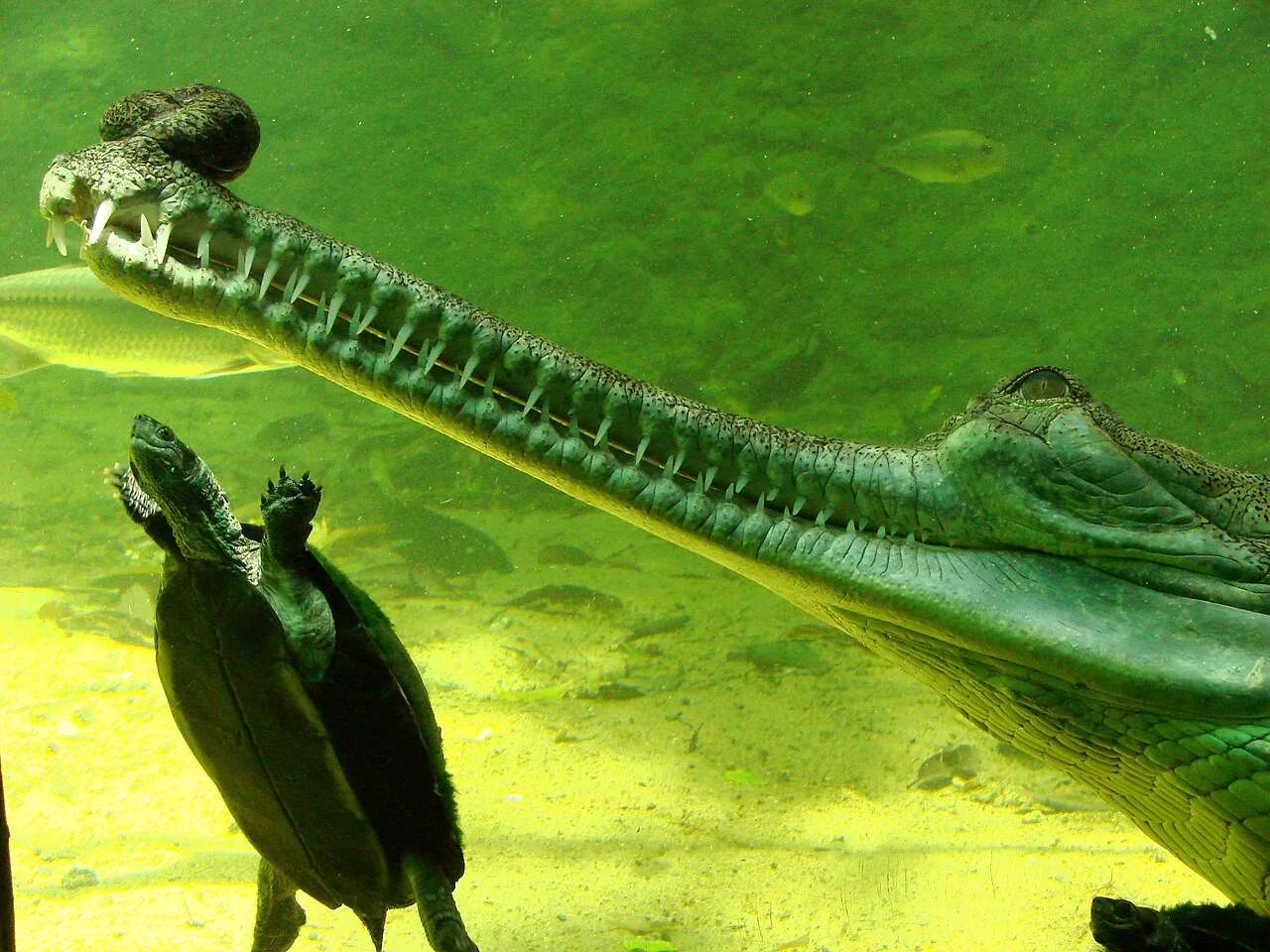
Madras Crocodile Bank

The Madras Crocodile Bank is a reptile zoo and herpetology research centre near Chennai. Visitors come to see crocodiles and other reptiles, while the institution supports breeding, research and conservation.

Vandalur Zoo (Arignar Anna Zoological Park)

20 km away · Chennai district

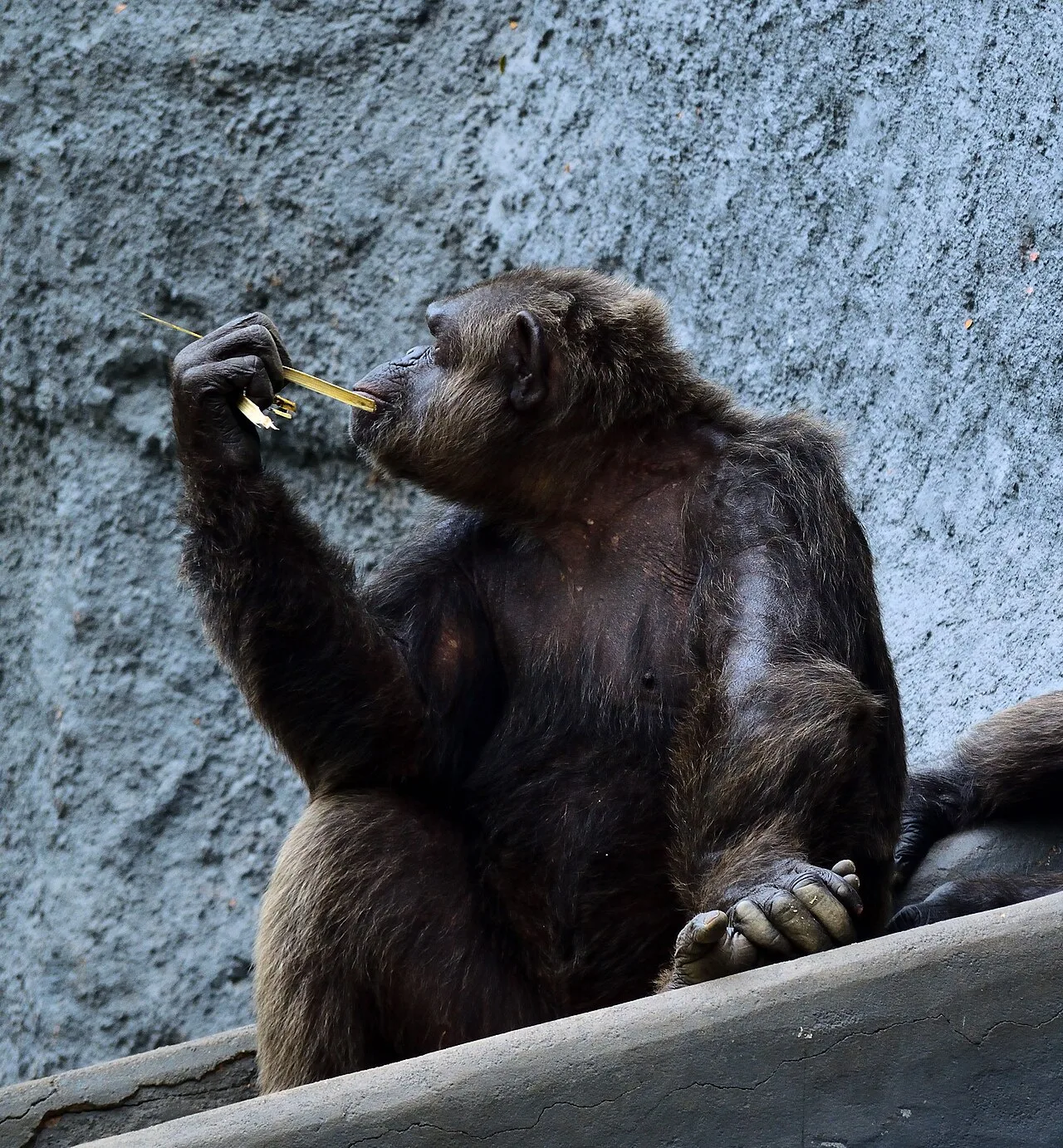
Vandalur Zoo (Arignar Anna Zoological Park)

Arignar Anna Zoological Park, commonly called Vandalur Zoo, is a large zoological park in Chennai. Visitors come to see its varied animal exhibits, specialist habitats and wildlife safari.

DakshinaChitra

21 km away · Chennai district

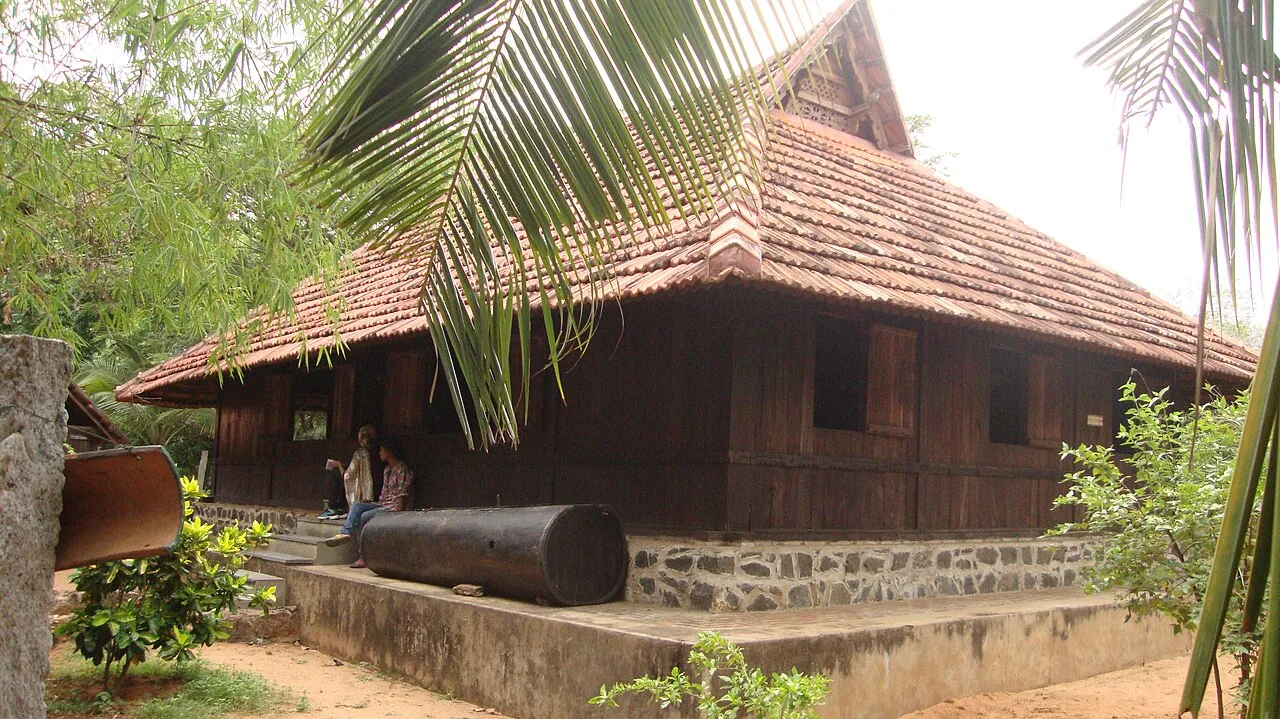
DakshinaChitra

This cultural museum in Tamil Nadu presents South Indian homes, arts and crafts in a heritage-village setting, attracting visitors interested in regional architecture, performance and traditional ways of life.

Map

Karumbakkam on the map

  1. 1Tiger Cave
  2. 2Krishna's Butterball
  3. 3Arjuna's Penance (Descent of the Ganges)
  4. 4Pancha Rathas
  5. 5Shore Temple
  6. 6Madras Crocodile Bank
  7. 7Vandalur Zoo (Arignar Anna Zoological Park)
  8. 8DakshinaChitra

Tamil Nadu

Other cities to explore