Ghumoopedia — Explore, Discover, Experience
Sign in
Vedanthangal Bird Sanctuary, near Marakkanam

City guide · Tamil Nadu

Marakkanam

Marakkanam is a coastal town and taluk centre in Villupuram district, positioned between Chennai and Puducherry on Tamil Nadu’s East Coast Road. Its location gives it a practical role as a road link between the coastal settlements and the inland city of Tindivanam, reached by State Highway 134.

Famous for

  • Coastal salt production
  • Marakkanam salt pans
  • Buckingham Canal
  • East Coast Road
  • Villupuram district taluk centre

Why Marakkanam matters

Marakkanam is a coastal town and taluk centre in Villupuram district, positioned between Chennai and Puducherry on Tamil Nadu’s East Coast Road. Its location gives it a practical role as a road link between the coastal settlements and the inland city of Tindivanam, reached by State Highway 134. The town is also associated with the Buckingham Canal, a historic coastal waterway, and with extensive salt pans that mark the landscape around it.

Marakkanam is not a large conventional sightseeing destination, but it offers a glimpse of the working coast: salt production, local commerce and everyday life in a small Tamil Nadu town. Travellers on the ECR may stop here or use it as a base for exploring nearby coastal areas. The canal is part of the proposed National Waterway 4 network, which is intended to link waterways in Tamil Nadu, Puducherry and Andhra Pradesh; this is a planned transport connection, not a regular passenger service. Marakkanam’s importance today is therefore chiefly regional and logistical, with its coastal setting and salt industry giving it a distinct local character.
Famous for: crafts, trade & products

Marakkanam is best known locally for salt production. Salt pans spread across the low-lying coastal landscape and are a conspicuous feature of the area. Production is seasonal and depends on weather and water conditions, so visitors should treat the pans as working sites rather than visitor attractions; viewing from public roads is the most appropriate option. Salt is the clearest local product to look for in the town’s everyday shops and markets.

Marakkanam is not widely identified with a signature textile, handicraft, GI-tagged product or major specialist market. Its commerce is primarily that of a small town serving residents and surrounding villages, with ordinary food shops, provision stores and local retail rather than a dedicated craft-shopping district. The Buckingham Canal is another important part of the town’s identity, though it is a historic waterway rather than a place to buy goods or an established visitor facility. Travellers seeking specialised crafts or a broad range of regional products will generally find more choice in larger nearby centres such as Puducherry or Tindivanam. In Marakkanam, the salt-making landscape and the town’s role as a service centre are the most distinctive points of interest.

History

Marakkanam’s coastal position shaped its links with settlements along the Coromandel Coast. During British rule, the Buckingham Canal was developed as a navigable route connecting coastal backwaters and towns with the port of Madras. The South Buckingham Canal section ran between Marakkanam and Chennai, carrying goods when inland waterways were an important part of regional transport. Industrial pollution and changing transport patterns later reduced the canal’s practical use.

In modern times, the East Coast Road has become the town’s principal link to Chennai and Puducherry, while State Highway 134 connects it westward with Tindivanam. Marakkanam developed as a town and taluk centre serving a wide rural hinterland, alongside local salt production. The canal has been included in the declared National Waterway 4 route, although the proposed wider navigation links should not be mistaken for an operating passenger connection. In 2013, caste-based violence in the town resulted in two deaths, a painful episode in its recent history.

Food, festivals & culture

Tamil is the principal language of daily life in Marakkanam. The town’s food reflects broader Tamil Nadu cooking, with rice, idli, dosa and other familiar meals available at local eateries. As a coastal settlement, fish and seafood are part of the wider local food culture, though individual menus vary. Marakkanam is not especially known for a particular sweet or a distinct culinary speciality, so visitors looking for regional dishes can ask locally what is fresh and in season.

Pongal, celebrated in January, is an important harvest festival across Tamil Nadu, while Tamil New Year in April and Deepavali, usually in October or November, are widely observed. Local temple festivals take place according to individual temple calendars and may include processions, devotional music and community gatherings; dates vary from year to year. Tamil devotional songs and regional folk traditions form part of the wider cultural setting, but Marakkanam is not a major performance-arts centre. Temples, along with churches and mosques serving local communities, reflect the varied places of worship found in the town and its surrounding villages.

Visiting the city

The cooler months from November to February are generally the most comfortable for a visit. The northeast monsoon, usually from October into December, can bring rain, while summer is hot. Puducherry Airport is the nearest airport geographically, but its flight options may be limited or change; Chennai International Airport is the principal airport for a wider choice of connections. Tindivanam is the main nearby railway station for reaching Marakkanam.

The East Coast Road is the main approach from Chennai and Puducherry, and State Highway 134 links the town with Tindivanam. Local travel is generally by taxi, auto-rickshaw or bus, with services and availability varying. Explore the town centre for everyday shops and food, and view the salt-pan landscape only from public roads. The Buckingham Canal corridor offers historical context, while the coast and Alamparai Fort near Kadappakkam are possible regional excursions. Check local access conditions before setting out.

Trips from the city

Nearest places to visit from Marakkanam

Our closest destination guides, by straight-line distance.

Vedanthangal Bird Sanctuary

40 km away · Chengalpattu district

Vedanthangal Bird Sanctuary

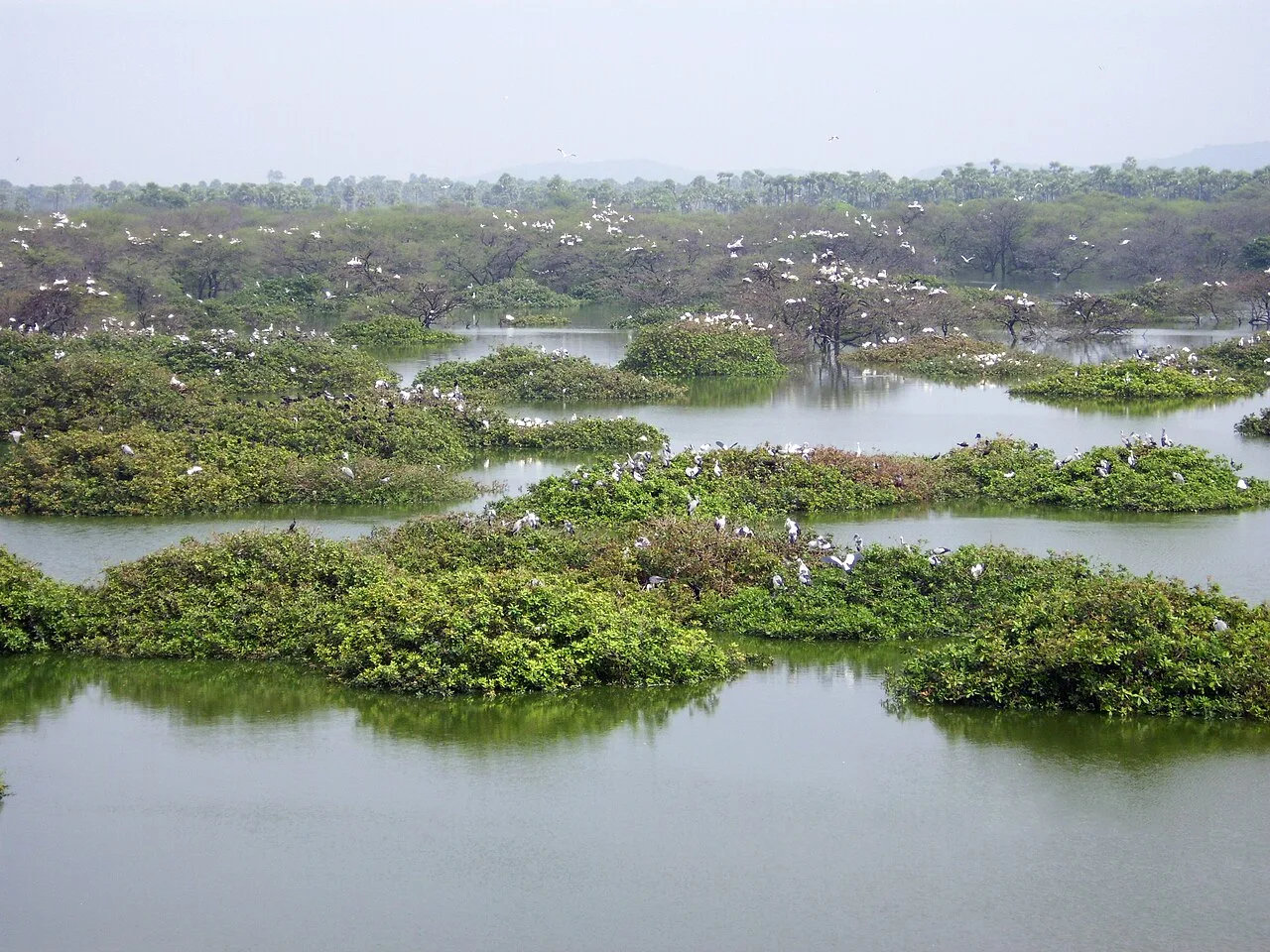
Vedanthangal Bird Sanctuary in Tamil Nadu is a long-established wildlife sanctuary and protected Ramsar site. Visitors come to see the many birds recorded there during the migratory season.

Pancha Rathas

54 km away · Chengalpattu district

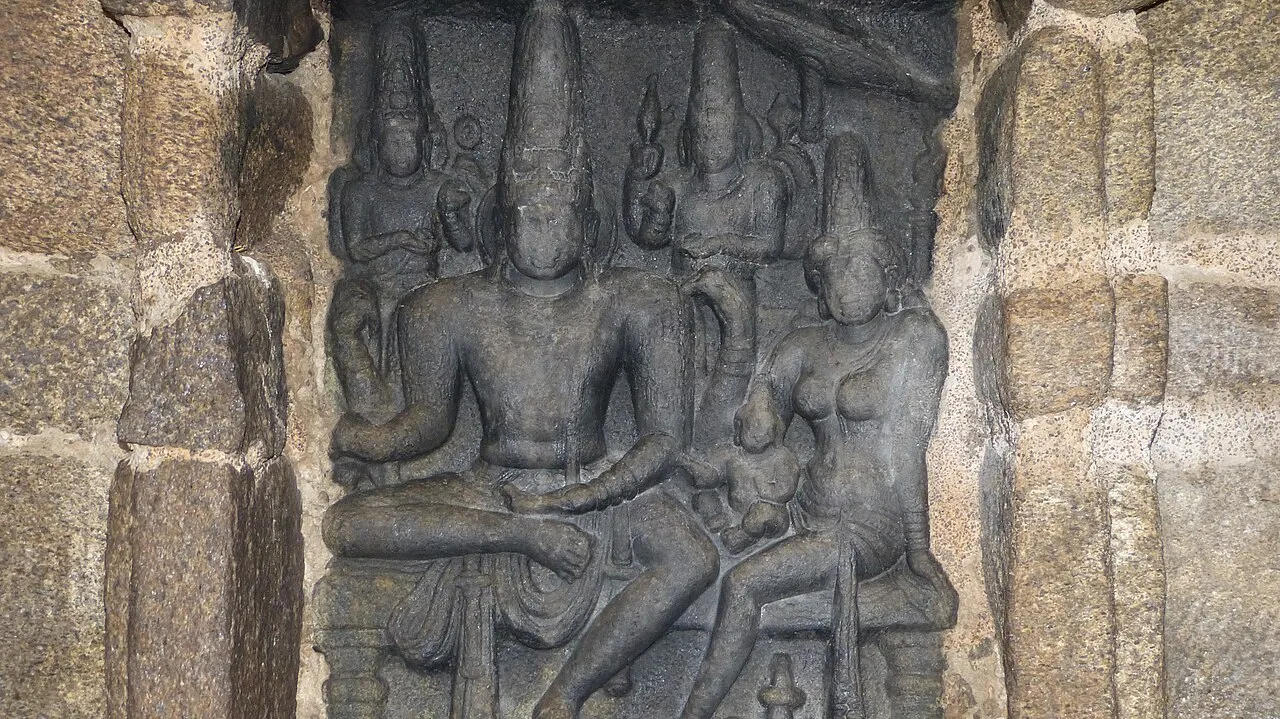
Pancha Rathas

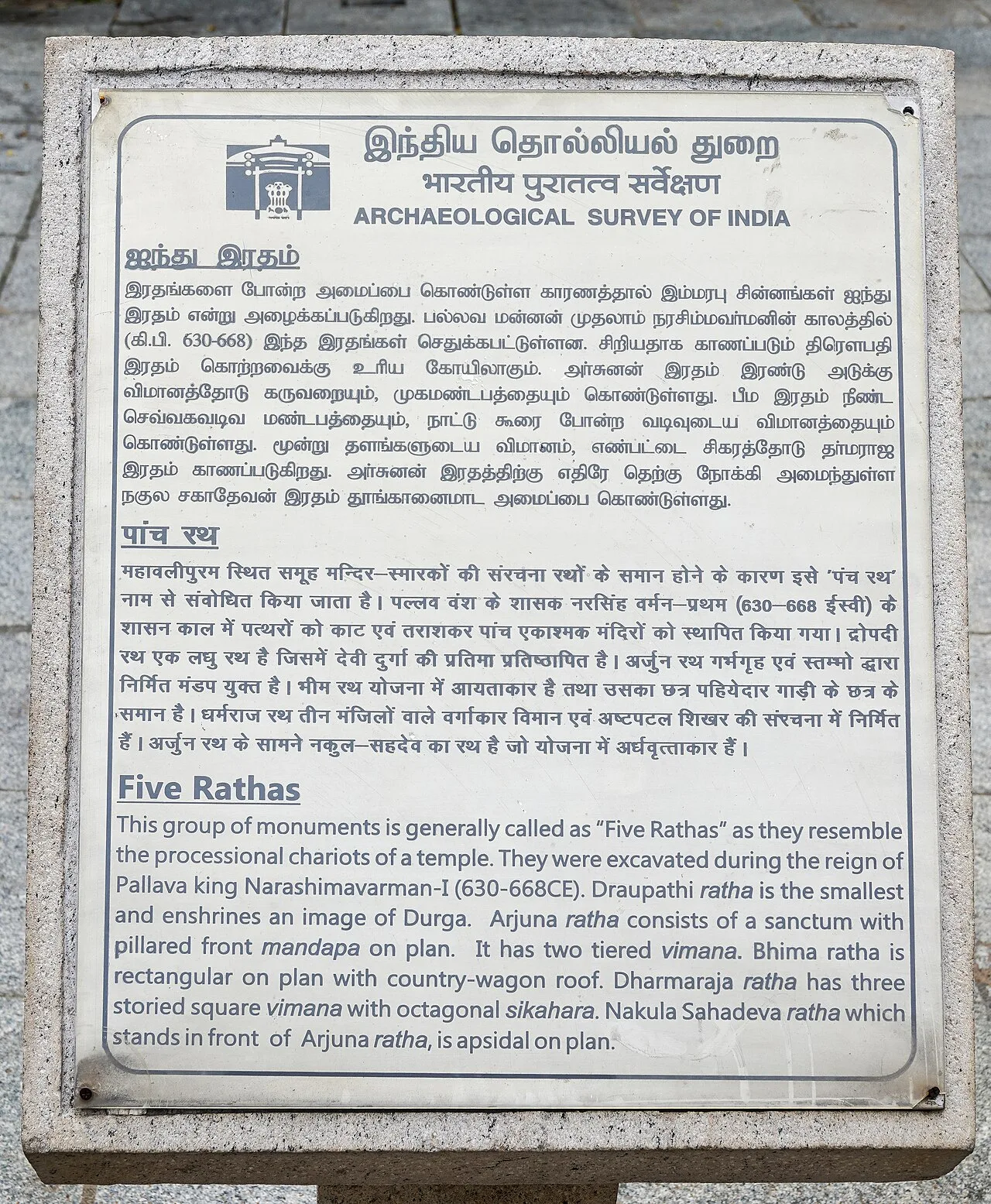
Pancha Rathas is a group of five granite monuments at Mahabalipuram, valued for its rock-cut forms and links to the Mahabharata. Visitors come to see its distinctive architecture and named structures.

Arjuna's Penance (Descent of the Ganges)

55 km away · Chengalpattu district

Arjuna's Penance (Descent of the Ganges)

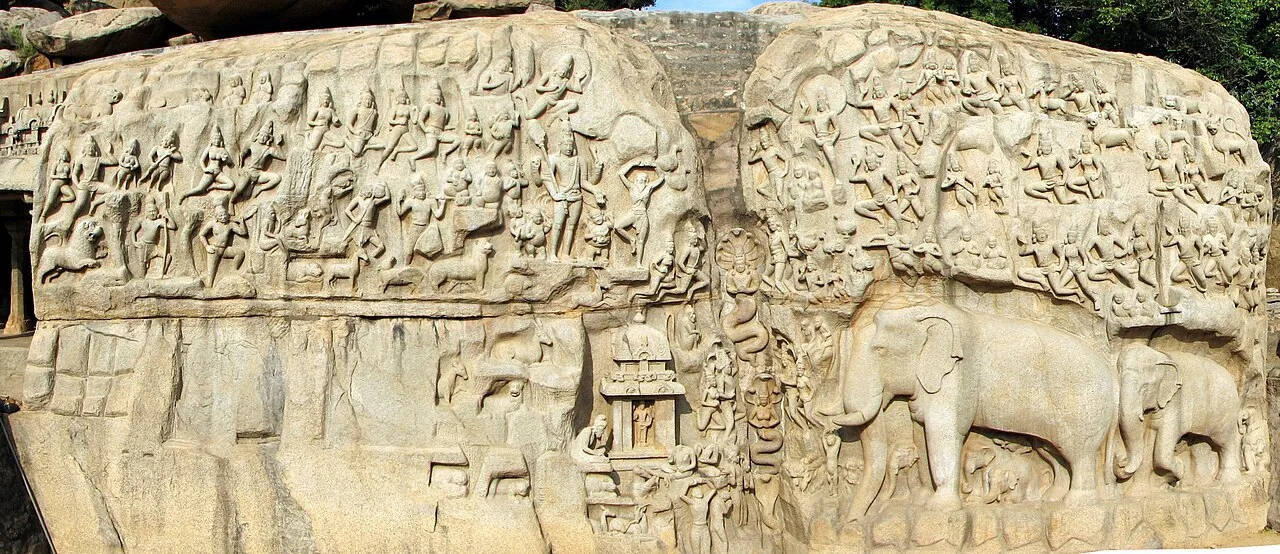
Arjuna’s Penance at Mamallapuram is a large stone carving depicting the Ganges’ arrival on earth and Arjuna’s penance. Visitors come to view its mythological scenes and Pallava artistry.

Krishna's Butterball

55 km away · Chengalpattu district

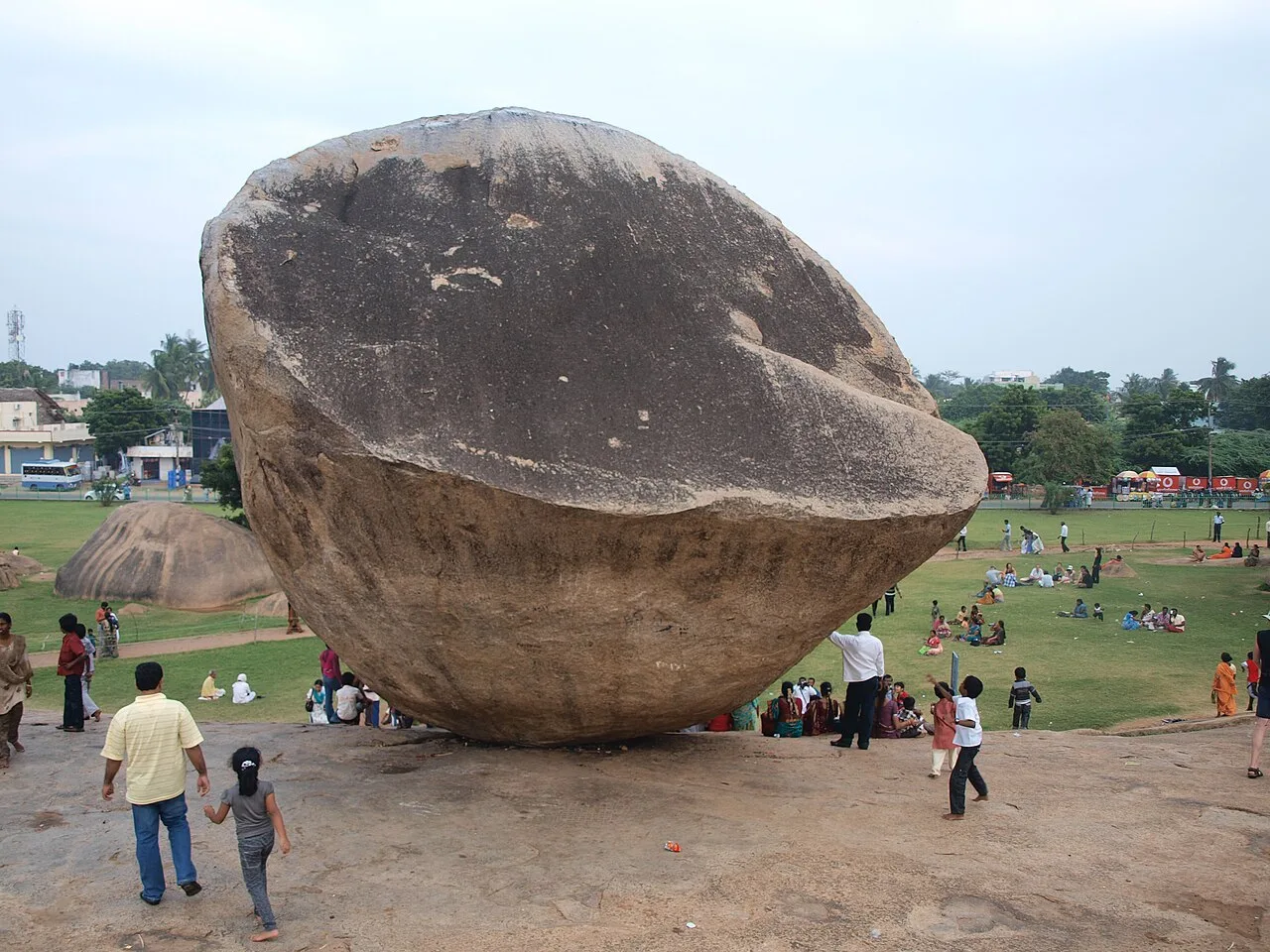
Krishna's Butterball

Krishna's Butterball is a huge granite balancing rock in Mamallapuram. Visitors come to see its striking position and its setting among the town’s Pallava-era monuments.

Shore Temple

55 km away · Chengalpattu district

Shore Temple

The Shore Temple is a granite temple complex on the Bay of Bengal at Mahabalipuram. Visitors come to see its shrines and its place within the town’s UNESCO World Heritage monument group.

Tiger Cave

58 km away · Chengalpattu district

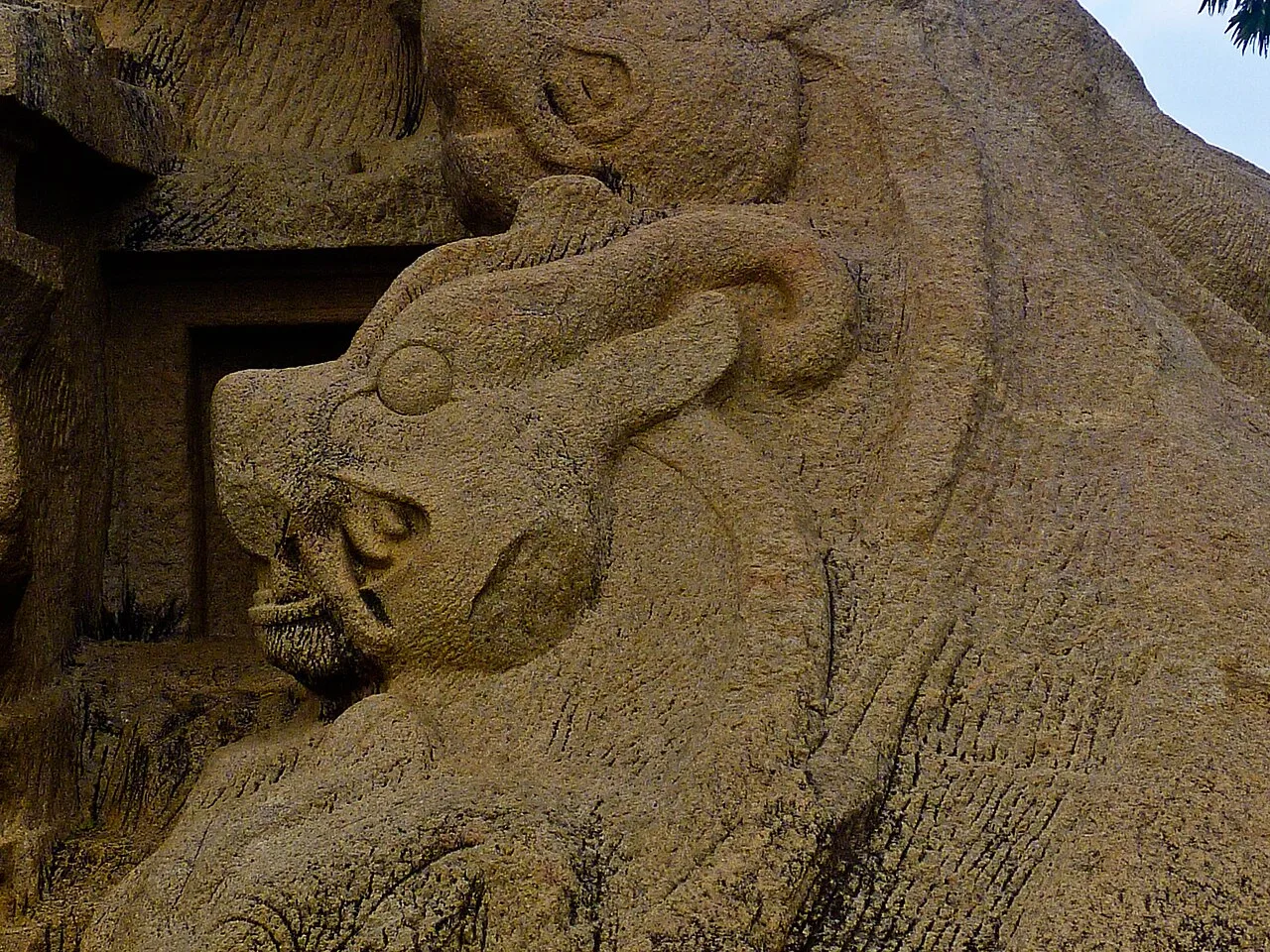
Tiger Cave

Yali Mandabam, also known as Tiger Cave, is a Pallava-period temple complex near Mahabalipuram in Tamil Nadu. Visitors come to see its carved tiger heads and its position on the Bay of Bengal coast.

Gingee Fort

60 km away · Villupuram district

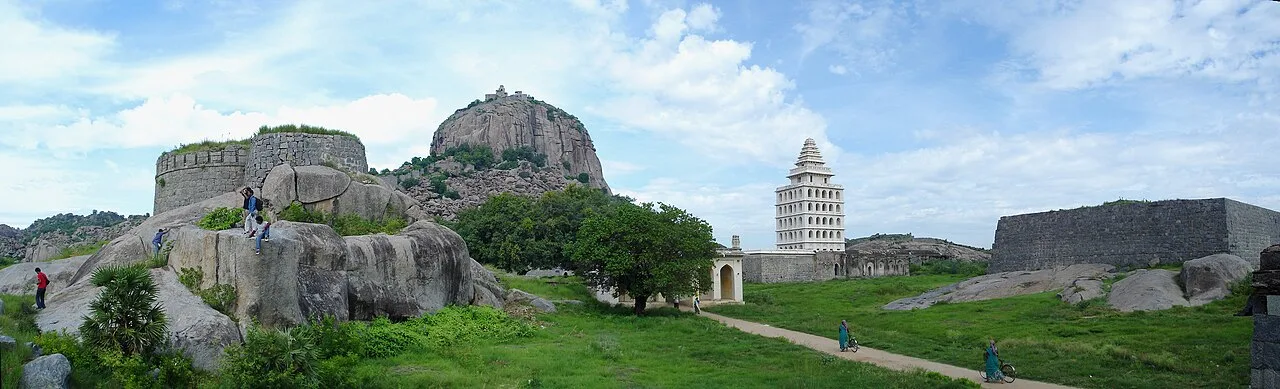
Gingee Fort

Gingee Fort, also called Senji Fort, is a historic hilltop complex in Tamil Nadu. Visitors come to see its citadels, defences and buildings, and learn about its changing rulers.

Madras Crocodile Bank

69 km away · Chengalpattu district

Madras Crocodile Bank

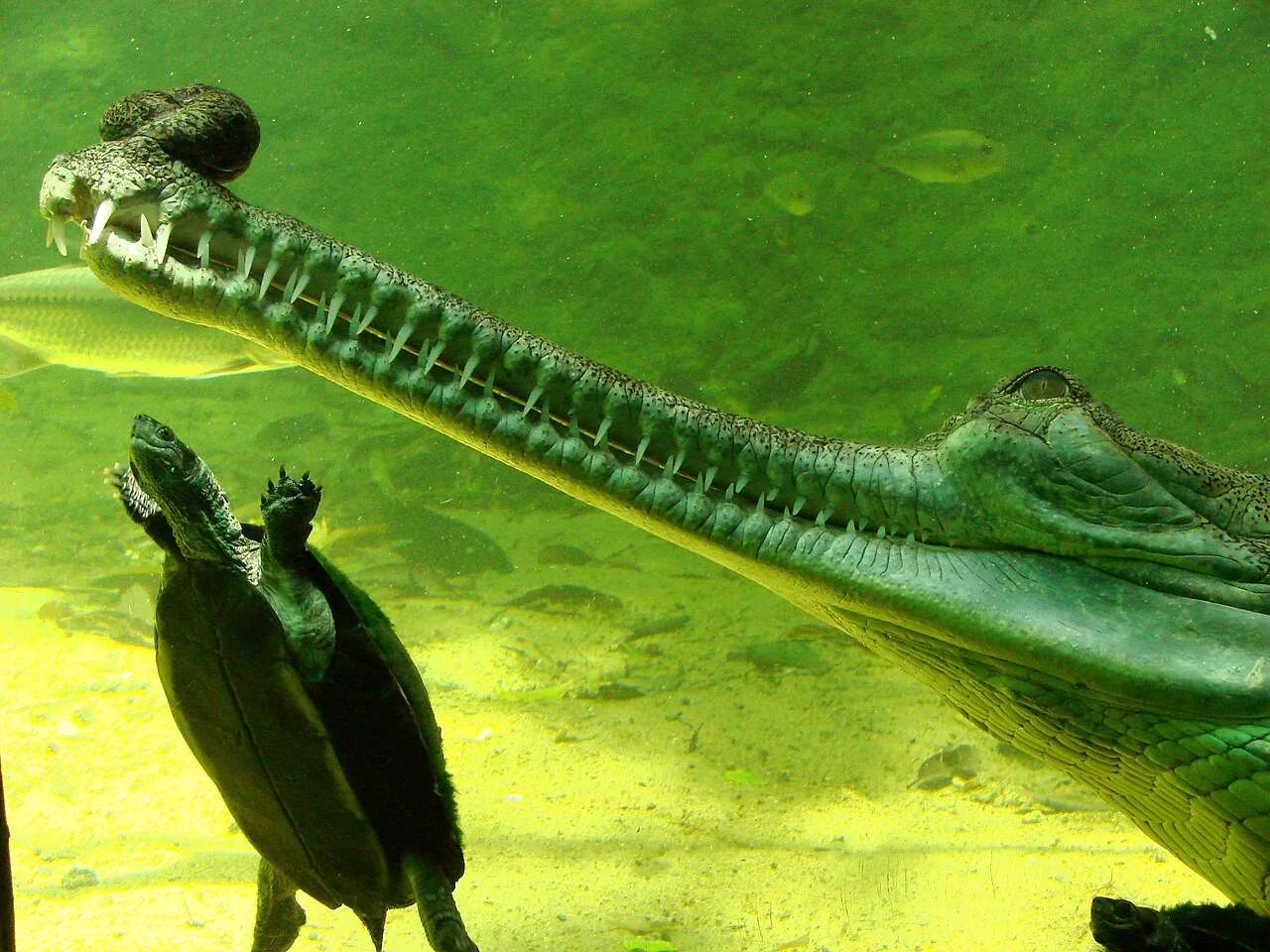
The Madras Crocodile Bank is a reptile zoo and herpetology research centre near Chennai. Visitors come to see crocodiles and other reptiles, while the institution supports breeding, research and conservation.

Map

Marakkanam on the map

  1. 1Vedanthangal Bird Sanctuary
  2. 2Pancha Rathas
  3. 3Arjuna's Penance (Descent of the Ganges)
  4. 4Krishna's Butterball
  5. 5Shore Temple
  6. 6Tiger Cave
  7. 7Gingee Fort
  8. 8Madras Crocodile Bank

Tamil Nadu

Other cities to explore