Ghumoopedia — Explore, Discover, Experience
Sign in
Thirubuvanam, near Peravurani

City guide · Tamil Nadu

Peravurani

Peravurani is a small administrative and market centre in Thanjavur district, serving as the headquarters of Peravurani Taluk. Its importance comes from its position within the newer Cauvery delta, where canals carrying water from the Grand Anicut support cultivation and connect the town with surrounding villages.

Famous for

  • Cauvery delta agriculture
  • Kallanai Kalvai canals
  • Coconut cultivation and research
  • Peravurani Taluk headquarters

Why Peravurani matters

Peravurani is a small administrative and market centre in Thanjavur district, serving as the headquarters of Peravurani Taluk. Its importance comes from its position within the newer Cauvery delta, where canals carrying water from the Grand Anicut support cultivation and connect the town with surrounding villages. Paddy fields, coconut-growing areas and the everyday activity of a regional town shape its character more than large visitor attractions do.

Travellers come chiefly to explore the rural delta landscape or to visit nearby towns and agricultural institutions. Veppankulam, associated with coconut research, is one point of interest in the area. Peravurani also makes a practical base for journeys between Pattukkottai, Aranthangi and the Thanjavur hinterland. Its markets and bus connections serve a broad local catchment, while its temples and seasonal celebrations offer a glimpse of Tamil town life. Visitors looking for major monuments may need to travel farther, but the canals, cultivated countryside and working-town atmosphere give Peravurani its regional identity.
Famous for: crafts, trade & products

Peravurani is better known for agriculture and local trade than for a signature textile, handicraft or GI-tagged product. The irrigated delta supports paddy cultivation, while coconut is an important crop in the surrounding area. Veppankulam, near Peravurani, is associated with coconut research and gives the area an agricultural profile beyond its role as a market town.

The town’s shops and market serve residents and nearby villages with groceries, household necessities, farm supplies and seasonal produce. Visitors can look for locally grown coconuts and other agricultural goods in ordinary shops and markets, though availability varies with season. There is no widely recognised specialist craft quarter or major tourist shopping district to seek out. For a sense of local commerce, explore the central bazaar streets and the area around the bus stand; for a closer look at the region’s farming landscape, travel out towards the villages and canal-irrigated fields. Buyers seeking a particular product or a formal research visit should confirm local access and availability before travelling.

History

Peravurani’s development is closely tied to the history of the wider Thanjavur delta. The region formed part of the Cauvery basin cultivated under successive South Indian powers, including the Cholas, and later came under Nayak and Maratha rule centred on Thanjavur. Irrigation has long shaped settlement and farming here. In the colonial period, canals carrying water from the Grand Anicut helped extend irrigation into this part of the delta and strengthened the links between villages and local markets.

Peravurani grew as a service centre for its agricultural hinterland rather than as a major royal or colonial seat. Its role expanded through local administration, trade and transport, and it is now the headquarters of Peravurani Taluk as well as a town panchayat. The surrounding landscape still reflects the influence of managed water and cultivation. Modern Peravurani remains oriented towards regional services, farming and connections with nearby towns, while its administrative importance gives it a role beyond that of a village market.

Food, festivals & culture

Tamil is the principal language of daily life, trade and worship. Food follows the rice-based traditions of the Thanjavur region: meals commonly include rice with sambar, rasam, vegetables and curd, alongside familiar tiffin such as idli and dosa. Coconut is used in cooking across the area. Sweet pongal and traditional sweets such as adhirasam are associated with festive meals, though menus differ between homes and eateries.

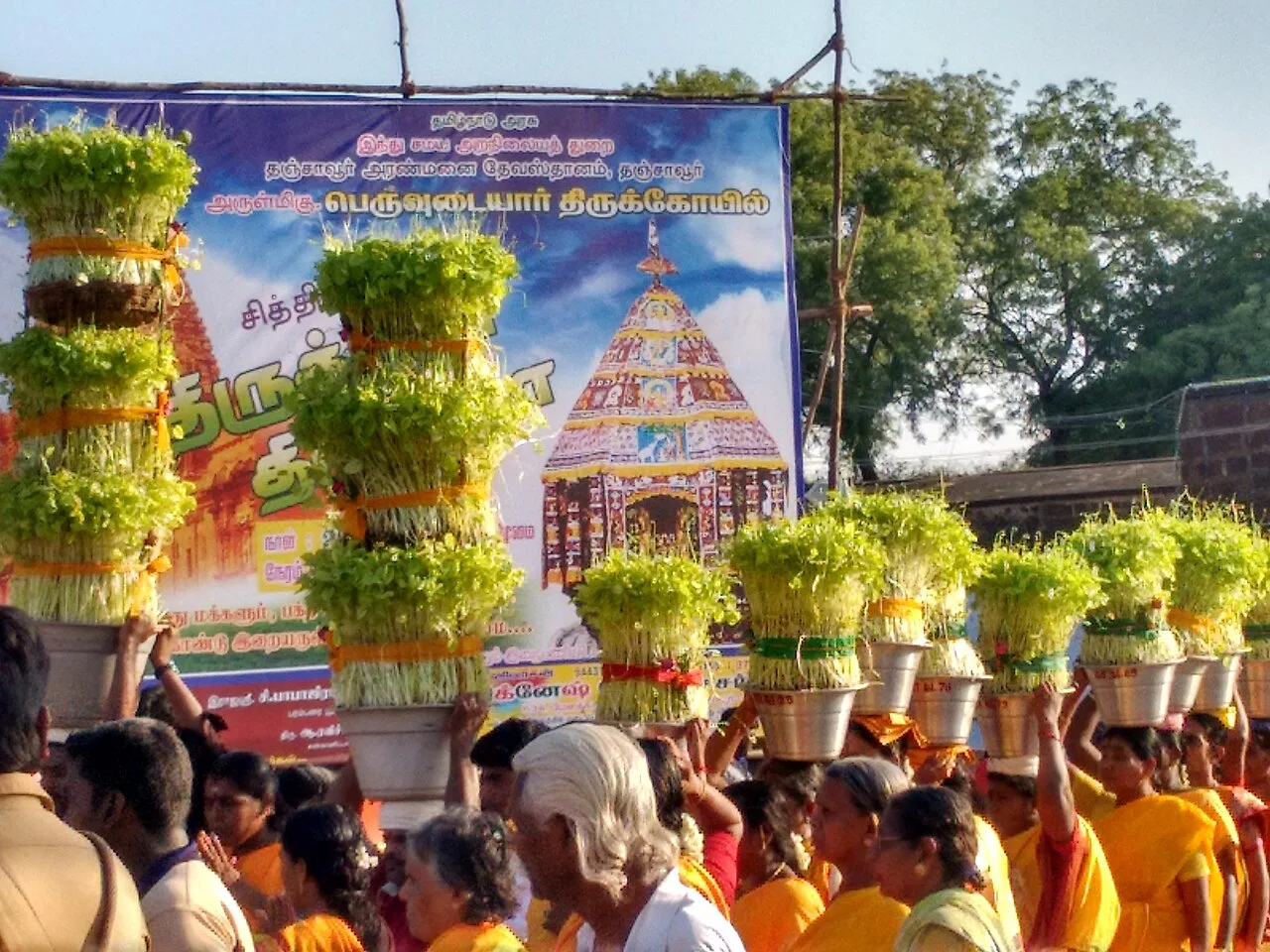
Pongal, celebrated in January, is a major seasonal festival, with harvest observances especially meaningful in an agricultural area. Tamil New Year, Deepavali and local temple festivals also bring families and neighbourhoods together; temple celebrations often include processions and music. Nadaswaram and percussion may accompany ceremonies, while folk performance traditions are part of the broader regional culture. Hindu temples, churches and mosques serve local communities, although Peravurani is not chiefly known as a pilgrimage centre. The town’s cultural life is best experienced through its market streets and festival activity rather than through a single large cultural venue.

Visiting the city

The cooler months from November to February are generally comfortable for exploring; the northeast monsoon can bring rain in the later part of the year, so carry suitable protection. Tiruchirappalli International Airport is the nearest major airport. Peravurani railway station serves the town, while buses and road connections link it with Pattukkottai, Aranthangi and Thanjavur.

Auto-rickshaws and local buses are useful for short trips; a hired vehicle is more convenient for visiting nearby villages and canal-side countryside. Start around the central bazaar and bus-stand area for everyday town life, then explore the agricultural surroundings and the Veppankulam area. Peravurani is a modest town rather than a destination with a concentrated tourist district, so allow time for regional travel and check local transport options before setting out.

Trips from the city

Nearest places to visit from Peravurani

Our closest destination guides, by straight-line distance.

Thirubuvanam

34 km away · Thanjavur district

Thirubuvanam

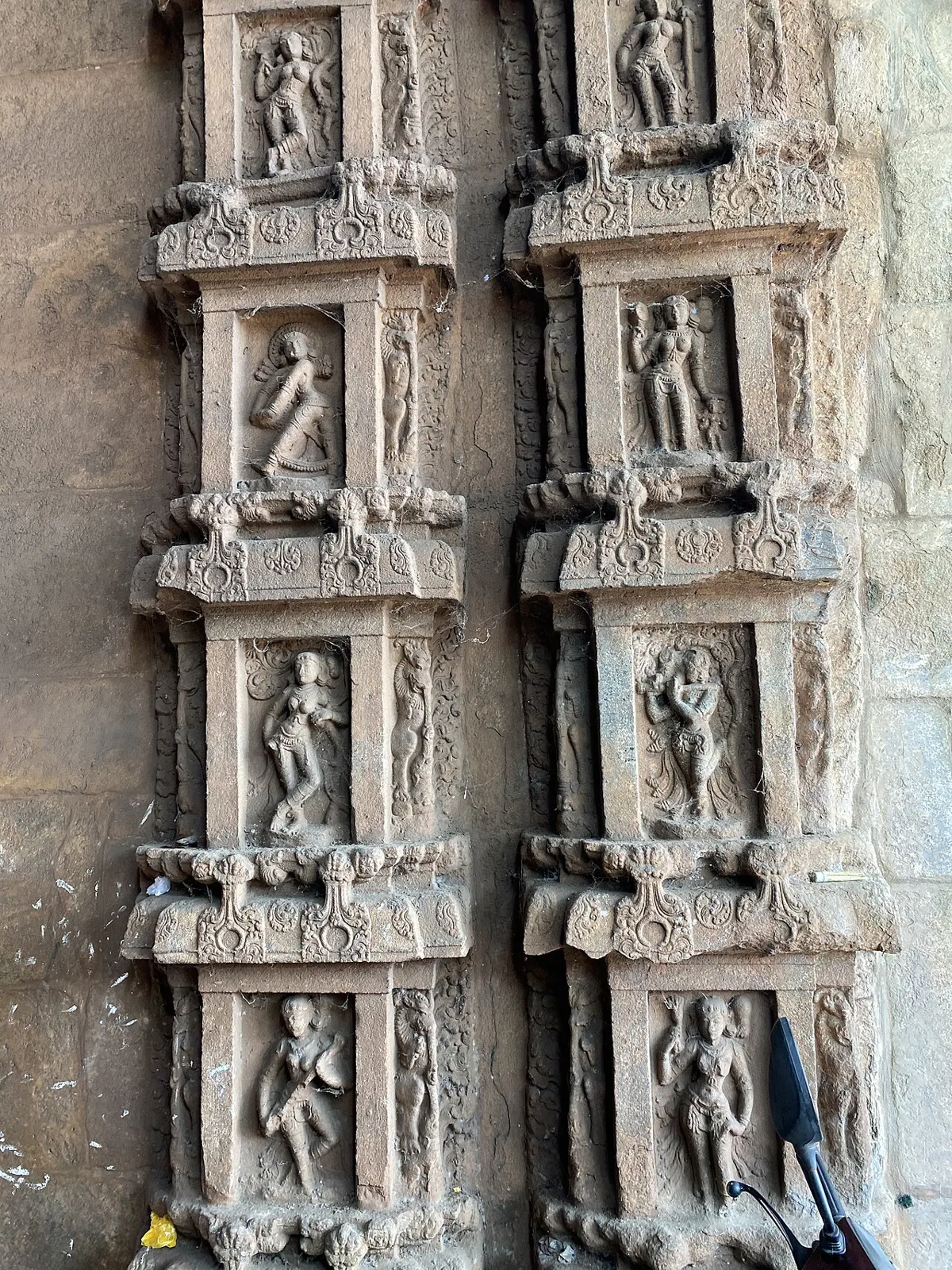
Thirubuvanam is a panchayat town in Tamil Nadu’s Thanjavur district. Visitors chiefly associate it with the Kampaheswarar Temple.

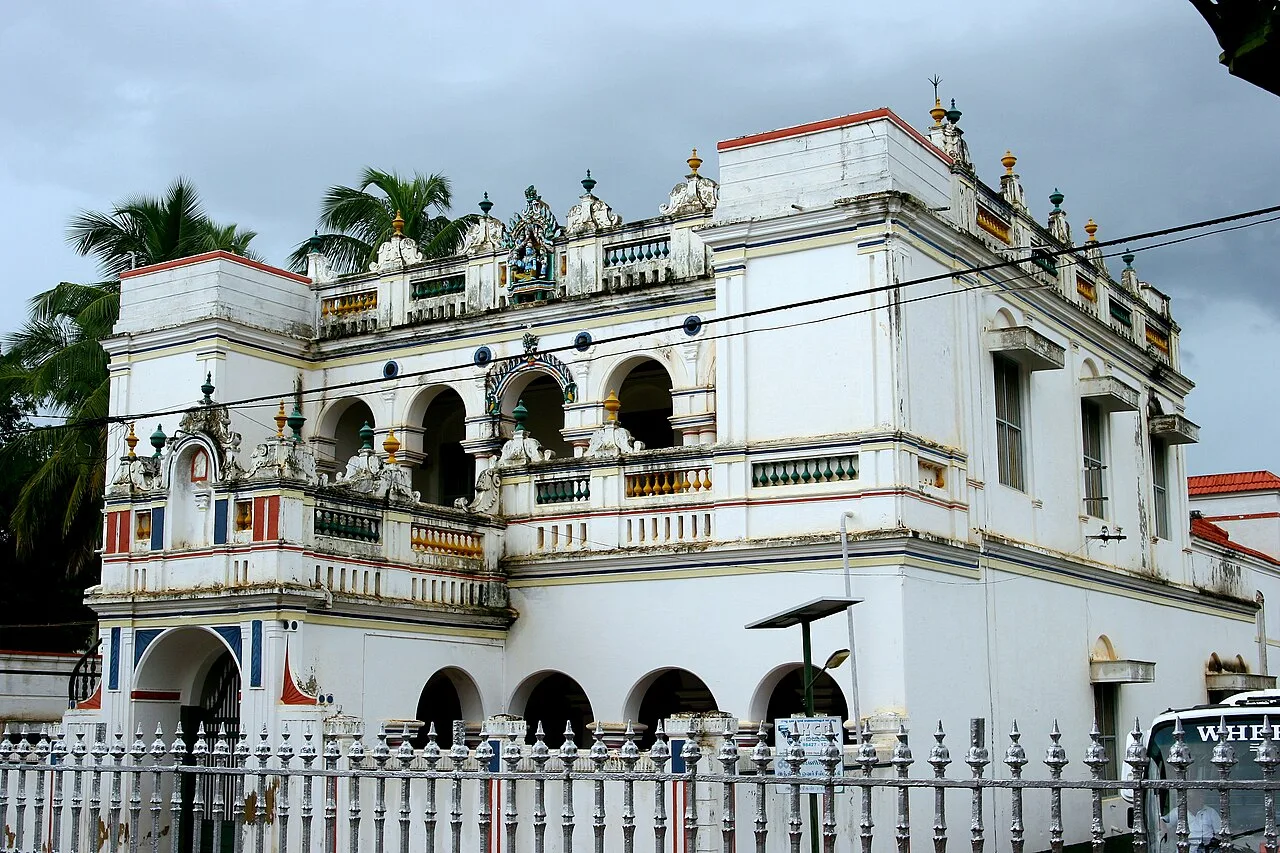
Kanadukathan Palace

47 km away · Sivaganga district

Kanadukathan Palace

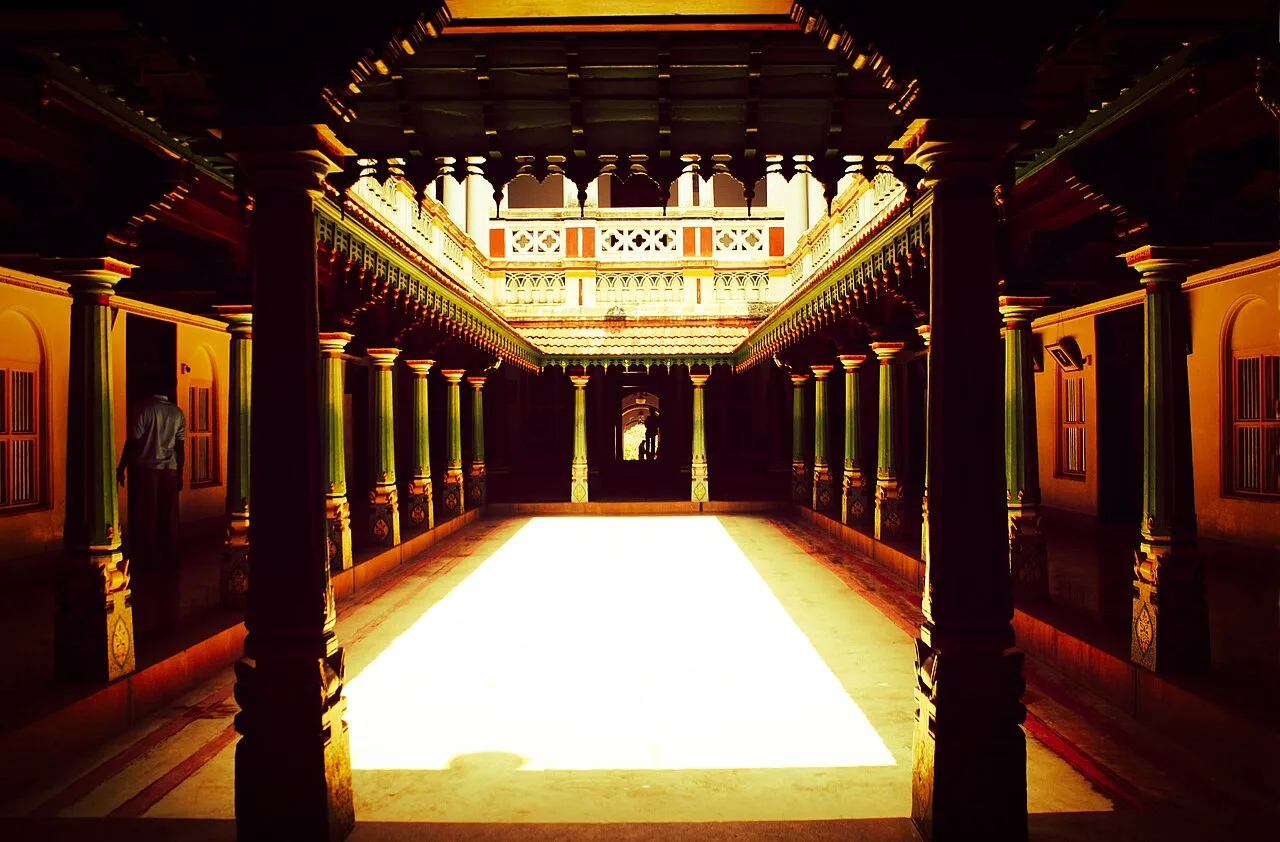
Kanadukathan Palace is located in Sivaganga district, Tamil Nadu. Visitors come to see the palace in Kanadukathan, a town within Karaikudi taluk.

Thirumayam Fort

50 km away · Pudukkottai district

Thirumayam Fort

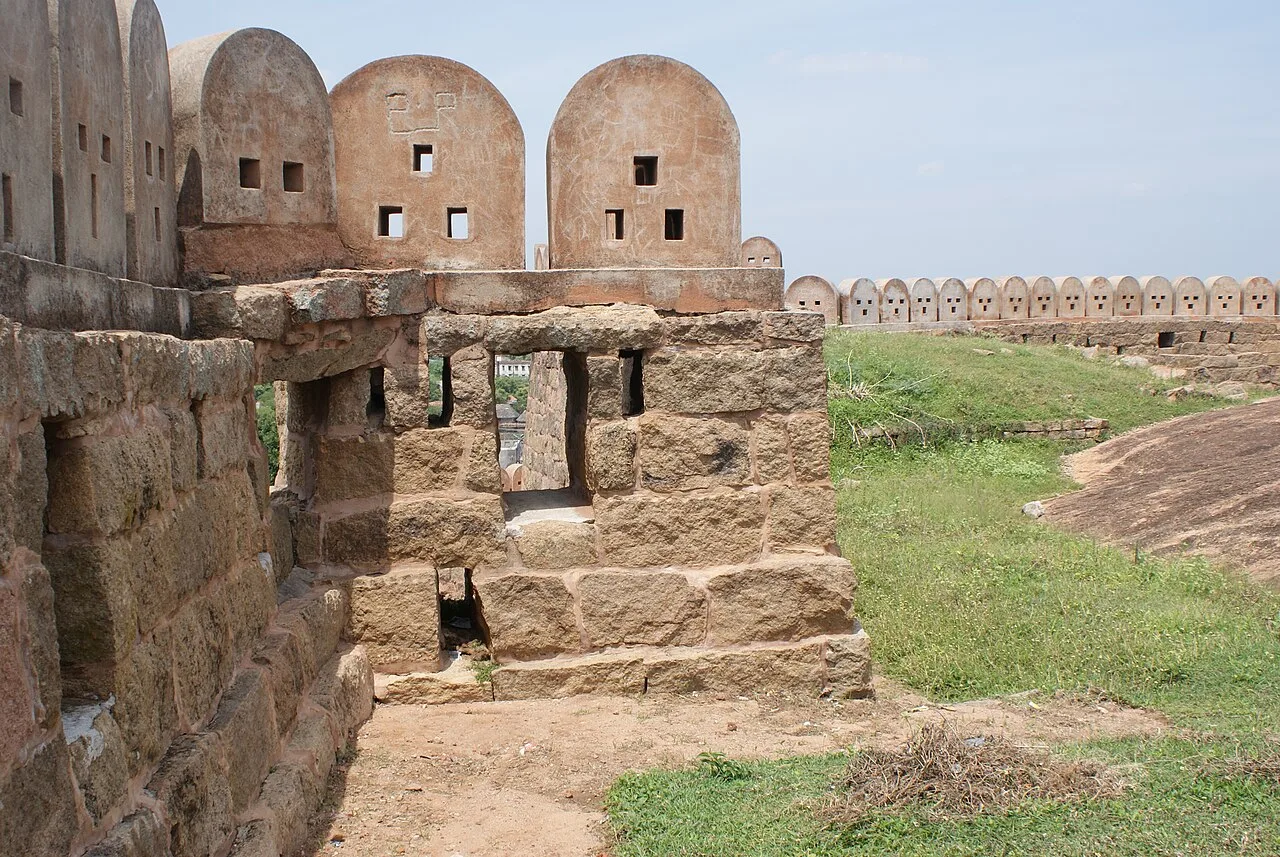
Thirumayam Fort is a 40-acre stronghold in Tamil Nadu, built in 1687. Visitors come to see the fort and learn about its history, including its transfer between local rulers and later renovation.

Chettinad Heritage Villages

53 km away · Sivaganga district

Chettinad Heritage Villages

Chettinad Heritage Villages are settlements within the Chettinad region of Tamil Nadu. Visitors come to explore the villages and learn about the area’s historical connection with the Ramnad kingdom.

Brihadisvara Temple

55 km away · Thanjavur district

Brihadisvara Temple

This major Shaivite temple in Thanjavur is a celebrated Chola-era monument, noted for its granite vimana, sculpture and place within the Great Living Chola Temples.

Sittanavasal Caves

55 km away · Pudukkottai district

Sittanavasal Caves

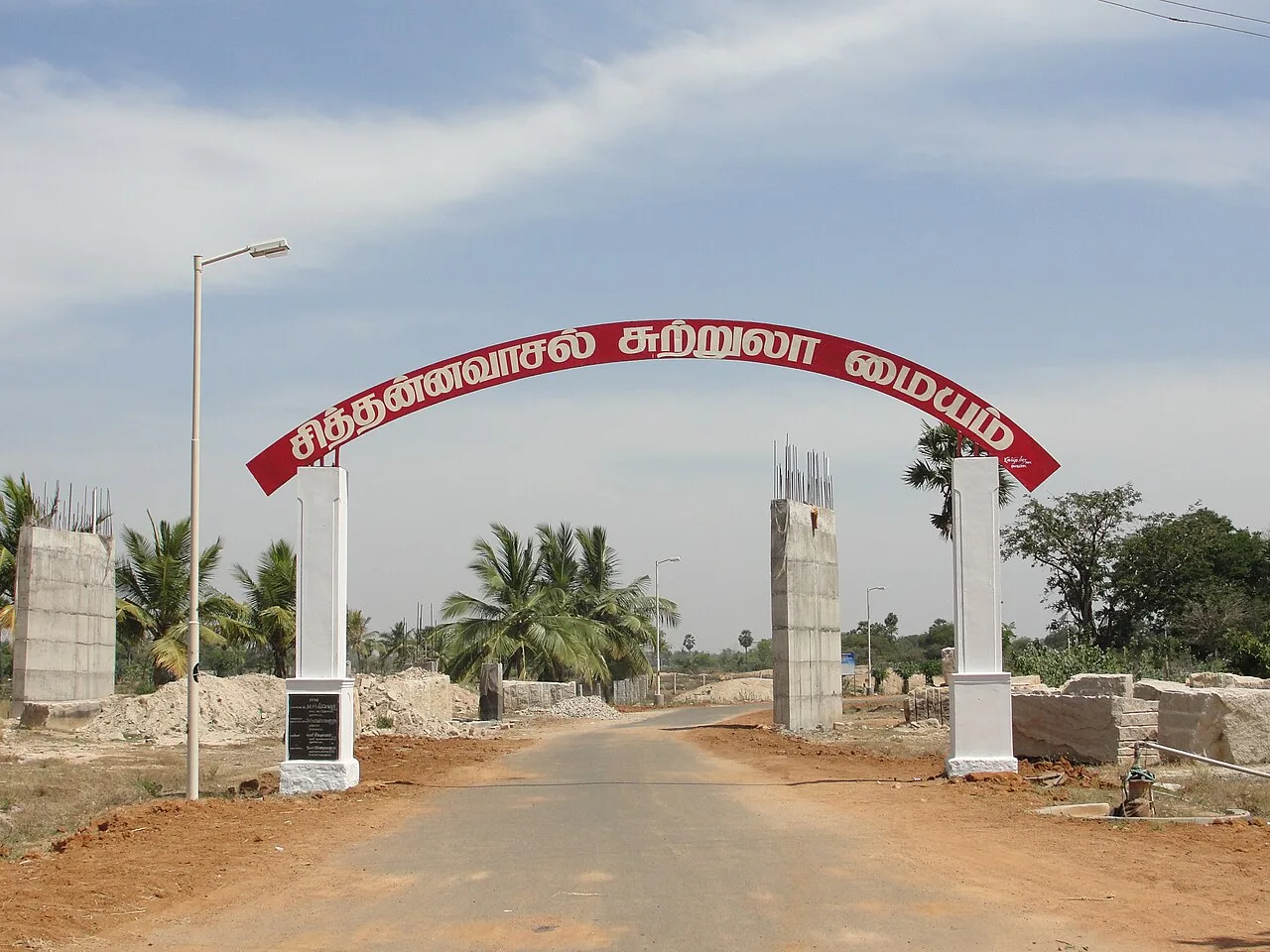
Sittanavasal is a small hamlet in Tamil Nadu’s Pudukkottai district. Visitors come to see its Jain cave complex, dated to the second century, and learn of its later role as a Jain centre.

Saraswathi Mahal Library

56 km away · Thanjavur district

Saraswathi Mahal Library

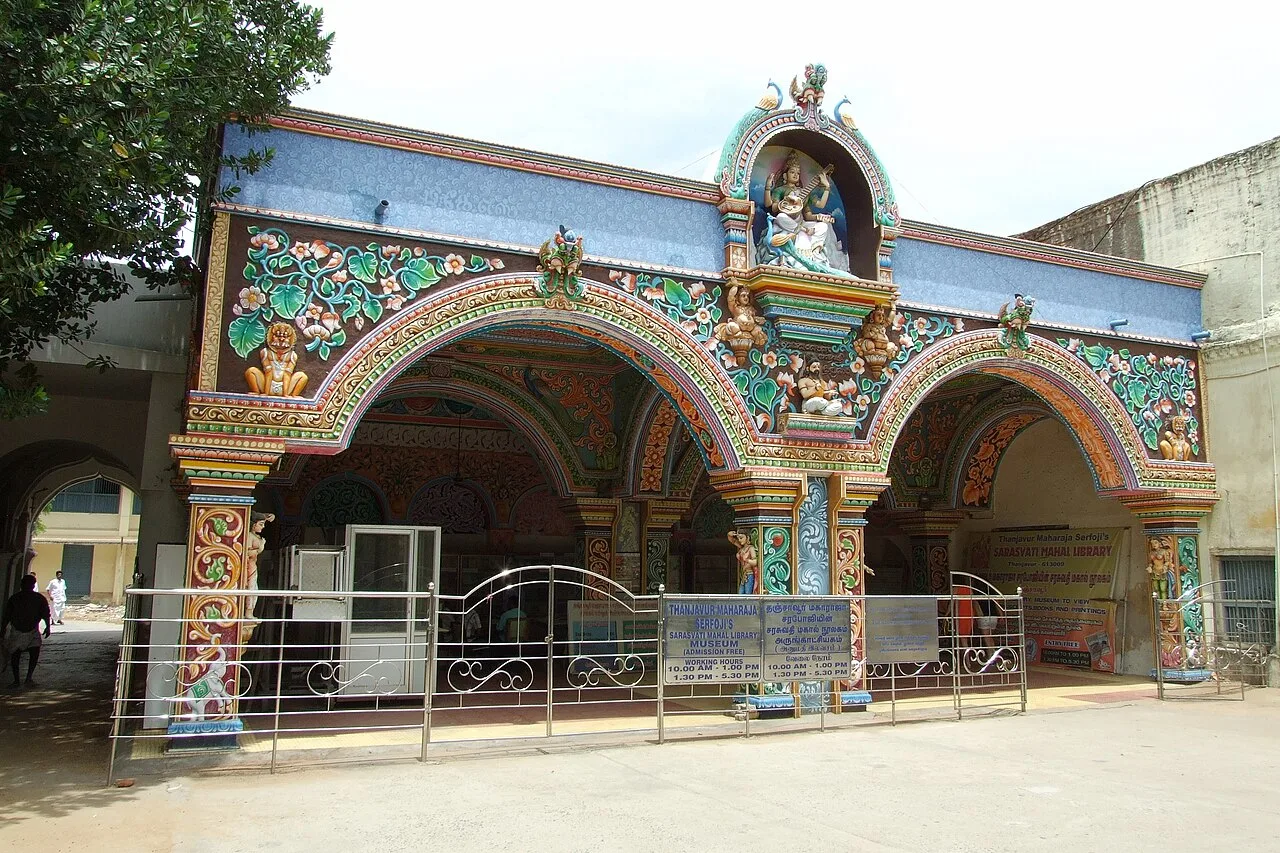
Saraswathi Mahal Library is a historic collection in Thanjavur, Tamil Nadu, known for its extensive manuscripts and printed works in Tamil, Sanskrit and other Indian languages.

Thanjavur Palace

56 km away · Thanjavur district

Thanjavur Palace

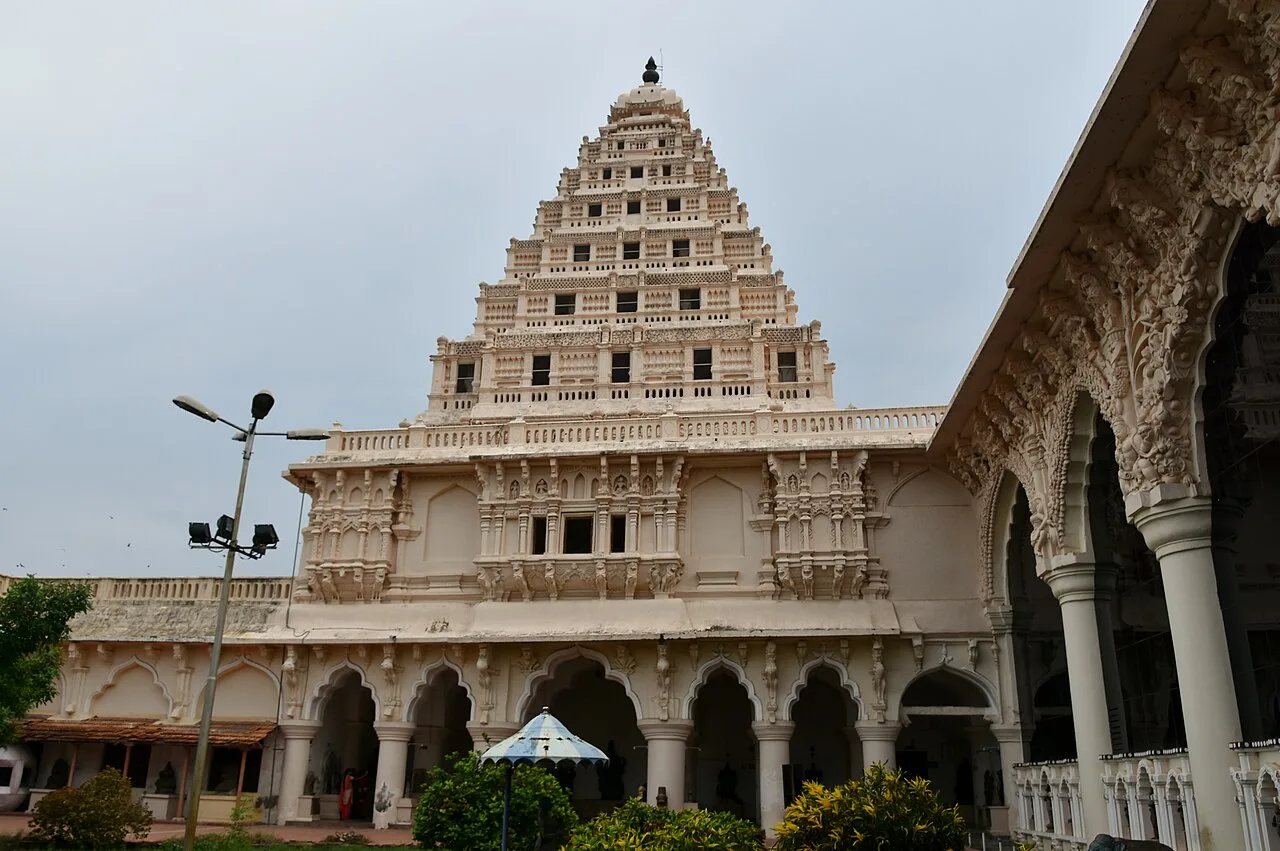
Thanjavur Palace is a royal residence in Tamil Nadu, associated with the Bhonsle family and the kingdom’s earlier rulers. Visitors come to learn about its place in Thanjavur’s royal history.

Map

Peravurani on the map

  1. 1Thirubuvanam
  2. 2Kanadukathan Palace
  3. 3Thirumayam Fort
  4. 4Chettinad Heritage Villages
  5. 5Brihadisvara Temple
  6. 6Sittanavasal Caves
  7. 7Saraswathi Mahal Library
  8. 8Thanjavur Palace

Tamil Nadu

Other cities to explore