Ghumoopedia — Explore, Discover, Experience
Sign in
Sittanavasal Caves, near Pudukkottai

City guide · Tamil Nadu

Pudukkottai

Pudukkottai is the administrative centre of its district and a useful base for exploring a part of Tamil Nadu rich in archaeological and architectural heritage. Its identity is closely tied to the Thondaiman rulers, who governed the former princely state, and to the region’s much older traces of settlement and worship.

Famous for

  • Thondaiman princely heritage
  • Archaeological heritage
  • Sittannavasal cave paintings
  • Thirukokarnam cave temple
  • Pudukkottai Government Museum

Why Pudukkottai matters

Pudukkottai is the administrative centre of its district and a useful base for exploring a part of Tamil Nadu rich in archaeological and architectural heritage. Its identity is closely tied to the Thondaiman rulers, who governed the former princely state, and to the region’s much older traces of settlement and worship. The city’s museum and historic places of worship offer an introduction to this layered past; nearby Sittannavasal is renowned for its Jain cave and paintings, while Thirumayam is known for its fort and rock-cut shrines.

Today, Pudukkottai serves residents and nearby towns through government offices, educational institutions, transport links and markets. Visitors come for heritage excursions and for access to the wider district, whose sites range from cave art to forts and temples. The town is also part of an agricultural region where paddy, groundnuts, bananas and sugarcane are grown. Its appeal lies less in a single landmark or product than in its role as a practical gateway to the area’s history and everyday Tamil Nadu life.
Famous for: crafts, trade & products

Pudukkottai is best known for its historical setting and archaeological interest rather than for a widely recognised textile, handicraft or GI-tagged product. The Pudukkottai Government Museum is a good place to begin learning about the district’s past. In and around the town, Thondaiman-era heritage and the cave temple at Thirukokarnam add to its cultural character; Sittannavasal and Thirumayam make rewarding excursions into the surrounding district.

The city acts as a market and service centre for a largely agricultural hinterland. Paddy, groundnuts, bananas and sugarcane are among the region’s crops, and local shops and markets cater to everyday needs as well as trade in farm produce. Visitors can browse central commercial streets for groceries, household goods and customary Tamil snacks, though Pudukkottai is not especially known as a destination for a signature craft or saree. Colleges, schools and government offices are important local institutions, reflecting the city’s role as the district headquarters. For specialist handicrafts or recognised regional products, it is best to check what is available locally rather than assume the town has a dedicated craft market.

History

Pudukkottai developed as the seat of the Thondaiman rulers, whose principality took shape in the late seventeenth century. Raghunatha Raya Tondaiman, previously associated with Thirumayam, became the founder of the ruling line. The Thondaimans navigated shifting alliances with neighbouring powers, including the rulers of Madurai and Thanjavur, the Nawab of the Carnatic and, later, the British. The princely state came under British protection and remained a distinct state under British India.

After Indian independence, Pudukkottai was incorporated into the Indian Union in 1948, ending the Thondaiman rule. The town became part of the reorganised Madras State, later renamed Tamil Nadu, and Pudukkottai district was formed in 1974 from areas previously belonging to Tiruchirappalli and Thanjavur districts. In modern times, Pudukkottai has grown as a district headquarters, with administrative services, schools, colleges and road and rail connections supporting the surrounding region. Its archaeological and princely heritage remains an important part of its identity.

Food, festivals & culture

Tamil is the principal language of daily life, administration and commerce. The city’s food culture follows the wider Tamil pattern, with rice-based meals, idli, dosa, sambar and locally prepared snacks commonly available. Agricultural produce from the surrounding countryside shapes local markets and home cooking. Pudukkottai is not especially associated with one nationally recognised sweet or signature dish, so visitors will find familiar regional fare rather than a single defining city speciality.

Temple observances and Hindu festivals form an important part of the annual calendar. Pongal, the harvest festival, is celebrated in January; Tamil New Year falls in April, while Deepavali usually comes in October or November. Navaratri is also observed in the autumn. Thirukokarnam’s cave temple is a notable place of worship in the city, and temples across the district sustain local devotional traditions. Carnatic and Tamil devotional music are heard at religious and cultural occasions, alongside popular film music. Classical Bharatanatyam performances may feature at cultural events, though the city is not defined by one particular dance form.

Visiting the city

The cooler months, roughly December to February, are generally the most comfortable for exploring. October to December brings much of the area’s rain, while April to June is typically hot. The nearest airport is Tiruchirappalli International Airport, about 45 km away. Pudukkottai railway station serves the city, and buses and roads connect it with nearby towns and larger regional centres.

Within town, local buses and auto-rickshaws are practical for getting around; hired vehicles are useful for visiting sites farther afield. Explore the central area for shops and civic landmarks, and visit Thirukokarnam for its cave temple and the Government Museum for regional history. Pudukkottai also makes a convenient base for day trips to Sittannavasal and Thirumayam. Allow extra time for road journeys during rainy spells and in the hottest part of the day.

Trips from the city

Nearest places to visit from Pudukkottai

Our closest destination guides, by straight-line distance.

Sittanavasal Caves

13 km away · Pudukkottai district

Sittanavasal Caves

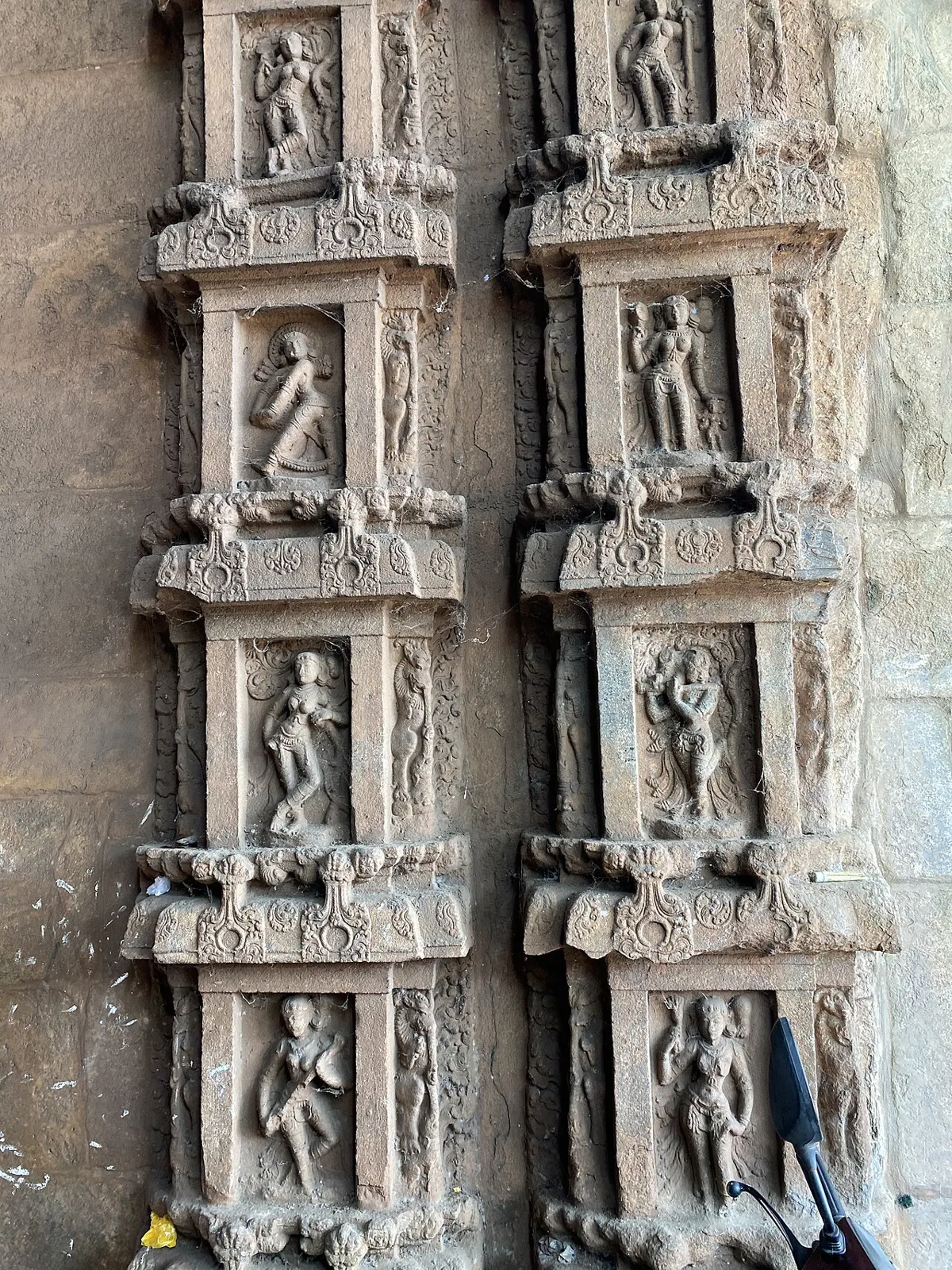
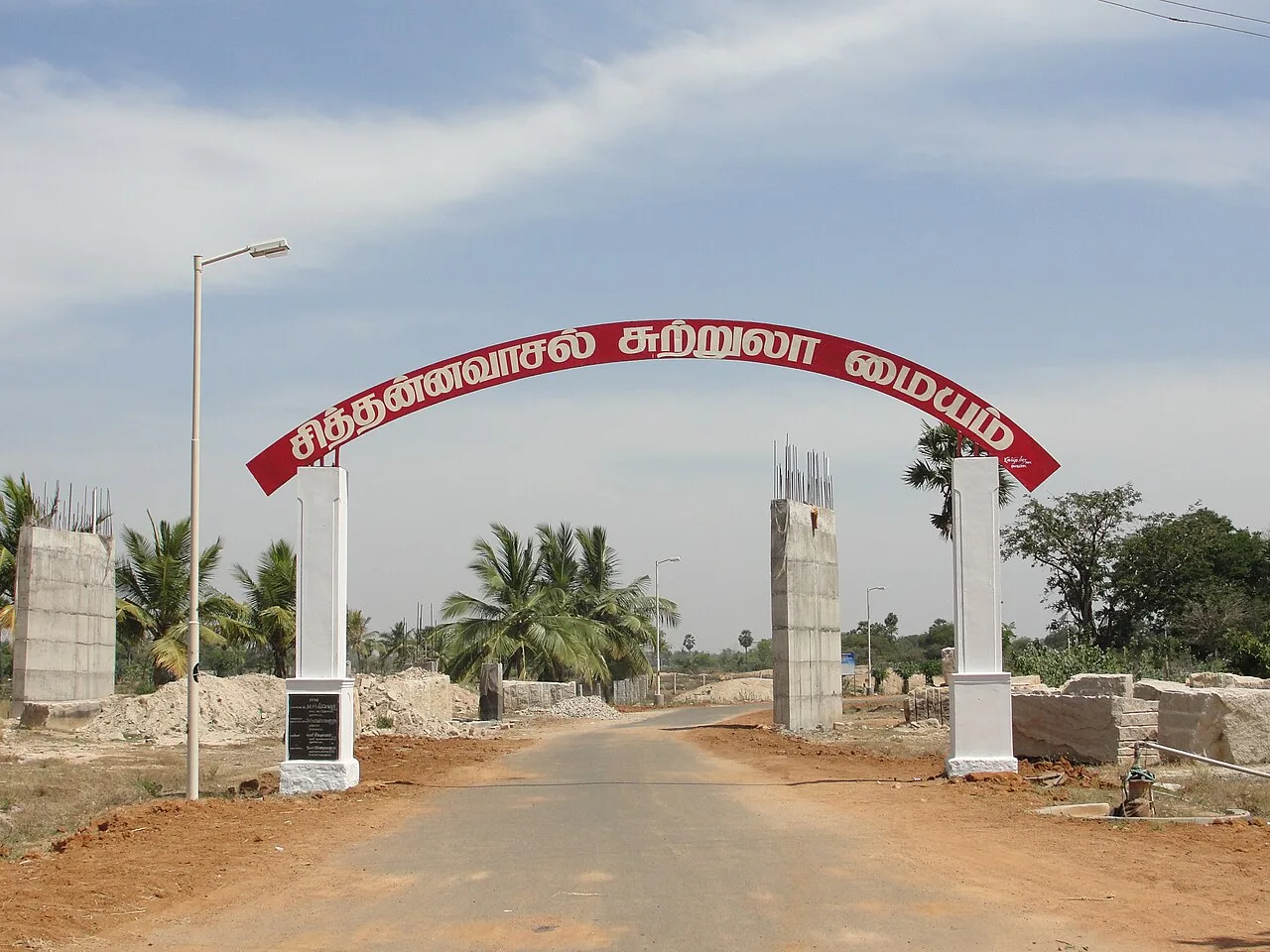
Sittanavasal is a small hamlet in Tamil Nadu’s Pudukkottai district. Visitors come to see its Jain cave complex, dated to the second century, and learn of its later role as a Jain centre.

Thirumayam Fort

17 km away · Pudukkottai district

Thirumayam Fort

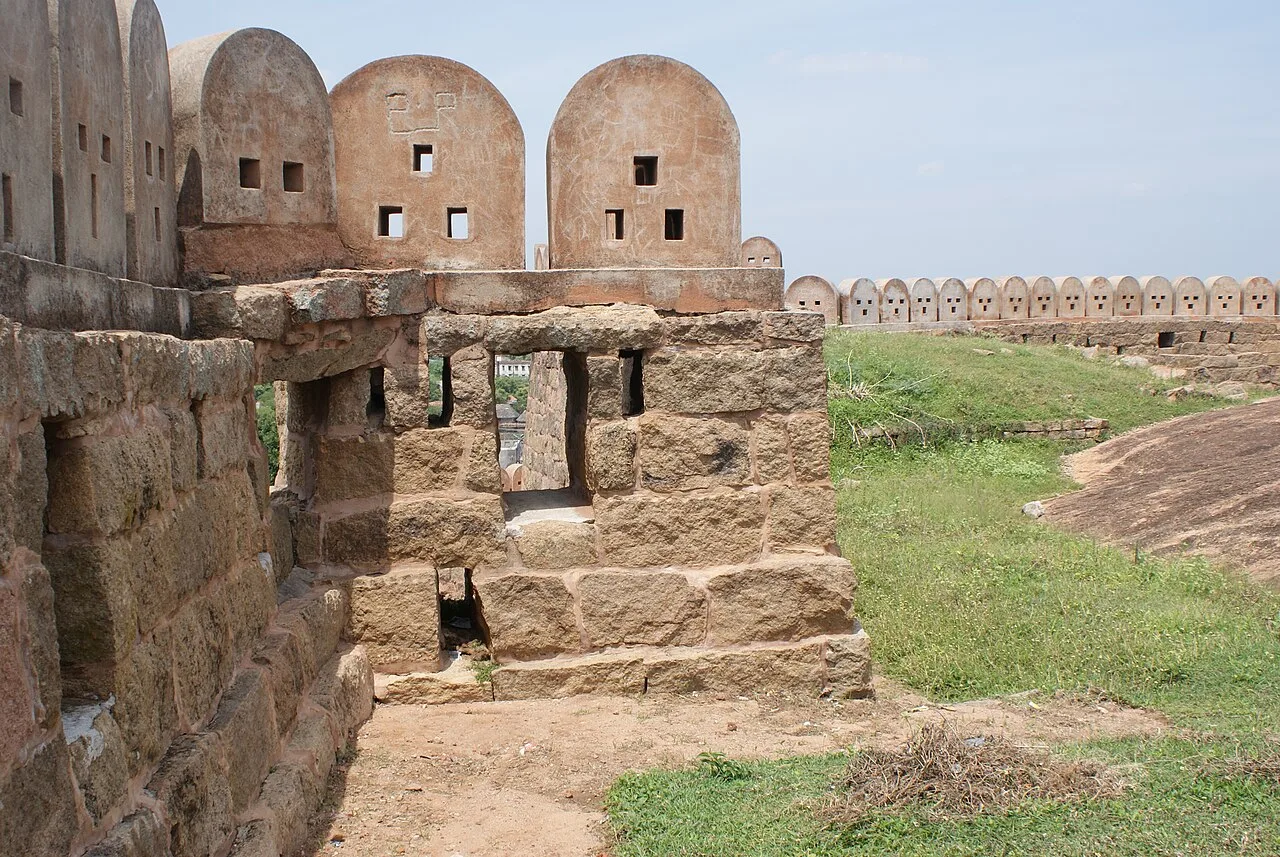
Thirumayam Fort is a 40-acre stronghold in Tamil Nadu, built in 1687. Visitors come to see the fort and learn about its history, including its transfer between local rulers and later renovation.

Kanadukathan Palace

24 km away · Sivaganga district

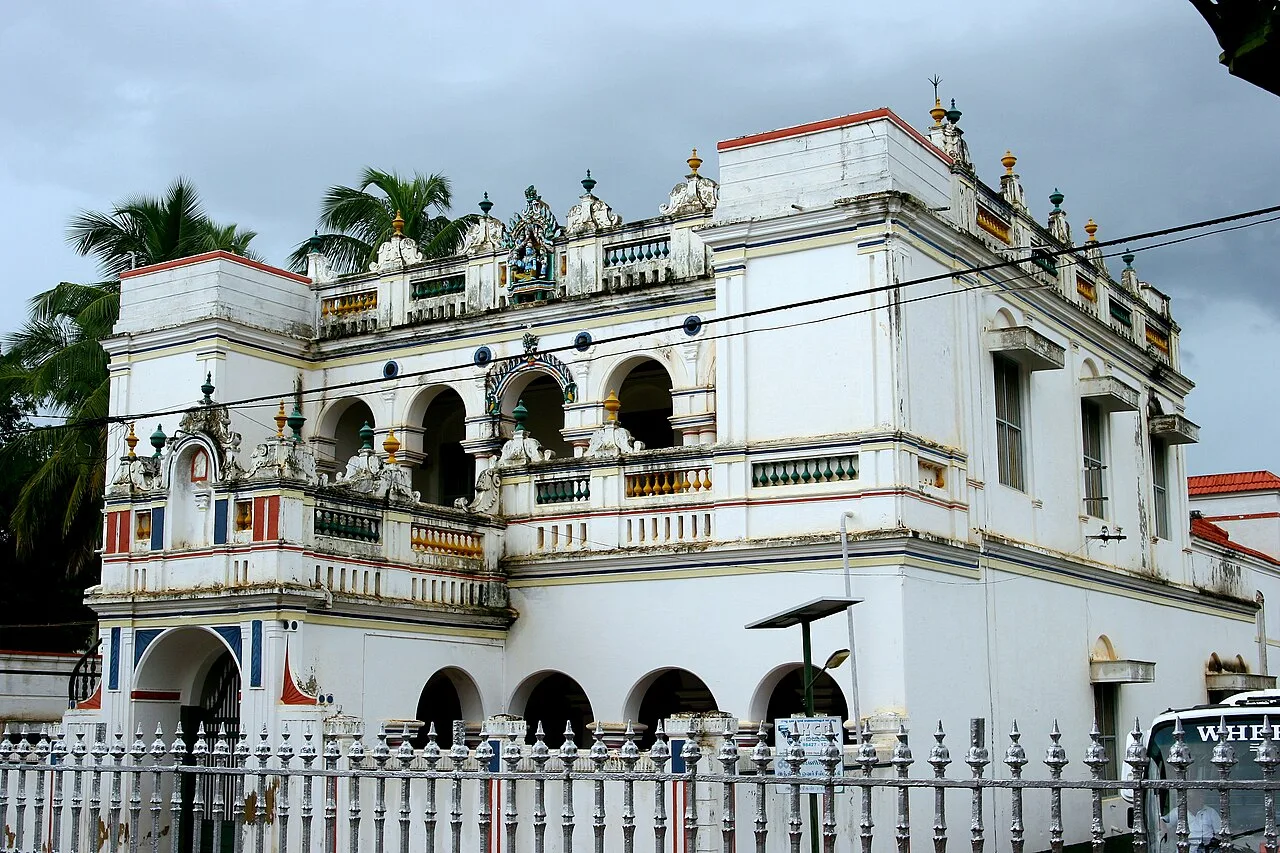
Kanadukathan Palace

Kanadukathan Palace is located in Sivaganga district, Tamil Nadu. Visitors come to see the palace in Kanadukathan, a town within Karaikudi taluk.

Pillayarpatti Karpaga Vinayagar Temple

34 km away · Sivaganga district

Pillayarpatti Karpaga Vinayagar Temple

Pillayarpatti Karpaga Vinayagar Temple is a cave shrine dedicated to Ganesha, enlarged over many centuries. Visitors come to see its distinctive rock carvings, historic inscriptions and later temple buildings.

Chettinad Heritage Villages

35 km away · Sivaganga district

Chettinad Heritage Villages

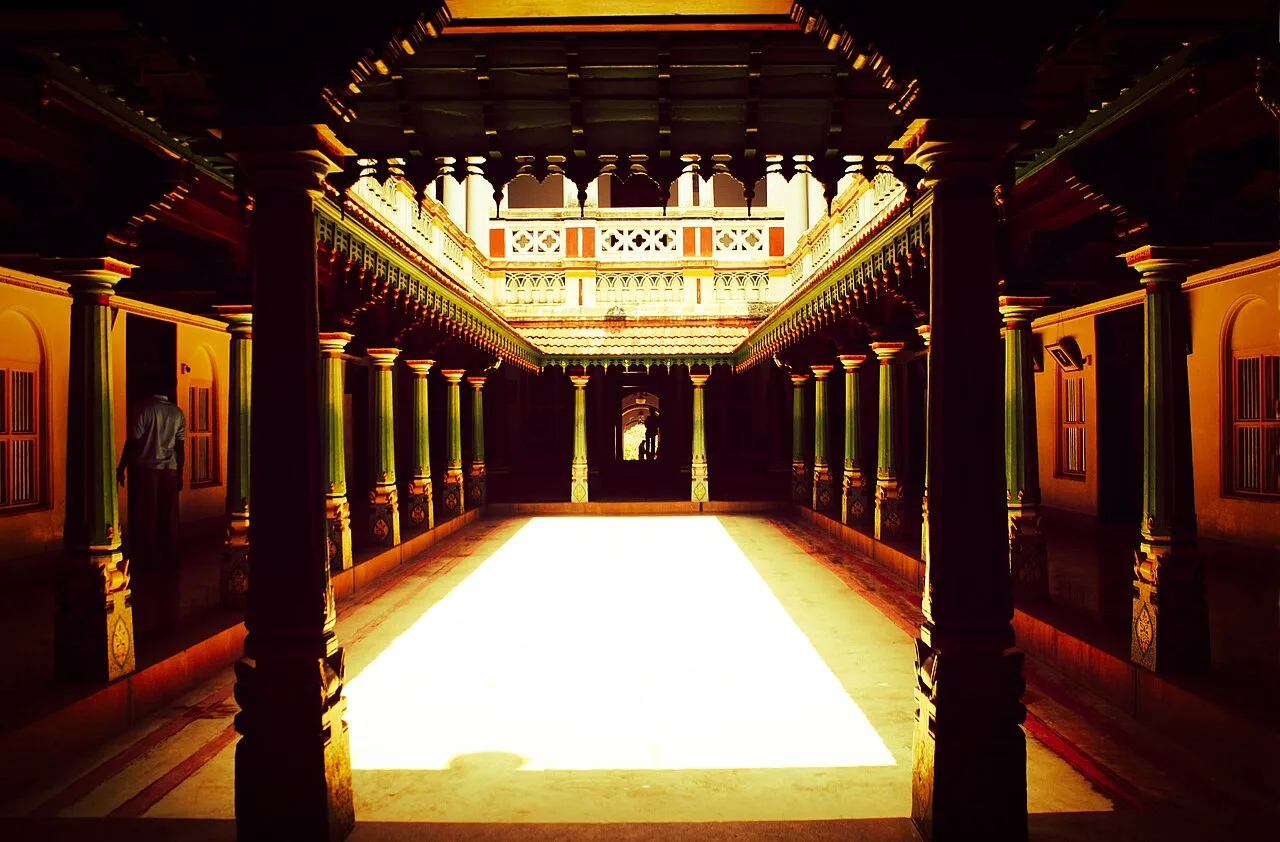
Chettinad Heritage Villages are settlements within the Chettinad region of Tamil Nadu. Visitors come to explore the villages and learn about the area’s historical connection with the Ramnad kingdom.

Kallanai (Grand Anicut)

50 km away · Tiruchirappalli district

Kallanai (Grand Anicut)

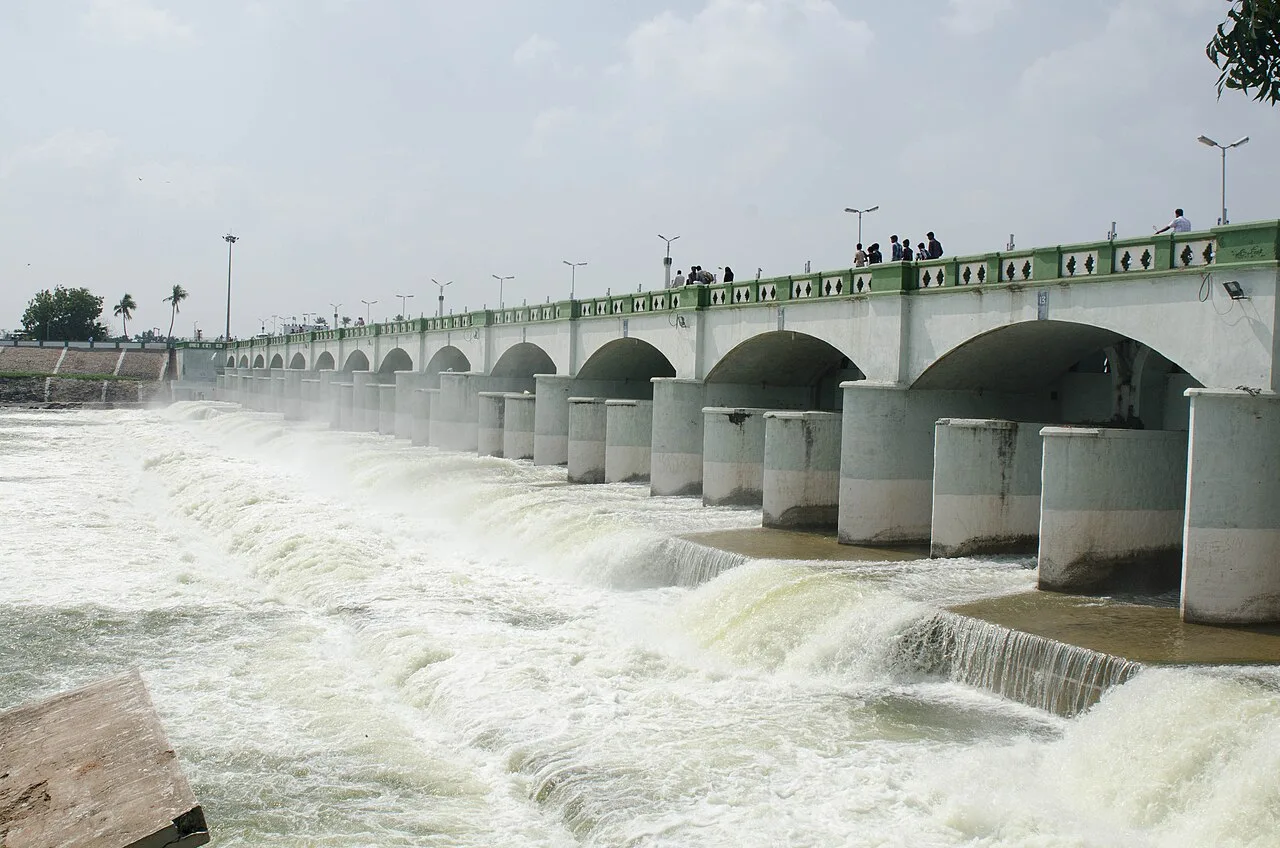
Kallanai, or the Grand Anicut, is a Chola-period dam across the Kaveri in Tamil Nadu. Visitors are drawn to its ancient water-management role and its distinction as a historic structure that remains operational.

Rockfort Ucchi Pillayar Temple

52 km away · Tiruchirappalli district

Rockfort Ucchi Pillayar Temple

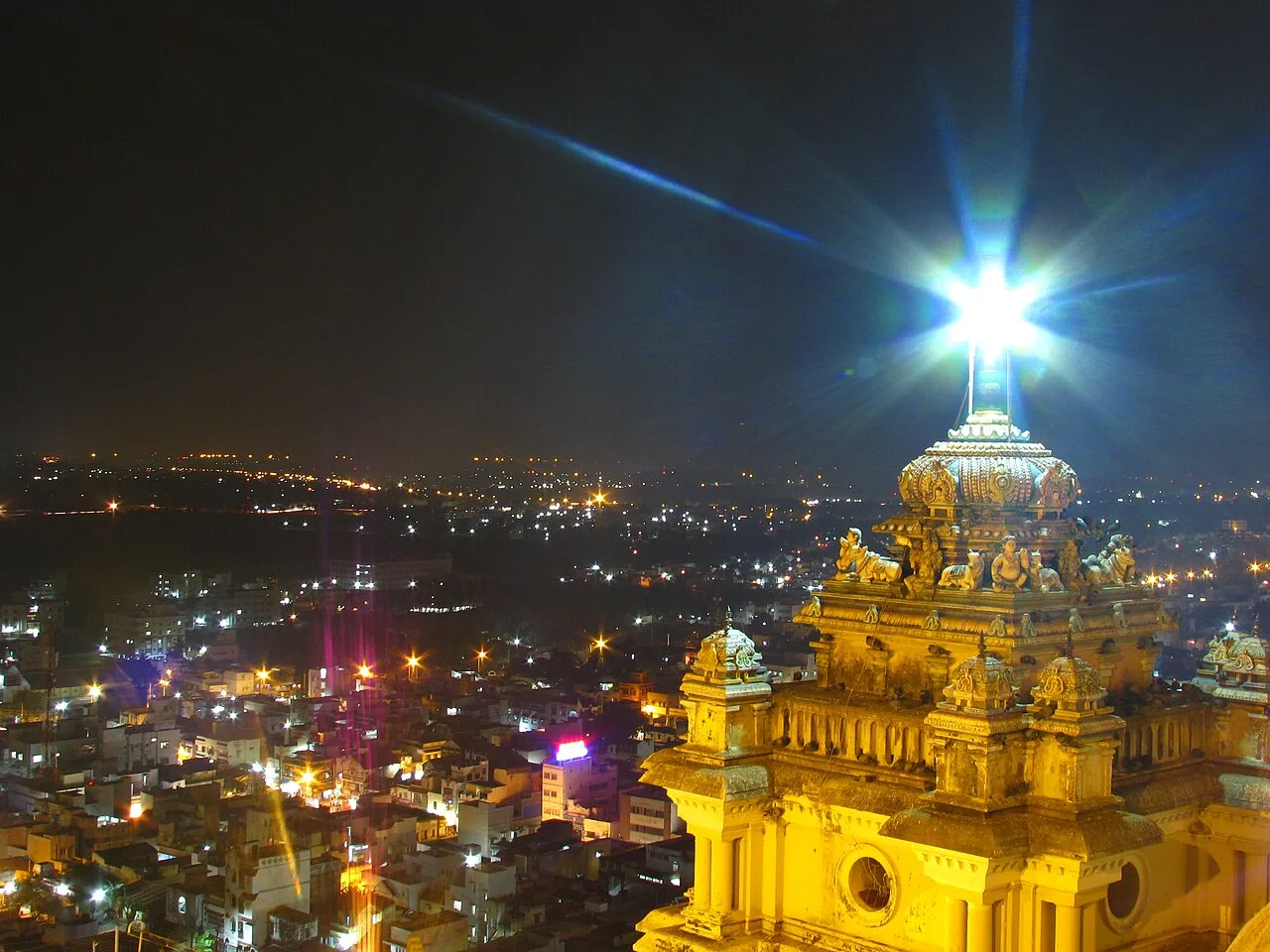
Atop Rock Fort in Tiruchirappalli, Tamil Nadu, this seventh-century Hindu shrine is devoted to Ganesha. Visitors come to worship and to connect the site with a legend about Ganesha and King Vibishana.

Thirubuvanam

53 km away · Thanjavur district

Thirubuvanam

Thirubuvanam is a panchayat town in Tamil Nadu’s Thanjavur district. Visitors chiefly associate it with the Kampaheswarar Temple.

Map

Pudukkottai on the map

  1. 1Sittanavasal Caves
  2. 2Thirumayam Fort
  3. 3Kanadukathan Palace
  4. 4Pillayarpatti Karpaga Vinayagar Temple
  5. 5Chettinad Heritage Villages
  6. 6Kallanai (Grand Anicut)
  7. 7Rockfort Ucchi Pillayar Temple
  8. 8Thirubuvanam

Tamil Nadu

Other cities to explore