Ghumoopedia — Explore, Discover, Experience
Sign in
Namakkal Fort, near Rasipuram

City guide · Tamil Nadu

Rasipuram

Rasipuram is a municipality and taluk headquarters in Namakkal district, with close links to Salem and the surrounding towns of northern Tamil Nadu. Its position on regional road and rail routes makes it a practical centre for local trade and services, as well as a base for exploring the area.

Famous for

  • Rasipuram ghee
  • Tapioca sago
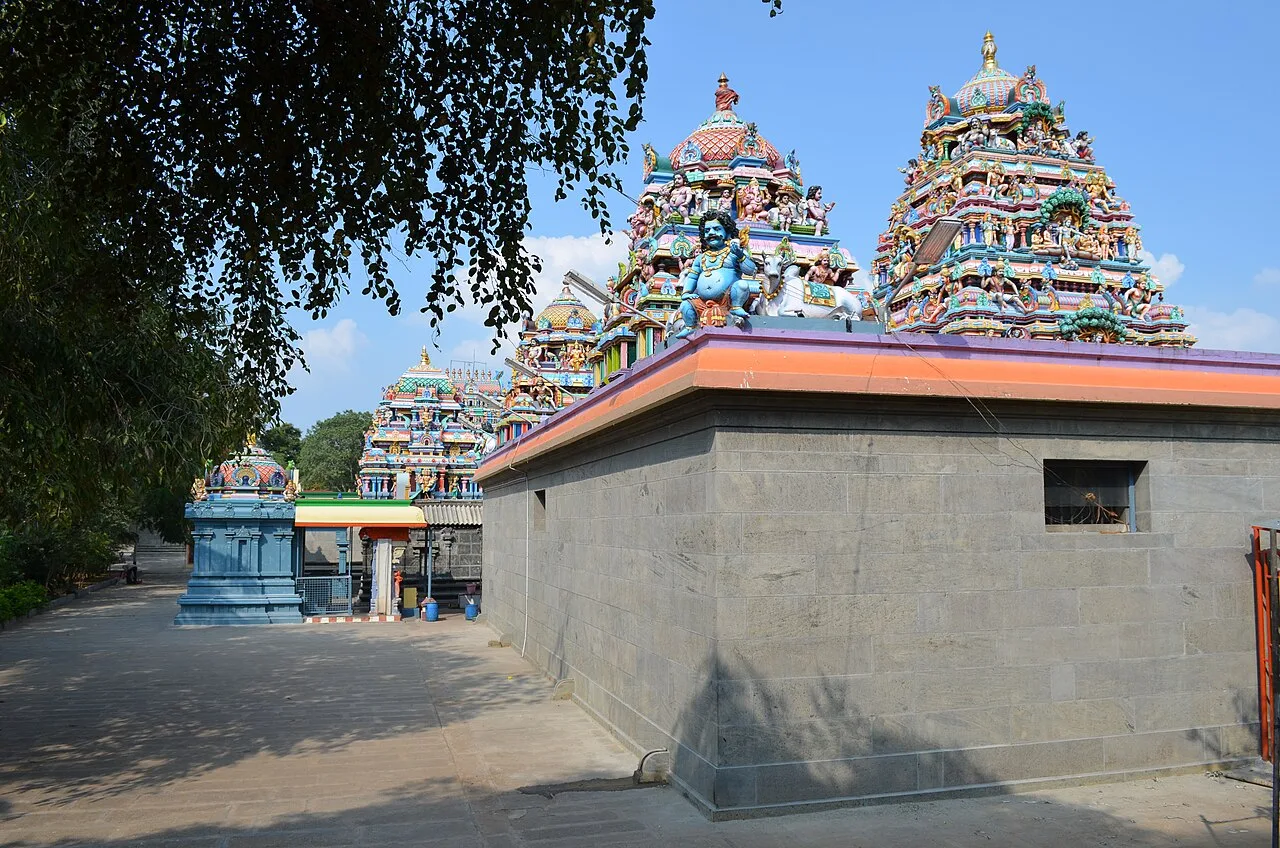
  • Historic Shiva temple
  • Regional food processing

Why Rasipuram matters

Rasipuram is a municipality and taluk headquarters in Namakkal district, with close links to Salem and the surrounding towns of northern Tamil Nadu. Its position on regional road and rail routes makes it a practical centre for local trade and services, as well as a base for exploring the area. The town is especially associated with ghee and tapioca sago, products that reflect the importance of food production and processing in its economy.

Visitors come for the historic Shiva temple and the everyday life of a busy district town: market streets, local eateries and shops selling regional foods. Rasipuram’s identity is less about grand monuments or resort tourism than its combination of temple heritage, commerce and a strong food-product reputation. Its name is often linked to “Rajapuram,” meaning “King’s Town,” and local tradition connects its temple history with the early rulers of the region. The town offers a grounded introduction to life beyond Tamil Nadu’s larger cities.
Famous for: crafts, trade & products

Rasipuram is best known for ghee and tapioca sago. Ghee is sold by local food retailers, while tapioca is processed into sago in the town and its wider hinterland. These products are part of Rasipuram’s commercial identity, though visitors should not assume that every product carrying the town’s name has a protected geographical indication. Shops in the central market area are a useful place to look for locally made or locally sourced goods; packaged food products may also be available through general provision stores.

The town is not especially known for a signature saree, textile or handicraft tradition. Its distinctive trade story is instead tied to agricultural produce and food processing. A walk through the bazaar gives a sense of the everyday retail economy, including food shops and businesses serving residents of the taluk. For a closer look at sago production, visitors can enquire locally about processors in and around Rasipuram, as production sites may operate as businesses rather than public attractions. The historic Shiva temple is the town’s most prominent heritage landmark.

History

Rasipuram is an old settlement, with local accounts tracing its history to the early centuries CE. Its name is commonly understood as a form of “Rajapuram,” or “King’s Town.” The town is also associated with a Shiva temple whose origins are traditionally linked to Valvil Ori, the celebrated ruler connected with the Kolli Hills. The precise early history is difficult to separate from local tradition, but the temple remains an important marker of the town’s heritage.

In the colonial period, Rasipuram’s municipal administration fell within Salem district. It later became part of Namakkal district, established as a separate district in 1997. As the headquarters of Rasipuram taluk, the town developed as a centre for administration, trade and services. In modern times, its reputation for ghee and tapioca sago has added an important commercial dimension, alongside its role as a local transport and market centre.

Food, festivals & culture

Tamil is the main language of daily life; English is also used in some shops and service settings. Rasipuram’s food culture reflects its reputation for ghee and sago. Local eateries serve familiar Tamil meals, rice dishes and tiffin such as idli and dosa, often accompanied by chutneys and sambar. Ghee is a prominent local product, while tapioca-derived sago is used in foods and sold as a processed ingredient.

Pongal, the harvest festival celebrated in January, is an important time for family and community observances. Deepavali in autumn and Tamil New Year in spring are also widely marked, alongside festivals in local places of worship. The Shiva temple is a focal point for religious visits and temple observances. As in many Tamil towns, devotional music and customary temple rituals are part of festival life; Rasipuram is not particularly known as a centre for a distinct classical music or dance form.

Visiting the city

The cooler months, roughly November to February, are generally the most comfortable for visiting. Summers can be hot, and rain is more likely during the monsoon seasons. Salem Airport is the nearest airport; check current flight availability before planning around it. Rasipuram has its own railway station, while Salem Junction is a larger rail hub for connections in the region.

Auto-rickshaws, local buses and taxis are practical for getting around. The central market and bazaar streets offer a look at everyday town life, while the historic Shiva temple is the main heritage stop. Allow time to browse food shops for ghee and sago products. For visits to smaller settlements or food-processing businesses outside the centre, arrange local transport and confirm access in advance.

Trips from the city

Nearest places to visit from Rasipuram

Our closest destination guides, by straight-line distance.

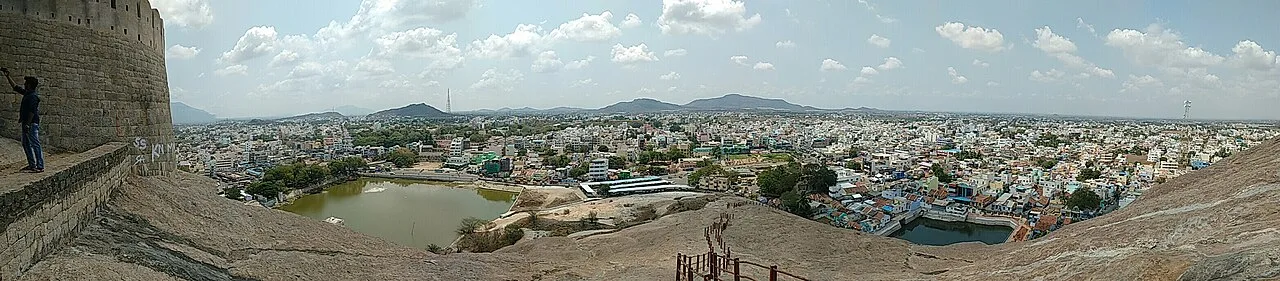
Namakkal Fort

25 km away · Namakkal district

Namakkal Fort

Rising above Namakkal, this seventeenth-century fort occupies a hillock of solid rock and contains a temple and mosque. Visitors come to see these sites and explore its history.

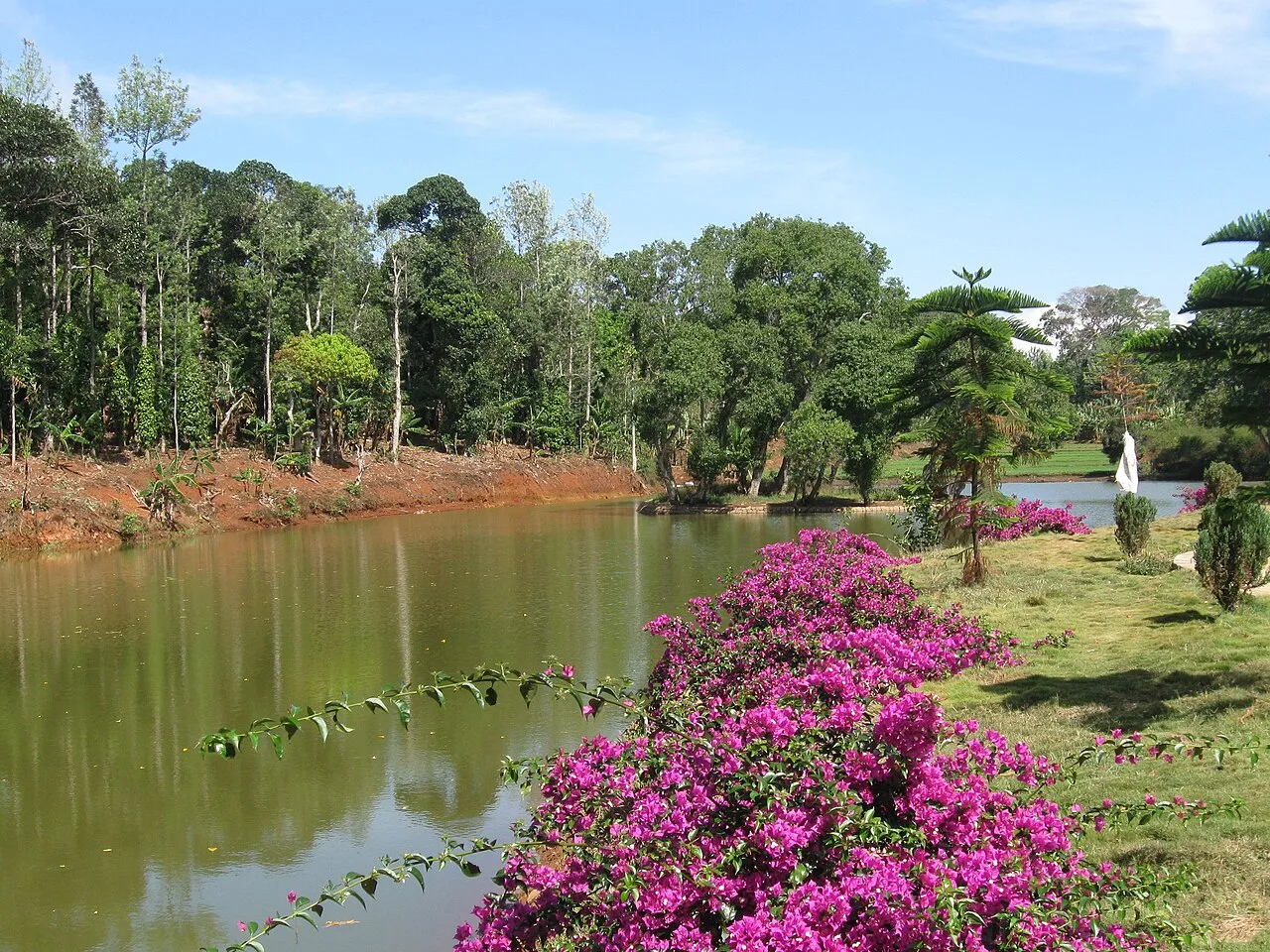
Kolli Hills

27 km away · Namakkal district

Kolli Hills

Kolli Malai, also called Kolli Hills, is a hill station and taluk within Tamil Nadu’s Namakkal district. Visitors come to the area in its capacity as a hill-station destination.

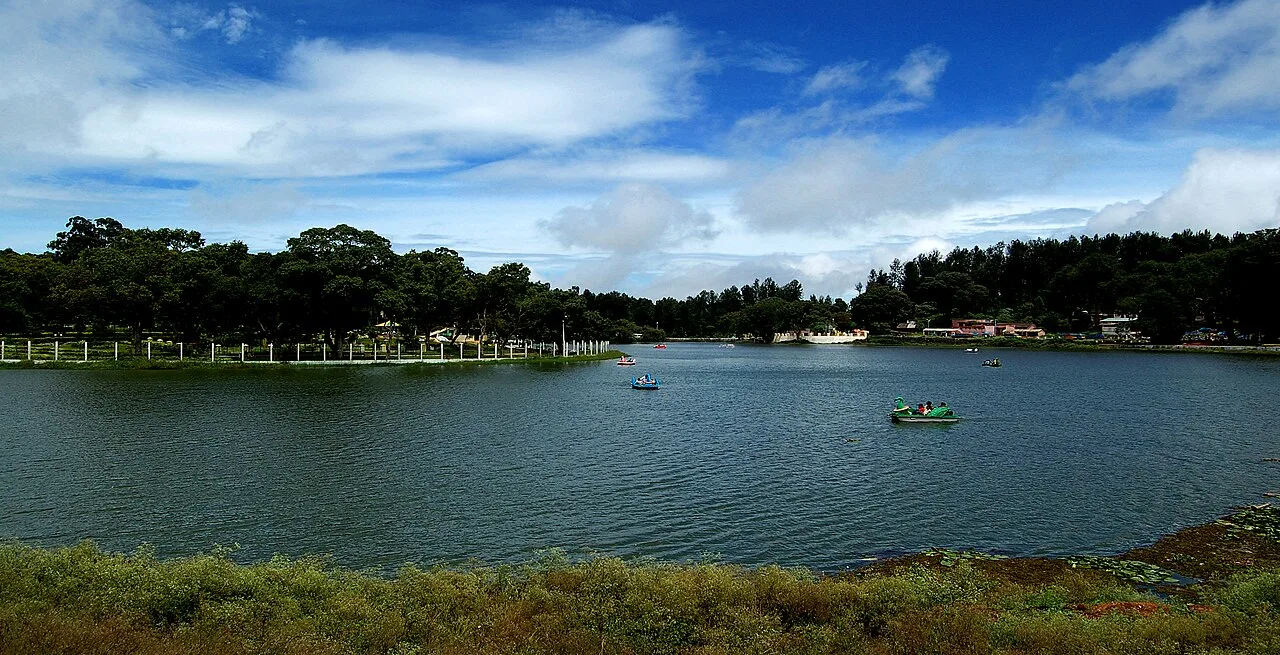
Yercaud Hill Station

36 km away · Salem district

Yercaud Hill Station

Yercaud, also known as Erkadu, is a hill town in Salem district, Tamil Nadu. Visitors come for its location in the Servarayan Hills, part of the Eastern Ghats.

Bhavani Sangameswarar Temple

55 km away · Erode district

Bhavani Sangameswarar Temple

Bhavani Sangameswarar Temple is a Shiva shrine in Bhavani, Tamil Nadu, at the meeting of the Kaveri, Bhavani and mystical Amutha rivers. Visitors worship here and perform rites for their ancestors.

Mettur Dam

57 km away · Salem district

Mettur Dam

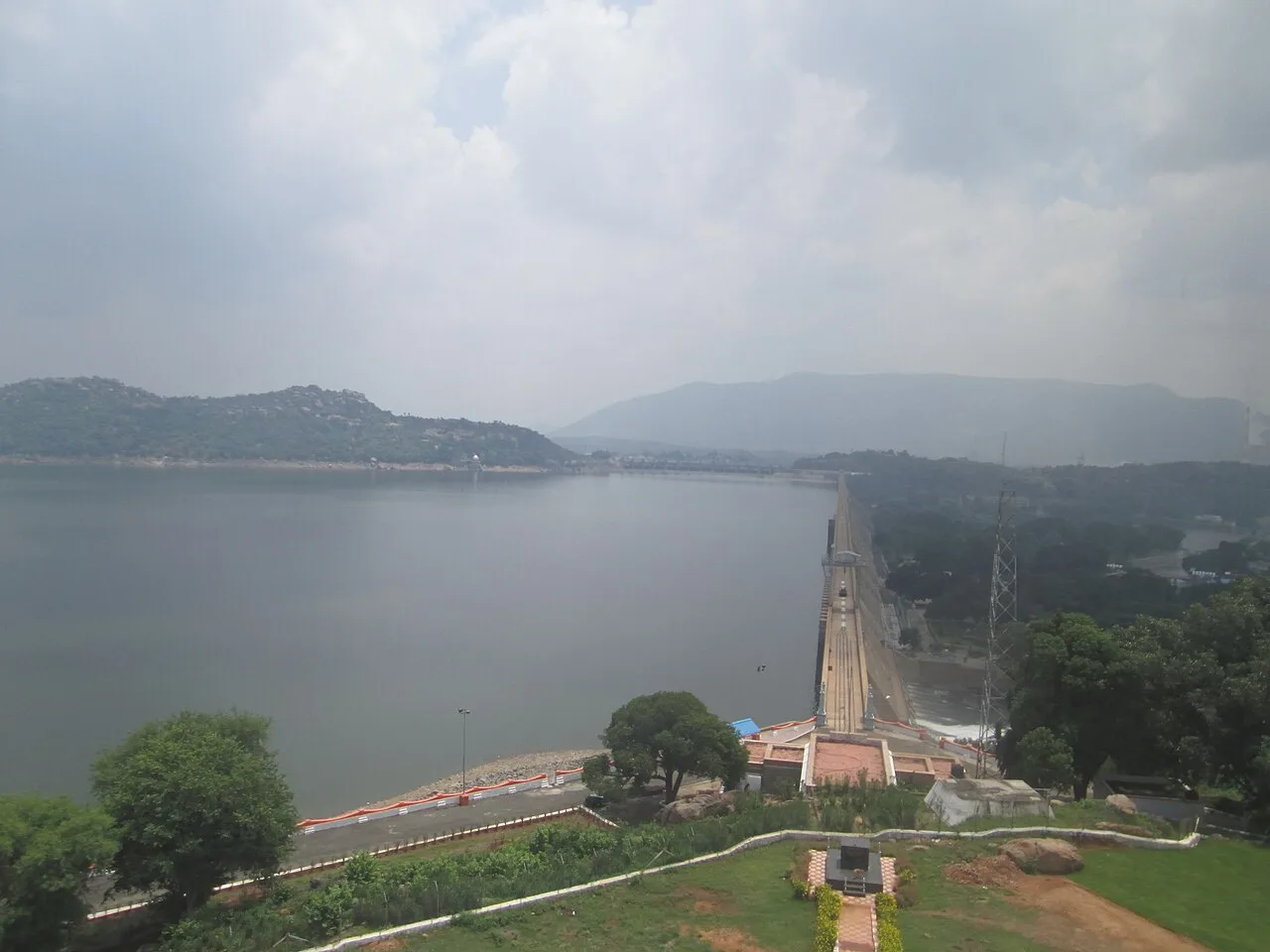
Mettur Dam, in Salem district, is among India’s largest dams and Tamil Nadu’s largest; visitors come to view the structure and the park at its base.

Kalrayan Hills

65 km away · Kallakurichi district

Kalrayan Hills

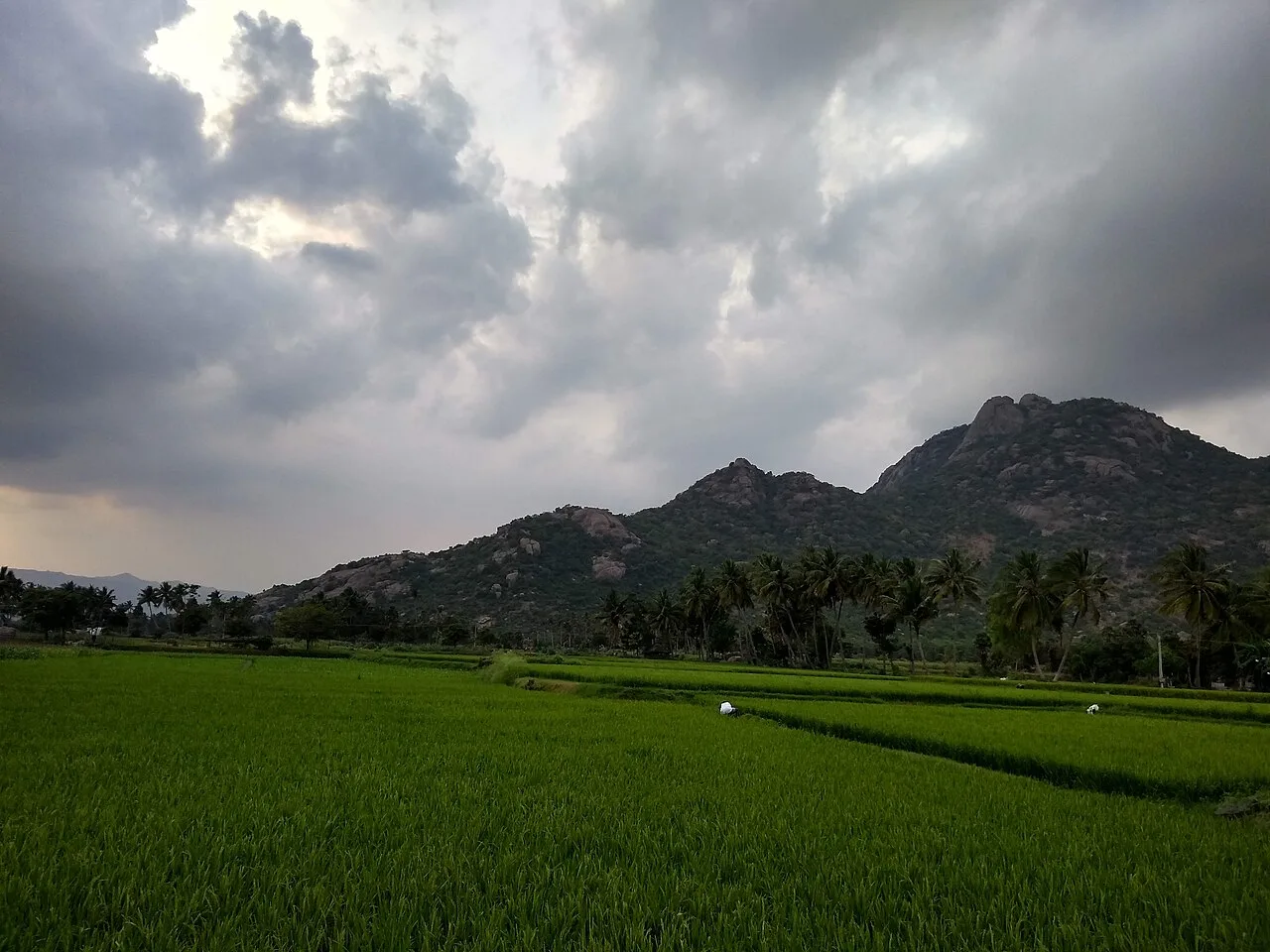
Kalrayan Hills are an extensive highland range in Tamil Nadu’s Eastern Ghats. Visitors come to experience its elevated terrain and its setting among the ranges that separate two river basins.

Hogenakkal Falls

86 km away · Dharmapuri district

Hogenakkal Falls

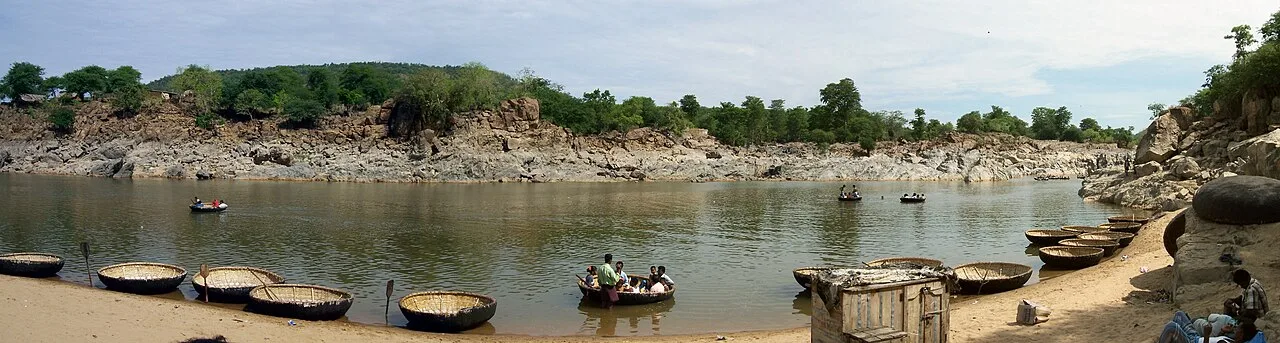
Hogenakkal Falls is a Kaveri River waterfall on the Tamil Nadu–Karnataka boundary, visited by people wishing to see the falls.

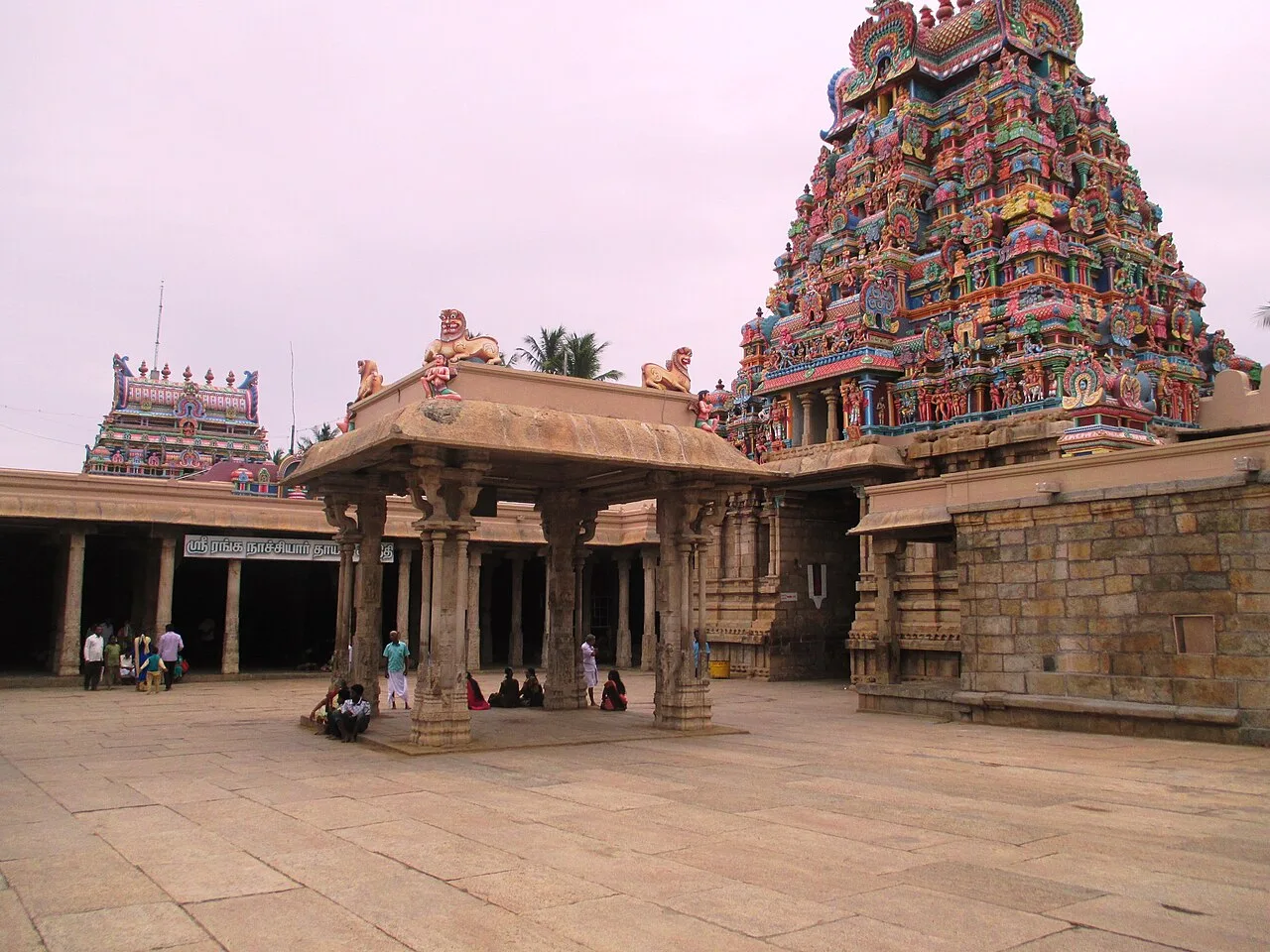
Srirangam Ranganathaswamy Temple

86 km away · Tiruchirappalli district

Srirangam Ranganathaswamy Temple

A major Vaishnava temple in Srirangam, this active shrine honours Vishnu and Lakshmi as Ranganathar and Ranganayaki. Visitors come for its religious significance, architecture and annual Margazhi festival.

Map

Rasipuram on the map

  1. 1Namakkal Fort
  2. 2Kolli Hills
  3. 3Yercaud Hill Station
  4. 4Bhavani Sangameswarar Temple
  5. 5Mettur Dam
  6. 6Kalrayan Hills
  7. 7Hogenakkal Falls
  8. 8Srirangam Ranganathaswamy Temple

Tamil Nadu

Other cities to explore