Ghumoopedia — Explore, Discover, Experience
Sign in
Yercaud Hill Station, near Salem

City guide · Tamil Nadu

Salem

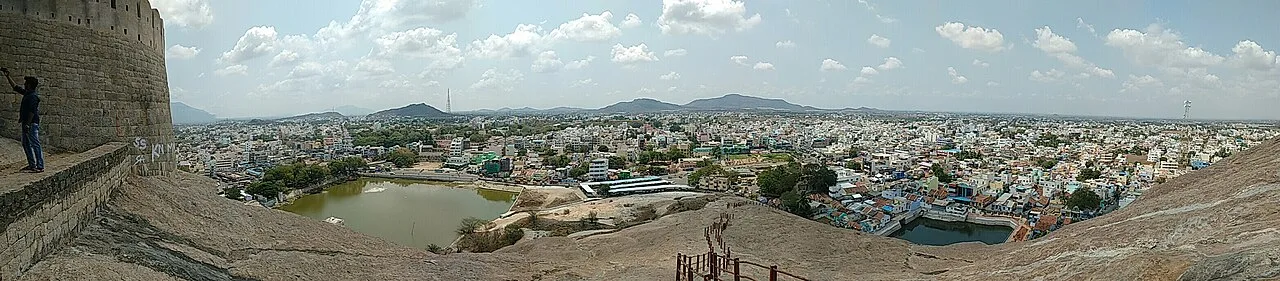
Salem is a major commercial and industrial centre in western Tamil Nadu, set amid the Eastern Ghats and crossed by the Thirumanimutharu River. Its textile trade, steel production and tapioca-based sago industry connect the city to a wide region of farms, workshops and markets.

Famous for

  • Salem steel
  • Salem Sago
  • Salem textiles
  • Mango cultivation
  • Kottai Mariamman Temple

Why Salem matters

Salem is a major commercial and industrial centre in western Tamil Nadu, set amid the Eastern Ghats and crossed by the Thirumanimutharu River. Its textile trade, steel production and tapioca-based sago industry connect the city to a wide region of farms, workshops and markets. Salem also serves as an administrative and transport hub, with road and rail links across Tamil Nadu and towards Karnataka.

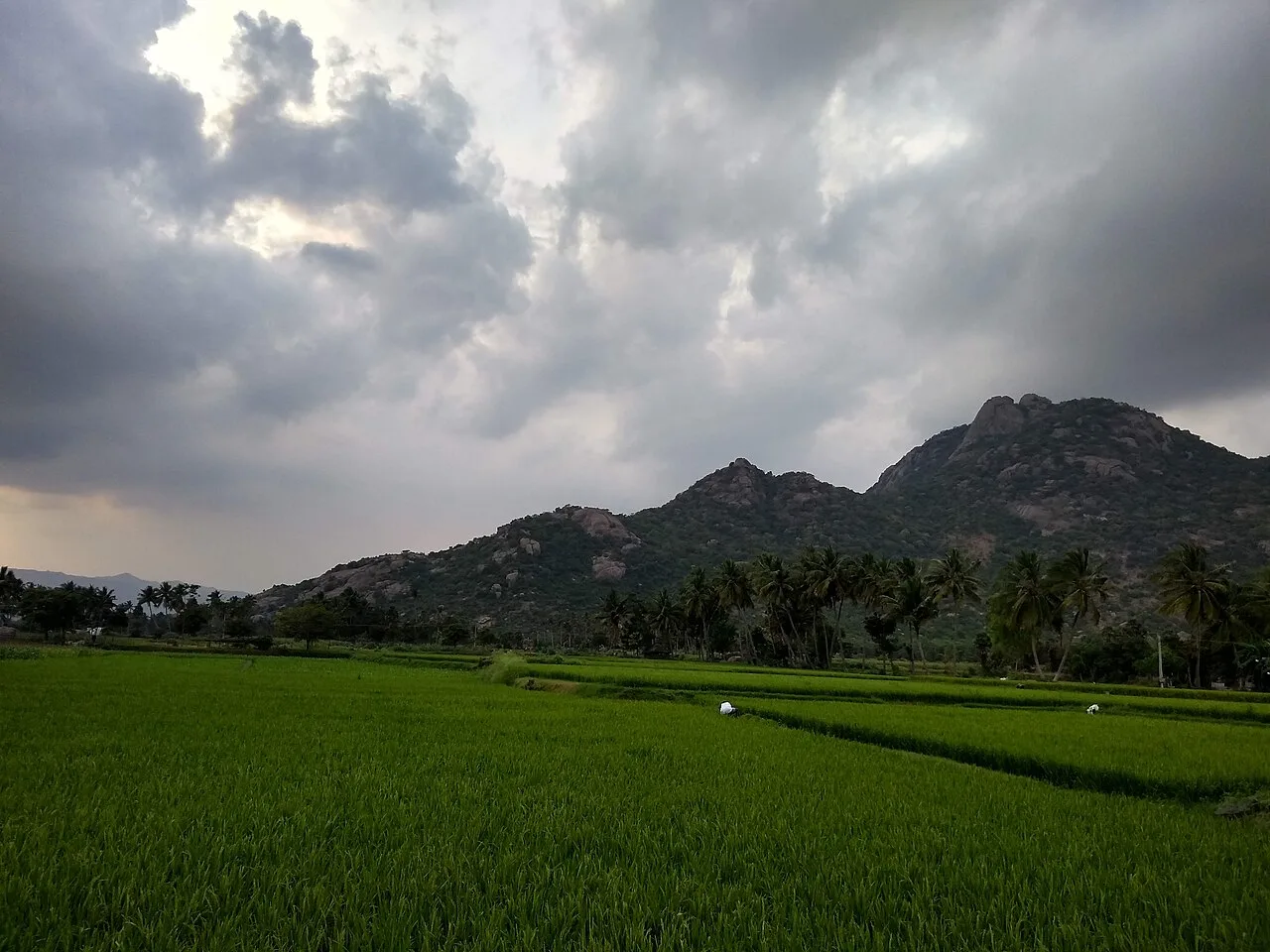
Visitors come for its temples, busy shopping streets and food, as well as for the surrounding hills. Salem is a convenient base for exploring Yercaud in the Shevaroy Hills, while the city itself offers a look at everyday urban life in the Kongu region. Mangoes are another regional draw, especially when they are in season. The contrast between commercial districts, older temple neighbourhoods and rocky hill scenery gives Salem a character distinct from Tamil Nadu’s coastal cities.
Famous for: crafts, trade & products

Salem has a long association with textiles, including handloom and powerloom production. Salem Fabric is a GI-registered product; shoppers can look for it at textile stores and in established market areas such as Shevapet and Leigh Bazaar. The city’s commercial streets also have shops selling sarees, dress materials and everyday clothing. Ask retailers about the fabric’s origin and product labelling when seeking a particular weave.

The region is known for Salem Sago, made from tapioca and recognised with a GI tag. Sago and related products are available through grocery shops and food retailers; packaged goods make it easier to check the producer and place of manufacture. Salem’s wider district is also associated with mango cultivation, and seasonal fruit and mango products appear in local markets. Steel production is represented by the Salem Steel Plant and related industries, rather than by a visitor-oriented retail craft. For a sense of local trade, browse the central bazaars, where textiles, provisions and produce are sold alongside household goods.

History

The Salem region was part of the Chera sphere during the Sangam period and later came under the Pandyas, Pallavas, Cholas and Hoysalas. Finds of Roman coins in the region point to early long-distance trade. From the 14th century, it was associated with the Vijayanagara Empire and later Nayak rule; local Poligars exercised authority in parts of the area.

After conflicts involving the Madurai Nayaks, the region came under Mysore in the late 18th century. Following the Anglo-Mysore Wars, the East India Company incorporated it into the Madras Presidency. Salem district was established in 1792, and the area was involved in the resistance led by Dheeran Chinnamalai during the Second Polygar War. After independence, Salem became part of Madras State, later renamed Tamil Nadu. In the modern era, industrial growth in steel, textiles and agro-processing, together with improved transport links, helped shape the city as a regional economic centre.

Food, festivals & culture

Tamil is the principal language of Salem, and English is also used in business and education. Local food includes familiar Tamil meals and snacks such as thattu vadai set, a crisp, layered street-food preparation. Sago is used in regional cooking, while mangoes and mango-based products are prominent when the fruit is in season. Sweet shops and bakeries serve South Indian favourites alongside milk sweets and other festive treats.

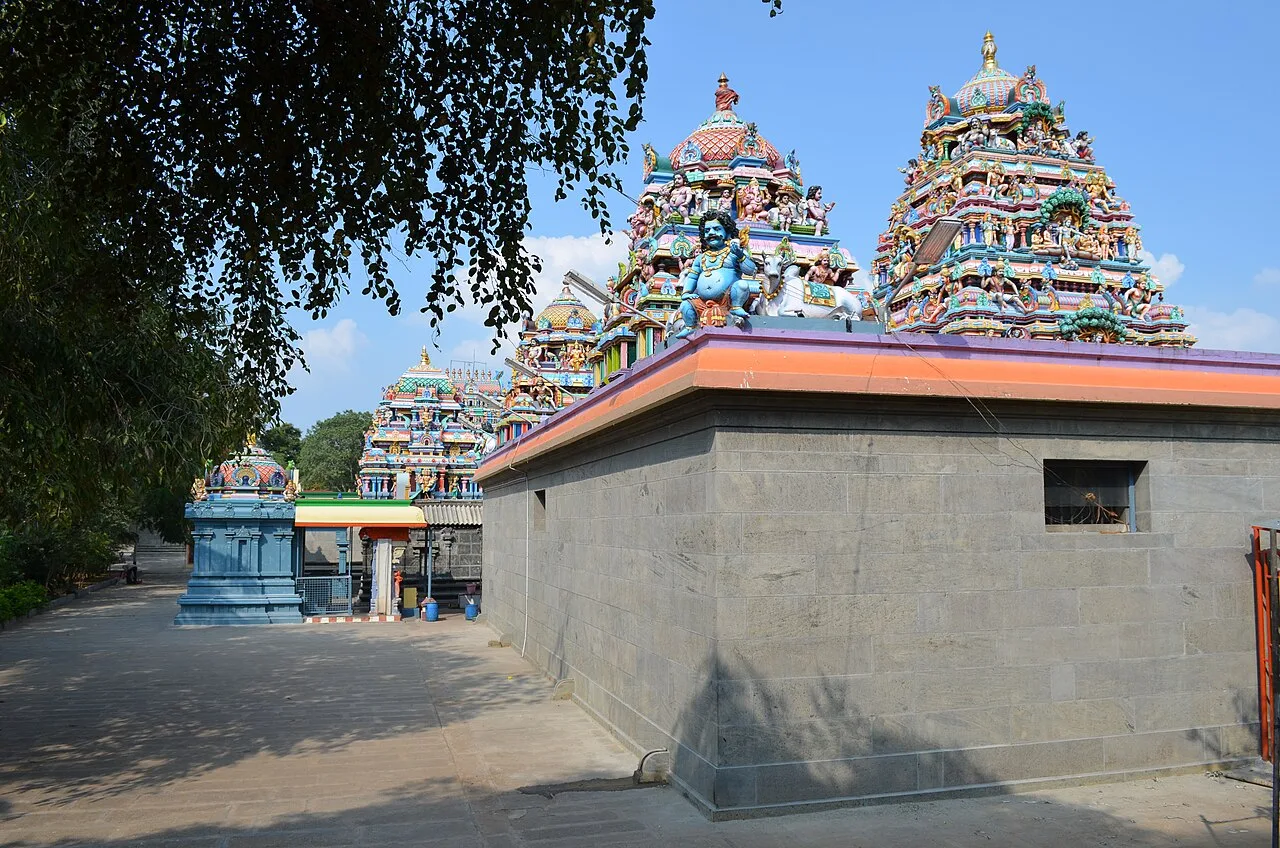
Pongal, celebrated in January, marks the harvest season; Tamil New Year usually falls in April, and Deepavali is observed in October or November. Temple festivals, including Aadi celebrations in July or August, bring processions, music and crowds to neighbourhood streets. Kottai Mariamman Temple is one of the city’s prominent places of worship, alongside temples dedicated to Shiva and Vishnu. Churches and mosques also serve Salem’s diverse communities. Carnatic music, Bharatanatyam and Tamil folk performance feature at cultural events and religious celebrations.

Visiting the city

November to February is generally the most comfortable season to visit, with cooler conditions than the hotter months. Rain can fall during both the southwest and northeast monsoons, so carrying light rain protection is useful in the wet season. Salem Airport, at Kamalapuram, is the nearest airport; check current flight availability before planning around it. Salem Junction is the city’s main railway station and a key rail connection.

City buses, auto-rickshaws and taxis are practical ways to get around. Explore the older Kottai area for temples and traditional streets, and browse Shevapet and Leigh Bazaar for textiles and market life. Fairlands and Hasthampatti offer a more modern commercial setting. Salem also makes a useful starting point for a trip to Yercaud in the nearby hills.

Trips from the city

Nearest places to visit from Salem

Our closest destination guides, by straight-line distance.

Yercaud Hill Station

15 km away · Salem district

Yercaud Hill Station

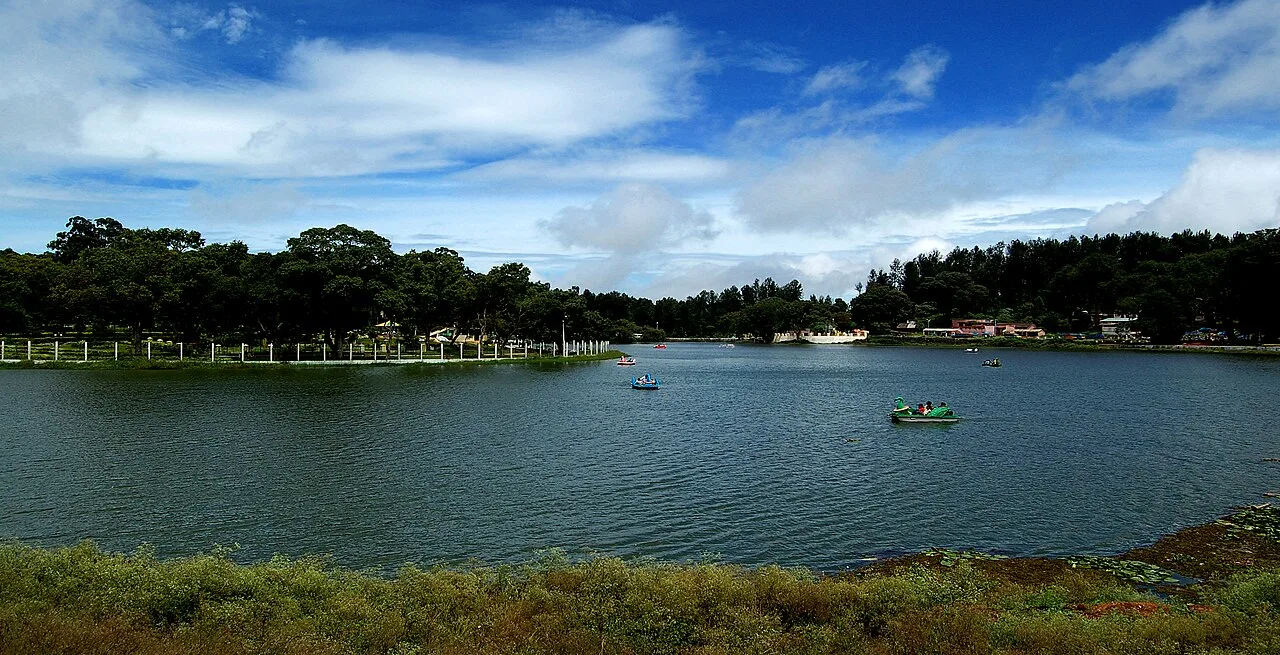
Yercaud, also known as Erkadu, is a hill town in Salem district, Tamil Nadu. Visitors come for its location in the Servarayan Hills, part of the Eastern Ghats.

Mettur Dam

42 km away · Salem district

Mettur Dam

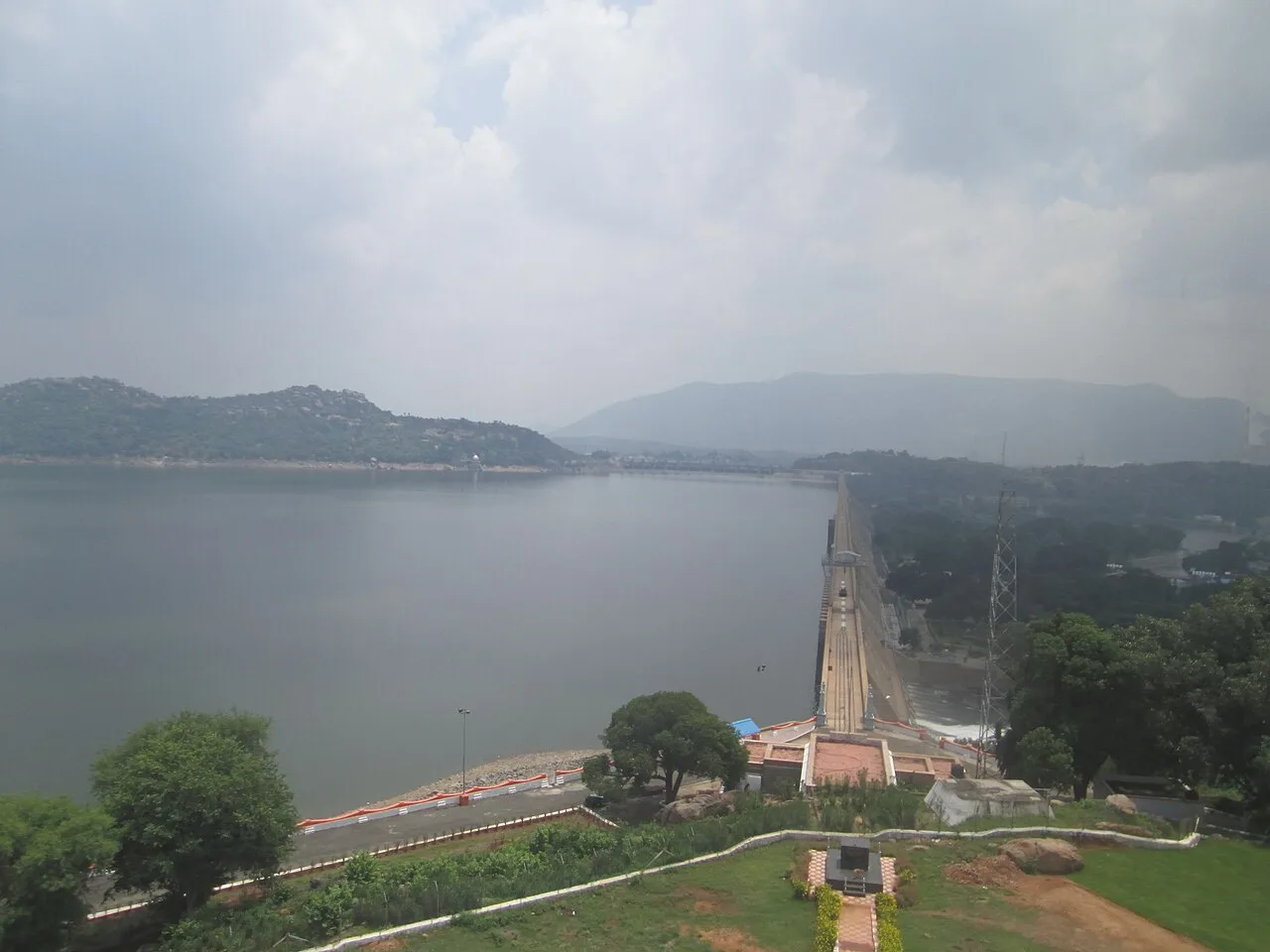
Mettur Dam, in Salem district, is among India’s largest dams and Tamil Nadu’s largest; visitors come to view the structure and the park at its base.

Kolli Hills

44 km away · Namakkal district

Kolli Hills

Kolli Malai, also called Kolli Hills, is a hill station and taluk within Tamil Nadu’s Namakkal district. Visitors come to the area in its capacity as a hill-station destination.

Namakkal Fort

47 km away · Namakkal district

Namakkal Fort

Rising above Namakkal, this seventeenth-century fort occupies a hillock of solid rock and contains a temple and mosque. Visitors come to see these sites and explore its history.

Kalrayan Hills

56 km away · Kallakurichi district

Kalrayan Hills

Kalrayan Hills are an extensive highland range in Tamil Nadu’s Eastern Ghats. Visitors come to experience its elevated terrain and its setting among the ranges that separate two river basins.

Bhavani Sangameswarar Temple

57 km away · Erode district

Bhavani Sangameswarar Temple

Bhavani Sangameswarar Temple is a Shiva shrine in Bhavani, Tamil Nadu, at the meeting of the Kaveri, Bhavani and mystical Amutha rivers. Visitors worship here and perform rites for their ancestors.

Hogenakkal Falls

66 km away · Dharmapuri district

Hogenakkal Falls

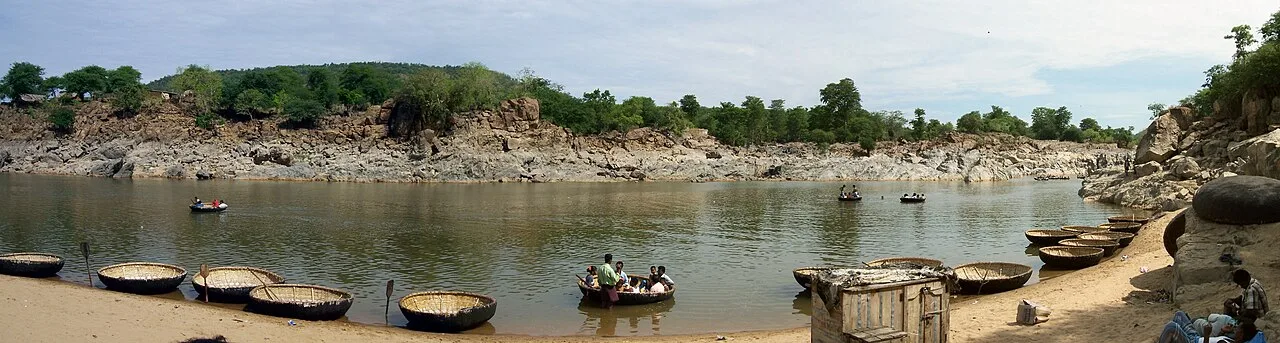
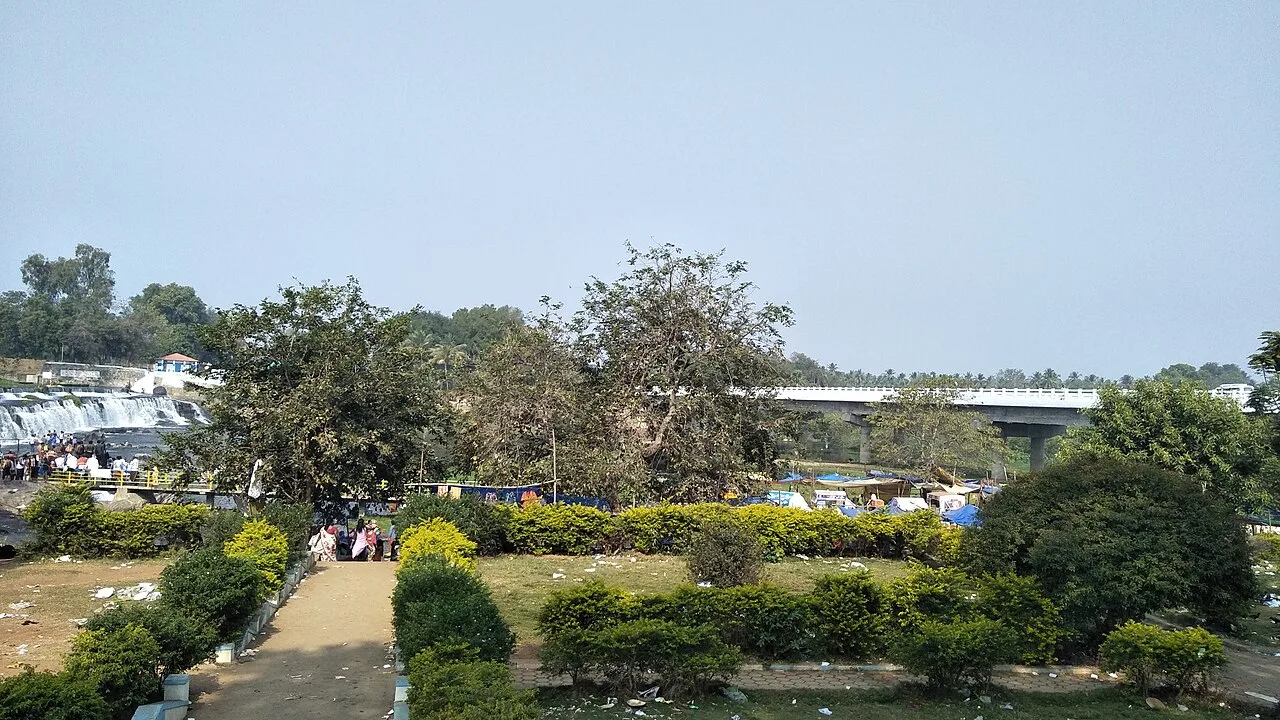
Hogenakkal Falls is a Kaveri River waterfall on the Tamil Nadu–Karnataka boundary, visited by people wishing to see the falls.

Kodiveri Dam

96 km away · Erode district

Kodiveri Dam

On the Bhavani River in Tamil Nadu, Kodiveri Dam is a masonry structure that visitors come to see in the Erode district, near Gobichettipalayam.

Map

Salem on the map

  1. 1Yercaud Hill Station
  2. 2Mettur Dam
  3. 3Kolli Hills
  4. 4Namakkal Fort
  5. 5Kalrayan Hills
  6. 6Bhavani Sangameswarar Temple
  7. 7Hogenakkal Falls
  8. 8Kodiveri Dam

Tamil Nadu

Other cities to explore