Ghumoopedia — Explore, Discover, Experience
Sign in
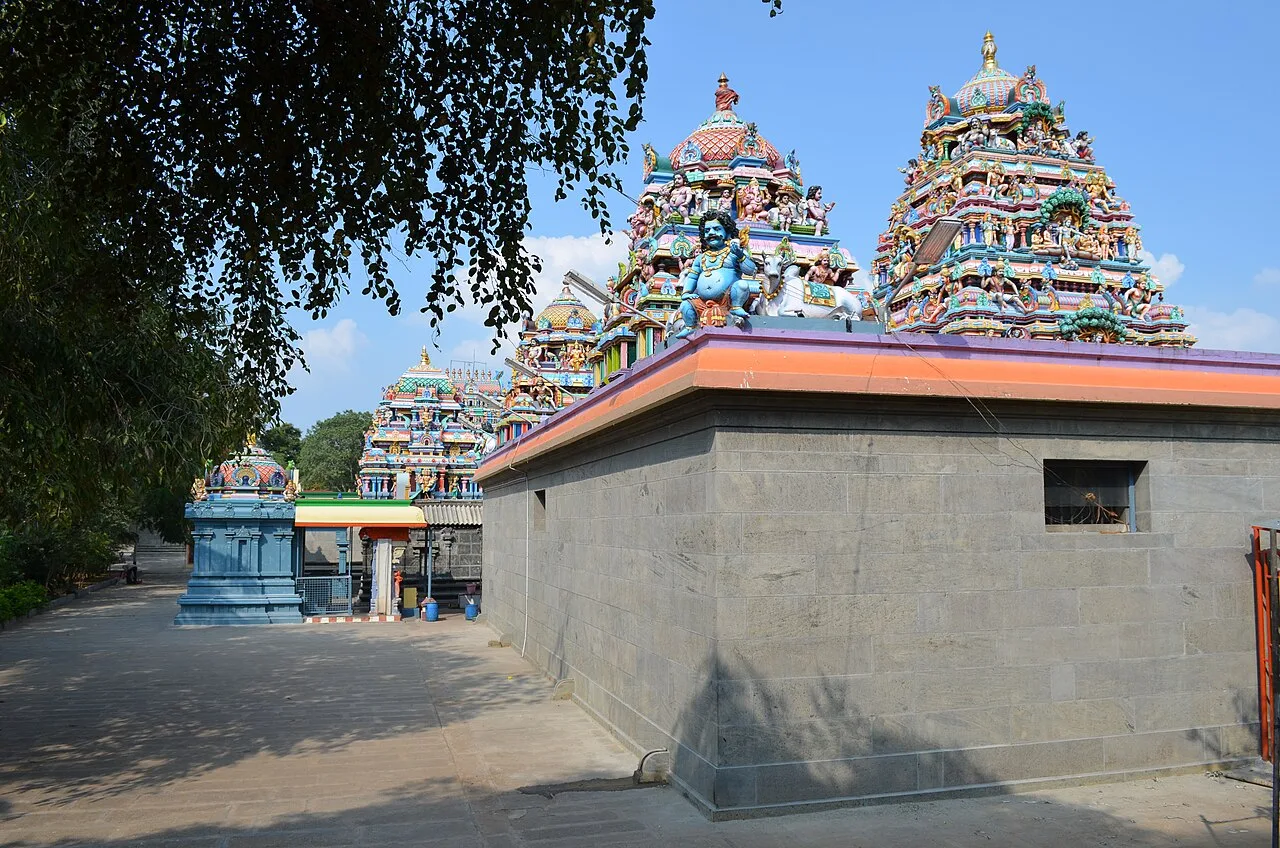
Bhavani Sangameswarar Temple, near Sankagiri

City guide · Tamil Nadu

Sankagiri

Sankagiri is a town in Salem district, Tamil Nadu, set along National Highway 544 on the Coimbatore–Salem route. Its location has helped it develop as a regional centre for road transport, trade and public services.

Famous for

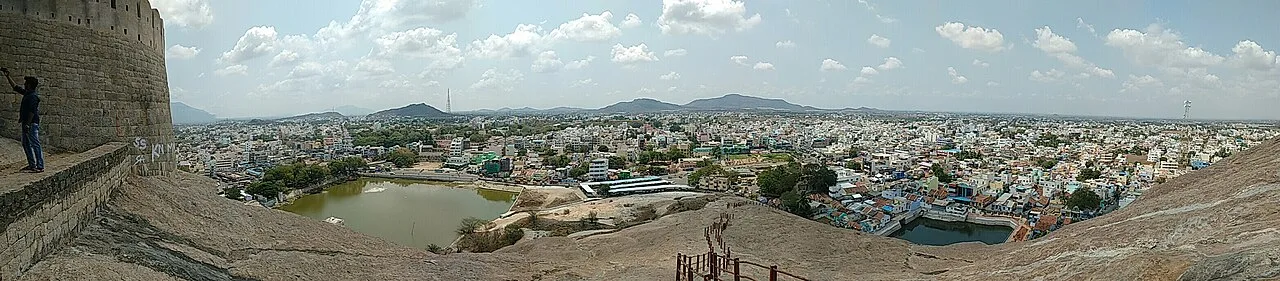
  • Sankagiri Fort
  • Lorry-building industry
  • Highway transport trade
  • Dheeran Chinnamalai heritage

Why Sankagiri matters

Sankagiri is a town in Salem district, Tamil Nadu, set along National Highway 544 on the Coimbatore–Salem route. Its location has helped it develop as a regional centre for road transport, trade and public services. The town is particularly associated with lorries and lorry-building businesses, while its historic fort gives it a distinct place in the story of the Kongu region.

Sankagiri Fort, rising above the town, is the main draw for visitors interested in history and views of the surrounding landscape. The site is linked with Dheeran Chinnamalai, a prominent Kongu chieftain who was executed there by the British in 1805. Sankagiri also serves as the headquarters of a revenue district that includes Edappadi and of an educational district. For travellers, it offers a worthwhile stop between Salem and western Tamil Nadu, combining a major historical landmark with a working town shaped by transport and industry.
Famous for: crafts, trade & products

Sankagiri’s best-known commercial association is with lorries: the town has businesses connected with building, servicing and supporting heavy vehicles. Its position on the Coimbatore–Salem highway also sustains transport-related trade and roadside services. These activities are part of the town’s everyday economy rather than a visitor-oriented industrial attraction, so travellers are more likely to encounter them along commercial roads and in local business areas than in a designated tourism district.

Sankagiri is not widely identified with a signature saree, handicraft or GI-tagged product. Visitors looking for locally made goods can browse the town’s general shops and markets for everyday provisions and regional merchandise, but should not expect a specialised craft market. The fort and the town’s public-service role are more distinctive than a particular product: Sankagiri is the headquarters of its revenue and educational districts, serving nearby communities as well as local residents. For a broader selection of textiles, crafts or branded regional foods, larger centres such as Salem may offer more choice.

History

In the Sangam-era setting, the area formed part of Mazhanadu and was also known as Kundrathur. Sankagiri’s defining historic landmark, Sankagiri Fort, was built by the Vijayanagar Empire in the 15th century. Its elevated position made it an important stronghold in the region, and control later passed through successive powers, including Tipu Sultan and Dheeran Chinnamalai, the Kongu chieftain who resisted British rule.

The British took control of the fort and used it as a store for tax collections from Kongu Nadu. Dheeran Chinnamalai was hanged at the fort in 1805, a chapter that remains central to its historical significance. The settlement grew around the fortified hill and its administrative and commercial functions. In modern times, Sankagiri’s position on the Coimbatore–Salem highway has supported road transport and lorry-related businesses. Its role as a revenue and educational headquarters has also reinforced its importance to surrounding towns and villages.

Food, festivals & culture

Tamil is the main language of daily life in Sankagiri; English is also used in some official, educational and business settings. Food is broadly Tamil and Kongu-region in character, with rice meals, idli, dosa and dishes served with sambar or other accompaniments commonly available. There is no single celebrated local sweet or food product for which the town is especially known, though bakeries and eateries cater to residents and travellers along the highway.

Pongal, celebrated in January, is an important harvest festival, while Deepavali and Tamil New Year are observed across the town. Temple festivals, whose dates vary by temple and Tamil calendar, bring local communities together with processions, music and devotional events. Hindu temples, alongside churches and mosques, reflect the town’s varied places of worship. Classical and popular Tamil music are part of festival and community life; visitors should not assume that a particular dance form or performance is unique to Sankagiri. The fort remains the most visible link between the town’s present-day identity and its past.

Visiting the city

The cooler months, roughly October to February, are generally more comfortable for exploring Sankagiri Fort and the town; afternoons can be hot in warmer months. Salem Airport is the nearest airport, though flight options may be limited. Sankari Durg railway station serves the area, while Salem Junction is a larger rail hub with broader connections.

National Highway 544 provides the main road approach. Auto-rickshaws and local taxis are practical for getting between the town, railway station and fort; confirm local availability on arrival. The central town is useful for everyday shops and food, while the fort and the surrounding hillside are the main areas to explore. Wear suitable footwear for the climb and carry water, especially in warm weather. Travellers can use Sankagiri as a stop on journeys between Salem and Coimbatore.

Trips from the city

Nearest places to visit from Sankagiri

Our closest destination guides, by straight-line distance.

Bhavani Sangameswarar Temple

21 km away · Erode district

Bhavani Sangameswarar Temple

Bhavani Sangameswarar Temple is a Shiva shrine in Bhavani, Tamil Nadu, at the meeting of the Kaveri, Bhavani and mystical Amutha rivers. Visitors worship here and perform rites for their ancestors.

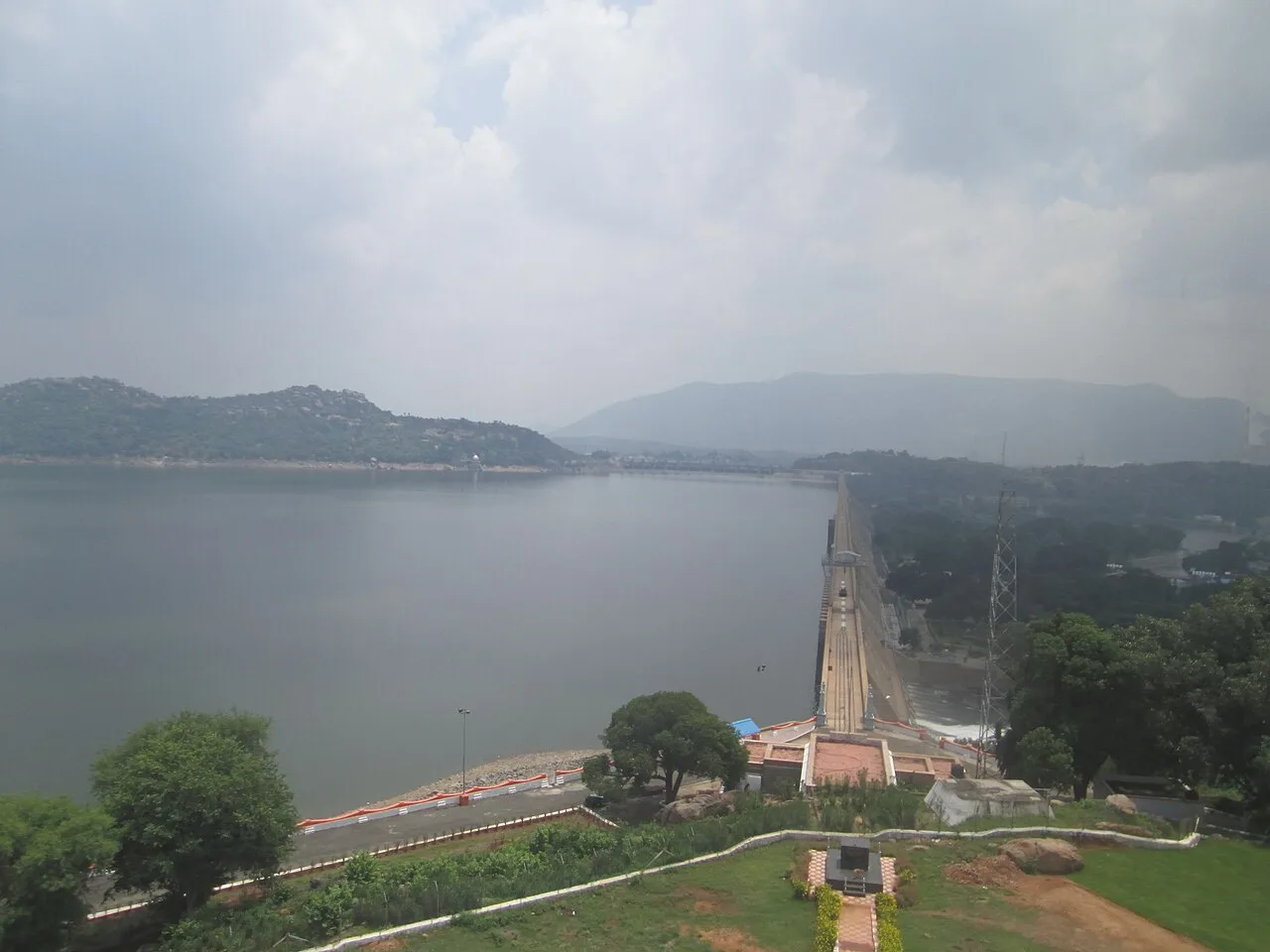
Mettur Dam

37 km away · Salem district

Mettur Dam

Mettur Dam, in Salem district, is among India’s largest dams and Tamil Nadu’s largest; visitors come to view the structure and the park at its base.

Namakkal Fort

42 km away · Namakkal district

Namakkal Fort

Rising above Namakkal, this seventeenth-century fort occupies a hillock of solid rock and contains a temple and mosque. Visitors come to see these sites and explore its history.

Yercaud Hill Station

50 km away · Salem district

Yercaud Hill Station

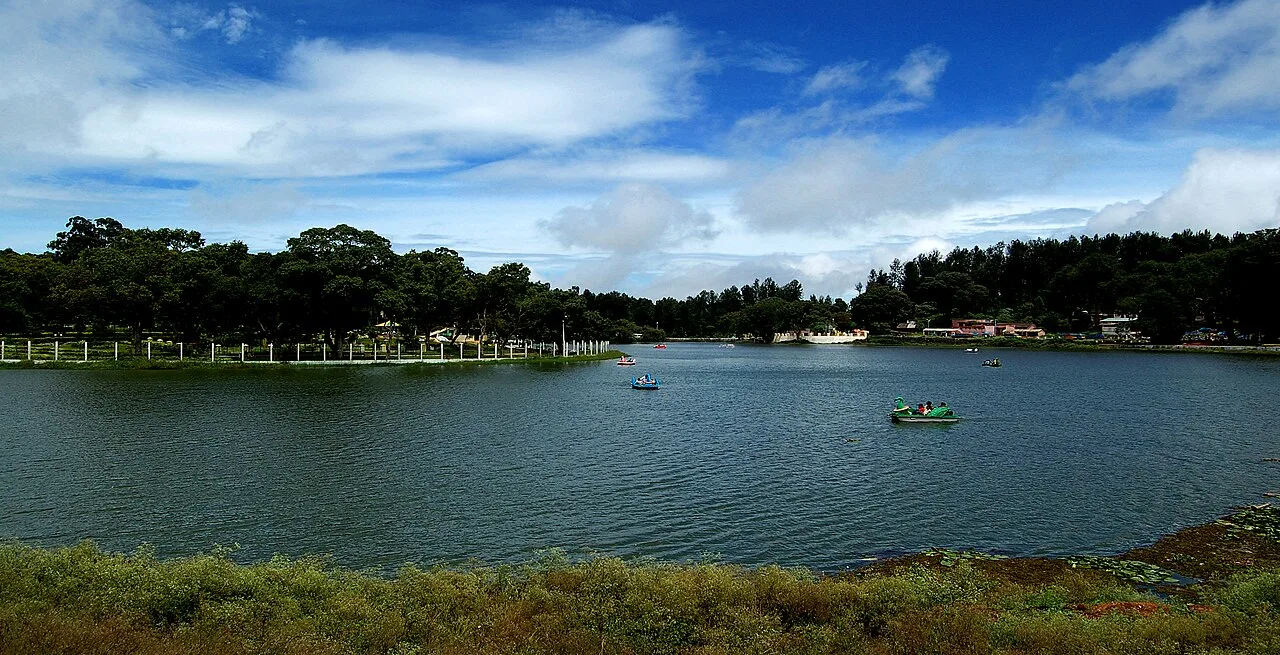
Yercaud, also known as Erkadu, is a hill town in Salem district, Tamil Nadu. Visitors come for its location in the Servarayan Hills, part of the Eastern Ghats.

Kolli Hills

60 km away · Namakkal district

Kolli Hills

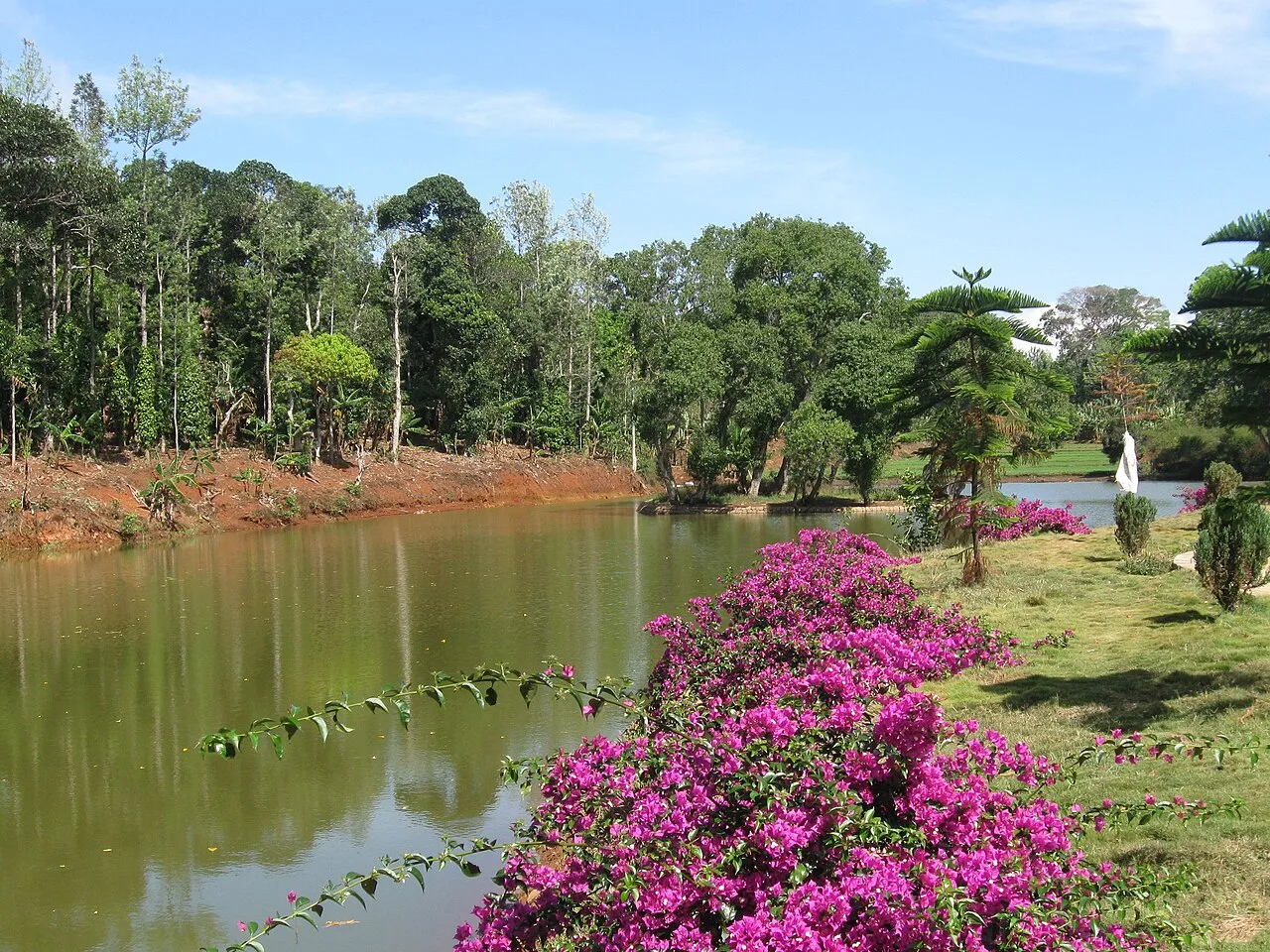
Kolli Malai, also called Kolli Hills, is a hill station and taluk within Tamil Nadu’s Namakkal district. Visitors come to the area in its capacity as a hill-station destination.

Kodiveri Dam

62 km away · Erode district

Kodiveri Dam

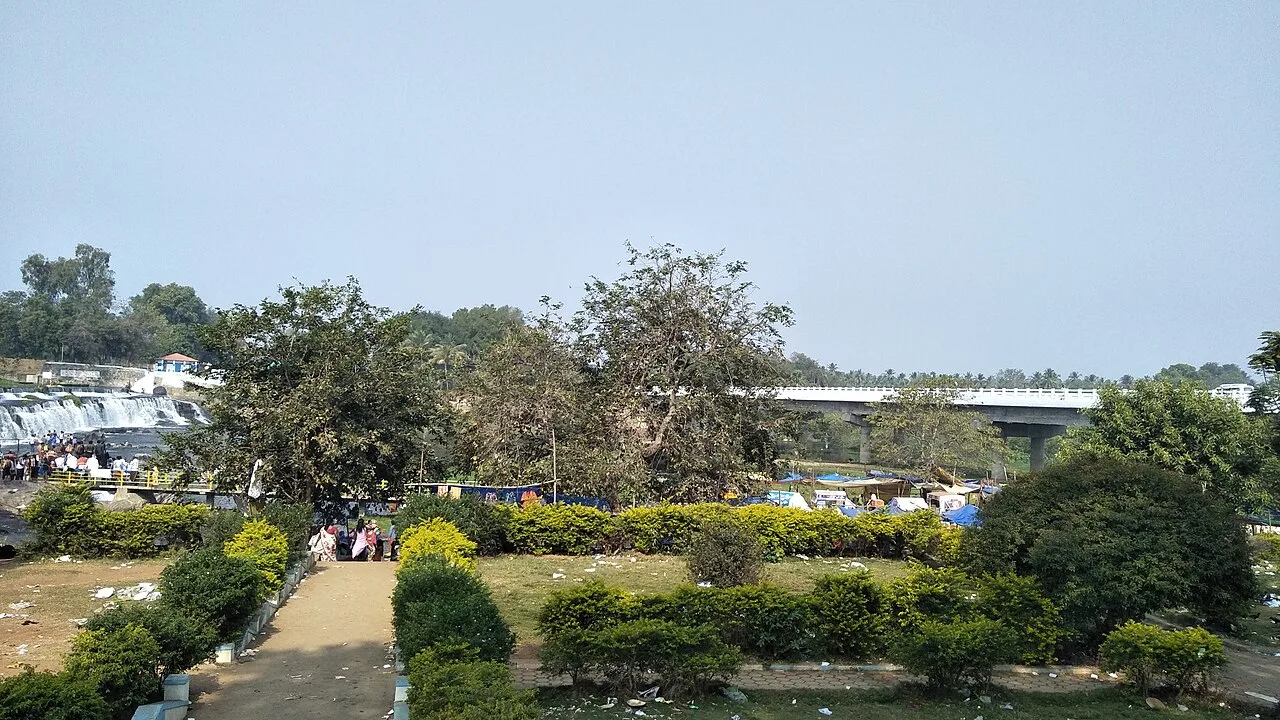
On the Bhavani River in Tamil Nadu, Kodiveri Dam is a masonry structure that visitors come to see in the Erode district, near Gobichettipalayam.

Hogenakkal Falls

72 km away · Dharmapuri district

Hogenakkal Falls

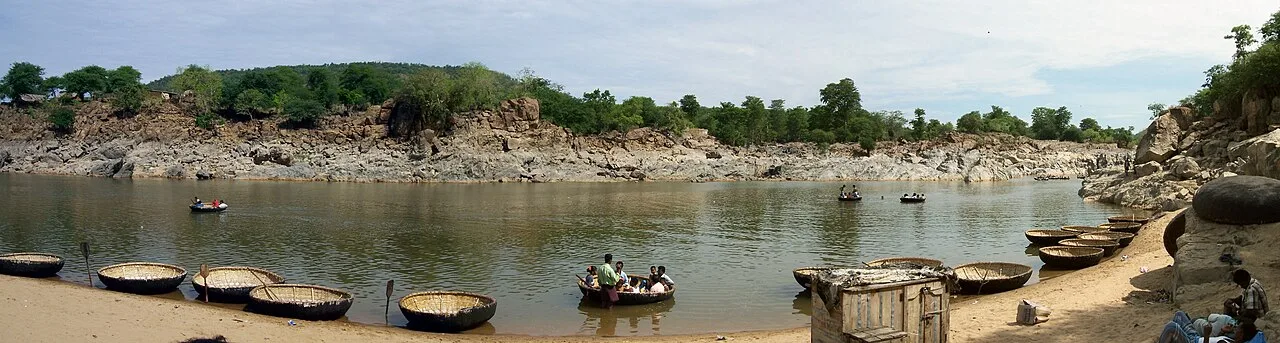
Hogenakkal Falls is a Kaveri River waterfall on the Tamil Nadu–Karnataka boundary, visited by people wishing to see the falls.

Kalrayan Hills

93 km away · Kallakurichi district

Kalrayan Hills

Kalrayan Hills are an extensive highland range in Tamil Nadu’s Eastern Ghats. Visitors come to experience its elevated terrain and its setting among the ranges that separate two river basins.

Map

Sankagiri on the map

  1. 1Bhavani Sangameswarar Temple
  2. 2Mettur Dam
  3. 3Namakkal Fort
  4. 4Yercaud Hill Station
  5. 5Kolli Hills
  6. 6Kodiveri Dam
  7. 7Hogenakkal Falls
  8. 8Kalrayan Hills

Tamil Nadu

Other cities to explore