Ghumoopedia — Explore, Discover, Experience
Sign in
Airavatesvara Temple, Darasuram, near Swamimalai

City guide · Tamil Nadu

Swamimalai

Swamimalai is a temple town near Kumbakonam in the fertile Kaveri delta of Thanjavur district. Its best-known landmark is the Swaminathaswamy Temple, one of the six sacred abodes of Murugan.

Famous for

  • Swamimalai Murugan Temple
  • Six Abodes of Murugan
  • Swamimalai bronze icons
  • Lost-wax metal casting
  • Kaveri river setting

Why Swamimalai matters

Swamimalai is a temple town near Kumbakonam in the fertile Kaveri delta of Thanjavur district. Its best-known landmark is the Swaminathaswamy Temple, one of the six sacred abodes of Murugan. The shrine is associated with the story that Murugan taught the meaning of the pranava mantra, Om, to his father Shiva. In this telling, Murugan is the teacher and Shiva the attentive disciple, a relationship reflected in the temple’s devotional identity. The town’s name and religious significance are closely linked to Swaminathan, a name for Murugan worshipped here.

Visitors come for the hilltop shrine, its rituals and festivals, and the quieter streets around the temple. Swamimalai is also recognised for its skilled metalworkers and traditional bronze icons, made using the lost-wax process. Its location beside the Kaveri and close to Kumbakonam makes it a natural stop on a wider visit to the region’s temples and historic towns. Together, pilgrimage, craft and river-delta life give Swamimalai importance beyond its modest town centre.
Famous for: crafts, trade & products

Swamimalai is widely associated with bronze icons and traditional metal casting. Local sthapathis—hereditary sculptors and metalworkers—make images using the lost-wax method: a wax model is formed, encased in a mould, and replaced by molten metal. Each mould is generally used for a single casting, so the process lends itself to individually finished pieces rather than identical mass-produced figures. Swamimalai Bronze Icons are recognised as a Geographical Indication product, connecting the craft’s identity with this town.

Workshops and artisan establishments in and around Swamimalai are the most direct places to learn about the craft and enquire about purchasing an icon. Visitors can ask makers about the materials, casting and finishing, and should check an item’s provenance and documentation, particularly for larger or antique-looking works. The town is not chiefly known as a textile or saree centre; nearby Kumbakonam is the larger regional hub for shopping and everyday commerce. Swamimalai’s principal local draw remains the combination of its temple and its metalworking tradition, rather than a large bazaar or a broad range of manufactured goods.

History

Swamimalai’s history is closely tied to its Murugan shrine and to the wider Kaveri delta, a region shaped by irrigated agriculture and temple-centred settlements. Local religious tradition identifies the town as the place where Murugan taught Shiva the meaning of Om. The temple’s distinctive teaching-and-learning story has helped sustain its importance as a pilgrimage centre over generations.

The surrounding delta developed under successive South Indian powers, notably the Cholas, whose rule left a deep imprint on the region’s temples, water management and agrarian life. Later Nayak and Maratha authorities also governed parts of the Thanjavur region, followed by British administration. These broader political shifts shaped the area, though the town’s identity remained anchored in its shrine and local crafts. In modern times Swamimalai has grown as a small panchayat town within Kumbakonam’s orbit. Its bronze-icon tradition has brought wider recognition, while improved regional connections have made it easier to include the town in temple and craft itineraries across the delta.

Food, festivals & culture

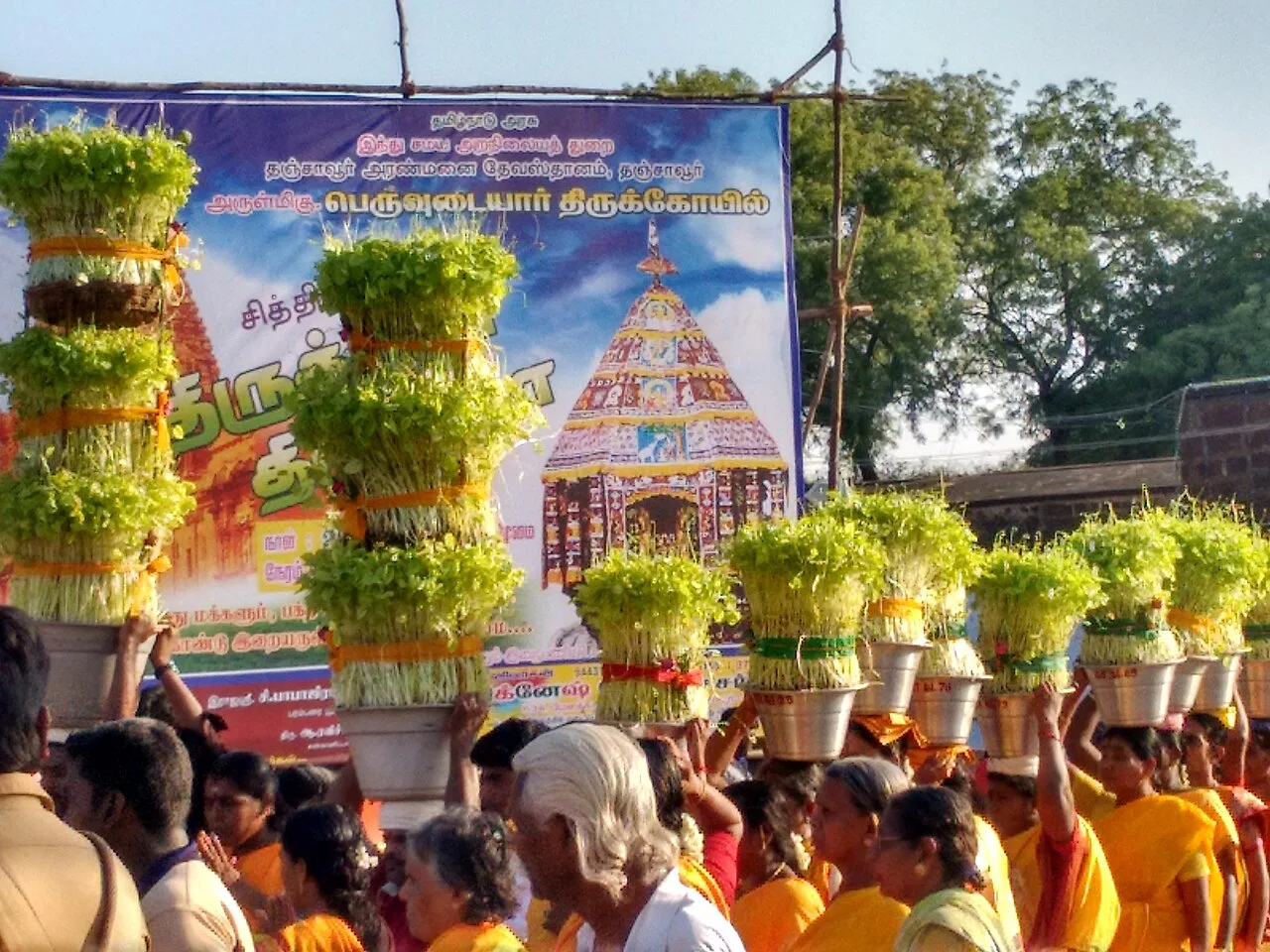
Worship at the Swaminathaswamy Temple is central to local life, and the town’s religious calendar follows the Tamil Hindu year. Thai Poosam, usually in January or February, honours Murugan; Panguni Uthiram, generally in March or April, is another major Murugan festival. Skanda Sashti, commonly observed in October or November, is also important to devotees. Festival schedules vary with the lunar calendar, and temple celebrations can draw pilgrims from nearby towns and further afield.

Tamil is the main language of daily life; visitors may also encounter English in tourist-facing settings. The Kaveri delta’s food traditions are readily found here and in neighbouring Kumbakonam: rice-based meals, idli, dosa and other South Indian staples. Kumbakonam is especially known for its degree coffee, while local sweet shops and eateries offer regional snacks and sweets. Carnatic music and Bharatanatyam belong to the wider cultural life of Tamil Nadu and the temple towns of the delta, though performances are more likely around festivals or in larger nearby centres than as a daily attraction in Swamimalai.

Visiting the city

The cooler, drier months from roughly November to February are generally the most comfortable for temple visits; summers can be hot, and monsoon showers may affect travel. The nearest major airport is Tiruchirappalli International Airport. Kumbakonam railway station is the main rail gateway for Swamimalai, with the town a short onward road journey away. Buses and taxis connect the two, while autos and local transport are useful for getting around town.

Begin around the Swaminathaswamy Temple, allowing time for the shrine and its surrounding streets. Visit local bronze workshops to understand the lost-wax craft, arranging access directly with an artisan where needed. Kumbakonam makes a convenient base for accommodation, food and onward travel, and can be paired with other temple visits in the Kaveri delta. Dress modestly at places of worship and check current temple arrangements before setting out.

Trips from the city

Nearest places to visit from Swamimalai

Our closest destination guides, by straight-line distance.

Airavatesvara Temple, Darasuram

3 km away · Thanjavur district

Airavatesvara Temple, Darasuram

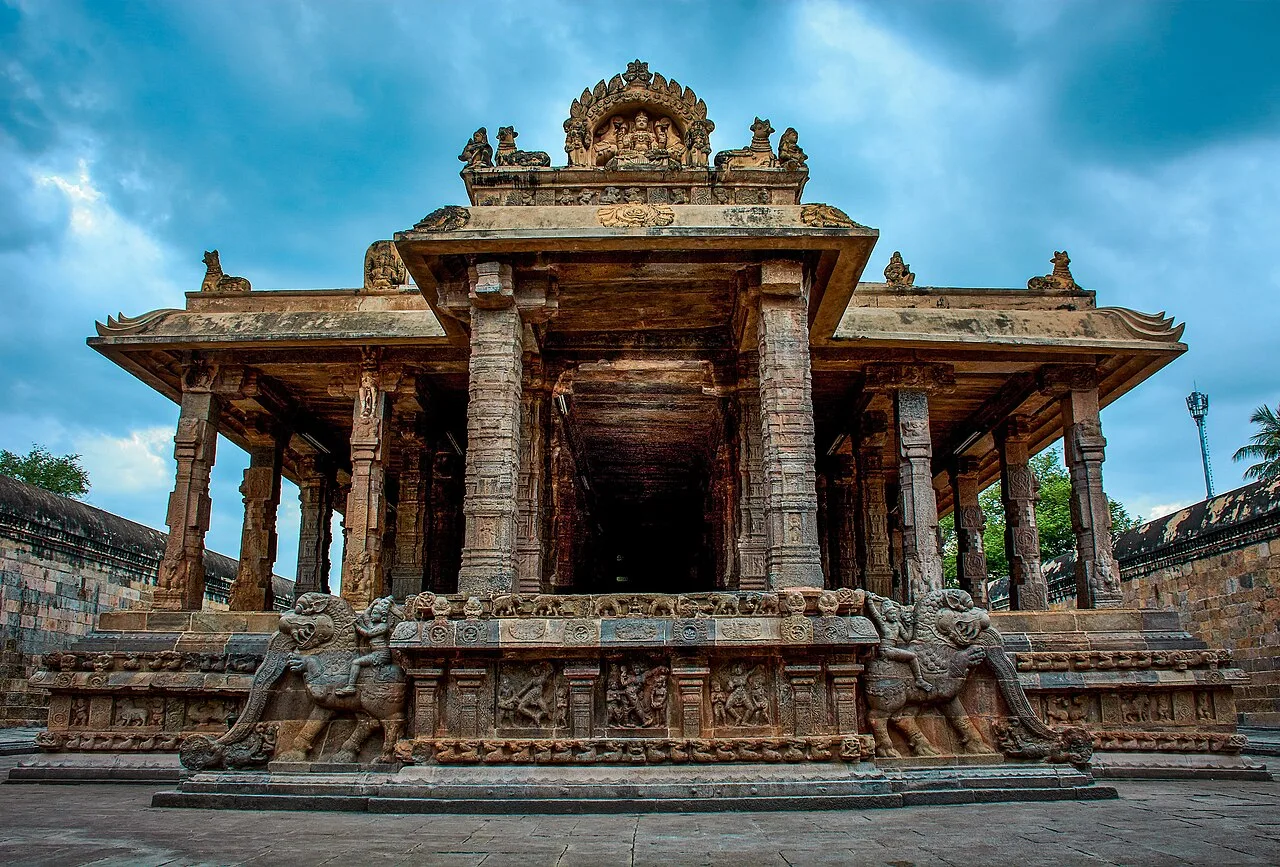
A Chola-era Shiva temple in Darasuram, near Kumbakonam, Airavatesvara draws visitors for its architecture, sacred imagery and annual Magha observances.

Adi Kumbeswarar Temple

4 km away · Thanjavur district

Adi Kumbeswarar Temple

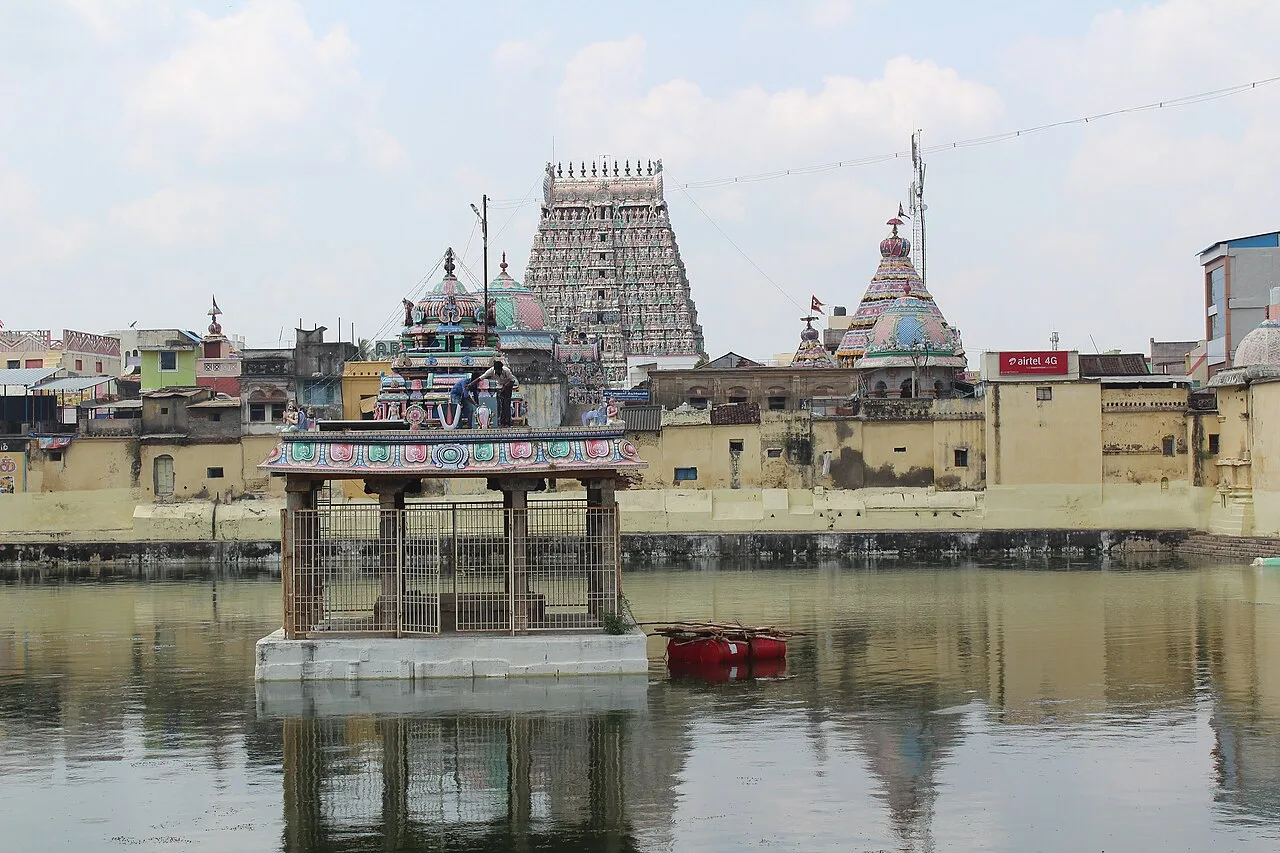
Visitors come to worship Shiva and Parvati and view a complex recognised for its Tevaram association, its four gopurams and a sculpted Vijayanagara-period hall.

Mahamaham Tank, Kumbakonam

5 km away · Thanjavur district

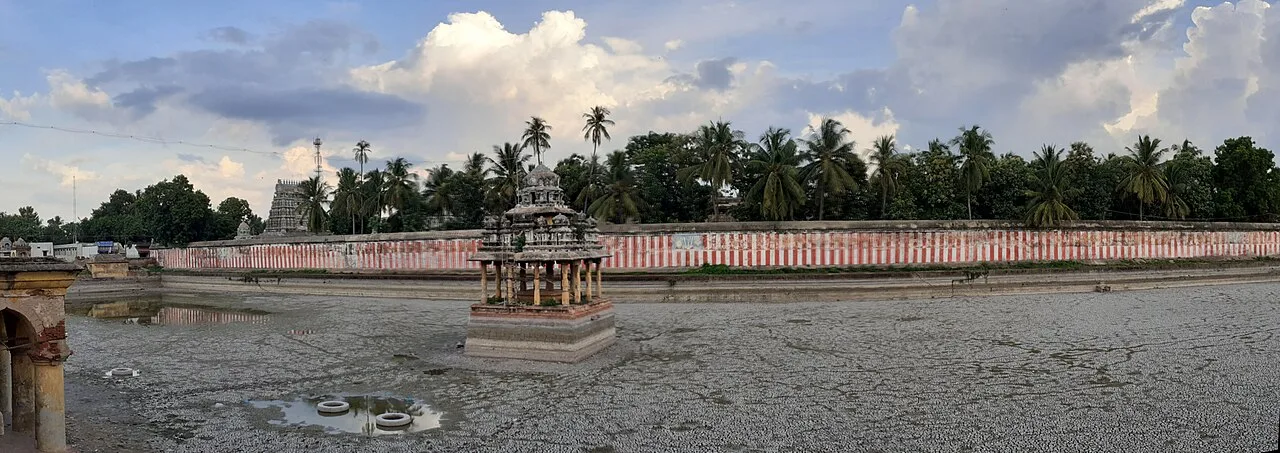
Mahamaham Tank, Kumbakonam

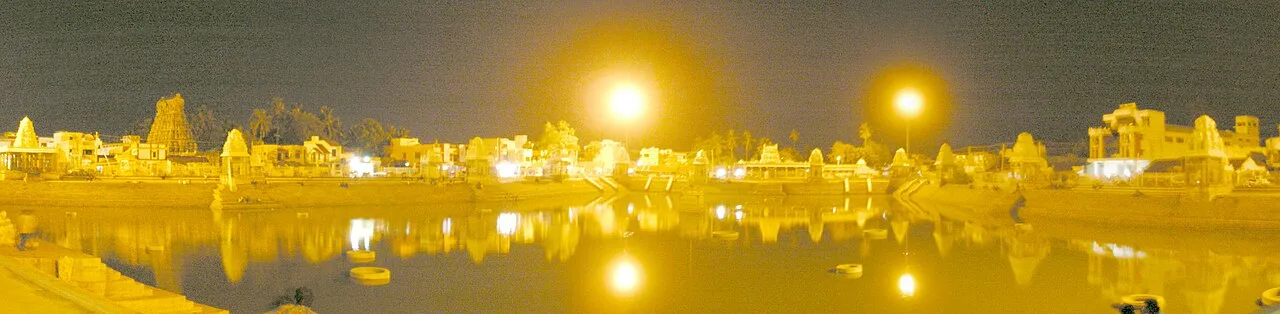
Mahamaham Tank is a large temple reservoir in Kumbakonam, Tamil Nadu, visited for the Masimaham celebration and the Mahamaham festival, which occurs every twelve years.

Nachiyarkoil

13 km away · Thanjavur district

Nachiyarkoil

Nachiyarkoil is a village in Tamil Nadu’s Thanjavur district, within Kumbakonam taluk. Visitors may come to see its locally produced brass lamps, the settlement’s distinctive craft.

Saraswathi Mahal Library

28 km away · Thanjavur district

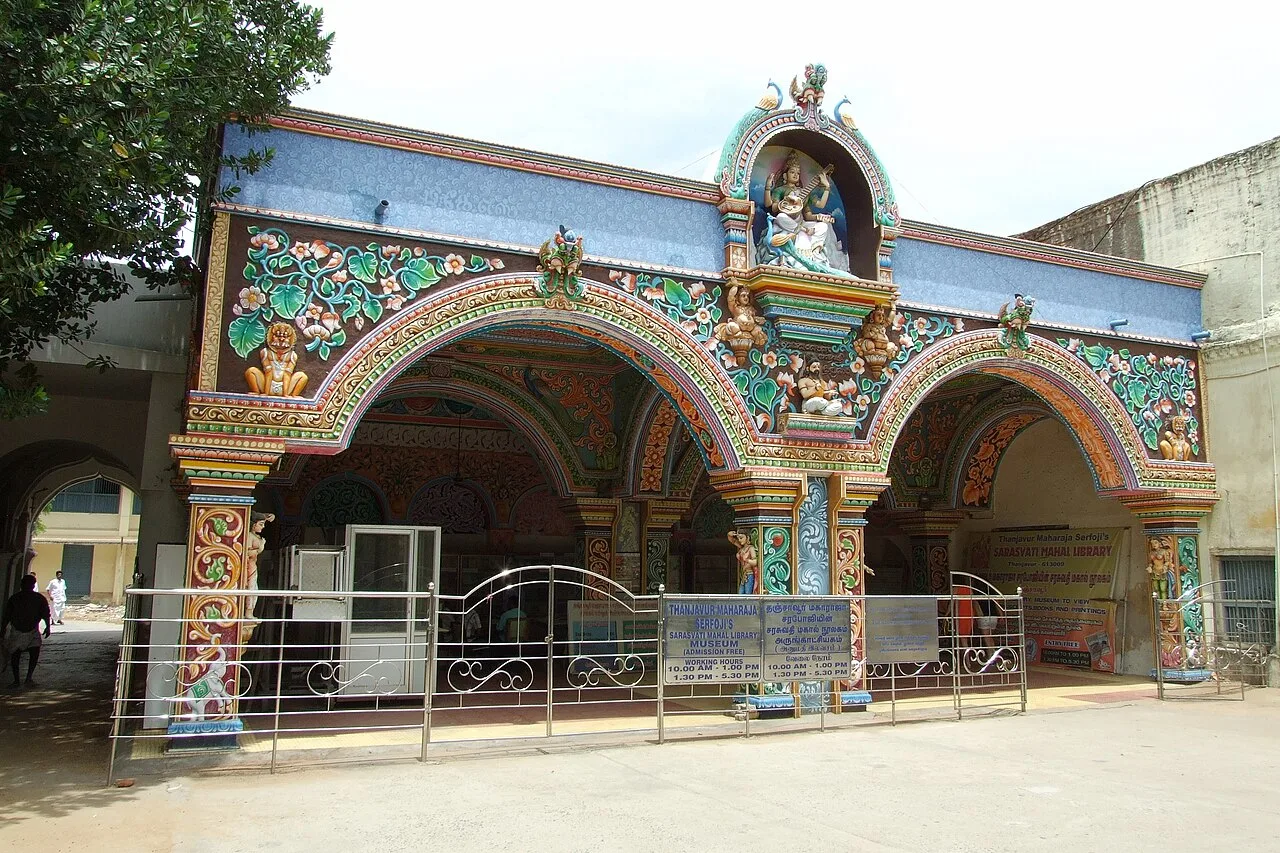
Saraswathi Mahal Library

Saraswathi Mahal Library is a historic collection in Thanjavur, Tamil Nadu, known for its extensive manuscripts and printed works in Tamil, Sanskrit and other Indian languages.

Thanjavur Palace

28 km away · Thanjavur district

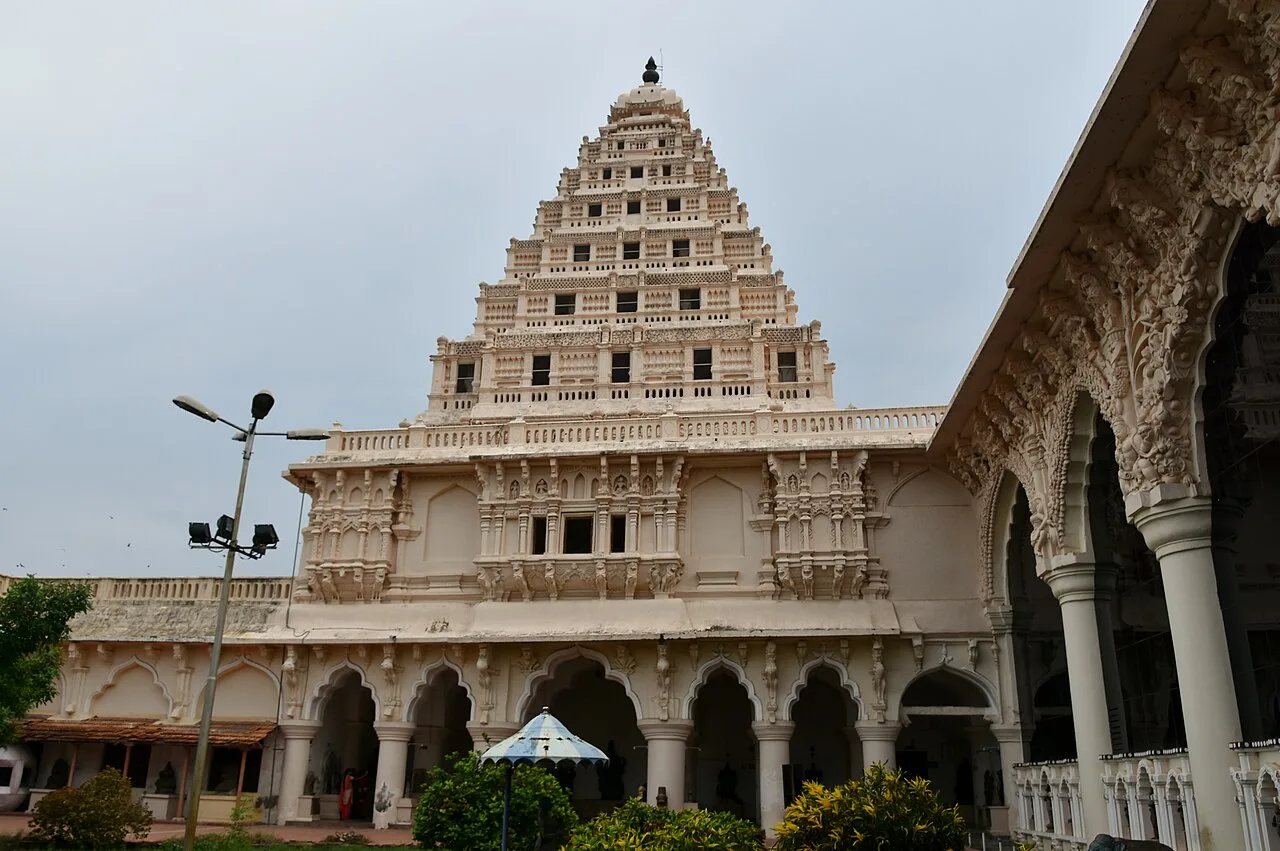
Thanjavur Palace

Thanjavur Palace is a royal residence in Tamil Nadu, associated with the Bhonsle family and the kingdom’s earlier rulers. Visitors come to learn about its place in Thanjavur’s royal history.

Brihadisvara Temple

29 km away · Thanjavur district

Brihadisvara Temple

This major Shaivite temple in Thanjavur is a celebrated Chola-era monument, noted for its granite vimana, sculpture and place within the Great Living Chola Temples.

Gangaikonda Cholapuram Temple

31 km away · Ariyalur district

Gangaikonda Cholapuram Temple

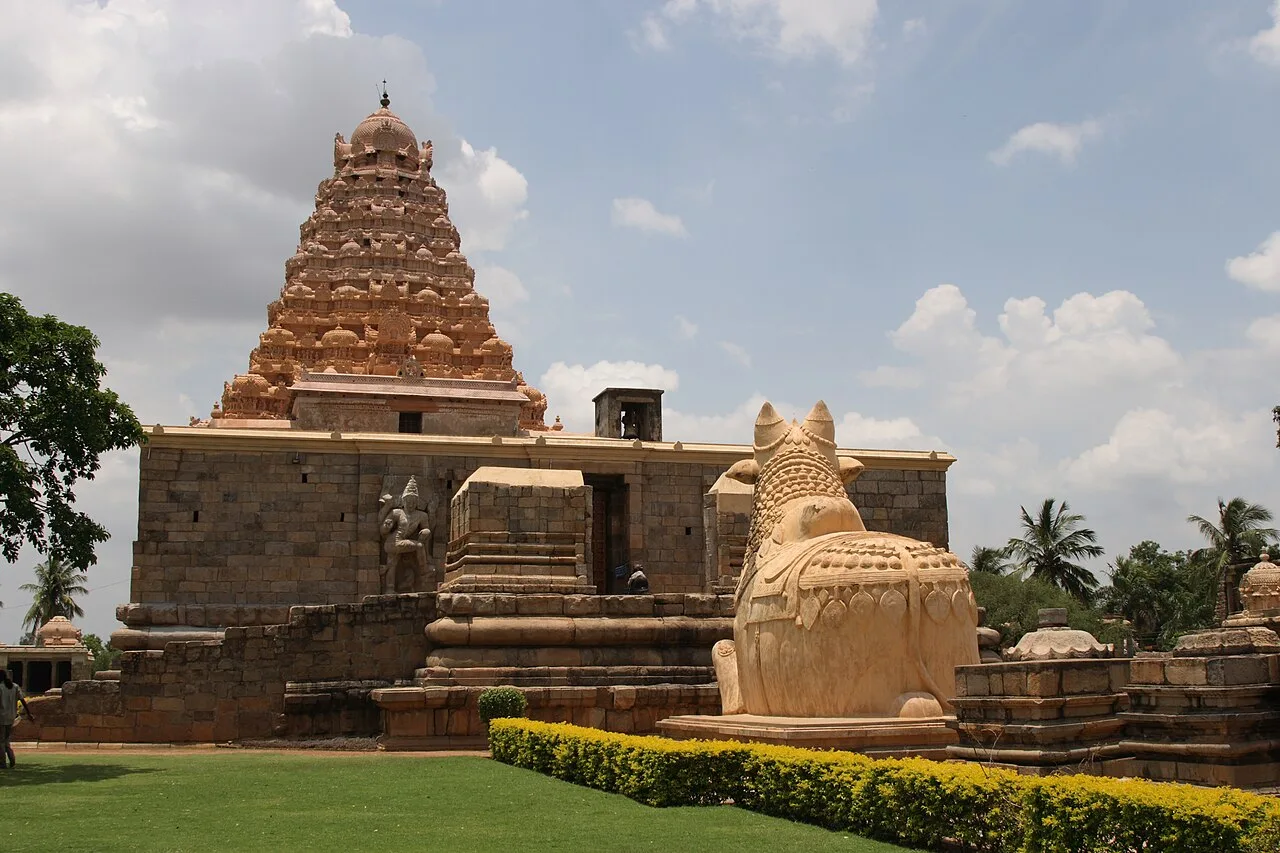
Set in Ariyalur district, Gangaikonda Cholapuram is a former Chola capital known for its Brihadisvara Temple, whose scale, architecture and sculpture distinguish it and whose site has UNESCO World Heritage status.

Map

Swamimalai on the map

  1. 1Airavatesvara Temple, Darasuram
  2. 2Adi Kumbeswarar Temple
  3. 3Mahamaham Tank, Kumbakonam
  4. 4Nachiyarkoil
  5. 5Saraswathi Mahal Library
  6. 6Thanjavur Palace
  7. 7Brihadisvara Temple
  8. 8Gangaikonda Cholapuram Temple

Tamil Nadu

Other cities to explore