Ghumoopedia — Explore, Discover, Experience
Sign in
Tiruttani Murugan Temple, near Tiruvallur

City guide · Tamil Nadu

Tiruvallur

Tiruvallur is a district headquarters and a growing satellite town on the western side of the Chennai metropolitan region. Set beside the Coovum River, it connects the capital with communities farther inland and combines administrative services, everyday commerce and suburban living.

Famous for

  • Veeraraghava Swamy Temple
  • 108 Divya Desam shrine
  • Panchamukha Hanuman temple
  • Poondi reservoir
  • Chennai suburban rail

Why Tiruvallur matters

Tiruvallur is a district headquarters and a growing satellite town on the western side of the Chennai metropolitan region. Set beside the Coovum River, it connects the capital with communities farther inland and combines administrative services, everyday commerce and suburban living. Its railway station links the town to Chennai’s suburban network, while its position in the metropolitan area continues to shape local development.

The principal draw for many visitors is Veeraraghava Swamy Temple, a revered Vaishnavite shrine counted among the 108 Divya Desams. A temple pond and its associated festival add to the town’s religious character. Nearby, the striking Viswaroopa Panchamukha Hanuman temple houses a tall image carved from a single green-granite stone; a Shiva temple also serves local worshippers. About 9 kilometres away, Poondi reservoir is an important source of drinking water for Chennai. Tiruvallur is therefore suited to a short pilgrimage or a visit combining temple heritage with a glimpse of the region’s expanding suburban landscape.

Famous for: crafts, trade & products

Tiruvallur is best known for its places of worship rather than for a signature textile, handicraft or GI-tagged product. Veeraraghava Swamy Temple draws pilgrims to one of the Vaishnavite tradition’s 108 Divya Desams, while the nearby Panchamukha Hanuman temple is noted for its monumental, single-stone green-granite image. The temple pond and its festival are also part of the town’s religious life.

As a district centre and suburban town, Tiruvallur has shops and markets serving residents, commuters and visitors with everyday goods, clothing and household necessities. These are concentrated around the town centre and railway-station area; local retailers are the practical places to ask about regional products, though no particular craft or specialist market is a defining attraction. Chennai, within the wider metropolitan region, offers a much broader choice of textiles, crafts and established shopping districts. Poondi reservoir, a short drive from town, is notable as part of Chennai’s water-supply system, not as a commercial destination. Visitors seeking a distinctive local purchase are better advised to focus on temple offerings and commonly sold devotional items than to expect a recognised regional product.

History

The Tiruvallur region has passed through several periods of political rule. Pallava influence extended into the area from at least the seventh century. In 1687, after the defeat of the Golkonda rulers, the region came under Mughal authority. Its towns and surrounding countryside later felt the effects of the Carnatic Wars, when English and French forces competed for influence in southern India. British rule subsequently shaped the region and continued until India became independent in 1947.

The best-known historical thread within Tiruvallur itself is religious. Tradition connects the town’s name and its Veeraraghava Swamy Temple with a story about the deity seeking a place to rest; the account is part of the shrine’s devotional heritage. In modern times, Tiruvallur became the administrative headquarters of its district and developed as a satellite town within Chennai’s expanding metropolitan region. Suburban rail connections and growing residential development have strengthened its links with the capital, while the temple remains central to its identity.

Food, festivals & culture

Temple worship is a prominent part of Tiruvallur’s cultural life. Devotees visit Veeraraghava Swamy Temple and nearby shrines throughout the year, with religious observances and festivals bringing activity to the temple precincts. A festival associated with the pond near the main temple is a local feature. Vaishnavite celebrations such as Vaikunta Ekadasi are observed in the region, though festival calendars and public programmes can vary from year to year.

Tamil is the principal language of daily life; English is also used in many formal and visitor-facing settings. Food is broadly Tamil in character, with rice-based meals, idli, dosa and other familiar South Indian dishes available at local eateries. There is no single dish or sweet that defines Tiruvallur. Devotional music and customary temple ceremonies are more visible cultural expressions than a distinct local performance tradition; classical dance and music may be encountered through regional programmes. For visitors, the temple streets and pond offer the clearest sense of the town’s religious rhythms.

Visiting the city

The cooler months, roughly November to February, are generally the most comfortable for exploring; summers can be hot, and monsoon showers are common later in the year. Chennai International Airport is the nearest major airport. Tiruvallur railway station is the town’s main rail stop, with suburban services connecting it to Chennai and other places along the line.

Auto-rickshaws and local road transport are useful for reaching the temples and nearby areas; arrange transport onward to Poondi reservoir. Begin around Veeraraghava Swamy Temple and its pond, then visit the nearby Shiva shrine and Panchamukha Hanuman temple. The town centre and railway-station surroundings are practical areas to explore for shops and local eateries. Tiruvallur works well as a day visit from Chennai, especially for travellers interested in temple heritage and the changing edge of the metropolitan region.

Trips from the city

Nearest places to visit from Tiruvallur

Our closest destination guides, by straight-line distance.

Tiruttani Murugan Temple

32 km away · Tiruvallur district

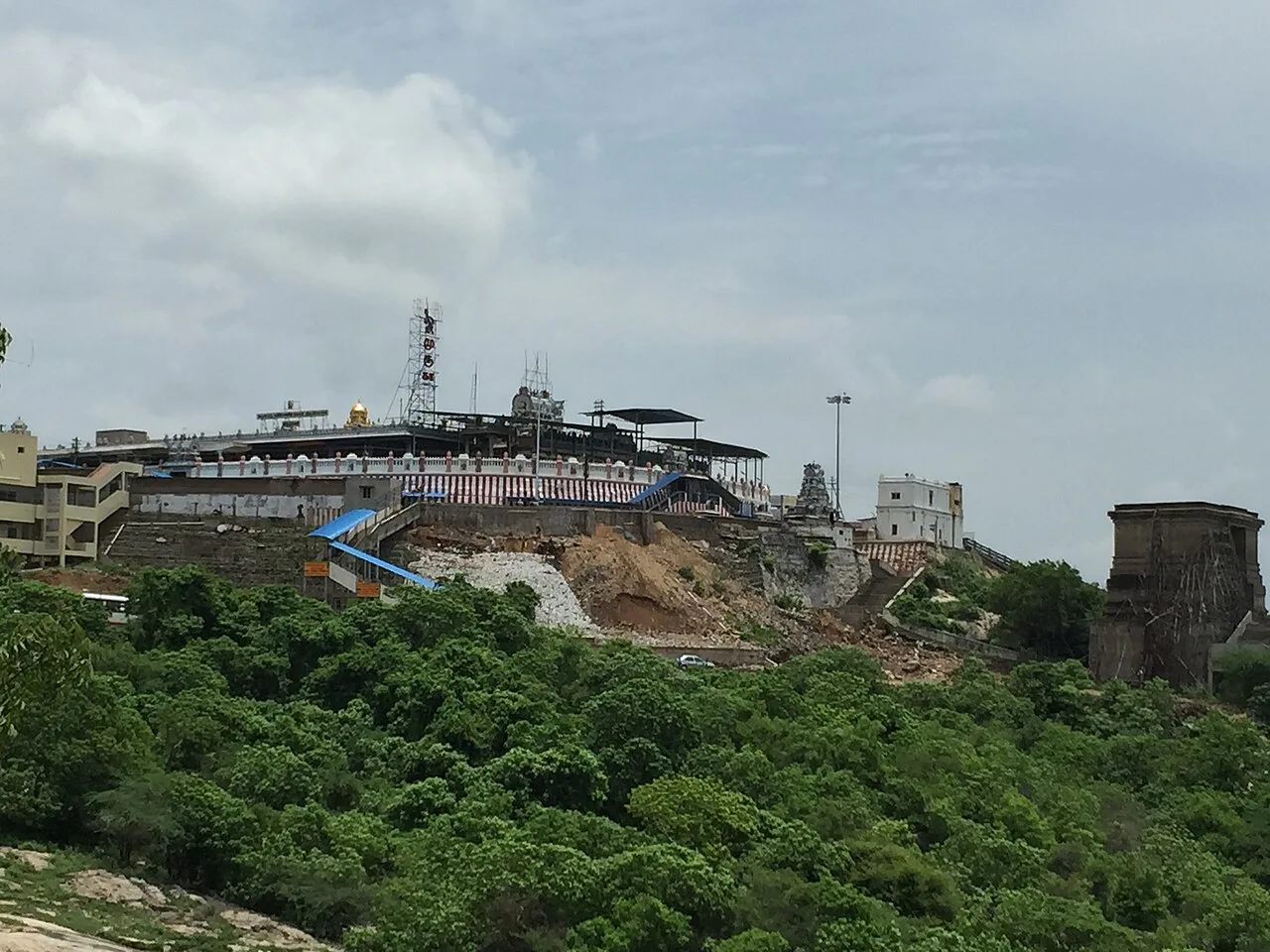
Tiruttani Murugan Temple

Tiruttani is a historic town in Tamil Nadu’s Tiruvallur district and part of Chennai’s metropolitan area. Visitors come to its ancient Murugan temple, counted among six important abodes of the deity.

St. Thomas Mount

34 km away · Chennai district

St. Thomas Mount

St. Thomas Mount, also called Parangimalai, is a small hillock in Chennai district. Visitors to the surrounding locality can use Chennai Metro or rail services, including the suburban network and MRTS.

Vadapalani Andavar Temple

35 km away · Chennai district

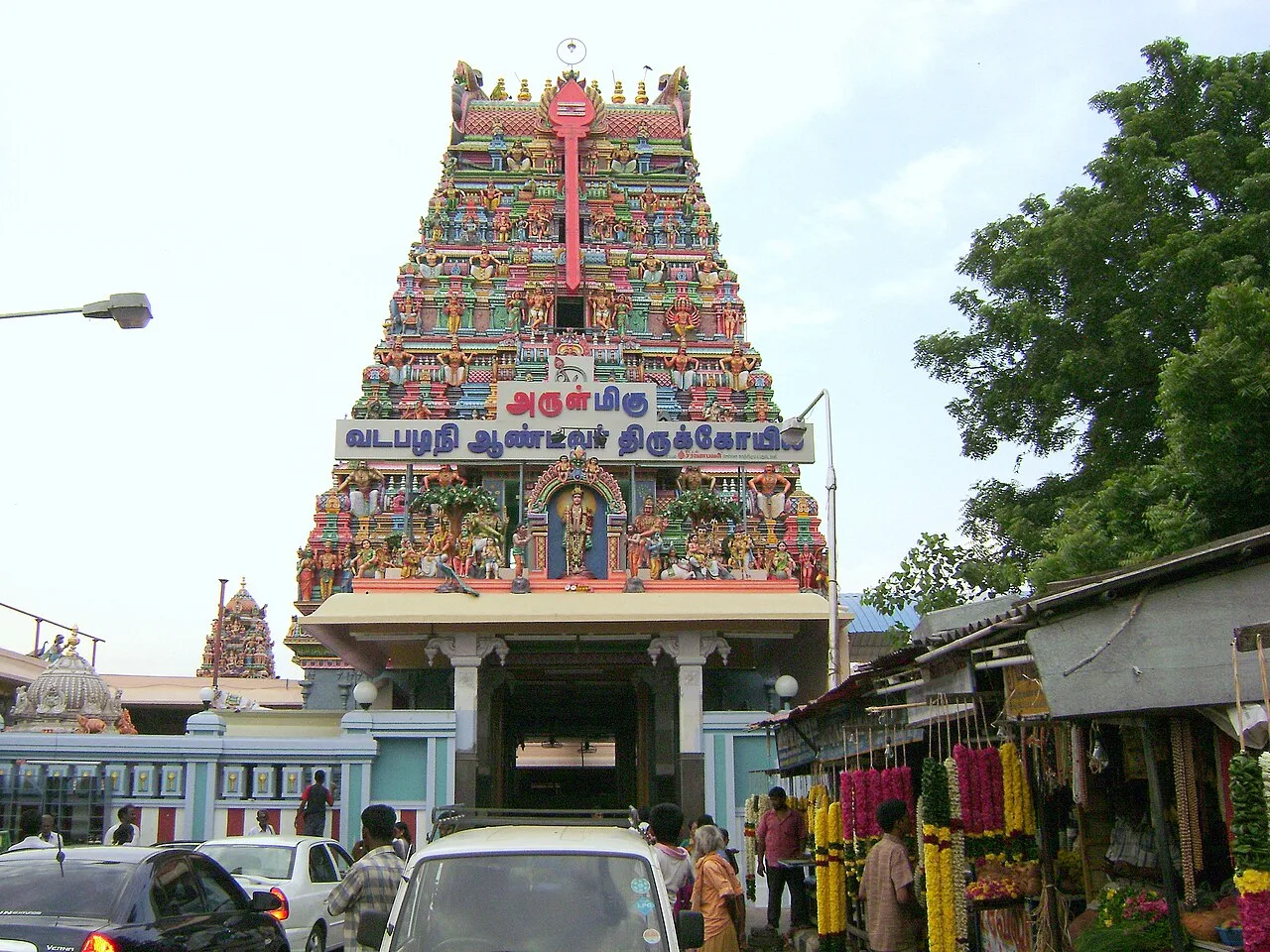
Vadapalani Andavar Temple

In Chennai’s Vadapalani area, this Tamil Nadu temple is a place of worship for devotees of Lord Muruga. Its rising prominence has been attributed in part to support from cinema stars.

Vandalur Zoo (Arignar Anna Zoological Park)

35 km away · Chennai district

Vandalur Zoo (Arignar Anna Zoological Park)

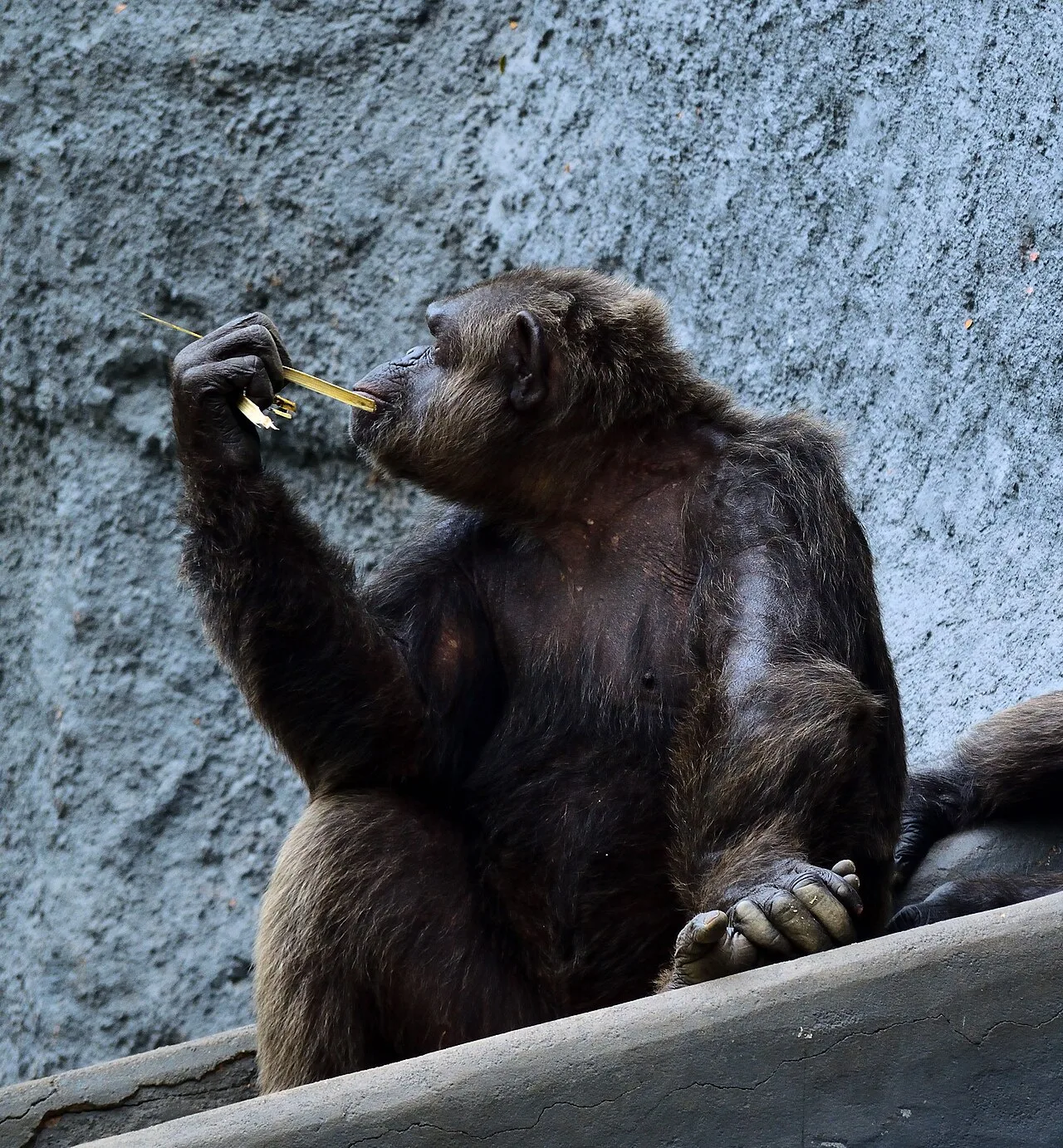
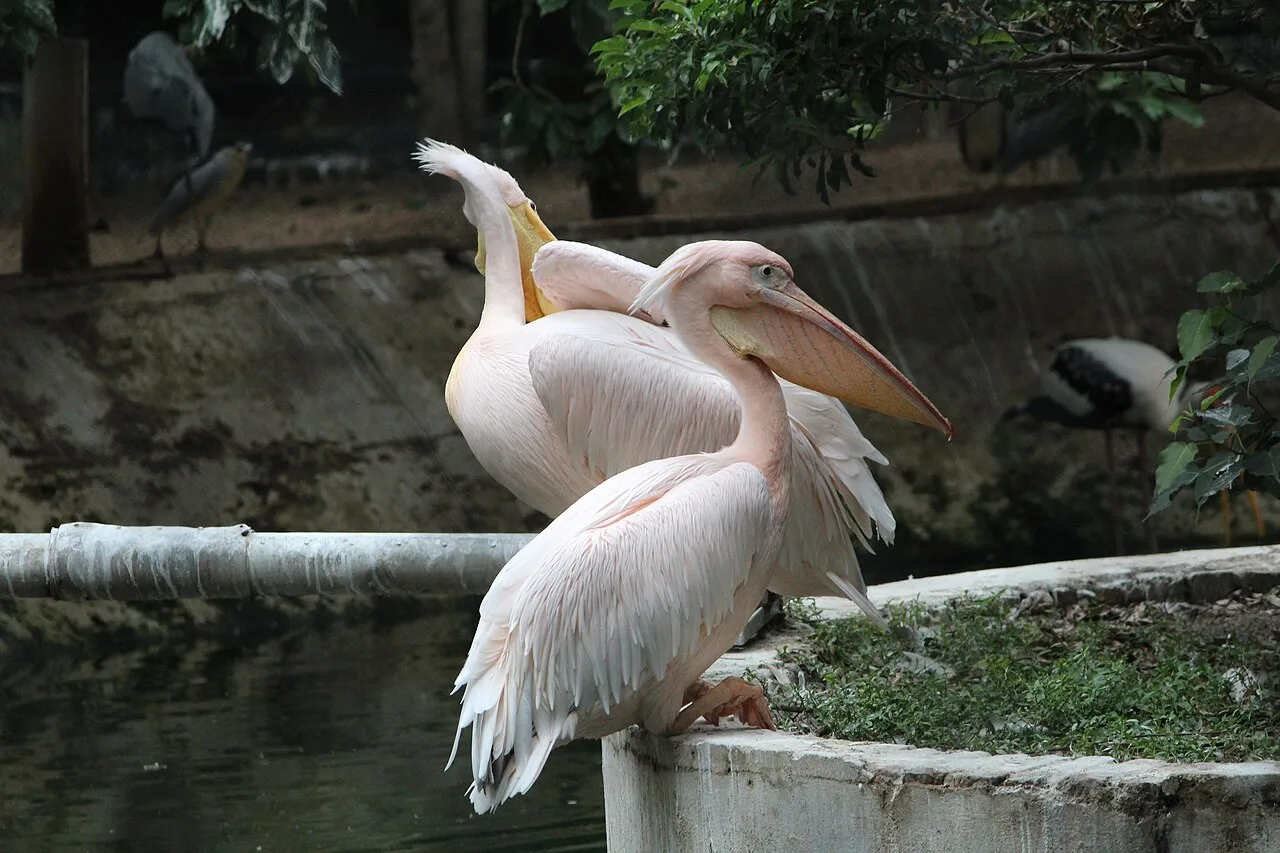
Arignar Anna Zoological Park, commonly called Vandalur Zoo, is a large zoological park in Chennai. Visitors come to see its varied animal exhibits, specialist habitats and wildlife safari.

Valluvar Kottam

37 km away · Chennai district

Valluvar Kottam

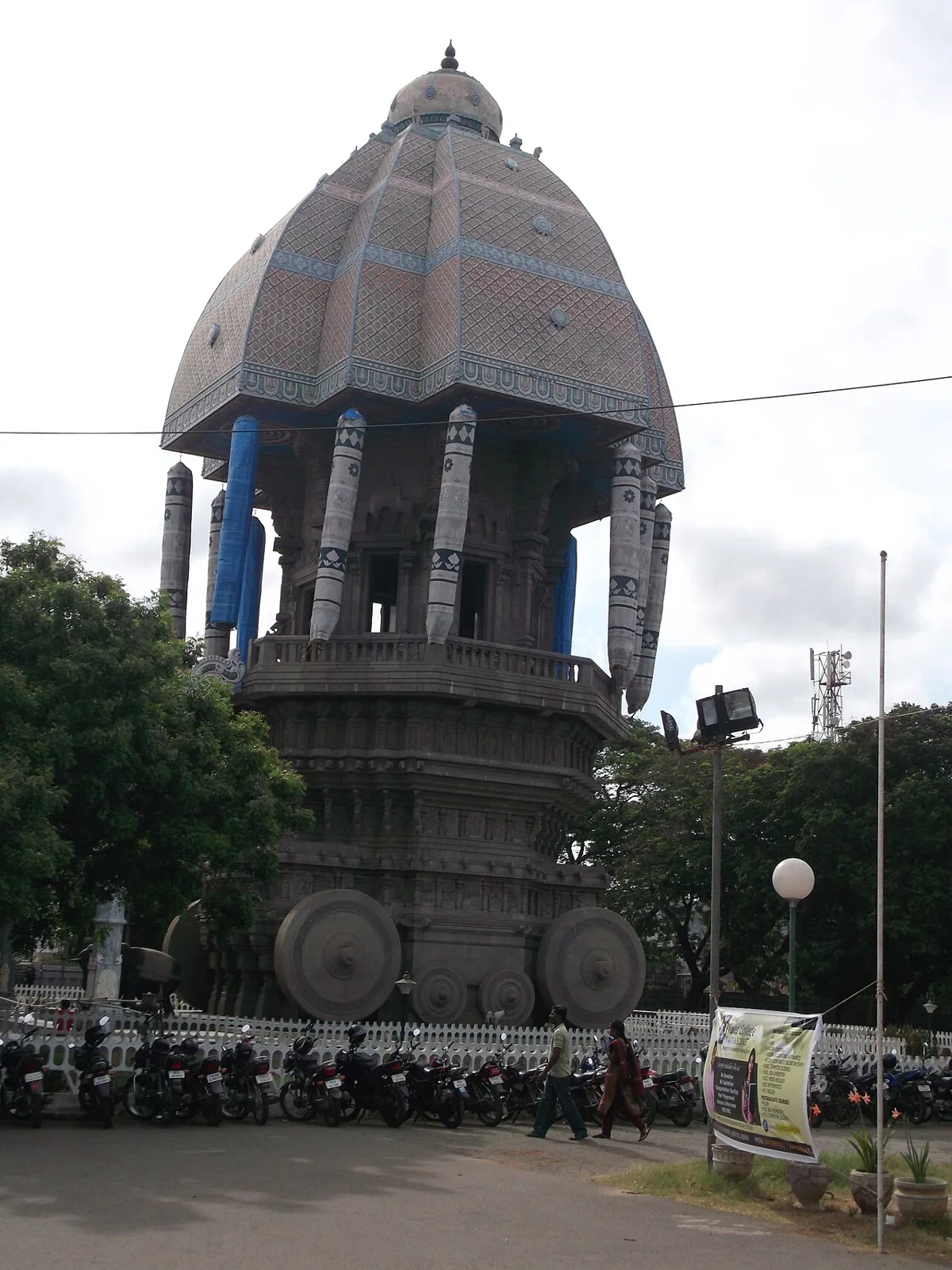
Valluvar Kottam is a Chennai landmark in Tamil Nadu commemorating Valluvar, the classical Tamil poet and philosopher. Visitors come to see the monument and its role as the city’s largest Tamil cultural centre.

Guindy National Park

38 km away · Chennai district

Guindy National Park

Guindy National Park is a compact protected area in Chennai, known for its wildlife and conservation role. People visit to experience its natural habitats and see animals roaming freely within the city.

Government Museum, Chennai

39 km away · Chennai district

Government Museum, Chennai

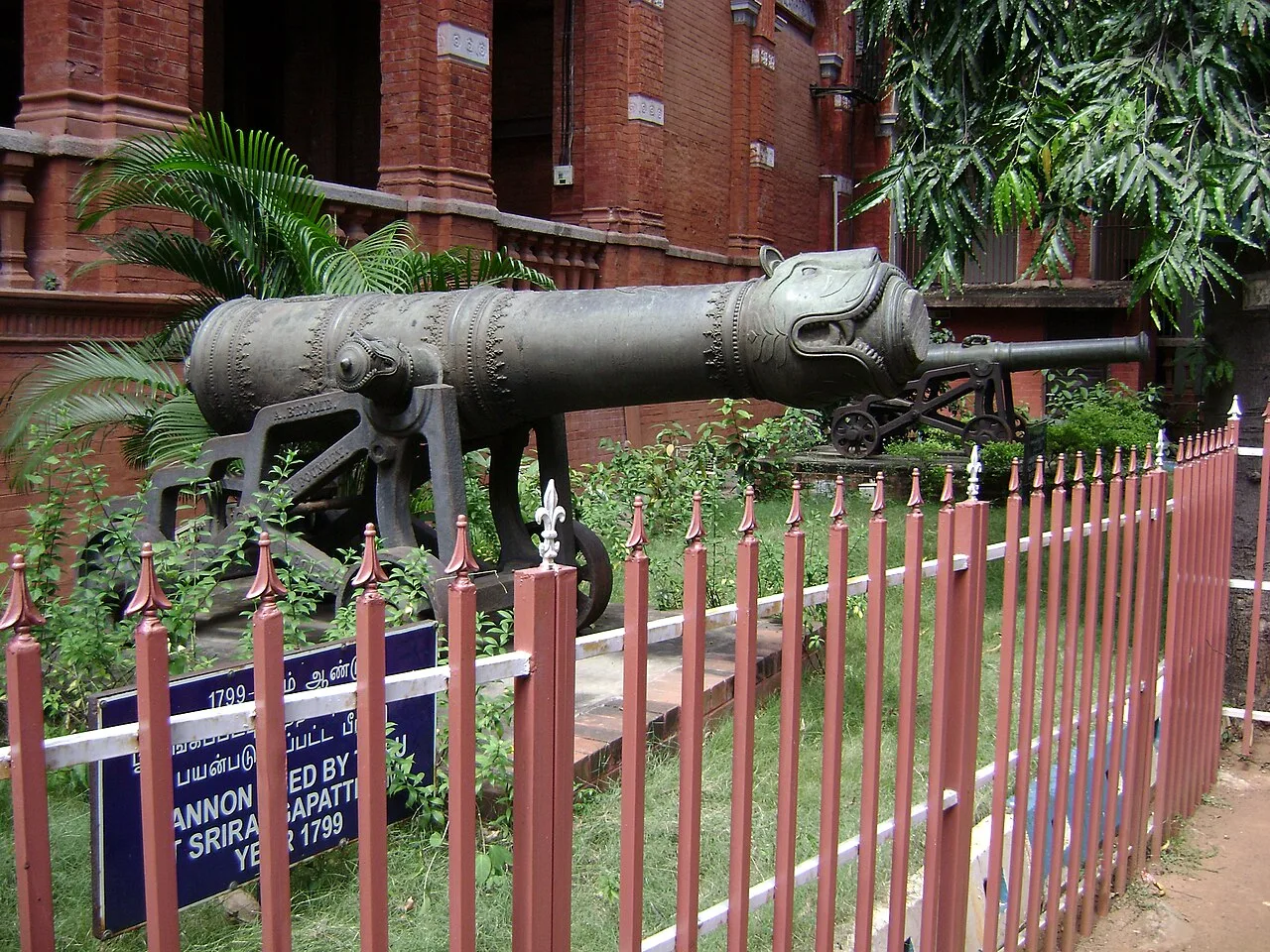
The Government Museum, Chennai, is a museum of history and culture in Egmore. Visitors come to see its collections of Roman currency, bronze idols and paintings, including works by Raja Ravi Varma.

Semmozhi Poonga

39 km away · Chennai district

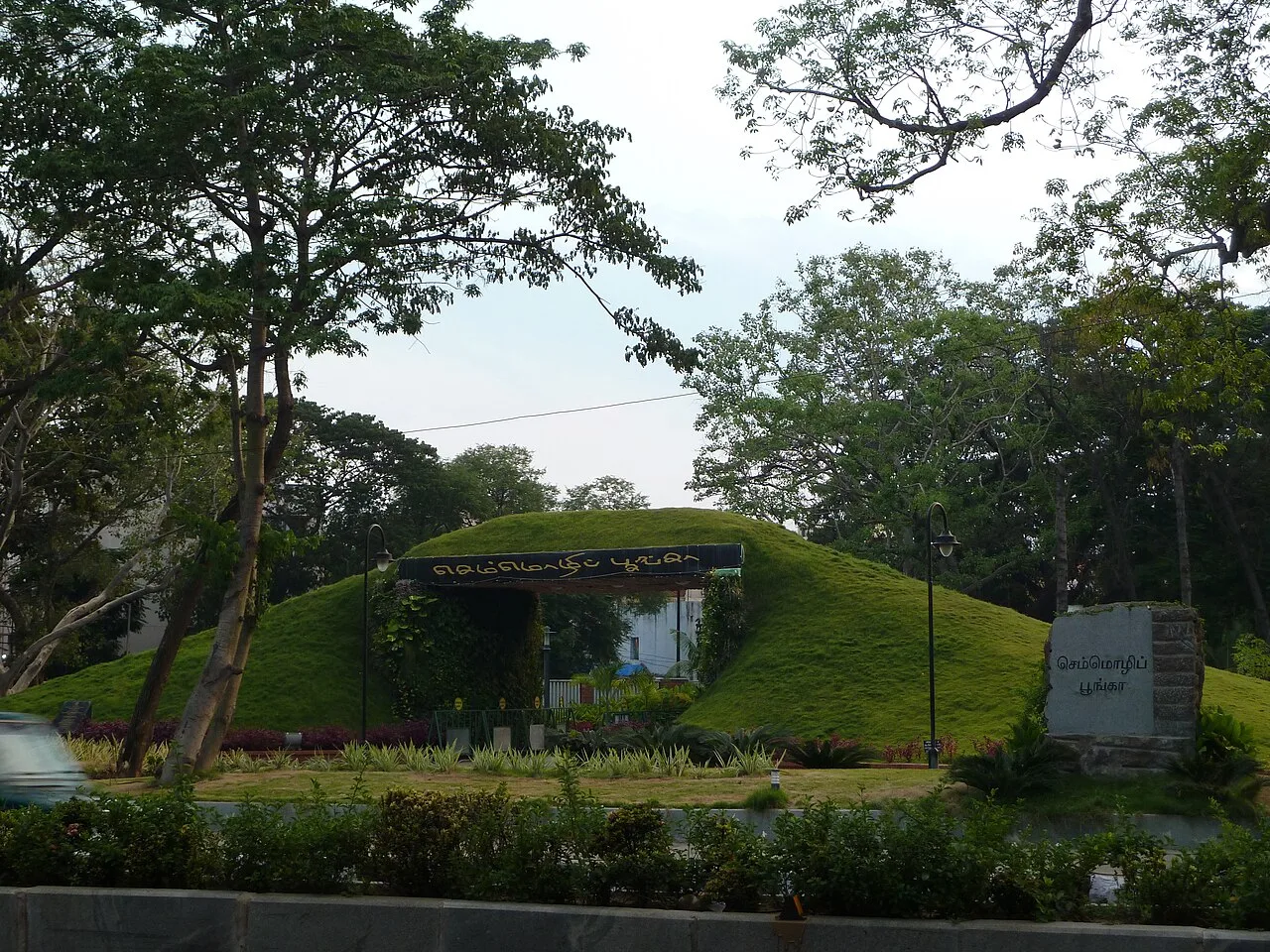
Semmozhi Poonga

In Chennai, Semmozhi Poonga is a garden developed jointly by Tamil Nadu’s horticulture and agricultural engineering departments. Visitors come to see its diverse collection of exotic, rare, medicinal and aromatic plants.

Map

Tiruvallur on the map

  1. 1Tiruttani Murugan Temple
  2. 2St. Thomas Mount
  3. 3Vadapalani Andavar Temple
  4. 4Vandalur Zoo (Arignar Anna Zoological Park)
  5. 5Valluvar Kottam
  6. 6Guindy National Park
  7. 7Government Museum, Chennai
  8. 8Semmozhi Poonga

Tamil Nadu

Other cities to explore