Ghumoopedia — Explore, Discover, Experience
Sign in
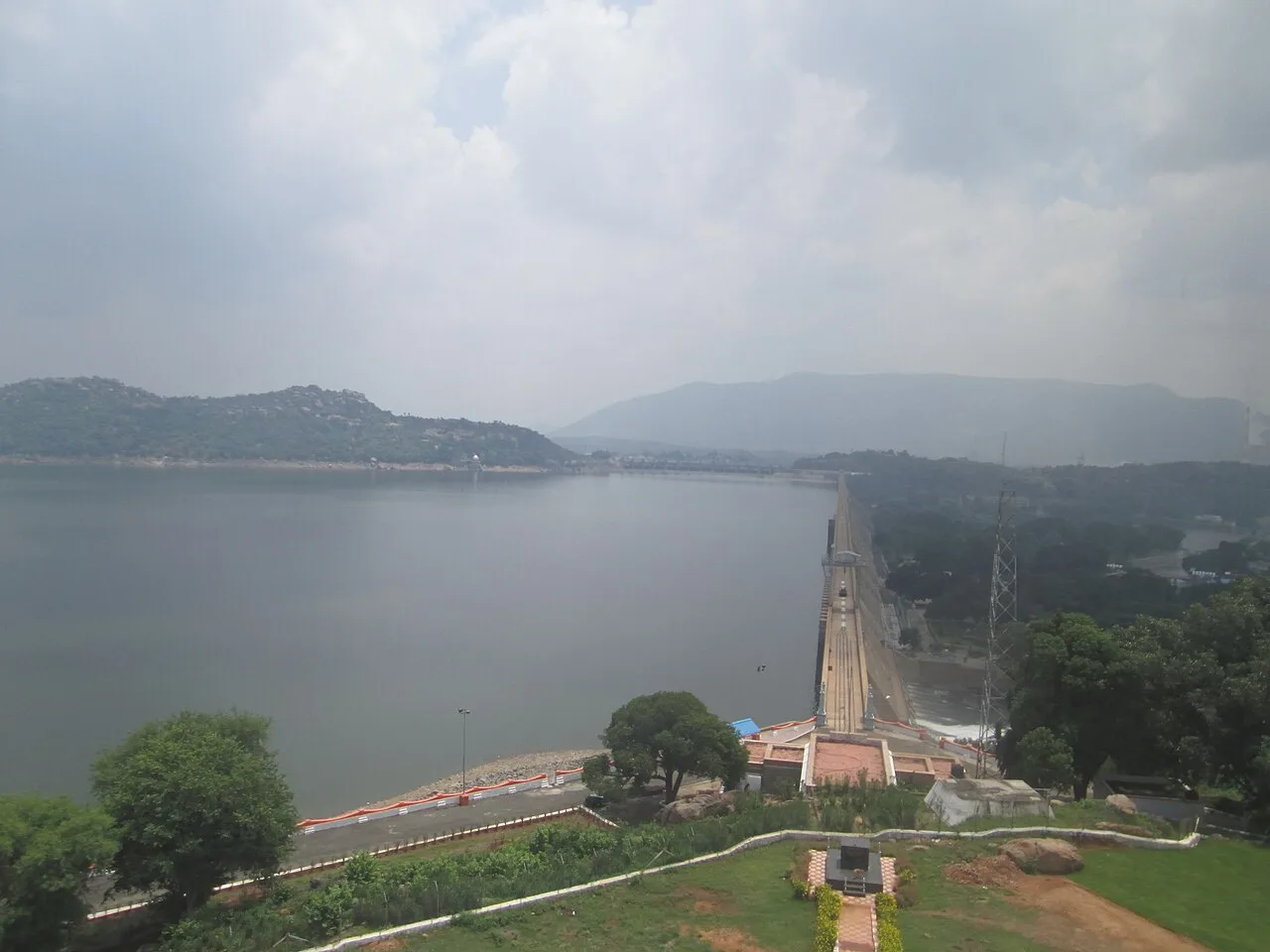
Mettur Dam, near Virnur

City guide · Tamil Nadu

Virnur

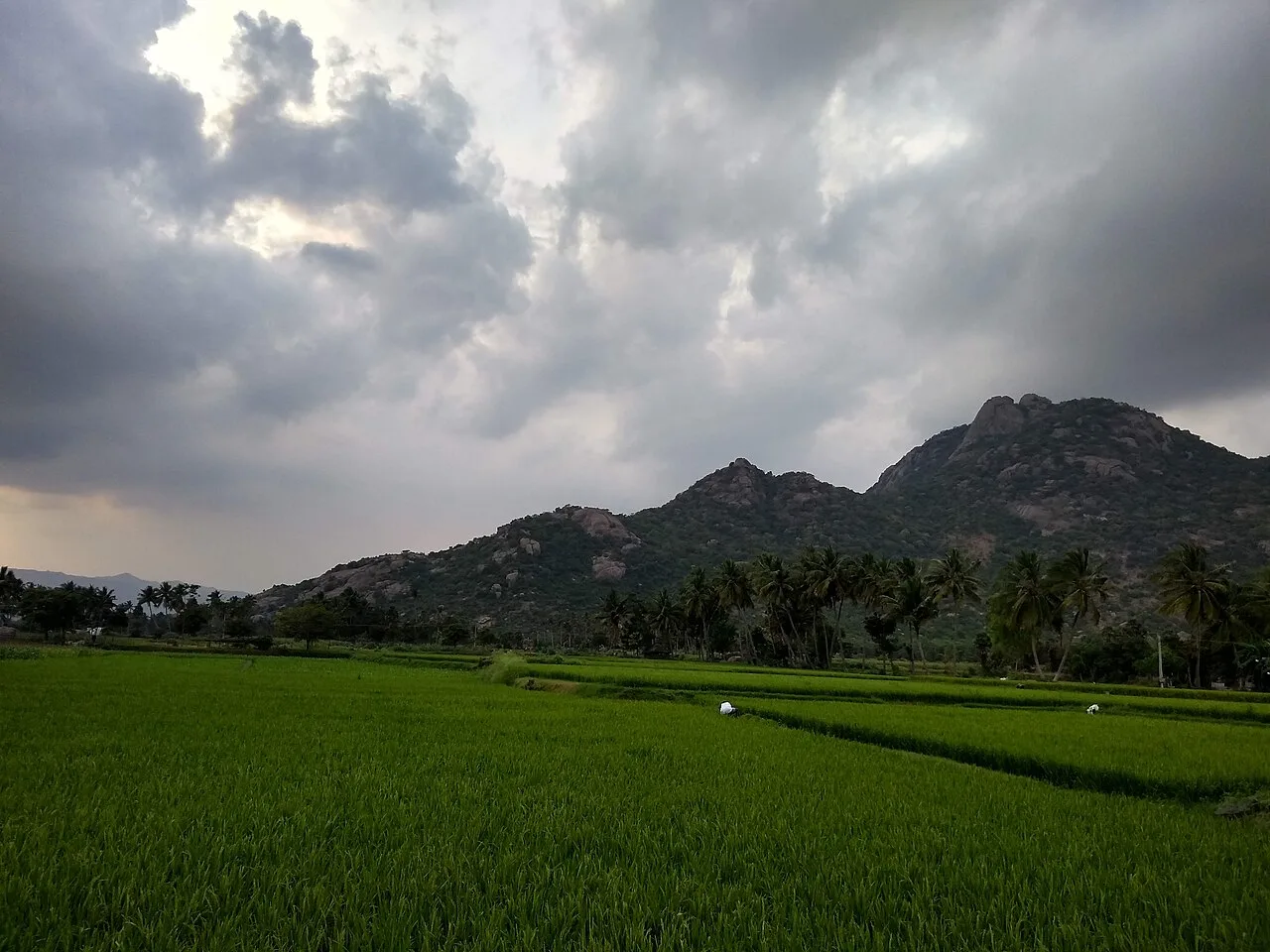
Virnur is best approached as a small Tamil settlement rather than a large urban destination. Its importance lies in the everyday life of the surrounding countryside: local farms, village communities and the nearby market towns that provide services, trade and transport.

Famous for

  • Rural Tamil Nadu life
  • Local agriculture
  • Tamil temple traditions
  • Pongal celebrations

Why Virnur matters

Virnur is best approached as a small Tamil settlement rather than a large urban destination. Its importance lies in the everyday life of the surrounding countryside: local farms, village communities and the nearby market towns that provide services, trade and transport. Visitors seeking a quieter view of Tamil Nadu may find interest in its rural roads, local places of worship and seasonal rhythms of cultivation and celebration.

The wider region is shaped by Tamil language and customs, with villages connected to larger towns for shopping, education and travel. Virnur is not widely associated with a major tourist landmark or a nationally recognised product, so it works better as a stop within a broader regional journey than as a destination built around sightseeing alone. A visit offers a chance to experience ordinary village life and use the settlement as a starting point for exploring nearby countryside and town markets.
Famous for: crafts, trade & products

Virnur does not have a widely recognised textile, handicraft or GI-tagged product associated specifically with it. Everyday trade is more likely to centre on household needs and farm-related goods, with a wider choice of shops and services in the surrounding market towns. Visitors looking for locally made items can ask at small shops or weekly markets about produce and crafts from nearby villages, rather than expecting a dedicated tourist market.

Agriculture is an important part of rural life across Tamil Nadu, and local crops and seasonal produce may be found through village vendors and nearby town markets. The exact mix varies with season and locality. For a broader selection of regional goods, larger towns are the practical places to browse. Virnur’s identity is better understood through its rural setting and community life than through a single signature industry or product.

History

Virnur’s history is best viewed within the long story of Tamil village settlement, in which cultivation, water management, local worship and links to nearby towns shaped community life. Tamil Nadu has been influenced over many centuries by major dynasties, including the Cholas, Pandyas, Pallavas and later Nayak rulers, but their influence varied across the region; it should not be assumed that every village was a political centre or has a documented monument from those periods.

During British rule, administration, roads and commercial networks were reorganised across the Madras Presidency, while village economies continued to rely heavily on agriculture and local exchange. In modern times, improved roads, schooling, public services and mobility have strengthened links between small settlements and larger towns. Virnur’s development is consequently tied to regional transport and markets, as well as the changing needs of farming households and local residents.

Food, festivals & culture

Tamil is the principal language of daily life. Customs are shaped by family and village ties, seasonal work and worship at local temples and other places of prayer. Pongal, usually celebrated in January, is a major harvest festival across Tamil Nadu; Deepavali, Tamil New Year in April and the Aadi season in July and August are also widely observed, though local temple celebrations vary from place to place.

Everyday food follows familiar Tamil patterns: rice with sambar, rasam, vegetables and curd, alongside tiffin dishes such as idli, dosa and pongal. Sweets and savouries are often prepared or bought for festivals and family occasions, with choices varying locally. Carnatic music and classical dance are part of the wider Tamil cultural landscape, while folk songs, devotional music and community performances are more closely connected with village gatherings and festivals.

Visiting the city

The cooler, drier months from roughly November to February are generally more comfortable for exploring rural Tamil Nadu; summer can be hot, and monsoon showers may affect road travel. Virnur is most easily visited by road, using local buses, taxis or hired vehicles from a nearby town. For rail connections, Villupuram Junction is a useful regional gateway, while Chennai International Airport is a major air gateway for the wider area; check the road route from the exact Virnur you are visiting when planning onward travel.

Explore the village and its surroundings at an unhurried pace, and use nearby market-town streets for everyday shopping and meals. Local temples and countryside roads offer a sense of the area, but ask locally about access and any festival arrangements. Carry water and plan longer journeys around daylight and local transport availability.

Trips from the city

Nearest places to visit from Virnur

Our closest destination guides, by straight-line distance.

Mettur Dam

7 km away · Salem district

Mettur Dam

Mettur Dam, in Salem district, is among India’s largest dams and Tamil Nadu’s largest; visitors come to view the structure and the park at its base.

Hogenakkal Falls

31 km away · Dharmapuri district

Hogenakkal Falls

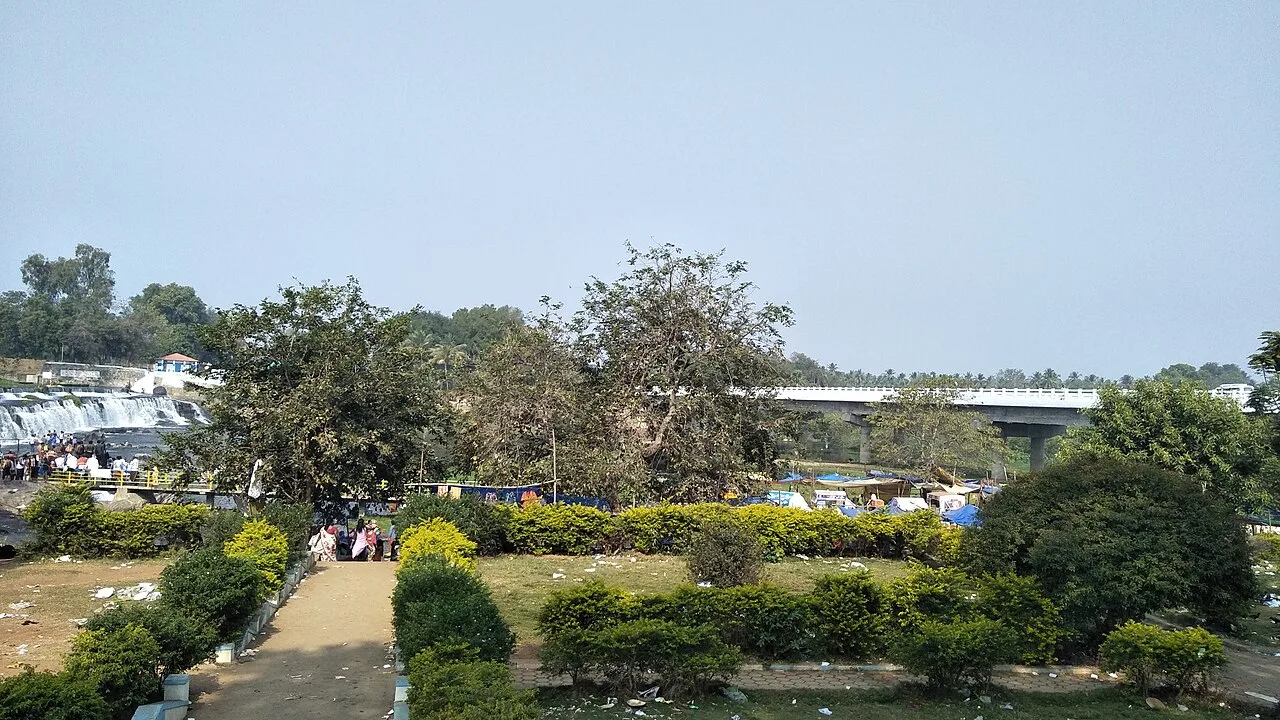
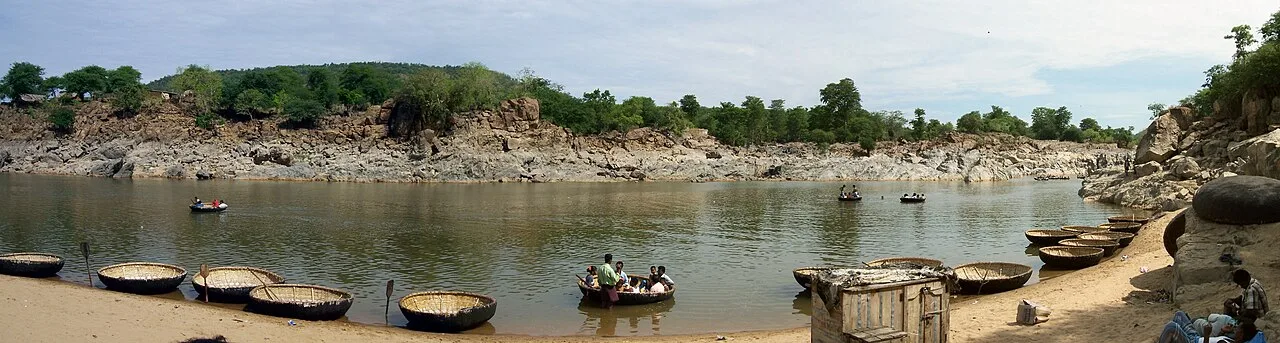
Hogenakkal Falls is a Kaveri River waterfall on the Tamil Nadu–Karnataka boundary, visited by people wishing to see the falls.

Yercaud Hill Station

39 km away · Salem district

Yercaud Hill Station

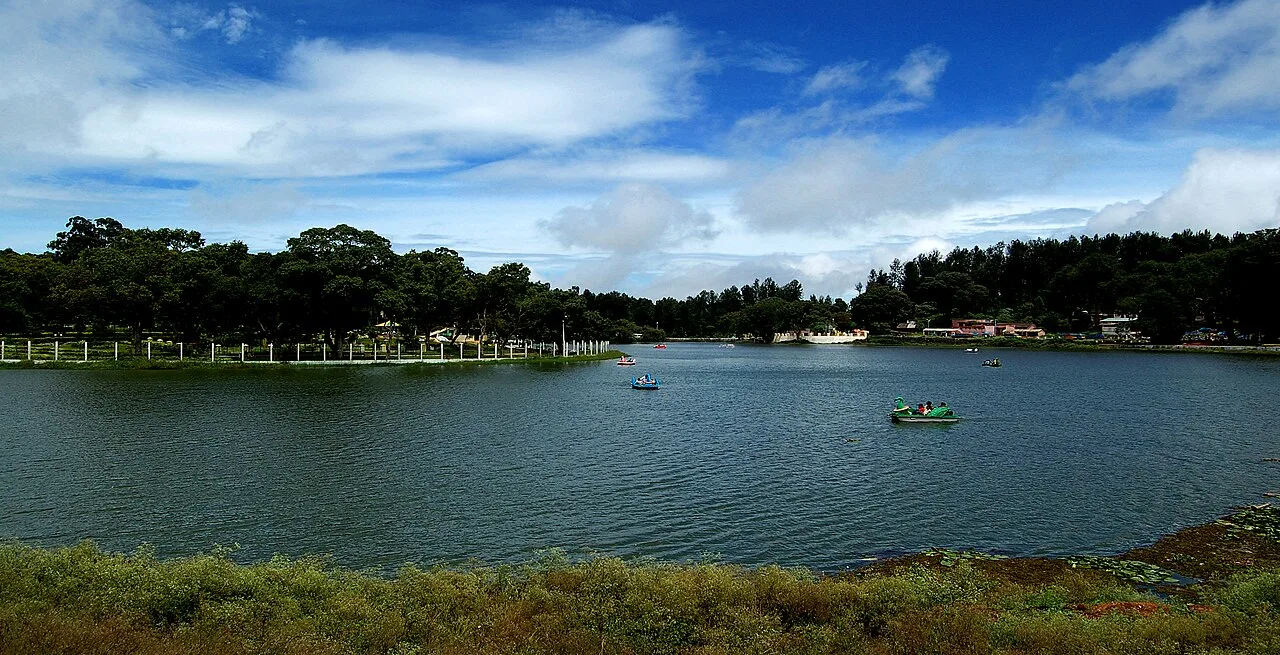
Yercaud, also known as Erkadu, is a hill town in Salem district, Tamil Nadu. Visitors come for its location in the Servarayan Hills, part of the Eastern Ghats.

Bhavani Sangameswarar Temple

49 km away · Erode district

Bhavani Sangameswarar Temple

Bhavani Sangameswarar Temple is a Shiva shrine in Bhavani, Tamil Nadu, at the meeting of the Kaveri, Bhavani and mystical Amutha rivers. Visitors worship here and perform rites for their ancestors.

Kodiveri Dam

73 km away · Erode district

Kodiveri Dam

On the Bhavani River in Tamil Nadu, Kodiveri Dam is a masonry structure that visitors come to see in the Erode district, near Gobichettipalayam.

Namakkal Fort

76 km away · Namakkal district

Namakkal Fort

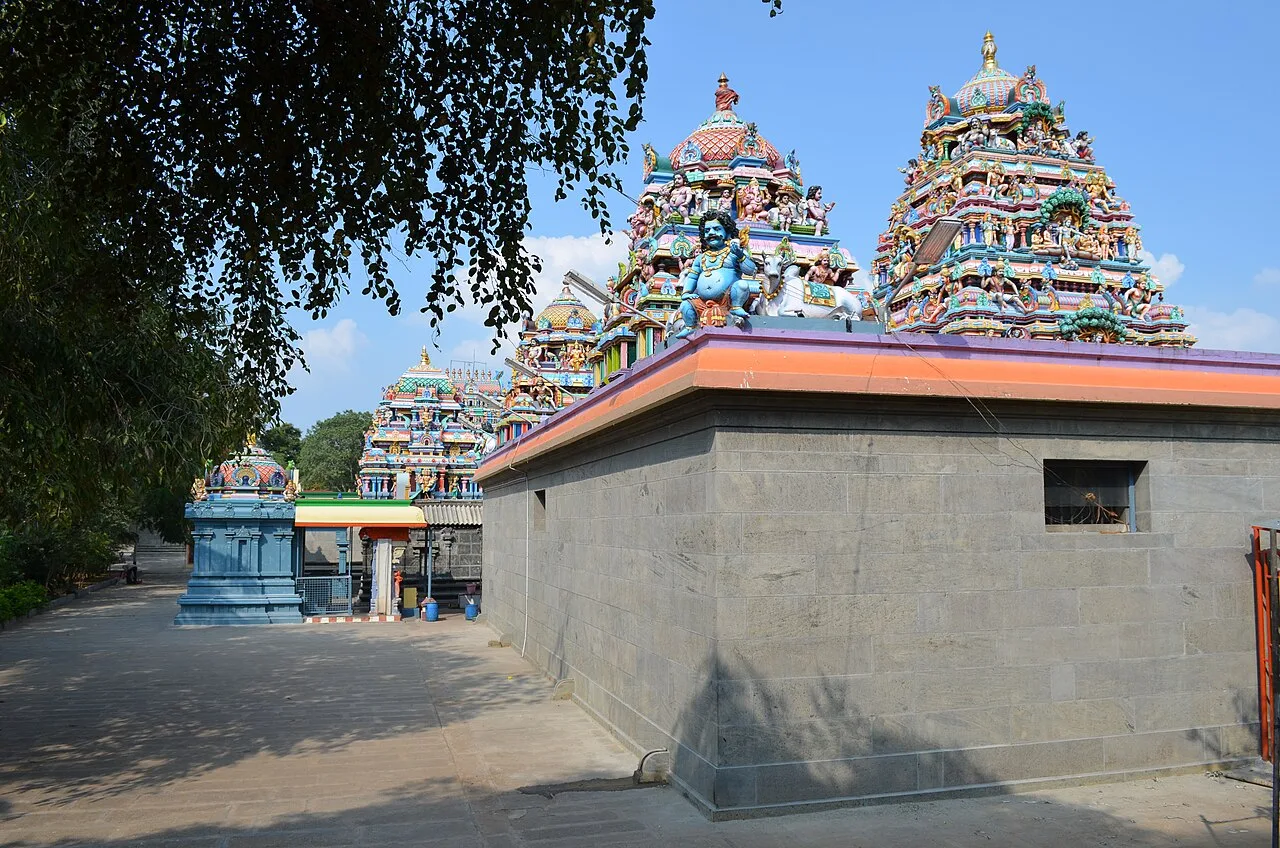
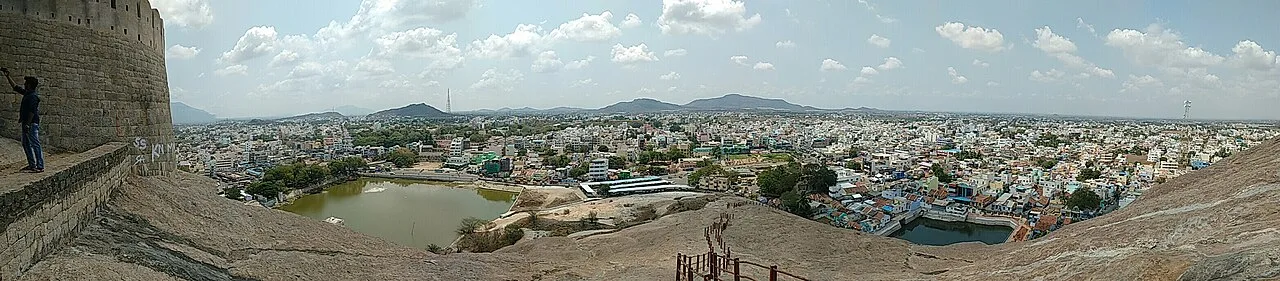
Rising above Namakkal, this seventeenth-century fort occupies a hillock of solid rock and contains a temple and mosque. Visitors come to see these sites and explore its history.

Kolli Hills

83 km away · Namakkal district

Kolli Hills

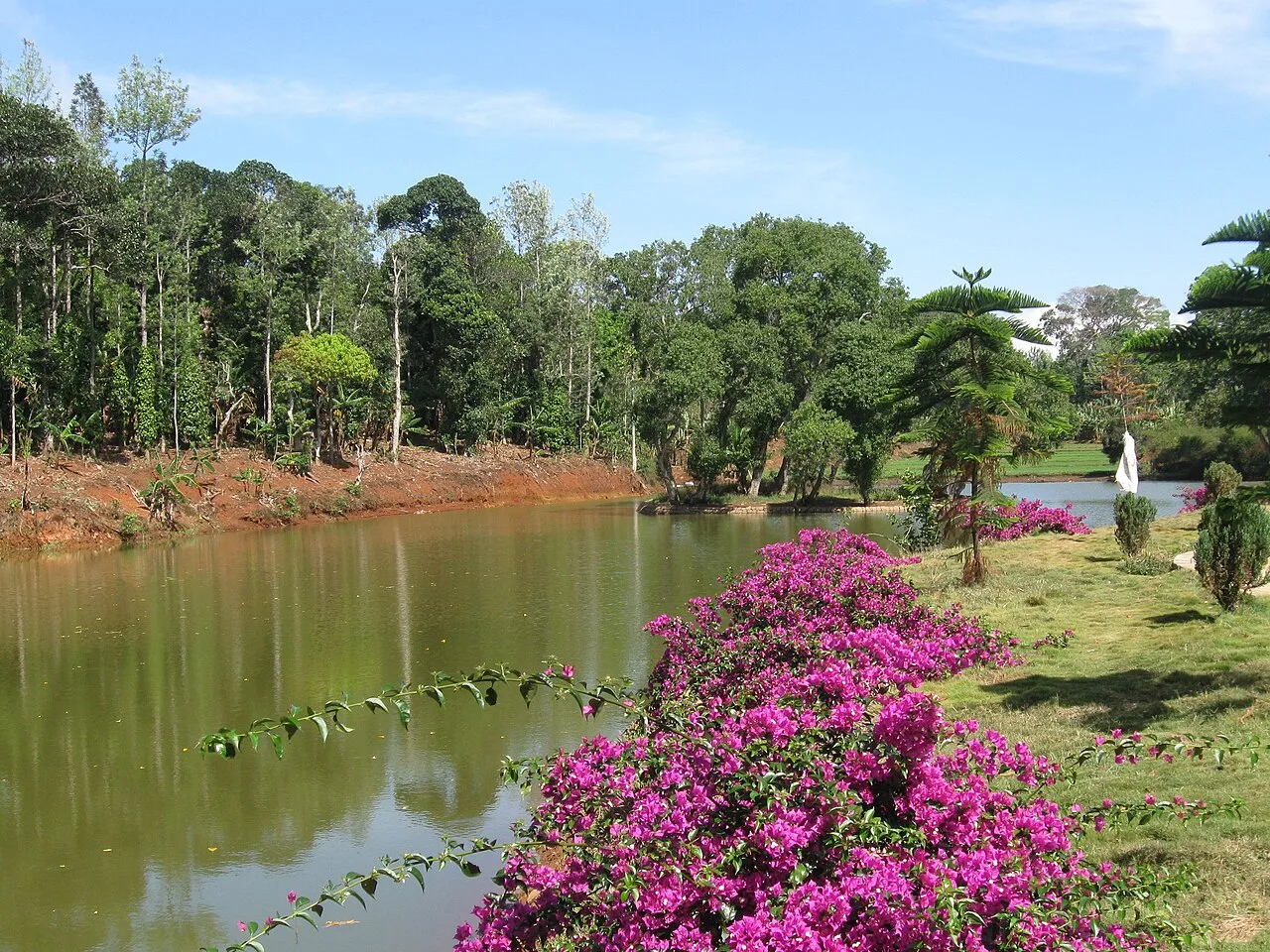
Kolli Malai, also called Kolli Hills, is a hill station and taluk within Tamil Nadu’s Namakkal district. Visitors come to the area in its capacity as a hill-station destination.

Kalrayan Hills

86 km away · Kallakurichi district

Kalrayan Hills

Kalrayan Hills are an extensive highland range in Tamil Nadu’s Eastern Ghats. Visitors come to experience its elevated terrain and its setting among the ranges that separate two river basins.

Map

Virnur on the map

  1. 1Mettur Dam
  2. 2Hogenakkal Falls
  3. 3Yercaud Hill Station
  4. 4Bhavani Sangameswarar Temple
  5. 5Kodiveri Dam
  6. 6Namakkal Fort
  7. 7Kolli Hills
  8. 8Kalrayan Hills

Tamil Nadu

Other cities to explore