Ghumoopedia — Explore, Discover, Experience
Sign in
Hogenakkal Falls, near Denkanikottai

City guide · Tamil Nadu

Denkanikottai

Denkanikottai, also called Thenkanikottai, is a taluk headquarters in Krishnagiri district, Tamil Nadu, close to the Karnataka border. Its location gives the town a distinctly regional character: Tamil is the official and widely spoken language, while Kannada, Telugu and Urdu are also heard.

Famous for

  • Betrayaswamy Temple
  • Cauvery elephant habitat
  • Tamil–Kannada border culture
  • Elevated, mild climate
  • Denkanikottai Taluk headquarters

Why Denkanikottai matters

Denkanikottai, also called Thenkanikottai, is a taluk headquarters in Krishnagiri district, Tamil Nadu, close to the Karnataka border. Its location gives the town a distinctly regional character: Tamil is the official and widely spoken language, while Kannada, Telugu and Urdu are also heard. It serves nearby communities with local administration, shops and everyday services, as well as acting as a convenient base for exploring this part of the state.

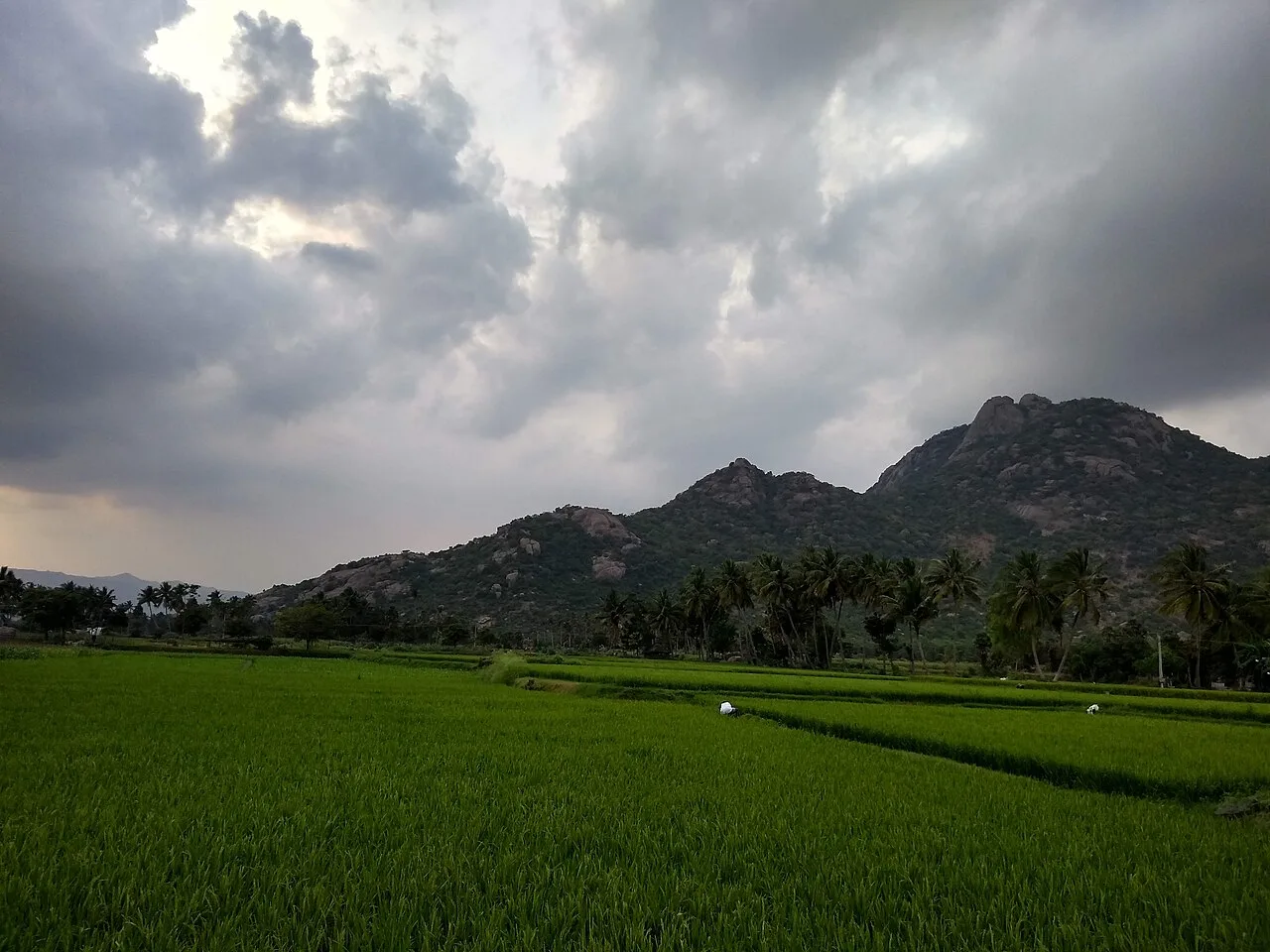
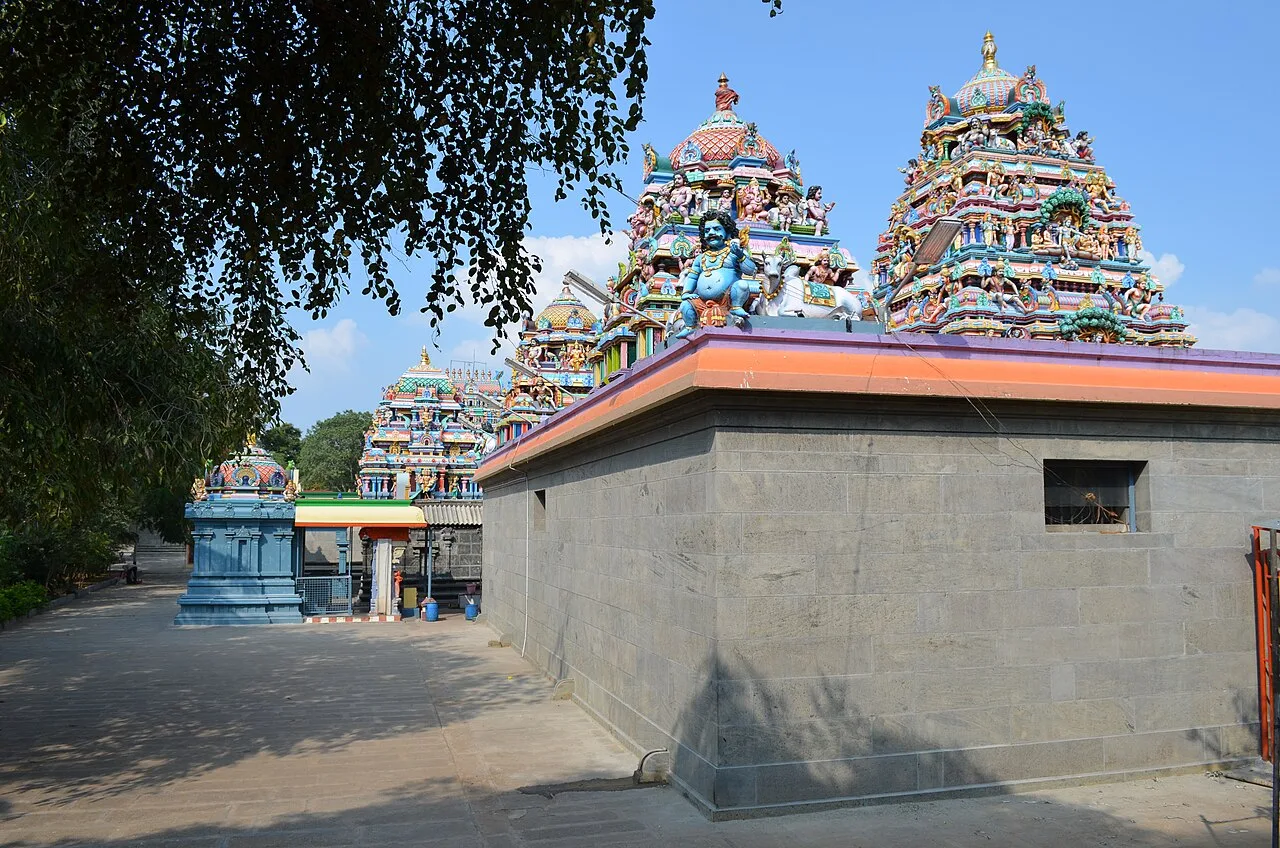
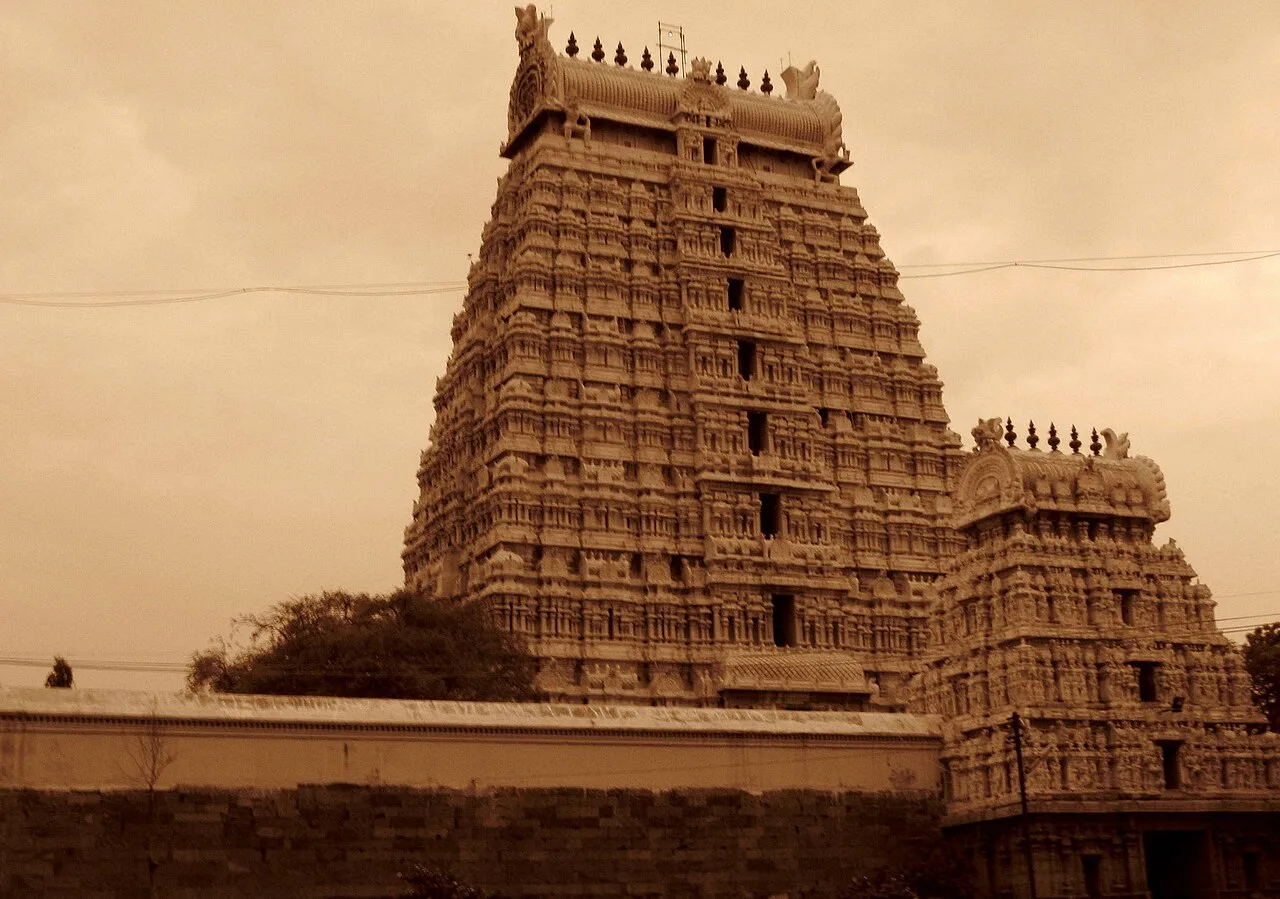
The town’s best-known landmark is Betrayaswamy Temple, at its centre, whose name is associated with the place’s identity. Denkanikottai also draws interest for its setting on the elevated southern edge of the Deccan Plateau. Surrounding forest country forms important elephant habitat within the Cauvery landscape, including the Cauvery Wildlife Sanctuary and the Cauvery Elephant Reserve. Visitors come for the combination of temple-town life, borderland culture and access to nearby nature. The elevation brings a milder feel than the plains for much of the year, although weather and rainfall vary by season.
Famous for: crafts, trade & products

Denkanikottai is best known locally for Betrayaswamy Temple and its role as the service centre for the surrounding taluk, rather than for a nationally recognised textile, handicraft or GI-tagged product. There is no widely established signature saree, craft or manufactured good associated with the town. Visitors should therefore treat it as a place to experience a working regional market, not as a specialist shopping destination.

The central market area and nearby shops cater mainly to residents, with everyday groceries, household goods and seasonal produce. Small eateries and provision stores are practical stops for travellers, but specific products and availability can change. The town’s broader identity is tied more to its temple, its position near Karnataka and the forested landscape around it than to export trade or a large industrial sector. For distinctive crafts or a wider choice of branded goods, travellers may find more options in larger nearby centres such as Hosur. In Denkanikottai, the most rewarding purchases are likely to be ordinary local provisions rather than a formally recognised regional speciality.

History

Denkanikottai’s recorded political history reflects its position in the borderlands between the Mysore region and present-day Tamil Nadu. Until 1654, it was ruled by Kantheerava Narasaraja Wodeyar of Srirangapatna in the Kingdom of Mysore. The territory later came under Hyder Ali, and the area became part of the wider contest between his forces and the British. Its location made it significant within shifting regional power struggles, although the town’s history is also rooted in its temple and its role serving nearby settlements.

Over time, Denkanikottai developed as a local administrative and market centre. Today it is the headquarters of Denkanikottai Taluk in Krishnagiri district. Its links with Karnataka remain visible in the mix of languages spoken locally and in cross-border movement for trade and services. Modern development has expanded everyday services and road connections, while the surrounding forest landscape continues to shape the area’s identity and land use.

Food, festivals & culture

Daily life reflects Denkanikottai’s position near the Tamil Nadu–Karnataka border. Tamil is the official language and is widely spoken, alongside Kannada, Telugu and Urdu. Local meals generally draw on familiar South Indian staples such as rice, lentils, idli and dosa; ragi and other millet foods are also common across the wider region. Small eateries and the central market are useful places to sample everyday fare, though the town is not especially known for a signature sweet or dish.

Pongal, usually celebrated in January, is an important Tamil harvest festival. Deepavali and Tamil New Year are also observed, while Kannada-speaking residents may celebrate occasions such as Ugadi and Dussehra; Eid is part of the town’s diverse religious calendar. Betrayaswamy Temple is a central place of worship, and the town’s religious life also includes Muslim and Christian communities. Temple observances, devotional music and regional folk traditions contribute to local cultural life, though celebrations vary from year to year.

Visiting the city

The cooler months, broadly October to February, are generally comfortable for exploring; rain can be heavier around the autumn monsoon, while summer days are warmer. The nearest major airport is Kempegowda International Airport in Bengaluru. Hosur is the main nearby railway station for rail access, with the onward journey to Denkanikottai made by road.

Buses and taxis connect the town with nearby centres, and local autos can help with short trips. The central area is best explored on foot for Betrayaswamy Temple, shops and eateries. The surrounding taluk offers a rural, forest-edge landscape, but access to protected areas should be checked locally and wildlife sightings are never guaranteed. Denkanikottai works well as a short stop or a base for exploring the broader border region.

Trips from the city

Nearest places to visit from Denkanikottai

Our closest destination guides, by straight-line distance.

Hogenakkal Falls

46 km away · Dharmapuri district

Hogenakkal Falls

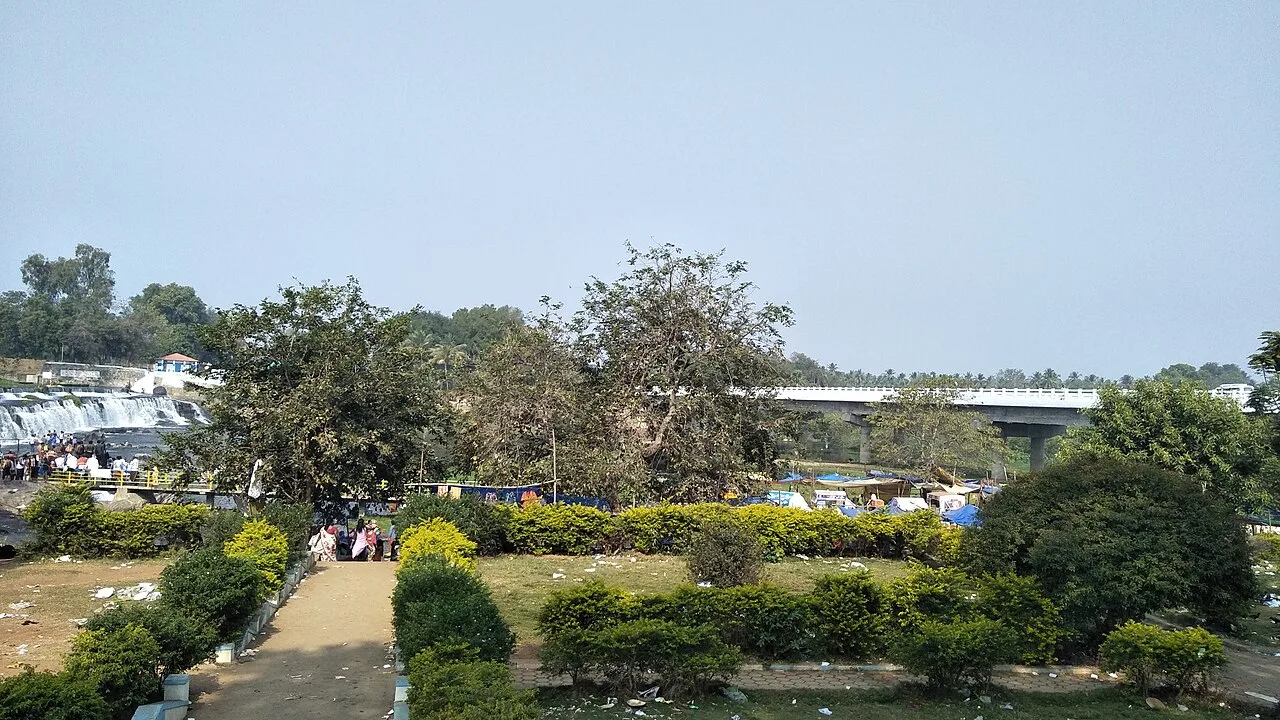
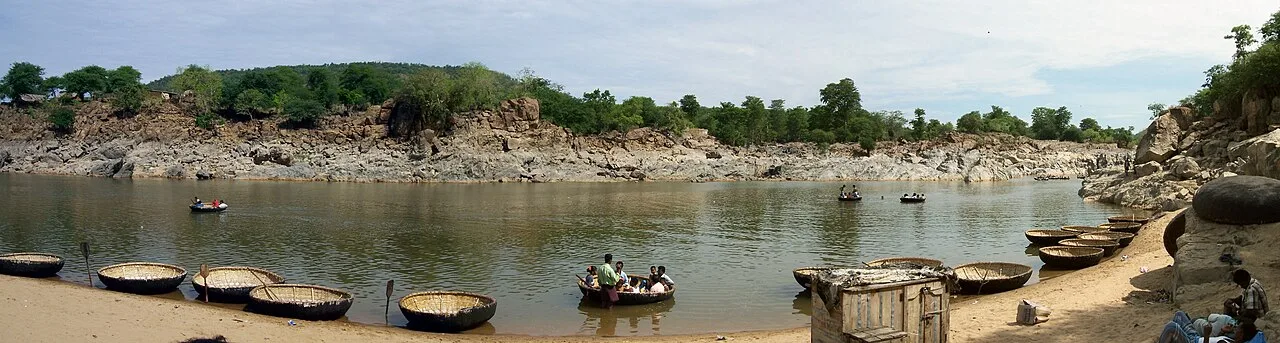
Hogenakkal Falls is a Kaveri River waterfall on the Tamil Nadu–Karnataka boundary, visited by people wishing to see the falls.

Mettur Dam

81 km away · Salem district

Mettur Dam

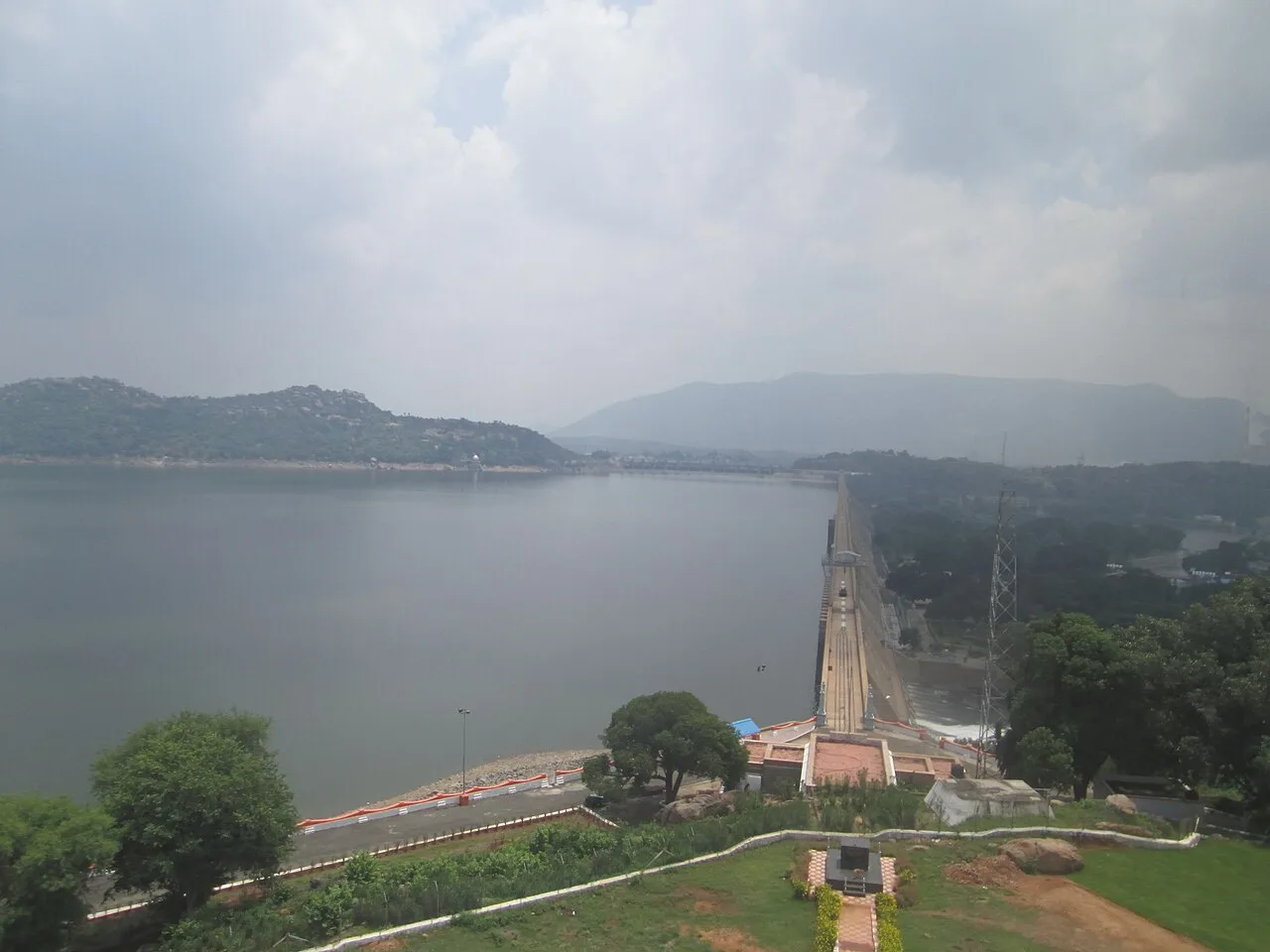
Mettur Dam, in Salem district, is among India’s largest dams and Tamil Nadu’s largest; visitors come to view the structure and the park at its base.

Yercaud Hill Station

95 km away · Salem district

Yercaud Hill Station

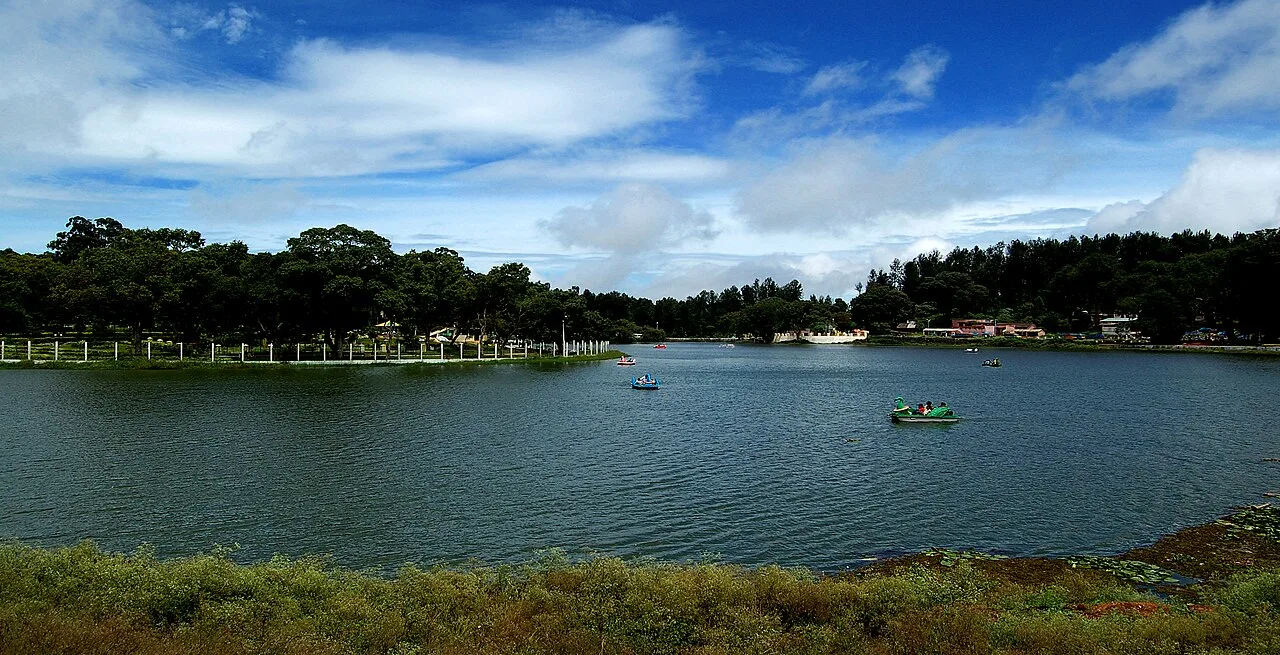
Yercaud, also known as Erkadu, is a hill town in Salem district, Tamil Nadu. Visitors come for its location in the Servarayan Hills, part of the Eastern Ghats.

Kalrayan Hills

119 km away · Kallakurichi district

Kalrayan Hills

Kalrayan Hills are an extensive highland range in Tamil Nadu’s Eastern Ghats. Visitors come to experience its elevated terrain and its setting among the ranges that separate two river basins.

Bhavani Sangameswarar Temple

122 km away · Erode district

Bhavani Sangameswarar Temple

Bhavani Sangameswarar Temple is a Shiva shrine in Bhavani, Tamil Nadu, at the meeting of the Kaveri, Bhavani and mystical Amutha rivers. Visitors worship here and perform rites for their ancestors.

Kodiveri Dam

129 km away · Erode district

Kodiveri Dam

On the Bhavani River in Tamil Nadu, Kodiveri Dam is a masonry structure that visitors come to see in the Erode district, near Gobichettipalayam.

Sri Ramanasramam

142 km away · Tiruvannamalai district

Sri Ramanasramam

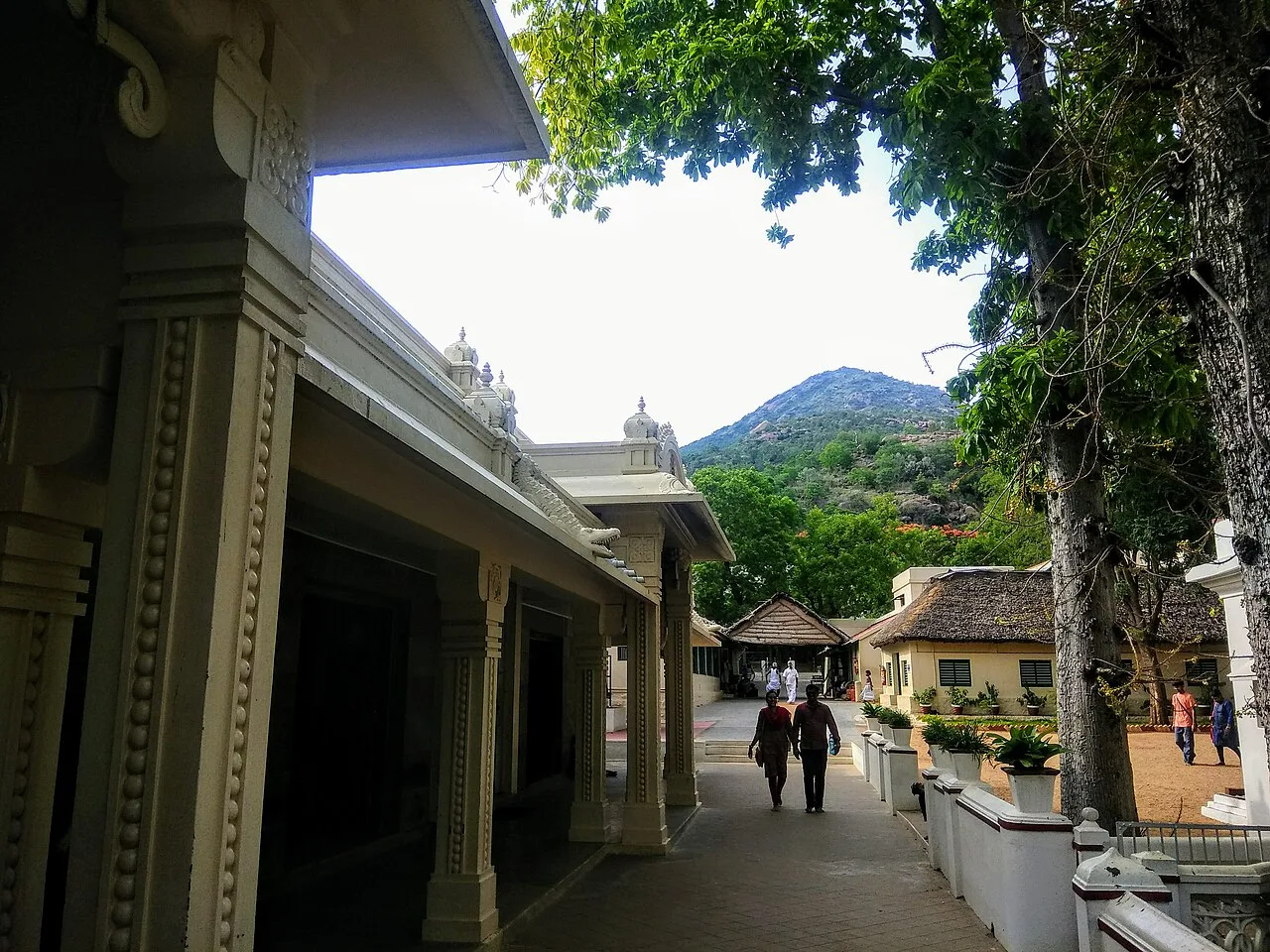
Sri Ramanasramam is a spiritual community and international non-profit organisation in Tiruvannamalai, associated with Ramana Maharshi. People visit to meditate, study his teachings and seek spiritual understanding.

Annamalaiyar Temple, Tiruvannamalai

143 km away · Tiruvannamalai district

Annamalaiyar Temple, Tiruvannamalai

Annamalaiyar Temple is a major Shiva and Parvati shrine in Tiruvannamalai, known for its association with fire, its place in Tamil Shaivite worship and its extensive temple complex.

Map

Denkanikottai on the map

  1. 1Hogenakkal Falls
  2. 2Mettur Dam
  3. 3Yercaud Hill Station
  4. 4Kalrayan Hills
  5. 5Bhavani Sangameswarar Temple
  6. 6Kodiveri Dam
  7. 7Sri Ramanasramam
  8. 8Annamalaiyar Temple, Tiruvannamalai

Tamil Nadu

Other cities to explore