Ghumoopedia — Explore, Discover, Experience
Sign in
Thyagaraja Temple, near Koothanallur

City guide · Tamil Nadu

Koothanallur

Koothanallur is a small municipality and taluk headquarters in Tiruvarur district, set amid the irrigated fields of Tamil Nadu’s Cauvery Delta. Its location between the Vennar and Koraiyar rivers has helped sustain agriculture, a central part of the surrounding area’s economy and landscape.

Famous for

  • Big Pallivasal
  • Tamil Rowther heritage
  • Cauvery Delta agriculture
  • Vennar and Koraiyar rivers
  • Tirurameshwaram temple

Why Koothanallur matters

Koothanallur is a small municipality and taluk headquarters in Tiruvarur district, set amid the irrigated fields of Tamil Nadu’s Cauvery Delta. Its location between the Vennar and Koraiyar rivers has helped sustain agriculture, a central part of the surrounding area’s economy and landscape. The town lies about 20 km from Tiruvarur and is connected to nearby towns by road.

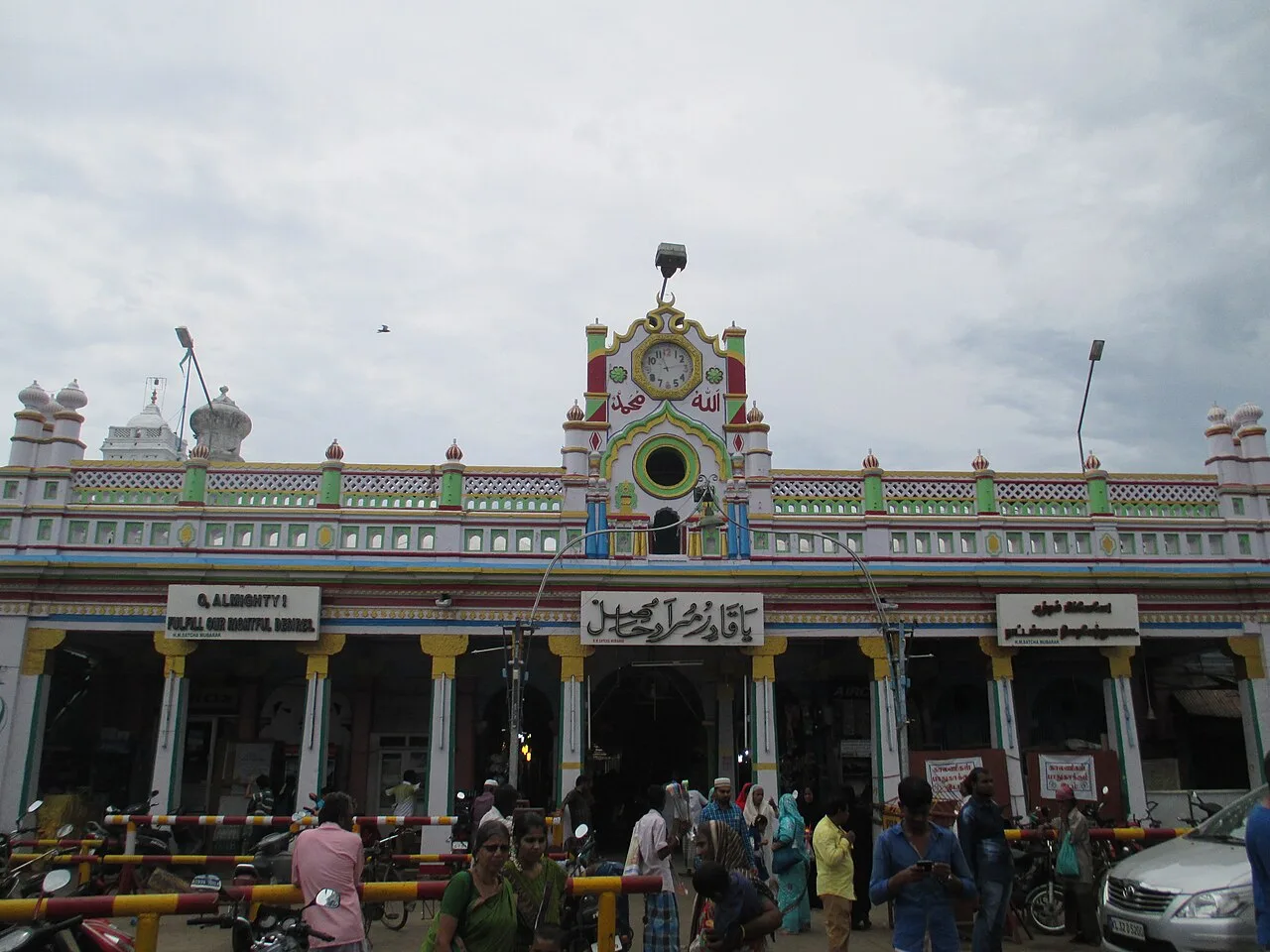
Koothanallur is especially known for the Big Pallivasal and its long-established Tamil Muslim, particularly Rowther, community. Its character is shaped by everyday town life, local markets, mosques and neighbourhoods alongside the rhythms of delta farming. Visitors may come to see the Big Pallivasal or use the town as a base for nearby places of worship, including Sri Ramanatha Swamy Temple at Tirurameshwaram, about 7 km to the south. Koothanallur is not a large sightseeing centre, but it offers a view of a distinctive river-fed town in the delta and its blend of agricultural and religious life.
Famous for: crafts, trade & products

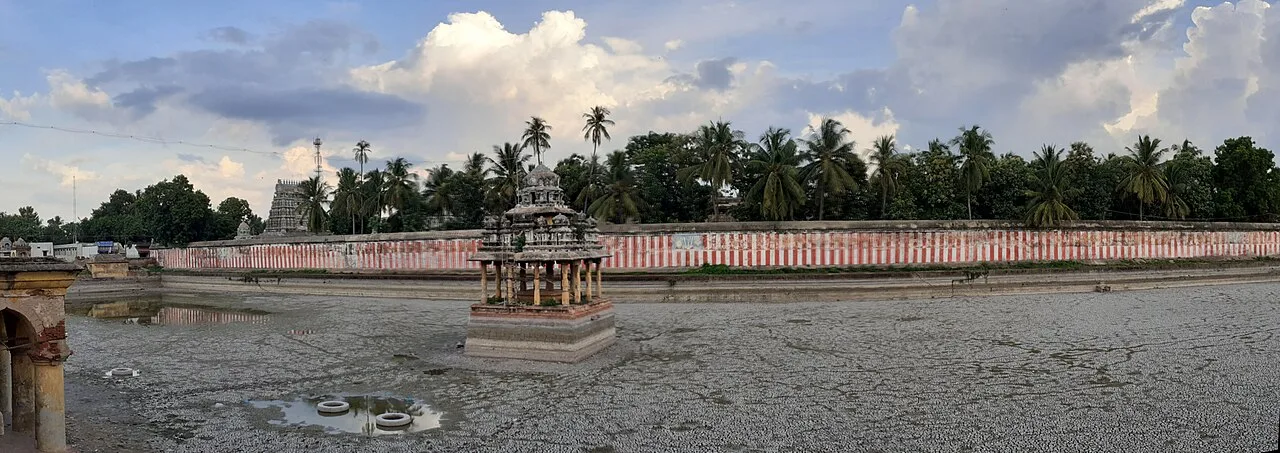
Koothanallur is best known locally for agriculture rather than for a signature textile, handicraft or manufactured product. The town lies in the fertile Cauvery Delta, where paddy cultivation is an important feature of the surrounding landscape. River-fed farmland and the Vennar and Koraiyar waterways are part of the area’s agricultural identity. Rice and other everyday provisions are traded through local shops and markets, serving residents and nearby villages.

There is no widely established Koothanallur-specific craft or GI-tagged product to seek out. Visitors looking for a particular regional textile, souvenir or speciality food should not assume it is made or sold here as a named local product. The town’s main commercial areas are useful for everyday shopping and for observing local trade, but they are not promoted as specialist craft districts. For a more varied selection of regional goods, travellers can explore larger nearby towns such as Tiruvarur or Mannargudi. Koothanallur’s strongest identity is instead its agricultural setting and community life, with the Big Pallivasal standing out as a major local landmark.

History

Local tradition links the name Koothanallur to two brothers, Periya Koothan and Chinna Koothan, said to have lived here in the early 12th century. The second part of the name, “Nallur,” is commonly used in Tamil place names with a sense of a good or prosperous settlement. The town developed within the wider Cauvery Delta, where fertile soils and river-fed cultivation shaped settlement and livelihoods.

Under British rule, Koothanallur formed part of Tanjore district. After Indian independence in 1947, it remained within that district before becoming part of Nagapattinam district. Following the creation of Tiruvarur district in 1991, it became part of the new district. The town’s municipal administration was established in 1994, and Koothanallur now serves as the headquarters of its taluk. Its modern growth has been that of a local service and market town supporting surrounding agricultural communities, rather than a major industrial centre.

Food, festivals & culture

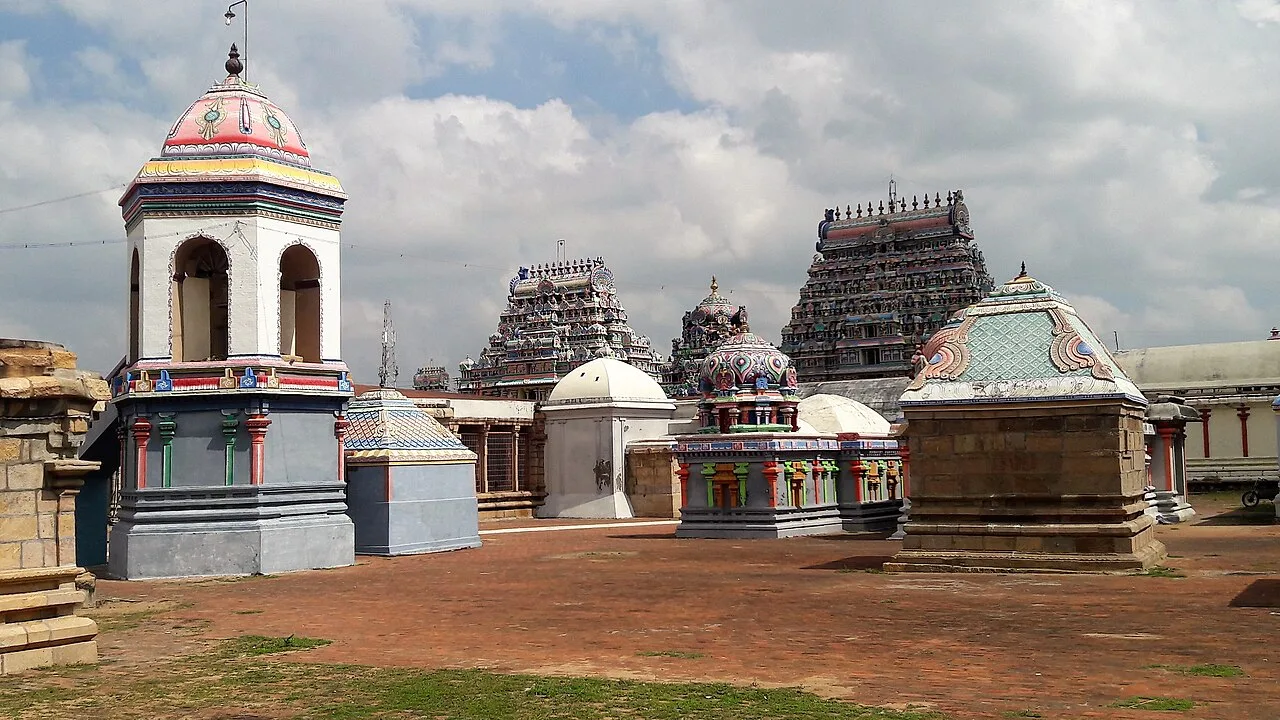
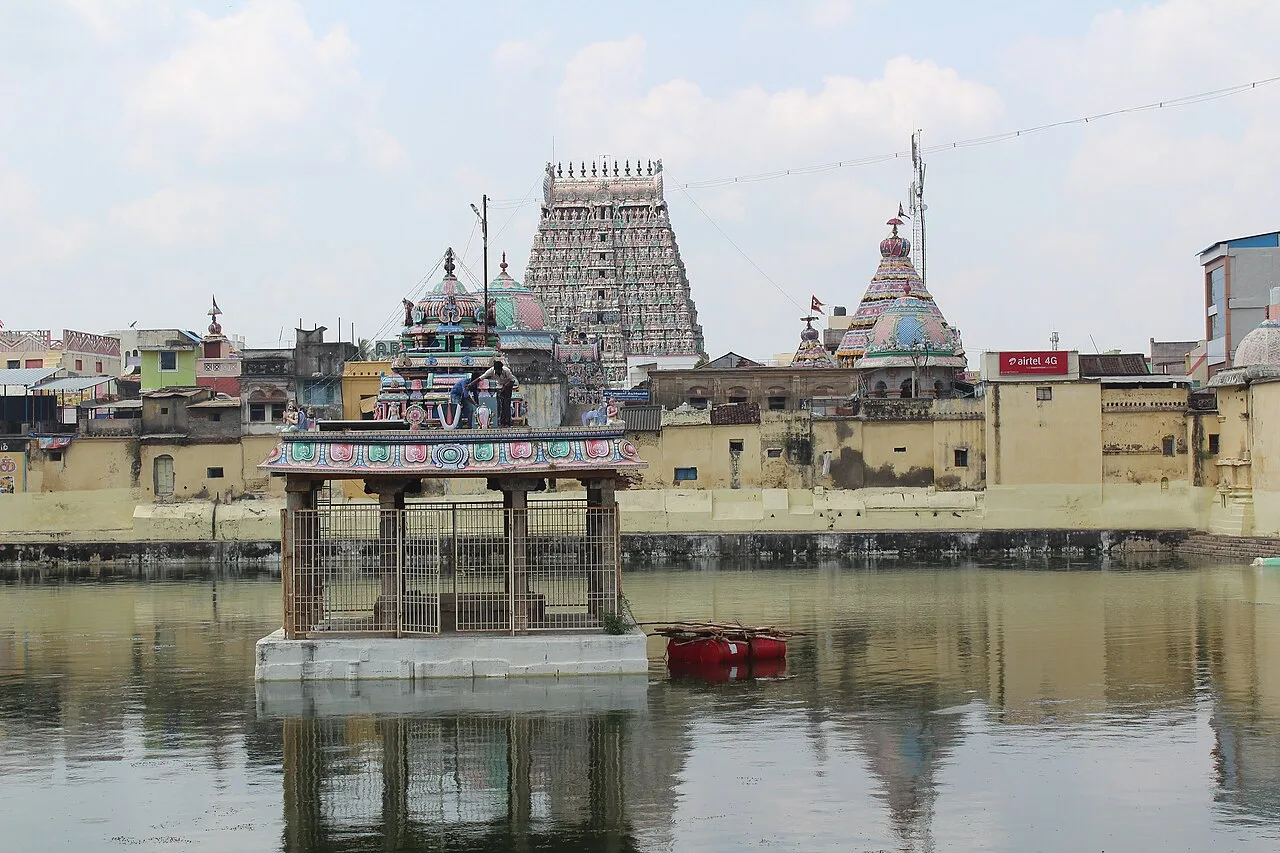
Tamil is the main language of daily life in Koothanallur. The town has a substantial Tamil Muslim population, including Rowther families, and the Big Pallivasal is a prominent place of worship and community gathering. Islamic observances such as Ramadan and Eid shape the religious calendar. Hindu residents also mark festivals such as Pongal, the January harvest celebration, and other familiar Tamil observances. The nearby Sri Ramanatha Swamy Temple at Tirurameshwaram adds to the area’s religious landscape.

Food reflects the wider Tamil delta and the town’s Muslim community. Rice-based meals are common, while local eateries may serve Tamil Muslim dishes such as biryani alongside familiar South Indian fare. Menus and availability vary, so Koothanallur is better approached as a place for everyday local cooking than as a destination for a single famous dish. Devotional recitation and mosque gatherings are important parts of community life; visitors should be considerate around worship and dress modestly at religious sites. Tamil cultural practices and seasonal celebrations remain closely connected to family and neighbourhood life.

Visiting the city

The cooler months from November to February are generally the most comfortable time to visit. Summers can be hot, while the northeast monsoon, usually from October into January, brings much of the region’s rain; check local conditions if travelling then. Tiruchirappalli International Airport is the nearest major airport, about 104 km away. Mannargudi is the nearest railway station, with onward travel to Koothanallur by road.

Buses and other road transport connect the town with nearby centres; within Koothanallur, local vehicles and walking can be useful for short journeys. Explore the town centre and the area around the Big Pallivasal, then consider a road trip south to Sri Ramanatha Swamy Temple at Tirurameshwaram, about 7 km away. The surrounding river corridors and agricultural landscape offer a sense of the delta, though access to private farmland should be respected.

Trips from the city

Nearest places to visit from Koothanallur

Our closest destination guides, by straight-line distance.

Thyagaraja Temple

14 km away · Tiruvarur district

Thyagaraja Temple

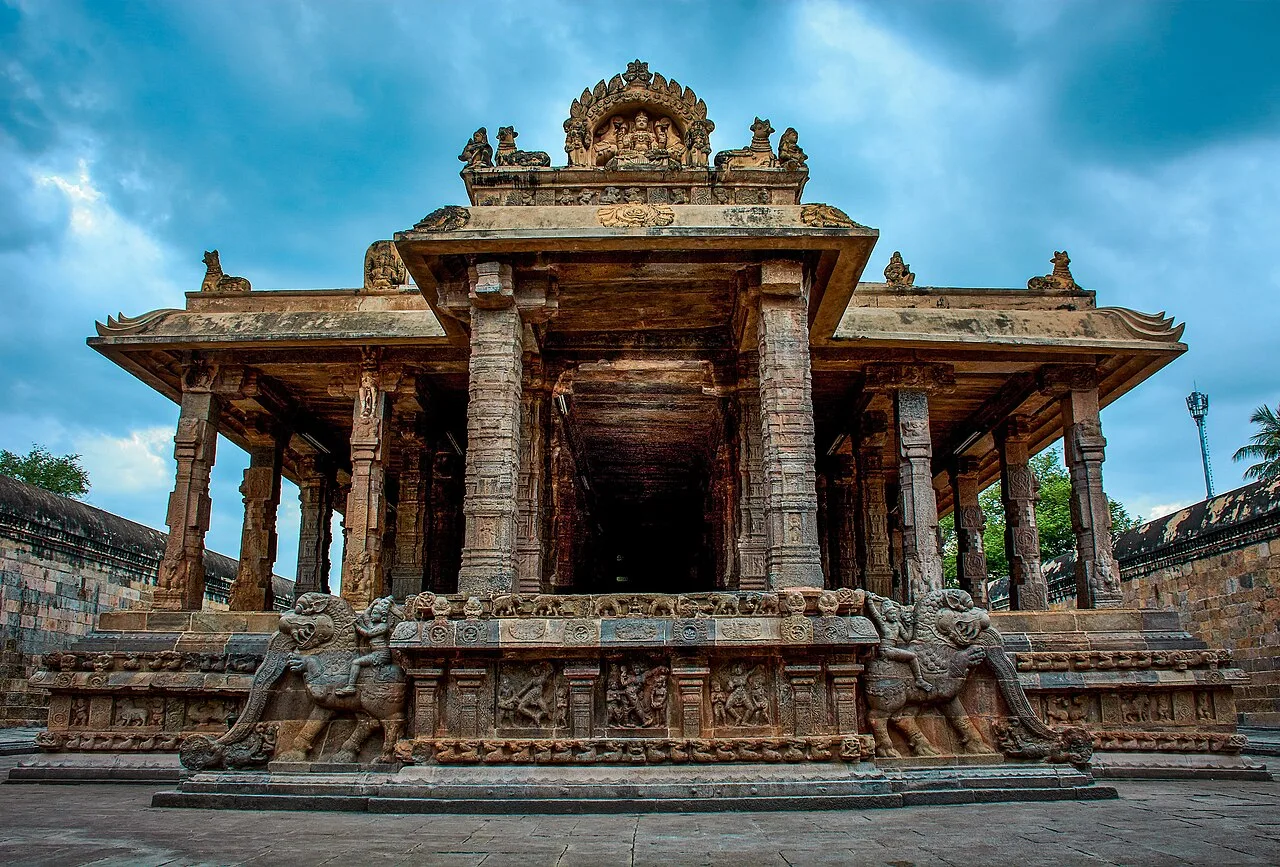
Thyagaraja Temple is a Shiva shrine in Thiruvarur, Tamil Nadu. Visitors come to worship Thyagarajaswami and see its extensive grounds, principal shrines and nine gopurams.

Nachiyarkoil

23 km away · Thanjavur district

Nachiyarkoil

Nachiyarkoil is a village in Tamil Nadu’s Thanjavur district, within Kumbakonam taluk. Visitors may come to see its locally produced brass lamps, the settlement’s distinctive craft.

Adi Kumbeswarar Temple

31 km away · Thanjavur district

Adi Kumbeswarar Temple

Visitors come to worship Shiva and Parvati and view a complex recognised for its Tevaram association, its four gopurams and a sculpted Vijayanagara-period hall.

Airavatesvara Temple, Darasuram

31 km away · Thanjavur district

Airavatesvara Temple, Darasuram

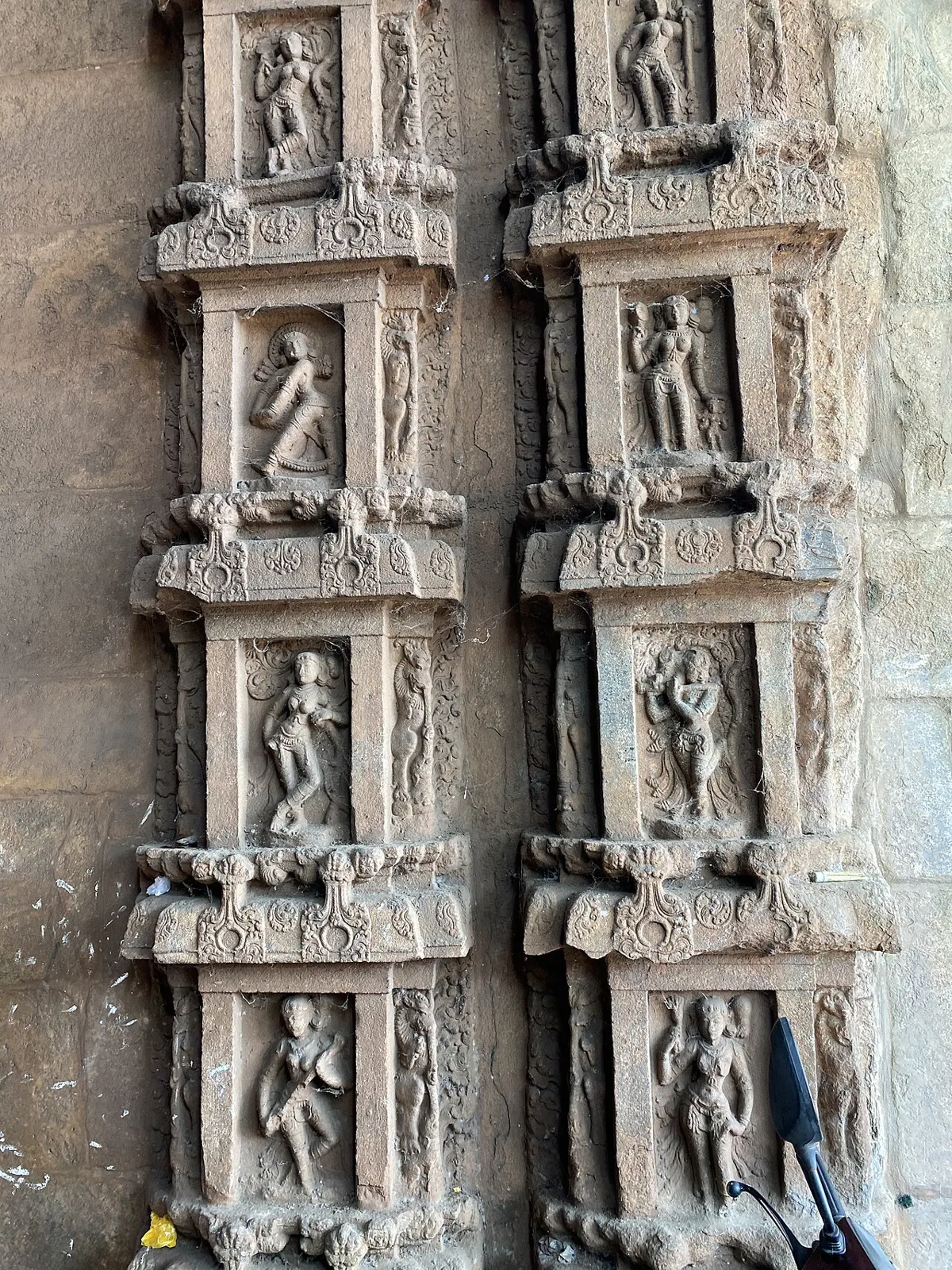
A Chola-era Shiva temple in Darasuram, near Kumbakonam, Airavatesvara draws visitors for its architecture, sacred imagery and annual Magha observances.

Mahamaham Tank, Kumbakonam

31 km away · Thanjavur district

Mahamaham Tank, Kumbakonam

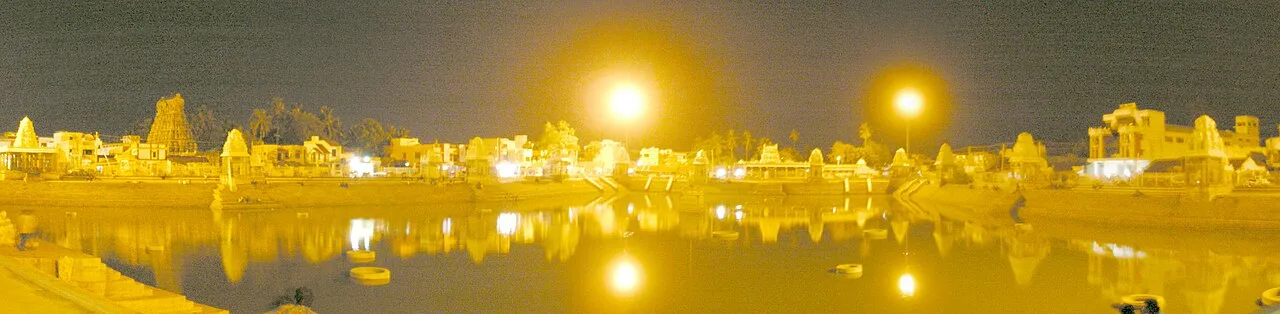
Mahamaham Tank is a large temple reservoir in Kumbakonam, Tamil Nadu, visited for the Masimaham celebration and the Mahamaham festival, which occurs every twelve years.

Thirubuvanam

31 km away · Thanjavur district

Thirubuvanam

Thirubuvanam is a panchayat town in Tamil Nadu’s Thanjavur district. Visitors chiefly associate it with the Kampaheswarar Temple.

Velankanni Basilica

37 km away · Nagapattinam district

Velankanni Basilica

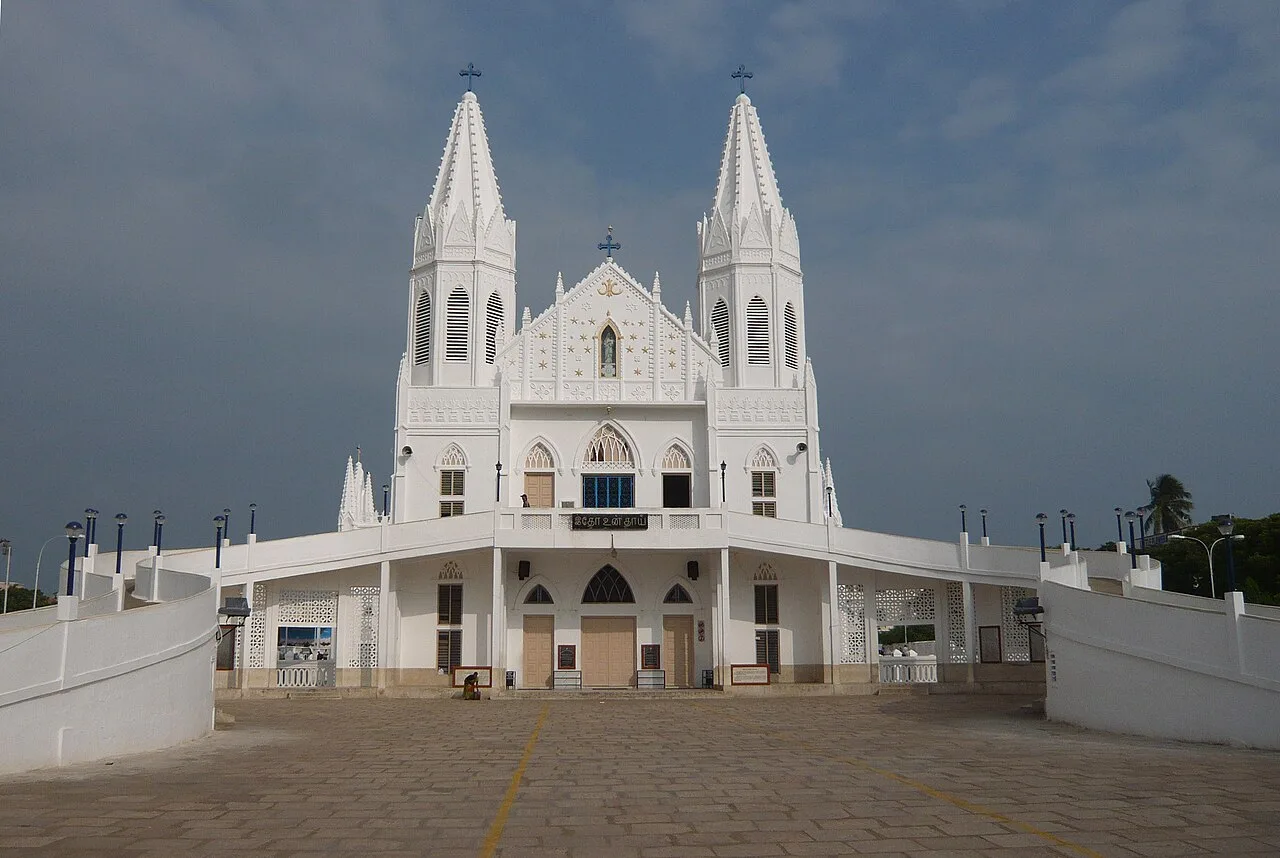
The Basilica of Our Lady of Good Health is a Marian shrine in Velankanni, Tamil Nadu. Pilgrims come to honour the Blessed Virgin Mary and attend its annual novena.

Nagore Dargah

39 km away · Nagapattinam district

Nagore Dargah

Nagore Dargah is a shrine complex in Tamil Nadu built around the tomb of Sufi saint Shahul Hamid. Pilgrims from Muslim and Hindu communities visit, particularly for the annual Kanduri observance.

Map

Koothanallur on the map

  1. 1Thyagaraja Temple
  2. 2Nachiyarkoil
  3. 3Adi Kumbeswarar Temple
  4. 4Airavatesvara Temple, Darasuram
  5. 5Mahamaham Tank, Kumbakonam
  6. 6Thirubuvanam
  7. 7Velankanni Basilica
  8. 8Nagore Dargah

Tamil Nadu

Other cities to explore