Ghumoopedia — Explore, Discover, Experience
Sign in

City guide · Tamil Nadu

Krishnagiri

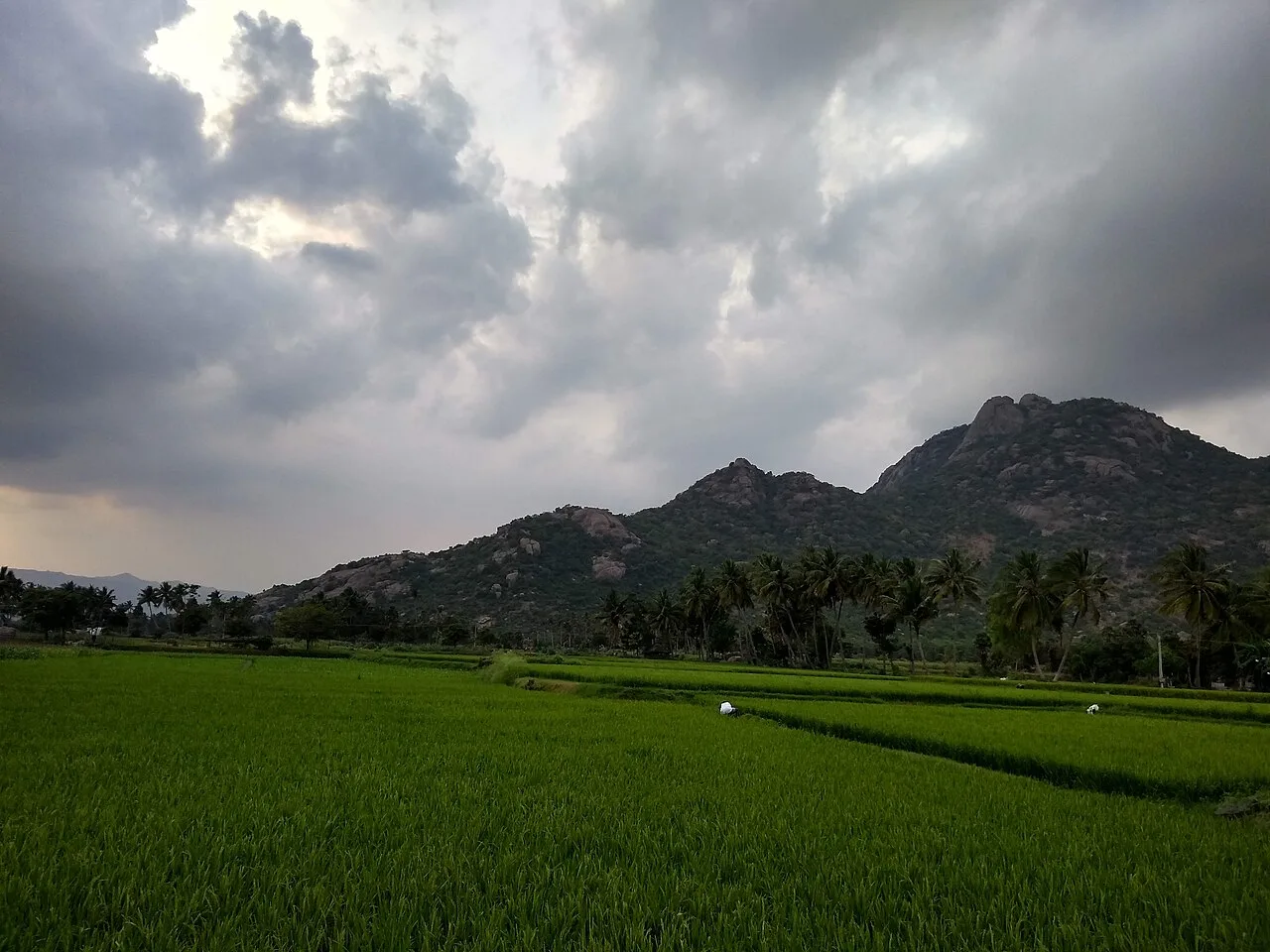
Krishnagiri is the administrative headquarters of Krishnagiri District in northern Tamil Nadu, serving as a centre for government services, trade and travel across the surrounding region. It lies beneath the rocky Krishnadevaraya Hills, and its position on routes linking Tamil Nadu with Bengaluru gives it a role as a gateway between the two states.

Famous for

  • Krishnagiri mangoes
  • Krishnagiri Dam
  • Krishnagiri hill fort
  • Mango trade and processing

Why Krishnagiri matters

Krishnagiri is the administrative headquarters of Krishnagiri District in northern Tamil Nadu, serving as a centre for government services, trade and travel across the surrounding region. It lies beneath the rocky Krishnadevaraya Hills, and its position on routes linking Tamil Nadu with Bengaluru gives it a role as a gateway between the two states. The city is about 90 km from Bengaluru and 45 km from Dharmapuri.

Krishnagiri is best known for mango cultivation. Orchards across the district supply fresh fruit and support related trade and processing, earning the city its popular association with the title “Mango Capital of India.” Visitors also come to see the historic hill fort and Krishnagiri Dam, built in 1967. The rocky landscape and nearby countryside offer a change of pace from the busy highway corridor. As the district’s administrative and commercial centre, Krishnagiri combines regional importance with a strong connection to agriculture and its surrounding hills.
Famous for: crafts, trade & products

Mangoes are the city’s most recognisable product. Orchards across the district grow fruit for fresh markets, while mango pulp and other forms of processing contribute to the wider local trade. During the mango season, fruit and related products are sold through shops and markets in town; visitors can ask local sellers what is in season. The district’s agricultural economy also includes other crops, though mangoes remain its signature association.

Krishnagiri is not especially known for a distinctive saree, handicraft or GI-tagged product, so visitors should be cautious of claims that present one as a local speciality. The town’s shops and markets are more useful for everyday provisions, regional foods and seasonal produce than for a dedicated craft quarter. Its wider importance lies in commerce, transport and public services: as the district headquarters, it brings together administrative offices, businesses and services for nearby towns and rural communities. For a sense of local trade, explore the central shopping streets and ask about mango products from the surrounding area.

History

The Krishnagiri region has a long record of human settlement, with archaeological evidence spanning prehistoric periods. In later centuries, it formed part of territories associated with the Cheras and came under the influence of several powers, including the Cholas, Pallavas, Hoysalas and Vijayanagara rulers. Its position on routes into southern India made the hills strategically important. A fort built on Krishnagiri Hill under Vijayanagara rule remains a visible reminder of that defensive role.

During the colonial period, the region became part of British-controlled territory after the Mysore conflicts. Krishnagiri served as the headquarters of the Baramahal, and a mint was established here in 1794. In modern times, the town’s importance grew as an administrative and commercial centre. Krishnagiri District was formed from Dharmapuri District in 2004, making the city its headquarters. Agricultural trade, road connections and expanding residential and business development have shaped its more recent growth.

Food, festivals & culture

Everyday food in Krishnagiri reflects Tamil Nadu’s wider home-style cooking: rice meals, idli, dosa and vegetable-based dishes are common in local eateries. Mangoes feature prominently when in season, appearing fresh and in pickles, drinks and other preparations. Foods made with millets can also be found in the surrounding region. The city’s location near Karnataka and Andhra Pradesh contributes to a multilingual setting; Tamil is widely used, alongside Kannada and Telugu in the broader area.

Pongal, celebrated in January, is an important harvest festival, while Tamil New Year in April and Deepavali are widely observed. Local temple festivals take place at different times of year and may include processions, music and community gatherings. Eid and Christmas are also part of the city’s calendar. Tamil devotional music and regional folk performance traditions are heard at religious and seasonal events. Places of worship across the city—including temples, mosques and churches—serve as important centres for community life, though the character and timing of local celebrations vary.

Visiting the city

The cooler, drier months from roughly November to February are generally the most comfortable time to visit. Summer can be very hot, while monsoon showers may arrive in short, substantial spells. The nearest major airport is Kempegowda International Airport in Bengaluru. Krishnagiri has no railway station in the city; Dharmapuri Junction and Hosur railway station are options for rail access, depending on the route. Check onward connections before travelling.

Buses, taxis and auto-rickshaws are practical ways to get around town. Explore the central market streets for everyday shopping and local food, then visit Krishnagiri Hill and its fort for the area’s historic setting. Krishnagiri Dam and the surrounding countryside make worthwhile excursions beyond the centre. The town is also a convenient base for exploring nearby parts of the district by road.

Trips from the city

Nearest places to visit from Krishnagiri

Our closest destination guides, by straight-line distance.

Hogenakkal Falls

65 km away · Dharmapuri district

Hogenakkal Falls

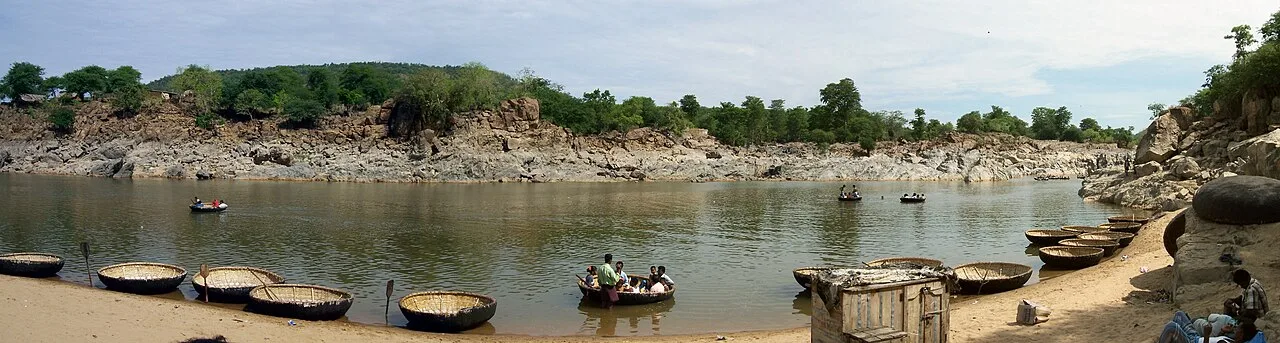
Hogenakkal Falls is a Kaveri River waterfall on the Tamil Nadu–Karnataka boundary, visited by people wishing to see the falls.

Yercaud Hill Station

82 km away · Salem district

Yercaud Hill Station

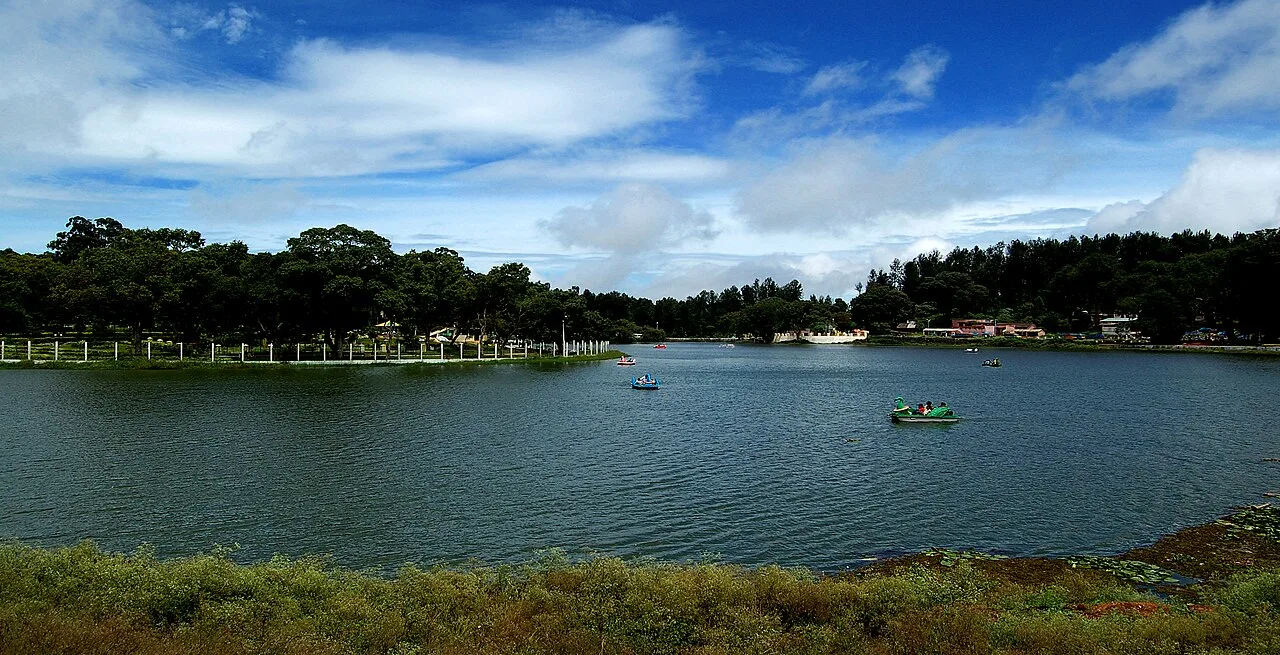
Yercaud, also known as Erkadu, is a hill town in Salem district, Tamil Nadu. Visitors come for its location in the Servarayan Hills, part of the Eastern Ghats.

Kalrayan Hills

87 km away · Kallakurichi district

Kalrayan Hills

Kalrayan Hills are an extensive highland range in Tamil Nadu’s Eastern Ghats. Visitors come to experience its elevated terrain and its setting among the ranges that separate two river basins.

Mettur Dam

92 km away · Salem district

Mettur Dam

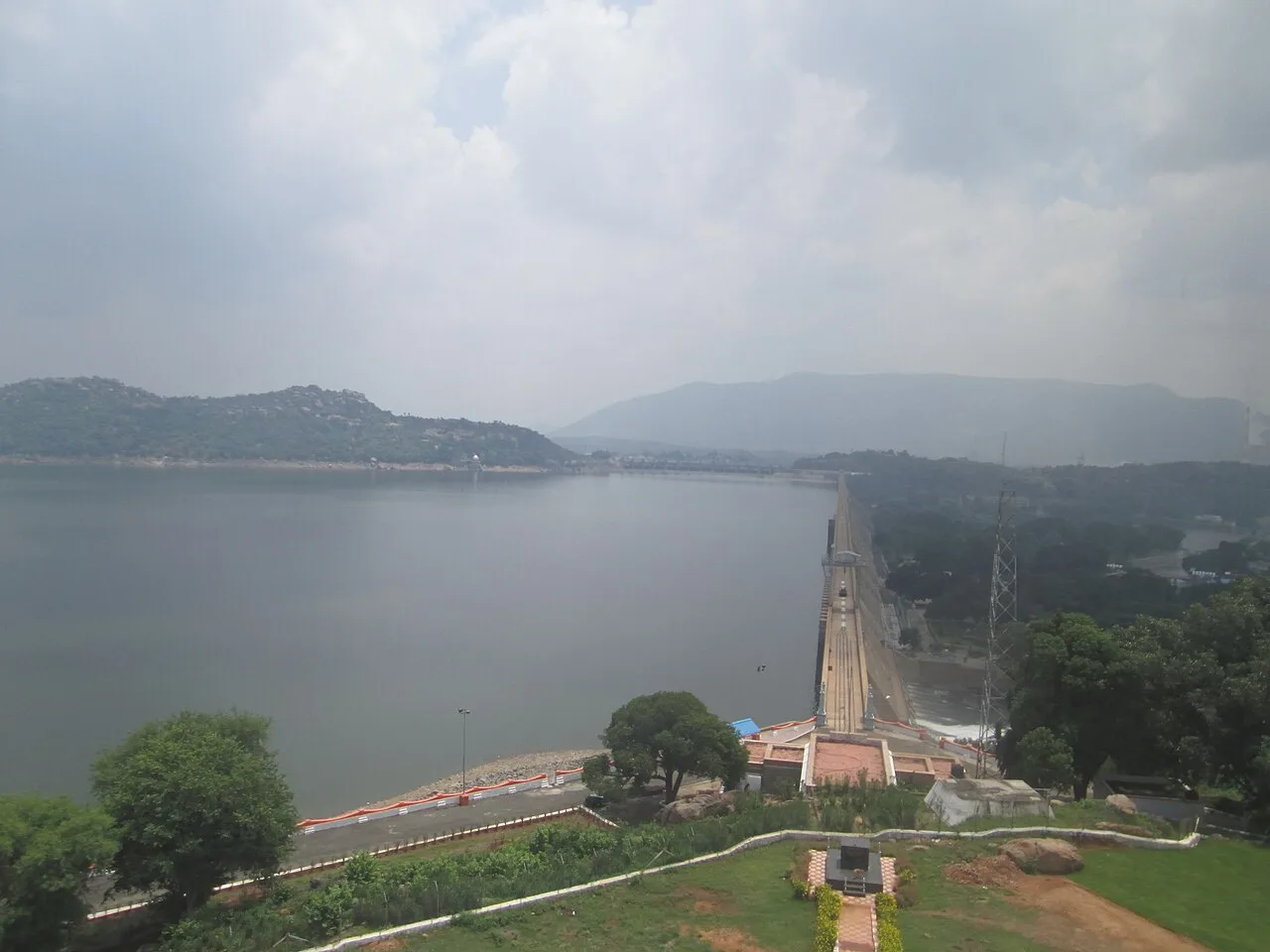
Mettur Dam, in Salem district, is among India’s largest dams and Tamil Nadu’s largest; visitors come to view the structure and the park at its base.

Sri Ramanasramam

97 km away · Tiruvannamalai district

Sri Ramanasramam

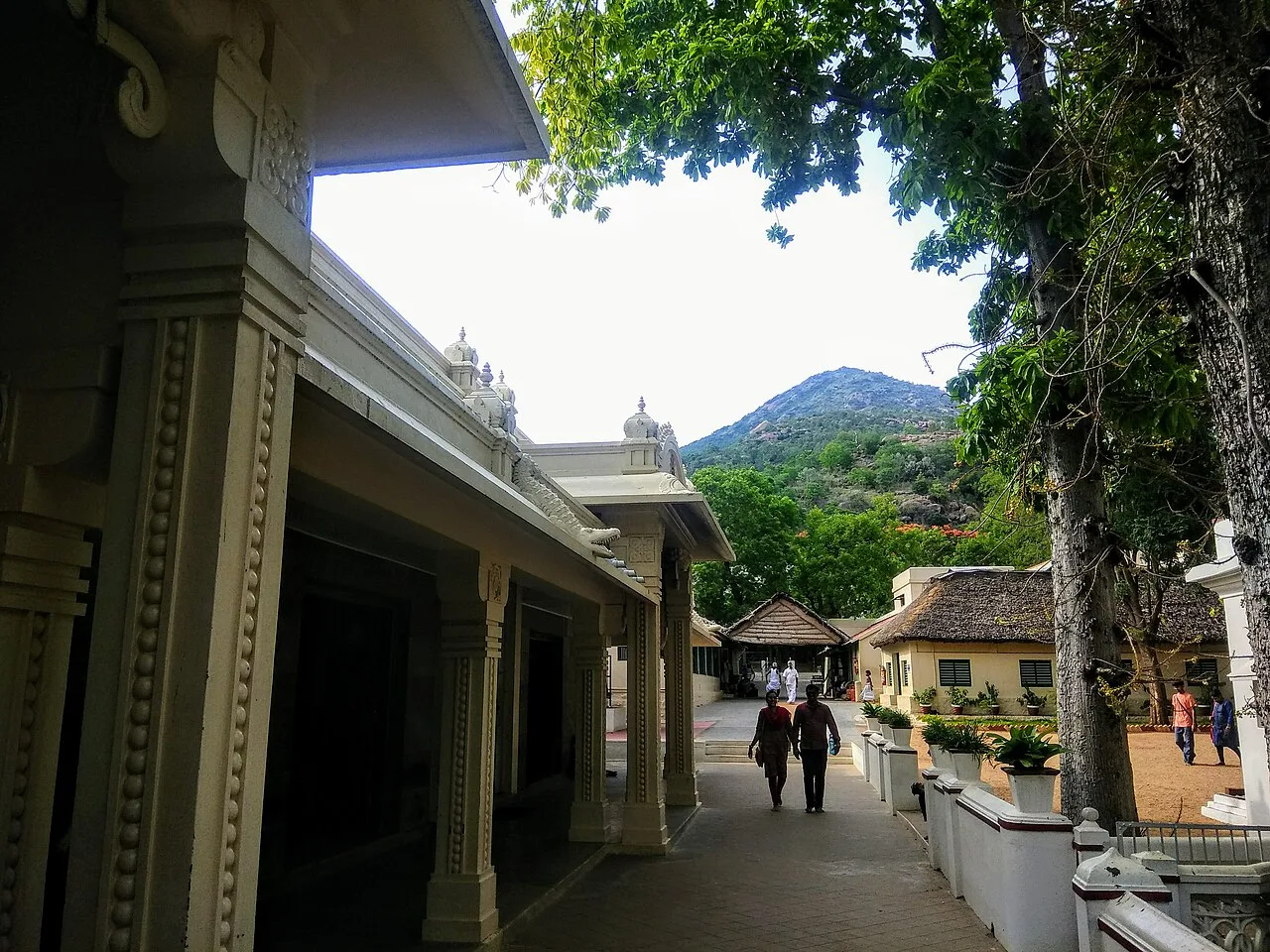
Sri Ramanasramam is a spiritual community and international non-profit organisation in Tiruvannamalai, associated with Ramana Maharshi. People visit to meditate, study his teachings and seek spiritual understanding.

Annamalaiyar Temple, Tiruvannamalai

98 km away · Tiruvannamalai district

Annamalaiyar Temple, Tiruvannamalai

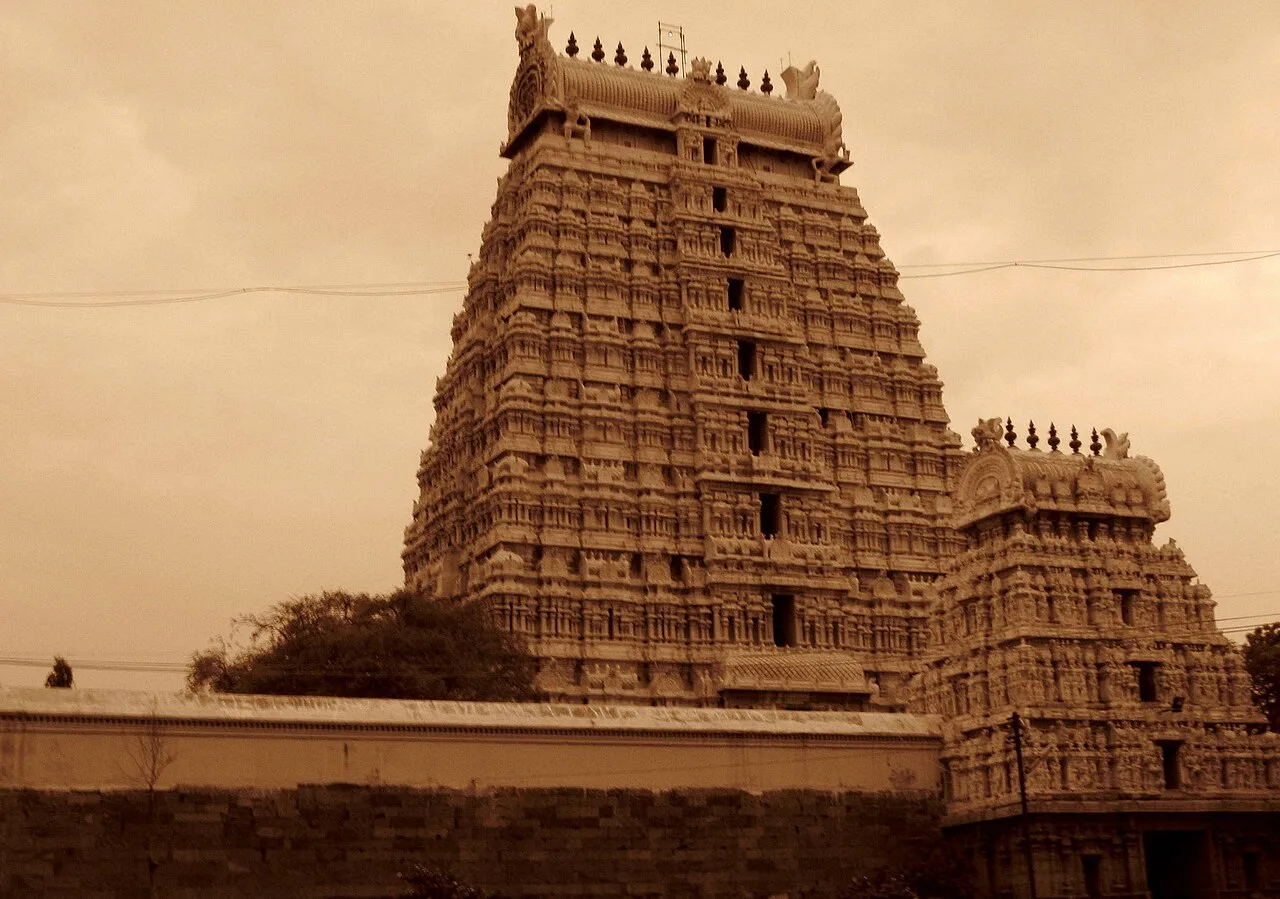
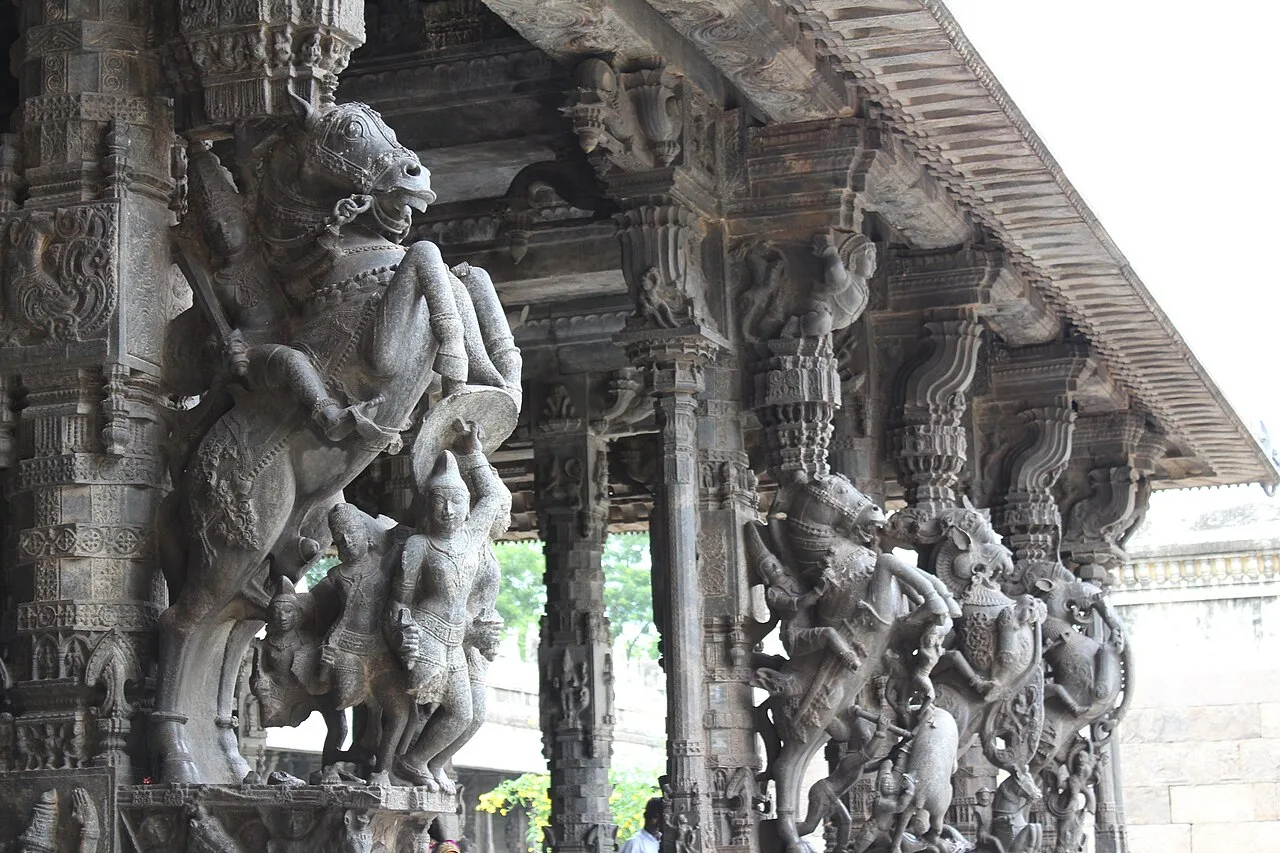
Annamalaiyar Temple is a major Shiva and Parvati shrine in Tiruvannamalai, known for its association with fire, its place in Tamil Shaivite worship and its extensive temple complex.

Sripuram Golden Temple

103 km away · Vellore district

Sripuram Golden Temple

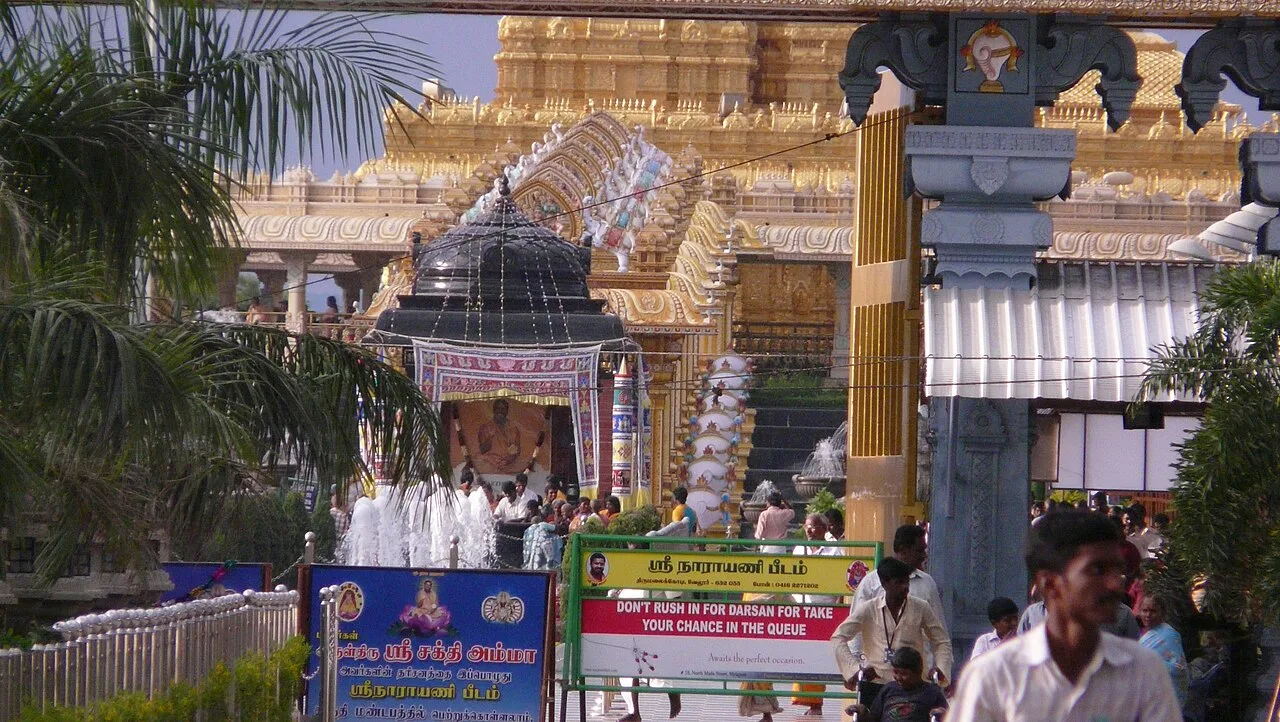
Located at Thirumalaikodi in Vellore district, the Sripuram Golden Temple is dedicated to Lakshmi. Visitors come to worship, and people of every faith are welcome.

Jalakandeswarar Temple

109 km away · Vellore district

Jalakandeswarar Temple

Jalakandeswarar Temple is a Shiva shrine within Vellore Fort, in Vellore city, Tamil Nadu. Visitors come to worship Shiva at the temple in the heart of the city.

Map

Krishnagiri on the map

  1. 1Hogenakkal Falls
  2. 2Yercaud Hill Station
  3. 3Kalrayan Hills
  4. 4Mettur Dam
  5. 5Sri Ramanasramam
  6. 6Annamalaiyar Temple, Tiruvannamalai
  7. 7Sripuram Golden Temple
  8. 8Jalakandeswarar Temple

Tamil Nadu

Other cities to explore