Ghumoopedia — Explore, Discover, Experience
Sign in
Chidambaram Nataraja Temple, near Neyveli

City guide · Tamil Nadu

Neyveli

Neyveli is an industrial township in Cuddalore district, best known as a centre of lignite mining and electricity generation. Its development is closely tied to NLC India Limited, the public-sector company established to develop the region’s lignite reserves.

Famous for

  • Lignite mining
  • NLC India Limited
  • Thermal power generation
  • Planned township blocks
  • Nataraja temple
  • Villudaiyanpattu Murugan temple

Why Neyveli matters

Neyveli is an industrial township in Cuddalore district, best known as a centre of lignite mining and electricity generation. Its development is closely tied to NLC India Limited, the public-sector company established to develop the region’s lignite reserves. The mines and power stations have shaped local employment, infrastructure and the town’s planned layout, while also giving Neyveli an important role in Tamil Nadu’s energy sector.

The city lies inland from the Bay of Bengal, west of Puducherry, and is arranged in numbered blocks linked by broad roads. This orderly township setting differs from the closely built streets of many older Tamil towns. Visitors come mainly for its industrial history and places of worship, including the Nataraja temple and Villudaiyanpattu Murugan temple. Mining and power facilities define the city, though access to working sites may be restricted. Neyveli is therefore best approached as a working industrial town with a distinctive planned character, rather than as a conventional sightseeing destination.
Famous for: crafts, trade & products

Neyveli is most strongly associated with lignite, an important fuel for power generation, and with NLC India Limited, whose mining and energy operations transformed the area. The company and its industrial facilities are central to the city’s identity; active mine and power-station areas are workplaces, not ordinary visitor attractions, and access may be controlled. The township also has institutions and services that grew alongside the company and its workforce.

Neyveli is not especially known as a textile, saree or handicraft centre, and no particular GI-tagged product is closely identified with the city. Visitors looking for locally made goods are more likely to find everyday provisions and household items in neighbourhood commercial areas than a specialist craft market. The town’s more distinctive cultural landmarks are its places of worship: the Nataraja temple and Villudaiyanpattu temple, associated with Murugan holding a bow and arrow. For a sense of Neyveli’s economic story, the planned blocks and the presence of NLC facilities are more representative than shopping for a signature local product.

History

Neyveli’s modern history began with the discovery of lignite beneath the village and surrounding area. In 1935, Jambulinga Mudaliar noticed black particles in the soil; subsequent analysis confirmed the presence of lignite reserves. The discovery set in motion a major transformation of what had been a rural locality. Unlike Tamil Nadu’s older temple towns, Neyveli’s urban identity is principally linked to industrial development rather than to a long-established royal or colonial-era capital.

The Government of India formed Neyveli Lignite Corporation as a public-sector company in 1956. Mining began in 1962, and the first thermal power station was commissioned that year with assistance from the Soviet Union. The company later became NLC India Limited. As mining and power generation expanded, a planned township of numbered blocks, roads, housing and civic facilities grew around the enterprise. This industrial history remains visible in Neyveli’s layout and continues to shape its role in the region.

Food, festivals & culture

Tamil is the main language of daily life, while English is used in many formal and institutional settings. Neyveli’s food reflects wider Tamil Nadu tastes rather than a distinct, widely recognised local cuisine. Visitors can expect familiar meals and snacks such as rice-based dishes, idli and dosa, along with tea or filter coffee at local eateries. Neighbourhood shops and restaurants serve residents and workers, so offerings vary across the township.

Pongal, the harvest festival celebrated in January, is an important occasion, while Tamil New Year in April and Deepavali, usually in autumn, are also widely observed. Temple celebrations follow local calendars and their dates can vary. Worship at the Nataraja temple and Villudaiyanpattu Murugan temple forms part of the area’s religious life; the latter is regarded as a family deity by many nearby villagers. Music, devotional singing and familiar Tamil festival practices are part of community observances, alongside the diverse social life of a major industrial township.

Visiting the city

The cooler months, broadly from November to February, are generally the most comfortable time to visit; summers can be hot, and rain is more likely during the northeast monsoon season. Puducherry Airport is the closest airport serving the region, while Chennai International Airport is a larger gateway. Neyveli railway station serves the township, and Vriddhachalam Junction is a major nearby rail hub.

Within Neyveli, local buses, auto-rickshaws and taxis are practical ways to get around. The numbered township blocks are useful reference points, and roads connect residential areas with local shops and services. Explore the planned blocks to understand the town’s layout, and set aside time for the Nataraja and Villudaiyanpattu Murugan temples. Industrial sites are significant to the city but may not be open to casual visitors, so check access arrangements before making them part of a visit.

Trips from the city

Nearest places to visit from Neyveli

Our closest destination guides, by straight-line distance.

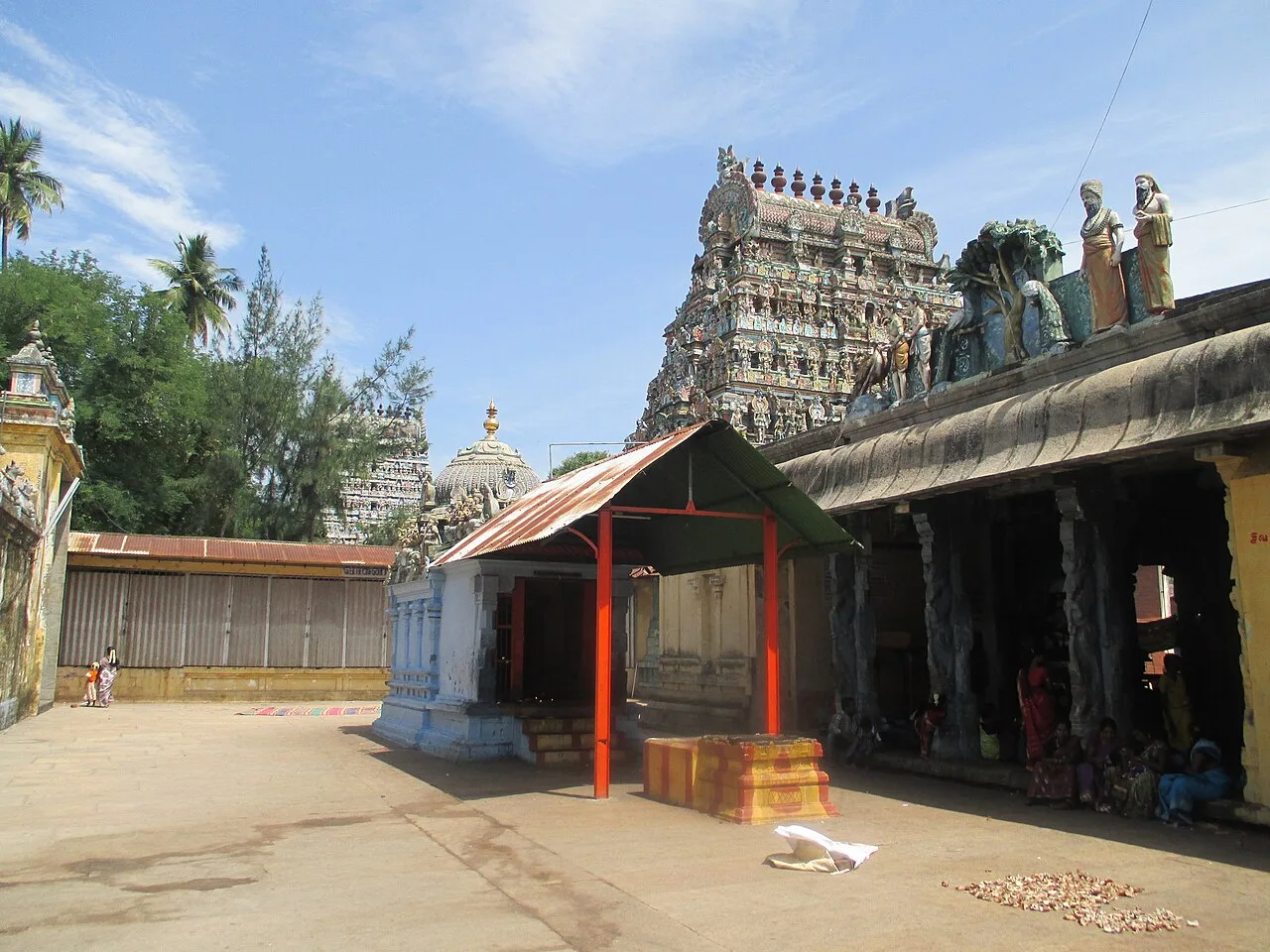
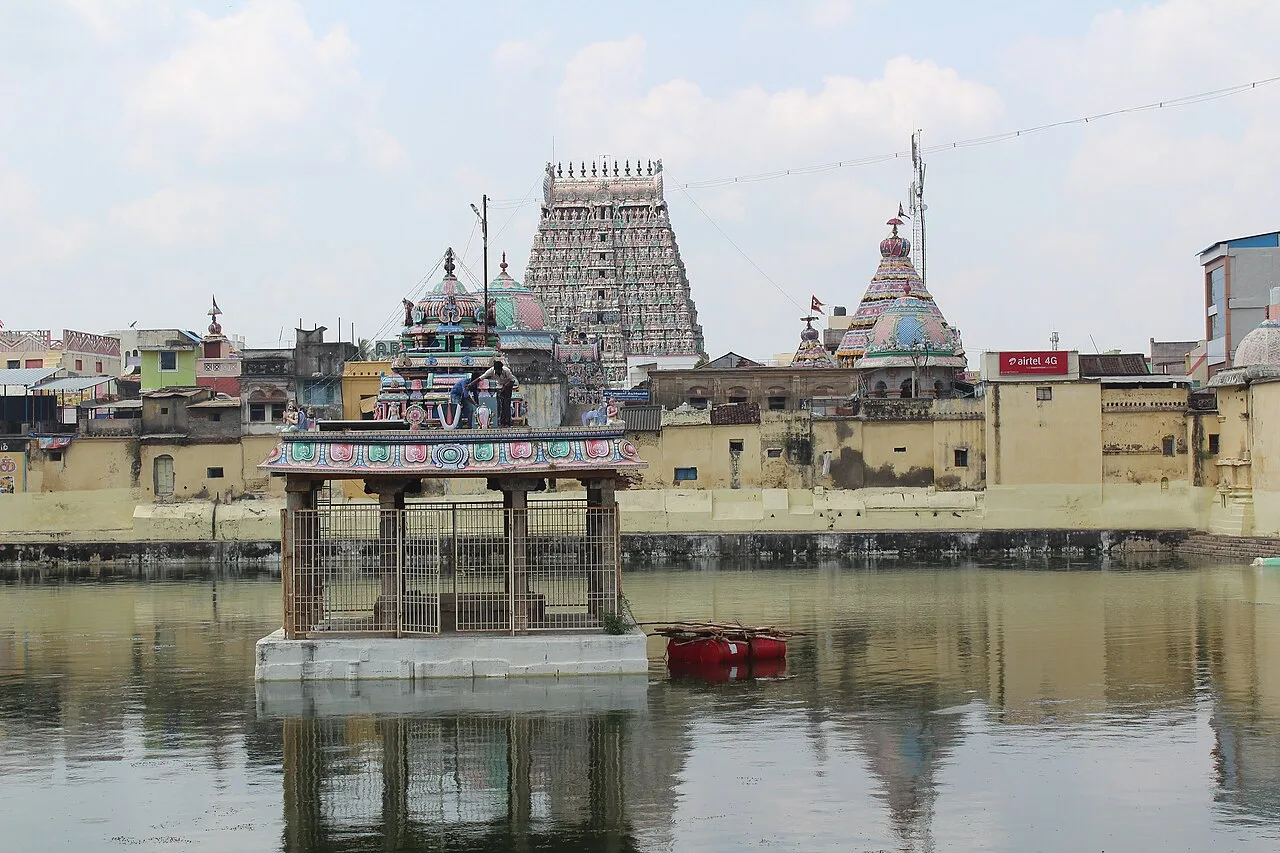
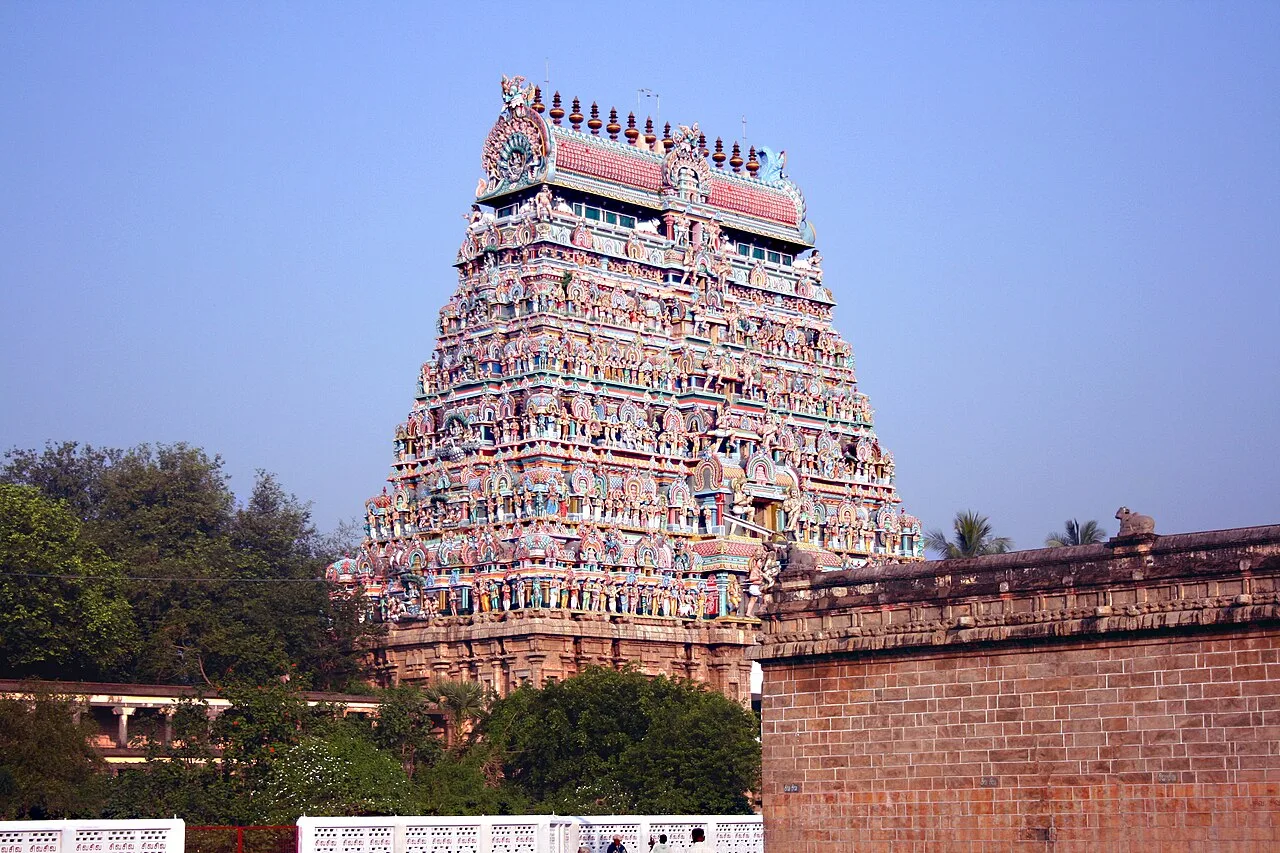
Chidambaram Nataraja Temple

31 km away · Cuddalore district

Chidambaram Nataraja Temple

Chidambaram Nataraja Temple is a historic Shaivite shrine in Tamil Nadu, dedicated to Shiva as the cosmic dancer. Visitors come for its worship, dance imagery and distinctive architectural traditions.

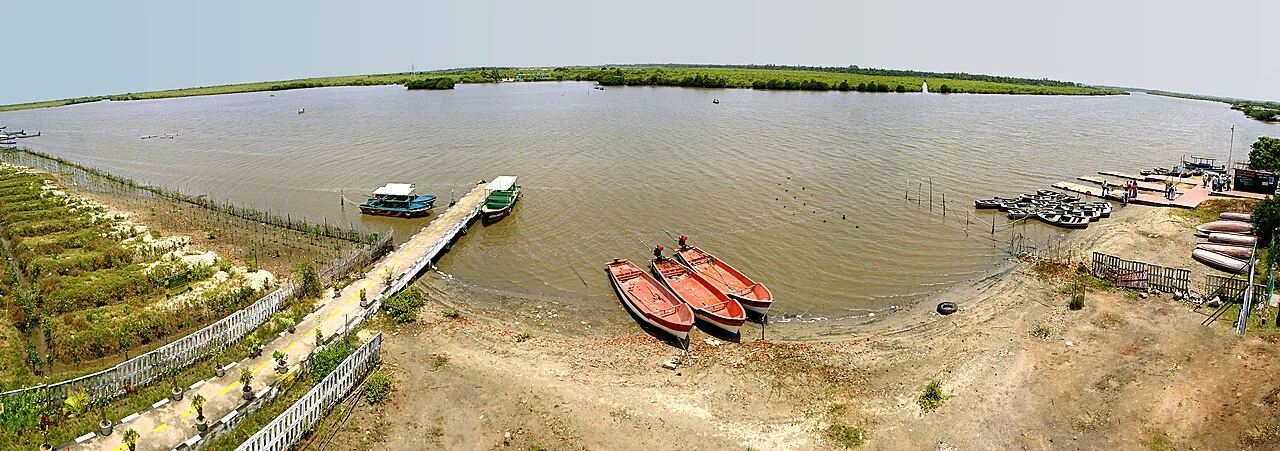
Pichavaram Mangrove Forest

36 km away · Cuddalore district

Pichavaram Mangrove Forest

Pichavaram Mangrove Forest is a mangrove wetland in Cuddalore district, Tamil Nadu. Visitors come to see the forest and its setting among the Vellar and Coleroon estuaries.

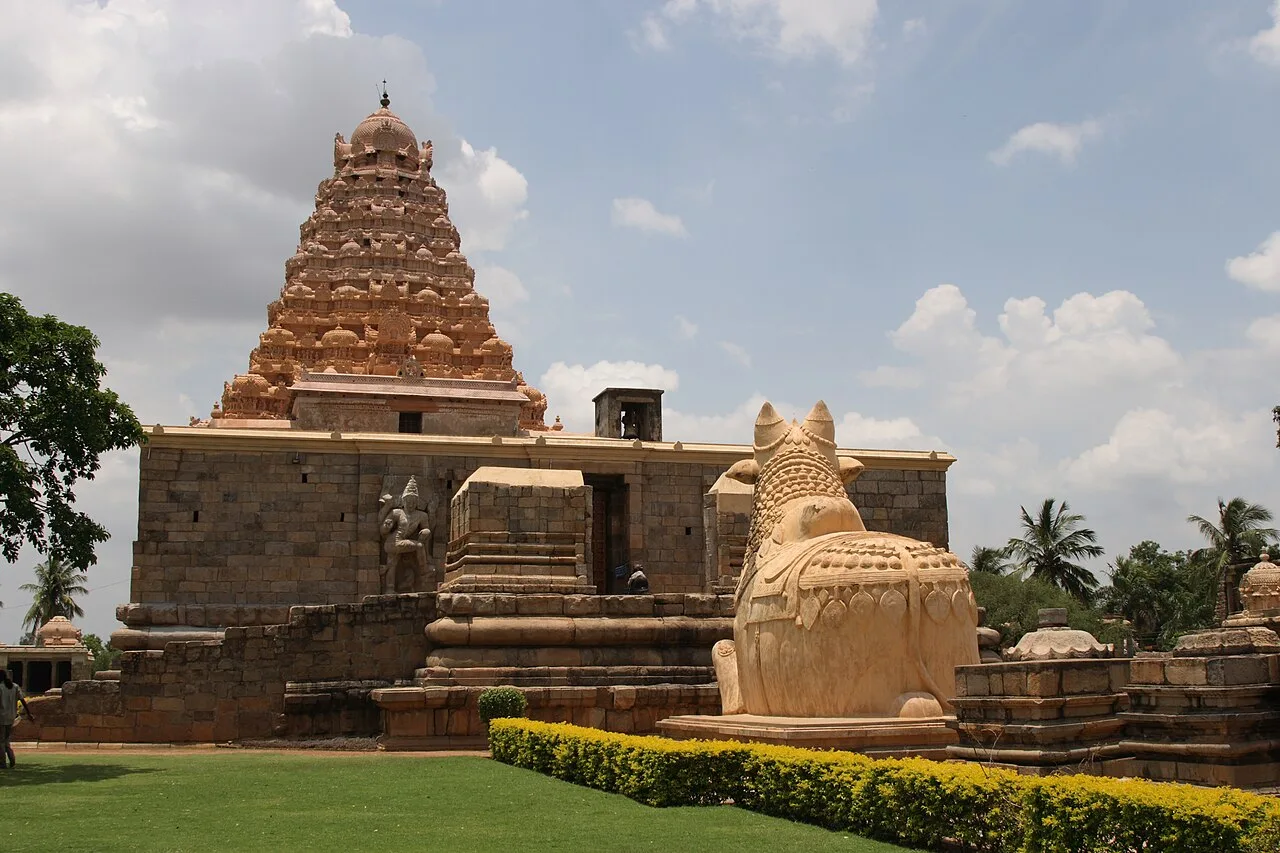
Gangaikonda Cholapuram Temple

45 km away · Ariyalur district

Gangaikonda Cholapuram Temple

Set in Ariyalur district, Gangaikonda Cholapuram is a former Chola capital known for its Brihadisvara Temple, whose scale, architecture and sculpture distinguish it and whose site has UNESCO World Heritage status.

Vaitheeswaran Koil

52 km away · Mayiladuthurai district

Vaitheeswaran Koil

Vaitheeswaran Koil is a Shiva temple in Tamil Nadu, known for its healing associations and link with Mars. People also visit the shrine’s sacred tank and the locality associated with Naadi astrology.

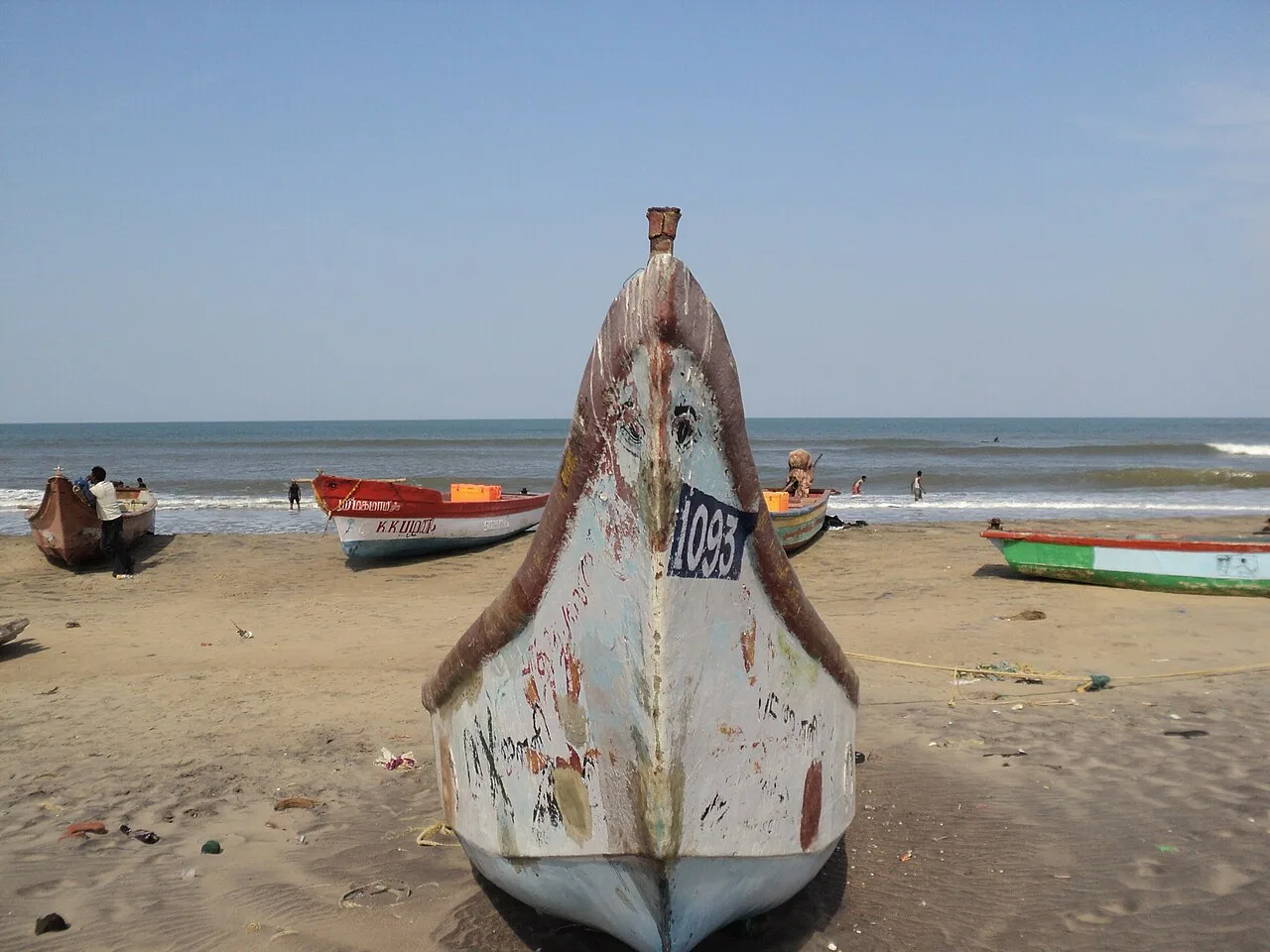
Poompuhar (Kaveripoompattinam)

65 km away · Mayiladuthurai district

Poompuhar (Kaveripoompattinam)

Poompuhar, also called Kaveripoompattinam, is a coastal town in Tamil Nadu’s Mayiladuthurai district. Visitors come to explore its importance as an ancient port and the archaeological evidence of its submerged past.

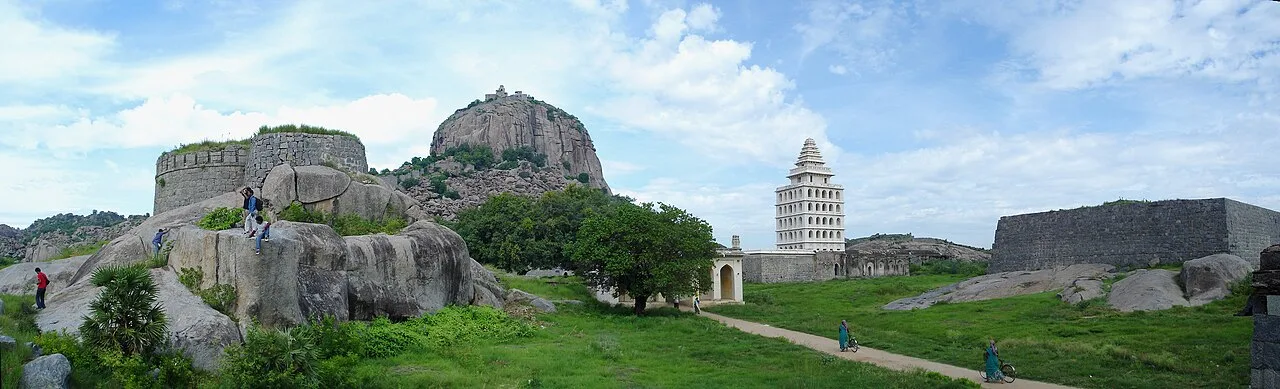
Gingee Fort

72 km away · Villupuram district

Gingee Fort

Gingee Fort, also called Senji Fort, is a historic hilltop complex in Tamil Nadu. Visitors come to see its citadels, defences and buildings, and learn about its changing rulers.

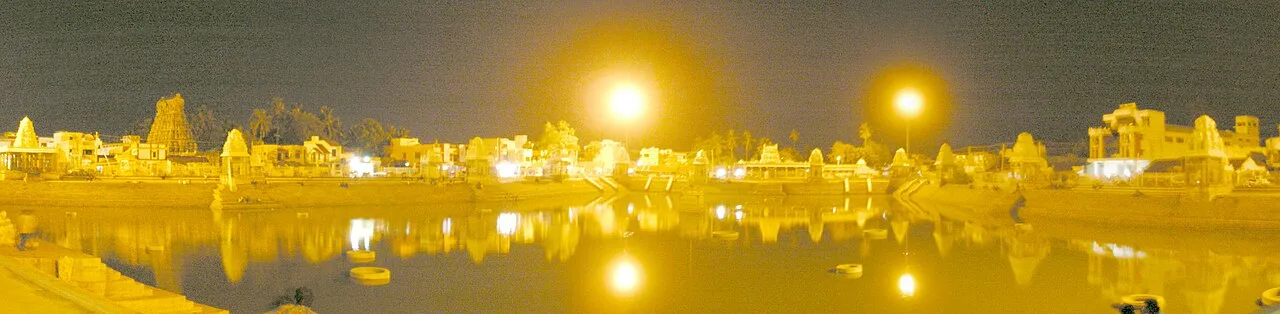
Mahamaham Tank, Kumbakonam

73 km away · Thanjavur district

Mahamaham Tank, Kumbakonam

Mahamaham Tank is a large temple reservoir in Kumbakonam, Tamil Nadu, visited for the Masimaham celebration and the Mahamaham festival, which occurs every twelve years.

Adi Kumbeswarar Temple

74 km away · Thanjavur district

Adi Kumbeswarar Temple

Visitors come to worship Shiva and Parvati and view a complex recognised for its Tevaram association, its four gopurams and a sculpted Vijayanagara-period hall.

Map

Neyveli on the map

  1. 1Chidambaram Nataraja Temple
  2. 2Pichavaram Mangrove Forest
  3. 3Gangaikonda Cholapuram Temple
  4. 4Vaitheeswaran Koil
  5. 5Poompuhar (Kaveripoompattinam)
  6. 6Gingee Fort
  7. 7Mahamaham Tank, Kumbakonam
  8. 8Adi Kumbeswarar Temple

Tamil Nadu

Other cities to explore