Ghumoopedia — Explore, Discover, Experience
Sign in
Kalrayan Hills, near Pallippatti

City guide · Tamil Nadu

Pallippatti

Pallippatti is a small town in Dharmapuri district, in northern Tamil Nadu. Its importance is primarily local: it serves residents of the surrounding rural area with everyday shops, services and connections to nearby settlements.

Famous for

  • Agricultural hinterland
  • Local Tamil temple traditions
  • Pongal celebrations
  • Regional village markets

Why Pallippatti matters

Pallippatti is a small town in Dharmapuri district, in northern Tamil Nadu. Its importance is primarily local: it serves residents of the surrounding rural area with everyday shops, services and connections to nearby settlements. Rather than being a major sightseeing destination, it offers a glimpse of life in the state’s inland countryside, where agriculture, family businesses and community events shape the rhythm of the town.

Visitors may find Pallippatti useful as a stop while travelling through the Dharmapuri region or as a base for meeting local communities. The surrounding landscape and nearby towns provide more context for exploring this part of Tamil Nadu. Pallippatti does not have a widely known monument, signature craft or nationally recognised product, so expectations are best kept modest. Its appeal lies in its ordinary local character: Tamil spoken in daily life, neighbourhood places of worship, seasonal celebrations and the practical bustle of a small regional centre.
Famous for: crafts, trade & products

Pallippatti is not widely associated with a distinctive textile, handicraft, GI-tagged product or large manufacturing industry. Its commercial role is mainly that of a local service and trading centre for nearby settlements. Small shops provide groceries, household goods, snacks and everyday necessities, while agricultural activity in the surrounding countryside supports local commerce. Any buying is best approached as ordinary town shopping rather than as a specialist craft or souvenir hunt.

For a feel of local trade, explore the town centre and its shops; nearby larger settlements may offer a broader selection of goods and services. Local markets, where operating, serve residents and farmers and are the likeliest places to encounter seasonal produce and everyday provisions. There is no established visitor market or dedicated crafts district to seek out. Travellers looking for recognised regional products should check what is available in larger Dharmapuri-district towns rather than assume a particular specialty is made or sold in Pallippatti. The town’s significance is practical and regional, not based on a famous commercial product.

History

Pallippatti’s history is best understood as that of a small inland settlement within the wider Dharmapuri region, rather than as the seat of a major dynasty or a documented historic capital. The area around Dharmapuri has long been shaped by agriculture, local routes and the changing powers that governed northern Tamil Nadu. However, specific episodes involving Pallippatti itself are not widely documented, so claims about a particular ruler or historic event should be treated cautiously.

During the colonial period, local administration and transport across the region developed within the larger structures governing the Madras Presidency; there is no widely recorded colonial landmark in Pallippatti. In modern times, roads, local government and public services have strengthened its role as a small centre for surrounding villages. Its growth has been gradual and tied to the needs of the nearby rural population, rather than to major urban industry or tourism. The town’s present-day identity remains closely connected to its regional setting.

Food, festivals & culture

Tamil is the main language of everyday life in Pallippatti. Culture is expressed through family and community gatherings, local worship and seasonal observances. Pongal, the harvest festival celebrated in January, is an important occasion across Tamil Nadu and is commonly marked with special meals and household rituals. Deepavali, usually in October or November, and Tamil New Year in April are also widely observed. Temple festivals may take place at different times of year according to local traditions; their dates vary, so visitors should ask locally about events.

Everyday food follows familiar Tamil patterns, with meals based on rice, lentils, vegetables and dishes such as idli or dosa. Tea shops and small eateries are the most natural places to try simple local fare; no particular sweet or dish is uniquely identified with the town. Worship is centred on neighbourhood temples and other local religious spaces. Music and dance are most visible during festivals and community functions, often as part of broader Tamil traditions rather than as a distinct Pallippatti performance style.

Visiting the city

The cooler, drier months from roughly November to February are generally more comfortable for visiting; summer can be hot, while monsoon showers may affect road journeys. Salem Airport is a nearby air option, though flight availability can be limited; travellers may also compare connections through Bengaluru. Morappur railway station is a practical nearby rail connection, while Dharmapuri is another railhead to consider depending on the route. Check current connections before setting out.

Within Pallippatti, the town centre is the most convenient area to explore on foot for shops and local food. Autos and local buses can help with nearby journeys, while a hired vehicle offers more flexibility across the district. Pappireddipatti and Harur are useful nearby towns for additional services and regional exploration.

Trips from the city

Nearest places to visit from Pallippatti

Our closest destination guides, by straight-line distance.

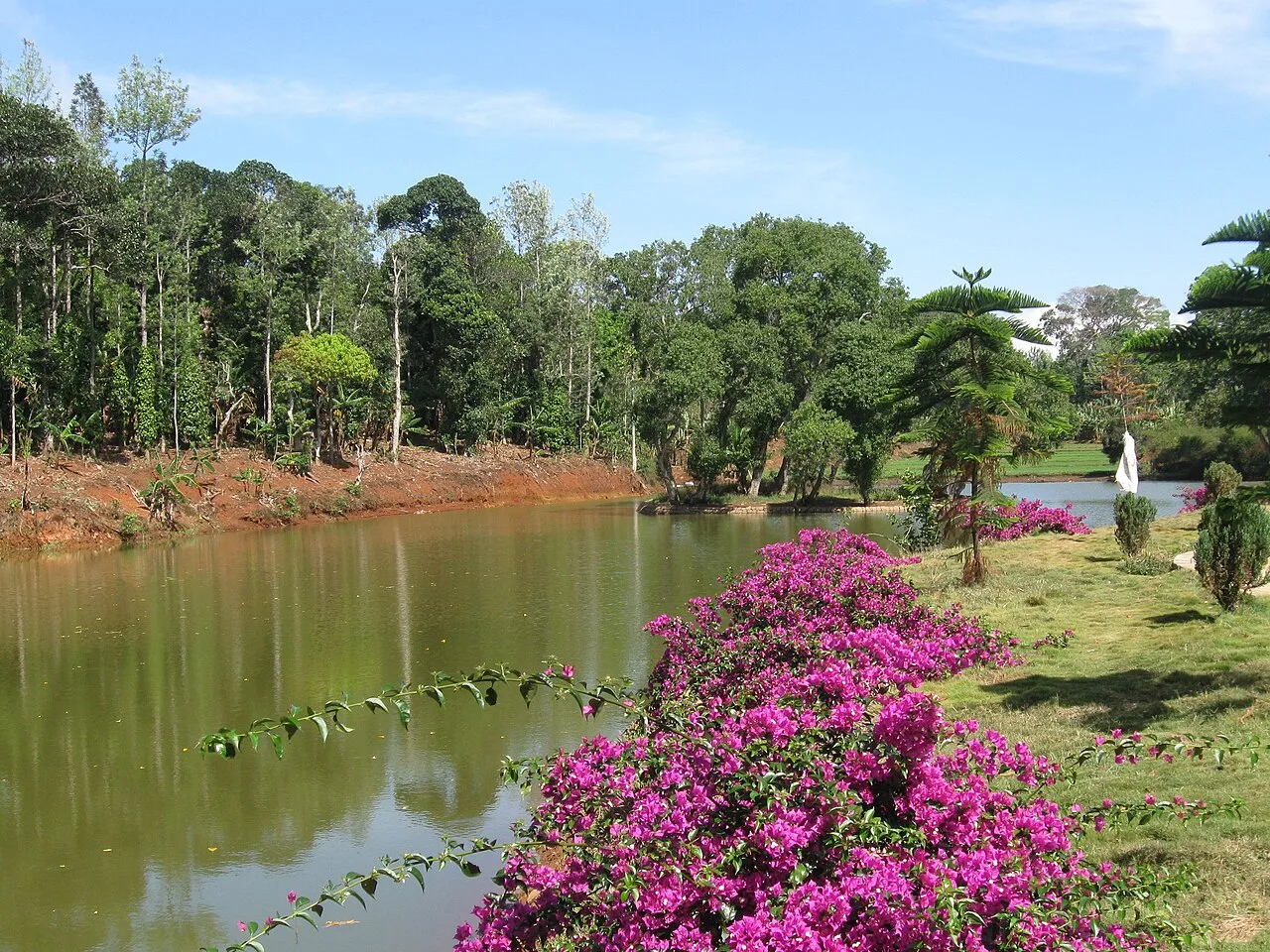
Kalrayan Hills

27 km away · Kallakurichi district

Kalrayan Hills

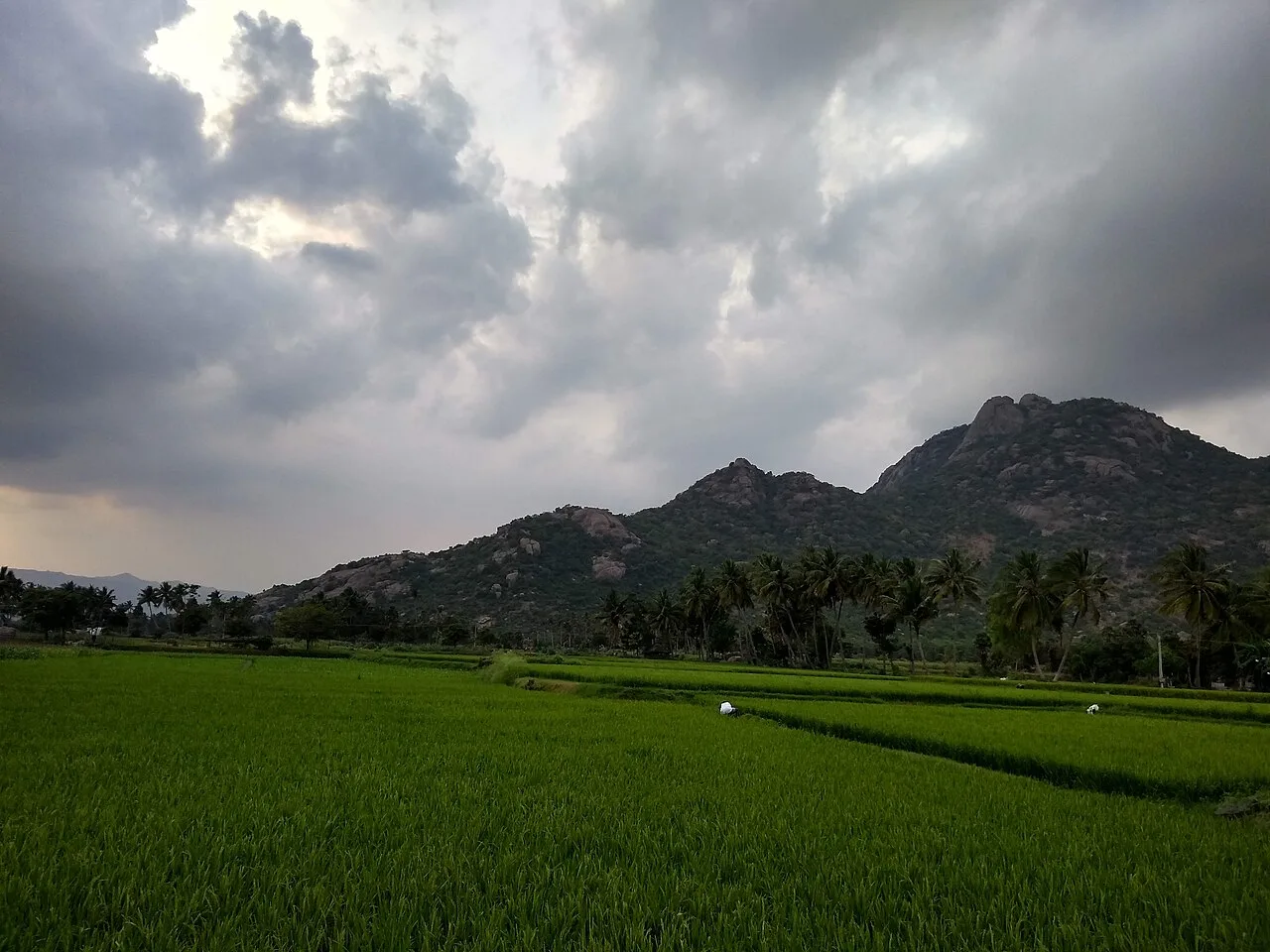
Kalrayan Hills are an extensive highland range in Tamil Nadu’s Eastern Ghats. Visitors come to experience its elevated terrain and its setting among the ranges that separate two river basins.

Yercaud Hill Station

28 km away · Salem district

Yercaud Hill Station

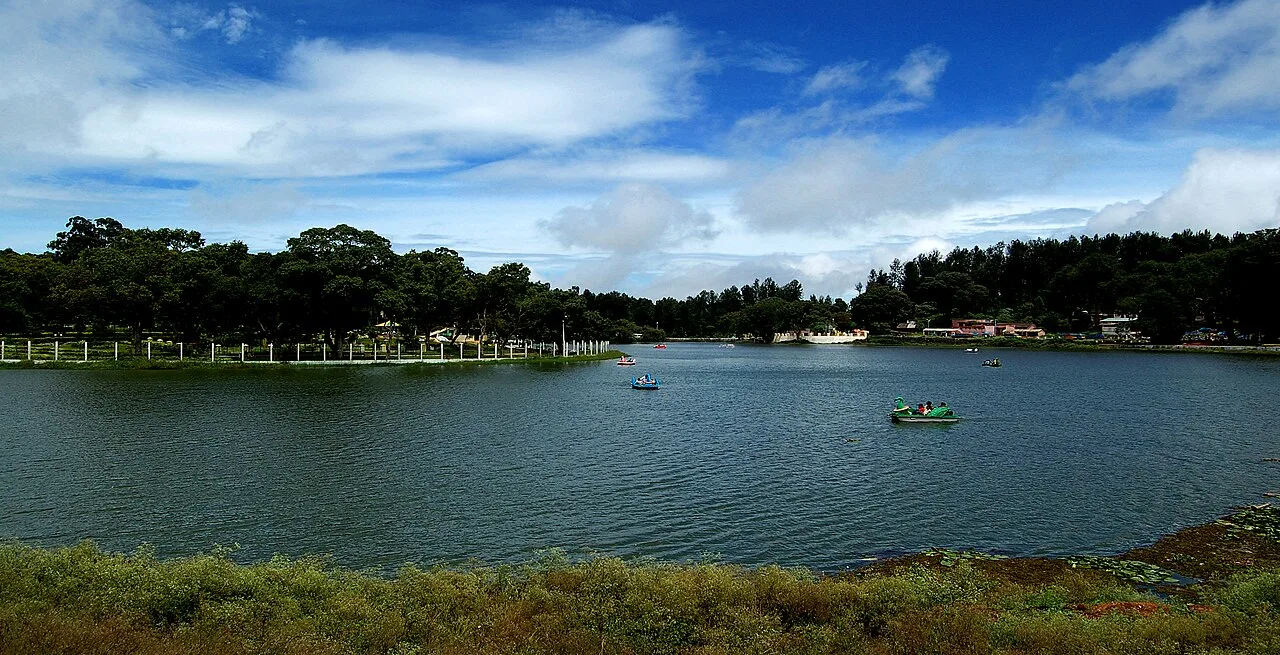
Yercaud, also known as Erkadu, is a hill town in Salem district, Tamil Nadu. Visitors come for its location in the Servarayan Hills, part of the Eastern Ghats.

Mettur Dam

67 km away · Salem district

Mettur Dam

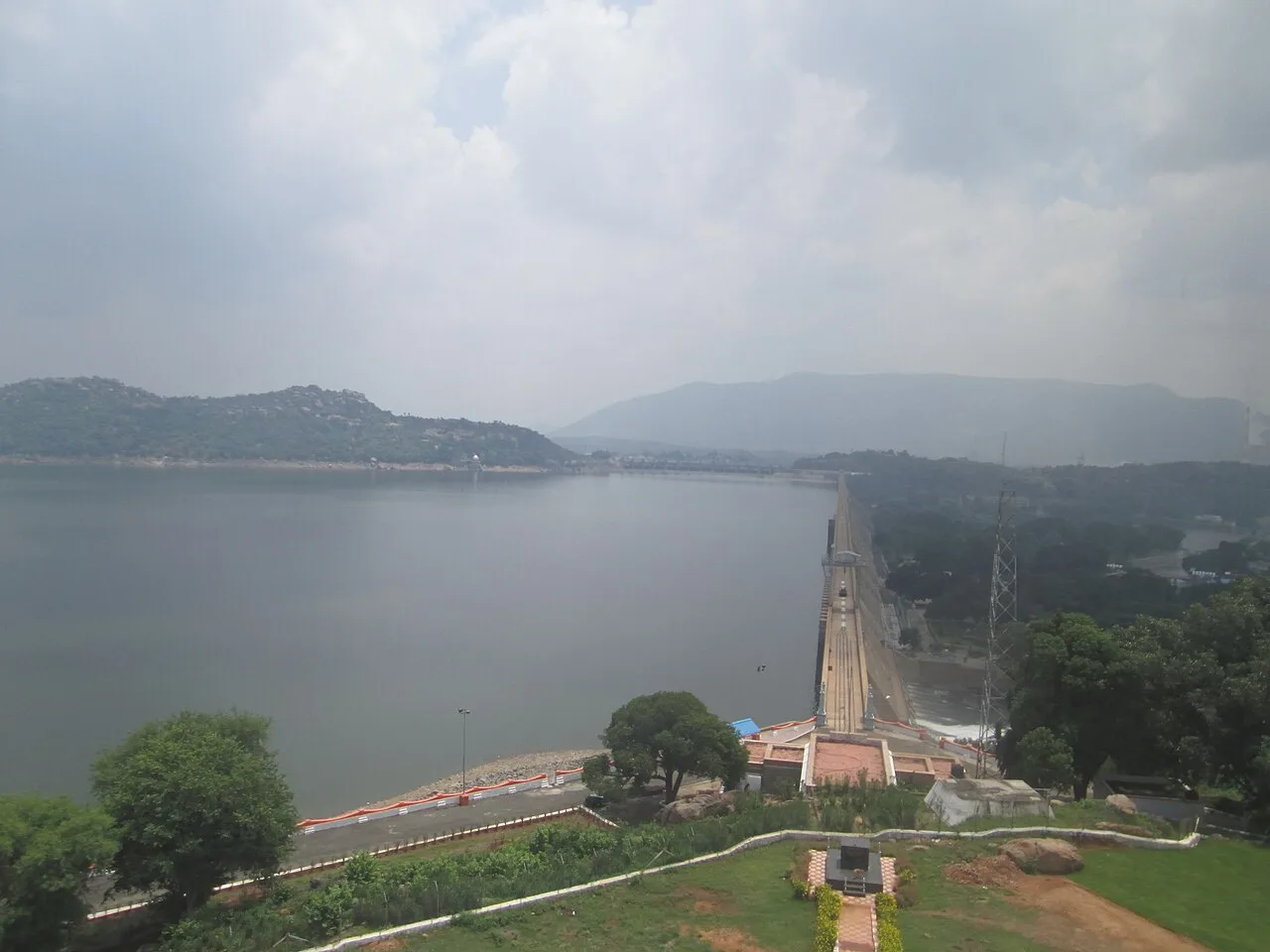
Mettur Dam, in Salem district, is among India’s largest dams and Tamil Nadu’s largest; visitors come to view the structure and the park at its base.

Kolli Hills

68 km away · Namakkal district

Kolli Hills

Kolli Malai, also called Kolli Hills, is a hill station and taluk within Tamil Nadu’s Namakkal district. Visitors come to the area in its capacity as a hill-station destination.

Hogenakkal Falls

71 km away · Dharmapuri district

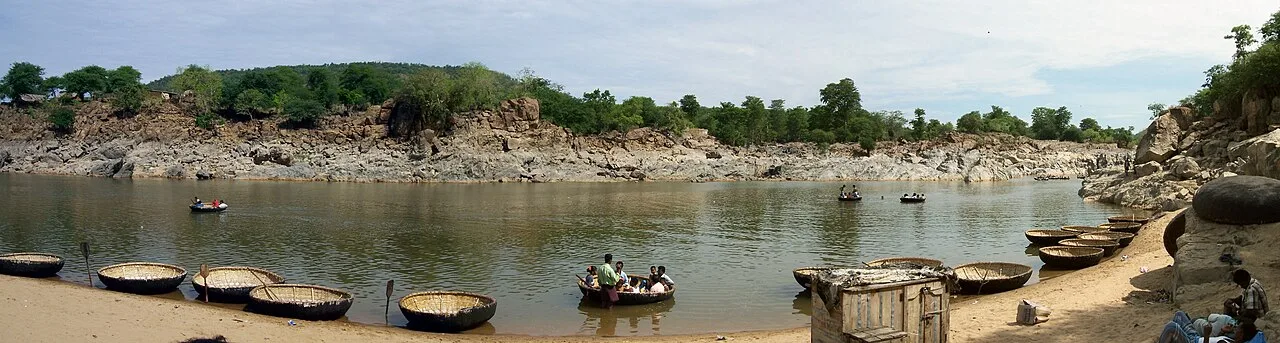
Hogenakkal Falls

Hogenakkal Falls is a Kaveri River waterfall on the Tamil Nadu–Karnataka boundary, visited by people wishing to see the falls.

Sri Ramanasramam

78 km away · Tiruvannamalai district

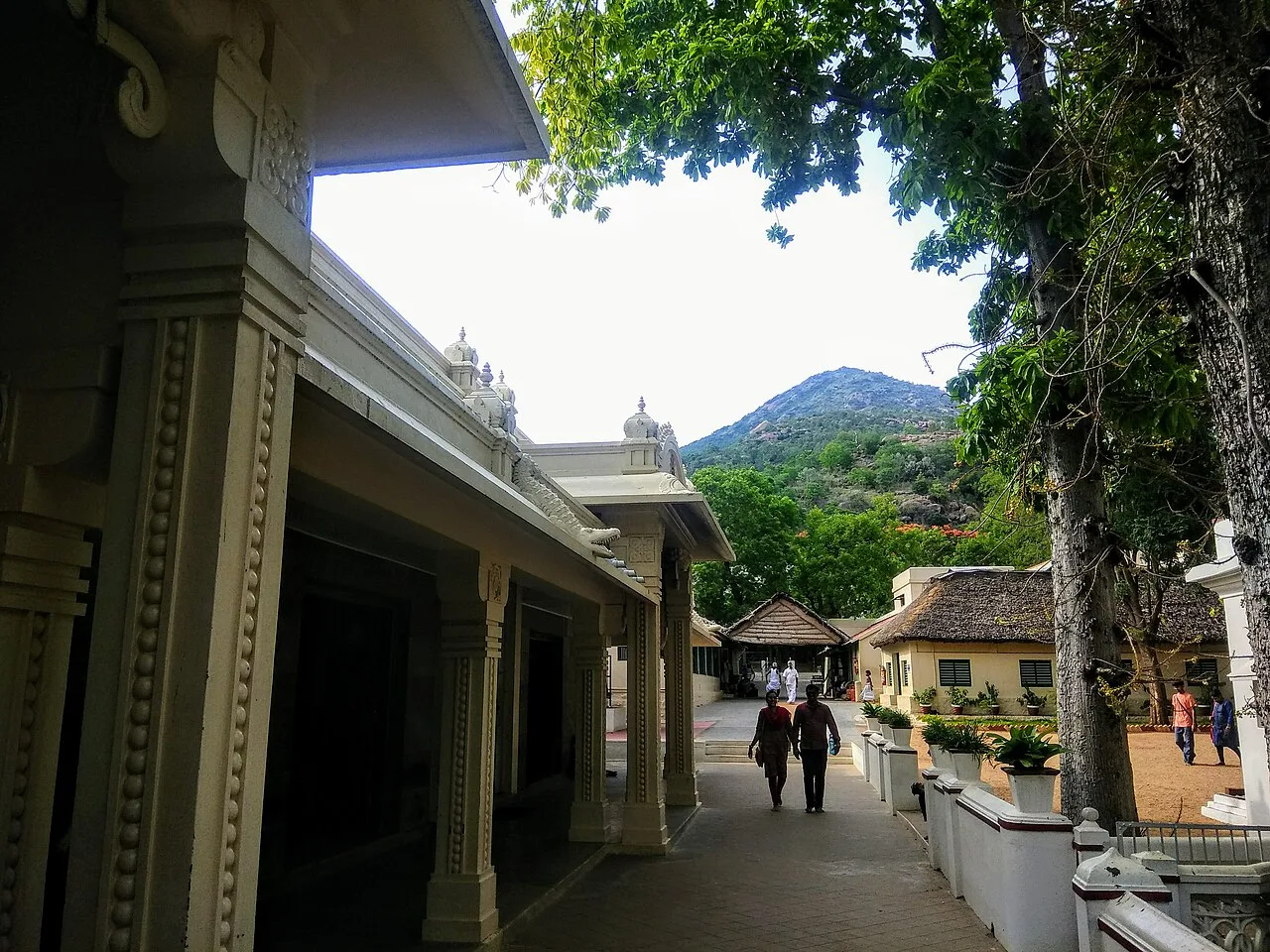
Sri Ramanasramam

Sri Ramanasramam is a spiritual community and international non-profit organisation in Tiruvannamalai, associated with Ramana Maharshi. People visit to meditate, study his teachings and seek spiritual understanding.

Annamalaiyar Temple, Tiruvannamalai

79 km away · Tiruvannamalai district

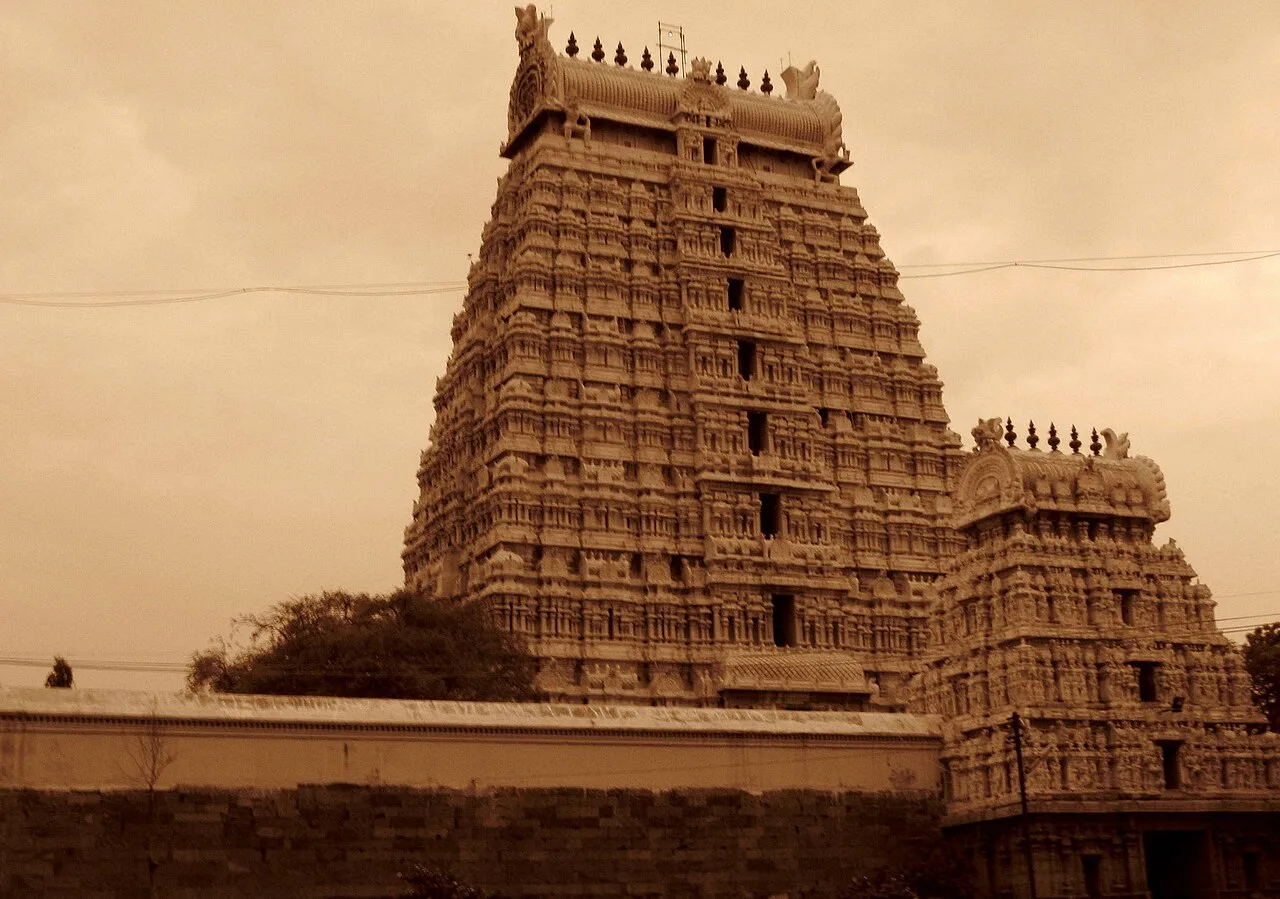
Annamalaiyar Temple, Tiruvannamalai

Annamalaiyar Temple is a major Shiva and Parvati shrine in Tiruvannamalai, known for its association with fire, its place in Tamil Shaivite worship and its extensive temple complex.

Namakkal Fort

83 km away · Namakkal district

Namakkal Fort

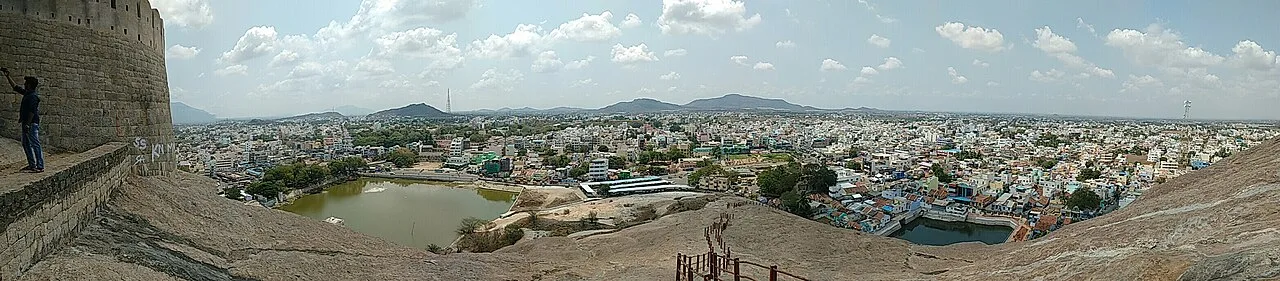
Rising above Namakkal, this seventeenth-century fort occupies a hillock of solid rock and contains a temple and mosque. Visitors come to see these sites and explore its history.

Map

Pallippatti on the map

  1. 1Kalrayan Hills
  2. 2Yercaud Hill Station
  3. 3Mettur Dam
  4. 4Kolli Hills
  5. 5Hogenakkal Falls
  6. 6Sri Ramanasramam
  7. 7Annamalaiyar Temple, Tiruvannamalai
  8. 8Namakkal Fort

Tamil Nadu

Other cities to explore