Ghumoopedia — Explore, Discover, Experience
Sign in
Kumbakkarai Falls, near Periyakulam

City guide · Tamil Nadu

Periyakulam

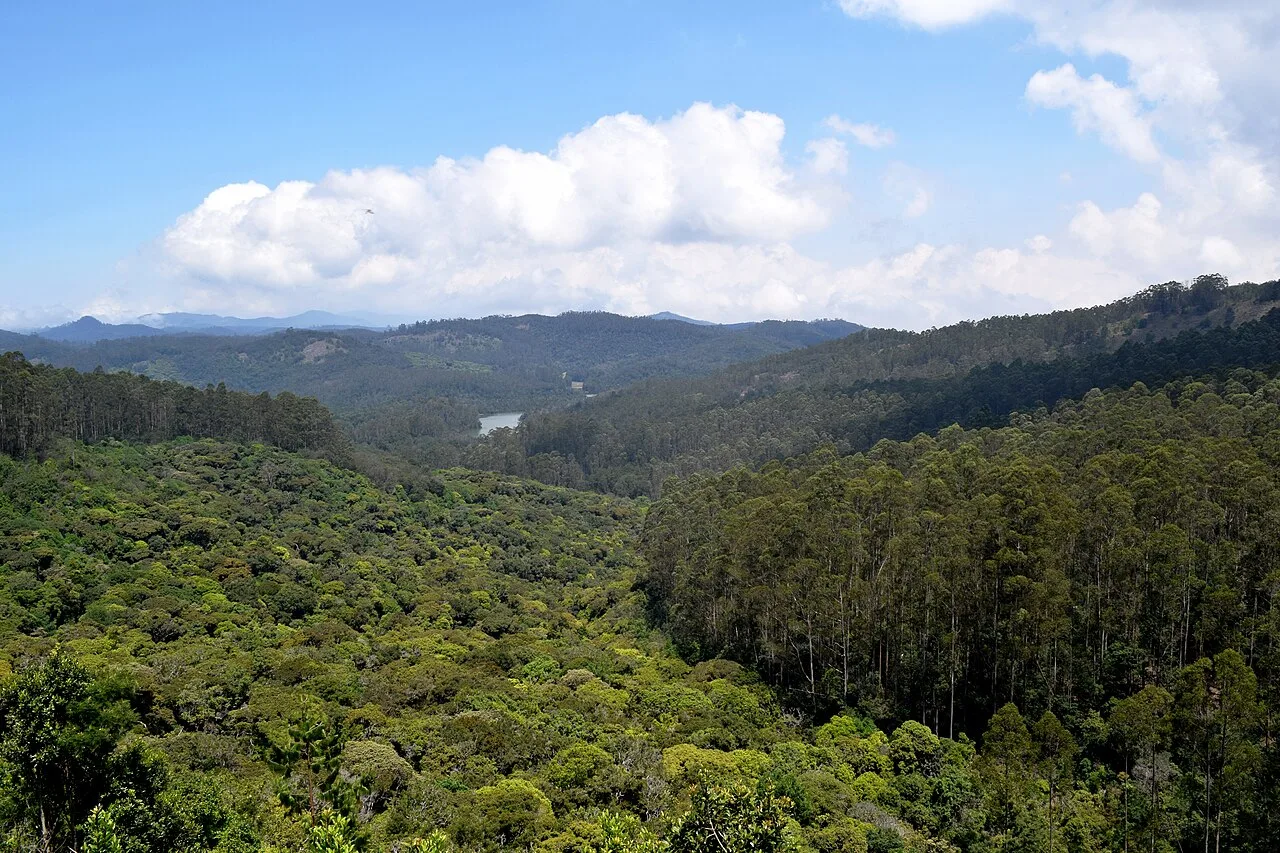
Periyakulam is a northern gateway to Theni district, set where the fertile plains meet the foothills of the Western Ghats. The Varaha River runs through its landscape, while the hills form a striking backdrop to the town and nearby villages.

Famous for

  • Mango-growing region
  • Varaha River
  • Balasubramaniam Swamy Temple
  • Kailasanathar Temple
  • Kodaikanal foothills

Why Periyakulam matters

Periyakulam is a northern gateway to Theni district, set where the fertile plains meet the foothills of the Western Ghats. The Varaha River runs through its landscape, while the hills form a striking backdrop to the town and nearby villages. Its name means “big lake” in Tamil, and the town is also known in Tamil literature as Kulainthai Managaram.

Agriculture remains central to Periyakulam’s identity and economy. The area is especially associated with mangoes, and its harvest contributes to Tamil Nadu’s mango supply. Visitors come for the riverside temples, the old pond and the quieter, green setting, as well as to explore the wider Theni region. The Balasubramaniam Swamy Temple, Periyakovil and Karanamoorthy Swamy Temple, and hilltop Kailasanathar Temple connect the town’s religious life with its landscape. Periyakulam is less a conventional resort than a useful base for experiencing the agricultural country and temple heritage around the northern part of the district.
Famous for: crafts, trade & products

Periyakulam is best known commercially for agriculture, particularly mangoes. Mango cultivation and trade give the town its familiar “Mango City” identity, and seasonal fruit is the most distinctive local product for visitors to look for. Town shops and produce markets are practical places to find mangoes when they are in season; availability and varieties change through the year. Farming is also important across the surrounding villages, whose productive land is supported by the Varaha River and local water sources.

The town is not especially identified with a particular saree tradition, handicraft, or major manufacturing industry. Its strongest product story is agricultural rather than textile-based, and no specific GI-tagged product is central to its public identity. For everyday goods and locally grown produce, explore the commercial streets and markets in the town centre; for mangoes, ask locally about current-season sellers. Periyakulam’s temples and river setting are important cultural landmarks, but they are places to visit rather than craft or shopping districts. Those seeking a broader range of specialised crafts or branded regional products may find more options in larger nearby centres.

History

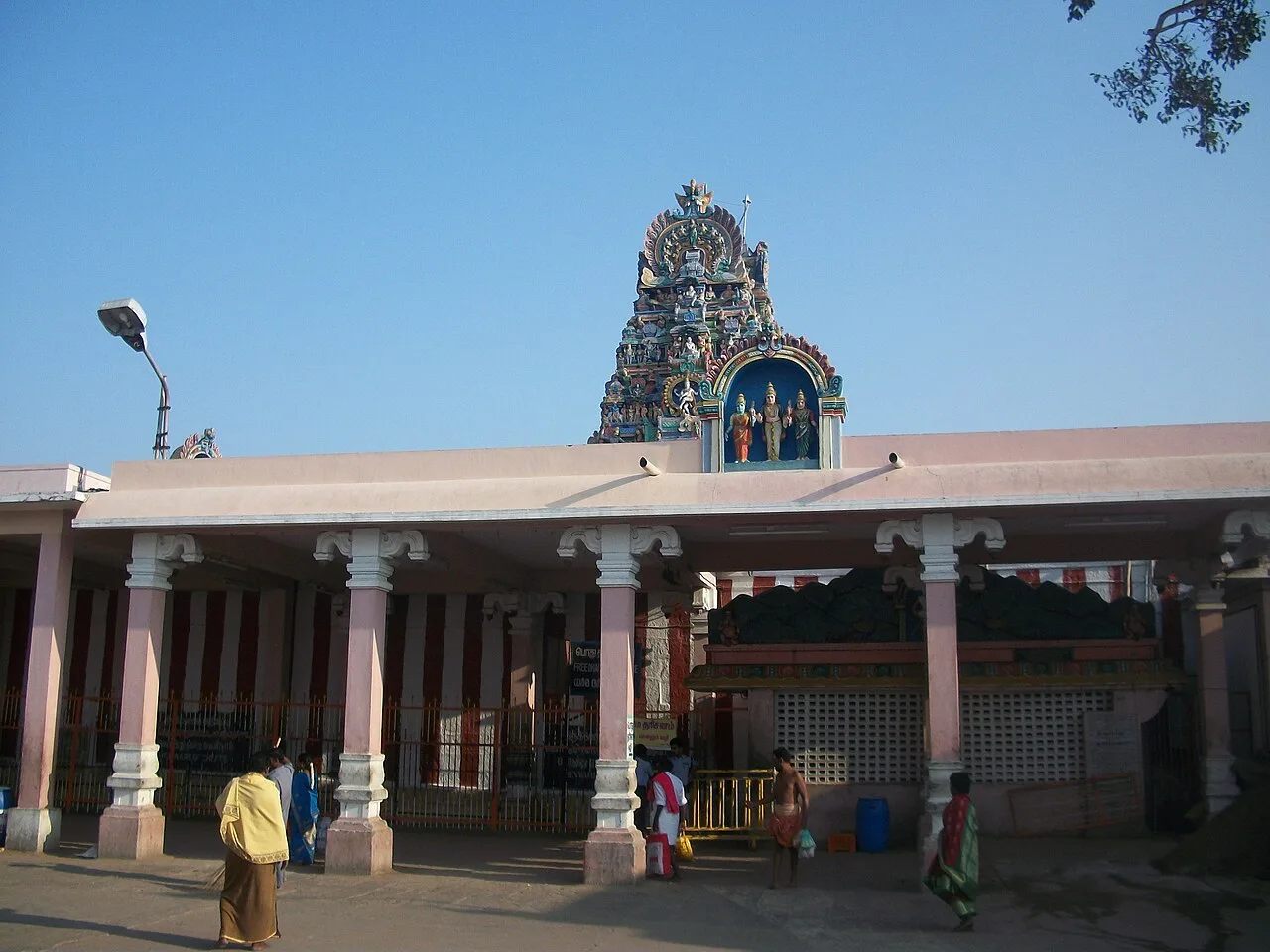
Periyakulam’s history is closely tied to its water, agriculture and temples. Its Tamil name means “big lake,” while the older literary name Kulainthai Managaram reflects a separate strand of its local identity. The Varaha River and the town pond have supported settlement and cultivation, and several old temples remain prominent landmarks: Balasubramaniam Swamy Temple by the river, Periyakovil and Karanamoorthy Swamy Temple by the pond, and Kailasanathar Temple in the hills to the southeast.

Local accounts recall an earlier settlement near New Ground and a later shift prompted by fears of plague. The town’s historical character is more clearly expressed through its temple landscape and riverine setting than through a single well-known ruler or colonial-era monument. In modern times, Periyakulam has grown as an agricultural and service centre for the northern part of Theni district. Its road connections and position near the foothills also make it a point of access to surrounding villages and hill country.

Food, festivals & culture

Tamil is the principal language of daily life, and the town’s culture is closely connected with farming, family observances and temple worship. Local meals follow the wider Tamil style, with rice, lentils, vegetables and familiar accompaniments; mangoes are a seasonal highlight rather than a single signature dish. Visitors can look for locally grown fruit in season, while sweets and snacks are generally those found across the region rather than a distinct Periyakulam speciality.

Pongal, usually celebrated in January, is an important harvest festival in this agricultural area. Deepavali, Tamil New Year and temple festivals also bring families and communities together at different times of the year. The Balasubramaniam Swamy, Periyakovil and Karanamoorthy Swamy temples are central places of worship, while Kailasanathar Temple offers a hill setting. During religious celebrations, Tamil devotional music and customary temple performance traditions form part of the atmosphere. Festival schedules vary, so visitors should check locally before planning around a particular event.

Visiting the city

The cooler months, roughly November to February, are generally comfortable for exploring, though northeast-monsoon rain can affect travel in October to December. Summer is hot, so plan outdoor visits for the cooler parts of the day. Madurai Airport is the nearest major airport; Theni railway station is the main railhead for reaching Periyakulam, with onward road travel into town.

Autos, local buses and taxis are useful for getting around, especially for visits beyond the centre. Start with the Varaha River area and the temples around the town pond, then travel southeast to Kailasanathar Temple in the hills. The central market streets offer a feel for everyday town life and are a good place to ask about seasonal mangoes. Periyakulam also works well as a base for exploring nearby villages and the northern Theni countryside; check local conditions before heading to less-frequented sites.

Trips from the city

Nearest places to visit from Periyakulam

Our closest destination guides, by straight-line distance.

Kumbakkarai Falls

7 km away · Theni district

Kumbakkarai Falls

Kumbakkarai Falls is a two-stage waterfall in Theni district, below the Kodaikanal Hills. Visitors come to bathe in its pools and flowing water, travelling from nearby Periyakulam.

Vaigai Dam

9 km away · Theni district

Vaigai Dam

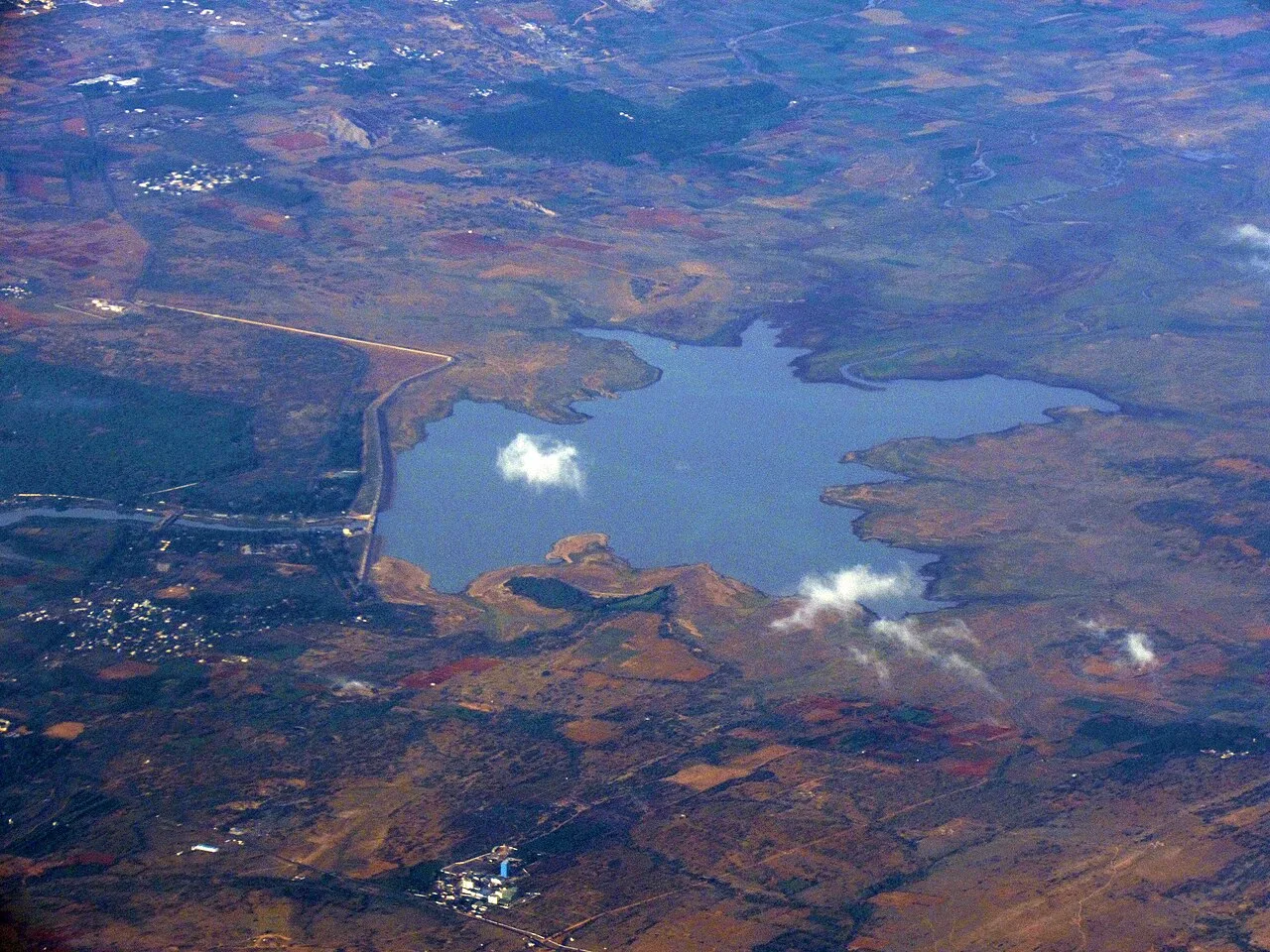
Vaigai Dam spans the Vaigai River near Andipatti in Theni district, Tamil Nadu. Visitors may be interested in the dam and the nearby government station researching the cultivation of several crops.

Guna Caves (Devil's Kitchen)

13 km away · Dindigul district

Guna Caves (Devil's Kitchen)

Guna Caves, or Devil’s Kitchen, is a network of deep shafts and narrow underground passages in Kodaikanal. Visitors know it for its film connections and hazardous, unmapped terrain.

Bryant Park

14 km away · Dindigul district

Bryant Park

Bryant Park is beside Kodaikanal Lake in Tamil Nadu. Visitors to the area come for boating on the lake and its summer boat pageants and flower shows.

Kodaikanal Lake

14 km away · Dindigul district

Kodaikanal Lake

Set within Kodaikanal in Tamil Nadu’s Dindigul district, this artificial lake is a central feature of the hill town. Visitors come for boating and seasonal events beside the water.

Berijam Lake

18 km away · Dindigul district

Berijam Lake

Berijam Lake is a reservoir in the upper Palani hills near Kodaikanal, Tamil Nadu. Visitors come to see the lake and its setting at the former Fort Hamilton site.

Palani Murugan Temple

35 km away · Dindigul district

Palani Murugan Temple

Palani Murugan Temple is a Murugan shrine on a hill at Palani in Tamil Nadu. Pilgrims come to worship, observe temple festivals and take part in customs including tonsuring and carrying kavadi.

Meghamalai

50 km away · Theni district

Meghamalai

Meghamalai is a mountain range in the Western Ghats, in Tamil Nadu’s Theni district near Kumily. Visitors are drawn to its tea and cardamom plantations, high-altitude setting and surviving evergreen woodland.

Map

Periyakulam on the map

  1. 1Kumbakkarai Falls
  2. 2Vaigai Dam
  3. 3Guna Caves (Devil's Kitchen)
  4. 4Bryant Park
  5. 5Kodaikanal Lake
  6. 6Berijam Lake
  7. 7Palani Murugan Temple
  8. 8Meghamalai

Tamil Nadu

Other cities to explore