Ghumoopedia — Explore, Discover, Experience
Sign in
Gangaikonda Cholapuram Temple, near Tirupananthal

City guide · Tamil Nadu

Tirupananthal

Tiruppanandal is a small temple town in Tamil Nadu’s Cauvery delta, within reach of Kumbakonam and the region’s many historic shrines. Its best-known institution is the Thiruppanandal Kasi Mutt, a centre of Tamil Saiva religious life and learning.

Famous for

  • Thiruppanandal Kasi Mutt
  • Tamil Saiva tradition
  • Cauvery delta temples
  • Rice-growing countryside

Why Tirupananthal matters

Tiruppanandal is a small temple town in Tamil Nadu’s Cauvery delta, within reach of Kumbakonam and the region’s many historic shrines. Its best-known institution is the Thiruppanandal Kasi Mutt, a centre of Tamil Saiva religious life and learning. The town’s identity is shaped less by large-scale industry or tourism infrastructure than by its religious institutions, local temples and ties to the fertile agricultural landscape around it.

Visitors often include Tiruppanandal as part of a wider trip through the Kumbakonam area, travelling between temple towns and villages linked by local roads. Its quieter setting offers a contrast to the busier pilgrimage centres nearby. The town is of particular interest to people exploring Tamil Saivism, devotional traditions and the history of religious monasteries. Paddy fields and everyday rural life provide a sense of the delta beyond its better-known temple destinations.
Famous for: crafts, trade & products

Tiruppanandal is chiefly associated with the Thiruppanandal Kasi Mutt, a historic Saiva institution with an important place in Tamil religious and literary life. The town is not widely known as a centre for a particular textile, handicraft or GI-tagged product, and it does not have a prominent large-scale manufacturing identity. Its local economy is more closely connected with agriculture, small businesses and services for nearby communities.

Rice is central to the surrounding delta’s farming landscape, while everyday shops serve residents and visitors with groceries, household goods and prepared food. For a broader choice of retail, Kumbakonam is the nearest major town and has more shops, markets and services; it is also a practical place to look for regional food items and locally made goods. Visitors should not expect a dedicated craft bazaar or a concentrated shopping district in Tiruppanandal itself. The town’s principal draw is its religious heritage rather than a signature commercial product.

History

Tiruppanandal developed within the wider Cauvery basin, a region shaped by temple networks and agriculture since the Chola period. The Cholas supported religious institutions and temple building across this part of Tamil Nadu; later, the area came under the influence of Nayak and Thanjavur Maratha rulers. These wider political histories help explain the density of temples and religious centres around Kumbakonam, though the town’s growth was local in scale.

The Thiruppanandal Kasi Mutt became central to the town’s identity as a centre of Saiva learning and religious life. Its traditions are associated with the Tamil saint and poet Kumaraguruparar. In the colonial era, the surrounding Thanjavur region came under British administration and became part of the Madras Presidency. In modern times, Tiruppanandal has remained a small service and religious centre, connected by road to Kumbakonam and nearby delta settlements. Agriculture continues to shape the surrounding landscape and local life.

Food, festivals & culture

Tamil is the principal language of daily life. The town’s religious character is strongly associated with Saiva worship and the Thiruppanandal Kasi Mutt, while temples and devotional observances form part of the wider cultural landscape. Maha Shivaratri is an important season for Shaiva worshippers; Pongal in January is widely celebrated across the region as a harvest festival. Deepavali, Navaratri and Tamil New Year are also observed, though specific temple programmes vary from year to year.

Meals reflect the rice-based cooking common across the Cauvery delta: rice served with sambar, rasam, vegetables and curd, as well as familiar Tamil breakfast dishes such as idli and dosa. Sweets and festival foods are part of family and temple celebrations, but Tiruppanandal is not especially known for a distinct signature dish. Carnatic music and devotional singing are part of the broader temple culture of the Kumbakonam region; visitors may encounter religious music during observances rather than at regular public performances.

Visiting the city

The cooler, drier months from roughly November to February are generally comfortable for visiting. Summers can be hot, and monsoon showers may affect travel later in the year. Tiruchirappalli International Airport is the nearest major airport. Kumbakonam is the principal railway station commonly used by visitors to the area; Aduthurai may be a closer rail access point depending on the journey and connections.

Local buses, taxis and auto-rickshaws connect Tiruppanandal with nearby towns, while a hired vehicle is useful for visiting several temples in one trip. Explore the Kasi Mutt and local temple surroundings, then use Kumbakonam as a base for a wider circuit of delta temples. Roads pass through agricultural villages, so allow time for short stops and changing local transport connections.

Trips from the city

Nearest places to visit from Tirupananthal

Our closest destination guides, by straight-line distance.

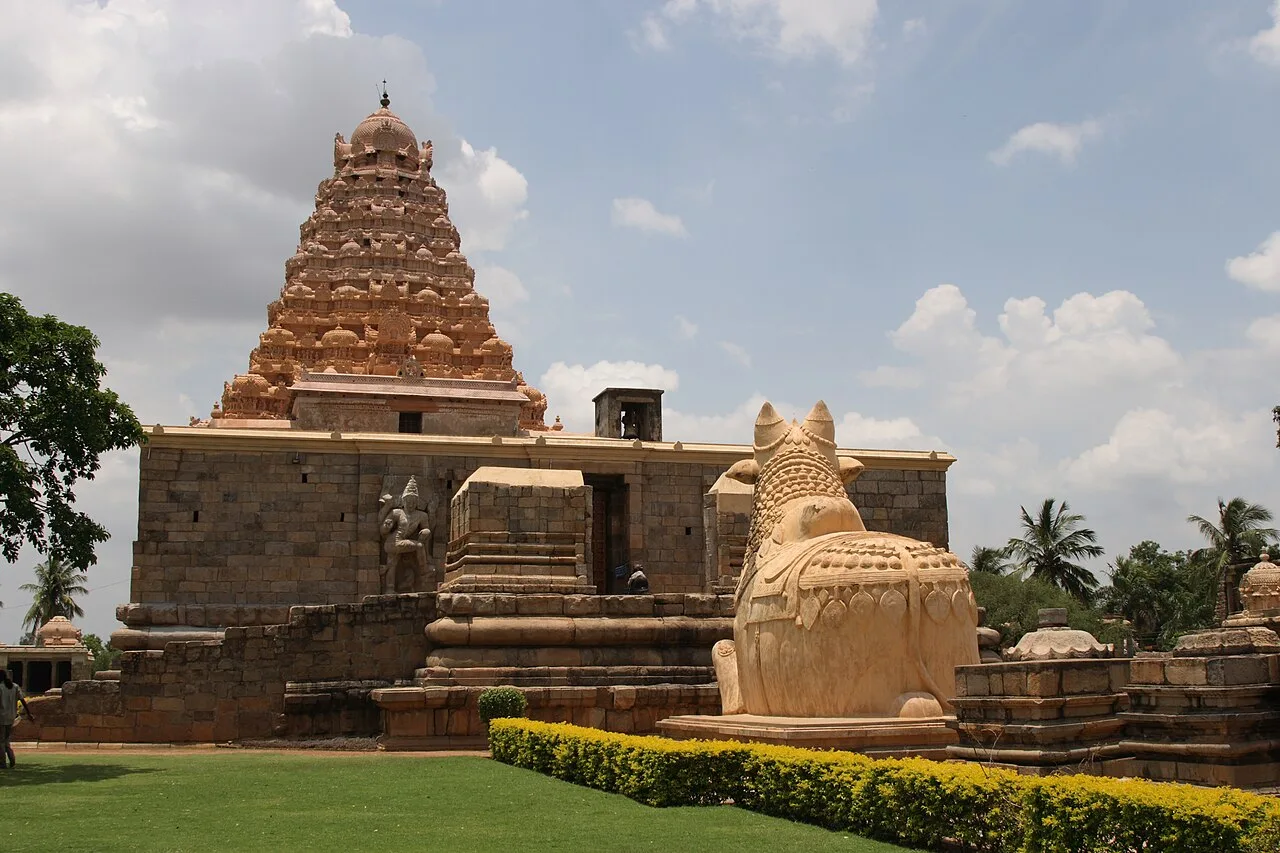
Gangaikonda Cholapuram Temple

13 km away · Ariyalur district

Gangaikonda Cholapuram Temple

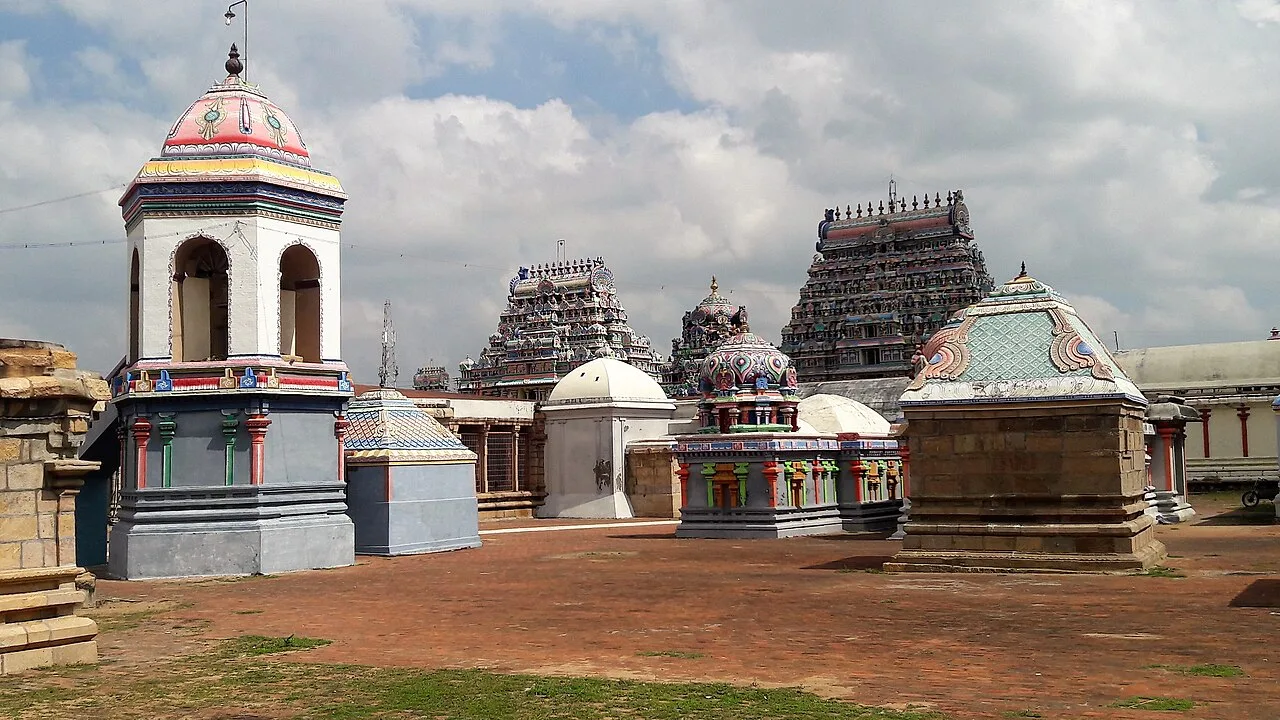
Set in Ariyalur district, Gangaikonda Cholapuram is a former Chola capital known for its Brihadisvara Temple, whose scale, architecture and sculpture distinguish it and whose site has UNESCO World Heritage status.

Adi Kumbeswarar Temple

17 km away · Thanjavur district

Adi Kumbeswarar Temple

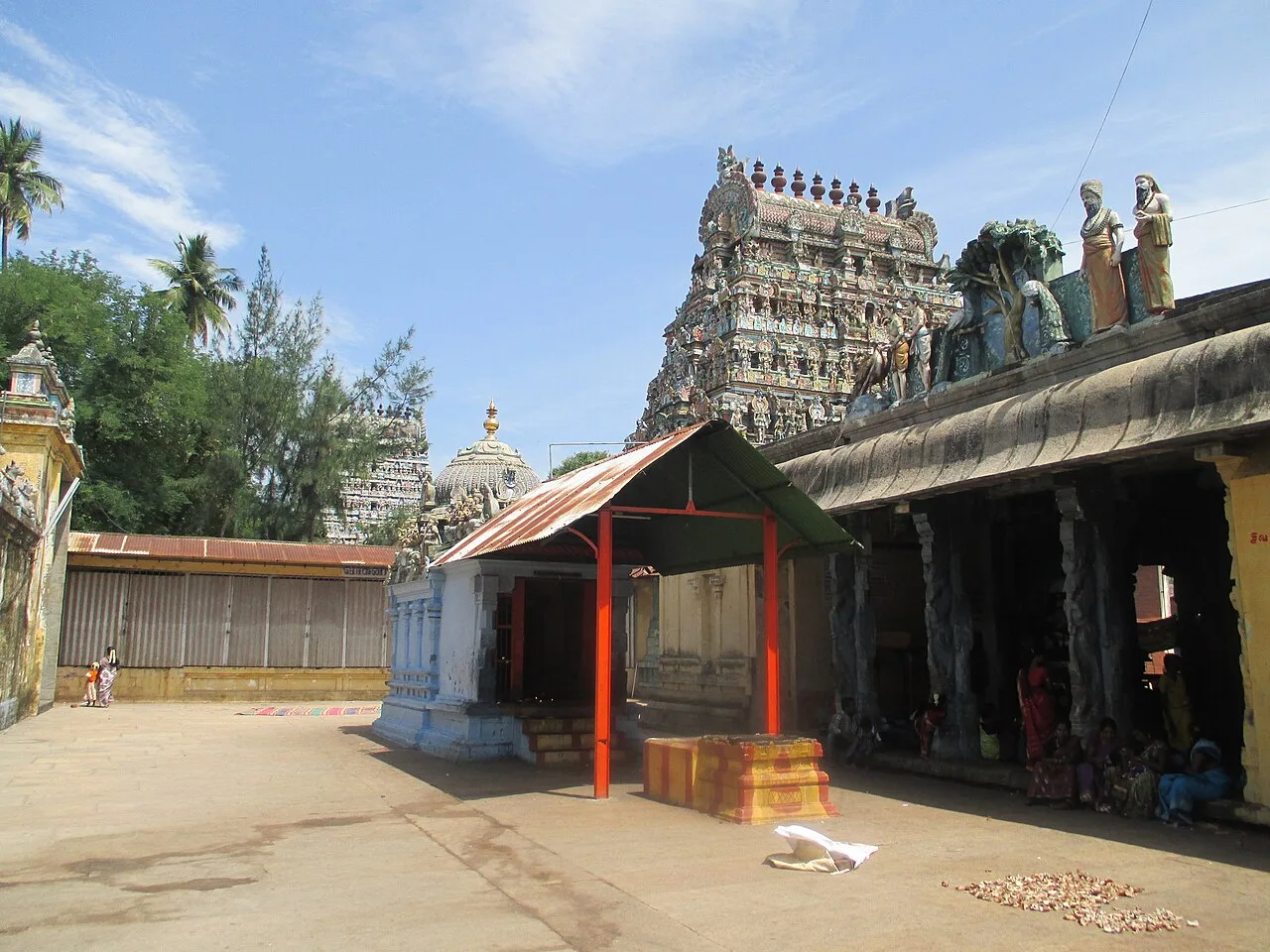
Visitors come to worship Shiva and Parvati and view a complex recognised for its Tevaram association, its four gopurams and a sculpted Vijayanagara-period hall.

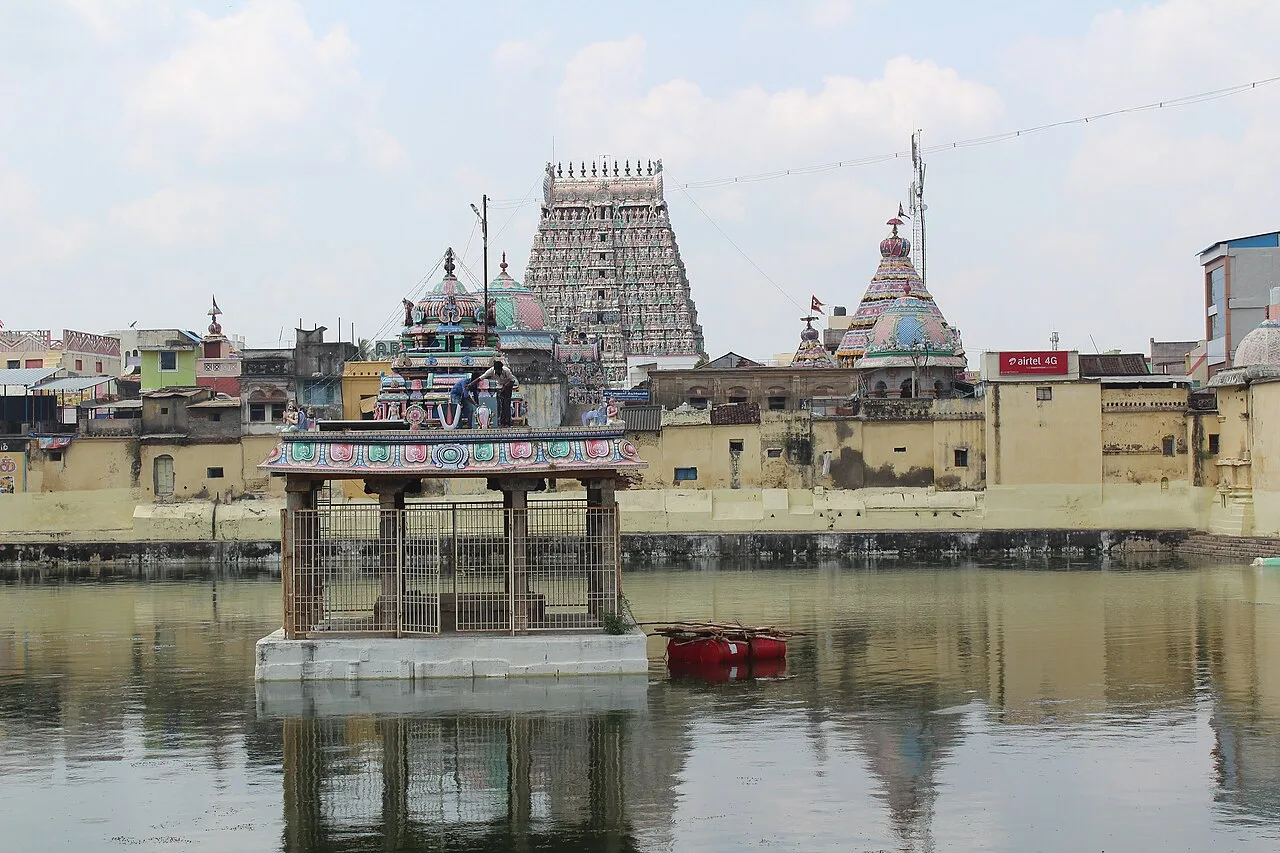
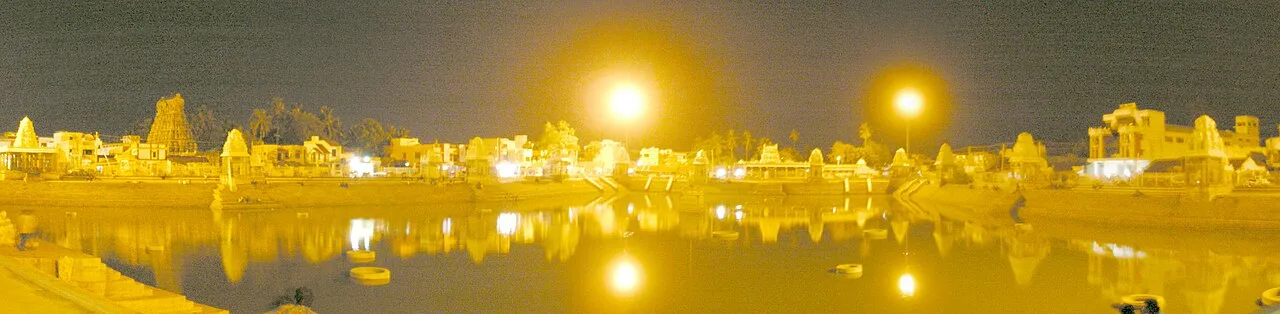
Mahamaham Tank, Kumbakonam

17 km away · Thanjavur district

Mahamaham Tank, Kumbakonam

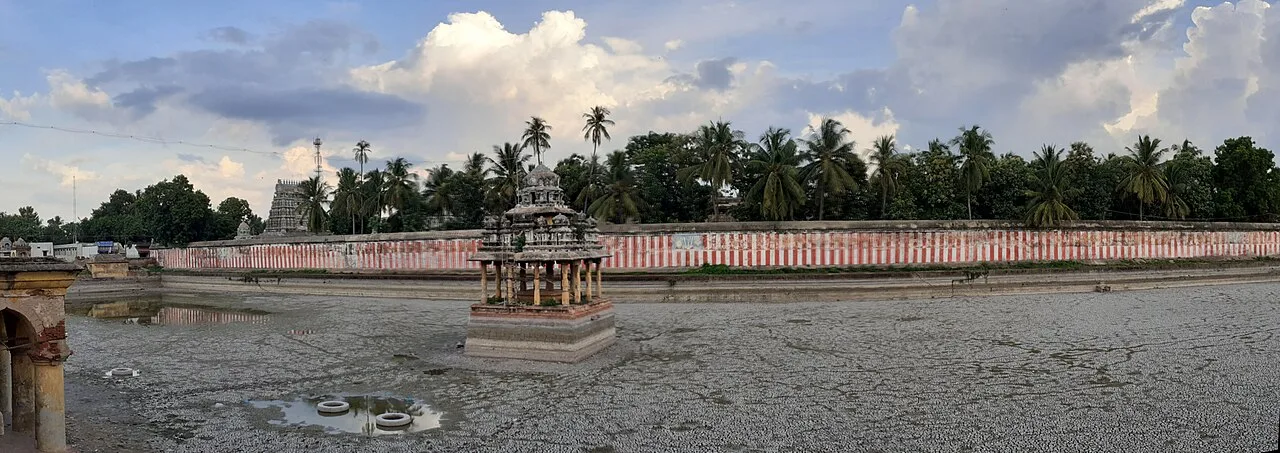
Mahamaham Tank is a large temple reservoir in Kumbakonam, Tamil Nadu, visited for the Masimaham celebration and the Mahamaham festival, which occurs every twelve years.

Airavatesvara Temple, Darasuram

19 km away · Thanjavur district

Airavatesvara Temple, Darasuram

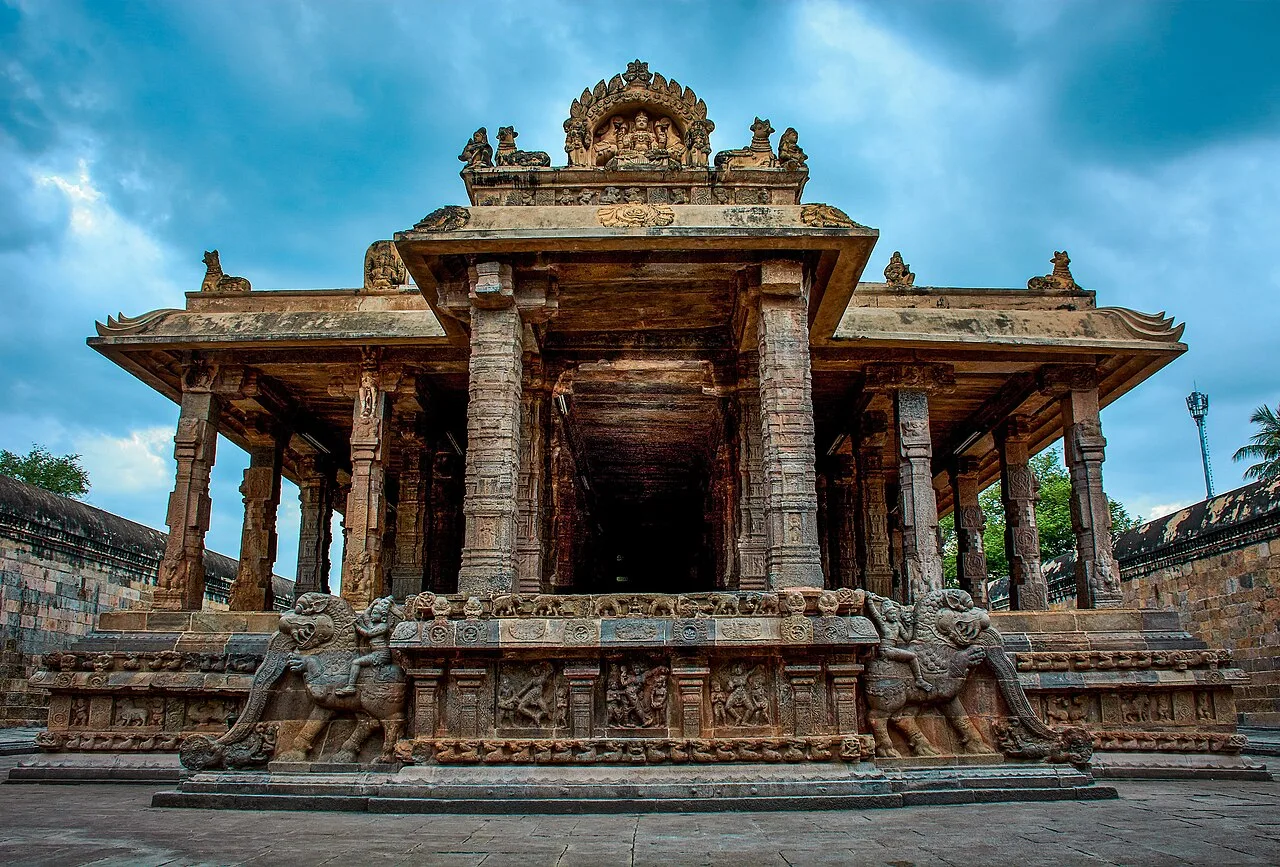
A Chola-era Shiva temple in Darasuram, near Kumbakonam, Airavatesvara draws visitors for its architecture, sacred imagery and annual Magha observances.

Nachiyarkoil

19 km away · Thanjavur district

Nachiyarkoil

Nachiyarkoil is a village in Tamil Nadu’s Thanjavur district, within Kumbakonam taluk. Visitors may come to see its locally produced brass lamps, the settlement’s distinctive craft.

Vaitheeswaran Koil

31 km away · Mayiladuthurai district

Vaitheeswaran Koil

Vaitheeswaran Koil is a Shiva temple in Tamil Nadu, known for its healing associations and link with Mars. People also visit the shrine’s sacred tank and the locality associated with Naadi astrology.

Thyagaraja Temple

40 km away · Tiruvarur district

Thyagaraja Temple

Thyagaraja Temple is a Shiva shrine in Thiruvarur, Tamil Nadu. Visitors come to worship Thyagarajaswami and see its extensive grounds, principal shrines and nine gopurams.

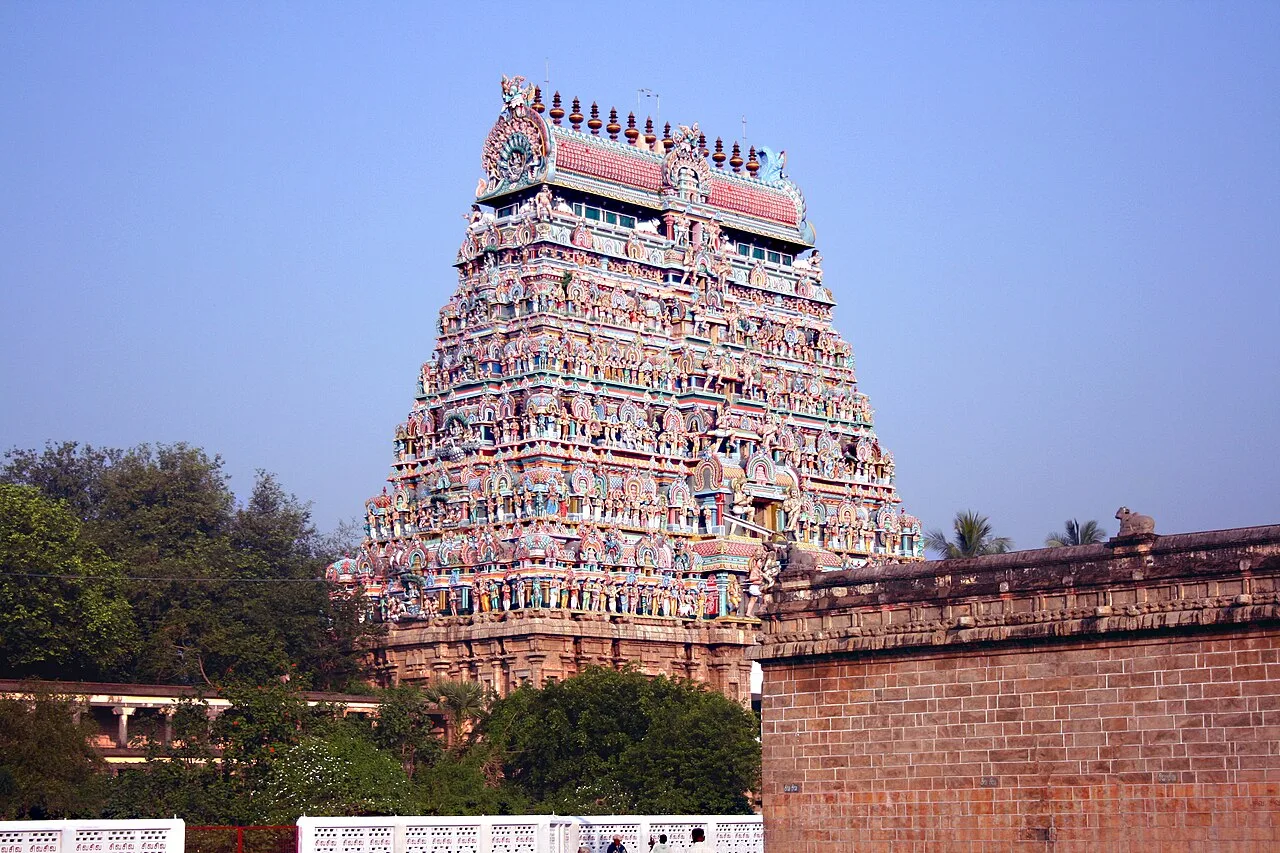
Chidambaram Nataraja Temple

43 km away · Cuddalore district

Chidambaram Nataraja Temple

Chidambaram Nataraja Temple is a historic Shaivite shrine in Tamil Nadu, dedicated to Shiva as the cosmic dancer. Visitors come for its worship, dance imagery and distinctive architectural traditions.

Map

Tirupananthal on the map

  1. 1Gangaikonda Cholapuram Temple
  2. 2Adi Kumbeswarar Temple
  3. 3Mahamaham Tank, Kumbakonam
  4. 4Airavatesvara Temple, Darasuram
  5. 5Nachiyarkoil
  6. 6Vaitheeswaran Koil
  7. 7Thyagaraja Temple
  8. 8Chidambaram Nataraja Temple

Tamil Nadu

Other cities to explore