Ghumoopedia — Explore, Discover, Experience
Sign in
Gingee Fort, near Viluppuram

City guide · Tamil Nadu

Viluppuram

Viluppuram is the administrative headquarters of Viluppuram district and an important transport and service centre in northern Tamil Nadu. Its railway junction connects routes across the state, while major roads make it a practical stop for journeys between Chennai, Tiruchirappalli, Cuddalore and Puducherry.

Famous for

  • Viluppuram Junction
  • District administrative centre
  • Gateway to Gingee Fort
  • Regional agricultural trade

Why Viluppuram matters

Viluppuram is the administrative headquarters of Viluppuram district and an important transport and service centre in northern Tamil Nadu. Its railway junction connects routes across the state, while major roads make it a practical stop for journeys between Chennai, Tiruchirappalli, Cuddalore and Puducherry. The town’s role as a district hub is reflected in its government offices, shops, colleges and services used by people from surrounding rural areas.

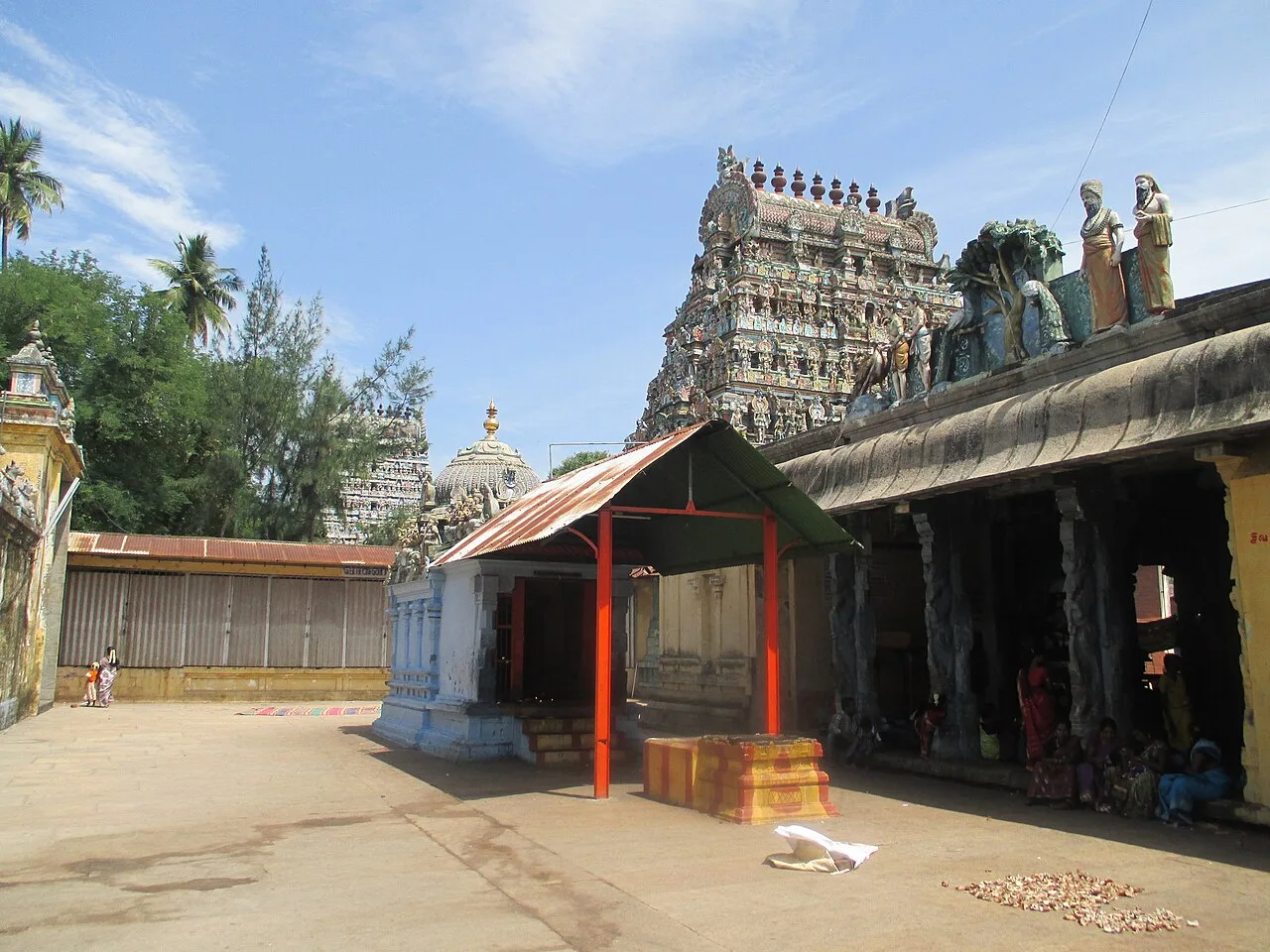
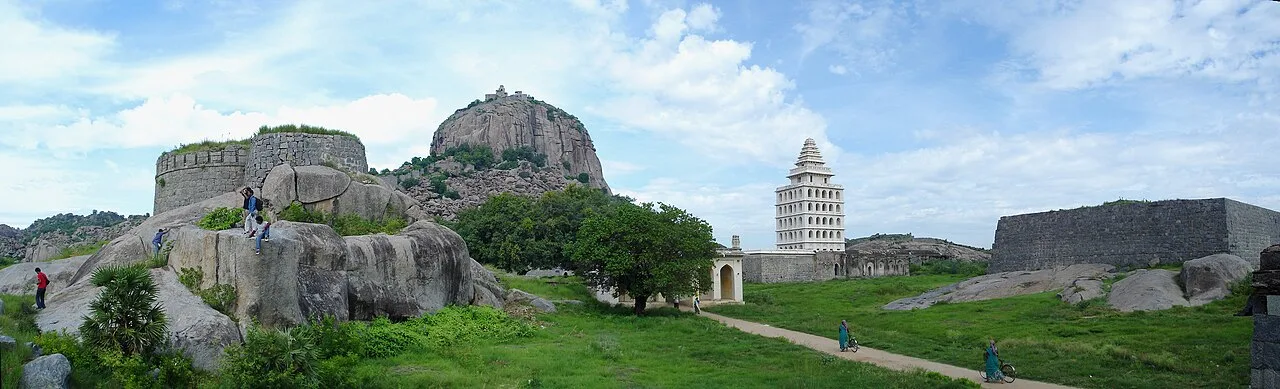
Visitors often use Viluppuram as a base for exploring the wider region rather than as a destination for a single landmark. Gingee Fort, known for its hilltop ramparts and historic fortifications, is a popular excursion from the city. Nearby Puducherry offers a contrasting coastal and colonial-era setting. Within Viluppuram, everyday Tamil Nadu life—busy markets, temple streets and local eateries—is part of the appeal. Agriculture remains important to the surrounding economy, and the town’s transport links support the movement of people and goods throughout the district.
Famous for: crafts, trade & products

Viluppuram is better known for transport, administration and regional trade than for a signature textile or handicraft. It does not have a widely established city-specific saree, craft or GI-tagged product to seek out. The central market streets and shops around the town centre are the practical places to browse for everyday clothing, household goods, snacks and produce. Local retailers serve both town residents and people travelling in from nearby villages.

Agriculture shapes trade across the district, and markets handle produce and supplies for farming communities. Small businesses, transport services and food-related enterprises contribute to the local economy; the city is not a major specialist manufacturing destination. Visitors looking for distinctive regional products can ask traders about seasonal produce from the wider district, while remembering that well-known goods associated with nearby towns may not be made in Viluppuram itself. For locally made sweets and savouries, bakeries and sweet shops in the central commercial area offer familiar Tamil favourites. The railway and bus station areas are convenient for basic shopping, while the town centre has a broader choice of shops.

History

Viluppuram’s history is closely connected with the wider South Arcot region. In 1677, Chhatrapati Shivaji took control of the Gingee area with support from Golconda forces. During the eighteenth century, English and French interests competed for influence in South Arcot, turning parts of the region into a theatre of conflict. The territory later came under the East India Company and remained under British rule until India’s independence.

After independence, Viluppuram formed part of the larger South Arcot district, whose headquarters was at Cuddalore. Its railway and road connections helped it develop as a busy local centre. The town was constituted as a municipality in 1919. On 30 September 1993, South Arcot district was divided and Viluppuram became the headquarters of the newly formed Viluppuram district. Its present-day character combines administrative functions with transport, commerce and services for surrounding agricultural communities.

Food, festivals & culture

Tamil is the principal language of daily life, with English used in many formal and commercial settings. Local eating reflects familiar Tamil home-style cooking: rice meals with sambar and vegetables, idli, dosa, vada and tiffin dishes are common, alongside snacks such as murukku. Tea shops, bakeries and sweet shops offer refreshments and festival treats; sweets such as adhirasam and mysore pak are widely enjoyed, though neither is unique to the city.

Pongal, the harvest festival in January, is an important time for family gatherings and traditional celebrations. Tamil New Year in April, Deepavali in October or November, and Navaratri in the early autumn are also observed. Temple festivals bring processions, devotional music and community activity, while churches and mosques serve the city’s diverse places of worship. Tamil film songs and devotional music are part of everyday sound, and folk forms, including therukoothu, belong to the wider cultural life of the region. Festival dates can vary with the Tamil calendar.

Visiting the city

The cooler months from November to February are generally the most comfortable for visiting. Summers are hot, while rain is more likely during the later monsoon season. Viluppuram Junction is the main railway station and a convenient arrival point. Puducherry Airport is the nearest airport; for a wider range of commercial connections, travellers commonly use Chennai International Airport.

Auto-rickshaws and local buses are useful for getting around town, while taxis or hired vehicles suit excursions beyond it. The central market and railway-station areas are practical places to explore local shops and food stalls. The temple streets and civic centre offer a sense of everyday town life. Viluppuram also makes a useful base for a day trip to Gingee Fort, with nearby Puducherry another popular regional excursion.

Trips from the city

Nearest places to visit from Viluppuram

Our closest destination guides, by straight-line distance.

Gingee Fort

36 km away · Villupuram district

Gingee Fort

Gingee Fort, also called Senji Fort, is a historic hilltop complex in Tamil Nadu. Visitors come to see its citadels, defences and buildings, and learn about its changing rulers.

Annamalaiyar Temple, Tiruvannamalai

56 km away · Tiruvannamalai district

Annamalaiyar Temple, Tiruvannamalai

Annamalaiyar Temple is a major Shiva and Parvati shrine in Tiruvannamalai, known for its association with fire, its place in Tamil Shaivite worship and its extensive temple complex.

Sri Ramanasramam

57 km away · Tiruvannamalai district

Sri Ramanasramam

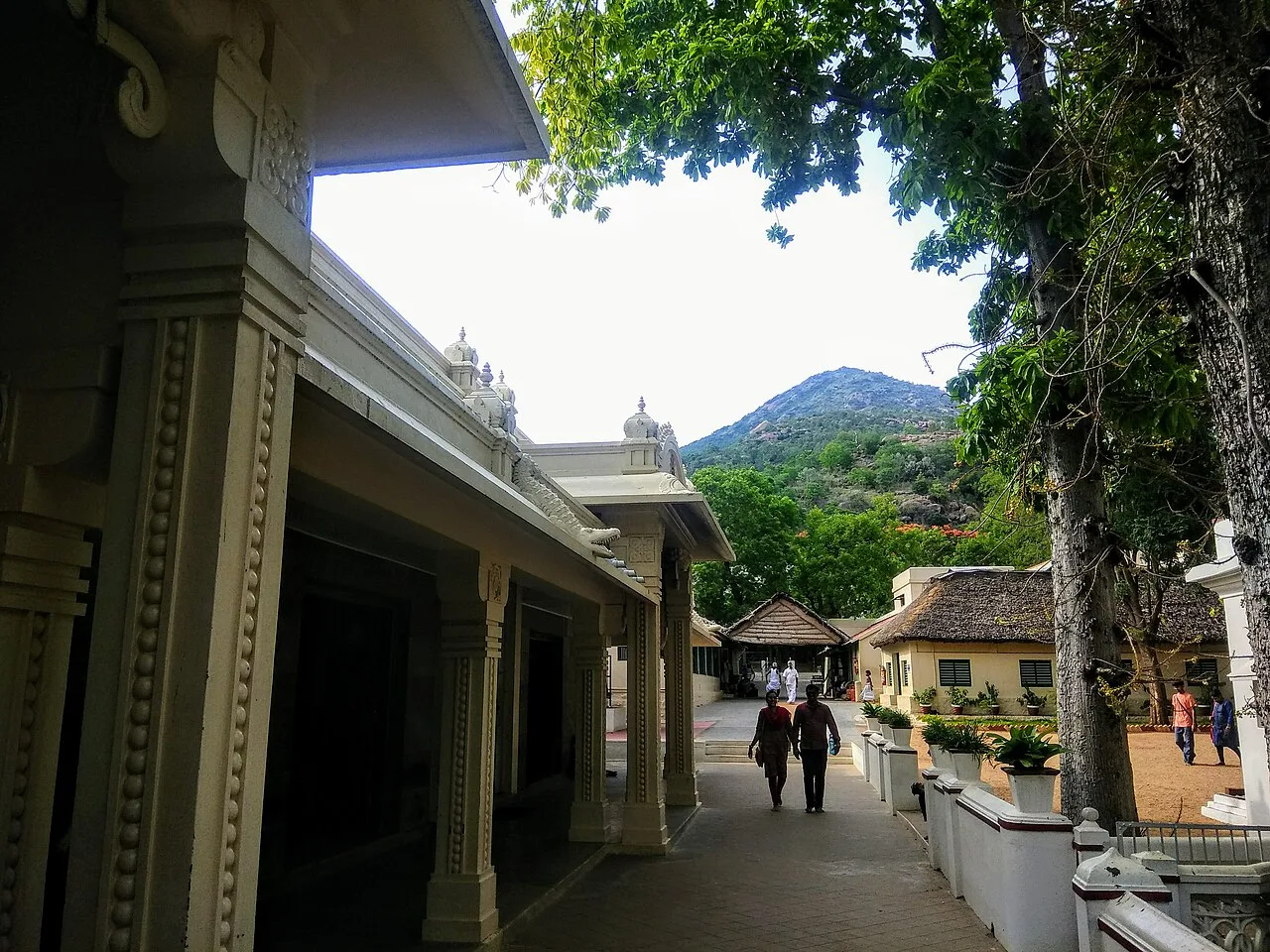
Sri Ramanasramam is a spiritual community and international non-profit organisation in Tiruvannamalai, associated with Ramana Maharshi. People visit to meditate, study his teachings and seek spiritual understanding.

Chidambaram Nataraja Temple

64 km away · Cuddalore district

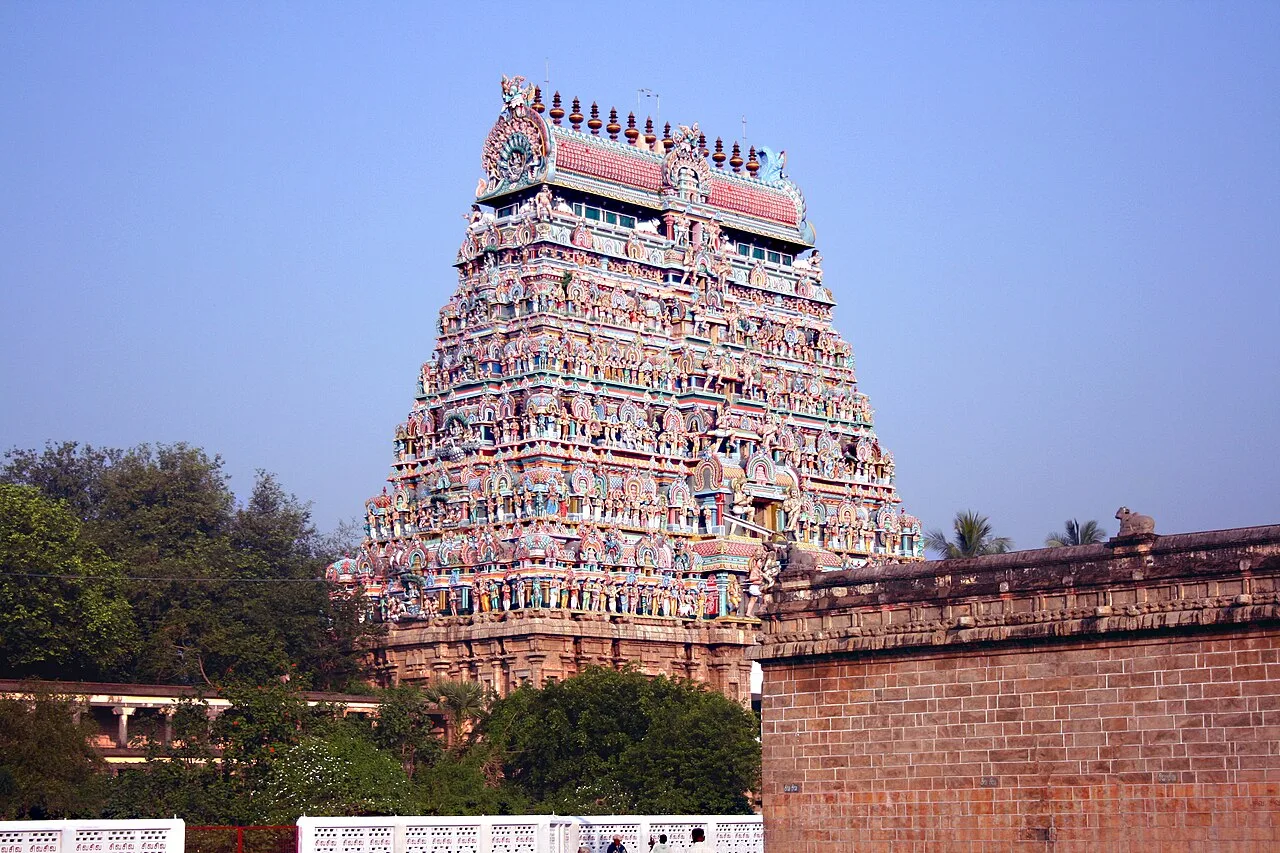
Chidambaram Nataraja Temple

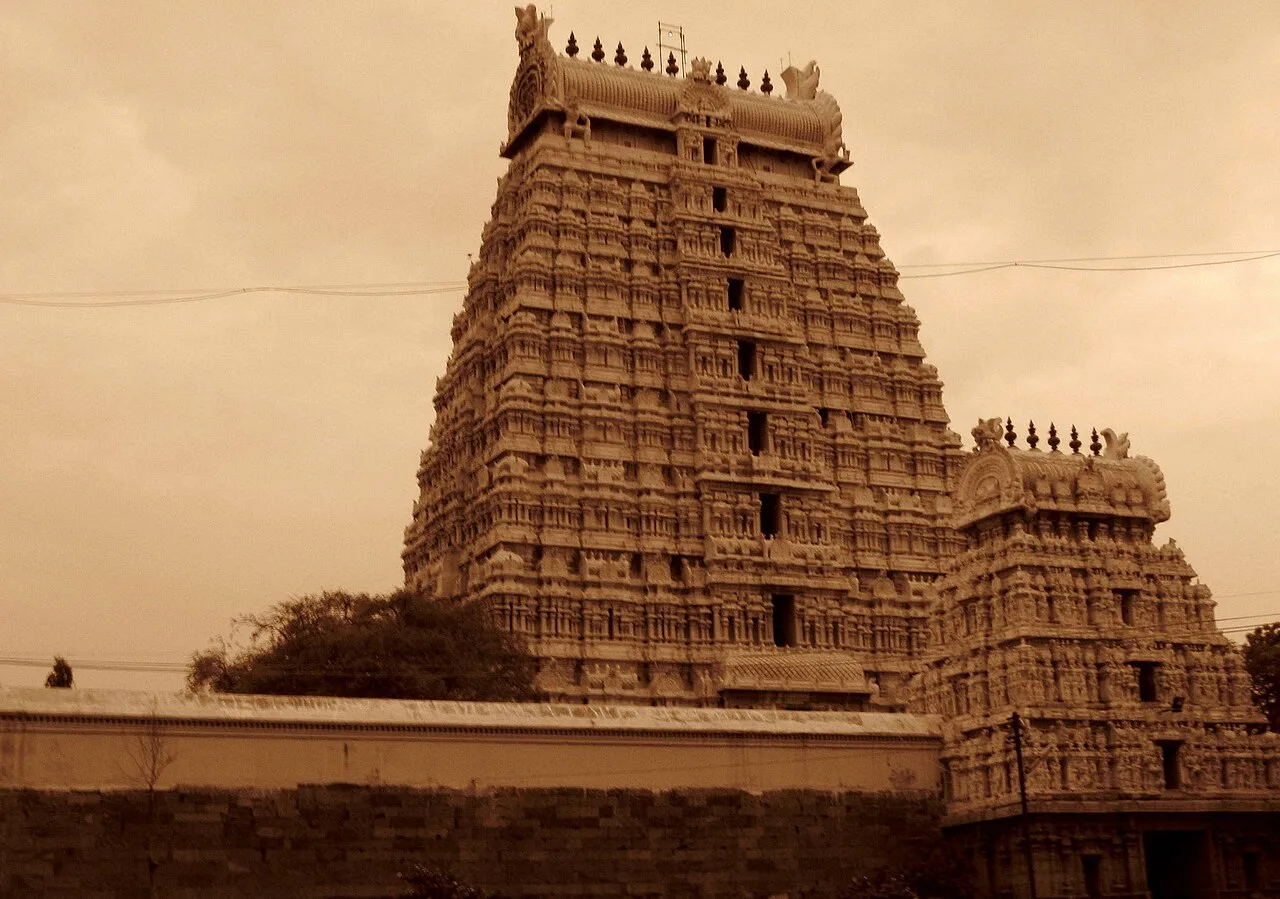
Chidambaram Nataraja Temple is a historic Shaivite shrine in Tamil Nadu, dedicated to Shiva as the cosmic dancer. Visitors come for its worship, dance imagery and distinctive architectural traditions.

Pichavaram Mangrove Forest

65 km away · Cuddalore district

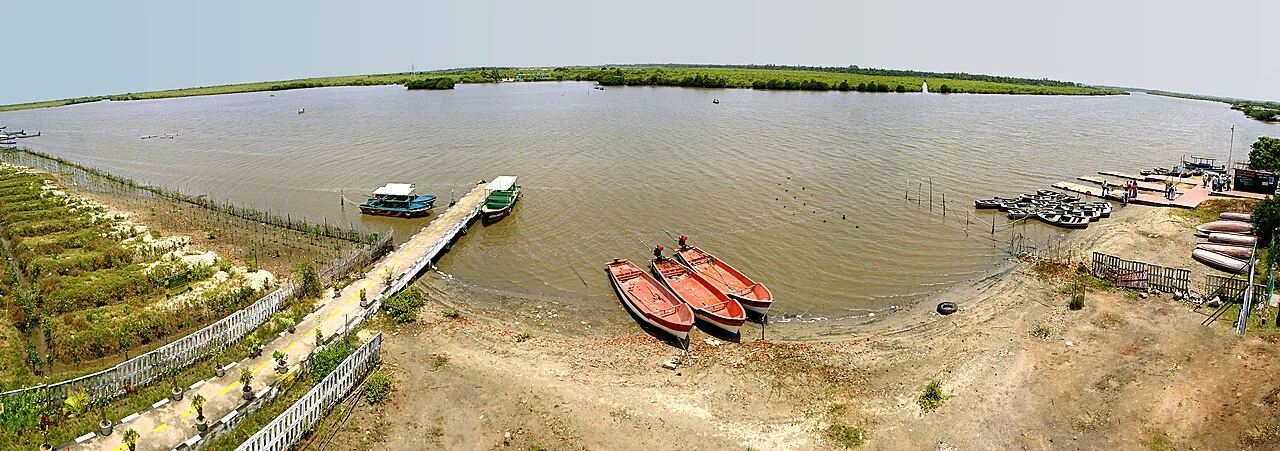
Pichavaram Mangrove Forest

Pichavaram Mangrove Forest is a mangrove wetland in Cuddalore district, Tamil Nadu. Visitors come to see the forest and its setting among the Vellar and Coleroon estuaries.

Vedanthangal Bird Sanctuary

78 km away · Chengalpattu district

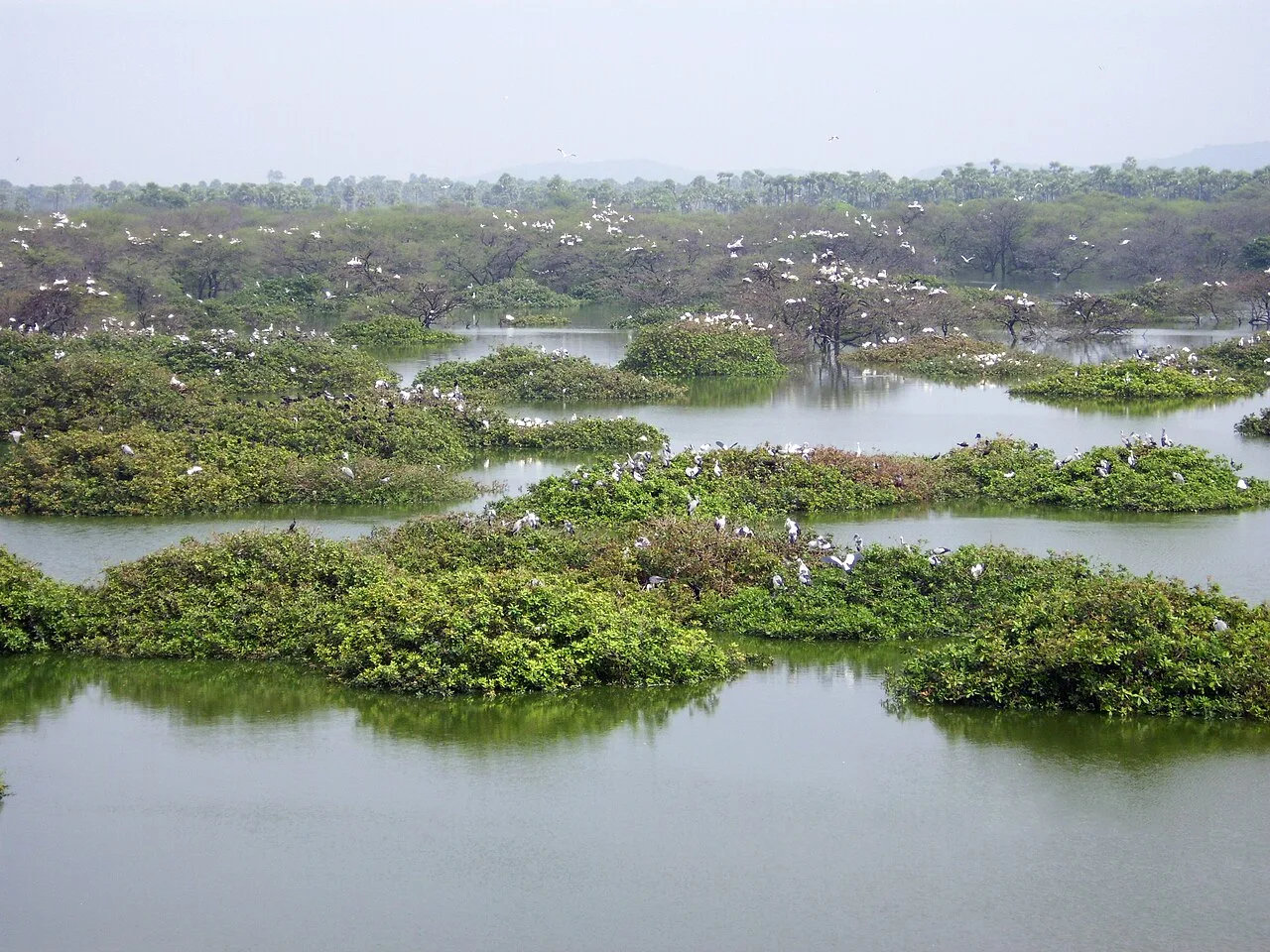
Vedanthangal Bird Sanctuary

Vedanthangal Bird Sanctuary in Tamil Nadu is a long-established wildlife sanctuary and protected Ramsar site. Visitors come to see the many birds recorded there during the migratory season.

Gangaikonda Cholapuram Temple

82 km away · Ariyalur district

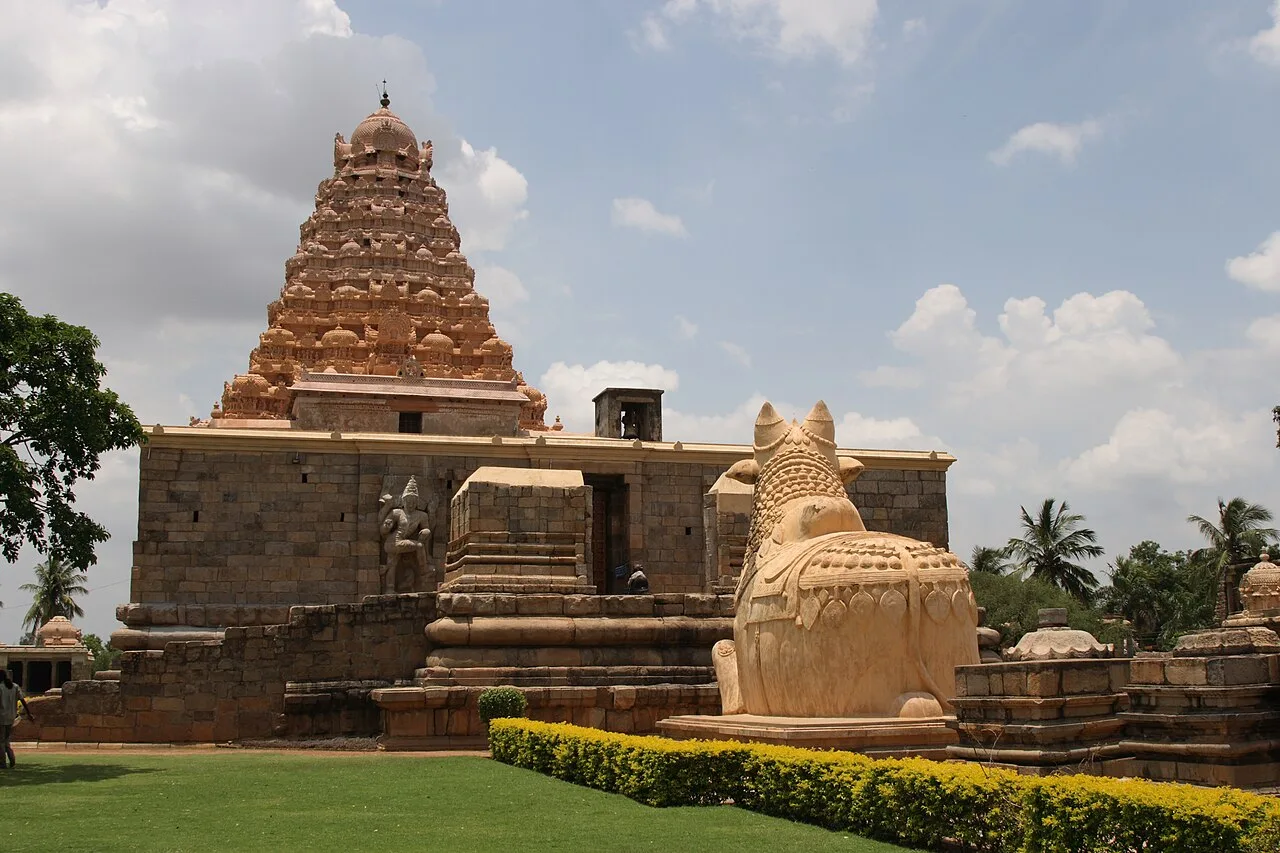
Gangaikonda Cholapuram Temple

Set in Ariyalur district, Gangaikonda Cholapuram is a former Chola capital known for its Brihadisvara Temple, whose scale, architecture and sculpture distinguish it and whose site has UNESCO World Heritage status.

Vaitheeswaran Koil

86 km away · Mayiladuthurai district

Vaitheeswaran Koil

Vaitheeswaran Koil is a Shiva temple in Tamil Nadu, known for its healing associations and link with Mars. People also visit the shrine’s sacred tank and the locality associated with Naadi astrology.

Map

Viluppuram on the map

  1. 1Gingee Fort
  2. 2Annamalaiyar Temple, Tiruvannamalai
  3. 3Sri Ramanasramam
  4. 4Chidambaram Nataraja Temple
  5. 5Pichavaram Mangrove Forest
  6. 6Vedanthangal Bird Sanctuary
  7. 7Gangaikonda Cholapuram Temple
  8. 8Vaitheeswaran Koil

Tamil Nadu

Other cities to explore