Ghumoopedia — Explore, Discover, Experience
Sign in

City guide · Jharkhand

Hussainabad

Hussainabad, commonly called Japla, is a town and subdivision in Palamu district, at the western edge of Jharkhand near the Bihar border. Its position close to Deori and the Son River gives it a distinctive place in the region, where state boundaries, river routes and local trade meet.

Famous for

  • Japla Cement Factory heritage
  • Son River setting
  • Nawab Ghulam Hussain legacy
  • Japla railway connection

Why Hussainabad matters

Hussainabad, commonly called Japla, is a town and subdivision in Palamu district, at the western edge of Jharkhand near the Bihar border. Its position close to Deori and the Son River gives it a distinctive place in the region, where state boundaries, river routes and local trade meet. The town serves nearby settlements with administrative services, shops and everyday transport links.

Hussainabad is best known for its connection to the Japla Cement Factory, whose name became closely associated with the town, and for the story of its founder, Nawab Ghulam Hussain. The Son and its surrounding countryside are part of the area’s appeal, particularly for visitors travelling through the western Palamu region or visiting family and local communities. Hussainabad is not a major resort destination; its importance lies more in its regional role, its industrial memory and its position on the Jharkhand–Bihar side of the Son. Japla is also the name travellers will commonly encounter in local usage and railway references.
Famous for: crafts, trade & products

Hussainabad is most closely associated with the Japla Cement Factory, an important part of the town’s industrial identity and local memory. The name Japla is widely used alongside Hussainabad, reflecting that association. The factory’s historical presence helped distinguish the town, although visitors should not assume that the site operates as a visitor attraction or that factory tours are available.

The town’s commercial life is centred on everyday needs rather than a widely recognised specialist craft or destination shopping district. Local shops and market streets serve residents and people from nearby villages, with ordinary household goods, clothing, groceries and seasonal produce. There is no widely established local GI-tagged product or signature textile for which Hussainabad is particularly known. Visitors looking for regional food or useful essentials can browse the central market, while locally made goods and farm produce are more likely to be sold through small, informal shops than dedicated craft outlets. Japla railway station and the town centre are useful reference points when finding these services.

History

Hussainabad takes its name from Nawab Ghulam Hussain, remembered as the town’s founder. Its familiar alternate name, Japla, became closely linked with the Japla Cement Factory and remains common in local speech and travel references. Together, these names reflect the town’s growth from a local settlement into a service centre with a distinct industrial association.

The town lies in the western part of Palamu, a region whose history includes changing local powers and later British colonial administration. However, Hussainabad’s identity is more directly tied to its founder, its location near the Son and its modern role serving surrounding communities than to a well-documented series of local royal capitals or colonial monuments. In the modern period, administrative services, local trade and transport connections have helped sustain its importance. The cement industry left a lasting mark on how the town is recognised, even as daily life today is shaped by the needs of the wider subdivision.

Food, festivals & culture

Daily life in Hussainabad reflects its position in western Jharkhand and close connections with neighbouring Bihar. Hindi is widely used, alongside Bhojpuri and other regional speech. Meals commonly draw on the wider region’s home cooking, including rice, pulses, vegetables and seasonal greens; dishes such as litti and chokha are familiar across the surrounding area. Small eateries and market food stalls are practical places to sample everyday local fare, though the town is not especially known for a nationally recognised signature sweet or dish.

Holi and Diwali bring seasonal gatherings, while Chhath is an important autumn festival in the wider region, celebrated with prayers and offerings associated with water. Eid is observed by Muslim residents, and local temples and mosques serve as places of worship and community life. Religious observances, family gatherings and regional music are more central to the town’s cultural character than formal tourist performances. Festivals may be lively, but dates follow the relevant lunar calendars and vary from year to year.

Visiting the city

The cooler months, roughly November to February, are generally the most comfortable time to visit. Summers can be very hot, and the monsoon brings heavy rain that may affect road journeys. Japla railway station is the main rail access for Hussainabad. Gaya International Airport is a nearby airport option, but the onward road journey is substantial; check current connections before travelling.

Auto-rickshaws and shared or private vehicles are useful for getting around town and reaching nearby settlements. The central market and station area offer a straightforward introduction to daily life. Visitors can also explore the town’s older streets and, where access is safe and permitted, areas beside the Son River. Hussainabad works well as a short regional stop or as a base for local visits rather than as a destination with a large, organised sightseeing circuit.

Trips from the city

Nearest places to visit from Hussainabad

Our closest destination guides, by straight-line distance.

Palamu fort

74 km away · Palamu district

Palamu fort

Palamu Fort is a pair of ruined strongholds in Jharkhand, associated with the Chero dynasty. Visitors come to see their remains near Betla National Park and the Auranga River.

Betla National Park

76 km away · Palamu district

Betla National Park

Betla National Park is in Jharkhand’s Palamu and Latehar districts. Visitors come for its varied wildlife and to experience the state’s only national park.

Lower Ghaghri Falls

114 km away · Latehar district

Lower Ghaghri Falls

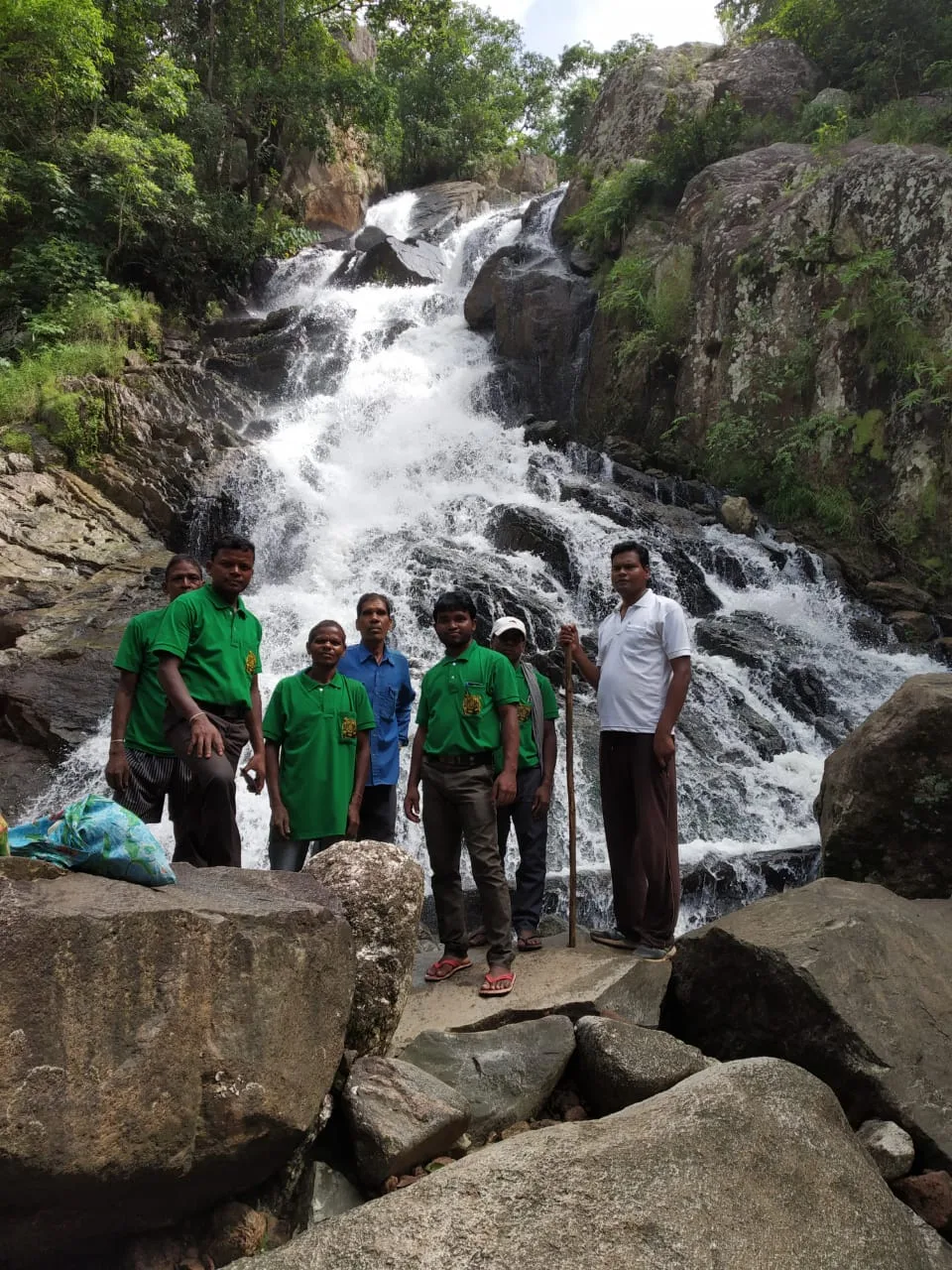
Lower Ghaghri Falls is a 320-foot cascade in Latehar district, Jharkhand, about 10 kilometres from Netarhat. Visitors come to see the waterfall and its forest surroundings.

Lodh Falls

117 km away · Latehar district

Lodh Falls

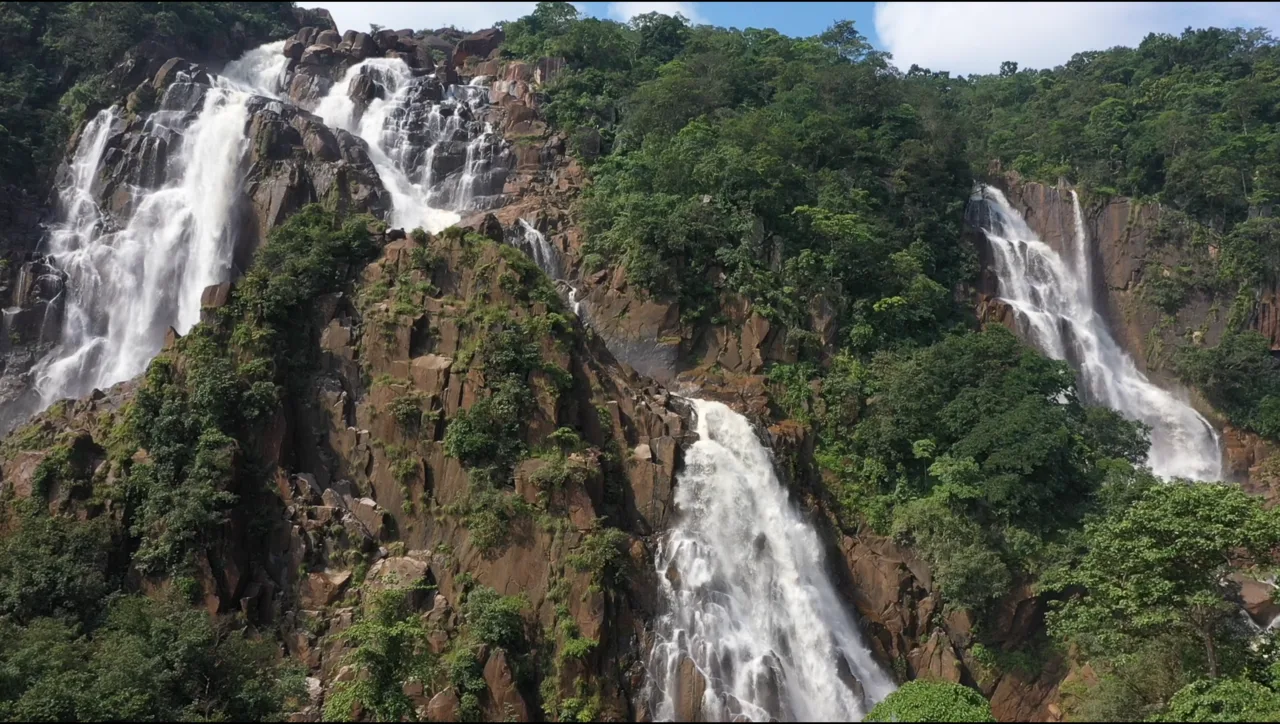
Lodh Falls, also called Budha Ghagh, is a waterfall in Latehar district, Jharkhand. Visitors come to see the Burha River’s falls, which are the tallest in the state.

Itkhori

120 km away · Chatra district

Itkhori

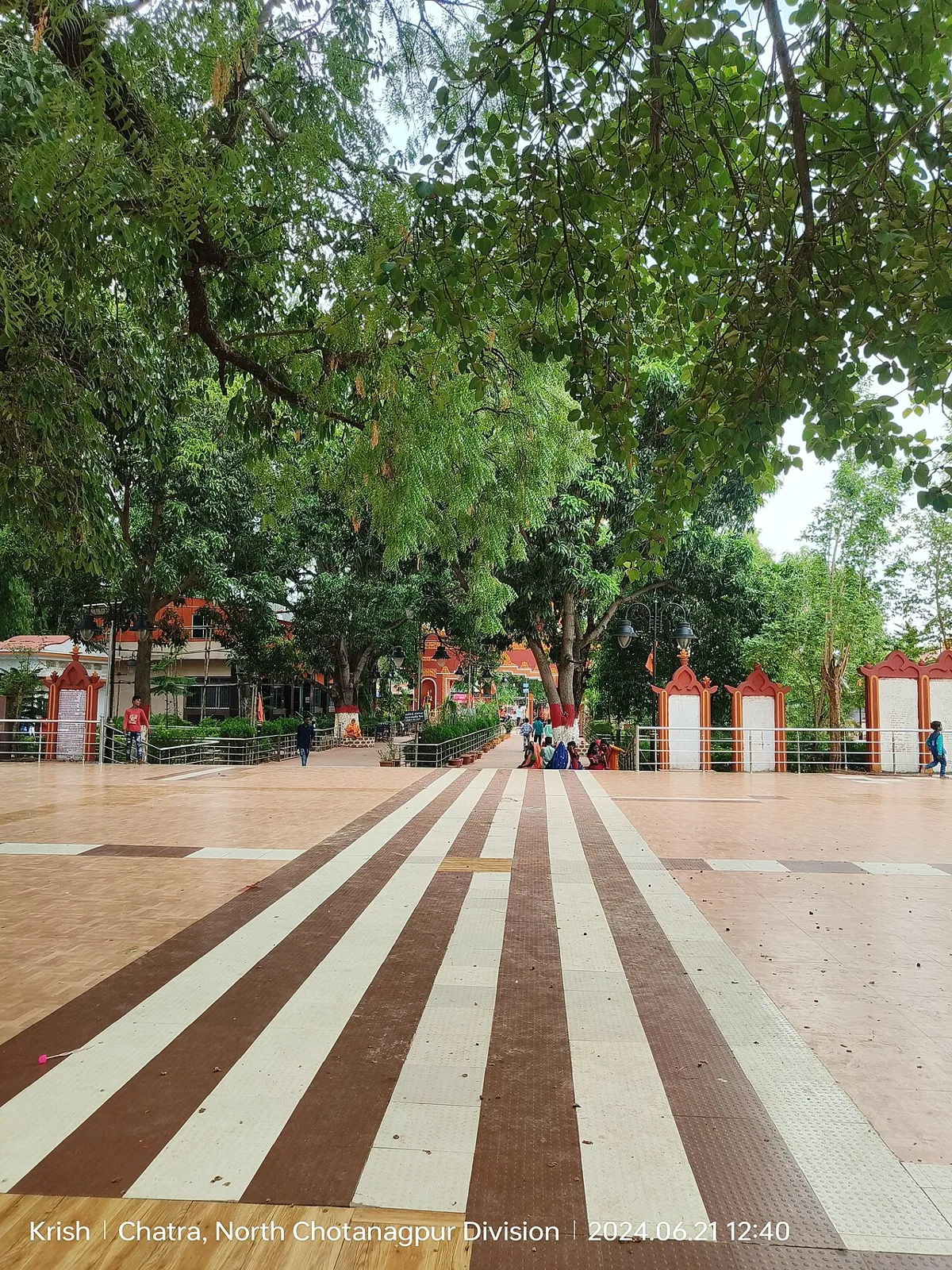
Itkhori is a village and gram panchayat in Jharkhand’s Chatra district. Visitors to the area come to see the settlement and its place within the Itkhori CD block.

Netarhat

120 km away · Latehar district

Netarhat

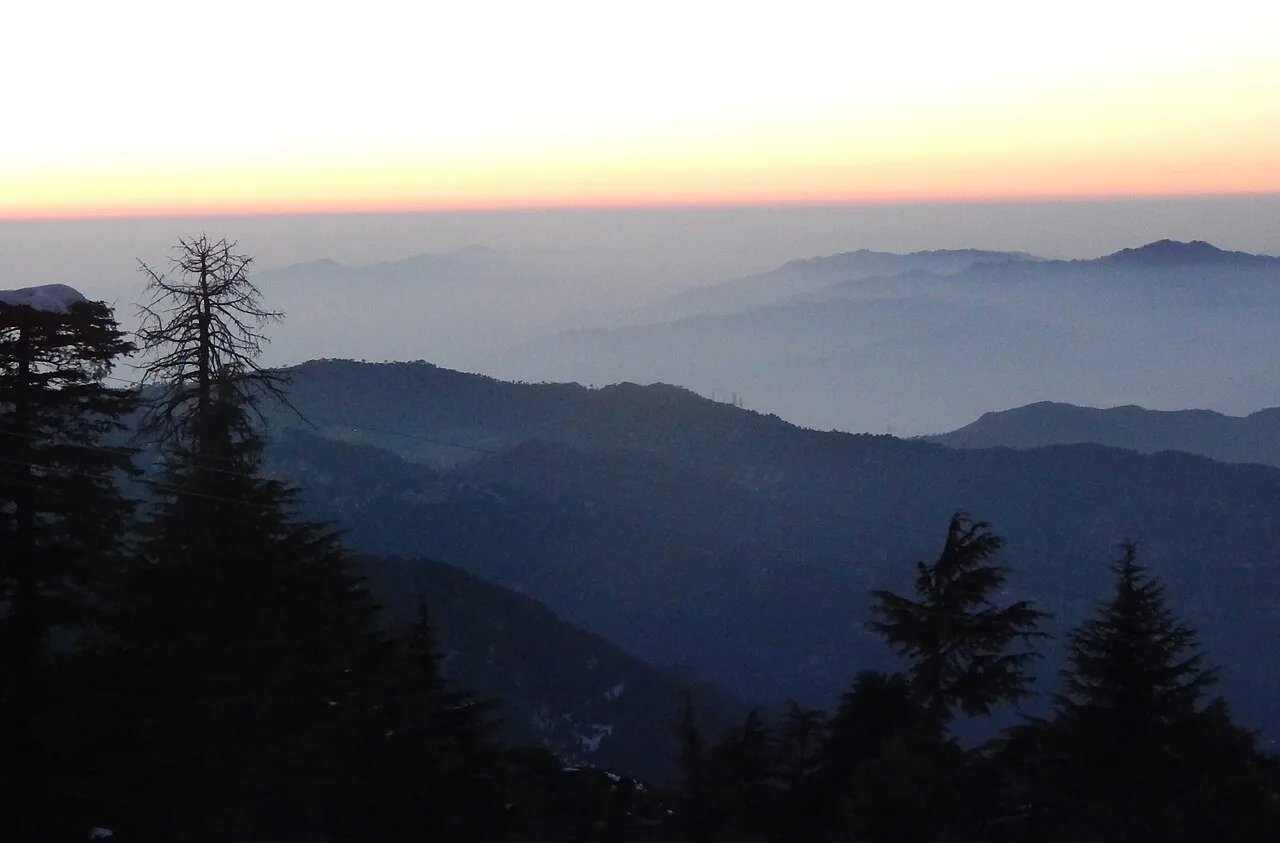
Netarhat, in Jharkhand’s Latehar district, is a hill station on the Chotanagpur plateau. Visitors come to experience its hills, forest and waterfalls.

140 km away · Gumla district

Sadni Falls

Sadni Falls, also called Sadnighagh Falls, is a waterfall in Jharkhand’s Gumla district, about three kilometres from Rajadera village. Visitors go there to see the falls.

Hazaribagh Wildlife Sanctuary

144 km away · Hazaribagh district

Hazaribagh Wildlife Sanctuary

Located in Jharkhand’s Hazaribagh district, this sanctuary was established in 1955, about 55 miles (89 km) north of Ranchi. People visit to see wildlife such as deer, monkeys and birds.

Map

Hussainabad on the map

  1. 1Palamu fort
  2. 2Betla National Park
  3. 3Lower Ghaghri Falls
  4. 4Lodh Falls
  5. 5Itkhori
  6. 6Netarhat
  7. 7Sadni Falls
  8. 8Hazaribagh Wildlife Sanctuary

Jharkhand

Other cities to explore