Ghumoopedia — Explore, Discover, Experience
Sign in
Maithon Dam, near Jamtara

City guide · Jharkhand

Jamtara

Jamtara is a small administrative and railway town in eastern Jharkhand. It serves as the headquarters of Jamtara district, its Sadar subdivision and its community development block, making it an important centre for public services and local administration.

Famous for

  • District headquarters
  • Phishing-scam notoriety
  • Jamtara railway station
  • Santhal-region traditions

Why Jamtara matters

Jamtara is a small administrative and railway town in eastern Jharkhand. It serves as the headquarters of Jamtara district, its Sadar subdivision and its community development block, making it an important centre for public services and local administration. The town is about 54 kilometres from Dhanbad and around 250 kilometres from Ranchi, and its rail connection places it on a major route through eastern India.

Jamtara is widely known beyond the region for reports of phishing scams associated with the district. That notoriety is not a visitor attraction, and it should not obscure the everyday character of the town or its wider rural setting. Visitors are more likely to use Jamtara as a practical base for district business, family visits or rail journeys than as a destination with a large circuit of established tourist sights. Its local importance lies in its administrative role and connections to nearby communities. The town also sits within a culturally diverse part of Jharkhand, where Santhal and other regional traditions form part of local life.
Famous for: crafts, trade & products

Jamtara is not widely recognised for a signature textile, saree, handicraft or GI-tagged product. It is better understood as a district service and trading centre, where local shops and market areas cater mainly to everyday needs. Visitors can look for household goods, clothing, groceries and seasonal produce in the town’s central shopping areas, but should not expect a dedicated craft bazaar or a specialist souvenir market.

The town’s most notable institutional role is its concentration of district and subdivision offices. Edwards English School is among its educational institutions. Local shops are the most practical places to browse for items made or grown in the surrounding area; buyers should ask sellers about a product’s origin rather than assume it is unique to Jamtara. For a wider choice of branded goods or specialist shopping, travellers may need to look to larger nearby urban centres. Jamtara’s identity is therefore tied more to administration, rail access and local trade than to a celebrated manufacturing or craft tradition.

History

Jamtara developed as a local settlement and administrative centre in the eastern part of present-day Jharkhand. Its history is connected to the wider Santhal Parganas region, whose administration changed during the colonial era, particularly after the Santhal rebellion of 1855–56. The town is not especially known for a royal court or a major historic monument, so its growth is best understood through its changing administrative role and links with surrounding rural communities.

Railway access helped connect Jamtara with other towns along a major eastern Indian route. After Jharkhand became a state in 2000, Jamtara district was formed in 2001 from territory that had been part of Dumka district. Jamtara became the new district headquarters, strengthening its role as a centre for government services, education and local commerce. The town’s present-day character reflects this combination of regional roots, rail connectivity and modern district administration.

Food, festivals & culture

Jamtara’s food reflects the wider eastern Jharkhand region. Rice, pulses, seasonal vegetables and leafy greens are everyday staples; visitors may also find regional snacks such as dhuska and pitha, though menus vary between households and eateries. There is no single sweet strongly identified with the town, so local bakeries and sweet shops are the best places to sample what is made locally.

Hindi is widely used, alongside languages such as Santhali, Bengali and Khortha in the district and surrounding area. Santhal music and group dances are part of the region’s cultural life, especially around community gatherings and seasonal celebrations. Sarhul is celebrated in spring, while Karma, Sohrai and Tusu are associated with the monsoon, harvest and winter seasons in different communities. Durga Puja and Chhath are also observed. Places of worship include temples, mosques, churches and village sacred sites; celebrations and customs can differ from one neighbourhood or community to another.

Visiting the city

The cooler months, roughly October to March, are generally the most comfortable time to visit. Summers can be hot, while the monsoon brings heavier rain. Jamtara railway station is the main rail stop. Deoghar Airport is a nearby air gateway, though flight options can vary; check current connections before planning a journey.

Within town, auto-rickshaws and local taxis are practical for short trips. The central area, local shopping streets and district administrative quarter offer a sense of everyday town life, while trips to outlying villages are easier with transport arranged in advance. Jamtara is a modestly serviced town rather than a developed sightseeing hub, so visitors should plan around their rail connection, local appointments or visits to nearby communities.

Trips from the city

Nearest places to visit from Jamtara

Our closest destination guides, by straight-line distance.

Maithon Dam

13 km away · Dhanbad district

Maithon Dam

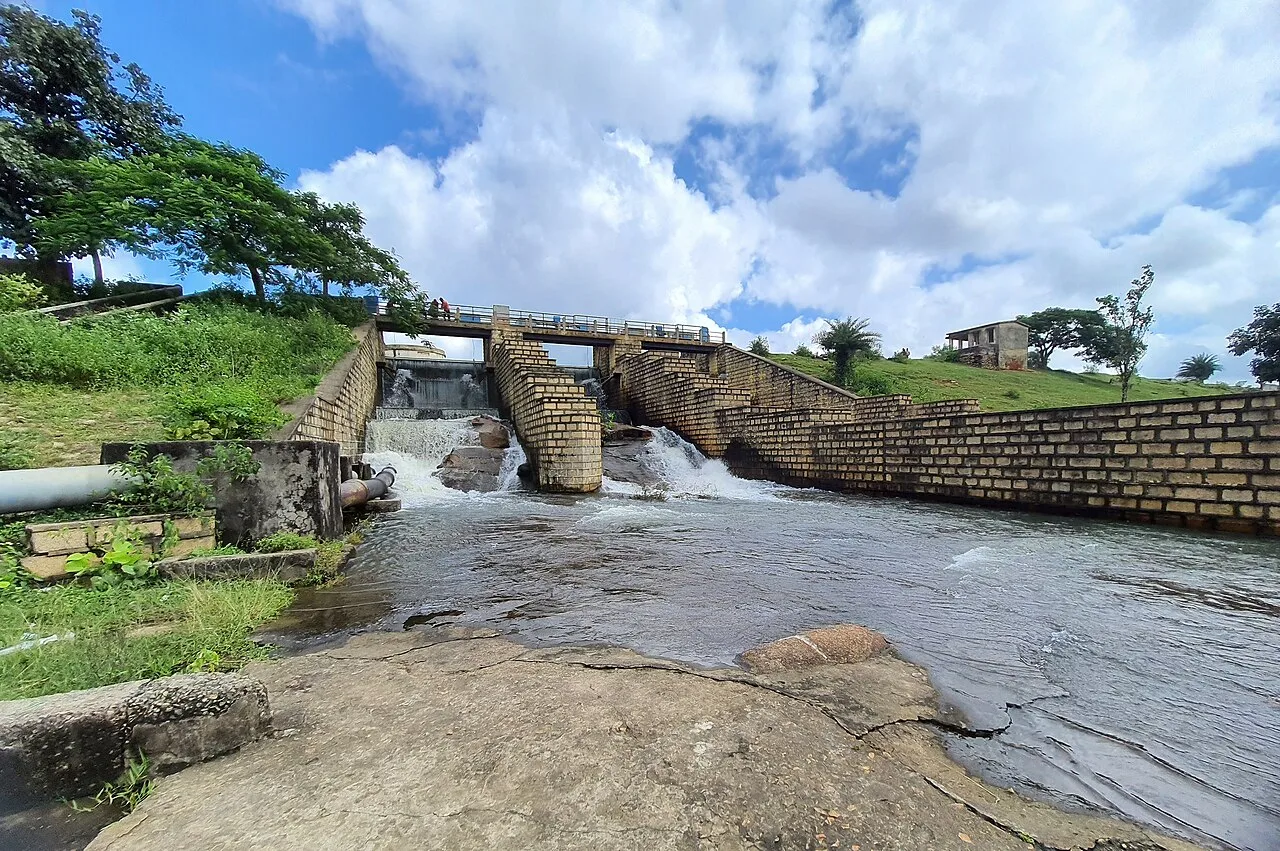
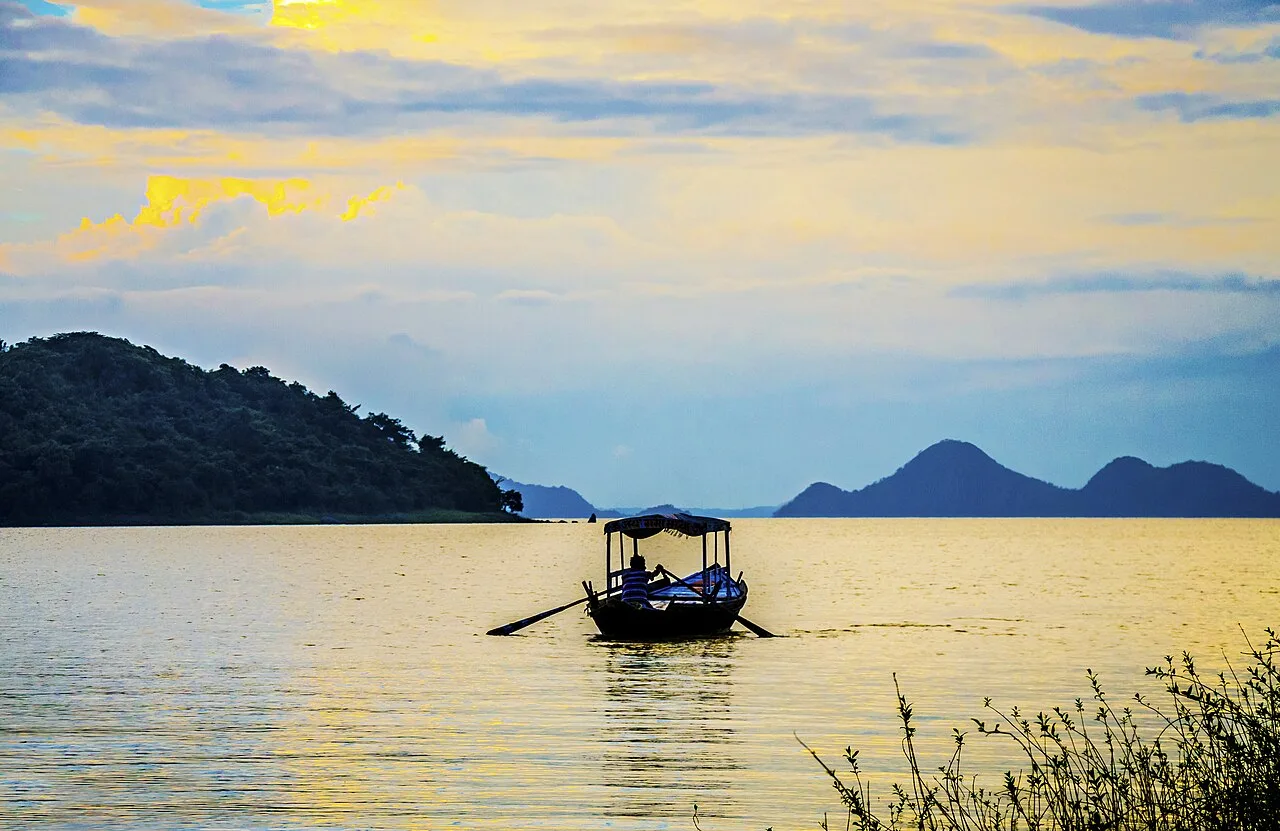
Maithon Dam, built across the Barakar River in Jharkhand, draws visitors for its underground power station, natural surroundings and religious significance, as well as its role in flood control.

Panchet Dam

32 km away · Dhanbad district

Panchet Dam

Panchet Dam is a multipurpose structure on the Damodar River in Jharkhand. Visitors come to see the dam and its place in the opening stage of the DVC’s development programme.

Usri Falls

46 km away · Giridih district

Usri Falls

Usri Falls is a waterfall in Giridih district, Jharkhand, visited by tourists and picnickers. The name Ushree means beautiful source.

Basukinath

55 km away · Dumka district

Basukinath

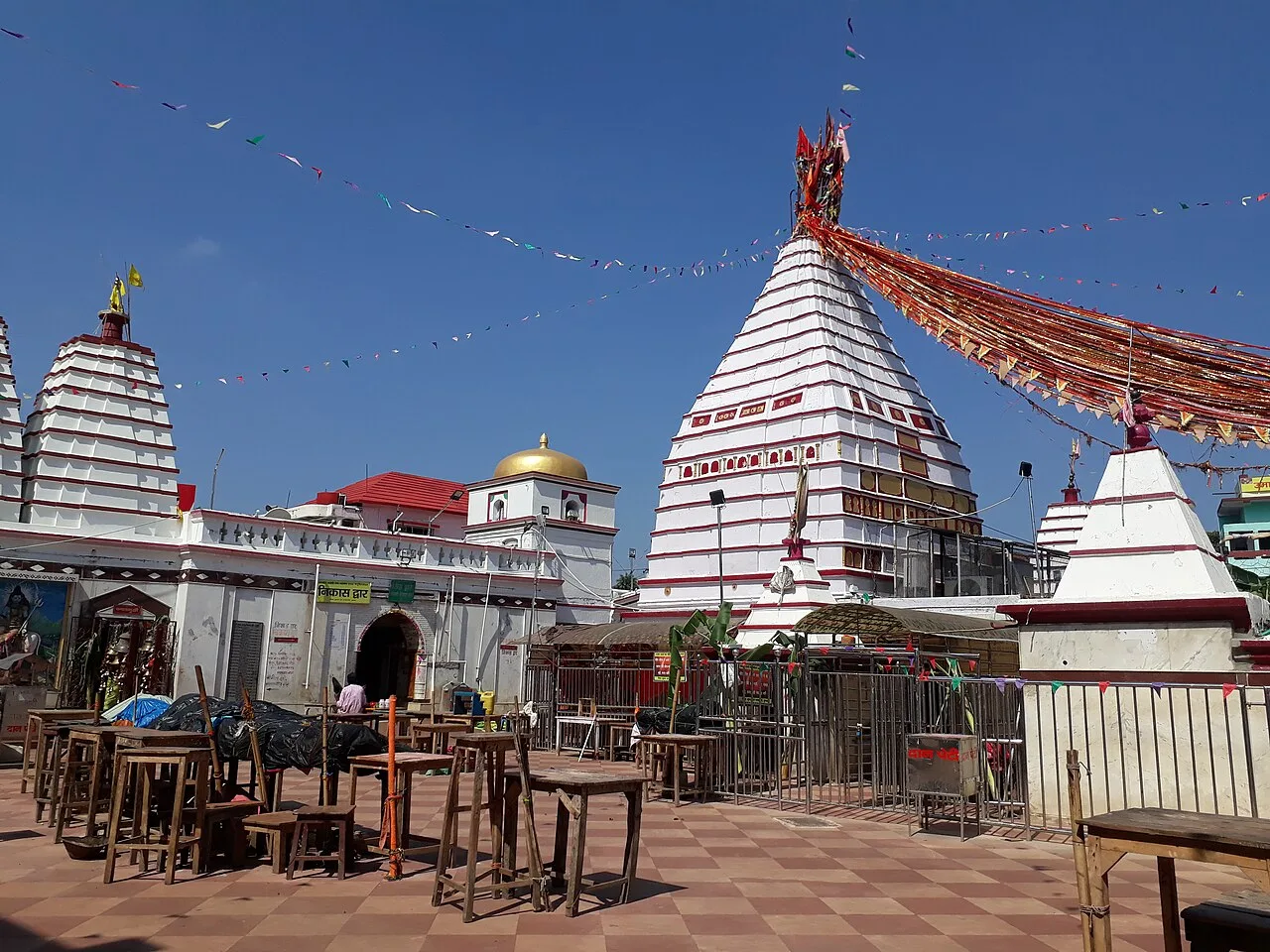
Basukinath is a temple-centred town with notified-area status in Jharkhand’s Dumka district. Visitors come for its association with temples.

Khandoli Dam

55 km away · Giridih district

Khandoli Dam

Khandoli Dam is a reservoir in Giridih district, Jharkhand, where visitors come to see the site at the base of Khandoli Hill.

Baidyanath Temple

60 km away · Deoghar district

Baidyanath Temple

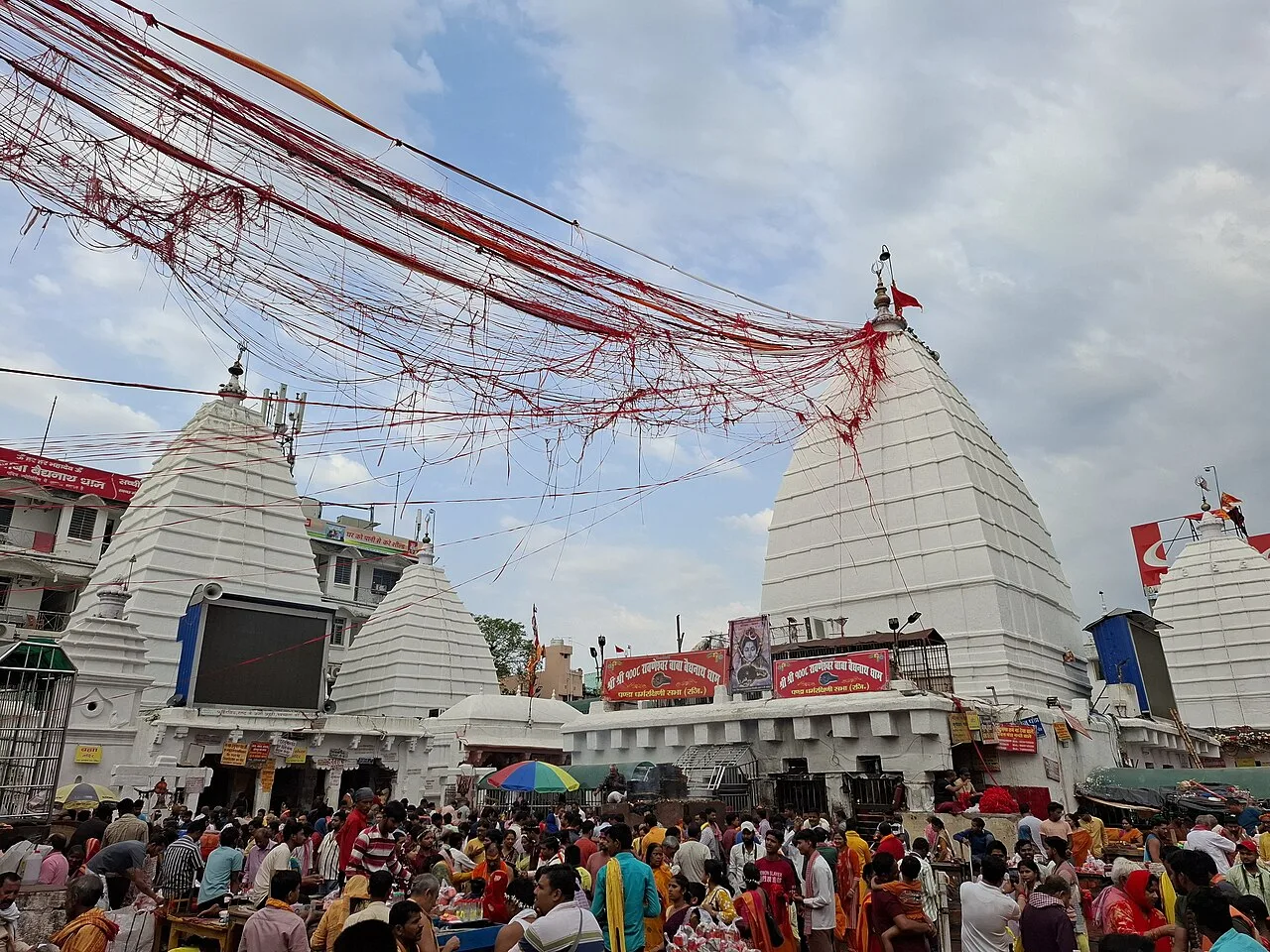
Baidyanath Temple is a Hindu shrine to Shiva in Deoghar, Jharkhand, visited by worshippers for Baba Baidyanath and its place among the twelve Jyotirlingas.

Trikut Hill

60 km away · Deoghar district

Trikut Hill

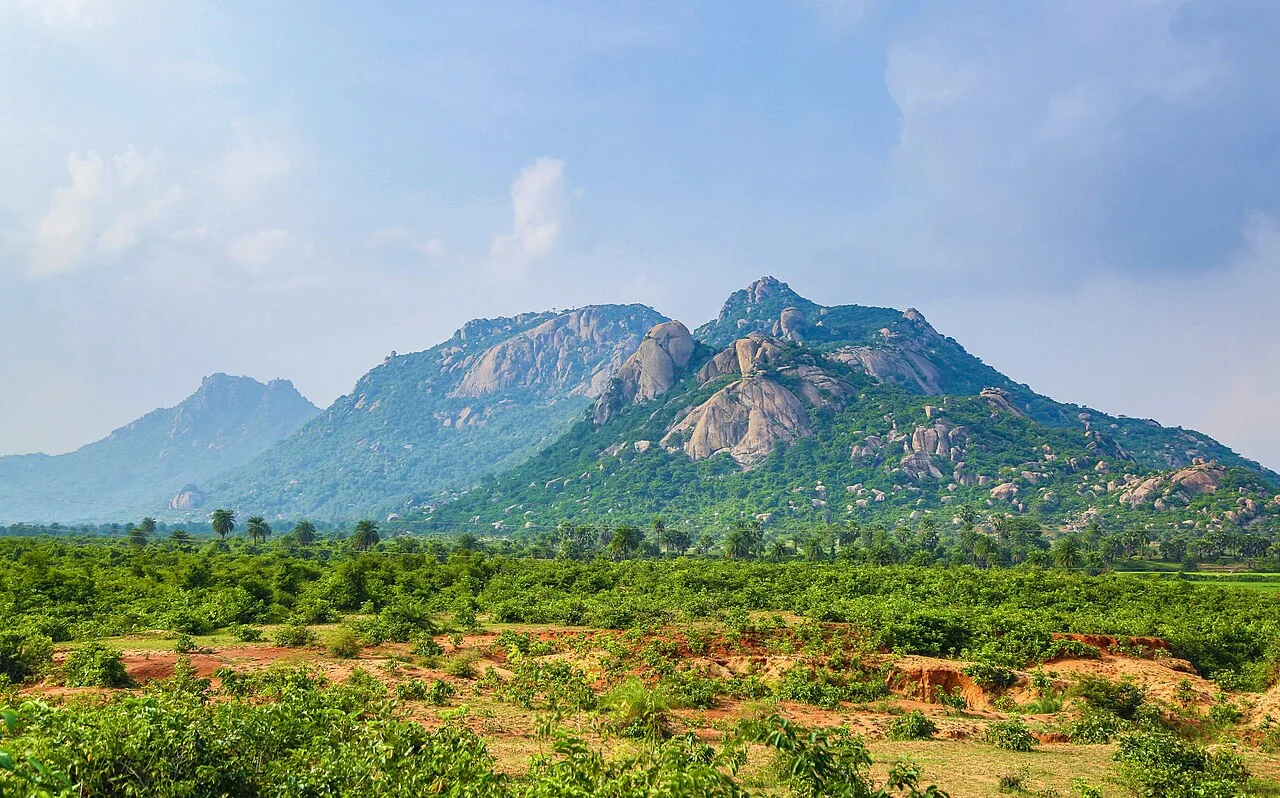
Trikut Hill is a three-peaked pilgrimage destination near Deoghar, Jharkhand. Devotees visit for its religious associations, while others climb the slopes to experience its seasonal scenery and views.

Parasnath

68 km away · Giridih district

Parasnath

Parasnath is a summit in Jharkhand’s Giridih district and part of the range that bears its name. People visit Shikharji, the Jain pilgrimage site on the summit, linked to Parshvanatha.

Map

Jamtara on the map

  1. 1Maithon Dam
  2. 2Panchet Dam
  3. 3Usri Falls
  4. 4Basukinath
  5. 5Khandoli Dam
  6. 6Baidyanath Temple
  7. 7Trikut Hill
  8. 8Parasnath

Jharkhand

Other cities to explore