Ghumoopedia — Explore, Discover, Experience
Sign in
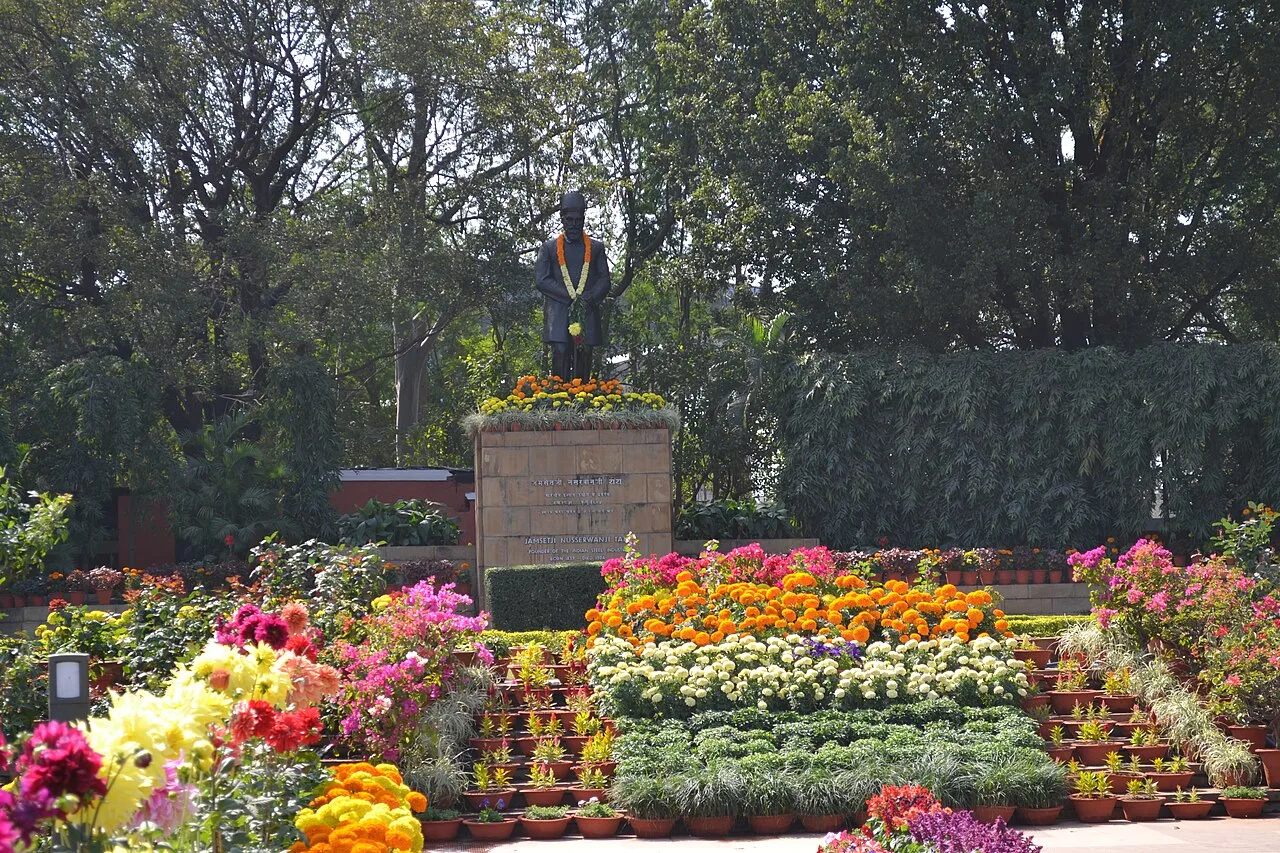
Jubilee Park, near Musabani

City guide · Jharkhand

Musabani

Musabani is a small mining town in East Singhbhum district, in Jharkhand’s Ghatshila subdivision. Its importance grew around copper extraction, and its name remains closely associated with the region’s mining history.

Famous for

  • Historic copper mining
  • Banalopa mine
  • British-era mining heritage
  • East Singhbhum’s copper belt

Why Musabani matters

Musabani is a small mining town in East Singhbhum district, in Jharkhand’s Ghatshila subdivision. Its importance grew around copper extraction, and its name remains closely associated with the region’s mining history. The town is part of a wider industrial and rural landscape that includes Ghatshila and other communities of the East Singhbhum copper belt.

Visitors come chiefly to understand this mining legacy and to experience a quieter part of the Chota Nagpur Plateau. The surrounding countryside, with forested slopes and scattered settlements, offers a contrast to the town’s industrial past. Musabani is not a large sightseeing centre, and its appeal is more local and historical than resort-based. The old mine areas and related infrastructure help tell the story of copper working in the region, while the town bazaar provides a glimpse of everyday life. It is also a practical stop for travellers exploring nearby Ghatshila and the wider East Singhbhum region.
Famous for: crafts, trade & products

Musabani is best known for copper mining rather than for a signature textile, handicraft or GI-tagged product. The area’s historic mines formed part of the copper belt developed during the colonial period, and the Banalopa mine is among the early landmarks in that story. Mining activity later became associated with the Indian Copper Complex and Hindustan Copper’s operations in the region. The town’s identity still reflects that industrial past, although visitors should not assume that old mine sites are currently operating or open to the public.

For everyday shopping, the town’s local bazaar and neighbourhood shops serve residents with groceries, household goods and seasonal produce. Small markets in the surrounding settlements likewise focus on daily needs rather than tourist souvenirs. There is no widely recognised local speciality market for textiles or crafts; visitors looking for regional products may find seasonal forest produce and handmade goods at local markets, depending on availability. Ask locally before buying, and do not enter mine property or abandoned workings without permission.

History

Copper working is associated with the Musabani area from an early period, but industrial mining transformed the settlement during the colonial era. The British renewed mining activity as demand for copper grew, and Musabani became one of the early copper-mining centres in British India. Banalopa mine began in 1928, followed by mining development in the early 1930s. These operations brought workers and supporting services to what had been a much smaller settlement.

After independence, the copper industry continued under organised public-sector management, with the Indian Copper Complex and Hindustan Copper becoming important names in the wider region’s mining history. Musabani’s growth was closely tied to the mines, their workforce and associated infrastructure. As mining activity declined, the town’s economy and identity shifted, though the industrial landscape remains a visible reminder of its former role. Today Musabani is a town and the headquarters area of its block within East Singhbhum district.

Food, festivals & culture

Musabani reflects the cultural mix of East Singhbhum, where Adivasi communities live alongside Bengali, Hindi-speaking and other residents. Hindi is widely used, while Ho, Santali, Bengali and regional varieties are also heard. Rice is a staple, commonly served with dal, seasonal vegetables, leafy greens and, in many households, fish. Local meals are generally home-style rather than associated with a nationally known Musabani speciality; rice-based snacks and seasonal sweets may be found in local shops and homes.

The festival calendar includes Sarhul in spring, Karam during the monsoon season and Sohrai around the post-harvest period, alongside Durga Puja and Chhath. Community celebrations may feature traditional songs, drums and dances, with forms varying between communities and occasions. Places of worship include Hindu temples and Adivasi sacred sites; the wider region also has diverse religious communities. Visitors should be respectful at ceremonies and ask before photographing people or entering sacred spaces.

Visiting the city

The cooler, drier months from October to March are generally the most comfortable for visiting. Sonari Airport in Jamshedpur is the nearest airport geographically, but scheduled flight options are limited; Birsa Munda Airport in Ranchi is a larger option for regular air connections. Ghatshila is the main nearby railway station, while Tatanagar is another rail gateway for the region.

Local travel is by auto-rickshaw, shared vehicles, buses or hired cars, with services varying by route. Explore the town centre and bazaar for everyday life, and view the mining landscape only from public areas. Mine sites may be restricted or unsafe, so do not enter without permission. Musabani can also be paired with a visit to Ghatshila and nearby countryside; check local conditions before setting out.

Trips from the city

Nearest places to visit from Musabani

Our closest destination guides, by straight-line distance.

Jubilee Park

43 km away · East Singhbhum district

Jubilee Park

Jubilee Park is a large public park in Jamshedpur, Jharkhand, with space for outdoor activities and attractions including gardens, a lake, an amusement park and a zoo.

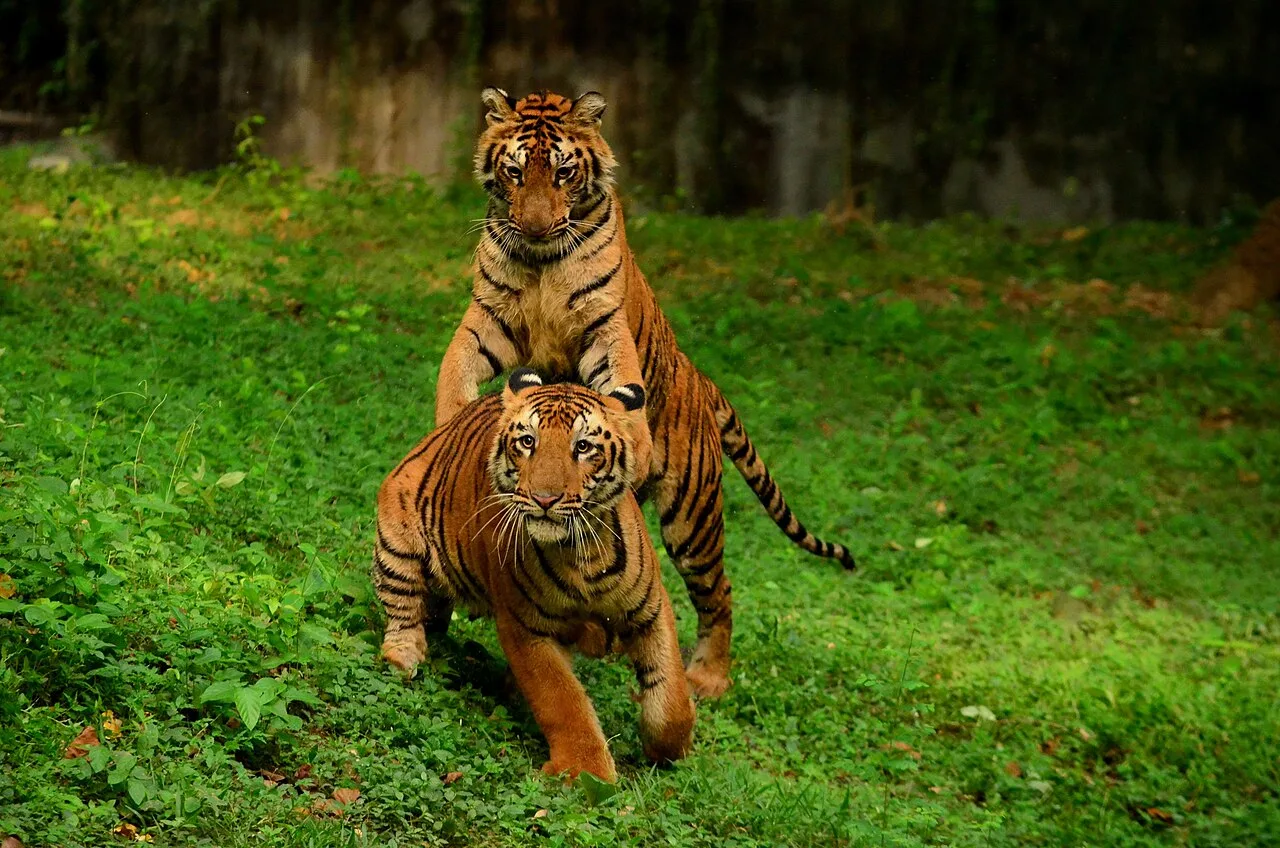
Tata Steel Zoological Park

43 km away · East Singhbhum district

Tata Steel Zoological Park

Tata Steel Zoological Park is a zoo in Jubilee Park, Jamshedpur, where visitors come to see animals and enclosures updated through its phased redevelopment.

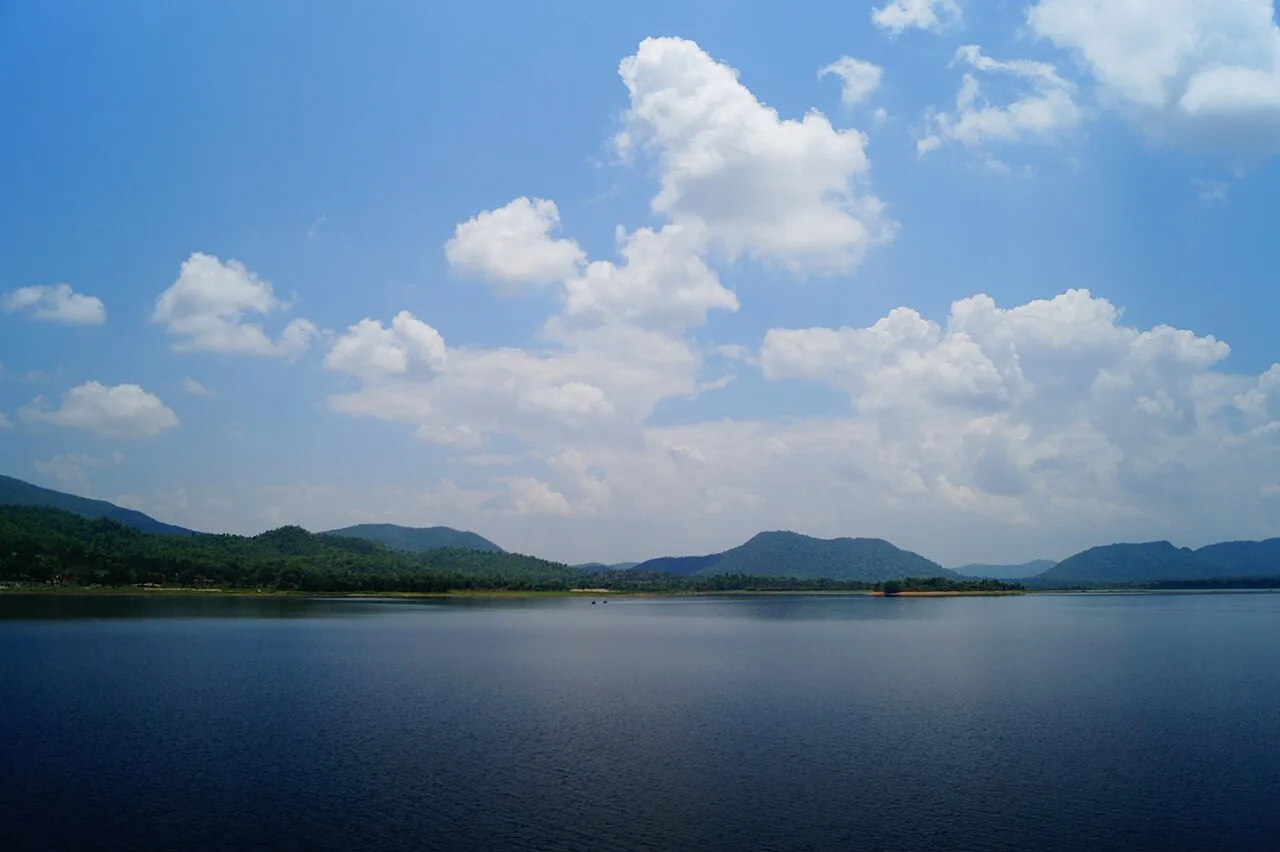
Dimna Lake

44 km away · East Singhbhum district

Dimna Lake

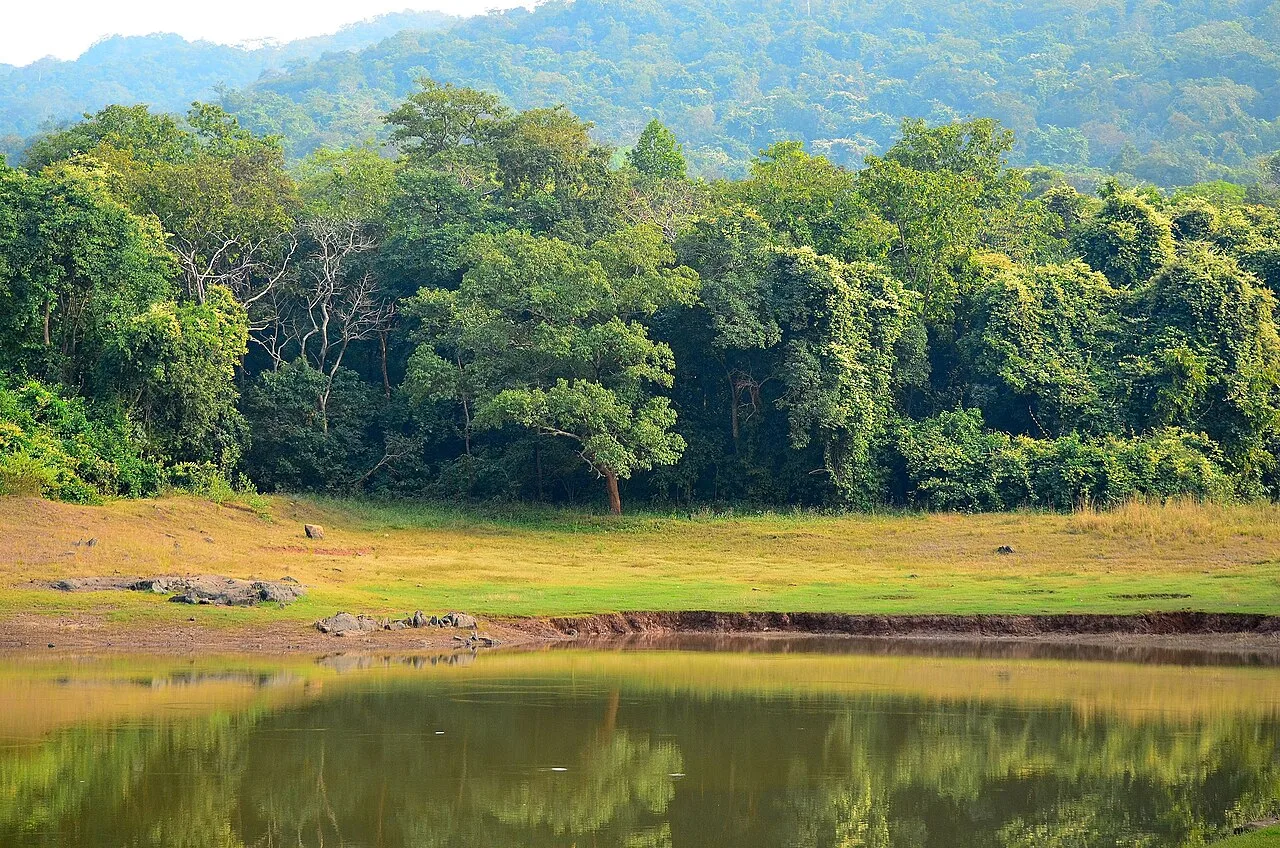
Dimna Lake is a man-made reservoir in Jharkhand, near Jamshedpur and Dalma Wildlife Sanctuary. Visitors can see a lake whose creation was tied to the city’s need for water.

Dalma Wildlife Sanctuary

50 km away · East Singhbhum district

Dalma Wildlife Sanctuary

In Jharkhand’s East Singhbhum district, Dalma Wildlife Sanctuary is a wildlife refuge supporting Indian elephants. Visitors come to encounter its wildlife and elephant habitat.

Chandil Dam

68 km away · Seraikela Kharsawan district

Chandil Dam

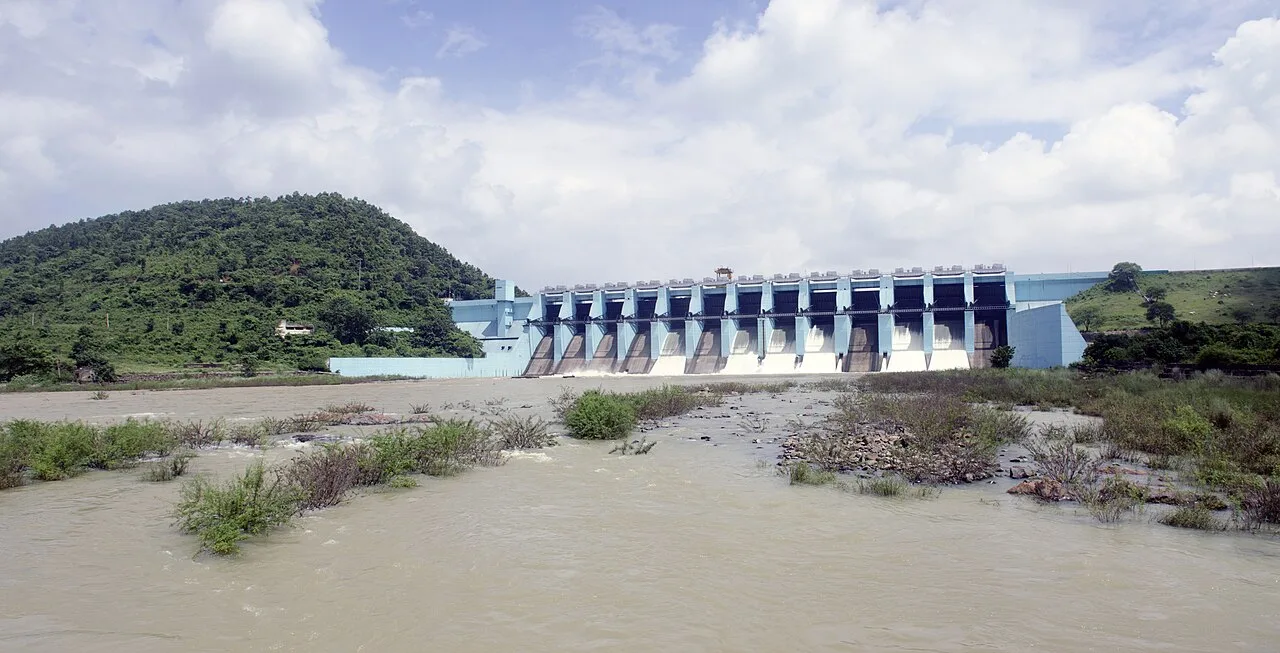
Chandil Dam, in Jharkhand’s Seraikela Kharsawan district, crosses the Subarnarekha and belongs to the Subarnarekha Multipurpose Project. Visitors can see the structure and its connection with the river.

112 km away · Khunti district

Ulihatu

Ulihatu is a village in Khunti district, Jharkhand, administratively placed in Arki CD block and Khunti Sadar subdivision. These details help visitors identify the village within the district.

Hirni Falls

122 km away · West Singhbhum district

Hirni Falls

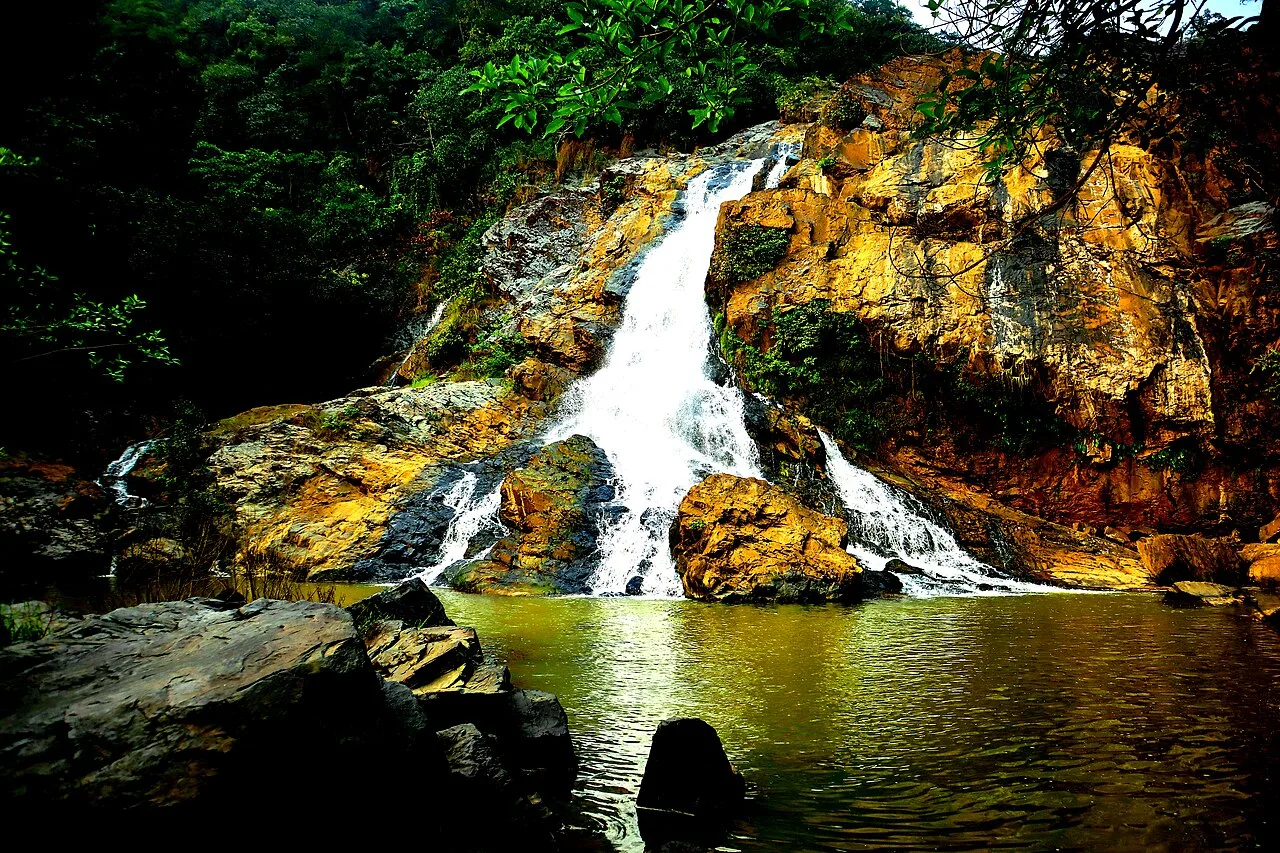
Hirni Falls is a waterfall in Jharkhand’s West Singhbhum district. Visitors go to see the waterfall, the defining feature of this place.

Dassam Falls

123 km away · Ranchi district

Dassam Falls

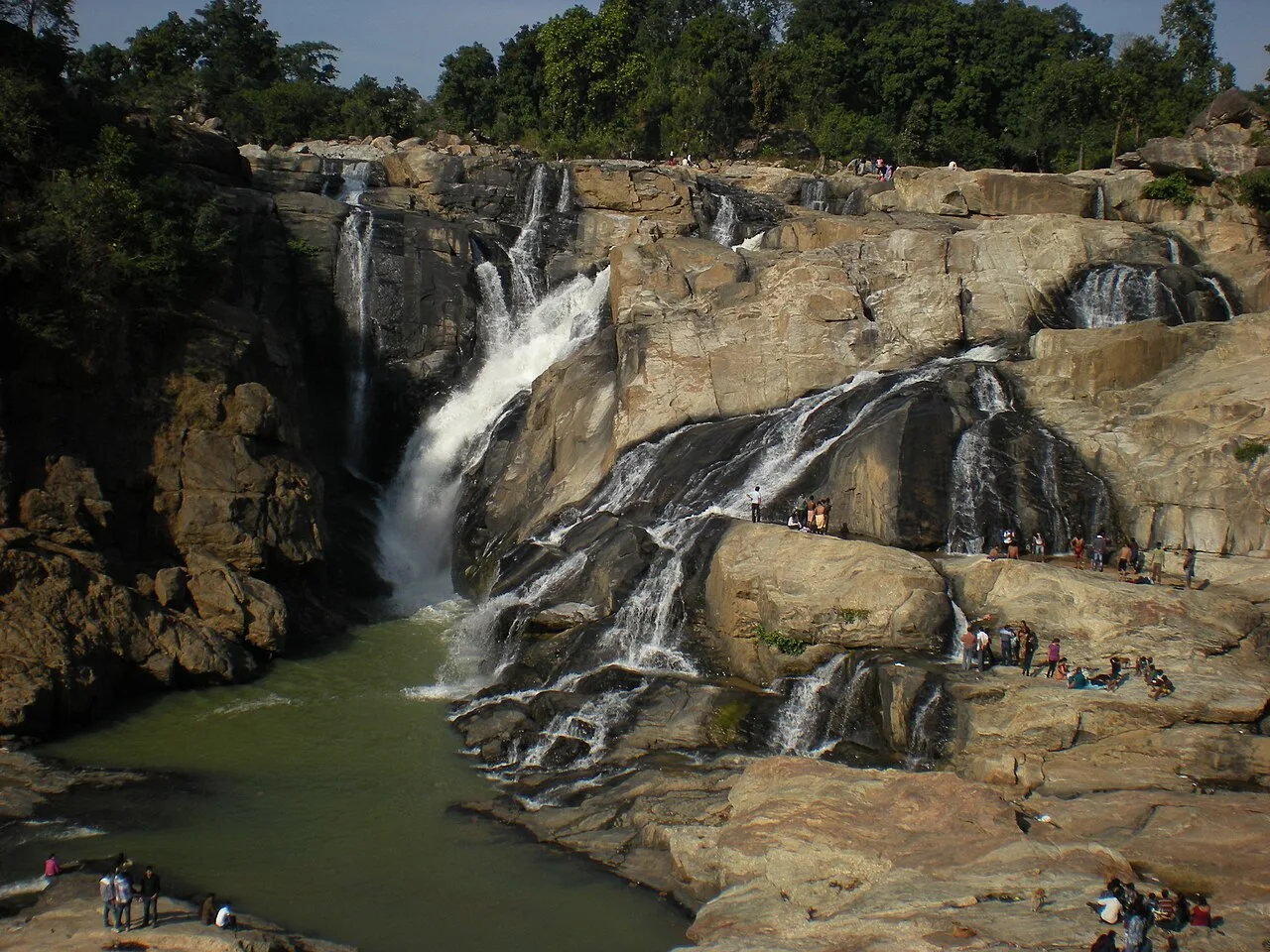
Dassam Falls, also known as Dassam Ghagh, is a 144-foot waterfall formed by the Kanchi River in Jharkhand. Visitors come to see the river’s descent.

Map

Musabani on the map

  1. 1Jubilee Park
  2. 2Tata Steel Zoological Park
  3. 3Dimna Lake
  4. 4Dalma Wildlife Sanctuary
  5. 5Chandil Dam
  6. 6Ulihatu
  7. 7Hirni Falls
  8. 8Dassam Falls

Jharkhand

Other cities to explore