Ghumoopedia — Explore, Discover, Experience
Sign in
Kiriburu, near Noamundi

City guide · Jharkhand

Noamundi

Noamundi is a mining town and administrative block in West Singhbhum district, close to the Odisha border. Its iron-ore deposits have made it an important industrial centre, with Tata Steel’s mining operations central to the local economy.

Famous for

  • Iron ore mining
  • Tata Steel operations
  • Saranda forest landscape
  • Ho Adivasi culture
  • Jharkhand–Odisha border setting

Why Noamundi matters

Noamundi is a mining town and administrative block in West Singhbhum district, close to the Odisha border. Its iron-ore deposits have made it an important industrial centre, with Tata Steel’s mining operations central to the local economy. The town is also linked to nearby mining settlements such as Barajamda, Gua and Kiriburu, while Chaibasa is the district headquarters, about 64 km away.

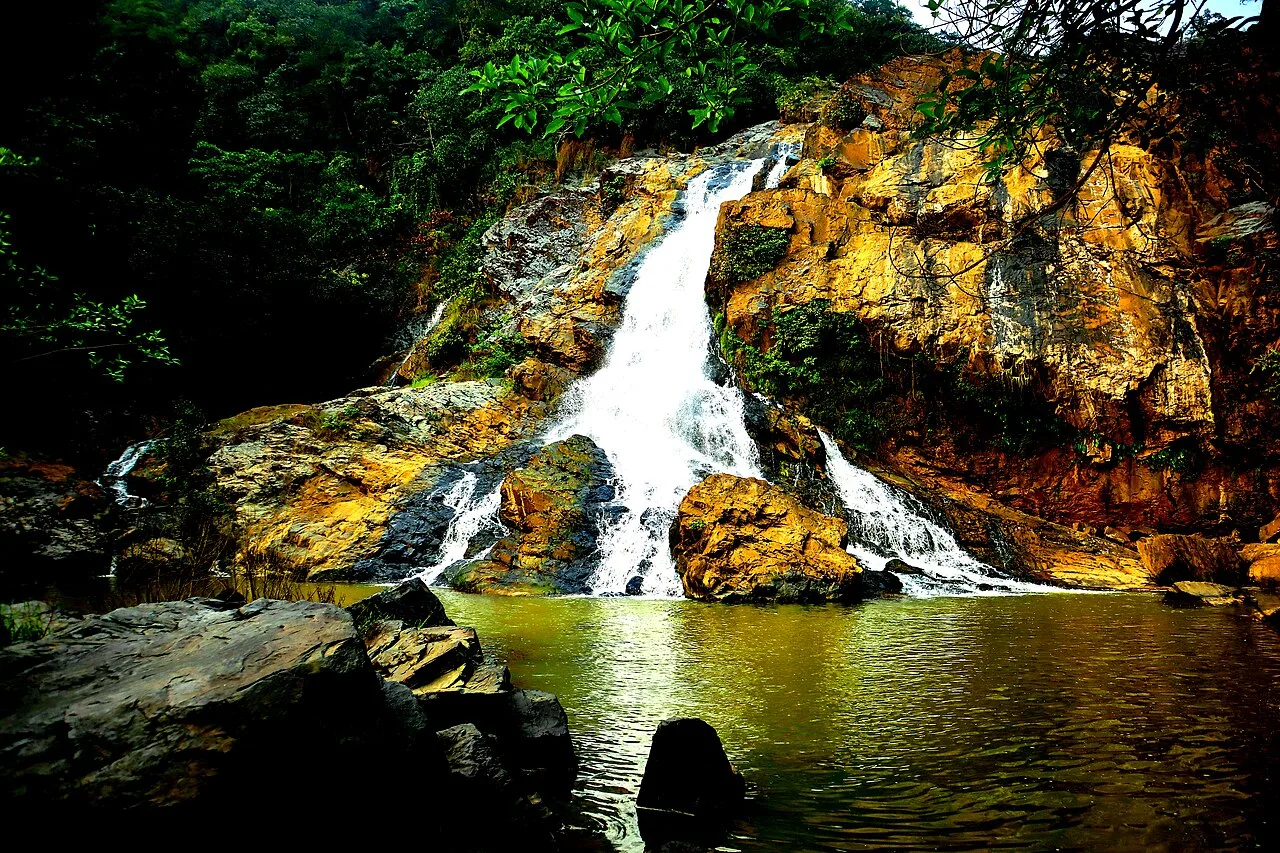
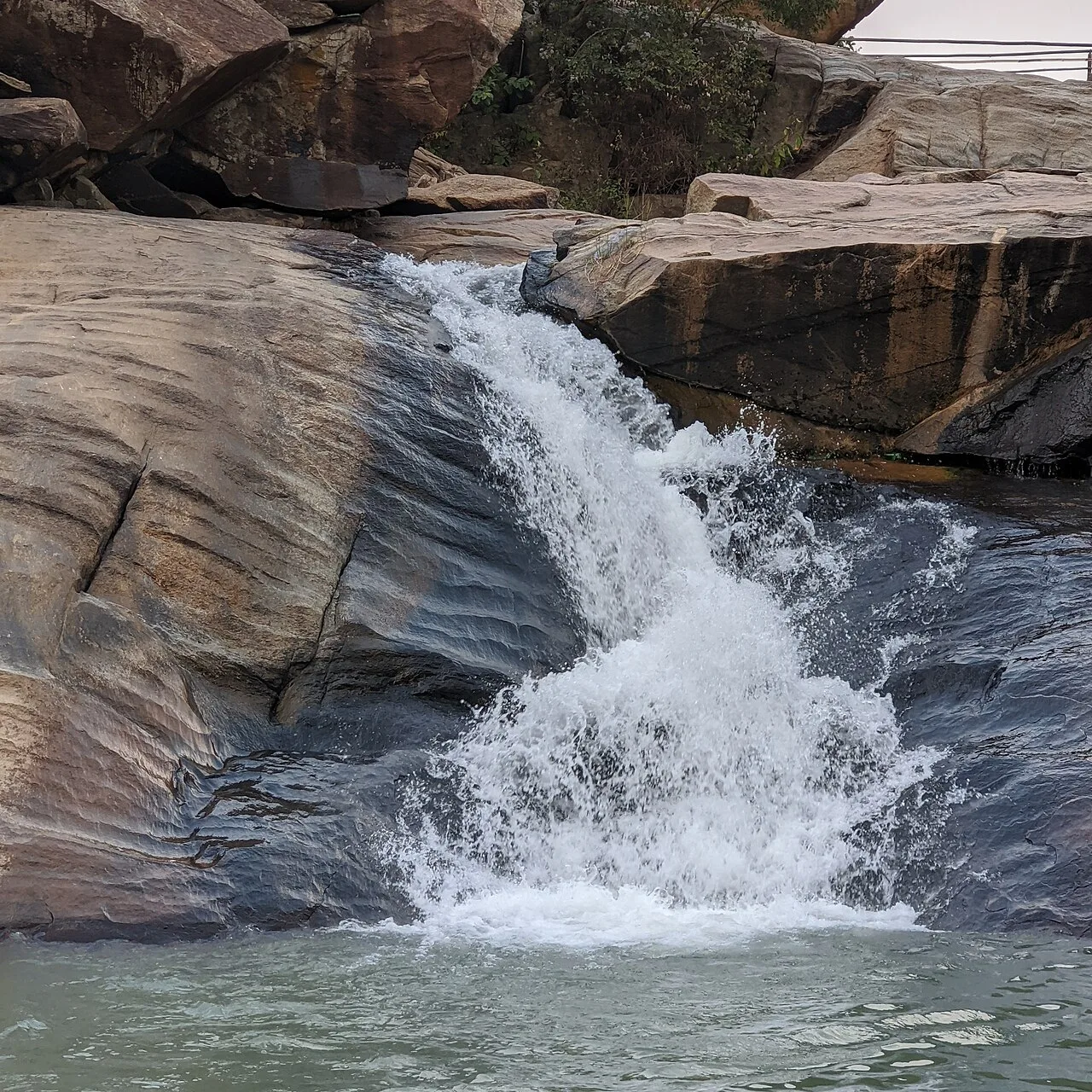
Noamundi’s appeal is quite different from that of a conventional sightseeing destination. Visitors come for its hilly, forested setting near Saranda, the wider region’s mining landscape and an opportunity to encounter the culture of the Ho people. Saranda is often described as a land of hills; the reserve forest boundary lies a few kilometres from the town. Noamundi’s position between Jharkhand and Odisha gives the area a mix of regional influences. It is best approached as a working industrial town and a base for exploring the surrounding landscape, rather than as a place with a large concentration of formal tourist attractions.
Famous for: crafts, trade & products

Noamundi is best known for iron ore, particularly hematite, and for the mining industry that shapes its economy and landscape. Tata Steel operates mines in the area, and other mining activity has also developed around the town. Blue dust, a fine iron-ore material, is associated with local production. A Tata Steel pelletising plant operated here from 1972 to 1986, processing blue dust into pellets, but it closed after proving uneconomic.

Noamundi is not widely known as a centre for textiles, sarees, handicrafts or a GI-tagged product, and it does not have a major visitor-oriented craft market. The practical places to browse are the town’s local shops and bazaar, where everyday goods and regional food items are more likely finds than specialist souvenirs. The mining township and industrial surroundings convey the town’s principal trade, but mine sites and company facilities are working premises; access may be restricted, so visitors should not assume they can enter. For locally made goods, ask in the bazaar or nearby villages rather than expecting a dedicated craft district.

History

Noamundi’s growth is closely tied to iron-ore exploration and mining. A local account says early explorers encountered Ho people using iron axes and, on asking about the source of the ore, were directed towards a nearby hill. The story is sometimes connected with the name Noamundi, interpreted in the account as “that hill,” though it is best treated as local tradition rather than a confirmed historical record.

The town expanded as mining became an organised industry during the colonial era and continued to develop after independence as a major iron-ore production centre. Tata Steel’s presence brought employment, company facilities and a township character; mining in the wider border region also connects with Odisha, where the mining area is known as Katamati. Noamundi is now both an industrial settlement and an administrative block in West Singhbhum. Its modern history is therefore chiefly one of resource extraction and the growth of services around a working mine town, rather than a succession of royal courts or monumental political centres.

Food, festivals & culture

Ho people and their language, Ho, are an important part of Noamundi’s cultural life. The town’s workforce and border location also bring together people with connections to other parts of Jharkhand and Odisha, so languages and customs vary between neighbourhoods. Rice, pulses, leafy vegetables and seasonal produce are common elements of the wider regional diet. Traditional foods and fermented rice drinks may be part of Ho community gatherings, though everyday meals differ from household to household.

Seasonal Adivasi observances, including Mage Parab and Sarhul in communities that celebrate them, sit alongside widely observed festivals such as Durga Puja, Diwali, Holi, Eid and Christmas. Ho music and dance are most readily encountered at community celebrations and village festivals rather than in scheduled performances. Worship may take place at village sacred sites and local temples, churches or mosques; there is no single major pilgrimage landmark defining the town. Visitors should follow local guidance and ask permission before photographing ceremonies or sacred places.

Visiting the city

The cooler months, roughly October to March, are generally the most comfortable for a visit. Summer can be hot, while the monsoon brings greener hills but also rain that may affect road travel. For scheduled flights, travellers generally use Birsa Munda Airport in Ranchi. Noamundi Railway Station serves the town; Tatanagar Junction is a larger regional rail hub.

Road transport, local vehicles and hired cars are practical ways to get around, though availability can vary. Explore the town centre and bazaar for everyday local life, and enjoy views of the surrounding hills from places open to the public. Noamundi is a working mining area: confirm access before heading towards mine property or forest routes, and do not enter restricted sites. Chaibasa is a useful nearby town for broader services.

Trips from the city

Nearest places to visit from Noamundi

Our closest destination guides, by straight-line distance.

Kiriburu

22 km away · West Singhbhum district

Kiriburu

Kiriburu is a Jharkhand census town near the Odisha border, visited for its Saranda forest setting, waterfalls, elephant-related name and iron-ore mines.

Hirni Falls

80 km away · West Singhbhum district

Hirni Falls

Hirni Falls is a waterfall in Jharkhand’s West Singhbhum district. Visitors go to see the waterfall, the defining feature of this place.

91 km away · Khunti district

Ulihatu

Ulihatu is a village in Khunti district, Jharkhand, administratively placed in Arki CD block and Khunti Sadar subdivision. These details help visitors identify the village within the district.

Panchghagh Falls

92 km away · Ranchi district

Panchghagh Falls

Panchghagh Falls is a waterfall in Jharkhand, associated with both Khunti and Ranchi districts. Visitors come to see the falls.

Jubilee Park

101 km away · East Singhbhum district

Jubilee Park

Jubilee Park is a large public park in Jamshedpur, Jharkhand, with space for outdoor activities and attractions including gardens, a lake, an amusement park and a zoo.

Tata Steel Zoological Park

102 km away · East Singhbhum district

Tata Steel Zoological Park

Tata Steel Zoological Park is a zoo in Jubilee Park, Jamshedpur, where visitors come to see animals and enclosures updated through its phased redevelopment.

Chandil Dam

105 km away · Seraikela Kharsawan district

Chandil Dam

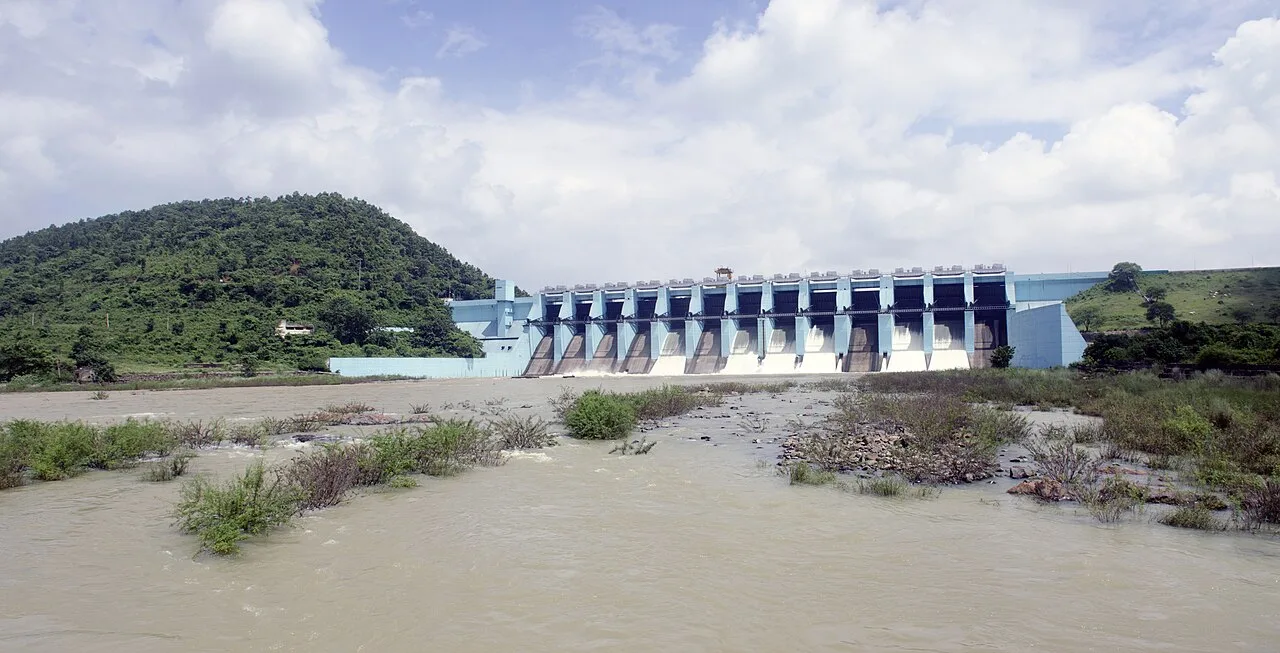
Chandil Dam, in Jharkhand’s Seraikela Kharsawan district, crosses the Subarnarekha and belongs to the Subarnarekha Multipurpose Project. Visitors can see the structure and its connection with the river.

Dassam Falls

109 km away · Ranchi district

Dassam Falls

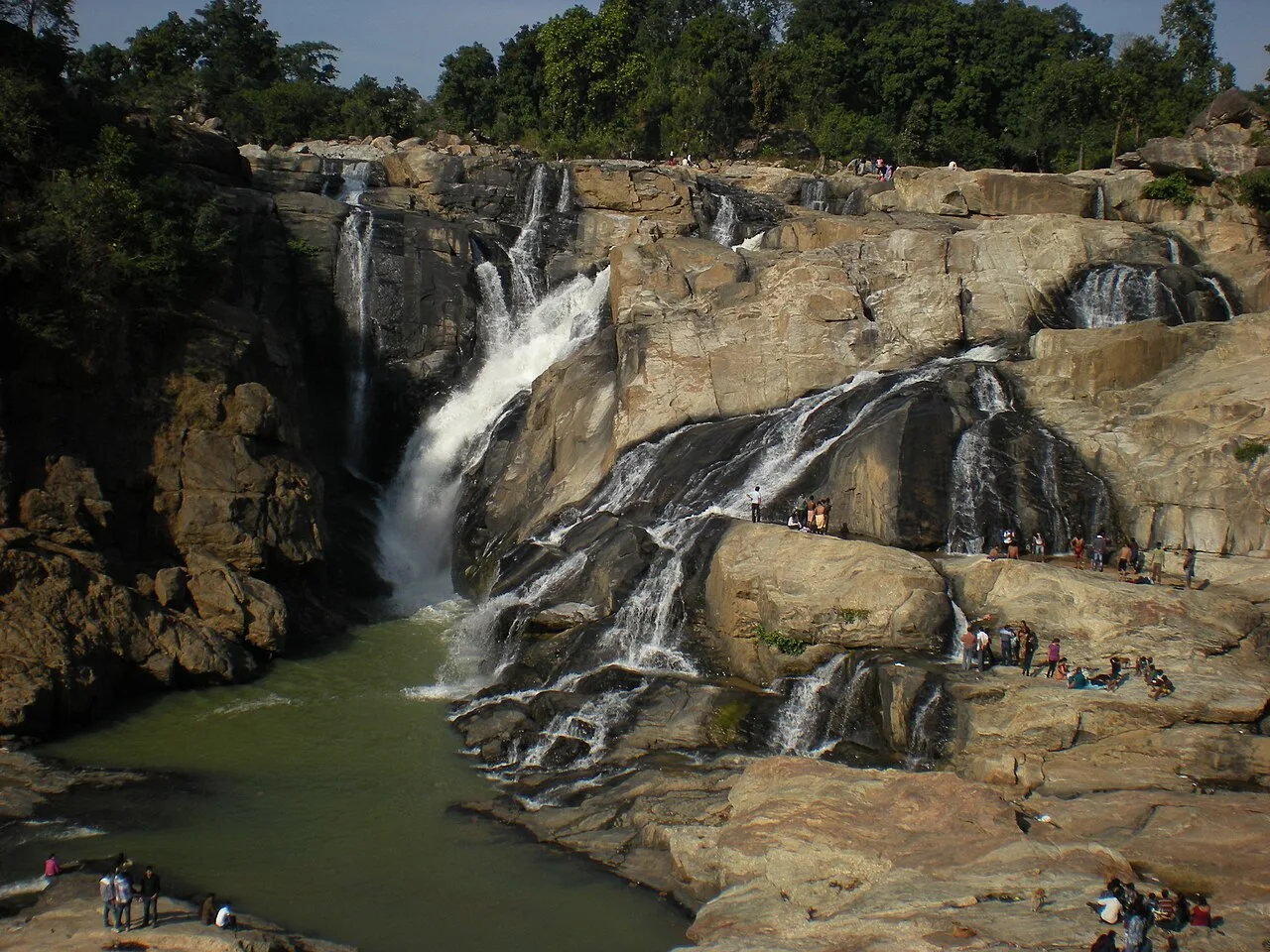
Dassam Falls, also known as Dassam Ghagh, is a 144-foot waterfall formed by the Kanchi River in Jharkhand. Visitors come to see the river’s descent.

Map

Noamundi on the map

  1. 1Kiriburu
  2. 2Hirni Falls
  3. 3Ulihatu
  4. 4Panchghagh Falls
  5. 5Jubilee Park
  6. 6Tata Steel Zoological Park
  7. 7Chandil Dam
  8. 8Dassam Falls

Jharkhand

Other cities to explore