Ghumoopedia — Explore, Discover, Experience
Sign in
Rajmahal, near Pakur

City guide · Jharkhand

Pakur

Pakur is a small town in northeastern Jharkhand and the administrative centre of Pakur district. Its importance comes less from grand monuments or resort tourism than from its role as a local hub for government services, trade and transport in a largely rural part of the Santhal Parganas.

Famous for

  • Pakur black stone
  • Stone-chip industry
  • Martello Tower
  • Rajmahal Hills
  • Santhal heritage
  • Nityakali Temple

Why Pakur matters

Pakur is a small town in northeastern Jharkhand and the administrative centre of Pakur district. Its importance comes less from grand monuments or resort tourism than from its role as a local hub for government services, trade and transport in a largely rural part of the Santhal Parganas. The town is particularly associated with black stone quarrying and the production of stone chips used in construction, an industry that shapes the surrounding economy and landscape.

Visitors come to see the Martello Tower, a reminder of the region’s turbulent colonial period, and to visit local places of worship such as Nityakali Temple. Pakur also offers a point of entry to the culture and countryside of the Santhal Parganas, with the Rajmahal Hills forming part of the wider regional setting. It is best approached as a working district town rather than a polished tourist destination: its markets, everyday urban life and connections to nearby rural communities are central to its character.
Famous for: crafts, trade & products

Pakur is best known commercially for its black stone and stone chips. Quarries and crushing units in the district supply construction materials to markets beyond the town, making stone an important part of local trade. The industry is visible in the movement of materials and vehicles around the area, but quarry sites are working properties rather than visitor attractions; ask locally about access and safety, and do not enter without permission.

The town is not widely established as a centre for sarees, textiles or a distinctive handicraft, and it has no broadly recognised city-specific GI product. Everyday shopping is concentrated in the central bazaar and market streets, where visitors can look for household goods, clothing, produce and regional snacks rather than a dedicated craft market. Local shops are the most practical place to buy ordinary goods, while stone products are generally handled through trade and building-material dealers, not tourist souvenir outlets. Pakur’s markets serve residents from nearby villages, so they offer a useful glimpse of the town’s role as a commercial centre for its rural surroundings.

History

Pakur’s history is closely tied to the Santhal Parganas and the changing administration of eastern India. During British rule, the wider region saw major upheaval, including the Santhal uprising of 1855–56. The Martello Tower in Pakur is associated with the colonial response to this period and remains the town’s most conspicuous historic landmark. It reflects the strategic concerns of the era rather than the grand architecture of a princely capital.

Before becoming a district, Pakur was a subdivision of Santhal Parganas district in Bihar. It was made a separate district in 1994. When Bihar was divided and Jharkhand was formed in 2000, Pakur became part of the new state. In modern times, the town has developed as the district’s administrative and service centre. Quarrying and stone processing have also become defining features of its economy, linking Pakur to construction markets while bringing industrial activity into a predominantly rural region.

Food, festivals & culture

Pakur’s cultural life reflects the Santhal Parganas’ mix of Santhal, Bengali and other communities. Santhali, Bengali and Hindi are commonly heard, alongside other local languages. Rice is a staple, often served with dal, vegetables, leafy greens or fish. Seasonal produce and snacks can be found in local markets and small eateries; Pakur is not especially known for a single signature sweet or restaurant dish.

The festival calendar includes Hindu celebrations such as Durga Puja, Diwali and Chhath, alongside community observances including Karam and Sohrai. Their timing follows the usual seasonal calendar: Karam is generally celebrated around the monsoon, while Sohrai is associated with the post-harvest period. Santhal music and dance are important parts of community gatherings, often accompanied by traditional drums such as the tamak and tumdak. Nityakali Temple is a local place of worship, and the town also has places serving its diverse religious communities. Visitors should be respectful when attending ceremonies and ask before photographing people or rituals.

Visiting the city

The cooler months, roughly October to February, are generally the most comfortable time to visit. Monsoon brings greener surroundings but can make road journeys less predictable. Pakur railway station is the town’s main rail stop. Deoghar Airport is a nearby airport to check for passenger flights; Kolkata is another major air gateway, though it is farther away. Confirm current flight connections before planning around either airport.

Auto-rickshaws and local taxis are useful for getting around town, while buses and hired vehicles connect Pakur with nearby settlements. The central bazaar is a good area to explore for everyday town life and local food. The Martello Tower and Nityakali Temple are key stops within town; ask locally about access and appropriate visiting times. Pakur is also a practical base for short excursions into the surrounding countryside, best arranged with local transport.

Trips from the city

Nearest places to visit from Pakur

Our closest destination guides, by straight-line distance.

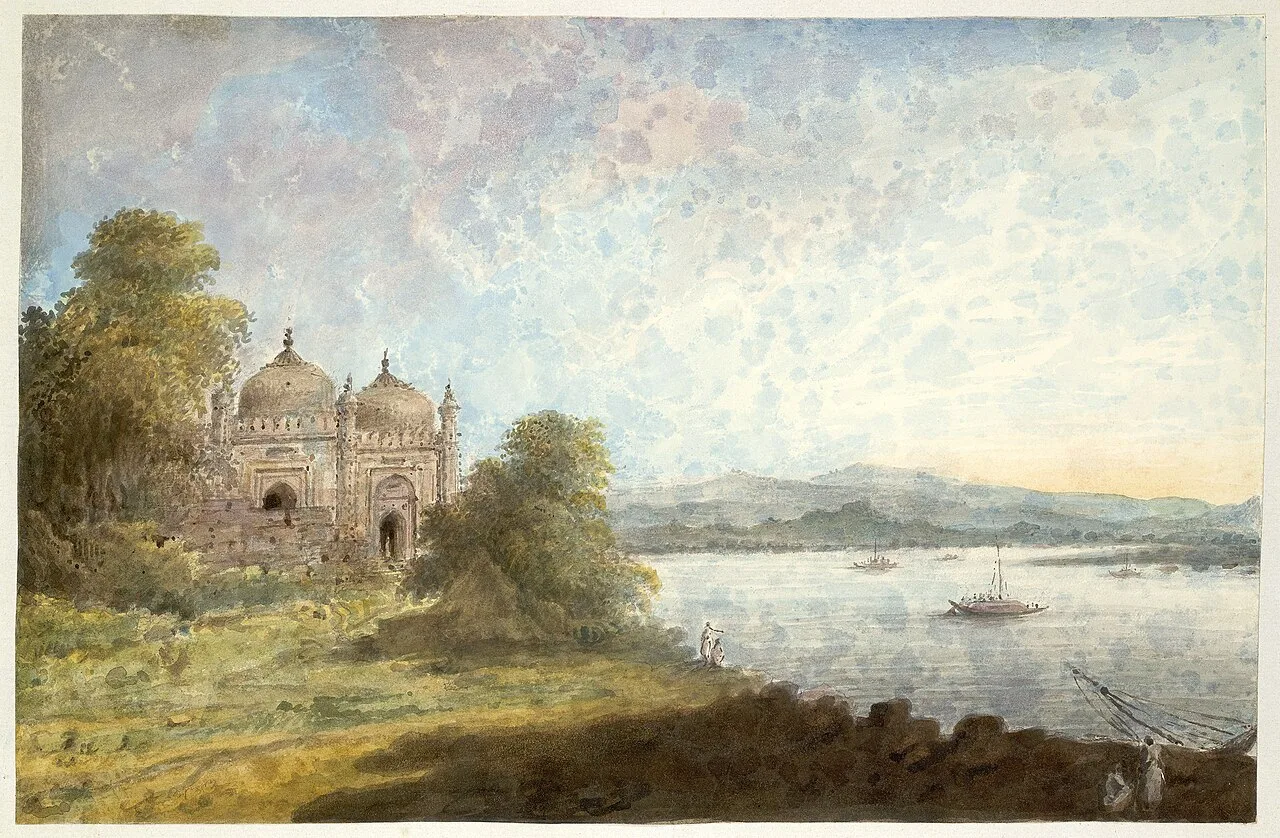
Rajmahal

46 km away · Sahibganj district

Rajmahal

Rajmahal is a riverside town in Sahebganj district, Jharkhand, drawing interest for its former role as Bengal Subah’s capital during Man Singh I’s governorship.

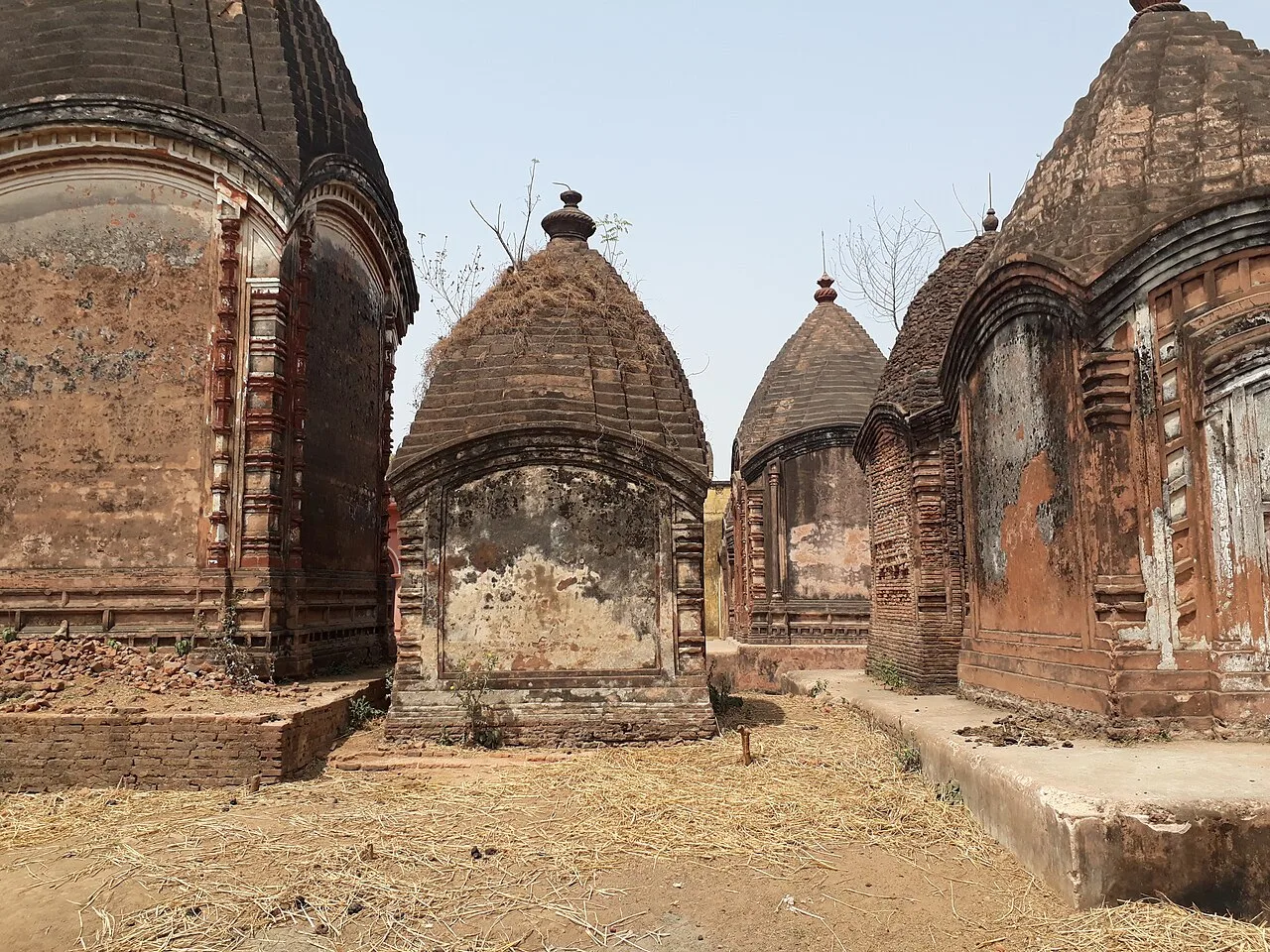
Maluti

56 km away · Dumka district

Maluti

Maluti, a village in Jharkhand’s Dumka district, is noted for its historic temples, whose imagery depicts episodes from Hindu epics.

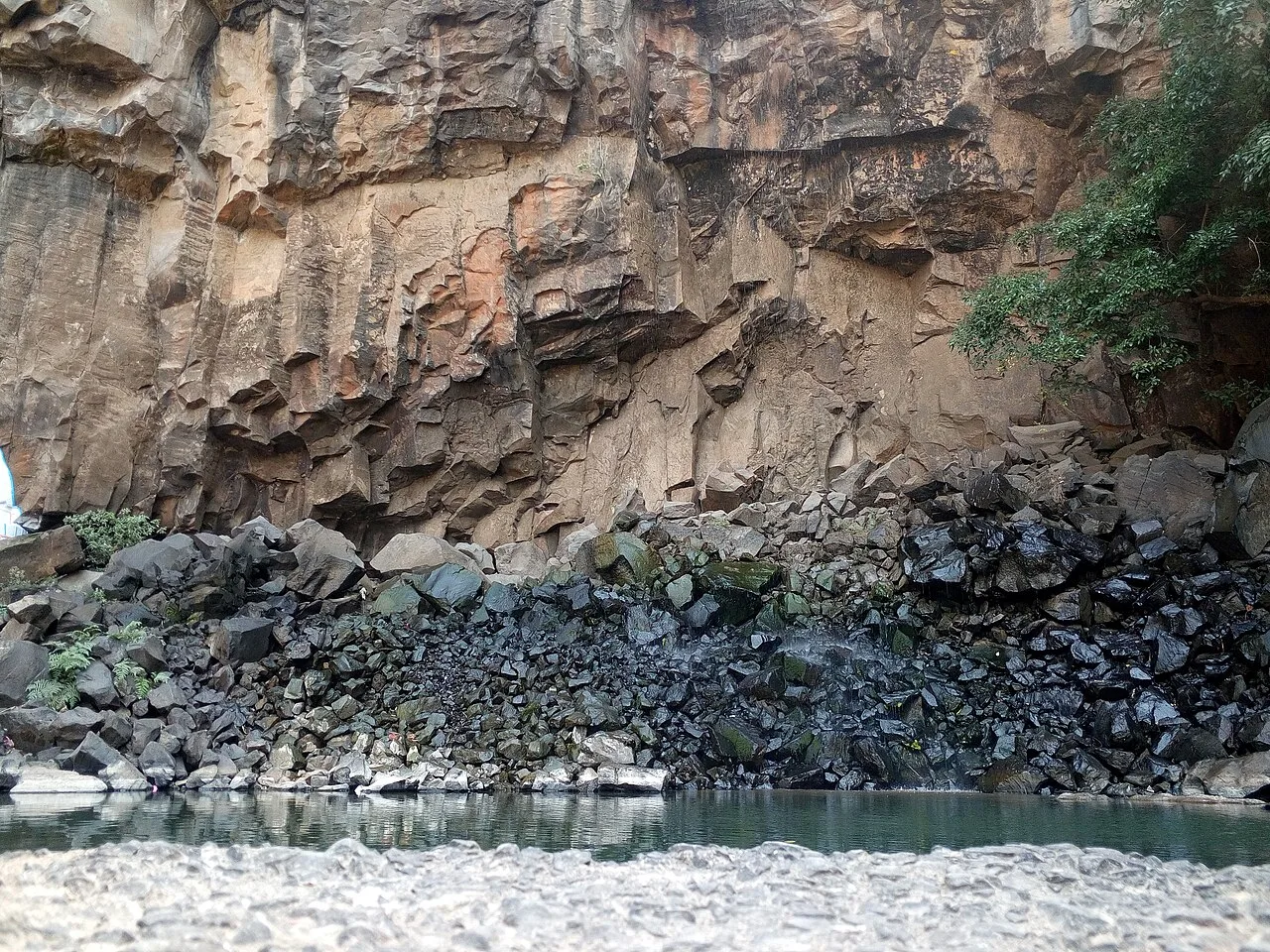
Moti Jharna

64 km away · Sahibganj district

Moti Jharna

Moti Jharna is a village in Jharkhand’s Sahibganj district, within Taljhari block and Rajmahal subdivision. These administrative details help visitors locate the settlement.

Basukinath

82 km away · Dumka district

Basukinath

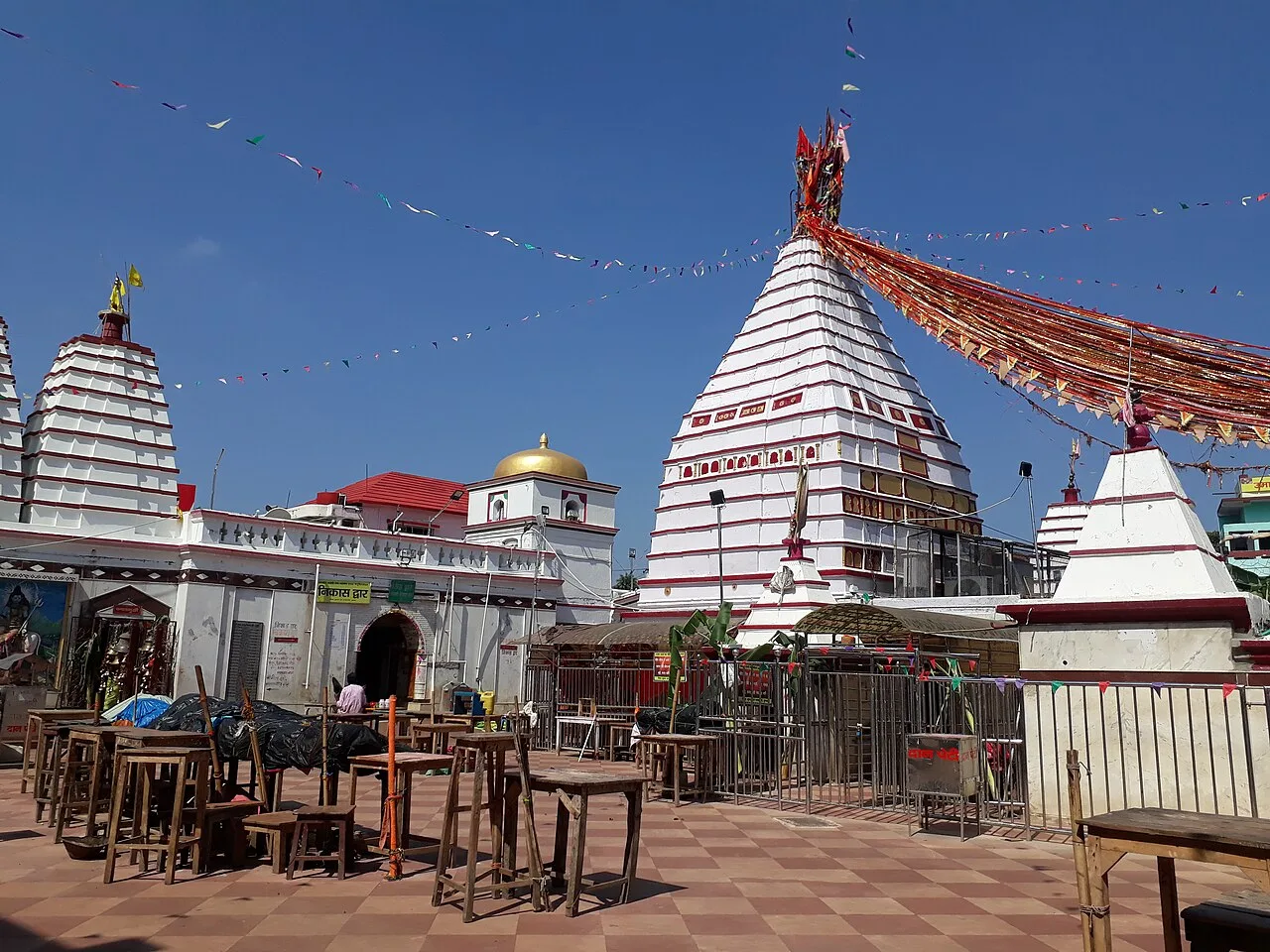
Basukinath is a temple-centred town with notified-area status in Jharkhand’s Dumka district. Visitors come for its association with temples.

Trikut Hill

103 km away · Deoghar district

Trikut Hill

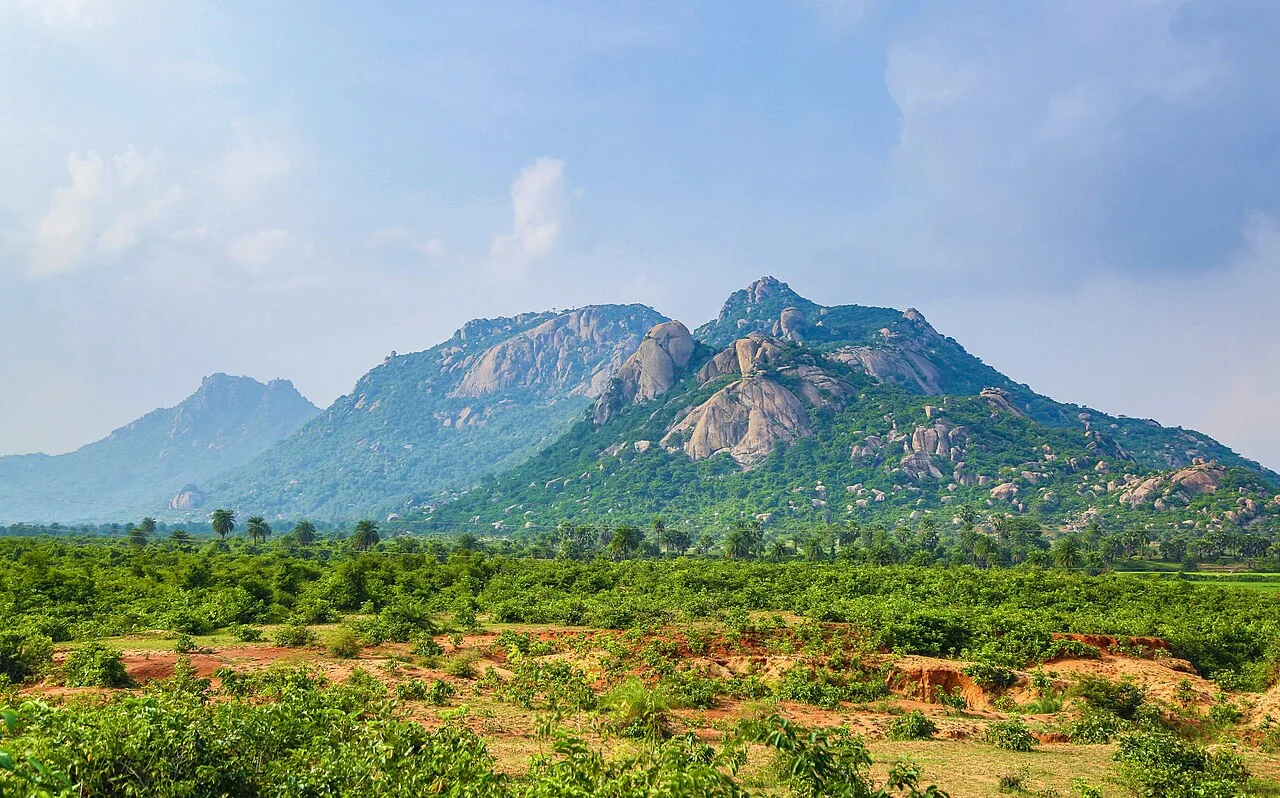
Trikut Hill is a three-peaked pilgrimage destination near Deoghar, Jharkhand. Devotees visit for its religious associations, while others climb the slopes to experience its seasonal scenery and views.

Baidyanath Temple

117 km away · Deoghar district

Baidyanath Temple

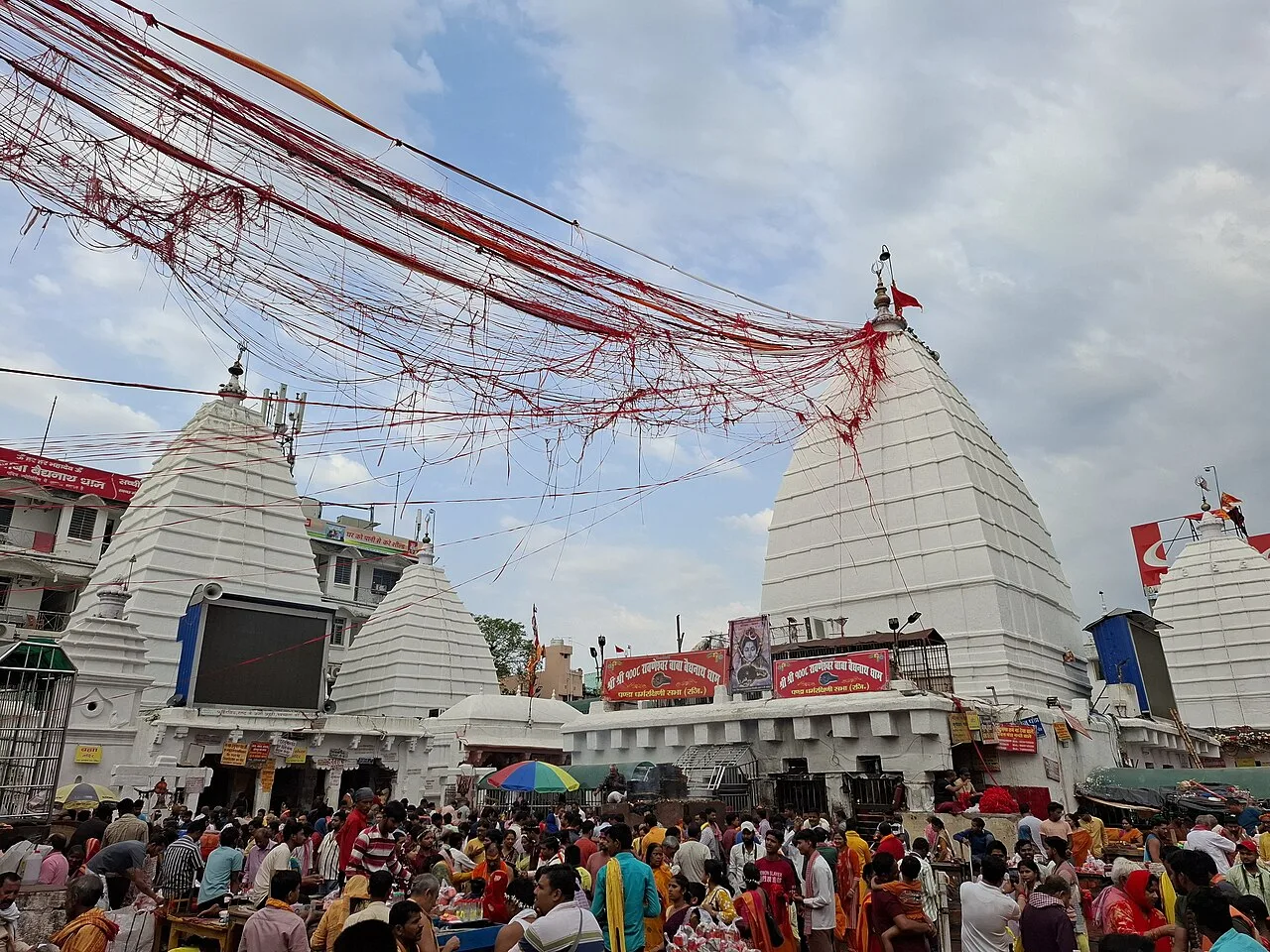
Baidyanath Temple is a Hindu shrine to Shiva in Deoghar, Jharkhand, visited by worshippers for Baba Baidyanath and its place among the twelve Jyotirlingas.

Maithon Dam

139 km away · Dhanbad district

Maithon Dam

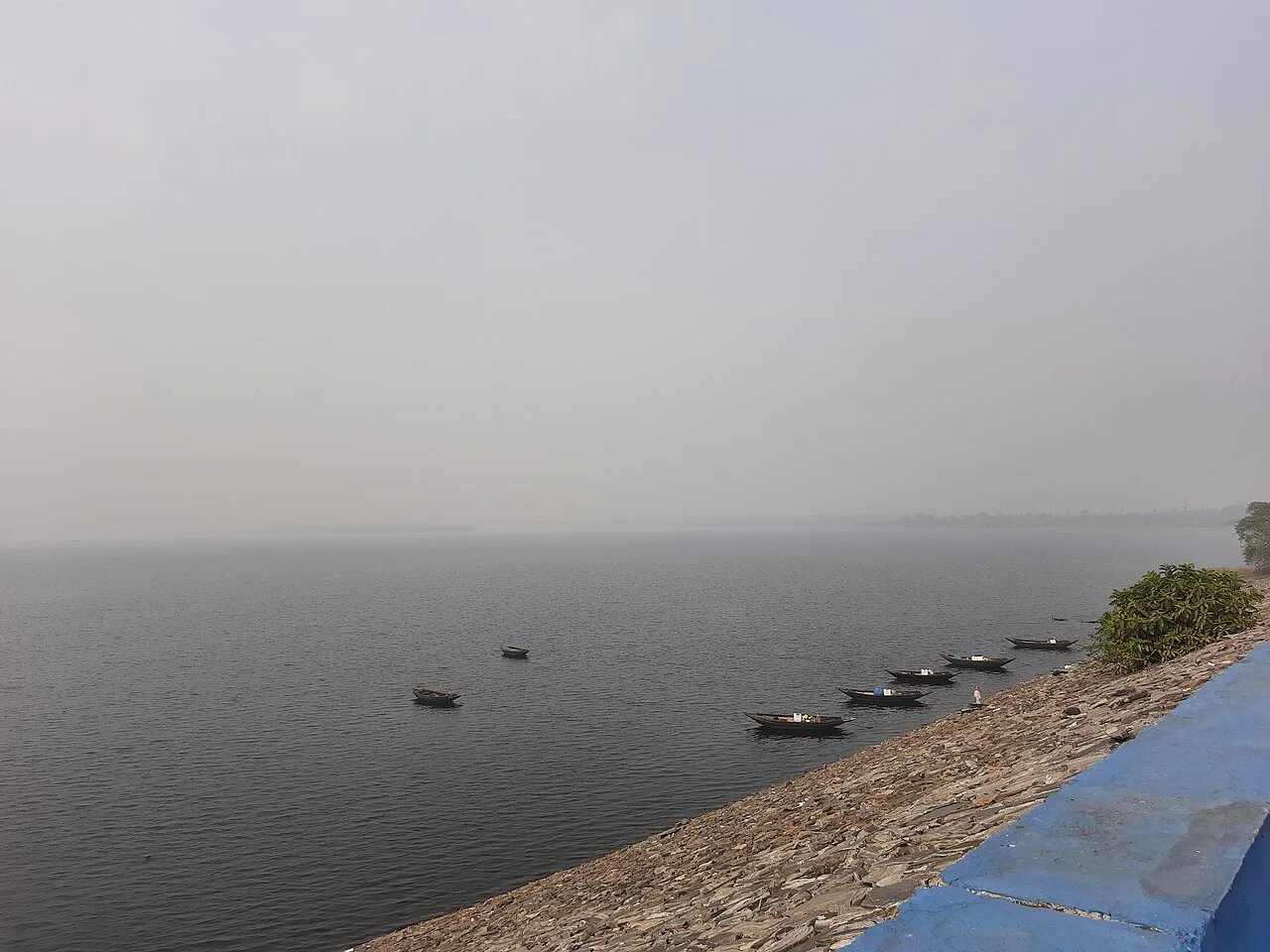
Maithon Dam, built across the Barakar River in Jharkhand, draws visitors for its underground power station, natural surroundings and religious significance, as well as its role in flood control.

Panchet Dam

154 km away · Dhanbad district

Panchet Dam

Panchet Dam is a multipurpose structure on the Damodar River in Jharkhand. Visitors come to see the dam and its place in the opening stage of the DVC’s development programme.

Map

Pakur on the map

  1. 1Rajmahal
  2. 2Maluti
  3. 3Moti Jharna
  4. 4Basukinath
  5. 5Trikut Hill
  6. 6Baidyanath Temple
  7. 7Maithon Dam
  8. 8Panchet Dam

Jharkhand

Other cities to explore