Ghumoopedia — Explore, Discover, Experience
Sign in
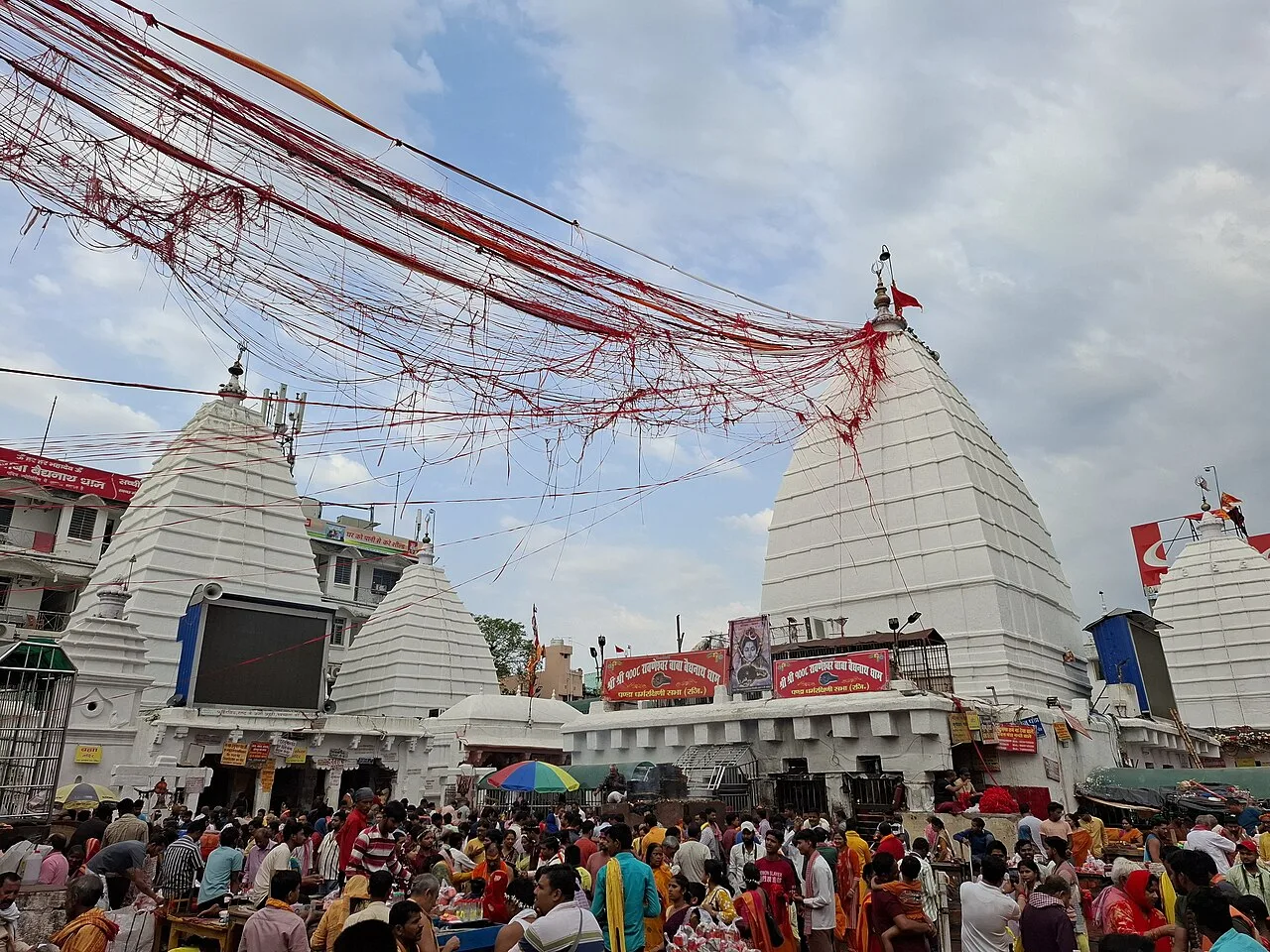
Baidyanath Temple, near Madhupur

City guide · Jharkhand

Madhupur

Madhupur is a municipal town and subdivision centre in Deoghar district, Jharkhand. Its position on an important railway route makes it a useful stop and local service centre for nearby settlements.

Famous for

  • Madhupur sweets
  • Health-resort reputation
  • Madhupur Junction
  • Bengali literary connections
  • Pathro and Jayanti rivers

Why Madhupur matters

Madhupur is a municipal town and subdivision centre in Deoghar district, Jharkhand. Its position on an important railway route makes it a useful stop and local service centre for nearby settlements. The town is also known for its sweet-making tradition, and its markets offer a taste of everyday life in this part of the state.

Visitors are drawn by Madhupur’s long-standing reputation as a health resort. The local water and climate have traditionally been said to help with digestive complaints, a belief that helped attract people seeking a restorative stay; it should not be taken as medical advice. The town’s literary associations add another layer of interest: notable Bengali figures kept homes here or spent time in Madhupur. On its outskirts, the monsoon rivers Pathro and Jayanti flow through a gently undulating plateau landscape. Madhupur is best approached as a relaxed small-town destination, with regional connections, local food and a quieter setting rather than a concentration of major monuments.
Famous for: crafts, trade & products

Madhupur is best known locally for sweets and for the small-scale sweet-making trade. Visitors can look for sweet shops in the town’s central bazaar and along busy commercial streets, where shops serve residents as well as travellers. There is no widely established signature textile, handicraft or GI-tagged product associated with the town, so it is better to explore its everyday food markets than to expect a specialist craft district.

The town’s shops and bazaars are practical places to find household goods, snacks and locally made sweets, while the railway station area is useful for basic travel needs. Madhupur’s identity also rests on its railway connection and its reputation as a former health-resort retreat, rather than on a large industrial sector. Travellers interested in products can ask sweet makers about their daily offerings and seasonal varieties; specific recipes and names may vary between shops. For a broader selection of regional crafts or branded products, visitors may need to look in larger centres elsewhere in Jharkhand.

History

A local legend links Madhupur’s name to a cowherd, or Gopa, called Madhu, who is said to have kept a large herd in the area. The town’s later history is associated less with a single ruling dynasty than with its growth as a settlement and transport centre in the Deoghar region. Its railway connection helped link Madhupur with other towns and supported its role as a service centre for surrounding villages.

During the colonial period and into the years that followed, Madhupur attracted Bengali residents who built or maintained houses there and stayed for extended periods. Among those associated with the town were Sashibhusan Chattopadhyay and Sir Asutosh Mookerjee; Asutosh’s son Uma Prasad Mookerjee, known for his travel writing, also spent time here. Madhupur developed as a municipal and subdivisional town, with public services serving the town and nearby settlements. Today it remains a local administrative and railway centre, while its older reputation as a retreat and its literary associations contribute to its character.

Food, festivals & culture

Madhupur is particularly associated with sweets, and sweet shops are part of its everyday food culture. Meals in the area commonly draw on the wider Jharkhand and eastern Indian kitchen, with rice, lentils, vegetables and seasonal ingredients. Rather than being known for a single elaborate restaurant dish, the town’s food appeal is rooted in familiar local cooking and sweets bought fresh from neighbourhood shops.

Hindi and Bengali are widely used in the town and region; other local languages are also part of daily life. Hindu festivals such as Durga Puja, usually in autumn, and Kali Puja, around the same season, bring community celebrations, while Chhath is observed in the post-monsoon period. Holi and other seasonal festivals are also marked. Muslim residents celebrate Eid. Local worship takes place in neighbourhood temples and mosques, which are part of the town’s everyday social landscape. Music and dance reflect the wider cultural mix of Jharkhand and neighbouring Bengal, with folk traditions heard especially during festivals and community gatherings.

Visiting the city

October to March is generally the most comfortable season for a visit, with milder weather than the summer months and less disruption from monsoon rain. Deoghar Airport is the nearest airport; Madhupur Junction is the town’s main railway station and a convenient arrival point for rail travellers.

Auto-rickshaws and local taxis can help visitors get around, while central areas are manageable on foot. The bazaar and streets around the station are useful for food and everyday shopping. For a quieter look at the surroundings, explore the town’s edges and the landscape along the Pathro and Jayanti river valleys, taking local advice on access and conditions, particularly during the monsoon. Madhupur works well as a short, unhurried stop or as a base for exploring nearby parts of Deoghar district.

Trips from the city

Nearest places to visit from Madhupur

Our closest destination guides, by straight-line distance.

Baidyanath Temple

25 km away · Deoghar district

Baidyanath Temple

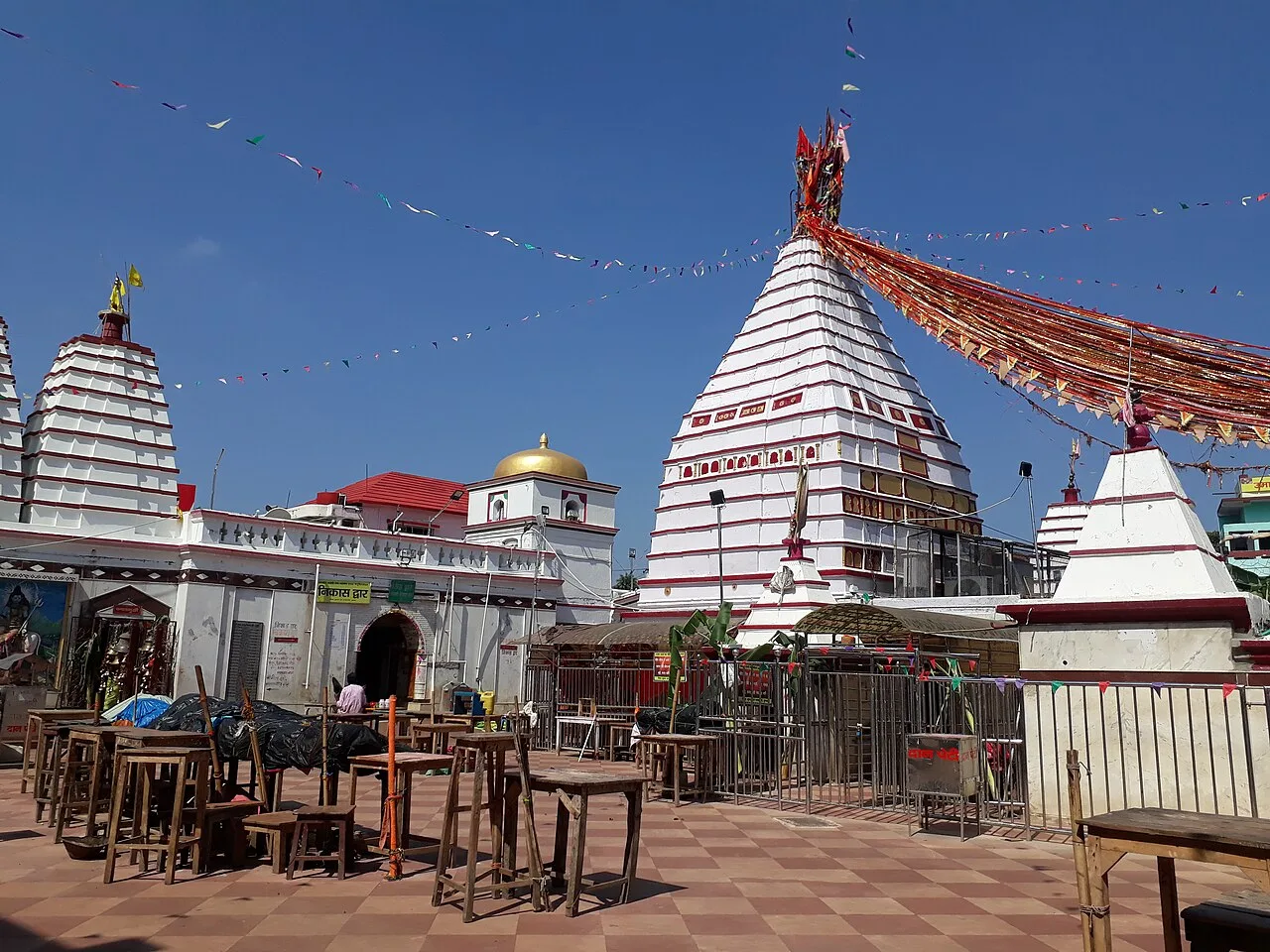
Baidyanath Temple is a Hindu shrine to Shiva in Deoghar, Jharkhand, visited by worshippers for Baba Baidyanath and its place among the twelve Jyotirlingas.

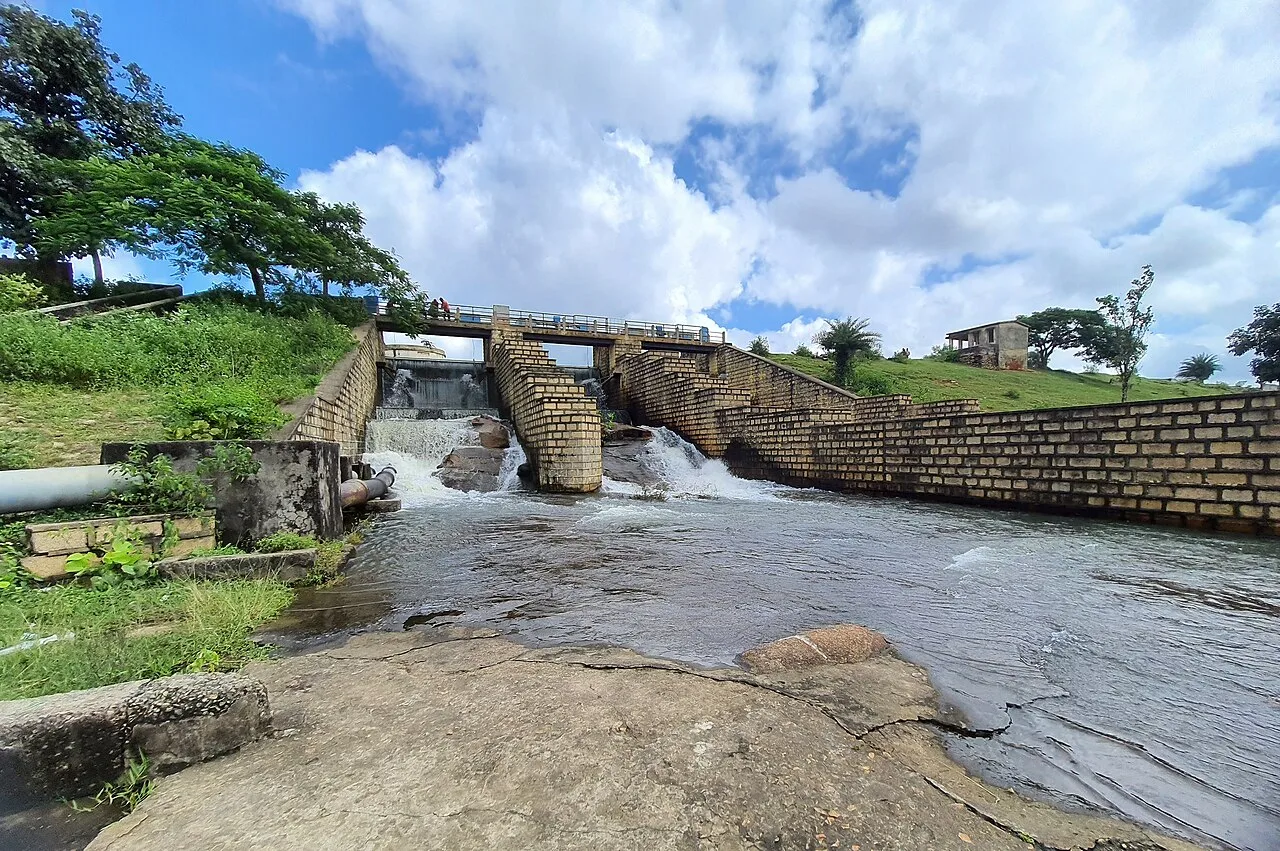
Khandoli Dam

30 km away · Giridih district

Khandoli Dam

Khandoli Dam is a reservoir in Giridih district, Jharkhand, where visitors come to see the site at the base of Khandoli Hill.

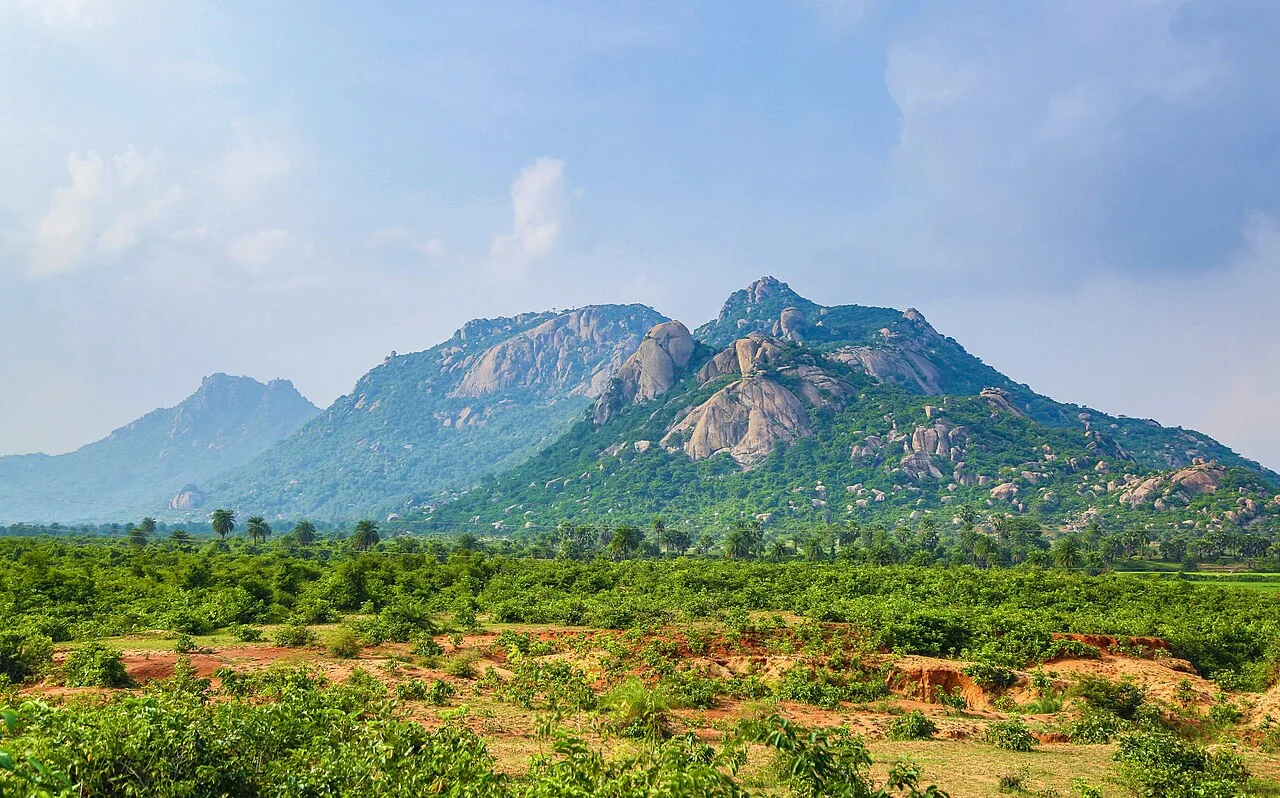
Trikut Hill

32 km away · Deoghar district

Trikut Hill

Trikut Hill is a three-peaked pilgrimage destination near Deoghar, Jharkhand. Devotees visit for its religious associations, while others climb the slopes to experience its seasonal scenery and views.

Usri Falls

34 km away · Giridih district

Usri Falls

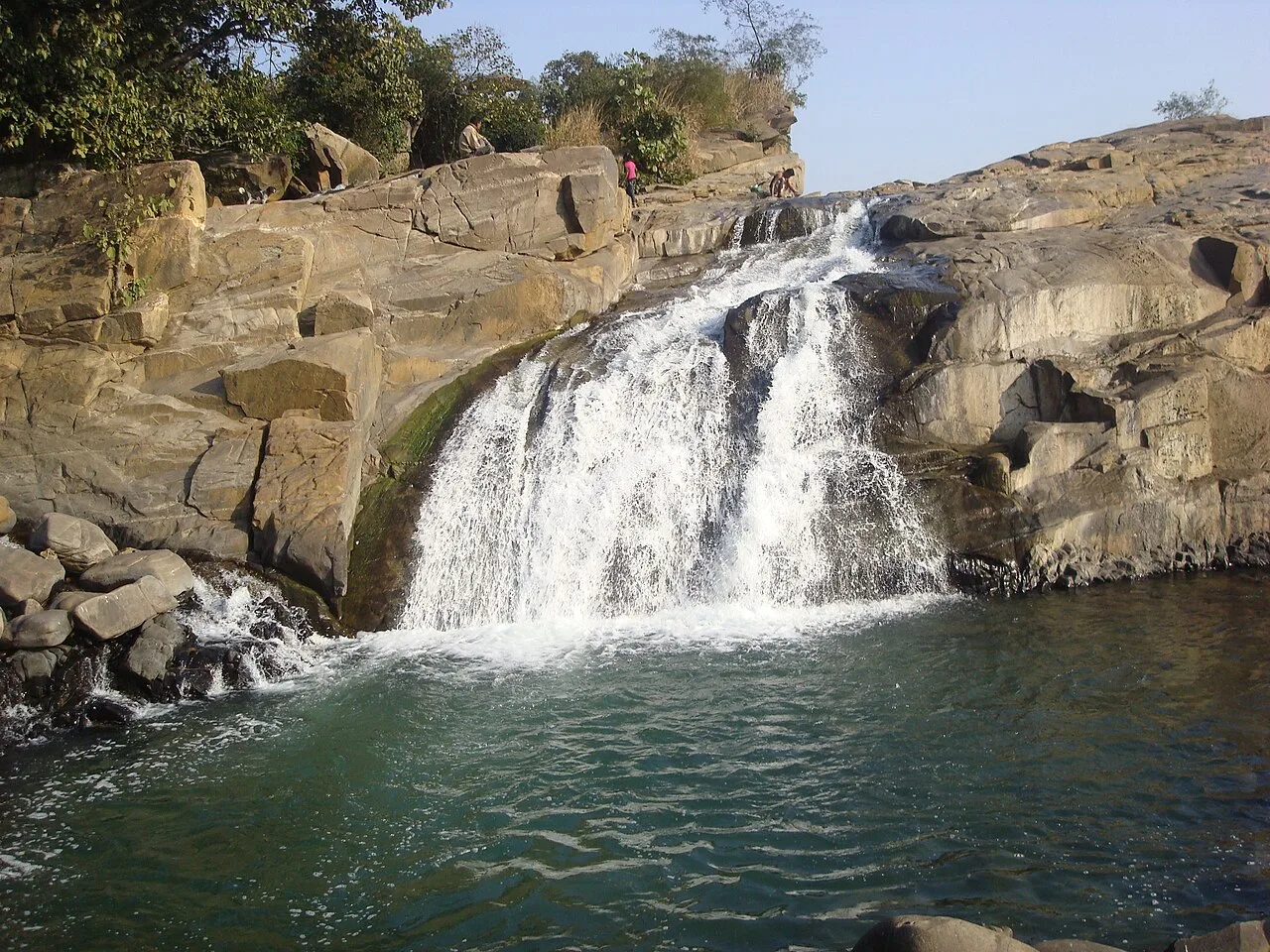
Usri Falls is a waterfall in Giridih district, Jharkhand, visited by tourists and picnickers. The name Ushree means beautiful source.

Basukinath

46 km away · Dumka district

Basukinath

Basukinath is a temple-centred town with notified-area status in Jharkhand’s Dumka district. Visitors come for its association with temples.

Maithon Dam

49 km away · Dhanbad district

Maithon Dam

Maithon Dam, built across the Barakar River in Jharkhand, draws visitors for its underground power station, natural surroundings and religious significance, as well as its role in flood control.

Parasnath

62 km away · Giridih district

Parasnath

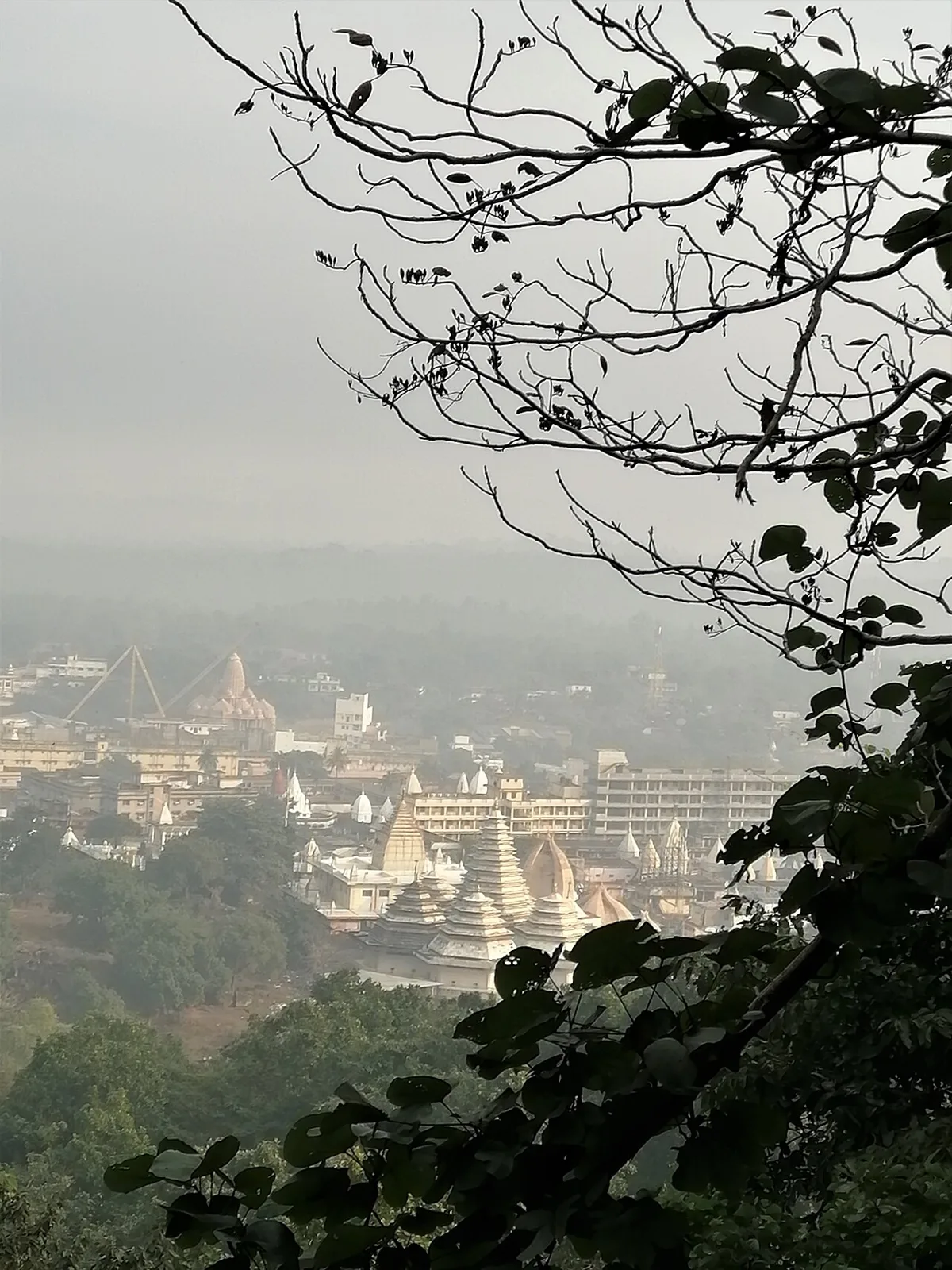
Parasnath is a summit in Jharkhand’s Giridih district and part of the range that bears its name. People visit Shikharji, the Jain pilgrimage site on the summit, linked to Parshvanatha.

Shikharji

62 km away · Giridih district

Shikharji

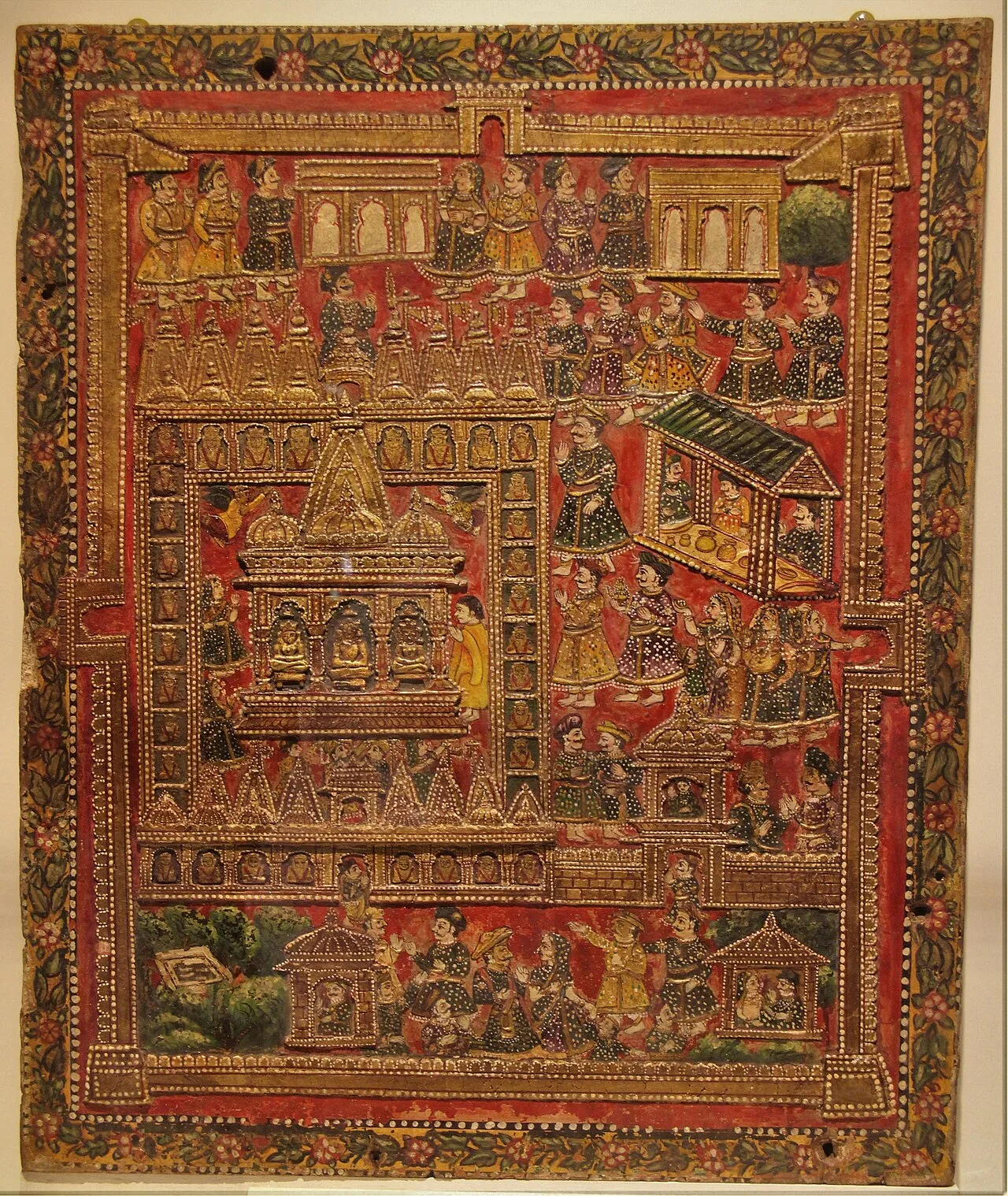
In Jharkhand’s Giridih district, Shikharji—also called Sammet or Sammed Shikharji—is a major Jain sacred destination, visited because tradition holds that many spiritual teachers attained liberation there.

Map

Madhupur on the map

  1. 1Baidyanath Temple
  2. 2Khandoli Dam
  3. 3Trikut Hill
  4. 4Usri Falls
  5. 5Basukinath
  6. 6Maithon Dam
  7. 7Parasnath
  8. 8Shikharji

Jharkhand

Other cities to explore