Ghumoopedia — Explore, Discover, Experience
Sign in
Patratu, near Mandu

City guide · Jharkhand

Mandu

Mandu is a small town in Ramgarh district, in the forested and hilly landscape of the Chota Nagpur Plateau. Its importance today is closely tied to the wider Ramgarh region, where coal mining is a major part of the economy.

Famous for

  • Gandhauniya hot spring
  • Tapin Dam
  • Dhoodhi River picnic spot
  • Jhoda Talab ponds
  • Elephant Stone
  • Ramgarh coal belt

Why Mandu matters

Mandu is a small town in Ramgarh district, in the forested and hilly landscape of the Chota Nagpur Plateau. Its importance today is closely tied to the wider Ramgarh region, where coal mining is a major part of the economy. Mandu also serves as a local service centre for nearby settlements and a road stop between the district’s towns and the Ranchi region.

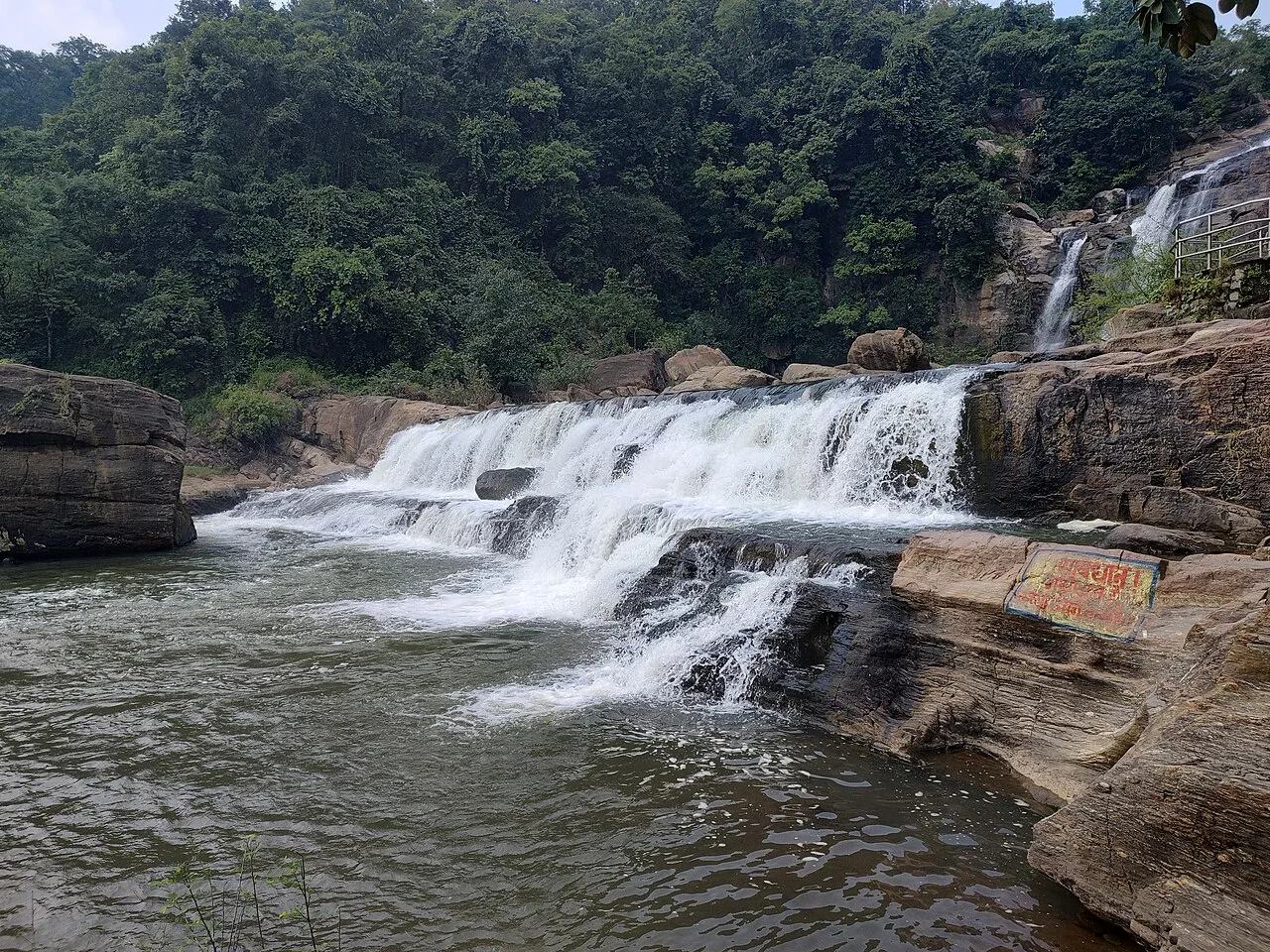
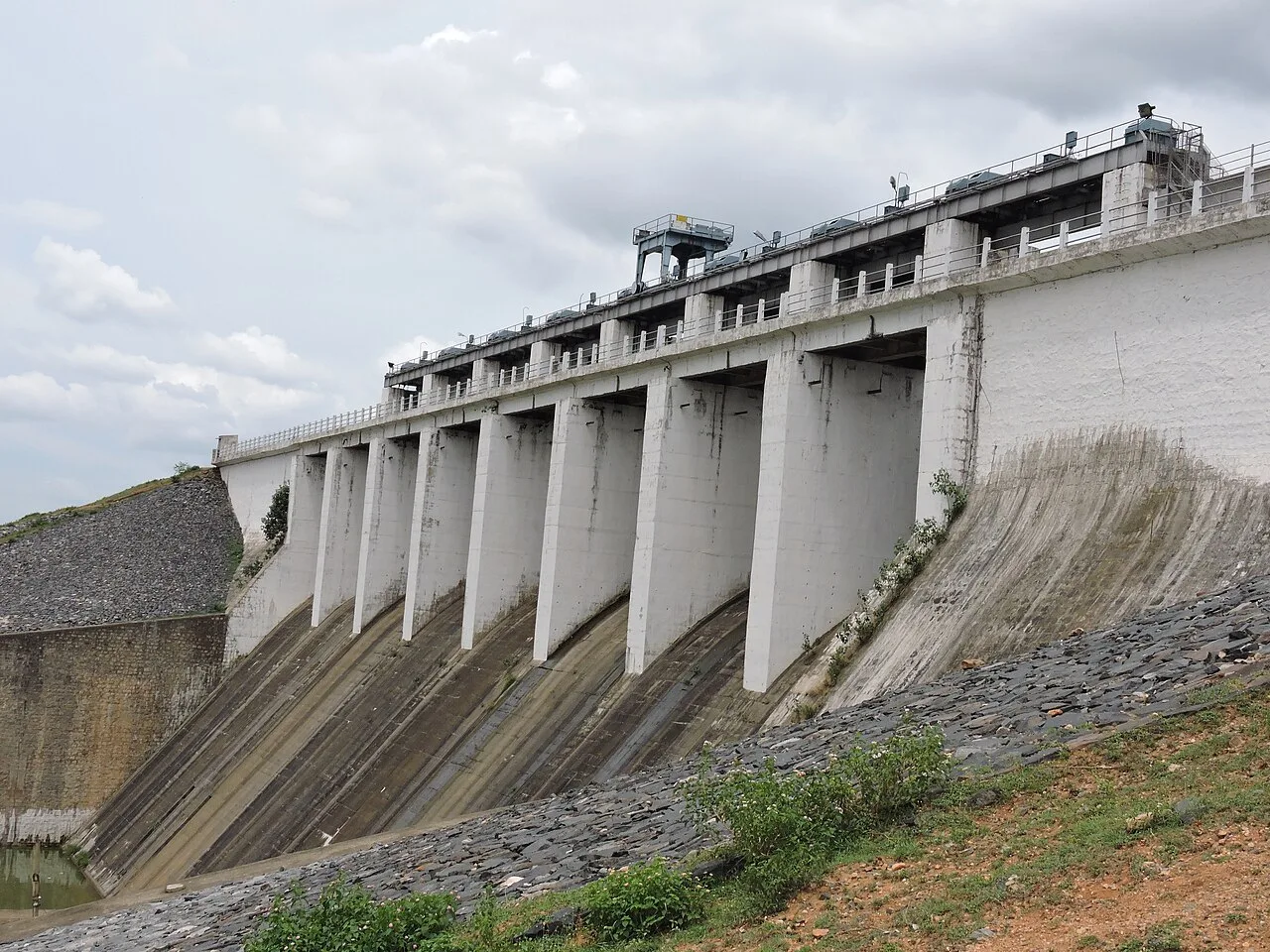
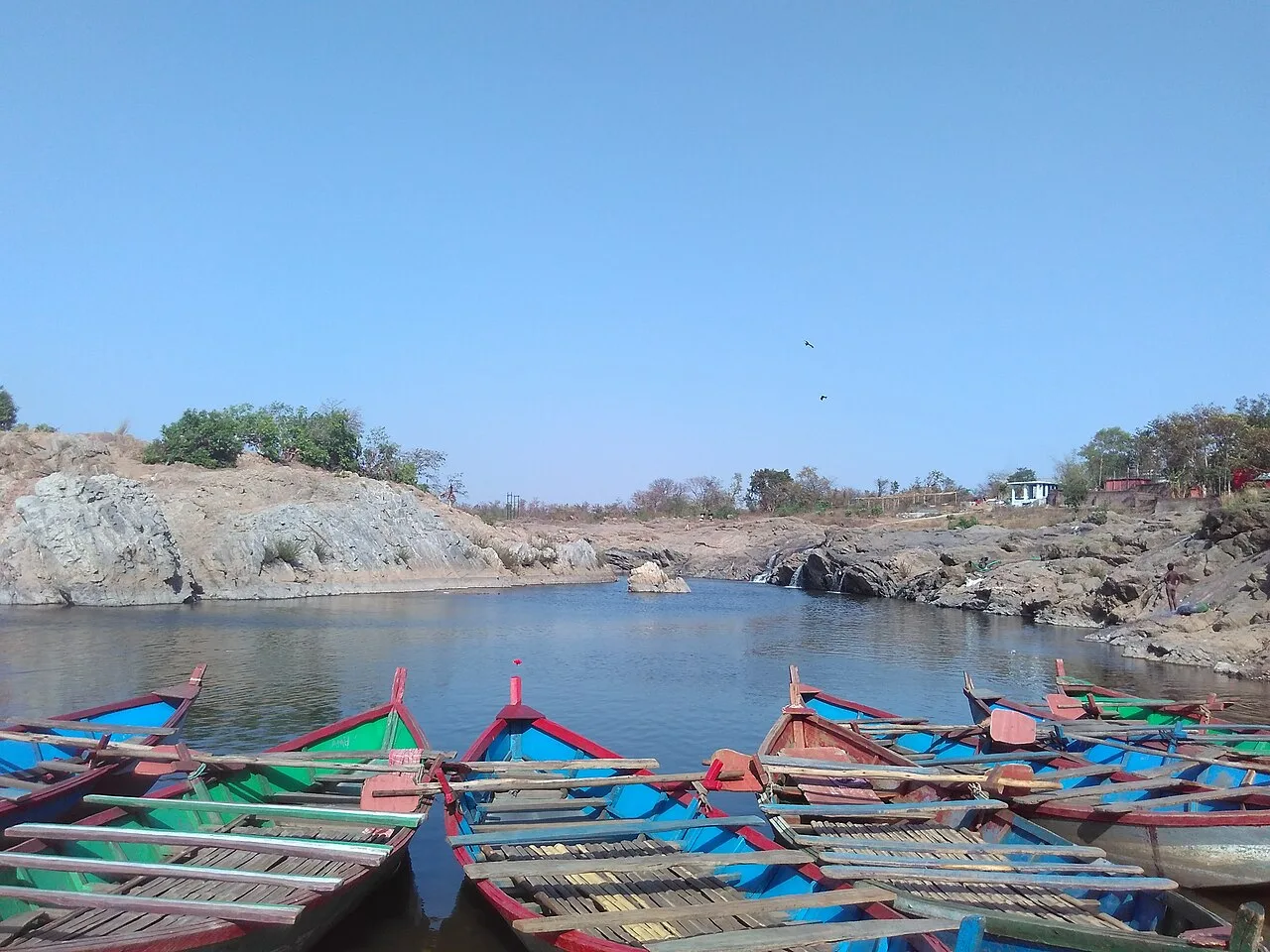
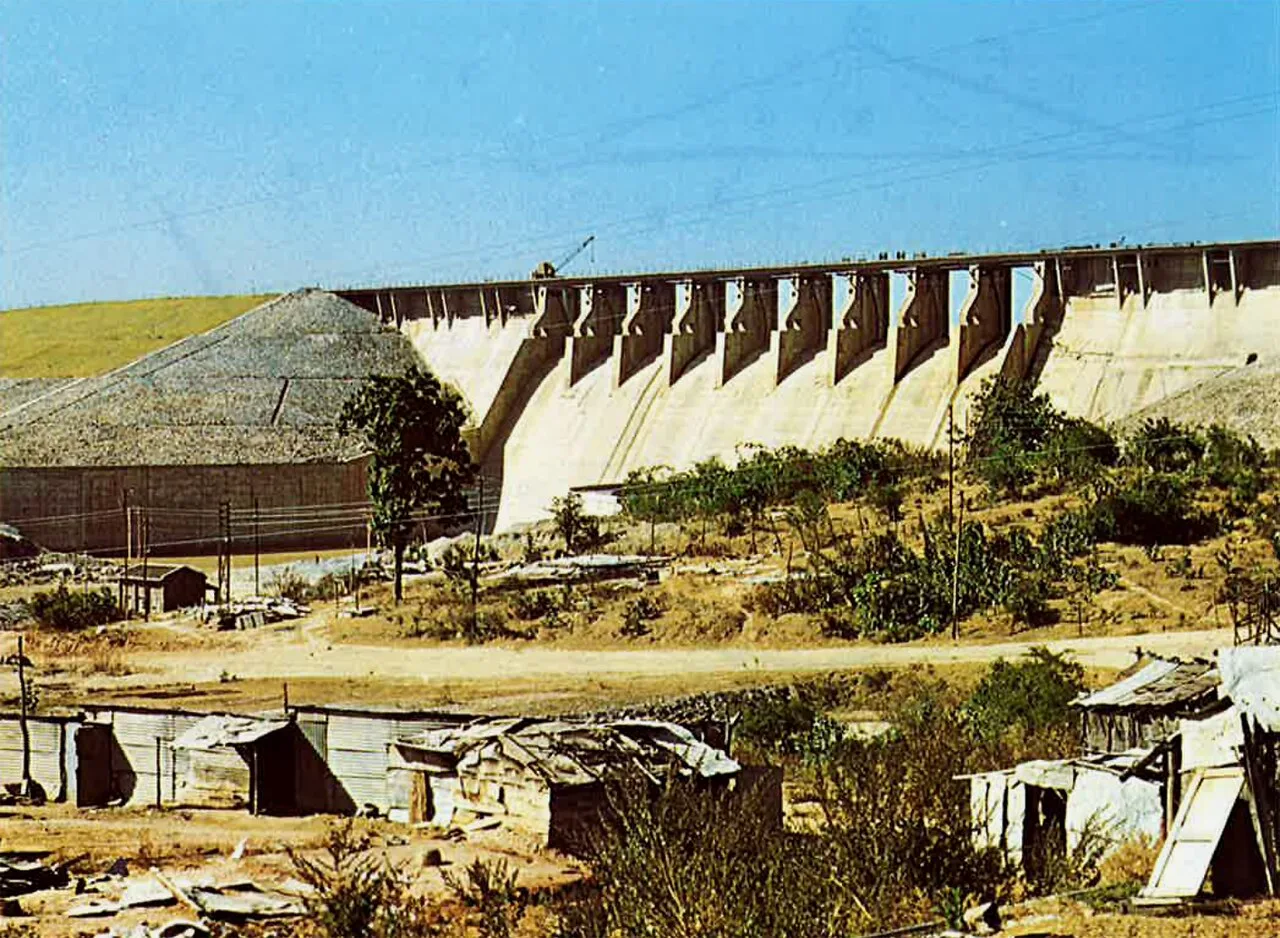
Visitors come mainly for nearby outdoor sights rather than for a large historic centre. Gandhauniya, a natural hot-water spring, is popular with local people, while Dhoodhi River is a gathering and picnic spot, especially around New Year. Tapin Dam, the Elephant Stone and the feature locally described as a deer’s footprint offer other reasons to explore the surroundings. The two ponds known as Jhoda Talab, on either side of the main highway, are a familiar local landmark. Together, these places give Mandu a mix of everyday town life, mining-region character and accessible nature.
Famous for: crafts, trade & products

Mandu is not especially known as a centre for a particular textile, handicraft or GI-tagged product. Its identity is more closely associated with the coal economy of Ramgarh district and with nearby places of local interest, including Gandhauniya hot spring, Tapin Dam and the Dhoodhi River. The town’s position in a mining region is reflected in the practical, service-oriented character of its shops and businesses.

For everyday purchases, visitors can look to the local bazaar and roadside shops for food, household goods and travel essentials. These serve Mandu and nearby settlements rather than functioning as a specialist craft market. Ramgarh town offers a broader range of shops and services within the district, while larger selections of regional goods are more likely to be found in Ranchi. Visitors hoping to buy locally made crafts should ask in the bazaar about current availability rather than expect a dedicated emporium or a signature Mandu product. The ponds beside the highway are useful landmarks when navigating the town and its local commercial area.

History

Mandu’s story is shaped less by a surviving royal centre or monumental old town than by its place in the plateau landscape and the development of the Ramgarh region. The surrounding area has long been connected by routes linking settlements across the Chota Nagpur Plateau. Under colonial rule, the wider region became increasingly tied to mineral extraction and transport; coal mining later grew into a defining part of the local economy.

In modern times, Mandu developed as a town and the administrative centre of Mandu community development block. Its setting within Ramgarh district places it among several towns and settlements influenced by nearby coalfields. Ramgarh became a separate district in 2007, giving the area its present district framework. The town’s contemporary character reflects this combination of local administration, road travel and mining-related activity. Its springs, dam, river and other nearby natural features remain important to local recreation, even as the broader district continues to be associated with coal and industry.

Food, festivals & culture

Everyday food is rooted in the rice-based cooking common across Jharkhand. Visitors may find dishes such as dhuska, pittha and seasonal preparations, though Mandu is not widely identified with a particular signature sweet or food. Hindi is commonly used, alongside regional languages and speech varieties heard across Ramgarh district, including Sadri and Nagpuri. Family gatherings, village life and local markets are central to the town’s everyday culture.

The festival calendar follows wider Jharkhand traditions. Sarhul, generally observed in spring, celebrates nature and the sal tree; Karma is associated with the monsoon season, while Sohrai is linked to the post-harvest period. Chhath, usually celebrated in autumn, is an important occasion for worship of the Sun and is observed around water bodies. Folk singing and dancing accompany seasonal celebrations, with forms and practices varying between communities. Local temples and neighbourhood shrines serve residents; visitors should be considerate during worship and festival gatherings.

Visiting the city

The cooler, drier months from October to February are generally the most comfortable time to explore Mandu and its outdoor surroundings. Summer can be hot, while monsoon rains may make some visits to riverside or rural spots less convenient. The nearest airport with regular commercial connections is Birsa Munda Airport in Ranchi. Ramgarh Cantonment is the main nearby railway station; check current connections before travelling.

Mandu is reached by road from Ramgarh and Ranchi. Local autos and hired vehicles are practical for getting between the town and dispersed sights such as Gandhauniya, Tapin Dam and Dhoodhi River. The bazaar and the Jhoda Talab ponds make useful orientation points. Allow time for the surrounding countryside, and check local conditions before heading to water or less-developed picnic areas.

Trips from the city

Nearest places to visit from Mandu

Our closest destination guides, by straight-line distance.

Patratu

24 km away · Ranchi district

Patratu

Patratu is a census town in Jharkhand, linked administratively to Patratu block and Ramgarh subdivision. The details provided do not identify a specific visitor attraction.

Rajrappa

31 km away · Ramgarh district

Rajrappa

Rajrappa, in Jharkhand’s Ramgarh district, is known for its waterfall and pilgrimage role, bringing together a natural feature and a place of religious significance.

Konar Dam

35 km away · Hazaribagh district

Konar Dam

Konar Dam is a multipurpose dam in Jharkhand’s Hazaribagh district, built on the Konar River as part of the Damodar Valley Corporation’s first-phase programme. Visitors come to the area for recreation.

Hazaribagh Wildlife Sanctuary

41 km away · Hazaribagh district

Hazaribagh Wildlife Sanctuary

Located in Jharkhand’s Hazaribagh district, this sanctuary was established in 1955, about 55 miles (89 km) north of Ranchi. People visit to see wildlife such as deer, monkeys and birds.

Hundru Falls

43 km away · Ranchi district

Hundru Falls

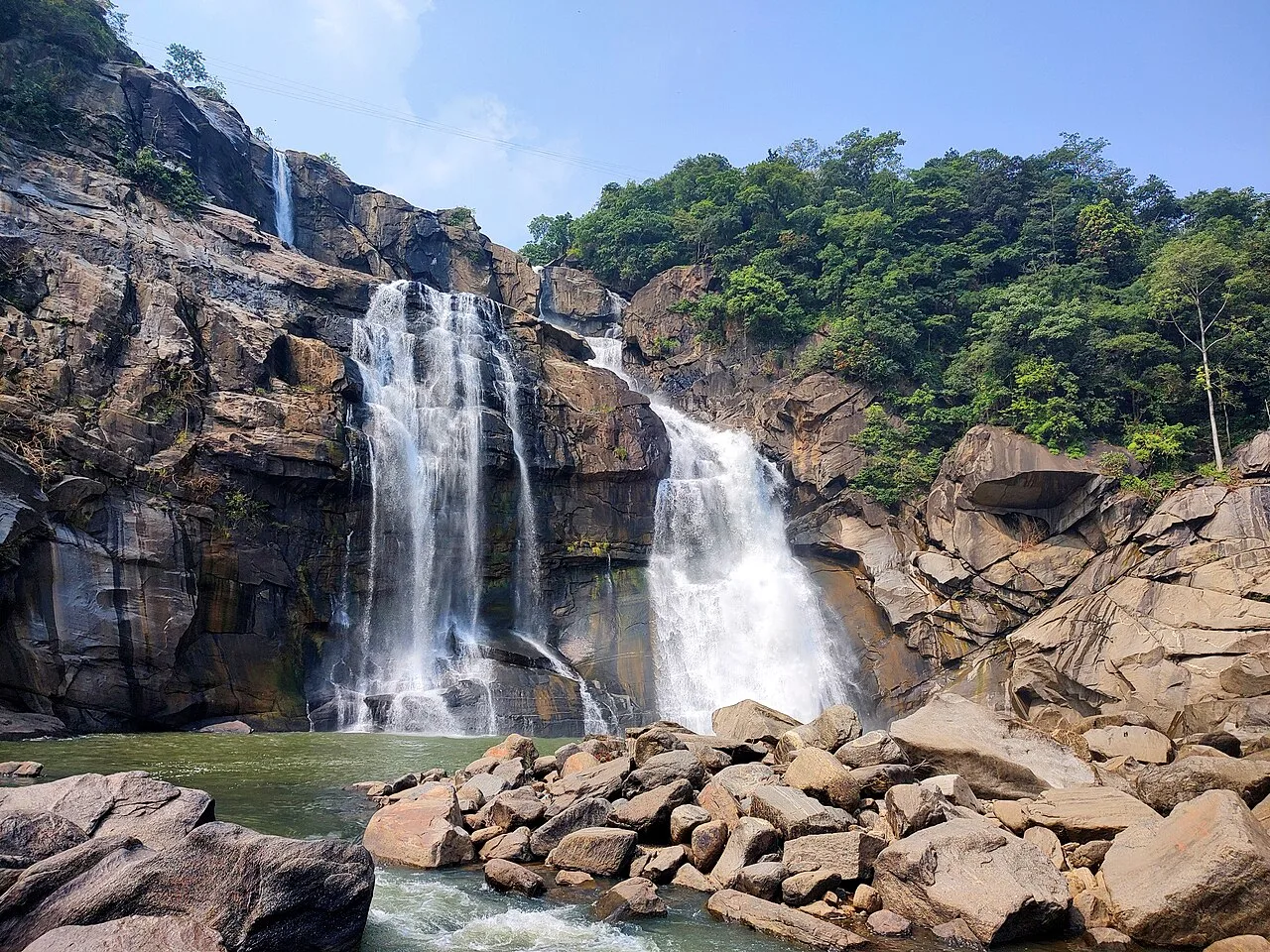
Hundru Falls is a waterfall in Ranchi district, Jharkhand, ranked 34th among India’s waterfalls and known as a prominent visitor attraction in its region.

Tagore Hill

46 km away · Ranchi district

Tagore Hill

Tagore Hill, also called Morabadi Hill, is a Ranchi landmark linked to Jyotirindranath Tagore and his family. Visitors are drawn by this history and the buildings associated with his time there.

Pahari Mandir

49 km away · Ranchi district

Pahari Mandir

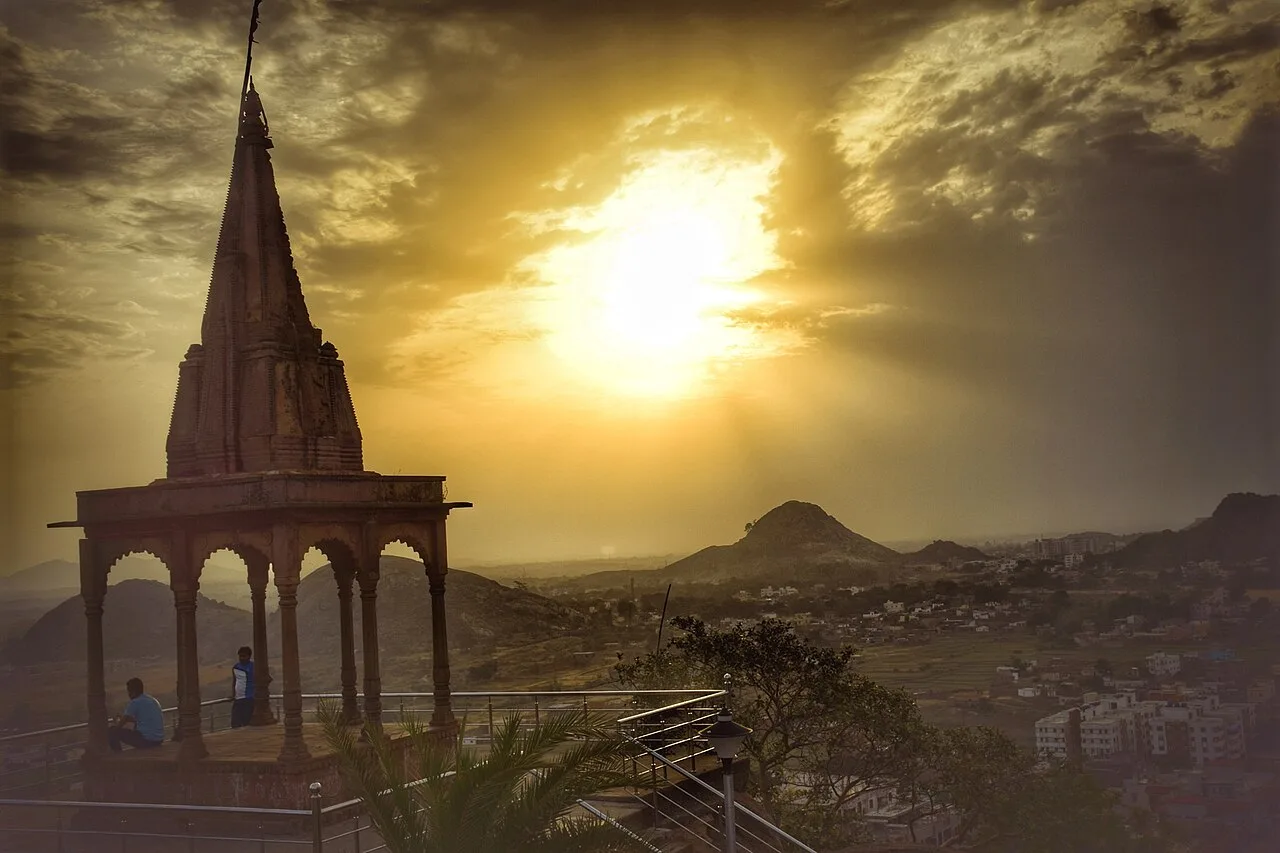
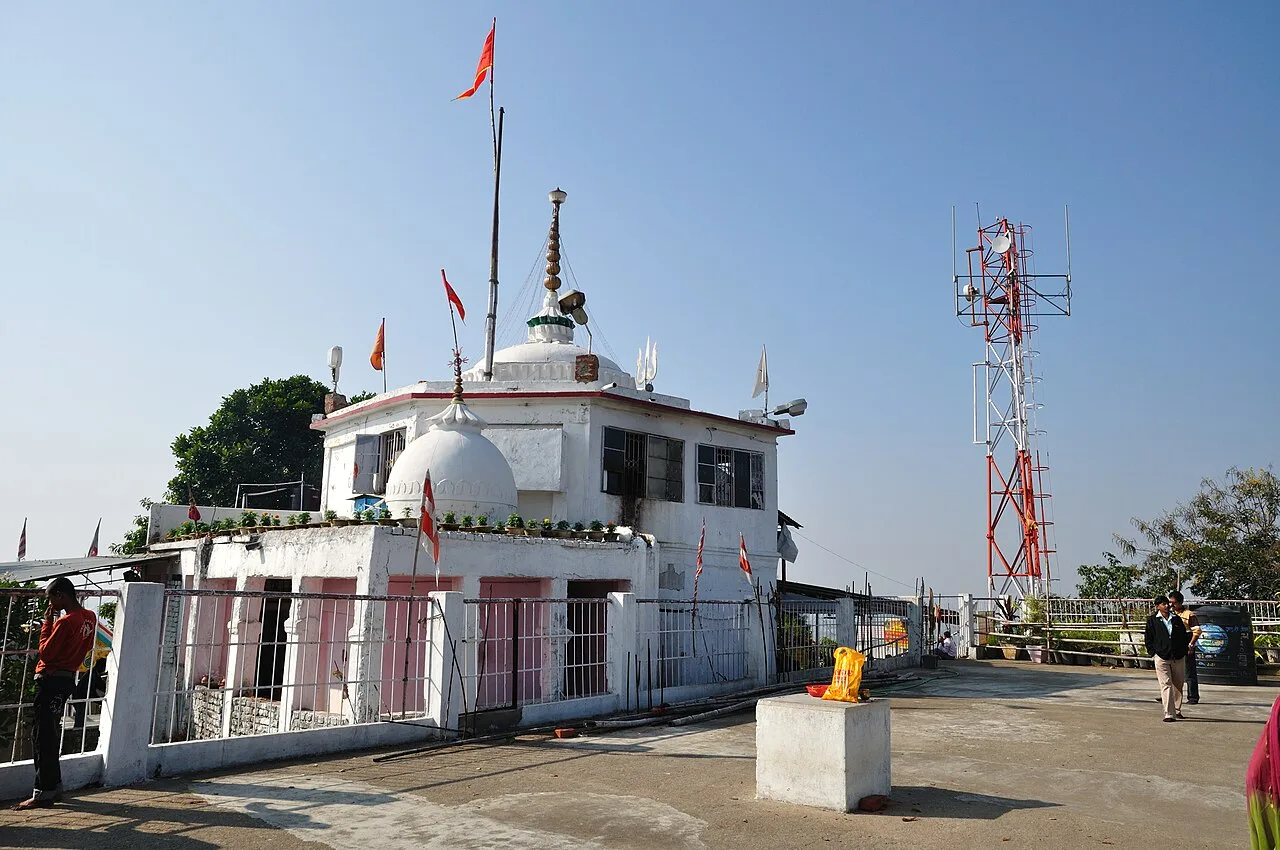
Pahari Mandir is a Shiva shrine on a hill in Ranchi, known for worship during Sawan and Shivaratri, its colonial-era history and flag-raising ceremonies.

Jonha Falls

52 km away · Ranchi district

Jonha Falls

Jonha Falls, also known as Gautamdhara Falls, is a waterfall in Ranchi district, Jharkhand. Visitors can reach it by Jonha Fall Resort Road without taking the 722 steps.

Map

Mandu on the map

  1. 1Patratu
  2. 2Rajrappa
  3. 3Konar Dam
  4. 4Hazaribagh Wildlife Sanctuary
  5. 5Hundru Falls
  6. 6Tagore Hill
  7. 7Pahari Mandir
  8. 8Jonha Falls

Jharkhand

Other cities to explore