Ghumoopedia — Explore, Discover, Experience
Sign in
Bokaro Steel City, near Phusro

City guide · Jharkhand

Phusro

Phusro is a municipal town in the Bermo subdivision of Bokaro district, in the mineral-rich plateau country of Jharkhand. Its importance comes chiefly from its position in the Bermo-Phusro coal belt, where mining and related commerce shape work, transport and everyday life.

Famous for

  • Bermo-Phusro coal belt
  • East Bokaro Coalfield
  • Damodar River
  • Regional coal trade

Why Phusro matters

Phusro is a municipal town in the Bermo subdivision of Bokaro district, in the mineral-rich plateau country of Jharkhand. Its importance comes chiefly from its position in the Bermo-Phusro coal belt, where mining and related commerce shape work, transport and everyday life. The Damodar River passes through the area, linking the town’s landscape to one of eastern India’s major river valleys.

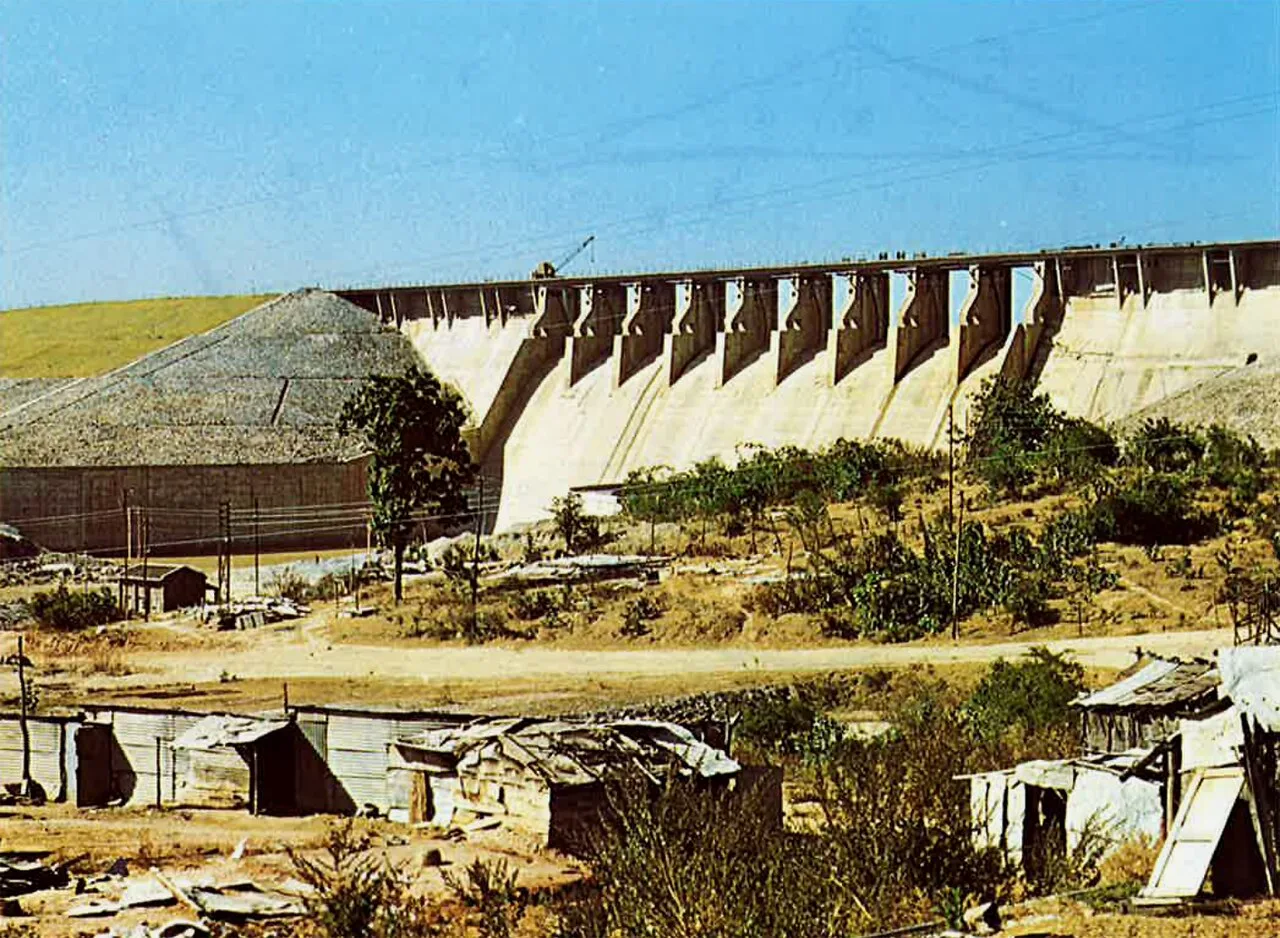
For visitors, Phusro is less a conventional sightseeing centre than a useful base for understanding the industrial character of the district. The surrounding region includes coal-mining settlements, Bokaro Thermal and the wider Damodar Valley, while Tenughat Dam is a destination for a broader excursion. Bokaro Steel City, with its large steel plant, is another major industrial centre in the district. In town, visitors can experience the bustle of a working regional centre and see how local markets and transport serve communities across the coalfield. Phusro is best suited to travellers with an interest in industry, regional life and the landscapes of the Chota Nagpur Plateau.
Famous for: crafts, trade & products

Phusro is known principally for coal, rather than for a signature textile, handicraft or food product. It lies within the East Bokaro Coalfield and serves a wider belt of mining settlements, so coal extraction and the businesses that support it are central to the town’s identity. The surrounding industrial landscape also includes Bokaro Thermal and, farther afield, Bokaro Steel City. These are distinct centres, but together they help explain the region’s importance to Jharkhand’s energy and manufacturing economy.

The town’s everyday commerce is centred on local bazaars and shops, where residents can find household goods, clothing, groceries and produce. These markets are the most practical places for visitors to browse or buy locally, though Phusro is not widely identified with a particular craft tradition or a GI-tagged product. Food shopping reflects the broader Jharkhand region, with rice, pulses, vegetables and seasonal produce part of daily trade. Rather than seeking a specialist shopping district, visitors will get a better sense of Phusro by exploring its central market streets and observing the services that cater to the coalfield’s workforce and neighbouring communities.

History

Phusro’s growth is closely connected to the coal resources of the East Bokaro Coalfield and the development of mining settlements across the Bermo area. The wider coal belt took shape through successive phases of commercial extraction and the expansion of transport and services needed to move coal and support mine workers. As a result, the town developed as a regional centre for a network of industrial communities rather than as a royal capital or a planned tourist town.

Coal mining expanded further after independence, and the nationalisation of coal in the 1970s brought the industry under public-sector management. Phusro’s civic and commercial role grew alongside this changing mining economy. Its place in Bokaro district also reflects the wider industrial transformation of the region: Bokaro Thermal became an important power-generation centre, while Bokaro Steel Plant established a major manufacturing presence at Bokaro Steel City in 1965. Today, Phusro remains a municipal centre whose character is shaped by the coal belt and its associated communities.

Food, festivals & culture

Daily life in Phusro reflects the mix of communities found across the Bokaro coal belt. Hindi is widely used, while Khortha, Urdu, Bengali and other regional languages may also be heard. Meals commonly draw on Jharkhand and eastern Indian staples such as rice, dal and seasonal vegetables. Dhuska and litti-chokha are familiar regional foods, though menus and home cooking vary between communities; local markets are a good place to find everyday snacks and produce.

The festival calendar brings together traditions observed across the region. Chhath, held mainly in autumn and again in spring, is marked with riverbank worship; Durga Puja and Diwali are celebrated in autumn, while Eid follows the Islamic lunar calendar. Sarhul and Karma, associated with Adivasi traditions and the changing seasons, are also observed in the wider area. Temples, mosques and neighbourhood worship spaces serve local communities, and festival gatherings often feature devotional songs, folk music and dance. The town’s culture is best encountered through its markets and community celebrations rather than through a single performance venue or signature art form.

Visiting the city

October to March is generally the most comfortable time to visit, with cooler weather than the hot summer months and less disruption from monsoon rain. Birsa Munda Airport in Ranchi is the nearest major airport; check connections and onward road or rail options before travelling. Phusro railway station serves the town, and local trains and road services connect it with nearby settlements.

Auto-rickshaws and local buses are useful for getting around, while hired vehicles can help with trips beyond town. Explore the central market area for everyday commerce, then consider visiting the Bermo side of the coal belt or Bokaro Thermal to understand the region’s industrial landscape. Tenughat Dam makes a longer outing from Phusro. These are regional excursions rather than attractions within a compact sightseeing district, so allow time for road travel and check local conditions before setting out.

Trips from the city

Nearest places to visit from Phusro

Our closest destination guides, by straight-line distance.

Bokaro Steel City

18 km away · Bokaro district

Bokaro Steel City

Bokaro Steel City is a planned industrial centre in Jharkhand. Visitors come for its zoo, dam, parks and shopping mall, while the city is also known for its steel industry.

Parasnath

26 km away · Giridih district

Parasnath

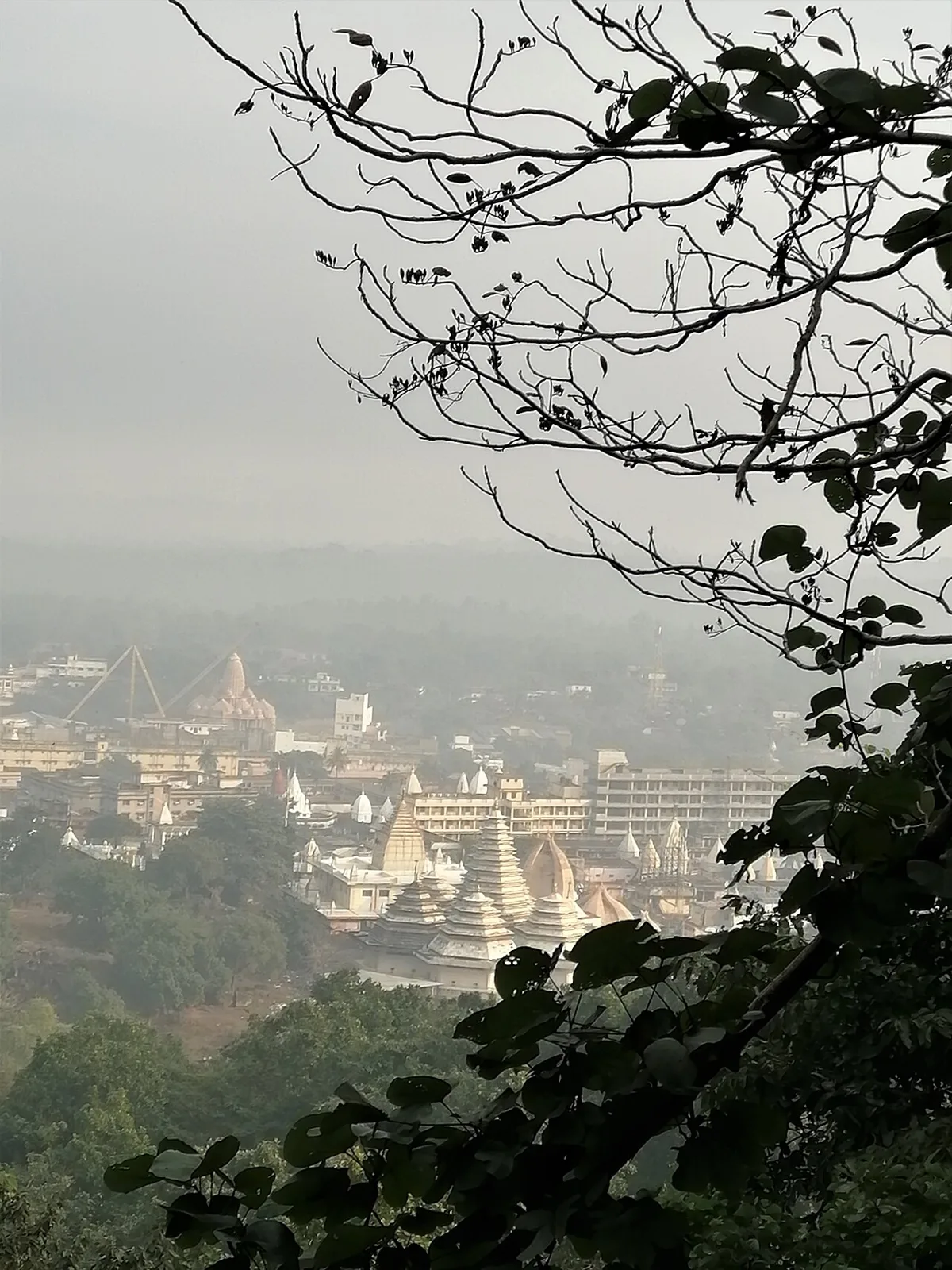
Parasnath is a summit in Jharkhand’s Giridih district and part of the range that bears its name. People visit Shikharji, the Jain pilgrimage site on the summit, linked to Parshvanatha.

Shikharji

26 km away · Giridih district

Shikharji

In Jharkhand’s Giridih district, Shikharji—also called Sammet or Sammed Shikharji—is a major Jain sacred destination, visited because tradition holds that many spiritual teachers attained liberation there.

Konar Dam

31 km away · Hazaribagh district

Konar Dam

Konar Dam is a multipurpose dam in Jharkhand’s Hazaribagh district, built on the Konar River as part of the Damodar Valley Corporation’s first-phase programme. Visitors come to the area for recreation.

Rajrappa

33 km away · Ramgarh district

Rajrappa

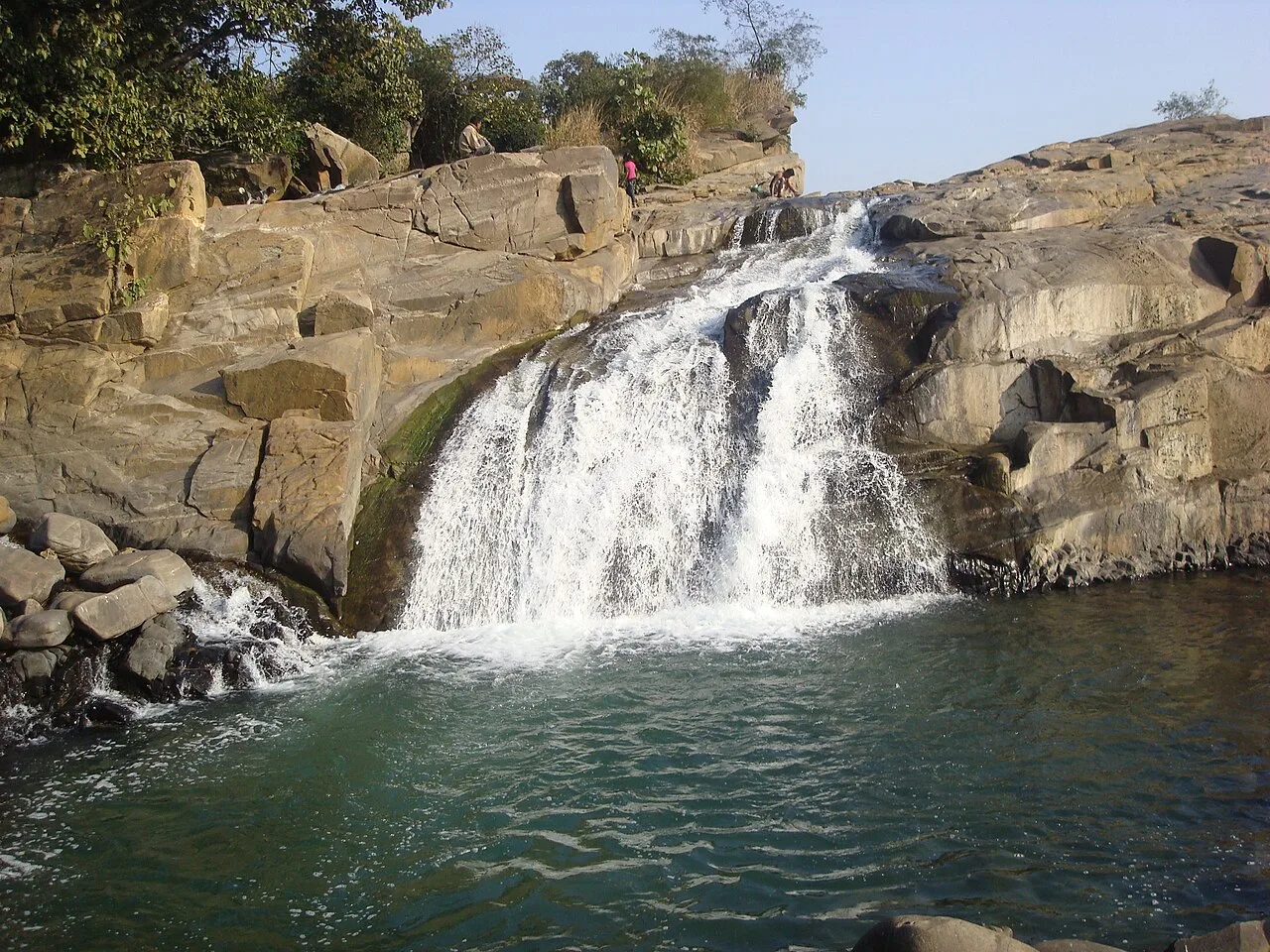
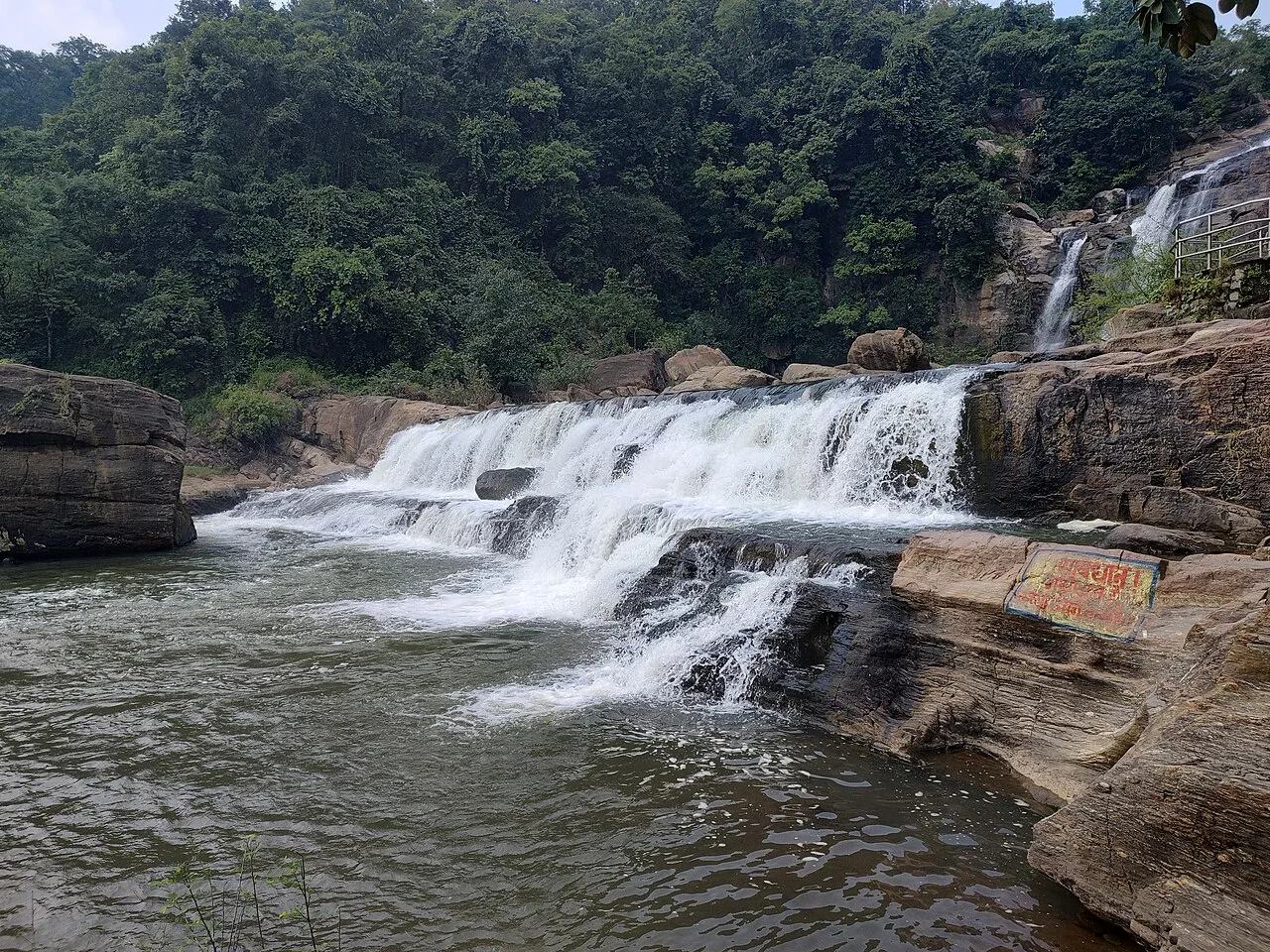
Rajrappa, in Jharkhand’s Ramgarh district, is known for its waterfall and pilgrimage role, bringing together a natural feature and a place of religious significance.

Hundru Falls

50 km away · Ranchi district

Hundru Falls

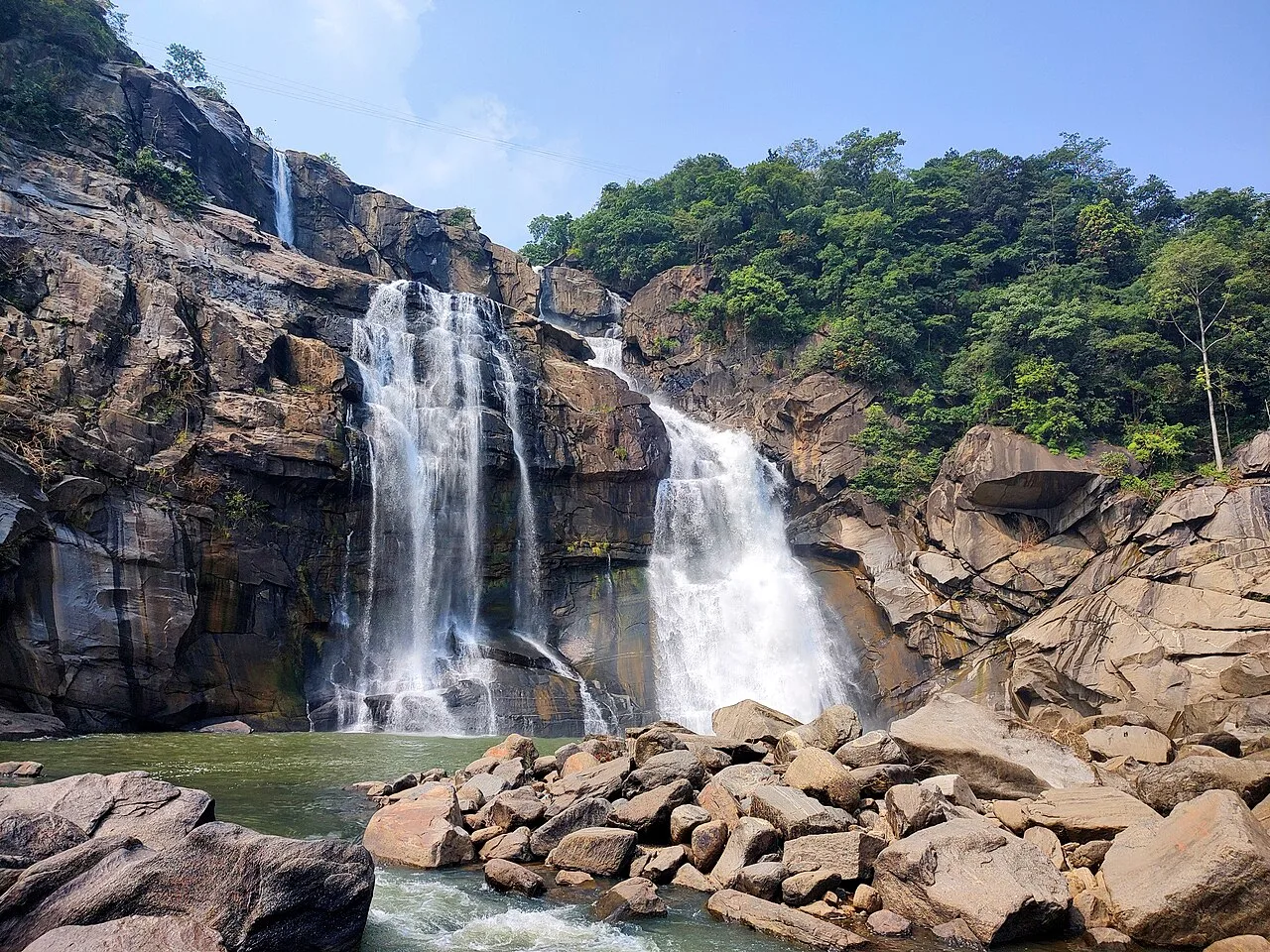
Hundru Falls is a waterfall in Ranchi district, Jharkhand, ranked 34th among India’s waterfalls and known as a prominent visitor attraction in its region.

Usri Falls

53 km away · Giridih district

Usri Falls

Usri Falls is a waterfall in Giridih district, Jharkhand, visited by tourists and picnickers. The name Ushree means beautiful source.

Jonha Falls

61 km away · Ranchi district

Jonha Falls

Jonha Falls, also known as Gautamdhara Falls, is a waterfall in Ranchi district, Jharkhand. Visitors can reach it by Jonha Fall Resort Road without taking the 722 steps.

Map

Phusro on the map

  1. 1Bokaro Steel City
  2. 2Parasnath
  3. 3Shikharji
  4. 4Konar Dam
  5. 5Rajrappa
  6. 6Hundru Falls
  7. 7Usri Falls
  8. 8Jonha Falls

Jharkhand

Other cities to explore