Ghumoopedia — Explore, Discover, Experience
Sign in
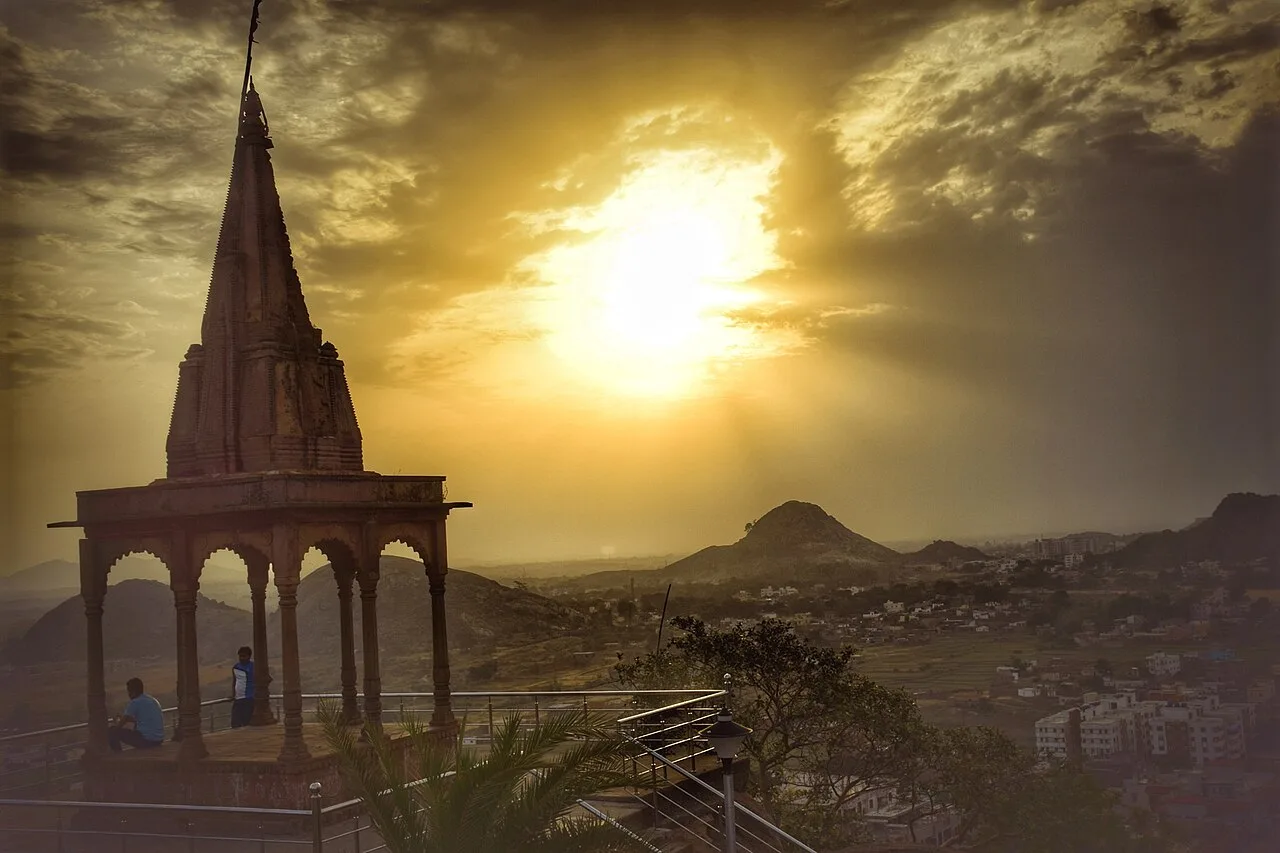
Rajrappa, near Ramgarh Cantonment

City guide · Jharkhand

Ramgarh Cantonment

Ramgarh Cantonment is a military and regional service town in Jharkhand, set amid the mineral-rich belt of the Chotanagpur Plateau. It is the administrative centre of Ramgarh district and an important cantonment, with regimental centres for the Punjab Regiment and the Sikh Regiment.

Famous for

  • Punjab Regiment Centre
  • Sikh Regiment Centre
  • Rajrappa Temple
  • Second World War history
  • Coal and mineral fields

Why Ramgarh Cantonment matters

Ramgarh Cantonment is a military and regional service town in Jharkhand, set amid the mineral-rich belt of the Chotanagpur Plateau. It is the administrative centre of Ramgarh district and an important cantonment, with regimental centres for the Punjab Regiment and the Sikh Regiment. Its military heritage also includes a major Second World War training camp, where American instructors trained Chinese troops, and a former prisoner-of-war camp for German and Italian soldiers.

Visitors come for this history and for nearby places of worship and nature. Rajrappa Temple, at the meeting of the Bhairavi and Damodar rivers, is a prominent pilgrimage destination in the district. The town also serves as a gateway to local coalfield landscapes and the surrounding plateau. Ramgarh’s position on the road between Ranchi and Hazaribagh gives it a practical role in regional travel and commerce. It is not primarily a craft or resort destination; its identity is shaped by the cantonment, its industrial setting and the stories attached to its wartime past.
Famous for: crafts, trade & products

Ramgarh is better known for its cantonment institutions and mineral economy than for a signature textile, handicraft or food product. Coal mining and other mineral-related activity have long shaped the wider district, while the regimental centres of the Punjab and Sikh regiments are among the town’s most distinctive institutions. These centres are military establishments, not general visitor attractions, and access may be restricted.

There is no widely established Ramgarh-specific GI-tagged product or nationally recognised craft tradition to seek out. For everyday shopping, the town’s bazaar and cantonment-market areas serve residents with routine household goods, clothing and food; they are not specialist artisan markets. Visitors hoping to buy Jharkhand handicrafts or regional textiles may find a broader selection in larger urban centres, rather than treating Ramgarh as a dedicated craft-shopping destination. Local shops and eateries are the best places to sample ordinary regional provisions, but products and availability vary. The district’s strongest draw remains its military history, coalfield setting and pilgrimage sites, especially Rajrappa Temple, rather than a particular manufactured souvenir.

History

Ramgarh’s history reaches back beyond the modern cantonment. Ramgarh Raj is traditionally dated to 1368, and its capital moved between locations before being established at Ramgarh under King Dalel Singh in the seventeenth century. Under British rule, the area became part of a wider military and administrative district. Social reformer Raja Ram Mohan Roy lived and worked in the region in 1805–06.

The town’s most prominent wartime chapter came during the Second World War. From 1942, Chinese troops who had withdrawn from Burma were housed, equipped and trained at Ramgarh by American instructors. The site had previously served as a British prisoner-of-war camp for German and Italian prisoners. Ramgarh also hosted the Indian National Congress’s 1940 annual session, chaired by Maulana Abul Kalam Azad. The cantonment developed as a formal military settlement in the 1940s. Once part of Hazaribagh district, Ramgarh became a separate district in 2007, while its cantonment and regimental institutions continued to define much of the town’s character.

Food, festivals & culture

Everyday food reflects the wider Jharkhand plateau: rice, lentils, seasonal vegetables and leafy greens are common, alongside regional preparations such as dhuska, pitha and chilka roti. These are shared across the region rather than exclusive to Ramgarh. Local eateries and market-area food stalls are practical places to try everyday cooking; menus and availability differ. Visitors may also encounter sweets and snacks associated with wider North Indian festival traditions.

The town’s calendar includes major Hindu observances such as Durga Puja in autumn and Chhath after the monsoon, as well as seasonal Adivasi festivals including Sarhul in spring and Karma later in the year. Hindi is widely used; Khortha, Nagpuri, Urdu and other regional or community languages are also heard. Folk music and dance traditions, including Jhumar, belong to the broader cultural life of the region. Ramgarh’s places of worship serve a mixed community, while Rajrappa Temple is the district’s best-known pilgrimage site, set at the Bhairavi–Damodar confluence.

Visiting the city

The cooler months, roughly October to February, are generally the most comfortable for exploring. Summer can be hot, while monsoon brings rain and greener scenery. The nearest airport is Birsa Munda Airport in Ranchi; Ramgarh Cantonment railway station serves the town. Road links connect Ramgarh with Ranchi and Hazaribagh, and local auto-rickshaws and taxis are useful for short trips, though services vary.

Explore the town bazaar and accessible public areas around the cantonment for everyday local life, and set aside time for Rajrappa Temple in the district. Military facilities and some historic sites may have access restrictions, so check locally before planning a visit. The wartime cemetery and other military heritage locations are best approached respectfully and only where entry is permitted.

Trips from the city

Nearest places to visit from Ramgarh Cantonment

Our closest destination guides, by straight-line distance.

Rajrappa

19 km away · Ramgarh district

Rajrappa

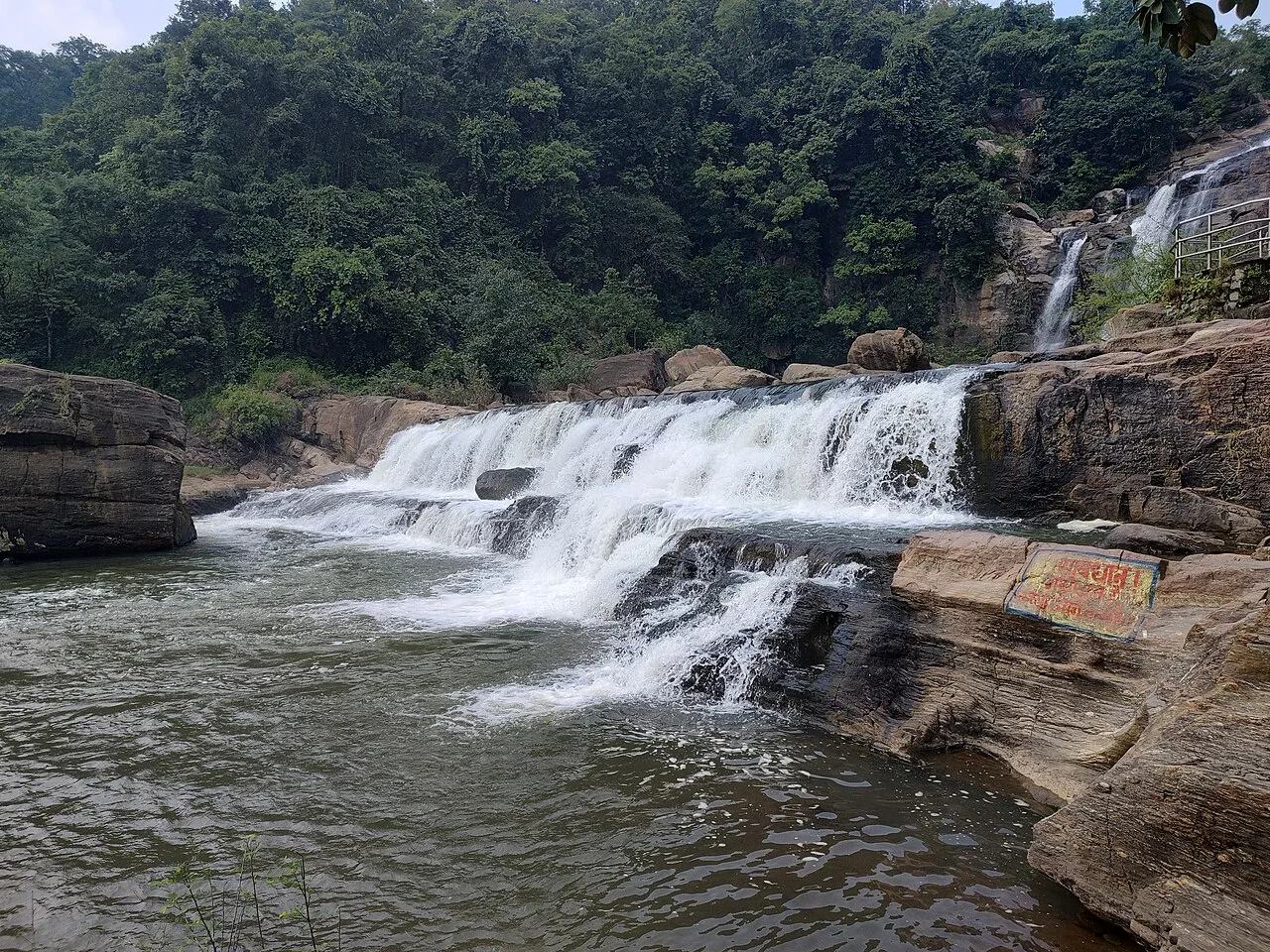
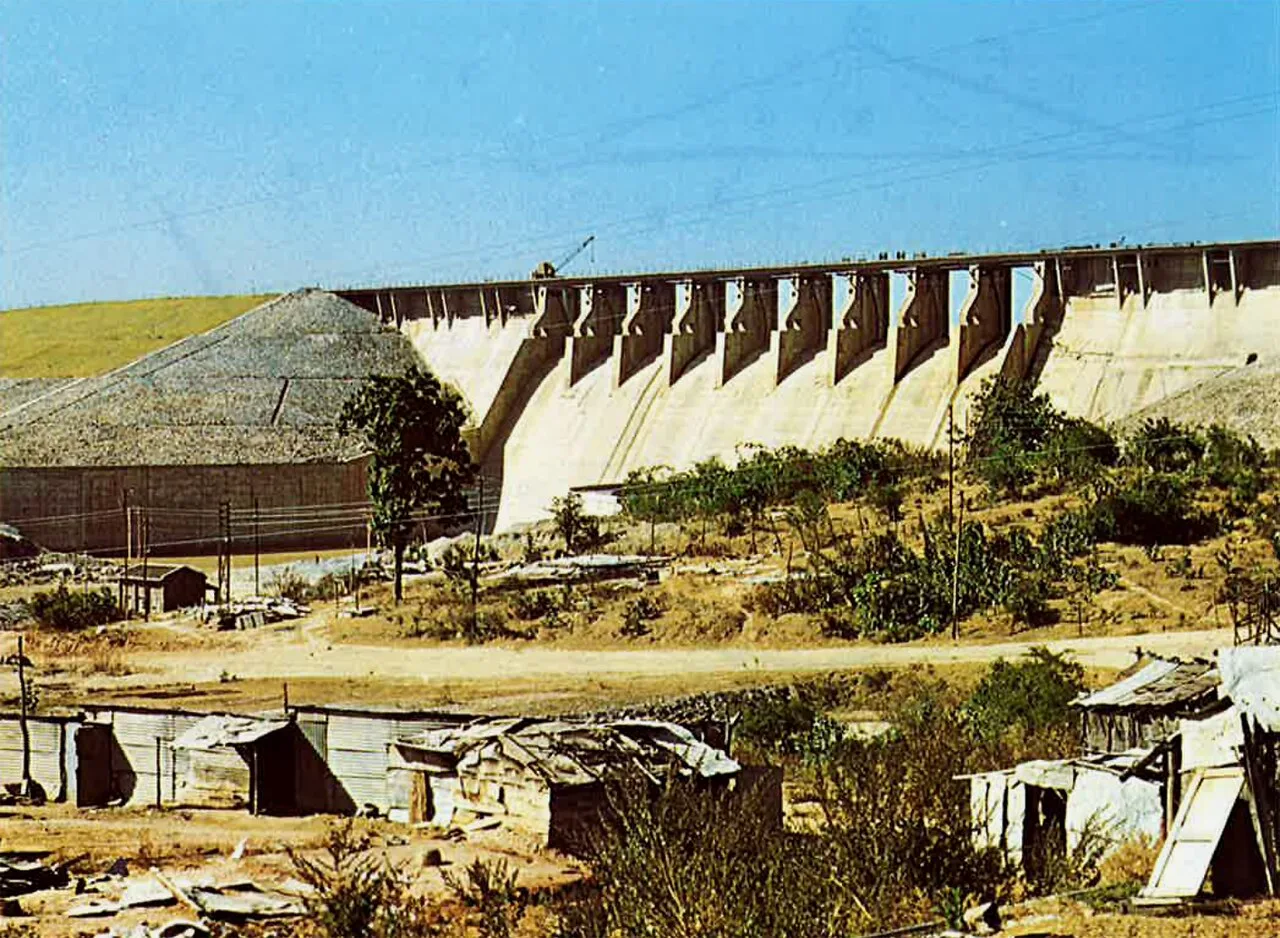
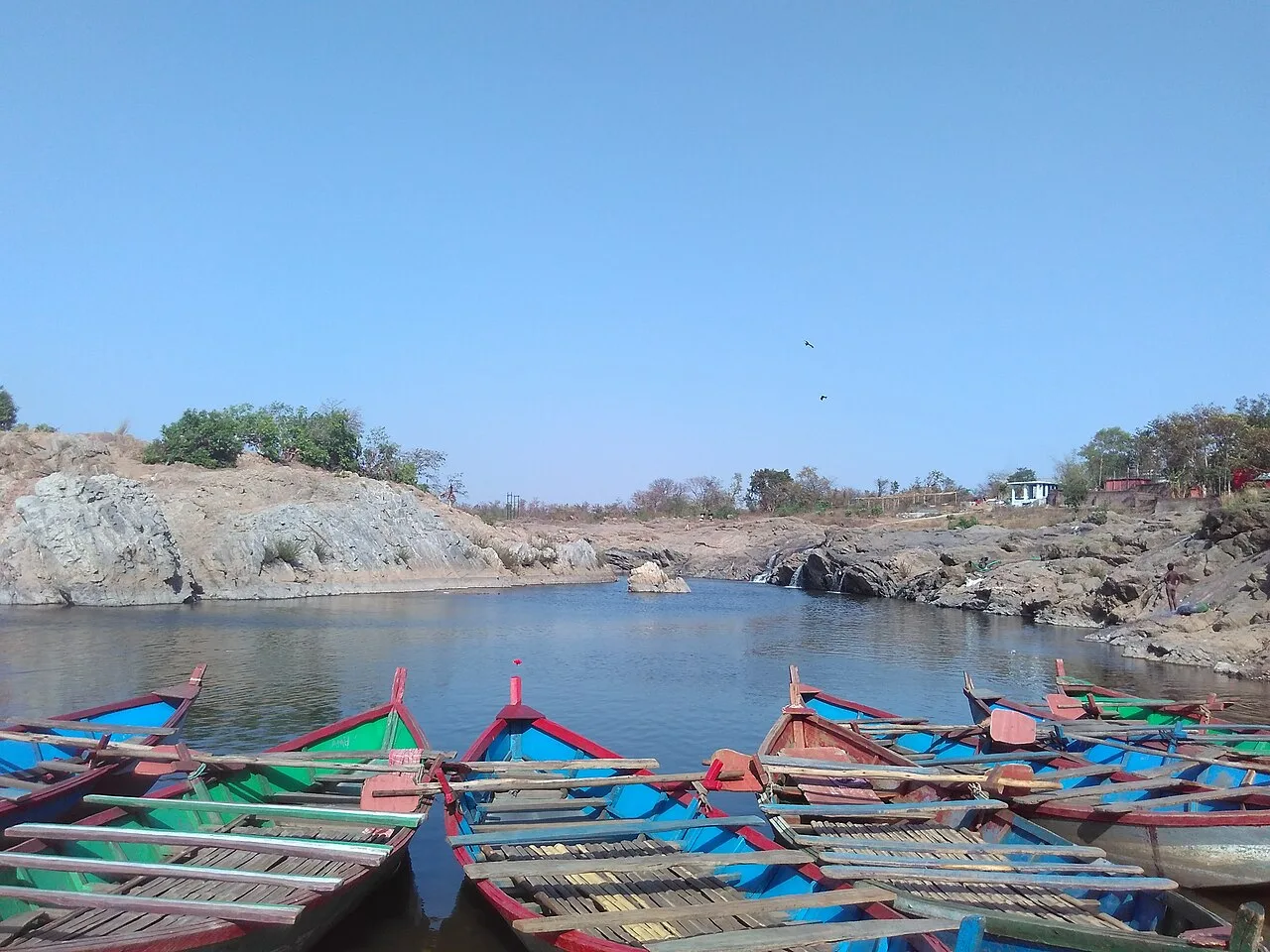
Rajrappa, in Jharkhand’s Ramgarh district, is known for its waterfall and pilgrimage role, bringing together a natural feature and a place of religious significance.

Hundru Falls

24 km away · Ranchi district

Hundru Falls

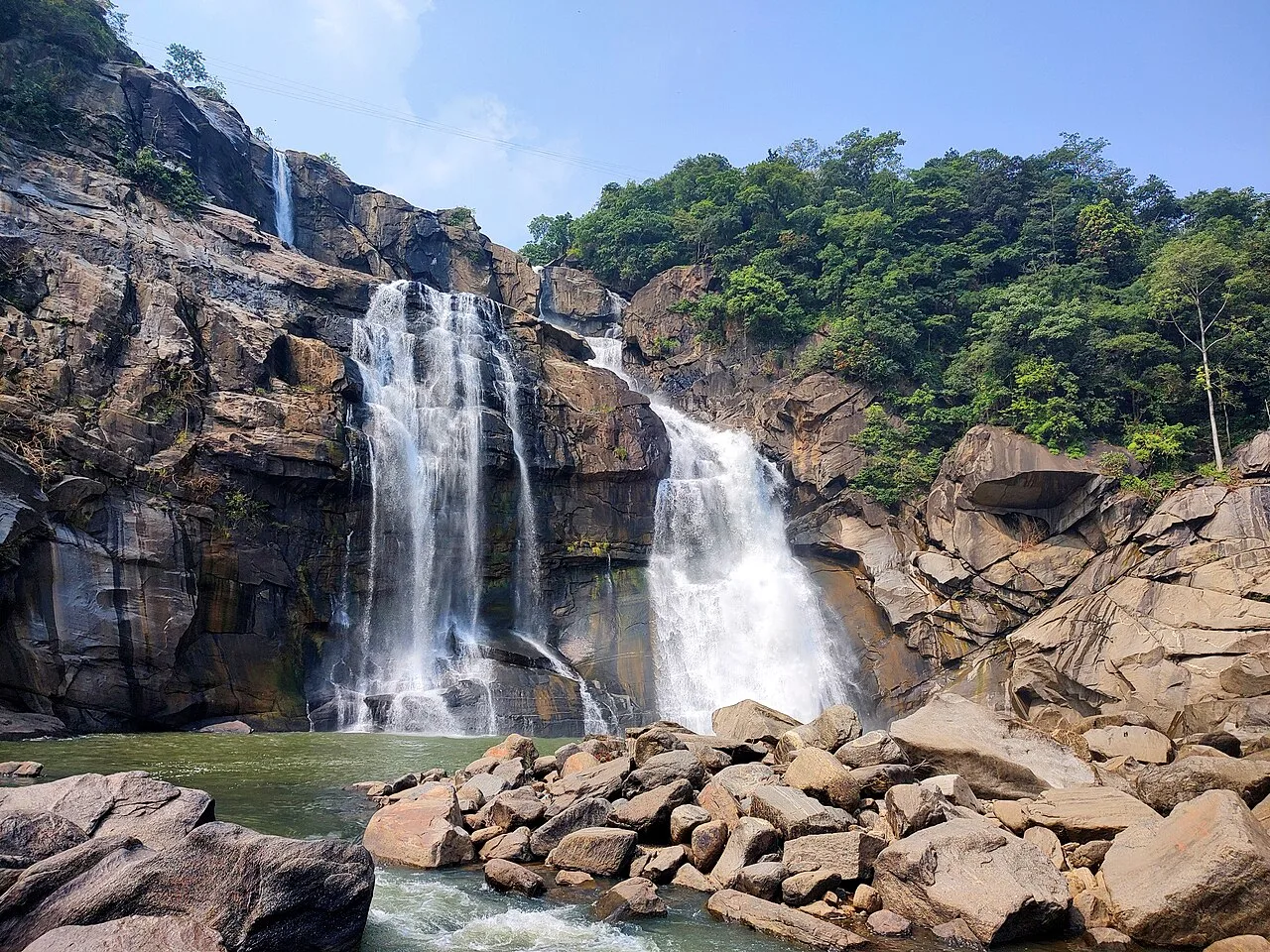
Hundru Falls is a waterfall in Ranchi district, Jharkhand, ranked 34th among India’s waterfalls and known as a prominent visitor attraction in its region.

Patratu

25 km away · Ranchi district

Patratu

Patratu is a census town in Jharkhand, linked administratively to Patratu block and Ramgarh subdivision. The details provided do not identify a specific visitor attraction.

Tagore Hill

32 km away · Ranchi district

Tagore Hill

Tagore Hill, also called Morabadi Hill, is a Ranchi landmark linked to Jyotirindranath Tagore and his family. Visitors are drawn by this history and the buildings associated with his time there.

Jonha Falls

33 km away · Ranchi district

Jonha Falls

Jonha Falls, also known as Gautamdhara Falls, is a waterfall in Ranchi district, Jharkhand. Visitors can reach it by Jonha Fall Resort Road without taking the 722 steps.

Pahari Mandir

36 km away · Ranchi district

Pahari Mandir

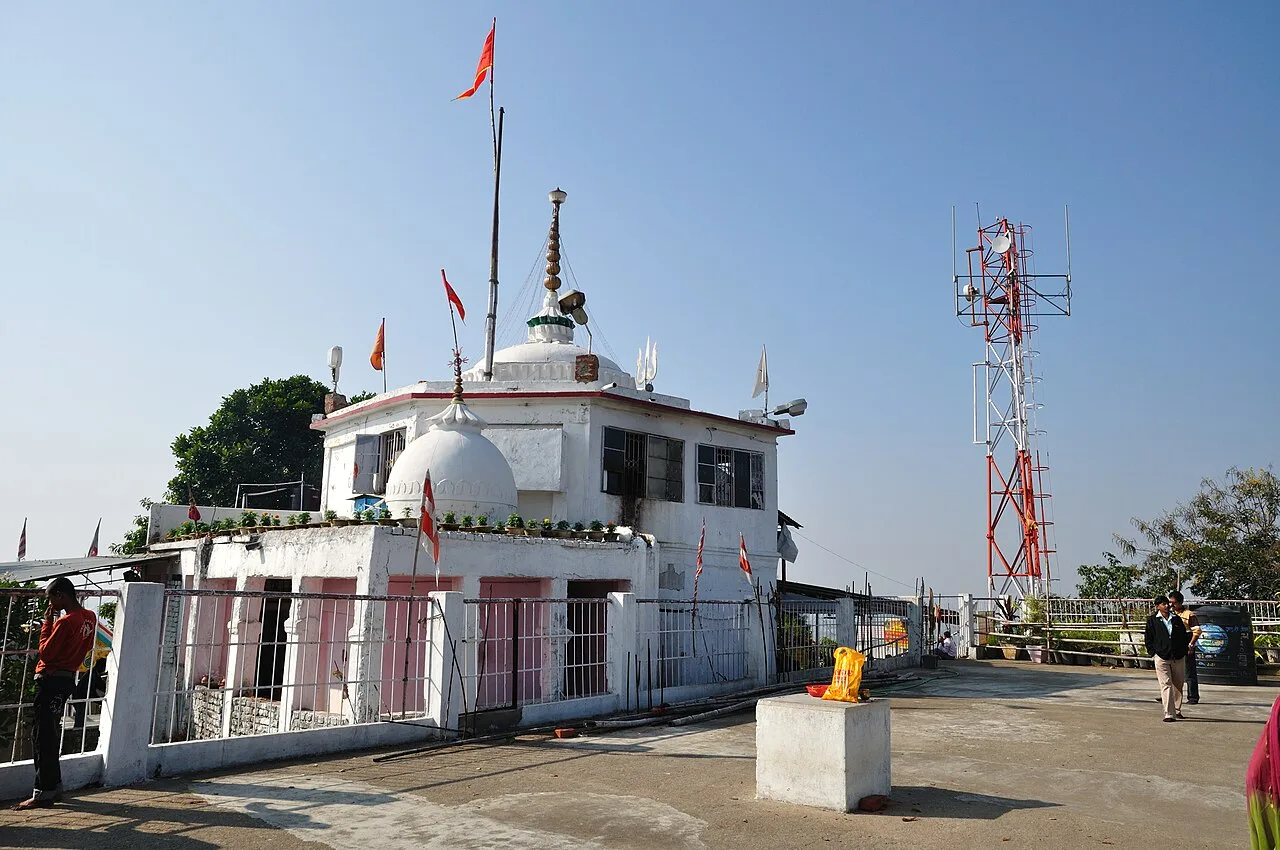
Pahari Mandir is a Shiva shrine on a hill in Ranchi, known for worship during Sawan and Shivaratri, its colonial-era history and flag-raising ceremonies.

Jagannath Temple

43 km away · Ranchi district

Jagannath Temple

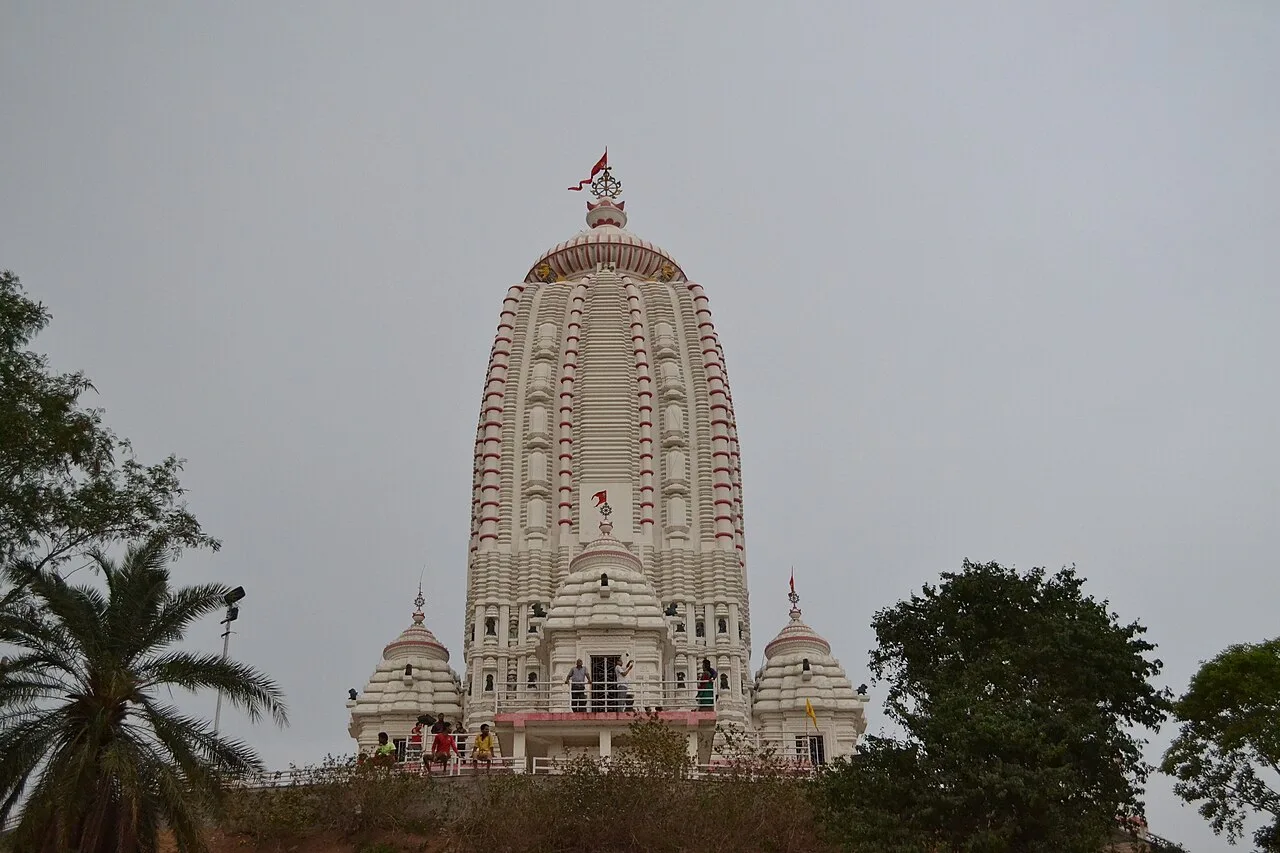
Dedicated to Jagannath, this Hindu shrine in Ranchi, Jharkhand, draws worshippers for its hilltop setting and the annual Rath Yatra and fair held during Aashaadha.

Konar Dam

43 km away · Hazaribagh district

Konar Dam

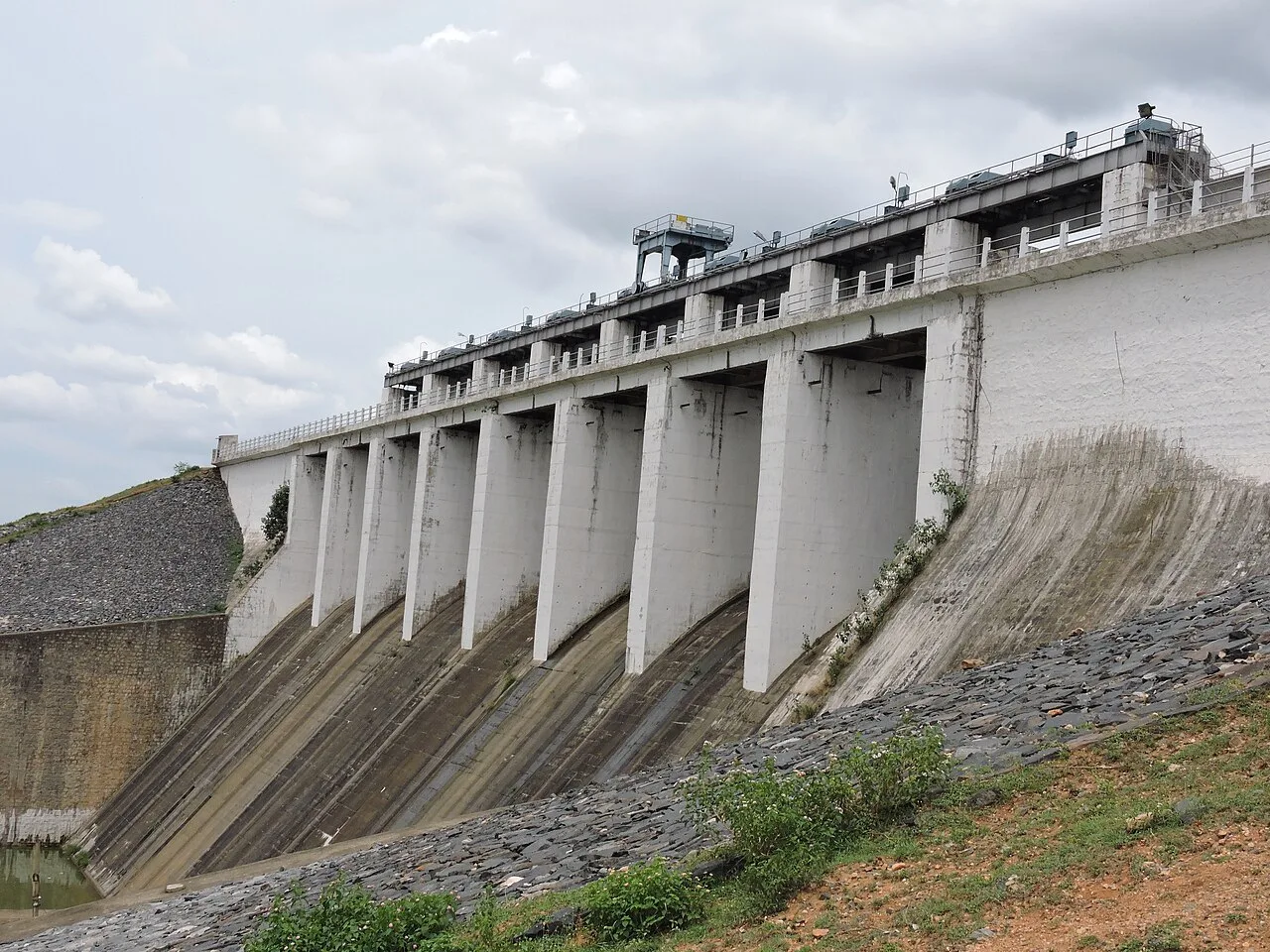
Konar Dam is a multipurpose dam in Jharkhand’s Hazaribagh district, built on the Konar River as part of the Damodar Valley Corporation’s first-phase programme. Visitors come to the area for recreation.

Map

Ramgarh Cantonment on the map

  1. 1Rajrappa
  2. 2Hundru Falls
  3. 3Patratu
  4. 4Tagore Hill
  5. 5Jonha Falls
  6. 6Pahari Mandir
  7. 7Jagannath Temple
  8. 8Konar Dam

Jharkhand

Other cities to explore