Ghumoopedia — Explore, Discover, Experience
Sign in
Patratu, near Sirka

City guide · Jharkhand

Sirka

Sirka is a small mining town in Jharkhand’s Ramgarh district, closely connected to the wider Ramgarh urban area. Its present-day character is shaped more by coal and the lives of people who work in the surrounding mines than by a large collection of visitor attractions.

Famous for

  • Sirka coal-mining area
  • Central Coalfields operations
  • Ramgarh-region setting
  • Nearby Rajrappa temple

Why Sirka matters

Sirka is a small mining town in Jharkhand’s Ramgarh district, closely connected to the wider Ramgarh urban area. Its present-day character is shaped more by coal and the lives of people who work in the surrounding mines than by a large collection of visitor attractions. Central Coalfields Limited operations in the area are an important part of the local economy and give Sirka a distinct place in Jharkhand’s coal belt.

For visitors, Sirka is best understood as a local base or stop within the Ramgarh region rather than a conventional sightseeing destination. Ramgarh offers the main town services, while the surrounding landscape and regional places of worship provide reasons to explore farther afield. Rajrappa, known for the Chhinnamasta temple, is a prominent regional pilgrimage destination. Sirka’s significance lies in this combination of a working coal community, its links to Ramgarh, and its position within a wider region of industry, settlements and religious sites.
Famous for: crafts, trade & products

Sirka is chiefly associated with coal mining and the Central Coalfields Limited operations in the Ramgarh area. Coal is the defining local industry; the town is not widely known as a centre for a particular textile, handicraft, GI-tagged product or specialty market. Visitors should not expect a dedicated craft bazaar or a recognised local shopping district. For everyday shopping, residents generally rely on local shops and the larger commercial facilities in Ramgarh.

The wider region’s identity is also tied to mining, transport and services that support nearby industrial settlements. Local markets are useful for daily provisions and simple snacks, but specific products or outlets can change, so it is sensible to ask locally about current options. For religious souvenirs and offerings, shops around the Chhinnamasta temple at Rajrappa serve pilgrims; this is a regional excursion, not a Sirka shopping area. Traditional food ingredients and household goods are more likely to be found in neighbourhood shops and Ramgarh’s markets than in specialist visitor stores. Sirka’s strongest claim to recognition remains its role in the coal economy, rather than a distinctive consumer product.

History

Sirka’s growth is closely linked to the development of coal mining in the Ramgarh region. Rather than growing around a royal court or an old commercial centre, Sirka developed with the industrial landscape around it. Its present identity is therefore closely connected to the mines and to Ramgarh’s role as the region’s main town.

The Ramgarh area has older rural and religious histories, but detailed accounts of Sirka as a separate historic centre are limited. Under British rule, coal extraction expanded in parts of Jharkhand, laying foundations for the region’s later industrial importance; local development continued after independence. In more recent decades, public-sector coal operations have remained central to the area’s economic life. Sirka is now part of the Ramgarh urban agglomeration, linking it administratively and practically with neighbouring settlements while retaining the character of a mining community.

Food, festivals & culture

Daily life in Sirka reflects its working-town character and the cultural mix of the Ramgarh region. Hindi is widely used, alongside regional languages and speech varieties such as Nagpuri and Kurmali. Rice, pulses, seasonal vegetables and simple meat or fish dishes are familiar parts of regional meals; local snacks and sweets can be found in neighbourhood shops, though Sirka is not especially known for a signature dish. Food choices are generally practical and locally rooted rather than built around visitor dining.

Residents observe major Hindu festivals, including Diwali, Holi, Durga Puja and Chhath, which usually fall in autumn or spring according to the lunar calendar. Sarhul, a spring festival associated with nature and Adivasi traditions, is also celebrated in the wider region. Folk music and dance are part of community gatherings and seasonal celebrations. Local temples and neighbourhood places of worship serve residents, while Rajrappa’s Chhinnamasta temple is an important pilgrimage destination in the surrounding area. Festival events and services vary from year to year, so visitors can ask locally for current details.

Visiting the city

The cooler months, roughly October to February, are generally the most comfortable time to visit; summer can be hot, and monsoon rain may affect road journeys. Sirka is a working town, so visitors should plan it as part of a Ramgarh-region trip rather than expect a full sightseeing circuit within the settlement. Ranchi’s Birsa Munda Airport is the nearest major airport. Ramgarh Cantonment railway station serves the town, while Barkakana Junction is another important nearby rail hub.

Local travel is mainly by road, with autos and other local vehicles serving nearby settlements; availability can vary. Ramgarh town is the practical place to look for a broader range of shops and services. Within the area, visitors can explore Sirka’s mining-town surroundings respectfully and consider a trip to Rajrappa temple. Check local road conditions and transport options before setting out.

Trips from the city

Nearest places to visit from Sirka

Our closest destination guides, by straight-line distance.

Patratu

16 km away · Ranchi district

Patratu

Patratu is a census town in Jharkhand, linked administratively to Patratu block and Ramgarh subdivision. The details provided do not identify a specific visitor attraction.

Rajrappa

28 km away · Ramgarh district

Rajrappa

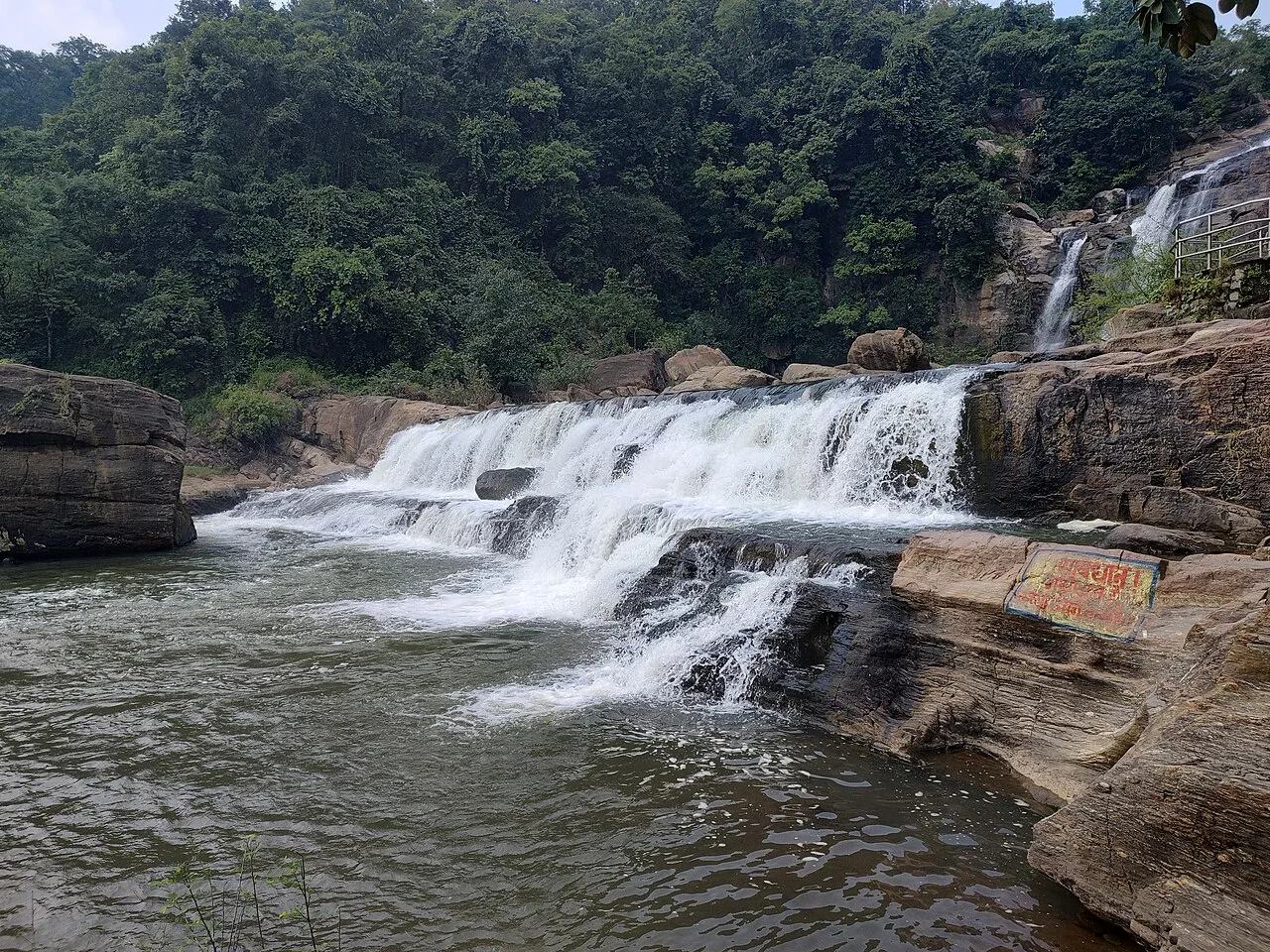
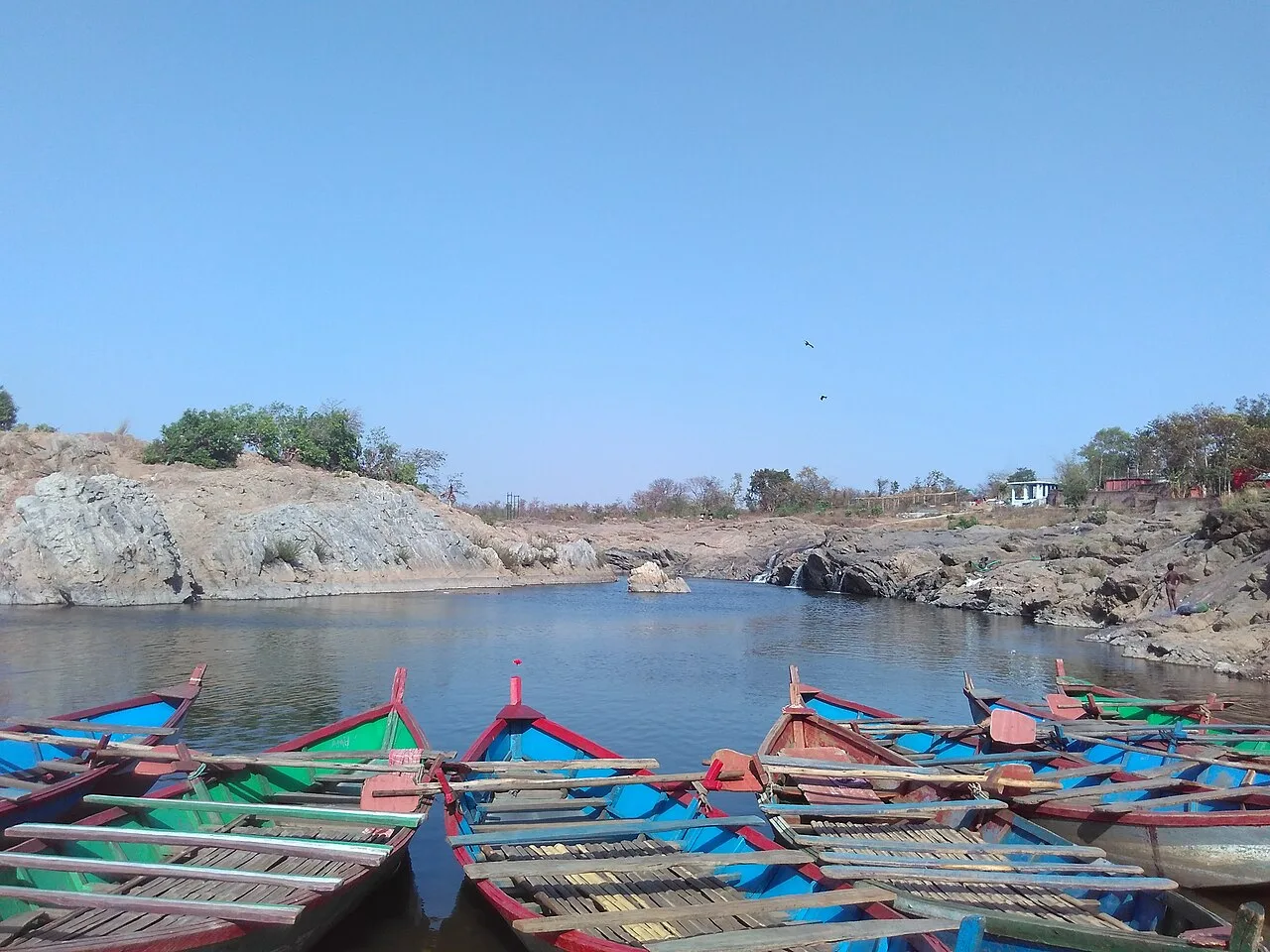
Rajrappa, in Jharkhand’s Ramgarh district, is known for its waterfall and pilgrimage role, bringing together a natural feature and a place of religious significance.

Tagore Hill

29 km away · Ranchi district

Tagore Hill

Tagore Hill, also called Morabadi Hill, is a Ranchi landmark linked to Jyotirindranath Tagore and his family. Visitors are drawn by this history and the buildings associated with his time there.

Hundru Falls

31 km away · Ranchi district

Hundru Falls

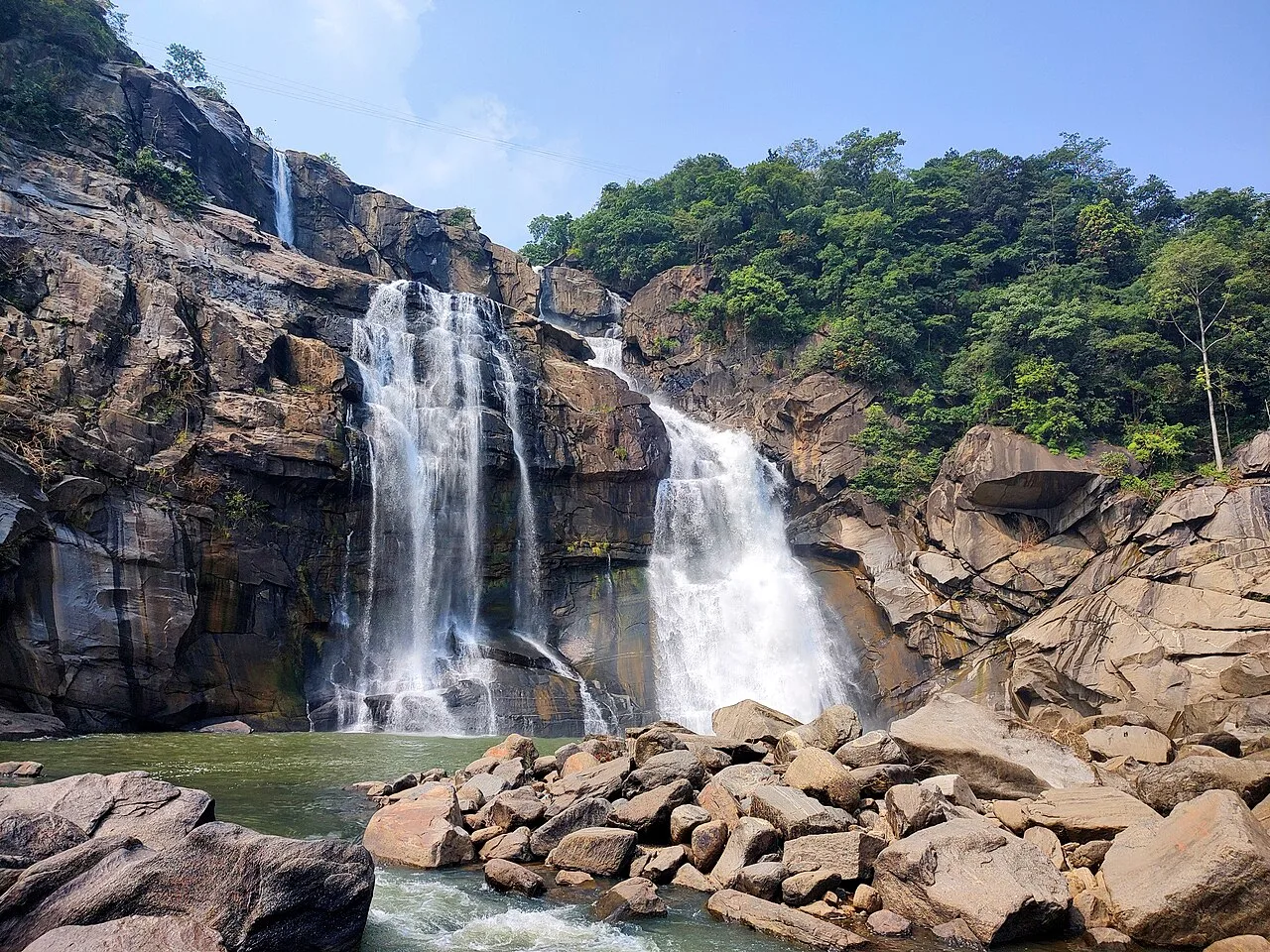
Hundru Falls is a waterfall in Ranchi district, Jharkhand, ranked 34th among India’s waterfalls and known as a prominent visitor attraction in its region.

Pahari Mandir

33 km away · Ranchi district

Pahari Mandir

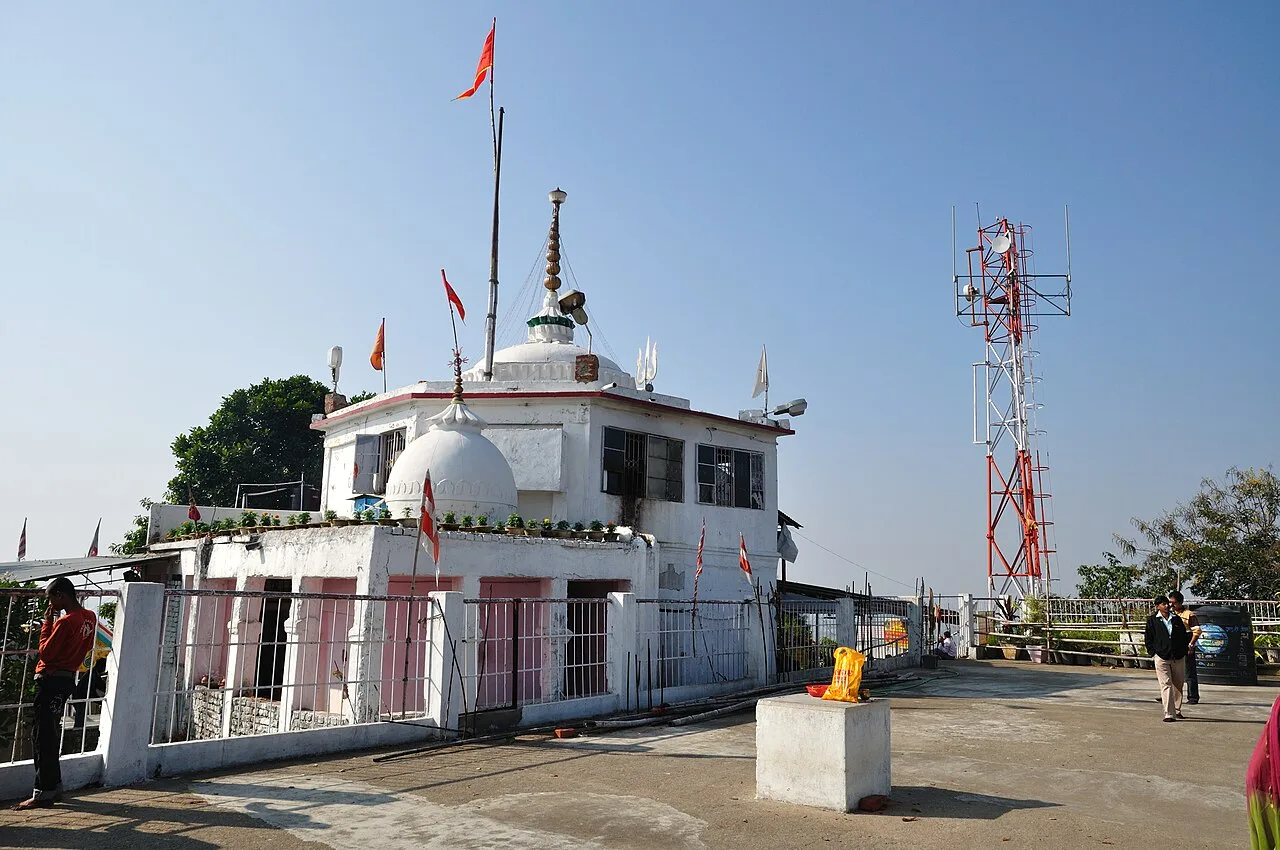
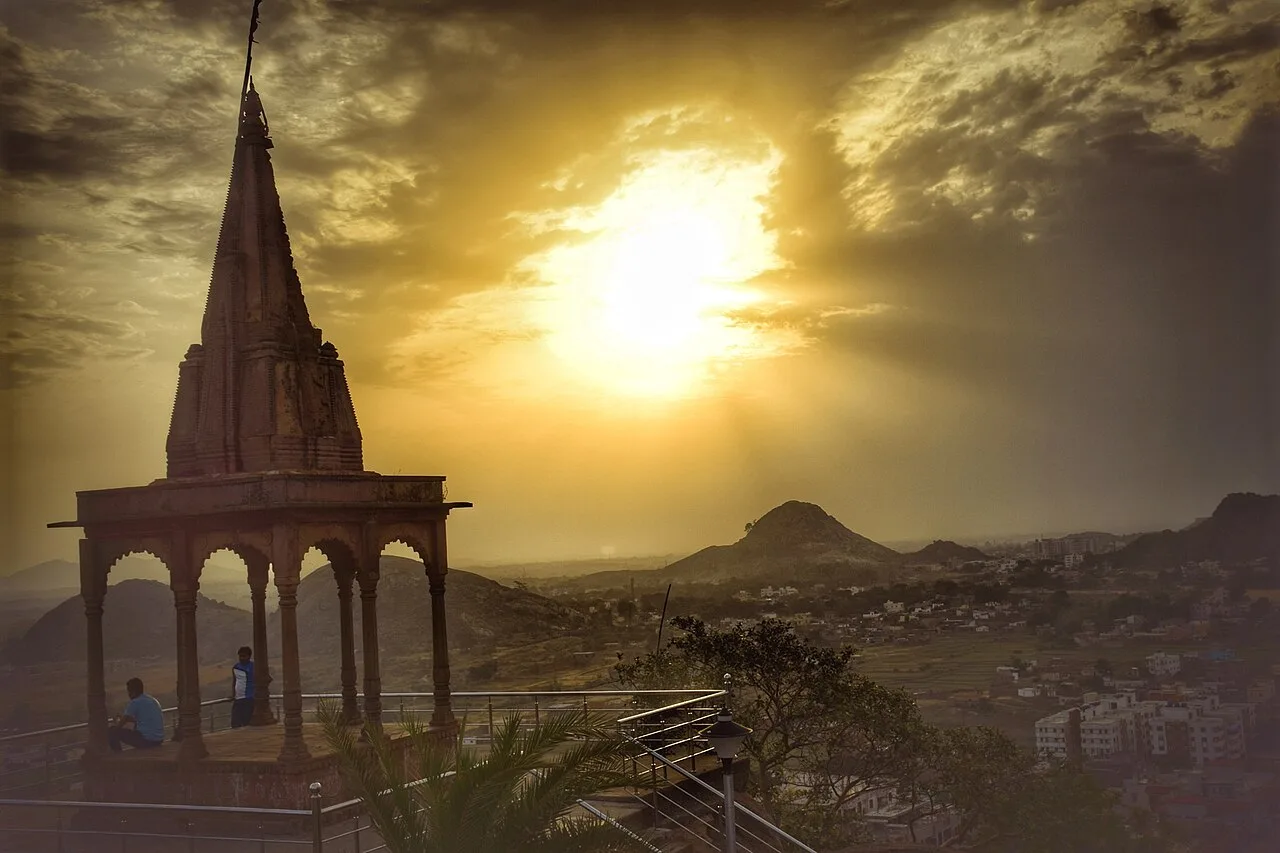
Pahari Mandir is a Shiva shrine on a hill in Ranchi, known for worship during Sawan and Shivaratri, its colonial-era history and flag-raising ceremonies.

Jonha Falls

38 km away · Ranchi district

Jonha Falls

Jonha Falls, also known as Gautamdhara Falls, is a waterfall in Ranchi district, Jharkhand. Visitors can reach it by Jonha Fall Resort Road without taking the 722 steps.

Jagannath Temple

40 km away · Ranchi district

Jagannath Temple

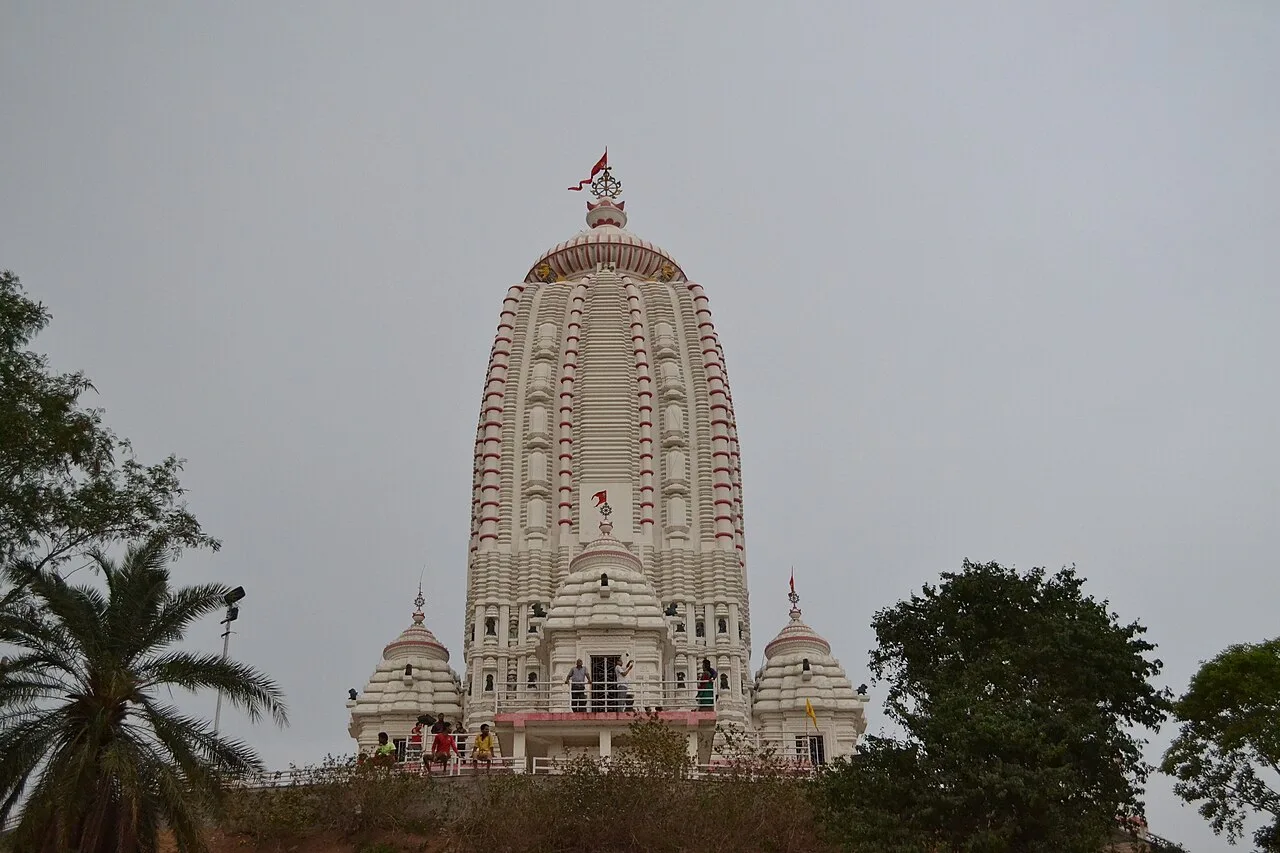
Dedicated to Jagannath, this Hindu shrine in Ranchi, Jharkhand, draws worshippers for its hilltop setting and the annual Rath Yatra and fair held during Aashaadha.

Konar Dam

48 km away · Hazaribagh district

Konar Dam

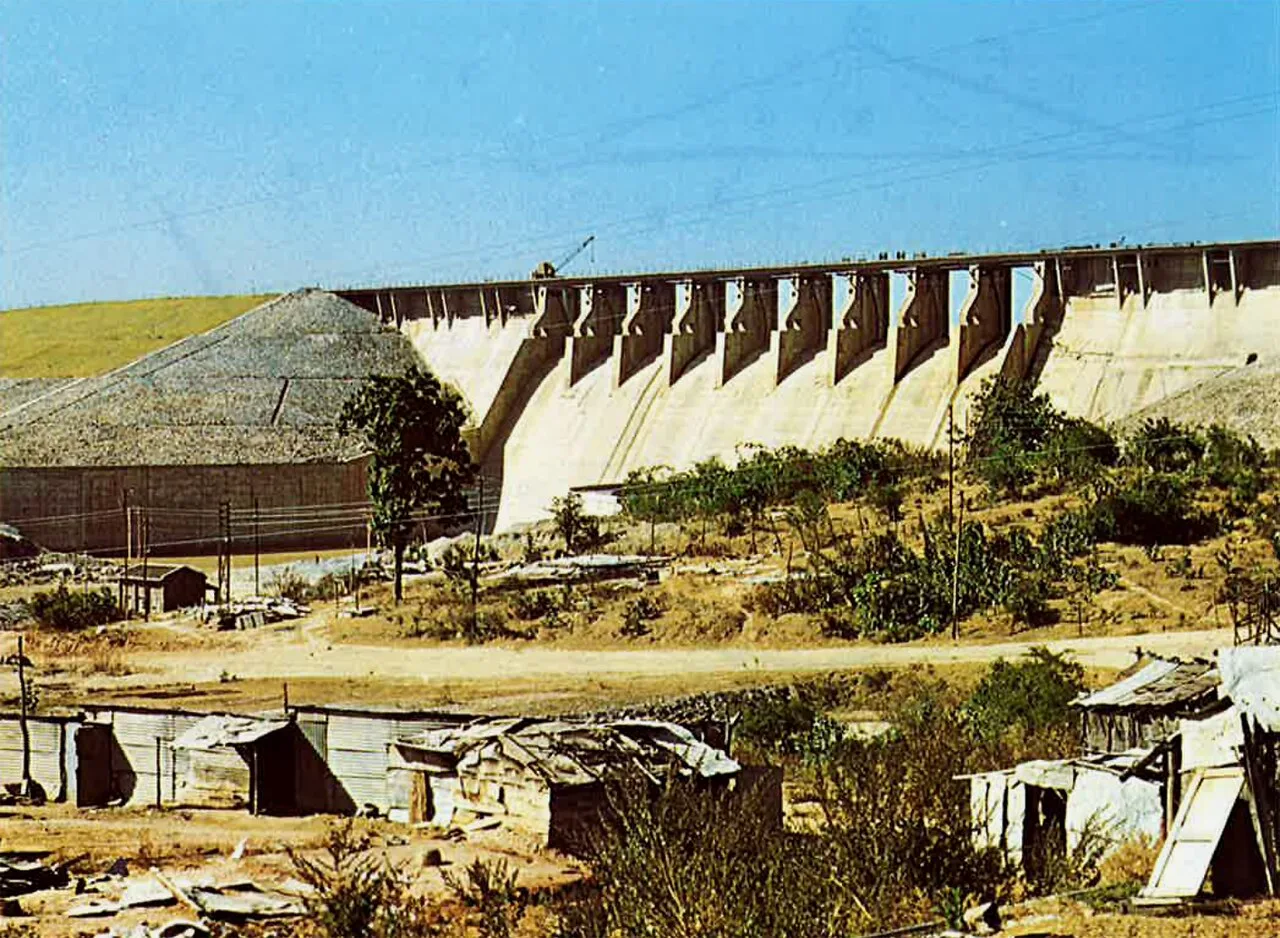
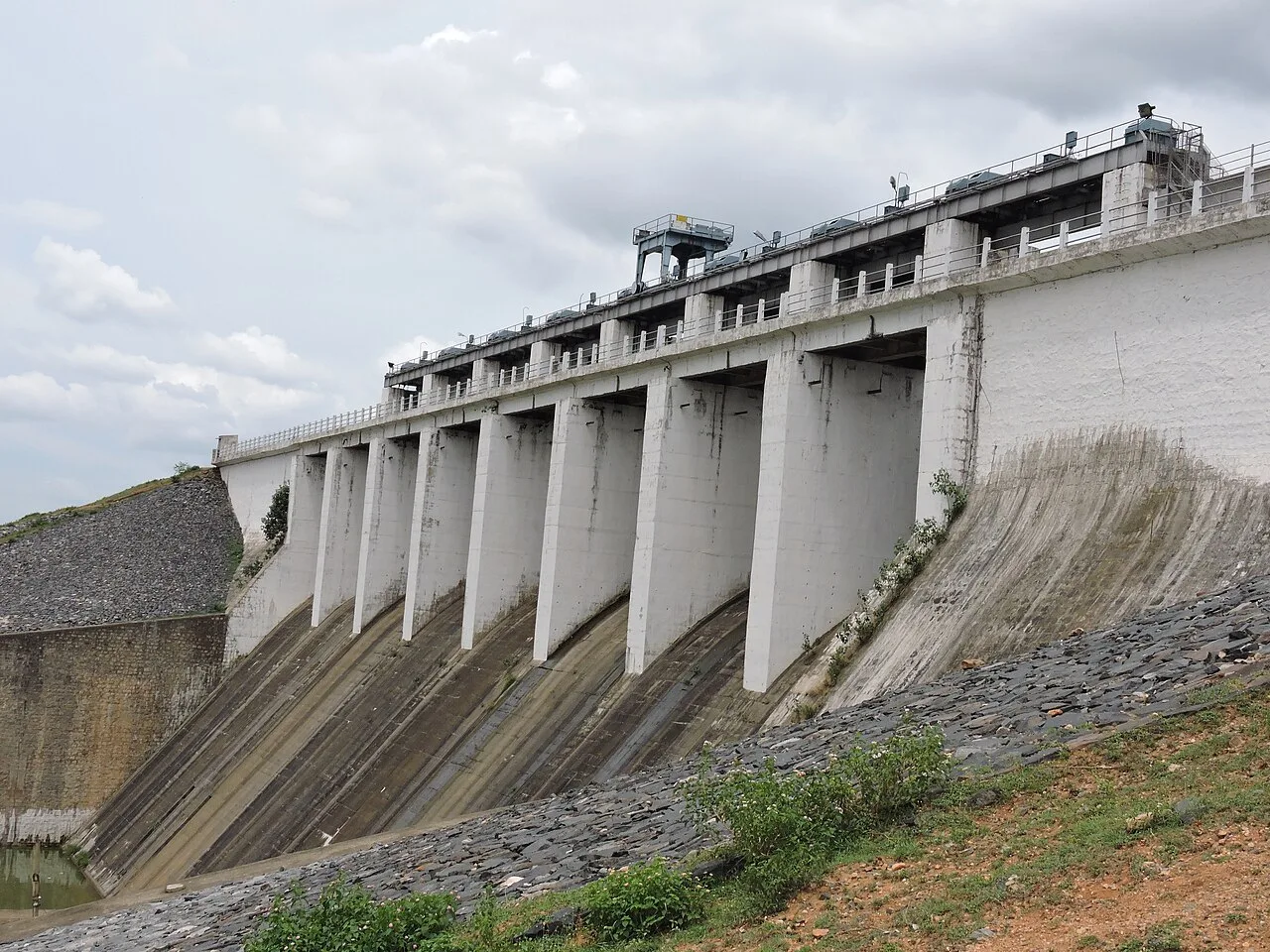
Konar Dam is a multipurpose dam in Jharkhand’s Hazaribagh district, built on the Konar River as part of the Damodar Valley Corporation’s first-phase programme. Visitors come to the area for recreation.

Map

Sirka on the map

  1. 1Patratu
  2. 2Rajrappa
  3. 3Tagore Hill
  4. 4Hundru Falls
  5. 5Pahari Mandir
  6. 6Jonha Falls
  7. 7Jagannath Temple
  8. 8Konar Dam

Jharkhand

Other cities to explore